





What Is Digital Smile Design?
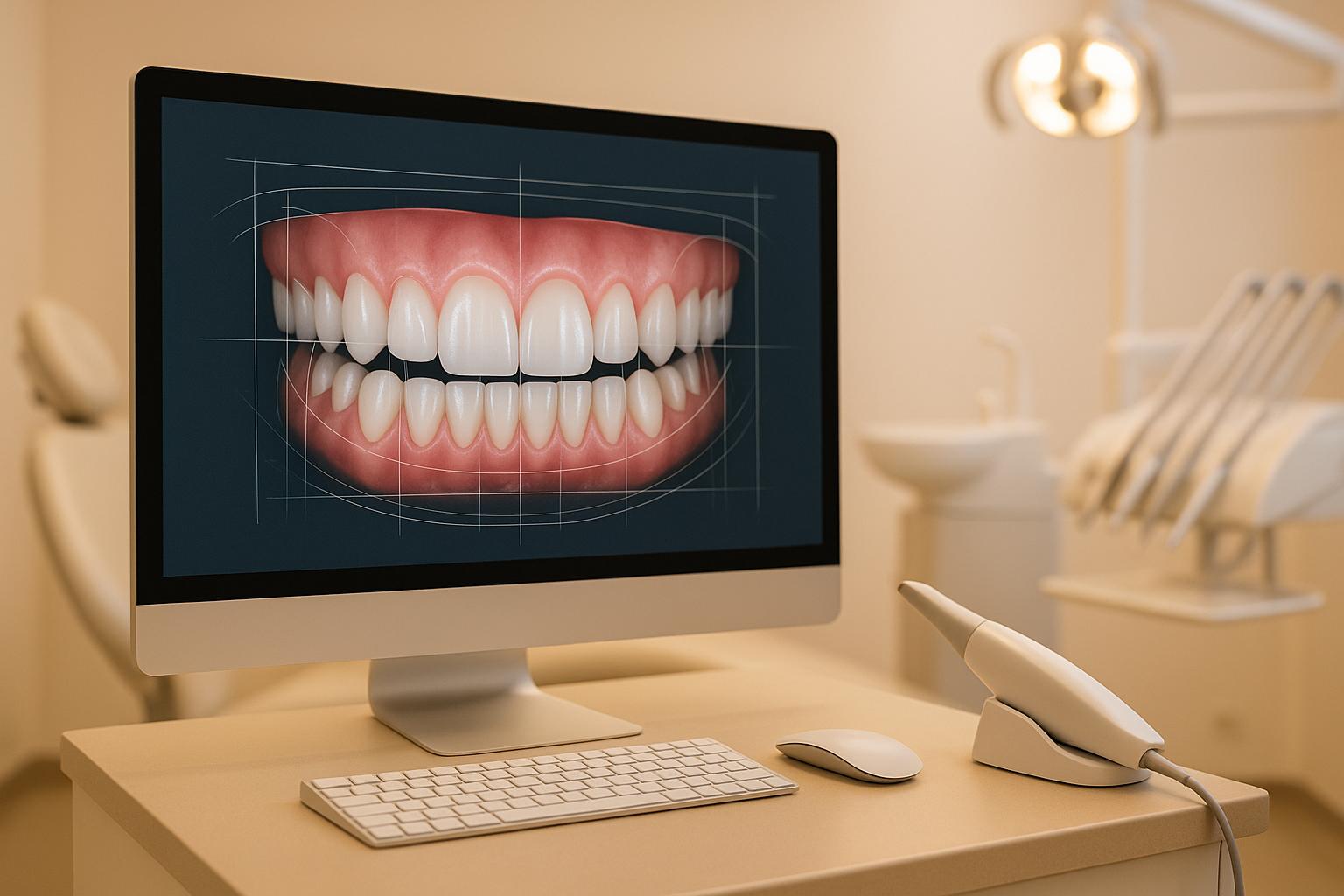
Digital Smile Design (DSD) is a modern method in cosmetic dentistry that uses advanced software, photography, and video analysis to plan and preview smile makeovers. It allows patients to see a digital representation of their new smile before treatment begins, improving communication, reducing uncertainty, and ensuring better alignment between patient expectations and dental results.
Key Points:
- How it works: Dentists use digital tools to analyse facial features, teeth, and smile dynamics. A virtual model of the proposed smile is created, which patients can review and modify.
- Uses in dentistry: Commonly applied for veneers, teeth whitening, dental implants, and full-mouth reconstructions.
- Benefits: Offers precise treatment planning, realistic previews, and better collaboration between patients and dental professionals.
- Australian practices: Increasingly popular, especially in cities, with investments in specialised equipment and training to meet patient demand.
DSD is reshaping how cosmetic dentistry plans and delivers treatments, focusing on precision, patient input, and predictable outcomes.
Digital Smile Design in Cosmetic Dentistry | Edward St Dental | Brisbane Dentist
How Digital Smile Design Works
Digital Smile Design (DSD) replaces traditional methods with a fully digital workflow, offering a modern approach to crafting smiles. Each step in the process showcases the precision and technology behind this transformation, helping patients understand how their perfect smile comes to life.
Patient Consultation and Record Collection
The journey begins with a comprehensive digital data collection process. Dentists take multiple photographs from various angles, which serve as the foundation for the digital analysis.
Videos are also recorded to capture the patient’s natural smile dynamics during conversations and laughter. This step ensures the design reflects the patient’s authentic expressions and speech patterns, creating a smile that feels natural.
Using 3D intraoral scanners, dentists create precise digital impressions, eliminating the need for traditional moulds. These scans, combined with facial measurements – such as lip thickness and gum line positioning – ensure the design complements the patient’s unique facial features. Instead of a generic approach, the smile design is tailored to harmonise with each individual’s appearance.
Smile Analysis and Digital Modelling
With the data in hand, the next step involves refining it into a virtual model. DSD software analyses facial features and dental structures, identifying critical reference points like the midline of the face, lip line, and tooth proportions in relation to the overall facial structure.
The software then creates a virtual representation of the proposed smile. Dentists can adjust individual teeth or redesign entire sections, experimenting with various options to find the best fit. Factors like the tooth-to-lip ratio, gum visibility, and overall facial balance are all considered.
To ensure the new smile blends seamlessly, colour matching and texture mapping are incorporated. The software even simulates how the smile will look under different lighting and from various angles, allowing dentists to anticipate and address potential challenges before treatment begins.
Patient Feedback and Collaboration
Once the digital model is ready, patients are brought into the process for review and input. Dentists present the proposed smile design using digital presentations that showcase before-and-after visuals, giving patients a clear picture of the planned changes.
Patients can provide feedback, request adjustments, and see real-time modifications to the digital prototype. This collaborative approach ensures the final design aligns with the patient’s preferences and expectations.
The digital model also serves as a communication tool for dental specialists. In complex cases requiring input from orthodontists, periodontists, or prosthodontists, the shared digital blueprint ensures all professionals are on the same page, streamlining multidisciplinary care.
Additionally, the digital workflow clarifies the treatment sequence, showing patients how their smile will evolve through each stage. This transparency builds trust and confidence, especially for extensive makeovers that may span several months, as patients can visualise the end result from the outset.
Benefits of Digital Smile Design
Digital Smile Design takes dental treatment to a new level by combining advanced technology with a patient-centred approach. This method not only addresses the limitations of traditional procedures but also provides a more accurate and efficient way to plan and deliver treatments. Let’s explore how it benefits both dentists and patients.
Greater Accuracy and Predictable Outcomes
One of the standout advantages of Digital Smile Design is the precision it brings to treatment planning. By using detailed digital measurements and 3D modelling, dentists can carefully design restorations like veneers and crowns to complement the patient’s facial features. This process helps identify and address potential issues before treatment even begins. Unlike traditional methods that often rely on visual estimates or physical impressions, this digital approach ensures a perfect fit on the first try, resulting in a natural and harmonious smile.
Enhanced Communication and Visual Previews
Cosmetic dentistry often involves managing patient expectations, which can be tricky. Digital Smile Design simplifies this by offering visual previews of the proposed results. Patients can see their future smile from different angles, making it easier to understand the treatment plan and share their thoughts. This back-and-forth communication ensures the final outcome aligns with the patient’s vision, creating a collaborative and transparent treatment process.
A Smoother Treatment Journey
Thanks to its detailed digital workflow, Digital Smile Design significantly streamlines the entire treatment process. Digital scans replace traditional impressions, cutting down on time spent in the chair while ensuring that specifications are accurately communicated to dental labs. This reduces the need for adjustments or remakes, speeding up the fabrication process. Additionally, better coordination among dental specialists ensures a seamless treatment sequence, leading to fewer appointments and a quicker path to achieving the desired results.
Digital Smile Design Applications in Dentistry
Digital Smile Design (DSD) is reshaping cosmetic dentistry by enabling tailored treatment plans that align with each patient’s unique facial features and aesthetic preferences. This technology allows dental professionals to combine precision with personalisation, creating strategies that reflect both functionality and beauty [2][1].
Cosmetic Procedures That Use Digital Smile Design
DSD plays a key role in enhancing various cosmetic dental procedures:
- Porcelain veneers: With DSD, dentists can visualise and design a smile that perfectly complements a patient’s facial structure. The use of digital imaging ensures the veneers not only match the natural characteristics of teeth but also deliver highly personalised results [2][1].
- Teeth whitening: DSD helps determine the ideal shade for whitening treatments, ensuring the outcome harmonises with a patient’s skin tone and facial features. It even provides realistic previews of the final results [2][1].
- Dental implants: Precision is critical when planning implants, especially for front teeth. DSD assists in crafting restorations that closely resemble natural teeth, ensuring a seamless and natural-looking smile [1].
These applications highlight the power of DSD in achieving precise and patient-specific results, even in more intricate cases.
Digital Smile Design in Complex Treatment Planning
DSD is especially valuable in complex dental procedures like full-mouth reconstructions. It allows for the development of customised plans that focus on preserving healthy tooth structure while achieving comprehensive restorations [1].
Australian Clinics Using Digital Smile Design Technology
Australian dental clinics are increasingly incorporating DSD into their practices, showcasing its benefits in everyday procedures.
For instance, Complete Smiles Bella Vista, led by Dr. James Hanna, uses DSD to enhance treatments such as porcelain veneers and dental implants. By integrating advanced digital techniques, the clinic delivers treatment plans that are both personalised and aesthetically driven. This commitment to precision and patient satisfaction underscores the potential of DSD in modern dentistry.
sbb-itb-2be92ed
Digital Smile Design Considerations and Limitations
While Digital Smile Design (DSD) has brought transformative possibilities to cosmetic dentistry, it’s crucial to understand its requirements and limitations before deciding to use this technology.
Clinical Expertise and Technology Requirements
For DSD to be effective, skilled clinicians and advanced digital tools are essential. Dental practices need to invest in specialised equipment like intraoral scanners, high-resolution imaging devices, and software licences for DSD systems [5].
The technology comes with a steep learning curve, requiring staff to undergo thorough training to operate the software and manage digital workflows effectively [7][6].
Precision is key when using intraoral scanners and digital design software, as the quality of the final design depends heavily on the accuracy of the data collected [7][6]. The shift from 2D to 3D design has further enhanced precision. With 3D DSD, multiple data sources – such as intraoral scans, facial photography, bite analysis, and CBCT data – are integrated to create designs that align with the patient’s anatomy [6].
However, while technology improves precision, it doesn’t replace clinical judgement. As Will Noble, Clinical Director at Kissdental Alderley Edge, explains:
The technology helps us communicate and execute our vision with greater precision, but the understanding of facial aesthetics and dental harmony comes from years of experience [4].
These technical demands highlight some of the inherent limitations of DSD, as outlined below.
Digital Smile Design Limitations
DSD is a powerful tool for planning and visualisation, but it’s not a substitute for clinical expertise. It assists skilled practitioners rather than functioning as an independent solution.
The technology primarily focuses on aesthetics, which means it doesn’t address underlying dental health issues like gum disease, tooth decay, or structural problems. These conditions require separate diagnosis and management.
The accuracy of DSD heavily depends on the quality of the data provided. Poor scans, low-quality photographs, or incomplete patient records can compromise the design process. The software is only as effective as the information fed into it and the expertise of the operator.
While 3D DSD offers greater precision compared to 2D systems and supports more predictable outcomes, factors like tissue healing and individual patient responses can still influence the final results. This makes clinical expertise indispensable throughout the treatment process.
Beyond its technical aspects, other factors can affect the adoption of DSD.
Cost and Access Issues
DSD involves additional costs beyond standard dental procedures. Expenses for equipment, software licences, professional fees, and ongoing maintenance contribute to higher treatment costs [5][7].
Access to DSD services also varies across Australia. While major cities and well-established practices are more likely to offer DSD, availability in regional areas can be limited. Patients are encouraged to look for trained and experienced practitioners in their area.
DSD workflows are often more involved than traditional treatment planning. They may require extra steps like digital scanning, design consultations, and revisions, which could mean additional appointments. Patients should take this extended timeline into account when planning their treatment.
Despite these challenges, many dental professionals who have adopted DSD report significant improvements in their practice. Dr Dimitris Tasakos from DV Dental in Athens, Greece, shares:
DSD has been very important in my career because I became a better dentist by applying the protocols [3].
This insight underscores how, when implemented correctly, DSD can enhance both clinical confidence and treatment outcomes.
Conclusion
Digital Smile Design (DSD) has reshaped modern cosmetic dentistry by combining clinical expertise with a clear, visual approach that aligns with patient expectations.
One of the standout features of DSD is its collaborative approach. Hamad M Alharkan from the Department of Restorative Dentistry at Qassim University, Saudi Arabia, highlights this aspect:
DSD significantly contributes to patient satisfaction by involving them in the treatment planning process. Patients feel empowered and confident about their decisions, knowing that their input and preferences are valued and considered [1].
This method not only prioritises patient involvement but also brings efficiency to dental workflows. By emphasising precise planning and collaboration, DSD reduces the need for repeated adjustments, saving time and cutting costs. As Alharkan further explains:
DSD streamlines the treatment workflow by minimising the need for multiple adjustments and remakes. The accuracy and predictability provided by digital planning reduce chairside time and the overall treatment cost [1].
However, adopting DSD does come with challenges. Dental practices must invest in advanced technology and additional training, which can increase initial costs. Additionally, while DSD focuses on aesthetics, it doesn’t directly address underlying dental health concerns.
In Australia, DSD is becoming increasingly popular in dental practices, thanks to its ability to improve communication between dentists and patients while delivering more predictable results. These advantages underline its growing importance in cosmetic dentistry.
As technology continues to advance, DSD is likely to become more accessible, allowing more patients to actively participate in their treatment plans and enabling dentists to achieve even better aesthetic outcomes.
FAQs
What is Digital Smile Design, and how does it help dentists and patients communicate better?
Digital Smile Design (DSD)
Digital Smile Design (DSD) is a modern approach in cosmetic dentistry that leverages advanced digital tools to craft a tailored plan for enhancing your smile. Using imaging, video, and specialised software, dentists can create simulations that let you see the potential outcomes of treatments before they even begin.
This method not only helps dentists explain procedures more clearly but also addresses your concerns and sets realistic expectations. By providing a visual preview of the results, DSD fosters trust and ensures you’re fully informed and confident in your dental care choices. It’s a forward-thinking way to make dental treatments more engaging and transparent.
Which dental treatments work best with Digital Smile Design?
Digital Smile Design is especially useful for treatments aimed at improving both the look and function of your smile. These treatments include porcelain veneers, crowns, orthodontics, gum contouring, and various restorative procedures. By leveraging advanced digital tools, dentists can meticulously plan and visualise the final result, offering a tailored and exact approach to enhancing your smile.
What makes this technique stand out is its ability to give patients a glimpse of their potential results. This preview not only provides a clear understanding of the expected outcome but also boosts confidence before committing to any cosmetic or restorative dental procedure.
What are the challenges or limitations of using Digital Smile Design in dentistry?
While Digital Smile Design (DSD) offers incredible potential in modern dentistry, it does come with a few hurdles. One major challenge is the steep learning curve and the time commitment required for dental professionals to master and integrate this technology into their practice. This can discourage some clinics from adopting it.
Another issue is the expense involved. The advanced digital equipment and specialised software needed for DSD can be costly, making it a less practical option for smaller or budget-conscious dental practices. Additionally, while digital simulations provide patients with a detailed preview of their expected results, the final outcome might not always align perfectly with these projections, which could lead to unmet expectations.
There’s also the risk of becoming overly dependent on technology. This reliance might sometimes lead to unnecessary procedures or set unrealistic goals for patients. Despite these challenges, when applied with care and expertise, DSD continues to be a valuable asset in improving patient care and satisfaction.
Related Blog Posts
- Guide to Choosing the Right Cosmetic Dental Treatment
- How X-Rays Help in Dental Treatment Planning
- Digital Dental X-Rays: How They Work
- AR in Dental Care: Patient Education Tools
Important Notice: Any surgical or invasive procedure carries risks. Before proceeding, you should seek a second opinion from an appropriately qualified health practitioner.
Individual results may vary. The information provided in this article is for educational purposes only and does not constitute medical advice.
Checkout Related Blogs




Get in touch with us
For more information, call us now to start feeling better. Or fill the form below to make appointment
The Latest News from Complete Smiles
How to Clean Clear Plastic Retainers
Checklist for Choosing Wearable Dental Devices
Checklist for Choosing Cloud AI Platforms in Dentistry

Complete Smiles Bella VistaAccepts All Major Health Funds, Including





