





Ultimate Guide to Dental Treatment Cost Estimation
In Australia, dental care can be expensive, with costs being a major reason why many people delay or avoid treatment. Nearly half of Australian adults postpone dental visits, leading to worsening oral health and sometimes preventable hospital treatments. In 2022–23, Australians spent $10.1 billion out of pocket on dental care, with 18% skipping visits due to cost. Here’s a quick breakdown of what you need to know:
- Routine check-ups: $200–$447
- Fillings: $80–$500 depending on material and complexity
- Crowns: $1,674–$2,223
- Dental implants: $2,800–$5,000 per tooth, with full-arch solutions costing up to $40,500
- Orthodontics: $6,000–$9,500
Costs vary by location, dentist experience, and materials used. High-quality materials like porcelain or zirconia last longer but cost more. While private health insurance helps cover some expenses, most policies have limits, waiting periods, and out-of-pocket costs.
Preventive care is the best way to manage costs long-term. Regular check-ups can catch problems early, avoiding expensive treatments later. If costs are a concern, ask for detailed quotes, compare providers, and consider payment plans or insurance rebates.
Understanding dental pricing and planning ahead can save you money and protect your oral health. Below, we’ll dive into detailed cost factors, insurance options, and budgeting tips to help you make informed decisions.
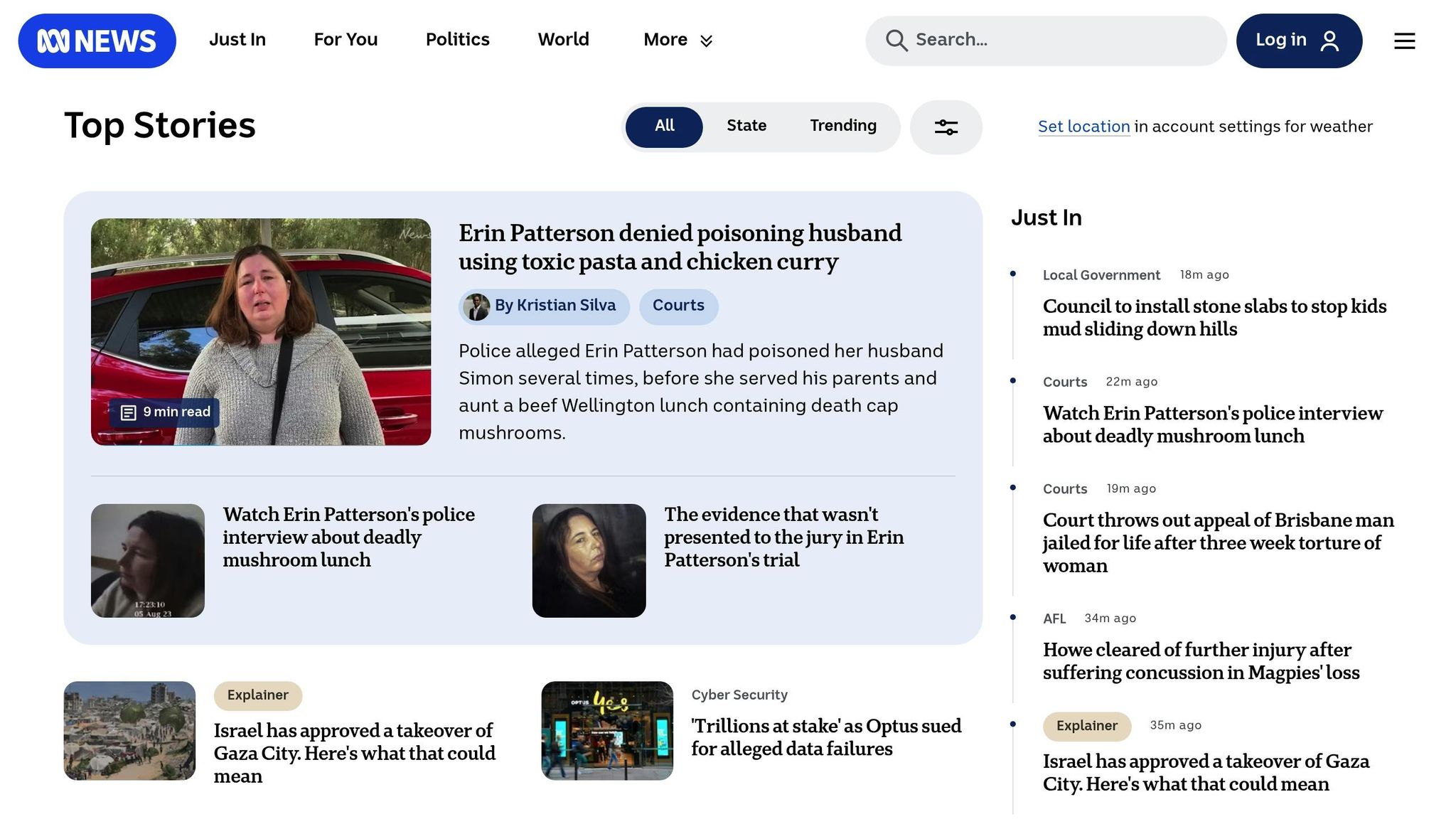
Australia’s ‘completely unaffordable’ dental system | ABC News
Factors That Affect Dental Treatment Costs
When it comes to dental care, understanding what drives the costs can help you better prepare and make informed decisions. From routine check-ups to advanced procedures, several factors influence the price of dental treatments. Let’s break them down to see how they impact your budget.
Treatment Type and Complexity
The type of treatment and its complexity play a huge role in determining costs. Simple procedures like cleanings and check-ups are typically more affordable. On the other hand, complex treatments require more time, advanced techniques, and specialised equipment, which drive up the price.
Take root canals, for instance. A single root canal can cost anywhere between $700 and $1,500 per tooth, but adding a crown can increase the total by $500 to $3,000 [8]. Dental implants are another example where complexity affects pricing. A single straightforward implant is priced between $4,500 and $5,000 per tooth [6]. However, if additional steps like bone grafting or sinus lifts are needed, the cost can climb to around $11,500 per implant [6]. Full mouth restorations also vary: the All-on-4 technique typically costs $23,000 to $27,000 per arch, while All-on-6 treatments range from $28,000 to $35,000 per jaw [6].
Materials and Technology
The materials used in dental treatments are another significant cost factor. Higher-quality materials, like porcelain or zirconia for crowns, are more expensive because they last longer and look more natural [8][7]. Composite resin crowns are a cheaper alternative but have a shorter lifespan [7].
Implant materials also vary in price. Titanium implants generally cost between $3,100 and $8,000, while zirconia implants range from $4,400 to $10,100 [6]. Advanced dental technologies, such as digital imaging and CAD/CAM systems, enhance treatment precision and efficiency but come with hefty price tags. For instance, digital imaging systems can cost anywhere from $10,000 to $150,000, and CAD/CAM systems are priced between $30,000 and over $100,000 [10].
Adding to this, supply chain issues and rising lab fees have pushed operational costs higher, with supply shortages increasing costs by 20% and lab fees by up to 10% [9].
Location and Dentist Experience
Where you receive treatment also influences the cost. For example, dental implants in metropolitan areas typically cost $4,500–$5,000, compared to $2,500–$4,000 in rural regions [11]. In New South Wales, full-arch implants can cost as much as $35,000. A single implant ranges from $3,000 to $6,000 in New South Wales, $2,500 to $5,500 in Victoria, and $2,800 to $5,800 in Queensland [11].
The dentist’s experience and reputation also factor into pricing. Highly experienced dentists with established reputations often charge more [26,28]. Conversely, unusually low prices may be a red flag for less experienced providers [5].
Practice overhead costs, like equipment and operational expenses, further influence dental fees. For example, a dental chair can cost over $35,000, and infection control measures add about $30 per treatment [4]. Other overheads, such as rent, utilities, staff salaries, and maintenance, are also passed on to the patient [1]. Unlike other medical services covered by Medicare, dental treatments generally lack government subsidies, which increases costs, particularly for procedures involving external laboratory work like crowns, veneers, and dentures [4].
Average Dental Treatment Costs in Australia
Knowing the typical costs of dental care in Australia can help you plan your budget more effectively. Dental fees can vary a lot depending on where you live, with some states offering more affordable options than others.
Here’s a breakdown of costs for common dental procedures, from routine check-ups to more advanced treatments.
Preventive Care Costs
Preventive care is generally the least expensive and can save you from needing pricier treatments later. A routine dental check-up with cleaning costs between $200 and $447, with individual components like:
- Check-up: Around $70
- Calculus removal: About $130
- Fluoride treatment: $36–$37
- X-rays: $47–$116
If you need diagnostic imaging, expect to pay around $47 per in-mouth X-ray, while a full-mouth X-ray (OPG) costs about $116 [12][15][16].
Restorative Treatment Costs
Restorative procedures fix existing dental problems and can vary widely in cost depending on the complexity and materials used. For example:
- Front tooth fillings: $171–$255 in NSW
- Back tooth fillings: $320–$500
The type of filling material also affects the price:
- Amalgam fillings: $80–$250
- Composite resin fillings: $150–$450
- Gold fillings: $300–$1,000
- Porcelain fillings: $145–$395 [13][14]
Crowns are a bigger investment:
- Ceramic crowns: $1,674–$2,200
- Full metal crowns: $1,750–$2,223
For tooth extractions, prices depend on the complexity:
- Simple extractions: $224–$349
- Wisdom tooth extractions: $401–$700 [14]
While these procedures address immediate dental concerns, cosmetic and specialist treatments focus more on aesthetics and advanced functionality.
Cosmetic and Specialist Treatment Costs
Cosmetic and specialist dental services are often the most expensive due to their complexity and the expertise required. Here’s what you might expect to pay:
- Dental implants: $2,800–$4,100
- Full-arch solutions: $20,000–$40,500
- Orthodontic treatments: $6,000–$9,500
- Teeth whitening: $250–$1,500
For professional Zoom teeth whitening, which combines in-chair treatment with take-home trays, the cost is typically around $850 [14][15].
Regional pricing differences also play a role. According to an ADA fee survey, South Australia and Western Australia often have lower costs. For example:
- Tooth extractions: Around $185 in South Australia versus $231 in the Australian Capital Territory
- Fillings: Roughly $148 in Queensland compared to $183 in Tasmania [12]
Dentists in Australia have the flexibility to set their own fees, which explains the wide range of costs across different practices and locations.
Insurance, Rebates, and Payment Options
Navigating dental costs becomes much easier when you understand your insurance and payment options. Since Medicare offers only limited coverage, many Australians turn to private extras and payment plans to help manage expenses.
Private Health Insurance Coverage
Private health insurance extras are an essential way to cover the dental care gaps Medicare leaves behind. As of June 2024, dental benefits made up $901.2 million in claims – making it the largest category of general treatment benefits [20]. While insurance often provides rebates for various dental procedures, patients typically still face some out-of-pocket costs.
Dental coverage generally falls into three categories: general, major, and orthodontics. Most policies come with waiting periods, such as two months for general dental services and 12 months for major treatments and orthodontics [18][2]. However, some health funds occasionally run promotions waiving these waiting periods, particularly for general dental care.
It’s important to remember that insurance rarely covers the entire cost of treatment. For instance, during the June 2024 quarter, the average benefit per dental service was $66.97, while the average out-of-pocket expense was $54.10 [20]. Over the year ending June 2024, insured individuals received an average of $258.20 in dental benefits [20].
| Provider | Weekly Premium Range | General Dental Limit | Major Dental Limit | Waiting Periods | Best Feature |
|---|---|---|---|---|---|
| HCF | $15‑$35 | $1,000‑$2,000 | $1,000‑$2,000 | 2‑12 months | Largest provider network |
| Bupa | $18‑$40 | $850‑$1,500 | $800‑$1,800 | 2‑12 months | Family‑friendly policies |
| Medibank | $16‑$38 | $800‑$1,400 | $750‑$1,600 | 2‑12 months | No‑gap arrangements |
| NIB | $17‑$36 | $700‑$1,200 | $1,000‑$1,800 | 2‑12 months | Orthodontic benefits |
Most health funds impose annual maximums, which limit the total amount they’ll cover for dental care within a 12-month period [19]. These benefits usually reset on 1st January, though some funds reset on 1st July or on your policy anniversary date [20]. Unused benefits don’t roll over, so it’s worth keeping track. Exclusions are also common, often covering cosmetic procedures, dental implants, or services exceeding your plan’s limits [17]. To avoid surprises, review your coverage certificate or contact your provider for details [17].
Gap Payments and Payment Plans
Gap payments, or the difference between your treatment cost and your insurance rebate, are influenced by several factors. These include the type of service, materials used, treatment complexity, clinic fees, and location [23].
To minimise gap payments, consider requesting a detailed quote before treatment, confirming your coverage with your insurer, and choosing a dentist within your fund’s preferred provider network [21][24]. Opting for a Members’ Choice provider, for example, can significantly reduce your out-of-pocket expenses [21].
For larger dental expenses, many clinics offer payment plans to ease the financial burden. Payright, for instance, provides fortnightly instalments with 0% interest for terms up to 30 months, though fees apply [25]. Alternatively, TLC offers personal loans ranging from $2,001 to $50,000, with repayment periods of up to 84 months. Interest rates are determined by your credit score [25].
Families with children aged 2‑17 may benefit from the Child Dental Benefits Schedule (CDBS), which provides up to $1,132 in dental benefits over two consecutive calendar years for eligible families [22]. In cases of severe financial hardship, early access to superannuation might also be an option for essential dental treatments [22].
Preventive care is one of the most effective ways to manage dental costs in the long run. Regular check-ups can help catch minor issues before they become major (and more expensive) problems. However, only 54% of HBF members claim their annual dental check-up, while 32% wait more than two years, and 15% delay for five years or longer [24]. Dr Troy McGowan, Executive General Manager-Clinical Excellence for HBF Dental, emphasises:
"Regular dental check‑ups are important to not only maintain good oral health, but to also avoid what could be painful and even more costly issues with your teeth down the track" [24].
When considering payment plans, evaluate your income and expenses to find an arrangement that works for you. Carefully compare plans, paying close attention to fees, interest rates, and penalties for missed payments [26][27]. Discuss your options with your dentist to determine the best solution for your financial situation [26].
Next, explore practical budgeting strategies to better plan for dental treatment costs.
sbb-itb-2be92ed
How to Budget for Dental Treatment
Now that we’ve covered dental pricing and payment options, let’s dive into how to budget effectively for your dental care. Planning for treatment costs involves knowing the exact expenses, understanding when payments are due, and preparing for any surprises along the way.
Getting Detailed Treatment Quotes
The first step is to get a detailed quote for your treatment. Instead of settling for a rough estimate, ask for a fully itemised breakdown. This should include treatment codes and the exact costs for each procedure. With this level of detail, you can double-check what your health insurance covers and calculate your out-of-pocket costs more accurately. If the total cost feels overwhelming, don’t hesitate to ask about alternatives that might better suit your budget [21].
What to Look for in a Quote:
- Treatment codes for each procedure
- Individual costs for every treatment
- Total overall cost
- Estimated timeline for completing the treatment
- Possible additional procedures or unexpected costs
Many health insurers provide online tools or apps that let you plug in these treatment codes to estimate your out-of-pocket expenses [21].
Once you’ve got a clear, itemised quote, the next step is to compare options and make sure you’re getting the best value for your money.
Comparing Costs and Treatment Value
When comparing dental quotes, don’t just focus on the price tag. Look at the bigger picture, including the quality of materials used, the dentist’s experience, and the level of aftercare provided. Often, a single procedure involves multiple item codes, which can complicate price comparisons [15].
Here are some key factors to consider when evaluating quotes:
| Factor | Why It Matters | Questions to Ask |
|---|---|---|
| Material Quality | Better materials last longer and perform well | What materials are used? How long will they last? |
| Clinician Experience | More experienced dentists often deliver better results | How many similar procedures has the dentist done? |
| Aftercare and Warranties | Good aftercare can save you money later | What follow-up care is included? Are there warranties? |
| Hidden Costs | Extra fees can quickly add up | Are there any additional fees not listed? |
Think about the long-term value of the treatment. While saving money upfront might be tempting, investing in higher-quality materials or better aftercare could save you from costly repairs or replacements down the road. Also, talk to your dentist about any potential extra charges that might pop up during treatment [28].
For more expensive procedures, payment plans can help spread the cost over time without increasing the total amount [29]. Many dental practices offer financing options, and programmes like Smile provide capped or discounted fees at participating clinics – some memberships start as low as $79 per year.
Planning for Routine and Unexpected Costs
Understanding the average cost of common dental procedures can also help you budget. For instance, a routine check-up, which typically includes an examination, a scale and clean, and fluoride treatment, costs about $219 on average. However, this can range from $162 to $309 depending on where you live [12].
Working with Local Dental Providers
Finding a trusted dental provider is essential for maintaining good oral health and managing costs effectively. Local dental clinics often offer a level of personalised care and cost clarity that larger corporate chains might lack. This approach helps create customised treatment plans while ensuring transparency in pricing.
Building Long-Term Relationships for Better Care
Local dental practices prioritise building strong, lasting relationships with their patients. This often translates into flexible pricing options and customised treatment plans that help avoid unnecessary expenses. Many patients report feeling more satisfied with private practices due to improved trust, better communication, and consistent care over time [31]. When a dentist understands your dental history and personal needs, they can craft a plan that fits you perfectly, steering clear of unnecessary or overly costly procedures.
Practical Reasons to Choose Local Clinics
Local clinics come with a range of practical benefits. For instance, attending follow-up appointments is more convenient, which can help catch and address minor issues before they escalate into major, costly problems. If complications arise, being close to your dentist ensures quick, in-person care, saving you the stress and expense of travelling long distances during recovery [30]. Additionally, local dentists often have established connections with nearby dental labs, imaging centres, and specialists. These professional networks can lead to more reliable referrals and even cost savings on specialised services [30].
What to Look for in a Local Dentist
When researching dental providers in your area, it’s important to verify their credentials. Check that the dentist is registered with the Australian Health Practitioner Regulation Agency (AHPRA) and review the clinic’s history [31]. Look for practices that offer detailed, itemised cost estimates and present all treatment options without any pressure. The best local dentists will explore different approaches to your care, including budget-friendly alternatives, and provide flexible payment options to help you make the most of your health fund benefits [31].
Complete Smiles Bella Vista: A Personalised Approach
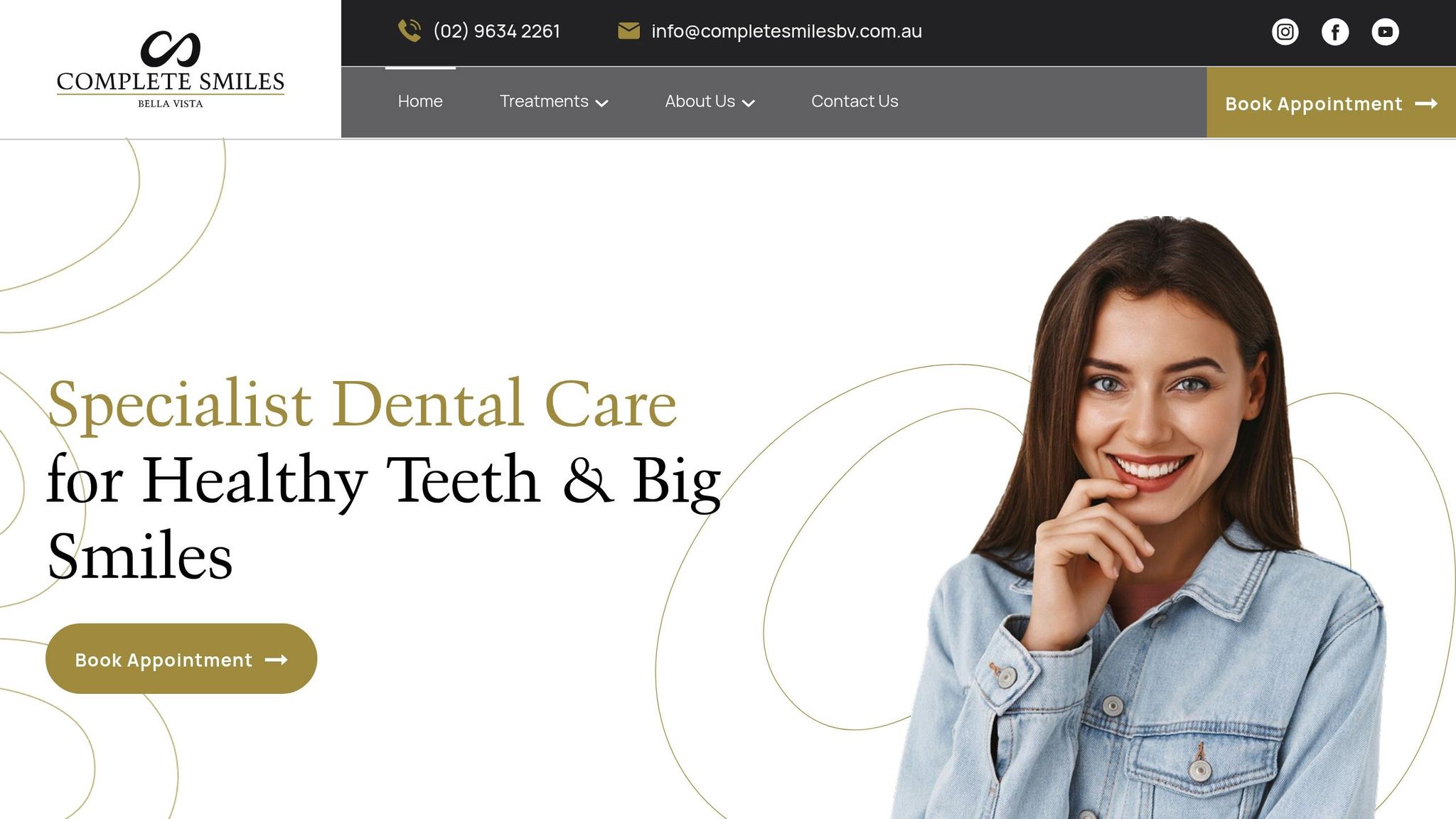
Complete Smiles Bella Vista is a great example of a local clinic offering both personalised care and clear pricing. Led by Dr. James Hanna, the clinic provides a wide range of services, from general dentistry to specialised treatments like dental implants, orthodontics, and cosmetic procedures such as porcelain veneers and teeth whitening. For larger treatments, they offer flexible payment plans for amounts up to $70,000. By combining routine preventive care with advanced specialist treatments in one location, Complete Smiles Bella Vista ensures continuity of care and can help reduce overall costs through efficient treatment planning.
Making the Best Choice
Selecting the right dental provider isn’t just about finding the lowest price. Use tools like targeted online searches – such as "dental implants near me" or "family dentist in [your area]" – to identify options. Review their websites for credentials and services, read patient reviews on platforms like Google or Healthgrades, and schedule consultations to get a sense of their approach to care [30]. Choosing a dentist who aligns with your budget and care needs ensures you receive quality treatment without compromising your financial goals. Always confirm credentials, request detailed quotes, and check for flexible payment plans to make an informed decision [30].
Making Smart Decisions About Dental Costs
Understanding dental costs isn’t just about crunching numbers – it’s about finding the right balance between quality care and your financial limits. By combining detailed quotes with thoughtful budgeting, you can make choices that prioritise both your oral health and your wallet.
Quality vs. Cost Considerations
When it comes to dental treatments, higher-quality materials and services often come with a steeper price tag, but they can pay off in the long run. For instance, porcelain crowns are known for their natural look and durability but are pricier than composite resin options, which are cheaper but less resilient over time [32][7]. Similarly, experienced dentists may charge more, but their skill often leads to better results and fewer complications [6]. While shopping around for the best price is important, don’t let cost be your only deciding factor – consider the dentist’s qualifications, their clinic’s reputation, and the range of services they provide.
Preventing Unexpected Expenses
Preventive care is your best friend when it comes to avoiding hefty dental bills. Regular check-ups and professional cleanings can catch small problems before they turn into expensive treatments. For example, a simple filling is far more affordable than needing a root canal and crown later on. Likewise, professional cleanings cost significantly less than periodontal surgery [33].
Good oral hygiene habits at home also play a huge role in keeping costs down. Brushing twice a day, flossing regularly, and cutting back on sugary foods can save you from preventable issues.
"Reducing sugar intake is one of the most effective ways to prevent tooth decay… Combined with twice-daily brushing and flossing, it’s the simplest way to avoid unexpected dental costs." – Dr Stockley [34]
Getting Accurate Cost Information
It’s essential to understand the full scope of costs before committing to treatment. Be sure to ask about potential extras like consultation fees, X-rays, preparatory treatments, aftercare, or lab work [7]. Knowing these details upfront will help you avoid surprise charges.
Making Your Decision
When comparing treatment options, think about both the upfront cost and the long-term value. A more expensive treatment may last longer and require fewer replacements, saving money down the road [7]. If cost is a concern, look into payment plans or check whether your insurance covers part of the expense. For major treatments, it’s always a good idea to get a second opinion.
In 2021, 31.6% of Australian adults delayed or avoided dental care due to cost concerns [3]. By combining cost-conscious choices with preventive care, you can maintain long-term oral health without breaking the bank.
FAQs
How can I plan ahead for unexpected dental costs in Australia?
Planning for unexpected dental expenses in Australia is all about being prepared. One smart move is setting up an emergency dental fund. Putting aside somewhere between $100 and $700 can make a big difference when dealing with common procedures like consultations or extractions.
It’s also worth looking into public dental services or government programs, which provide more affordable care for those who qualify. On top of that, regular check-ups and keeping up with good oral hygiene can go a long way in preventing surprise dental costs down the road.
What should I look for when choosing a dental insurance plan in Australia?
When choosing a dental insurance plan in Australia, there are a few key things to keep in mind. Start by looking at the types of treatments covered – this usually includes preventive care, major procedures, and specialised treatments like orthodontics. Don’t forget to factor in the costs, such as monthly premiums, annual limits, and any out-of-pocket expenses you might face.
Another important consideration is the waiting periods for certain treatments, which can vary between plans. You’ll also want to check if the plan allows you to visit your preferred dentist or if you’ll need to choose from a specific network.
Take a close look at the coverage limits for procedures you’re likely to need and watch out for any exclusions. Comparing different plans carefully will help you find one that suits both your budget and your dental health priorities.
How do the quality of materials and the dentist’s experience affect the cost and success of dental treatments over time?
The cost and success of dental treatments are closely tied to the materials used and the dentist’s expertise. Using top-notch materials can make a big difference – they tend to last longer and are less prone to failure. This means fewer repairs or replacements, which can save you money over time. For instance, high-grade materials in crowns or implants often deliver better performance and durability.
On the other hand, choosing an experienced dentist can significantly impact the precision of your treatment. A skilled professional is more likely to carry out procedures accurately, reducing the chances of complications or the need for follow-up treatments. This not only enhances the results but also helps avoid unexpected costs later. Spending a bit more on quality care upfront can lead to dependable, long-lasting outcomes and potentially lower your overall dental expenses in the future.
Related Blog Posts
- Dental Implants: Your Top 8 Questions Answered
- Guide to Choosing the Right Cosmetic Dental Treatment
- Denture Costs in Australia: 2025 Guide
- Transparent Dental Pricing Explained
Important Notice: Any surgical or invasive procedure carries risks. Before proceeding, you should seek a second opinion from an appropriately qualified health practitioner.
Individual results may vary. The information provided in this article is for educational purposes only and does not constitute medical advice.
Checkout Related Blogs




Get in touch with us
For more information, call us now to start feeling better. Or fill the form below to make appointment
The Latest News from Complete Smiles
How to Clean Clear Plastic Retainers
Checklist for Choosing Wearable Dental Devices
Checklist for Choosing Cloud AI Platforms in Dentistry

Complete Smiles Bella VistaAccepts All Major Health Funds, Including





