





Transparent Dental Pricing Explained
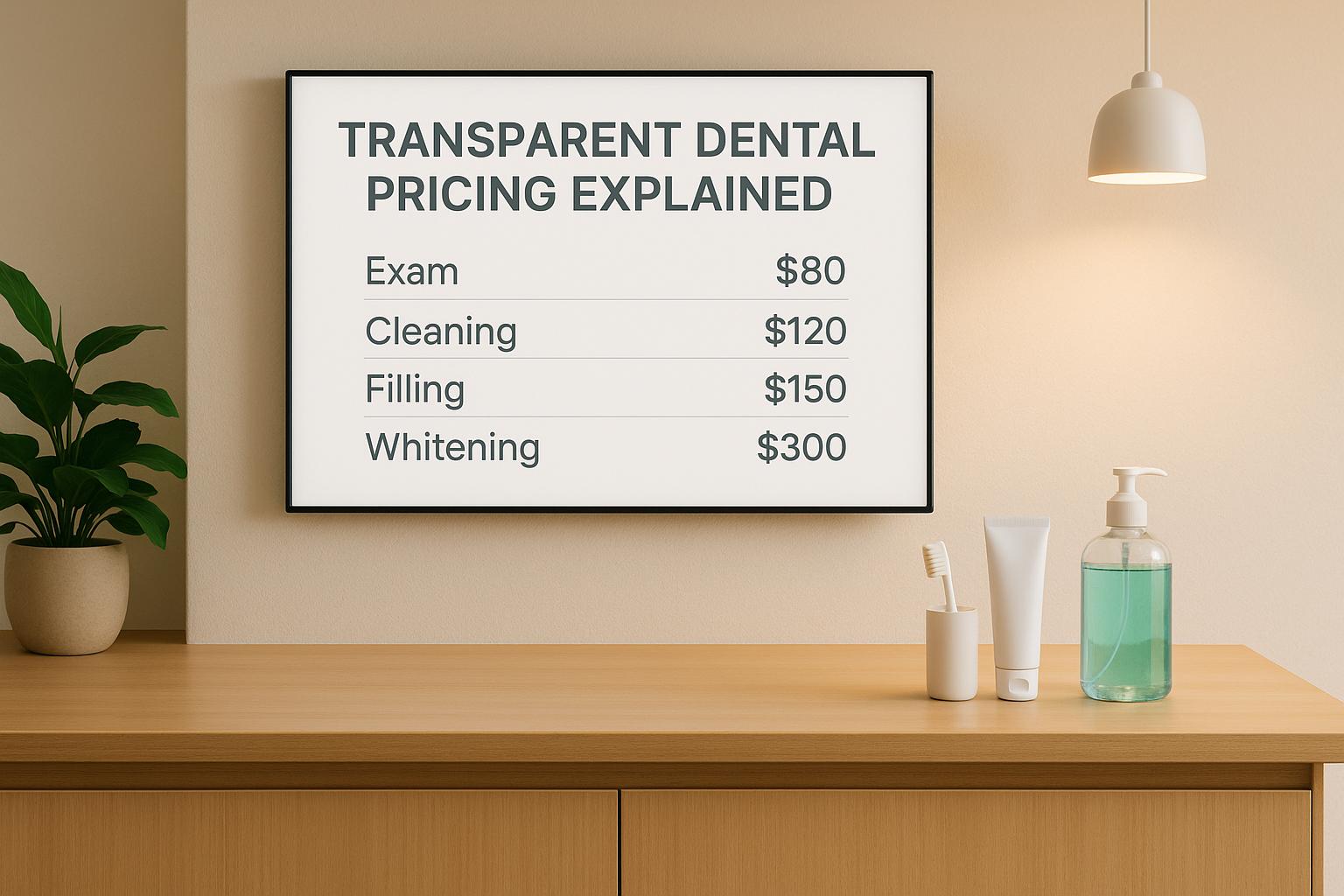
Transparent dental pricing ensures you know the exact costs of your dental treatments upfront. This approach eliminates hidden fees, reduces financial stress, and helps you make better decisions about your oral health. Here’s what you need to know:
- What It Is: Dentists provide itemised quotes before treatment begins, covering all costs, including materials, anaesthesia, and follow-ups.
- Why It Matters: Australians spend 20% of out-of-pocket health expenses on dental care, with health fund rebates often covering only half. Transparent pricing helps you budget and avoid surprise bills.
- Key Benefits:
- Reduces cost uncertainty, encouraging timely care.
- Builds trust between patients and dentists.
- Supports informed decision-making by comparing options.
Dentists now offer written quotes, clear breakdowns, and flexible payment plans, making it easier to manage dental costs. This shift promotes trust and better access to care while helping you plan your expenses effectively.
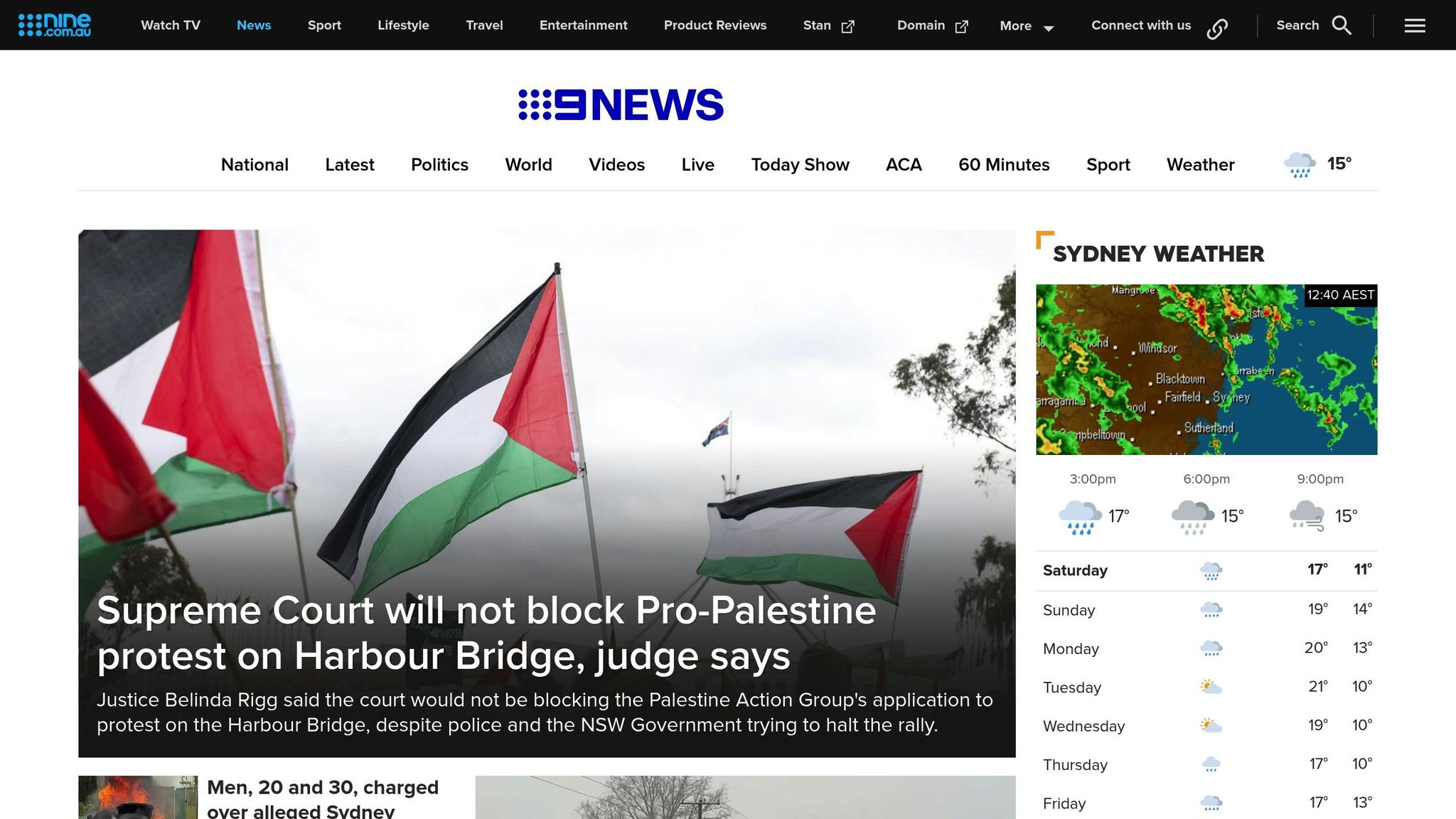
Dental practices offering fixed price service | 9 News Australia
What is Transparent Dental Pricing?
Transparent dental pricing means patients are informed about all treatment costs upfront – well before any dental work begins. Instead of receiving vague estimates or facing unexpected charges after a procedure, patients are provided with itemised breakdowns. Whether it’s a simple cleaning, a filling, or a crown, they know exactly what they’ll pay before the treatment starts. This approach is becoming increasingly relevant in Australia, where dental costs can take up a large chunk of healthcare spending.
Every fee is disclosed, from the base treatment costs to charges for materials, anaesthesia, or follow-ups. This eliminates surprises like unexpected bills weeks after a visit or hidden fees that suddenly appear on invoices.
"Transparent dental pricing allows patients to understand the cost of their treatment upfront, reducing anxiety and uncertainty." – Baywood Dental Group [1]
By openly sharing fee structures, dental practices establish clear expectations. For Australians, this level of transparency is especially important. Knowing the exact costs makes budgeting easier and helps patients make better-informed decisions about their care.
How Transparent Pricing Differs from Traditional Models
Transparent pricing takes a completely different approach compared to traditional dental billing methods, which often left patients feeling frustrated and financially blindsided. In the past, patients were frequently given rough estimates that could change drastically once treatment was underway. Additional fees for materials, extended procedures, or extra services were often tacked on without prior notice.
| Traditional Pricing | Transparent Pricing |
|---|---|
| Vague estimates that might change | Clear, upfront costs with detailed breakdowns |
| Hidden fees discovered post-treatment | All fees disclosed before treatment begins |
| Limited cost information shared | Comprehensive, itemised quotes provided |
| Surprise charges on final bills | No unexpected costs or billing surprises |
Under the traditional model, it wasn’t uncommon for patients to receive a final bill far higher than expected. These surprise charges not only caused financial strain but also eroded trust between patients and their dentists. In fact, many Australians delay or avoid dental care altogether because of this uncertainty.
"Transparent dental costs are essential for fostering trust between patients and dental providers." – Torrance Dental Associates [2]
Transparent pricing flips the script. Every cost is agreed upon before treatment begins, and if additional work is required during the procedure, the dentist discusses the new charges and gets the patient’s approval first. This ensures patients remain in control of their spending.
Another key difference is the use of written quotes. Instead of relying on verbal estimates, practices provide detailed documents outlining each service, its cost, and the total fee. This creates a clear, shared understanding between the patient and the dentist.
Why Transparent Pricing Matters in Australia
In Australia, where dental care accounts for about 20% of out-of-pocket health expenses, transparent pricing plays a crucial role in helping patients manage their budgets [3]. With health fund rebates typically covering only half of dental treatment costs [3], Australians often bear a significant financial burden. Transparent pricing helps patients prepare for these expenses by offering a clear picture of what they’ll need to pay.
This approach aligns with the growing demand for honesty in healthcare. Just as patients expect detailed information about medical procedures, they now expect the same clarity when it comes to costs. Transparent pricing empowers patients to make informed decisions, weighing the benefits of treatment against their financial situation.
It also addresses a major issue in Australian dental care: cost uncertainty often leads people to delay or avoid treatment altogether. When patients have access to real-time estimates of out-of-pocket expenses, they’re more likely to seek timely care, preventing minor dental issues from escalating into more serious – and costly – problems [3].
For families juggling healthcare budgets, transparent pricing offers a practical way to plan ahead. Whether it’s braces for the kids, cosmetic procedures, or complex dental work, knowing the costs upfront can ease financial stress. It also encourages comparison shopping, allowing patients to choose providers based on both cost and quality. With these benefits in mind, the next sections will explore how transparent pricing improves patient experiences and supports better cost management.
Benefits of Transparent Dental Pricing for Patients
Transparent dental pricing reshapes how patients approach dental care by offering clear cost information and empowering them to make informed decisions. This approach directly impacts how patients manage their treatment expenses and plan for their care.
Reduces Financial Stress
Uncertainty about costs often prevents patients from seeking timely dental care, leading to avoidable stress and worsening oral health issues. Without clear pricing, many patients delay or avoid treatment altogether. Transparent pricing changes this dynamic by helping patients plan their budgets effectively. When costs are clear, patients can allocate funds and explore payment options without the fear of unexpected expenses.
This is particularly relevant in Australia, where 43% of people use Buy Now, Pay Later (BNPL) services for various needs, including dental care. Among younger Australians – Gen Z and Gen Y – 59% have used BNPL options as of July 2024 [6]. Practices that openly share pricing and payment plans enable patients to spread out expenses in a manageable way, reducing financial strain [4].
Helps Patients Make Informed Decisions
Knowing the costs of treatment upfront allows patients to take an active role in their healthcare decisions. Studies show that 3 out of 5 people delay medical care due to uncertainty about costs [7]. This hesitation can lead to more severe and expensive dental problems down the line. For example, when comparing orthodontic treatments, patients can weigh the costs of clear aligners, which typically range from $4,500 to $9,000, against traditional metal braces, which usually cost between $5,000 and $8,000 [5]. Transparent pricing ensures patients can evaluate their options based on both clinical outcomes and their financial circumstances.
Builds Patient-Dentist Trust
Clear communication about costs also strengthens trust between patients and dentists. When fees are disclosed upfront, concerns about hidden charges disappear, creating a stronger bond of confidence. This trust encourages patients to attend regular check-ups and preventive appointments without hesitation. Additionally, it minimises time spent discussing costs during visits, allowing more focus on clinical care.
In an environment built on trust, patients are more likely to commit to comprehensive treatment plans, supporting both their oral health and overall well-being. Transparent pricing not only enhances the patient experience but also fosters a more efficient and reassuring approach to dental care.
Key Components of Transparent Dental Pricing in Australia
Transparent pricing in Australian dental practices hinges on three key elements that work together to reduce cost uncertainty and build patient trust. These components ensure patients have all the information they need about treatment costs before committing to care.
Itemised Cost Breakdowns
A detailed cost breakdown is the foundation of transparent pricing. This includes item numbers, service descriptions, and individual costs for each procedure, helping patients understand exactly what they’re paying for and enabling cost comparisons between clinics [8].
For instance, a standard check-up might include a comprehensive examination (item 011) for AUD 70, while preventive treatments like fluoride application (item 121) cost AUD 37. Restorative work varies widely, with front tooth white fillings (item 521) starting at AUD 172 and back tooth white fillings (item 531) beginning at AUD 207. Cosmetic options such as porcelain veneers (item 556) and restorative crowns (item 613) both start from AUD 1,743. For surgical procedures, costs range from AUD 215 for simple extractions (item 311) to AUD 448 for surgical extractions (item 324) [8].
The importance of itemisation becomes even clearer with more complex treatments. For example, in March 2025, Dentista Dental Centre provided a detailed breakdown for a crown procedure: crown AUD 1,743; core filling AUD 261; crown removal AUD 169; x-ray AUD 47; bringing the total to AUD 2,220 [8].
Clear Information on Additional Fees
Being upfront about potential extra costs is another crucial aspect of transparent pricing. Fees for services like diagnostic imaging, laboratory work, specialist consultations, or emergency appointments can catch patients off guard if not disclosed early.
For example, diagnostic imaging costs should be shared in advance. An in-mouth x-ray (item 022) costs AUD 47, while a full-mouth x-ray (OPG, item 037) is AUD 116 [8]. Clear communication about these additional fees strengthens trust between patients and their dental teams.
"Real-time access to estimated out-of-pocket (OOP) costs mitigates the chance of a patient receiving an unexpectedly large dental bill and improves the overall payment process for them" [3].
Explaining why certain procedures might incur extra fees helps patients feel more informed and reassured. Alongside this transparency, many practices also outline flexible payment options to ease financial concerns.
Payment Plans and Health Fund Rebates
Flexible payment options are a common feature in Australian dental practices, offering patients greater control over their expenses. These can include package deals, extended payment plans, and clear explanations of gap payments and rebate eligibility [8].
Health fund rebates can complicate dental pricing, but transparent practices simplify the process by explaining how rebates work and detailing gap-free options. When patients understand the total cost of their treatment and their expected out-of-pocket expenses, they can make more confident decisions about their care.
sbb-itb-2be92ed
How Australian Dental Practices Implement Transparent Pricing
Australian dental practices have embraced clear and straightforward methods to communicate costs, offering detailed documentation and flexible payment solutions to accommodate varying financial circumstances.
Displaying Standard Fees
Many dental clinics now make their standard fees easily accessible by publishing them on their websites or in printed materials available at the clinic. This upfront approach helps patients gauge costs before booking an appointment, reducing the stress often associated with dental visits. In fact, financial concerns led around 4 in 10 Australians to delay or avoid a trip to the dentist during 2017–18 [9].
Dental pricing can differ significantly across the country. According to 2022 data from the Australian Dental Association (ADA), the average cost for a routine check-up – which typically includes an examination, scale and clean, and fluoride treatment – sits at approximately AUD 219. The lowest recorded cost for such a service is AUD 162, while the highest reaches AUD 309 [9].
To simplify costs further, some practices offer flat-rate pricing for common procedures such as check-ups, fillings, and basic extractions. Additionally, many clinics collaborate with private health insurers to provide predictable pricing for patients with health fund coverage [9].
Providing Written Quotes
Australian dental practices are generally expected to give patients itemised quotes – preferably in writing – before starting any treatment [10]. These written quotes typically include details like dental item numbers, the cost of each procedure, and the provider’s information. This transparency helps patients understand their expenses clearly and check their health fund coverage for any potential out-of-pocket costs.
The Australian Dental Association highlights the importance of this practice:
"Customers who see fund-contracted dentists have no more certainty around treatment fees than those who see independent dentists. As required by the Dental Board’s Code of Conduct, it is standard practice for all dentists to provide patients with itemised quotes (usually written quotes) of fees for any recommended treatment items in order to obtain informed financial consent prior to providing that treatment." – Australian Dental Association [11]
Providing written quotes not only benefits patients but also protects practitioners by creating a clear record of agreed costs, reducing the likelihood of misunderstandings. This practice also lays the groundwork for discussing flexible payment arrangements, which further support transparent pricing.
Flexible Payment Options
In addition to clear pricing, many dental practices offer flexible payment solutions to help patients manage the cost of treatments without needing to pay large amounts upfront [12]. Interest-free payment plans are available for procedures costing up to AUD 20,000, with repayment terms typically spread across 1 to 24 months [12]. These plans usually require a deposit – 20% for treatments under AUD 2,000 and 10% for treatments exceeding AUD 2,000 [12].
Some clinics have also partnered with established payment providers to offer broader financial solutions. These include dental loans ranging from AUD 2,001 to AUD 50,000 and assistance for eligible patients in accessing their superannuation funds [12]. These flexible options have proven effective, with providers helping over 280,000 patients afford necessary treatments by enabling interest-free repayments [13]. Payment plans can be applied to a wide range of services, from general dental care to orthodontic treatments [13][14].
How to Navigate Dental Costs as a Patient in Australia
Managing dental expenses in Australia can feel overwhelming, but with proper planning and open communication with your dental provider, you can make smart choices for your oral health without breaking the bank. Here’s how you can approach dental costs, understand rebates, and compare clinic prices effectively.
Requesting Written Treatment Plans
Before committing to any dental procedure, always ask for a written treatment plan. This document should clearly outline the procedures, timelines, and associated costs. A proper treatment plan will include dental item numbers, the price of each service, and the dentist’s name and provider number [10]. This level of transparency helps you understand exactly what you’re paying for and ensures there are no surprises later.
In addition to pricing, a detailed treatment plan should summarise your oral health condition, recommended treatments, and any follow-up care needed [15]. The Australian Dental Association encourages dentists to provide cost information upfront and record your acceptance of the quote as part of good business practice [17]. If anything in the plan seems unclear, don’t hesitate to ask your dentist for clarification.
When itemised pricing is provided, it’s also important that the relevant item numbers from The Australian Schedule of Dental Services and Glossary are included. This allows you to compare costs across providers more easily [17].
Understanding Health Fund Rebates
Your health fund can play a major role in reducing out-of-pocket dental costs. Start by logging into your health fund account to review your coverage. With 3 in 10 Australians delaying or avoiding dental visits due to cost [22], knowing what your fund covers can make a big difference.
Health funds in Australia typically offer different levels of dental cover, including general, major, and orthodontic services [21]. Take note of your annual limits, which cap the amount you can claim each year, and plan your treatments accordingly [19][20]. For instance, some funds may fully cover routine check-ups and cleanings, while offering lower rebates for more complex procedures [20].
It’s a good idea to discuss treatment schedules with your dentist to make the most of your annual benefits [20]. Preventive care, such as regular check-ups and cleanings, can help you avoid more expensive treatments down the line. Additionally, review your policy annually to ensure it still meets your needs, and keep track of your claims to avoid exceeding your limits [20].
Before undergoing any treatment, request a detailed quote from your dentist and contact your health fund to confirm what benefits apply. This ensures you’re fully informed about both the costs and the rebates you can expect [21].
Comparing Pricing Across Clinics
Once you’ve reviewed your coverage, it’s time to compare prices across different dental practices. Ask for dental item numbers from your treatment plan and use them to get quotes from other clinics for the same procedures [16]. Dental fees can vary significantly depending on location and the dentist’s expertise. For example, check-ups generally cost between AUD 150 and AUD 250, composite fillings range from AUD 200 to AUD 400, and more complex treatments can have even greater price differences [18].
Keep in mind that costs tend to be higher in major cities compared to regional or rural areas. Similarly, specialised dentists often charge more than general practitioners [18]. When comparing prices, remember that the cheapest option may not always be the best. The quality of care and the dentist’s reputation are just as important as the cost [18].
Some health funds offer preferred provider arrangements, which can lower fees and increase rebates. However, these arrangements might limit your choice of dentists [16]. Consider whether the potential savings are worth the reduced flexibility in selecting your provider.
Conclusion: Why Transparent Dental Pricing Matters
Transparent dental pricing has become a key element of dental care in Australia. With over 80% of dentists operating in private practices, providing clear and upfront costs enables patients to make well-informed choices and fosters trust between patients and practitioners [24][2].
Studies reveal that 88% of people are more likely to seek regular dental care when they know the costs in advance. This is especially important considering that 3 in 5 individuals delay dental visits due to uncertainty about expenses [7][25]. When patients have a clear understanding of treatment costs, they can prioritise the services they need, explore different treatment options, and select solutions that suit both their health needs and financial situation.
This level of transparency also helps reduce financial stress and improve communication between patients and dentists. By eliminating surprises related to unexpected costs, it creates a sense of trust and ensures fairer access to dental care for all [1][23].
For dental practices in Australia, adopting transparent pricing goes beyond meeting regulatory requirements – it’s a way to strengthen relationships with patients through empowerment. When patients can plan their appointments and budget effectively, they are more likely to maintain regular preventive care. This not only improves long-term oral health but also helps minimise overall treatment costs. Transparent pricing, in turn, promotes trust while supporting a proactive approach to oral health care throughout the country.
FAQs
What is transparent dental pricing, and how does it help Australians manage dental treatment costs?
Transparent dental pricing gives patients a clear understanding of the costs involved in their dental treatments upfront. This clarity makes it much easier to plan and manage expenses, removing the worry of hidden fees or surprise charges. It also helps patients feel more confident and in control when making decisions about their oral health.
For Australians, this approach offers more than just financial transparency – it allows people to compare treatment options and budget wisely. Knowing the exact costs ahead of time means individuals can focus on prioritising their dental health without feeling stretched financially.
What is the difference between traditional dental pricing and transparent dental pricing?
Traditional dental pricing can be a headache for patients. With unclear billing, hidden fees, and confusing insurance processes, it’s often tough to figure out the total cost of treatment before it’s too late. This lack of clarity can result in unexpected expenses, leaving patients stressed and financially stretched.
On the other hand, transparent dental pricing takes the guesswork out of the equation. By offering clear, upfront details about treatment costs, patients can make informed choices without the fear of surprise bills. This straightforward approach not only eases financial concerns but also strengthens trust between patients and dentists, creating a more seamless and worry-free experience.
What’s the best way to compare dental costs across clinics in Australia?
Comparing Dental Costs Across Clinics in Australia
If you’re looking to compare dental costs in Australia, a smart first step is to explore the average fees for common treatments. Dental associations and public resources often share useful benchmarks to help you gauge typical pricing. Keep in mind that each clinic sets its own rates, so it’s worth gathering detailed quotes from several providers for the specific treatments you’re considering.
As you compare, take note of any membership programs, capped fee options, or payment plans the clinics might offer. These can help make dental care more manageable for your budget. By doing your homework, you’ll not only find a clinic that aligns with your financial needs but also make well-informed choices about your oral health.
Related Blog Posts
- Guide to Choosing the Right Cosmetic Dental Treatment
- Factors Affecting Porcelain Veneers Pricing
- Teledentistry Guidelines in Australia
- Denture Costs in Australia: 2025 Guide
Important Notice: Any surgical or invasive procedure carries risks. Before proceeding, you should seek a second opinion from an appropriately qualified health practitioner.
Individual results may vary. The information provided in this article is for educational purposes only and does not constitute medical advice.
Checkout Related Blogs




Get in touch with us
For more information, call us now to start feeling better. Or fill the form below to make appointment
The Latest News from Complete Smiles
How to Clean Clear Plastic Retainers
Checklist for Choosing Wearable Dental Devices
Checklist for Choosing Cloud AI Platforms in Dentistry

Complete Smiles Bella VistaAccepts All Major Health Funds, Including





