





Ultimate Guide to Dental Implant Maintenance
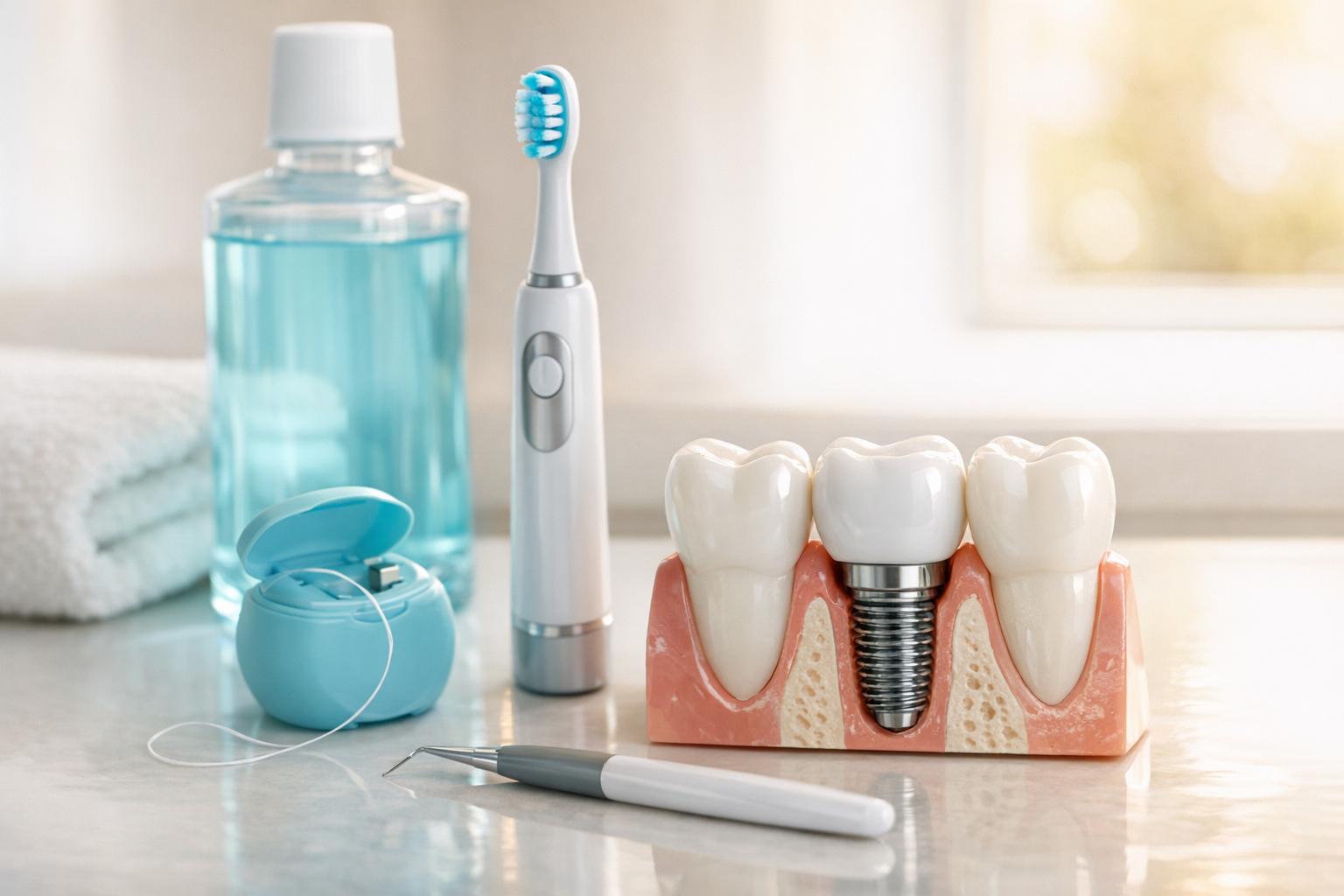
Taking care of dental implants ensures they last for decades. Here’s what you need to know:
- Daily Cleaning: Brush twice daily with a soft-bristled toothbrush and low-abrasive toothpaste. Use floss or interdental brushes to clean between implants.
- Professional Check-ups: Visit your dentist every 3–6 months for specialised cleaning and early detection of issues.
- Avoid Harmful Habits: Quit smoking, protect against teeth grinding with a night guard, and avoid chewing hard or sticky foods.
- Healthy Lifestyle: Maintain a balanced diet rich in calcium and vitamins. Stay hydrated and limit sugary or acidic drinks.
- Gum Care: Massage gums weekly to boost blood flow, but only after consulting your dentist if you’ve had recent surgery.
Neglecting these steps increases the risk of issues like peri-implantitis, which can lead to implant failure. With proper care, implants can achieve survival rates of 90–95% over 10+ years. Regular care and professional monitoring are key to protecting your investment and oral health.
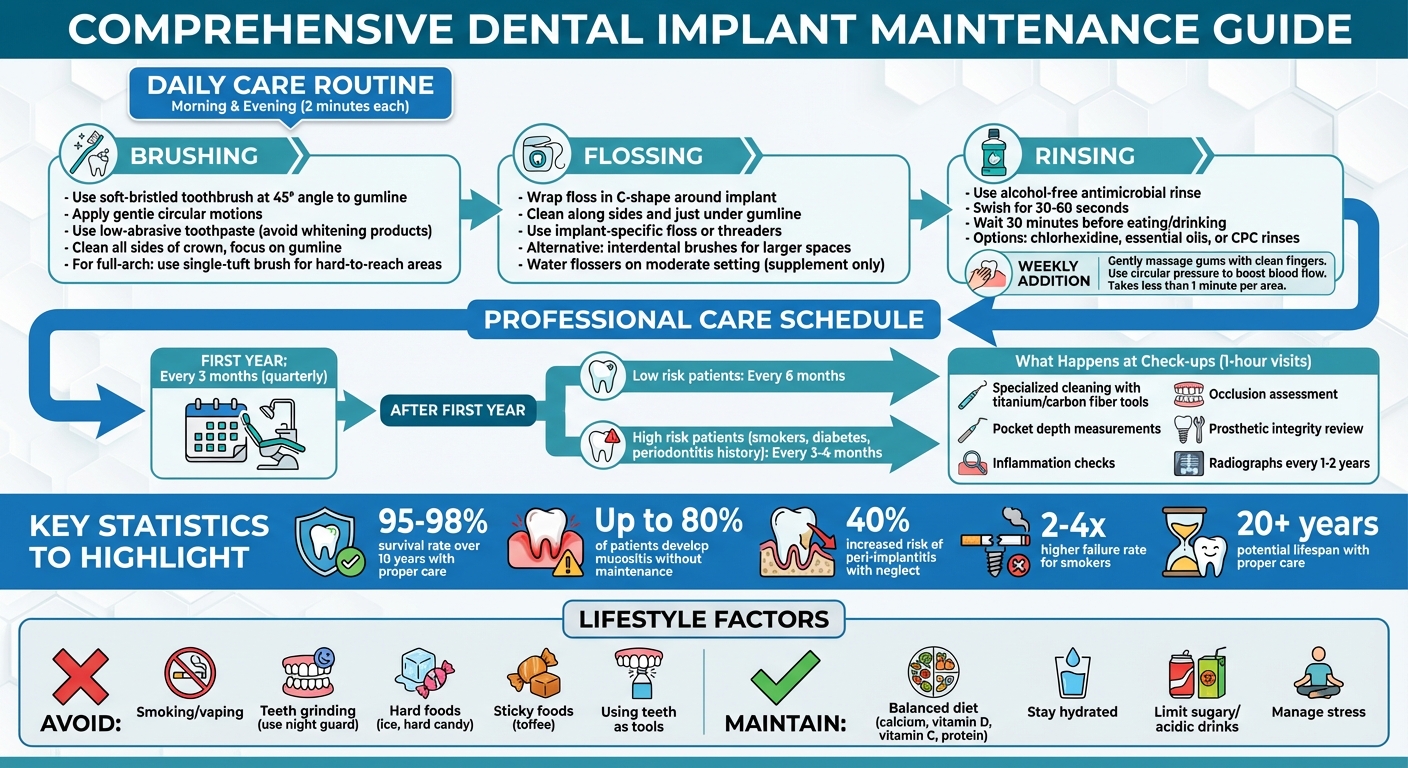
Complete Dental Implant Maintenance Routine: Daily Care and Professional Check-ups
Oral Surgeon Explains: How Should You Care for Your Dental Implants?
Daily Cleaning Routine for Dental Implants
Taking care of your dental implants daily is essential to prevent plaque buildup and inflammation around the implant site. The general advice is to brush your teeth twice a day for two minutes using a soft-bristled toothbrush and a low-abrasive toothpaste. Additionally, clean between your implants once daily with floss or interdental brushes. Dentists in Australia often suggest a quick clean in the morning and a more detailed routine in the evening, which includes brushing, flossing, and rinsing with an alcohol-free antimicrobial solution. Your cleaning routine may vary depending on the type of implant restoration you have – whether it’s a single crown, a bridge, or a full-arch prosthesis. Always follow the personalised care instructions provided by your dentist.
Brushing Techniques for Implants
When brushing, hold the toothbrush at a 45° angle to the gumline and use gentle, circular motions to clean the area where the implant meets the gums. Be sure to clean all sides of the crown, paying extra attention to the gumline, as plaque tends to accumulate there. Avoid applying too much pressure, as scrubbing too hard can harm the gums or damage the surface of the restoration. If you have a full-arch or bar-supported prosthesis, consider using a single-tuft or tapered brush to access hard-to-reach areas beneath connector bars or along the underside of bridges.
Steer clear of whitening toothpastes and abrasive products containing silica or baking soda. These can roughen the surface of ceramic or acrylic restorations, making it easier for plaque to stick. If your gums are sensitive or you have extensive prosthetic work, consult your dentist about toothpaste options with low Relative Dentin Abrasivity (RDA) values and no harsh whitening ingredients.
Flossing and Interdental Cleaning Tools
After brushing, it’s crucial to clean between your implants to remove plaque from areas your toothbrush can’t reach. Use floss daily, wrapping it in a C-shape around the implant to clean along its side and just under the gumline until you feel slight resistance. Implant-specific floss or floss threaders can make this process easier and more effective.
Interdental brushes are another excellent option, especially for cleaning larger spaces between implants, under bridge pontics, or around full-arch frameworks. Choose a brush size that fits snugly but doesn’t require force, as this could damage the gum tissue or implant surfaces. For those who find traditional flossing challenging – such as patients with limited dexterity or complex prostheses like All-on-4 – water flossers (oral irrigators) can be a helpful alternative. These devices flush debris from around implants and underneath prostheses, but they should be used on moderate settings and as a supplement, not a replacement, for mechanical cleaning.
Antimicrobial Rinse and Other Products
To enhance your cleaning routine, consider using an alcohol-free antimicrobial rinse to reduce bacteria. Options like short-term chlorhexidine or rinses containing essential oils or CPC can help control plaque. Swish the rinse in your mouth for 30–60 seconds and avoid eating or drinking for at least 30 minutes afterward to maximise its effectiveness.
You can also use rubber tips or silicone stimulators to massage the gums and remove plaque. In some cases, dentists recommend applying antiseptic gels with floss or interdental brushes to target the implant sulcus, particularly for patients prone to peri-implant mucositis or heavy plaque buildup. Clinics such as Complete Smiles Bella Vista can guide you in selecting the right toothbrushes, flossing tools, and rinses tailored to your implant design and your manual dexterity.
Professional Care for Dental Implants
Even with excellent daily care, regular professional check-ups and cleanings are crucial for maintaining the health of your dental implants over the long term. Dentists and hygienists can reach areas that are difficult to clean at home, spot early warning signs of potential issues, and use specialised tools designed specifically for implants. These visits are key to preventing problems, ensuring thorough maintenance, and catching complications early.
How Often to Schedule Check-Ups
Most patients should schedule professional check-ups every 3 to 6 months. During the first year, quarterly appointments are often recommended, with adjustments made based on individual risk factors over time. These one-hour visits typically include updates to your health history, checks for soft-tissue inflammation, assessments of probing depths, evaluations of occlusion, and reviews of prosthetic integrity.
For patients with excellent oral hygiene and no history of gum disease, visits may be spaced out to every six months. However, individuals with higher risk factors – such as smoking, diabetes, a history of periodontitis, or complex prosthetic setups like All-on-4 bridges – should continue with appointments every 3 to 4 months to ensure close monitoring and care[5].
Studies show that without proper maintenance, up to 80% of implant patients could develop peri-implant mucositis, a condition that regular professional care can help prevent[5]. These check-ups often include specialised cleaning procedures tailored to protect the longevity of your implants.
Professional Cleaning Techniques
Professional cleaning for dental implants involves the use of tools specifically designed to avoid damaging the implant surface. Your hygienist may use instruments made from titanium, carbon fibre, resin, or plastic, as well as ultrasonic scalers fitted with plastic or PEEK tips. Unlike traditional stainless steel tools, these materials are gentle on the smooth surfaces of implants and help minimise bacterial buildup.
The cleaning process targets the critical area where the implant meets the gum, as this is where plaque tends to accumulate. For patients with full-arch prostheses, the dentist may need to remove the bridge to clean underneath, inspect the screws, and ensure a proper fit – tasks that simply can’t be performed with at-home care[9][2]. Some practices also utilise air-polishing techniques with low-abrasive powders like glycine or erythritol, followed by antimicrobial rinses to further reduce bacteria around the implant.
Monitoring Implant Health
During these visits, your dentist will carefully check for increased pocket depths, signs of bleeding, inflammation, and any changes in occlusion, as well as confirm the stability of your implants. This systematic approach is vital for identifying and addressing potential issues before they escalate into serious complications.
Radiographs are another essential tool for monitoring implant health. Typically taken at baseline and then every 1 to 2 years, these images help detect early bone loss or other concerns. Modern digital imaging reduces radiation exposure while providing detailed views of the bone-implant interface. By combining clinical assessments with radiographic evaluations, dentists can intervene early, often reversing conditions like mucositis before they progress to more severe issues such as peri-implantitis and bone loss[5].
sbb-itb-2be92ed
Lifestyle Tips for Long-Term Implant Success
Your daily habits play a big role in the success and longevity of dental implants. While proper cleaning and regular professional care are essential, lifestyle choices can make or break the health of your implants. For instance, smoking is particularly harmful. It reduces blood flow to the gums, slows healing, and significantly increases the risk of peri-implantitis and implant failure. In fact, smokers are 2–4 times more likely to experience implant failure compared to non-smokers [8]. If you smoke or vape, quitting is one of the best things you can do to protect your implants. Many Australian clinics offer cessation counselling and may recommend avoiding smoking for several weeks before and after surgery to support healing [6]. If quitting feels overwhelming, consider cutting back and exploring nicotine replacement options with your GP or through a quitline [5].
Avoiding Harmful Habits
Beyond smoking, other habits can also jeopardise your implants. Teeth grinding, for example, puts excessive pressure on implants, which can loosen components, crack crowns, or even lead to bone loss. If you grind or clench your teeth – especially during sleep – talk to your dentist about getting a custom night guard (also called an occlusal splint). These guards help distribute pressure evenly, protecting both your implants and natural teeth [1][4]. Stress can make clenching worse, so strategies like mindfulness, physiotherapy for your jaw, or cutting back on caffeine in the evening can also help [7]. Many local clinics can create these custom night guards to ensure a proper fit and maximum protection.
Dietary Considerations
Your diet also plays a critical role in maintaining implant health. A well-rounded diet rich in calcium, vitamin D, vitamin C, and protein supports healthy bones and gums. Focus on nutrient-dense meals and opt for water instead of sugary or acidic drinks [7][4]. Hard or sticky foods can damage implant crowns, so avoid chewing on things like hard lollies, ice cubes, pork crackling, or sticky toffees. Even habits like biting your fingernails or using your teeth to open packages can cause unnecessary stress on your implants [7][4]. If you have front implants, avoid biting directly into hard foods like crusty bread or whole apples. Instead, cut these into smaller pieces and use your back teeth to chew, reducing the risk of chipping the porcelain [4]. While implants don’t decay, sugary drinks and frequent snacking on refined carbs can lead to plaque build-up and gum inflammation, which can still harm the surrounding tissues [7][8].
Oral Tissue Care
Healthy gums are essential for keeping your implants secure. Poor gum health allows bacteria to invade, increasing the risk of peri-implant mucositis and peri-implantitis [1][5]. Along with daily brushing and flossing, some dentists recommend gently massaging the gums around your implants once a week. This helps boost blood flow and disrupt biofilm [6]. To do this, wash and dry your hands, then use one or two clean fingers to apply gentle circular pressure to the gums on both the cheek and tongue sides of the implant area. There shouldn’t be any pain – just mild, temporary blanching of the tissue [6]. This simple routine takes less than a minute per area and can improve gum resilience. However, if you’ve recently had surgery, stitches, or an infection, wait until your dentist gives you the green light before starting this practice [5][6].
These small lifestyle changes, combined with your cleaning routine and professional care, can go a long way in ensuring the long-term success of your dental implants.
Conclusion
Taking Care of Your Implants: A Quick Recap
Keeping your dental implants in top shape relies on a mix of gentle daily cleaning and routine professional check-ups every 3–6 months. This balanced approach helps maintain implant stability and minimises the risk of complications. Studies show that with proper care, implants can achieve an impressive 95–98% survival rate over a decade. On the flip side, neglecting maintenance may increase the chances of peri-implantitis by as much as 40%[5][3]. Unlike natural teeth, implants don’t have a protective periodontal ligament, so they need specialised tools and techniques to safeguard the tissue seal and prevent plaque build-up.
A Few Words on Long-Term Implant Health
By combining consistent daily care with regular professional monitoring, you can protect the lifespan of your implants. Think of them as a long-term investment in your health and confidence. If you notice any changes or issues, don’t wait – reach out to your dentist immediately. Since factors like your oral health history, smoking habits, and teeth grinding can affect your maintenance needs, personalised advice is key. Clinics like Complete Smiles Bella Vista, headed by Dr James Hanna, offer tailored maintenance plans designed to address individual risks. With the right care, your implants can last 20 years or more, giving you the freedom to smile, eat, and speak with ease.
FAQs
What steps can I take to prevent peri-implantitis with my dental implants?
To keep peri-implantitis at bay, prioritise good oral hygiene practices. Make it a habit to brush twice a day with a soft-bristled toothbrush and clean between your teeth using floss or interdental brushes. It’s also important to book professional dental cleanings every 6–12 months. These visits help remove plaque build-up and allow your dentist to keep an eye on the health of your implants.
Steer clear of smoking, as it significantly raises the risk of complications. Additionally, if you have conditions like diabetes, managing them effectively is crucial for your oral health. Regular dental check-ups are a must – they can help detect early warning signs, such as inflammation or bleeding around the implant, so any issues can be addressed promptly for better long-term outcomes.
What are the best cleaning tools for maintaining dental implants?
To keep your dental implants in top shape, stick to a soft-bristled toothbrush for gentle cleaning around the implant area. For those hard-to-reach spots between restorations, interdental brushes or implant-specific floss work wonders. If you’re looking for an even deeper clean, ultrasonic cleaners are a great option as they effectively remove plaque without risking damage to the implant’s surface.
Steer clear of abrasive tools or metal instruments – they can scratch or harm your implants. By combining the right cleaning tools with regular professional dental check-ups, you can help ensure your implants stay in excellent condition for years to come.
Does smoking impact the lifespan of dental implants?
Smoking can have a serious impact on the lifespan of dental implants. It raises the chances of complications like peri-implantitis – an inflammation around the implant – and gum disease. Both of these issues can compromise the stability of the implant over time.
Additionally, smoking slows down the healing process after implant surgery. This delay makes it harder for the implant to properly bond with the jawbone. To ensure the best long-term outcome, it’s wise to quit smoking or at least cut back significantly. Protecting your oral health not only safeguards your implants but also preserves the value of your investment.
Related Blog Posts
- Factors Affecting Long-Term Implant Success
- Studies on Implant Longevity: Key Findings
- How to Clean Dental Implants to Avoid Infection
- How Material Degradation Impacts Implant Longevity
Important Notice: Any surgical or invasive procedure carries risks. Before proceeding, you should seek a second opinion from an appropriately qualified health practitioner.
Individual results may vary. The information provided in this article is for educational purposes only and does not constitute medical advice.
Checkout Related Blogs




Get in touch with us
For more information, call us now to start feeling better. Or fill the form below to make appointment
The Latest News from Complete Smiles
How to Clean Clear Plastic Retainers
Checklist for Choosing Wearable Dental Devices
Checklist for Choosing Cloud AI Platforms in Dentistry

Complete Smiles Bella VistaAccepts All Major Health Funds, Including





