





Studies on Implant Longevity: Key Findings
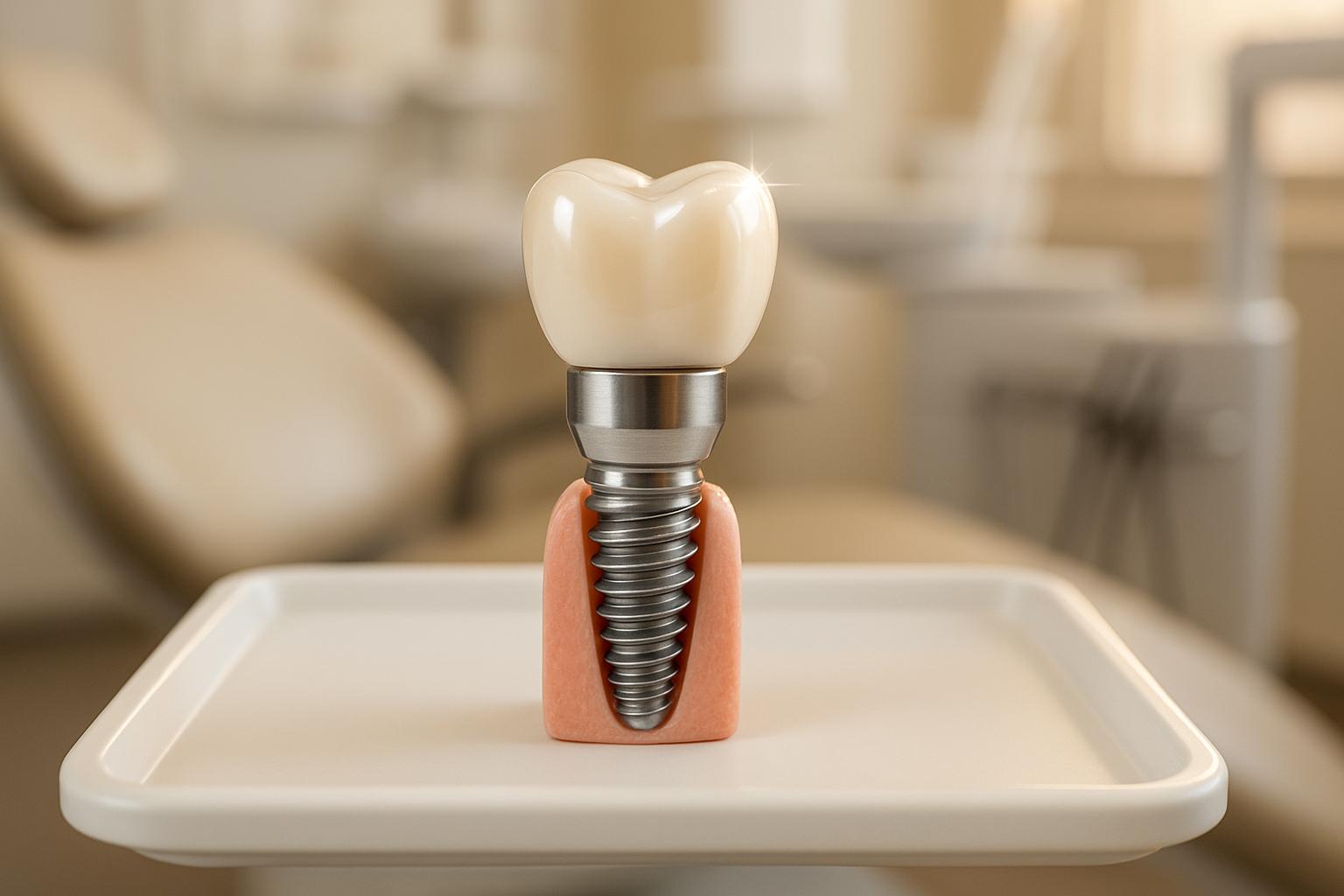
Dental implants are a long-lasting solution for tooth replacement, with fixtures often maintaining a 95.6% survival rate over 38–40 years. However, the prosthetic crowns attached to these implants typically have shorter lifespans, with survival rates ranging from 86.9% after 3 years to 60.9% after 40 years, primarily due to wear, aesthetic concerns, and environmental factors.
Key points:
- Implant fixtures: Durable due to titanium’s strength and osseointegration.
- Prosthetic crowns: Exposed to wear and may need replacement after 10–20 years.
- Advancements in technology: Improved materials, designs, and digital tools have enhanced implant outcomes.
- Patient health: Factors like smoking, diabetes, and oral hygiene significantly impact longevity.
- Maintenance: Regular check-ups, professional cleaning, and proper oral care are critical.
While implants involve higher upfront costs, their durability and ability to preserve jawbone structure make them a cost-effective, functional, and aesthetic choice over time. Regular care ensures long-term success and minimises complications.
How Long Do Dental Implants Last? Oral Surgeon, Dr. Paul Anderson in Peachtree City, GA Explains
Implant Survival Rates Over Time
Long-term studies shed light on how dental implants hold up over the years, offering valuable insights for both patients and practitioners about the durability of implants over extended periods.
Survival Rate Statistics
Research spanning nearly four decades highlights the impressive longevity of dental implants. A long-term study tracking patients over 38–40 years reported a cumulative survival rate of 95.6% for single dental implants [2]. This durability reflects the strength and resilience of titanium as a material.
However, when looking at shorter timeframes and different components, the picture becomes more nuanced. For instance, after three years, implants retained their 95.6% survival rate, while prosthetic crowns had a lower survival rate of 86.9% [2]. This early difference underscores the distinction between the implant fixture and its prosthetic components.
Systematic reviews focusing on 10-year periods found survival rates for single-tooth implant crown restorations at 89.5% [1][2]. Other studies reported crown survival rates ranging between 80.4% and 83.8% [2], reflecting some variability based on study methods and patient demographics.
Longer follow-ups provide additional insights into prosthetic longevity. One study observed a prosthetic survival rate of 73% after 16–22 years, with aesthetic concerns being the main reason for crown replacements [2]. This highlights how changing aesthetic preferences can influence the perceived lifespan of prosthetic components, even when they remain functional.
Fixture vs Crown Lifespan
One of the most striking findings in implant research is the difference in longevity between the implant fixture and the prosthetic crown. While titanium implants show exceptional durability over decades, crowns often require replacement much sooner.
The 38–40 year study illustrates this contrast clearly: implant fixtures maintained a 95.6% survival rate, whereas prosthetic crowns had only a 60.9% survival rate over the same period [2].
The longevity of implant fixtures is largely due to osseointegration, which provides a stable and lasting foundation. Titanium’s biocompatibility and resistance to corrosion further enhance its durability.
In contrast, prosthetic crowns are exposed to the challenging conditions of the oral environment, including temperature changes, acidic foods, and the mechanical stress of chewing. Aesthetic factors also play a role, as patients may opt to replace crowns that no longer meet their visual expectations, even if they remain functional.
This data highlights the importance of planning for crown replacements during the lifetime of an implant, especially for anterior teeth where appearance is a key concern. Despite this, the implant fixture itself typically remains a reliable foundation for multiple crown replacements.
Longevity Data Summary
The table below summarises survival rates and key considerations over different time periods:
| Time Period | Implant Fixture Survival | Crown Survival | Key Considerations |
|---|---|---|---|
| 3 years | 95.6% | 86.9% | Early issues with crowns often resolved |
| 10 years | Data varies by study | 89.5% (review) | Highlights need for early adjustments |
| 16–22 years | Not specified | 73% | Aesthetic concerns drive replacements |
| 38–40 years | 95.6% | 60.9% | Shows durability of fixtures vs crown limitations |
The data consistently shows that while implant fixtures maintain high survival rates over time, prosthetic crowns tend to have shorter lifespans. This distinction is crucial for treatment planning and setting realistic expectations about long-term maintenance needs.
Despite the need for occasional crown replacements, implant therapy remains a cost-effective solution for tooth replacement. The durable implant fixture provides a reliable base that supports multiple crown replacements, making it a practical long-term choice for patients.
What Affects Implant Lifespan
The lifespan of dental implants hinges on several factors, including patient health, the materials and design of the implant, and consistent care. Let’s break down these key aspects.
Patient Health Factors
A patient’s overall health plays a major role in determining how well dental implants perform over time. For instance, poorly managed diabetes can slow healing and increase the risk of infections. However, when blood sugar levels are well-controlled, outcomes for diabetic patients can closely match those of non-diabetic individuals. Smoking is another significant factor – it reduces blood flow to the gums and bone, increasing the likelihood of complications. Similarly, neglecting oral hygiene can lead to peri-implant diseases, jeopardising implant stability.
Bone quality is just as crucial. Conditions like osteoporosis or the use of certain medications may require careful planning, though age itself isn’t necessarily a barrier. Additionally, habits such as teeth grinding (bruxism) can place excessive pressure on implants, leading to potential failures. To mitigate this, night guards and stress management techniques are often recommended.
Material and Design Impact
Advancements in implant materials and design have significantly improved their durability. Titanium continues to be the go-to material due to its strength, resistance to corrosion, and compatibility with the body. New alloys and surface treatments have further refined these properties.
Modern implants often feature textured surfaces, created through processes like sandblasting or acid etching. These textures increase the surface area for bone contact, promoting better integration compared to older, smooth-surfaced designs. Implant geometry also plays a role. For example, tapered implants provide better stability in softer bone, while threaded designs enhance mechanical retention during healing. Additionally, innovations like internal connection systems and platform switching have been introduced to minimise mechanical issues and preserve surrounding bone.
Crown materials have also evolved. While porcelain-fused-to-metal crowns were once standard, all-ceramic options now provide strong, visually appealing solutions that cater to a variety of clinical needs.
Maintenance and Care Requirements
Long-term implant success heavily relies on regular maintenance and early intervention when issues arise. Professional check-ups are essential for monitoring the health of both the implant and the surrounding tissues. These evaluations can catch potential problems early, preventing them from escalating.
During professional cleanings, non-metallic instruments should be used to avoid damaging the implant surface. At home, patients must adopt effective care routines, such as using interdental brushes, water flossers, and antimicrobial rinses specifically designed for implants.
Regular X-rays are another important tool for detecting early bone loss around implants. By comparing baseline images with follow-up scans, clinicians can spot subtle changes before they become problematic. Bite assessments are also necessary, as natural teeth may shift over time while implants remain stationary. Ensuring that biting forces are evenly distributed helps reduce stress on the implant.
Finally, educating patients is key. They should know how to recognise early warning signs, such as unusual bleeding, swelling, or discomfort, and seek professional advice promptly to address potential complications.
sbb-itb-2be92ed
Common Problems and Treatment
Dental implants can face complications over time, and addressing these issues promptly is essential for their longevity.
Biological Problems
Even with modern advancements, biological challenges still occur. One common issue is peri-implant mucositis, which affects the soft tissues around the implant. It presents as inflammation and bleeding caused by plaque build-up. Fortunately, it’s reversible with proper care. Treatment often involves professional cleaning using non-metallic instruments, improved at-home oral hygiene routines, and sometimes antimicrobial rinses.
A more severe condition is peri-implantitis, where inflammation is accompanied by bone loss. Symptoms include bleeding, pus, and changes visible on X-rays. Early intervention is key, with treatment options ranging from cleaning and laser therapy for mild cases to surgical approaches like bone grafting or guided tissue regeneration in more advanced stages. Other biological issues, such as soft tissue recession and fistulas caused by infections, may require surgical correction.
Technical Problems
Prosthetic components, like crowns, can also experience wear and tear. Chipping or fractures are more common in patients with bruxism (teeth grinding), though newer all-ceramic materials have made such issues less frequent than older methods.
Mechanical problems, such as screw loosening, tend to occur within the first year and are usually addressed by retightening or replacing the screw. In cases of abutment fractures, the entire component may need replacement, sometimes requiring temporary restorations during the repair process. Cemented crowns can also cause complications if excess cement remains below the gum line, leading to inflammation. This has led to a growing preference for screw-retained crowns in many cases. Over time, wear on the biting surfaces may necessitate replacing the restoration altogether.
Summary
Biological problems are more common but can often be treated conservatively if caught early. Technical issues, while less frequent, might require replacing components, which can increase costs. Regular check-ups are critical to identify and address these problems early, ensuring the long-term success of implant-supported prosthetics.
Implants vs Other Tooth Replacement Options
When looking at tooth replacement options, the differences in durability, functionality, and overall performance over time become clear. Studies comparing dental implants, bridges, and removable dentures highlight these contrasts.
Lifespan Comparison
Dental implants are built for the long haul. The implant itself remains stable for years, although the crown on top may need occasional replacement. In contrast, traditional bridges have a shorter lifespan, partly because they rely on adjacent teeth for support. Over time, this dependency can affect their longevity.
Removable dentures, on the other hand, tend to have the shortest lifespan. As the jawbone naturally shrinks after tooth loss, the fit of dentures can change, requiring frequent adjustments or even replacements. This ongoing maintenance can also impact their everyday functionality, as explored below.
Daily Life Impact
The way each option performs in daily life is another key difference. Dental implants often provide a near-natural chewing experience, allowing patients to eat comfortably and enjoy a full range of foods. They also don’t interfere with speech or taste, making them feel almost like natural teeth.
Bridges can restore good chewing ability initially, but their performance may decline if the supporting teeth develop issues. Keeping the area clean can also be more challenging, requiring extra attention to oral hygiene.
Removable dentures typically fall short in terms of chewing efficiency, particularly with harder or tougher foods. They can also impact speech and may need frequent adjustments as the jawbone changes over time. These factors can make them less convenient for daily use.
Treatment Option Comparison Table
| Factor | Dental Implants | Bridges | Removable Dentures |
|---|---|---|---|
| Lifespan | Long-lasting | Moderate lifespan | Short lifespan |
| Function | High performance | Moderate | Lower efficiency |
| Adjacent Teeth Impact | Minimal impact | Requires alteration | None |
| Bone Preservation | Maintains bone | Gradual bone loss | Accelerates bone loss |
| Maintenance Requirements | Regular oral care | Extra hygiene needed | Daily removal/cleaning |
| Speech Impact | Rarely affected | Minimal in some cases | Can affect speech |
| Dietary Restrictions | None | Few restrictions | Many limitations |
| Initial Cost | Higher upfront cost | Moderate cost | Lower initial cost |
| Long-term Cost | Cost-effective over time | Moderate expenses | Can add up over time |
While dental implants may have a higher upfront cost, their durability and functionality often make them a smart long-term investment. However, the choice ultimately depends on factors like oral health, bone density, and individual lifestyle. Each option has its place, and what works best will vary from person to person.
Summary and Clinical Recommendations
Recent studies highlight the long-term reliability of implant fixtures while acknowledging the potential need for crown replacement over time. Here’s a closer look at the key findings and practical advice for clinical application.
Main Study Findings
Research consistently shows that dental implants have high survival rates over a span of 10 years or more. While the implant fixtures themselves demonstrate impressive durability, crowns may require replacement due to regular wear and tear.
Advancements in implant technology, particularly modern titanium implants with treated surfaces, have significantly improved osseointegration. This has led to more predictable outcomes and reduced complication rates compared to earlier designs.
Patient Guidelines
Taking care of dental implants is just as important as maintaining natural teeth. This includes regular brushing, flossing, and professional cleanings. Patients are also encouraged to quit smoking and manage any systemic health conditions to support better healing and overall implant success.
It’s important for patients to understand that while implants generally last longer than bridges or dentures, the prosthetic components – like crowns – might need replacement down the line. Being aware of these maintenance requirements helps patients make informed decisions about their treatment and financial planning.
Evidence-Based Practice
Modern dental practices rely heavily on evidence-based protocols to ensure successful outcomes. Clinics, such as Complete Smiles Bella Vista, integrate advanced diagnostic tools and proven surgical techniques into their treatment plans, aligning with the latest research on implant durability and risk management.
Thorough treatment planning is essential. This involves reviewing medical and dental histories, using detailed imaging, and setting realistic timelines. Identifying potential risk factors early allows for tailored adjustments to treatment protocols, improving overall success rates.
Regular follow-ups are critical for monitoring and addressing any complications early, which can significantly enhance the long-term retention of implants. Personalised care is key, as factors like bone quality, medical history, and individual expectations all play a role in crafting the most effective treatment plan. This patient-focused approach is central to achieving the best possible outcomes.
FAQs
Why do prosthetic crowns have a shorter lifespan than dental implant fixtures?
Prosthetic crowns tend to have a shorter lifespan compared to dental implant fixtures. This is due to factors like material wear, mechanical stress, and biological influences. Everyday activities such as chewing and grinding gradually wear down crowns, and issues like bone loss or peri-implantitis can also affect their durability.
Typically, crowns need to be replaced every 10 to 15 years. On the other hand, implant fixtures – often crafted from sturdy titanium – can last over 25 years or more with proper care. To maximise the lifespan of both crowns and implants, maintaining excellent oral hygiene and addressing habits like teeth grinding are crucial. Regular dental check-ups also play a key role in ensuring their longevity.
How have advancements in implant technology improved the durability and success of dental implants?
Advances in implant technology and materials have significantly boosted the reliability and lifespan of dental implants. Today’s implants often use materials like titanium alloys and zirconia, known for their strength and compatibility with the human body. These materials contribute to success rates that frequently surpass 95% within five years of placement. Additionally, techniques such as acid etching and sandblasting on implant surfaces improve how well the implants fuse with the jawbone, a process called osseointegration.
Cutting-edge innovations, including 3D-printed customised implants and nano-coatings, take things even further. These technologies enhance precision and ensure better integration with surrounding tissues. They not only strengthen the implants but also help in shortening recovery periods, giving patients durable and dependable solutions for replacing missing teeth.
How can I help ensure my dental implants and crowns last as long as possible?
To keep your dental implants and crowns in top shape for as long as possible, maintaining good oral hygiene is key. Make it a habit to brush your teeth twice a day with a soft-bristle toothbrush and fluoride toothpaste. Don’t forget to floss regularly – this helps keep the area around your implants clean and free from plaque build-up. Also, make sure to visit your dentist every six months for routine check-ups to monitor the condition of your implants and crowns.
Certain habits can harm your dental work, so it’s best to steer clear of them. Smoking, grinding your teeth, or chewing on hard items like ice or pens can cause damage. If you tend to grind your teeth at night, ask your dentist about getting a custom-fitted night guard to protect your implants and crowns. Eating a balanced diet that includes plenty of calcium and vitamin D can also contribute to healthier teeth and gums.
Lastly, avoid using abrasive toothpaste or harsh cleaning techniques, as these can wear down the surfaces of your crowns or implants. By taking these precautions, you can help keep your dental work in great condition for many years.
Related Blog Posts
- Dental Implants: Your Top 8 Questions Answered
- Age and Osseointegration: What Studies Show
- Factors Affecting Long-Term Implant Success
- Hybrid Implant Materials: Durability Explained
Important Notice: Any surgical or invasive procedure carries risks. Before proceeding, you should seek a second opinion from an appropriately qualified health practitioner.
Individual results may vary. The information provided in this article is for educational purposes only and does not constitute medical advice.
Checkout Related Blogs




Get in touch with us
For more information, call us now to start feeling better. Or fill the form below to make appointment
The Latest News from Complete Smiles
How to Clean Clear Plastic Retainers
Checklist for Choosing Wearable Dental Devices
Checklist for Choosing Cloud AI Platforms in Dentistry

Complete Smiles Bella VistaAccepts All Major Health Funds, Including





