





How to Clean Dental Implants to Avoid Infection
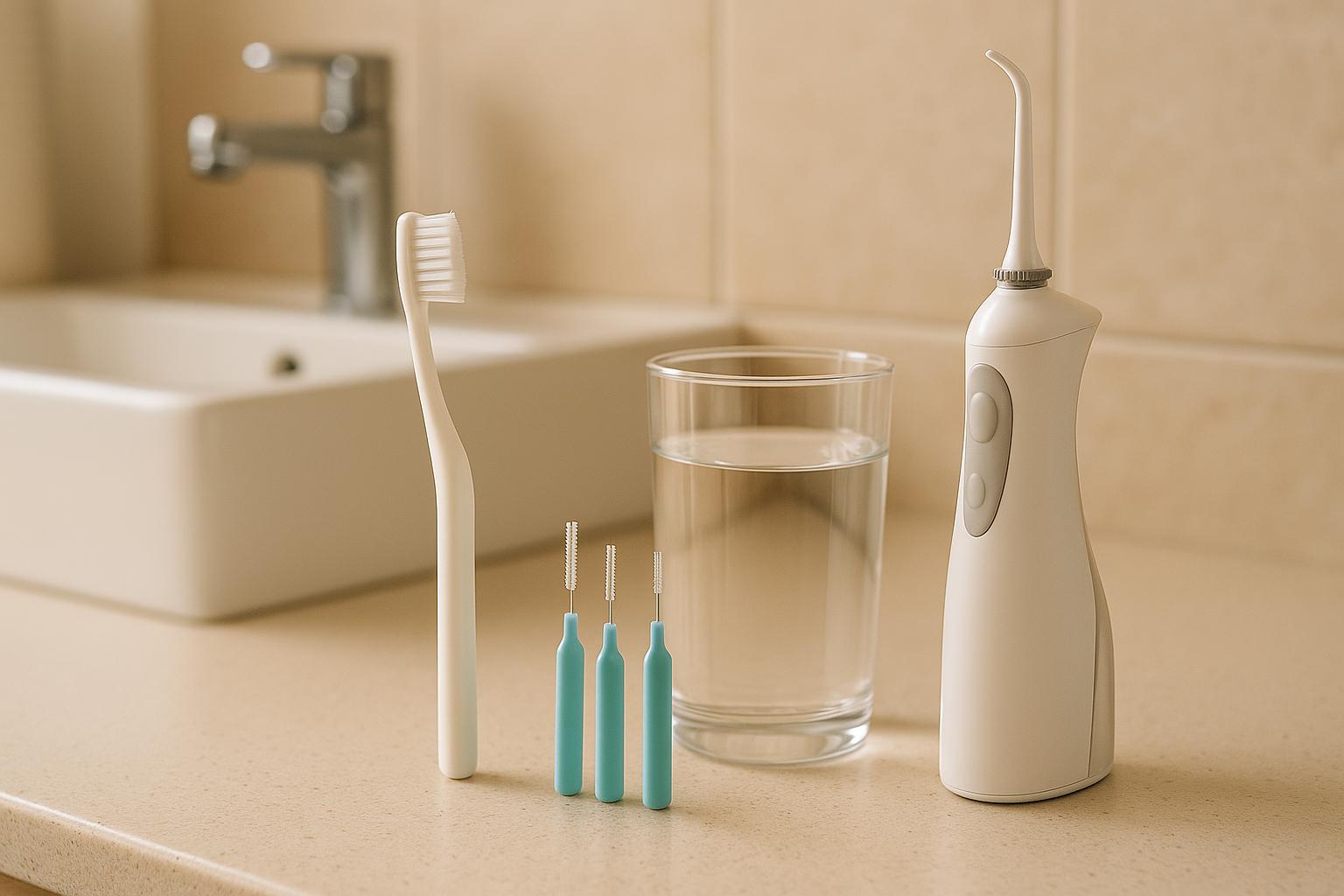
Dental implants can last a lifetime, but only if you keep them clean and free from infection. Neglecting proper care can lead to peri-implantitis, a severe gum infection that may cause bone loss and implant failure. Here’s how to care for your implants daily:
- Brush gently twice a day with a soft-bristled toothbrush and non-abrasive toothpaste. Focus on the gumline where bacteria often build up.
- Floss carefully using implant-specific floss or interdental brushes to clean between teeth without harming delicate gum seals.
- Use alcohol-free antibacterial mouthwash to reduce bacteria and protect the soft tissues around the implant.
- Choose the right tools like water flossers for hard-to-reach areas and small-headed electric toothbrushes for precision cleaning.
- Schedule regular dental check-ups to catch issues early, ensure proper cleaning, and maintain implant health.
Signs of infection, such as swelling, bleeding, or pain, require immediate attention. Quick action can prevent severe complications like implant instability or systemic health risks. Consistency in daily care and professional oversight is key to keeping your implants healthy for the long term.
How To Clean Dental Implants Including All on 4, 6, Zirconia Bridges.
Infection Risks with Dental Implants
Understanding the risks of infection linked to dental implants is essential for ensuring their long-term success. While the implants themselves don’t decay like natural teeth, the tissues surrounding them are still susceptible to bacterial infections. These infections can jeopardise both the implant and your overall oral health.
What Happens If Infections Go Untreated
When a dental implant infection is ignored, it can escalate from peri-implant mucositis – a condition that affects the soft tissues around the implant – to peri-implantitis, a more severe inflammation involving the tissues surrounding the osseointegrated implant [1][4]. Inflammation progresses more aggressively around implants than it does around natural teeth [1], making timely treatment critical.
If left unchecked, this can lead to significant bone loss, which weakens the implant’s stability. In many cases, this results in implant failure and removal. Severe bone loss can also make it difficult – or even impossible – to place a new implant in the future [2][3][5]. Additionally, infections can spread to nearby teeth and gums [2]. For individuals with weakened immune systems, untreated infections may lead to systemic health issues [2][3]. In more severe cases, nerve and tissue damage can occur, often causing numbness or tingling in the affected area [3].
It’s important to note that dental implant infections won’t simply resolve on their own. Without prompt attention, these infections are likely to worsen, leading to further complications and requiring more extensive dental treatments [5].
Daily Cleaning Steps for Dental Implants
Keeping your dental implants clean and healthy requires a consistent and thoughtful daily routine. Unlike natural teeth, implants need a bit of extra attention to protect the surrounding tissues and prevent the buildup of bacteria and food debris.
How to Brush Your Implants
Start by brushing gently but thoroughly to keep plaque and bacteria in check. Use a soft-bristled toothbrush and a non-abrasive fluoride toothpaste to clean your implants twice a day.
Hold your toothbrush at a 45° angle to your gum line and use small, circular motions to clean where the implant crown meets the gum tissue. This area is especially prone to bacteria buildup, so take your time here.
Stay away from whitening toothpastes or those with abrasive ingredients like baking soda, as they can scratch the implant surface. Instead, opt for a toothpaste designed for sensitive teeth or one recommended specifically for dental implants. Brush for a full two minutes, giving extra attention to the gum-implant junction.
Flossing Around Implants
Flossing around implants requires a light touch because the peri-implant seal – the thin connection between the gum tissue and the implant – can be more delicate than the ligament around natural teeth [6][7]. Damage to this seal can occur without any noticeable pain, so care is key.
Take about 30–45 centimetres of dental floss and wrap it around your middle fingers, leaving a 5–8 centimetre section to work with. Gently slide the floss between your implant and neighbouring teeth, curving it into a C-shape to clean along the implant crown. Avoid using excessive force, which could harm the peri-implant seal. If flossing feels tricky or risky, interdental brushes can be a gentler alternative for removing plaque and food particles.
After flossing, finish your routine with a mouthwash to ensure a thorough clean.
Using Mouthwash with Implants
Adding an alcohol-free, antibacterial mouthwash to your daily care routine can help keep your implants in top shape [8][9][10]. Alcohol-based mouthwashes can dry out and irritate the soft tissues around the implant, so stick to alcohol-free options.
Look for a mouthwash that focuses on antibacterial properties rather than whitening or strong flavours. Avoid products with harsh chemicals or artificial colours that might irritate sensitive areas. After meals, swish with an alcohol-free, antibacterial mouthwash for 30–60 seconds to reduce bacteria and food residue.
Follow the instructions on the mouthwash packaging, and avoid rinsing with water immediately afterward. This allows the active ingredients to keep working. Using your mouthwash as the last step before bed can help protect your implants overnight.
Best Tools and Products for Implant Care
When it comes to caring for dental implants, selecting the right tools is essential to ensure thorough cleaning while protecting the surrounding tissues.
Basic Cleaning Tools You Need
Start with a soft-bristled toothbrush, which is gentle yet effective for implant care. Electric toothbrushes are a great option as they provide consistent cleaning and often include built-in timers to help you brush for the recommended two minutes. Opt for a small-headed brush to make it easier to manoeuvre around implant crowns.
Interdental brushes are another must-have. These brushes are designed to remove plaque from between teeth and implants. They come in different sizes, allowing you to pick one that fits snugly around your implants without disturbing the peri-implant seal.
For flossing, consider implant-specific floss. These types of floss typically have a stiff end for threading and a soft, spongy section that cleans effectively without irritating sensitive tissues.
Finally, a tongue scraper can be a helpful addition to your routine. By reducing bacteria on the tongue, it lowers the overall bacterial load in your mouth, supporting better oral hygiene.
Once you’ve got the basics down, it’s worth exploring alternative flossing methods to find what works best for you.
Water Flossers vs String Floss
For advanced cleaning, both water flossers and string floss have their merits. Understanding their differences can help you decide which option fits your lifestyle and implant care needs.
| Aspect | Water Flossers | String Floss |
|---|---|---|
| Ease of Use | Simple button operation; ideal for those with limited dexterity | Requires manual coordination and proper technique |
| Effectiveness | Great for flushing out loose debris and bacteria | Excellent for removing sticky plaque buildup |
| Gentleness | Gentle on peri-implant tissues | Risk of trauma if used with too much force |
| Convenience | Needs counter space and regular refilling | Portable and easy to carry |
| Cost | Higher upfront cost (AU$80–AU$300) | Low ongoing cost (usually under AU$10 monthly) |
| Maintenance | Requires regular cleaning and descaling | No maintenance needed |
Water flossers are particularly effective for cleaning hard-to-reach areas around implants. Their pulsating water jets remove food particles and bacteria without disrupting the peri-implant seal.
On the other hand, string floss excels at removing sticky plaque that water flossers might miss. Many dental professionals recommend combining both methods – start with a water flosser to clear debris, then follow up with string floss for a more thorough clean.
Products Your Dentist Recommends
Once you’ve established a solid daily routine, it’s a good idea to consult your dentist for product recommendations tailored to your specific needs.
For example, during the initial healing period or if you’re at a higher risk of infection, your dentist might suggest prescription-strength antimicrobial rinses. They may also recommend specific interdental brush sizes or toothpaste formulations that are safe for your implant materials.
Your dental hygienist can demonstrate the proper use of these tools and suggest adjustments to your technique, ensuring that your care routine is both effective and gentle.
Regular check-ins with your dental team will help you stay on track and make the most of the tools and products available for maintaining your implant health.
sbb-itb-2be92ed
Professional Care and Check-ups
Daily care is essential for maintaining dental implants, but professional oversight is just as important to catch potential issues early and ensure your implants last as long as possible.
Caring for Implants After Surgery
The first few weeks after implant surgery require extra care to protect the surgical site and maintain oral hygiene. For the first 24 hours, avoid rinsing your mouth entirely. After that, use a gentle rinse made by mixing ½ teaspoon of salt into 1 cup of warm water.
Stick to a soft-food diet for the first week, and avoid hot drinks, alcohol, and hard or chewy foods for two weeks. It’s also crucial to refrain from strenuous exercise and tobacco use for at least 48–72 hours, as these can increase bleeding and swelling.
Follow your dentist’s instructions for any prescribed medications, such as antibiotics to prevent infection or pain relief medication to keep you comfortable. Properly adhering to these guidelines is a key step in ensuring a smooth recovery.
These early care measures, combined with ongoing professional check-ups, form the backbone of long-term implant success.
Why Regular Dental Visits Matter
Regular dental visits are your best defence against implant complications. These check-ups allow your dentist to monitor implant stability, gum health, and the effectiveness of your daily oral care routine.
Professional cleanings are especially important, as they can target areas that are difficult to clean at home. Dentists use specialised tools designed for implants to remove bacterial biofilm without damaging the implant’s surface.
Dental visits also help with the early detection of issues like peri-implantitis, an inflammation around the implant. Early warning signs, such as slight gum discolouration, minor bleeding, or subtle bone changes visible on X-rays, can often go unnoticed without professional care. Depending on your risk factors – such as a history of gum disease, diabetes, or smoking – your dentist might recommend more frequent visits, potentially every three to four months instead of the standard six-month schedule.
Additionally, your dentist may perform a bite analysis to ensure your implant crown isn’t under excessive pressure. Too much force on the implant can lead to mechanical problems or increase bacterial build-up in stressed areas.
With regular monitoring and specialised cleaning, dental visits play a vital role in keeping your implants in excellent condition.
How Dental Clinics Help with Implant Care
Dental clinics offer tailored implant maintenance programs designed to meet your specific needs. These plans take into account your risk factors, the type of implant, and your ability to maintain oral hygiene at home. For instance, patients with multiple implants or complex restorations may need more frequent cleanings or adjustments to their home care routines.
Clinics like Complete Smiles Bella Vista provide comprehensive implant care. Their services include regular monitoring, professional cleaning with specialised tools, and immediate attention to any emerging issues. Dr. James Hanna and his team focus on creating personalised care protocols to address each patient’s unique situation.
Education is another key component of these visits. Dental hygienists can evaluate your cleaning techniques and recommend new tools or products to ensure your home care stays effective. This combination of professional care and patient education helps maintain the health of your implants for years to come.
Signs Your Implant May Be Infected
Spotting early signs of an implant infection is essential to avoid complications. While some discomfort after surgery is expected, persistent or worsening symptoms shouldn’t be ignored. These signs often align with the risks of infection and indicate when you should seek professional advice.
Symptoms to Watch For
- Ongoing, worsening pain: If pain continues or intensifies beyond the typical healing period and starts interfering with daily activities, it could signal an infection. Get in touch with your dentist right away [20, 11, 21, 22, 24].
- Changes in your gums: Swelling, redness, or tenderness around the implant might point to an infection [20, 11, 21, 22, 24].
- Bleeding or discharge: Persistent bleeding or the presence of pus around the implant is a clear warning sign [20, 11, 21, 22, 23, 24].
- Unpleasant taste or bad breath: A lingering bad taste in your mouth or ongoing bad breath may indicate a bacterial build-up [20, 11, 21, 22, 23, 24].
- Implant instability: If your implant feels loose or moves, it could mean the surrounding bone has been affected by an infection. Immediate dental care is essential [20, 11, 21, 23, 24].
- Difficulty chewing or biting: Trouble performing these basic functions after the healing period could suggest an infection or integration issue with the implant [20, 21, 22, 24].
When to Contact Your Dentist
Identifying these symptoms early is key to preventing further complications. Call your dentist immediately if you notice any of the following: implant movement, gum inflammation, persistent bad breath, ongoing pain, pus or bleeding, exposed implant threads, difficulty chewing, increased sensitivity, or even a mild fever [21, 11, 20, 26].
Quick action can stop the infection from worsening, help preserve the implant, and prevent serious bone loss or the need for more invasive procedures [21, 11, 26].
Don’t wait for pain to develop before seeking help. Some infections can progress with minimal discomfort, so symptoms like swollen or bleeding gums should be taken seriously [12].
If pain occurs months after the implant was placed, schedule an appointment immediately. This delayed discomfort could indicate an infection, bone loss, or other mechanical issues that need urgent evaluation [5].
For severe symptoms such as intense pain, high fever, or heavy bleeding, visit an emergency department if your dentist is unavailable. While the hospital may not resolve the dental issue, they can help manage the immediate symptoms until you can see your dentist [11].
Lastly, if you notice pus or any discharge near the implant, rinse your mouth gently with warm salt water and contact your dentist without delay. This visible sign of infection requires prompt treatment to avoid further issues [5].
Key Points to Remember
Taking care of dental implants means committing to gentle but thorough cleaning twice a day. Use a soft or ultra-soft toothbrush and focus on cleaning around the gumline to keep your implants and gums healthy [13].
For the best results, choose a low-abrasive toothpaste made for implants or sensitive teeth. Add tools like interdental brushes with soft rubber bristles and a water flosser to your routine. A water flosser, for instance, can cut down plaque and bleeding by up to 81% in just four weeks [14][16]. These simple tools make a big difference in maintaining daily hygiene, which is crucial for avoiding complications.
Why is this so important? Poor oral hygiene can lead to serious issues. Around 43% of implant patients develop peri-implant mucositis, and 22% of those cases can progress to peri-implantitis if left unchecked [14]. The good news? Proper daily care and regular professional maintenance can prevent most of these problems.
While your daily routine is your first line of defence, professional check-ups play a critical role too. Regular visits to your dentist can catch early warning signs before they become serious [13][14][15][17].
If you notice ongoing pain, gum changes, bleeding, or any movement in your implant, don’t wait. Getting professional help quickly can stop small issues from becoming major complications.
FAQs
What are the early signs of an infection around dental implants?
Around dental implants, the early signs of infection often show up as redness, swelling, and tenderness in the surrounding gums. You might also notice persistent pain, bleeding, or even pus. Sometimes, a bad taste or an unpleasant odour in your mouth can develop as well.
If any of these symptoms appear, it’s crucial to visit your dentist as soon as possible. Acting quickly can help avoid further complications and safeguard your oral health.
What’s the best way to clean around dental implants, especially in hard-to-reach areas?
To keep the area around your dental implants clean, use a soft-bristled toothbrush or a small, angled toothbrush to gently brush around the implant and along the gumline. For those tighter spaces, tools like interdental brushes or implant-specific floss with stiffened ends can work wonders for removing plaque. A water flosser set to low pressure is another handy option for reaching between implants and other tricky areas.
Sticking to a routine is essential – brush twice daily, floss at least once a day, and visit your dentist regularly for professional check-ups. Taking these steps not only helps prevent infection but also ensures your implants remain in great shape for the long haul.
Why should I use alcohol-free mouthwash with dental implants?
Using an alcohol-free mouthwash plays a key role in keeping your gums and the tissue around dental implants healthy. Mouthwashes containing alcohol can dry out and irritate your mouth, potentially slowing the healing process and raising the chances of infection.
Alcohol-free alternatives are much gentler on your mouth. They help safeguard the sensitive tissue around your implants, supporting better oral health over time.
Related Blog Posts
- How Saliva Affects Implant Material Stability
- Daily Care Tips for Implants, Bridges, and Dentures
- Factors Affecting Long-Term Implant Success
- Studies on Implant Longevity: Key Findings
Important Notice: Any surgical or invasive procedure carries risks. Before proceeding, you should seek a second opinion from an appropriately qualified health practitioner.
Individual results may vary. The information provided in this article is for educational purposes only and does not constitute medical advice.
Checkout Related Blogs




Get in touch with us
For more information, call us now to start feeling better. Or fill the form below to make appointment
The Latest News from Complete Smiles
How to Clean Clear Plastic Retainers
Checklist for Choosing Wearable Dental Devices
Checklist for Choosing Cloud AI Platforms in Dentistry

Complete Smiles Bella VistaAccepts All Major Health Funds, Including





