





Real-Time Feedback in Ultrasonic Endodontics
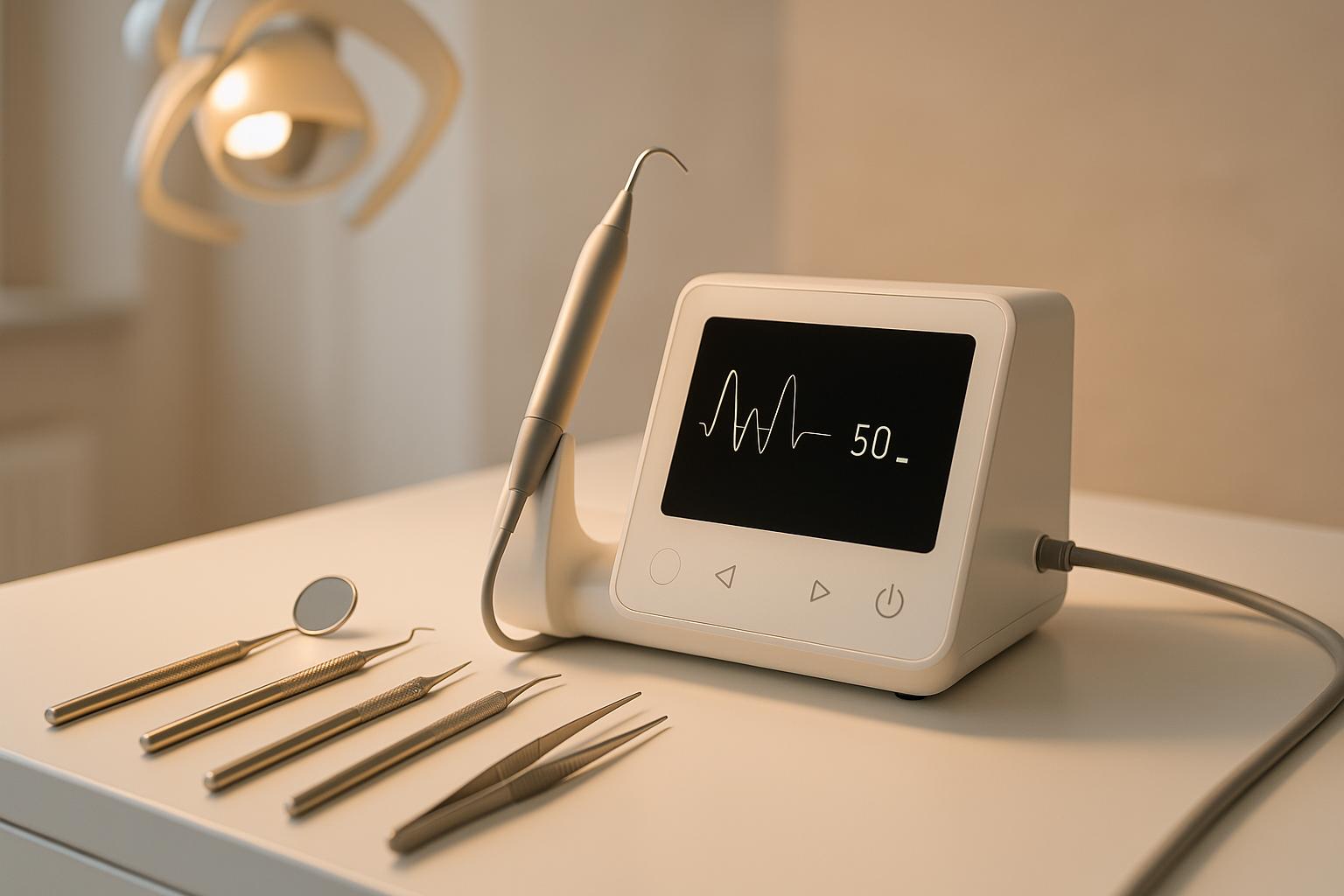
Ultrasonic endodontics has been transformed by real-time feedback systems. These tools provide instant data during root canal procedures, improving precision, safety, and outcomes. Here’s what you need to know:
- What it is: Real-time feedback uses sensors to monitor metrics like temperature and instrument positioning during treatment.
- Why it matters: It helps prevent errors, reduces tissue damage, and ensures consistent results, regardless of the operator’s experience.
- Technology involved: Features include piezoelectric systems, digital navigation, thermal sensors, and haptic alerts.
- Benefits: Reduced radiation exposure, shorter treatment times, and better control during procedures.
- Challenges: High setup costs, a learning curve, and maintenance requirements.
Australian dental clinics are adopting these systems to meet patient expectations and align with strict safety standards. While there are hurdles, the potential for safer, more precise treatments is driving interest across the field.
Core Technologies Behind Real-Time Feedback in Ultrasonic Endodontics
Real-time feedback systems in ultrasonic endodontics rely on a network of advanced technologies that work together to improve precision and safety during root canal procedures. These technologies build on the clinical benefits already discussed and form the backbone of real-time feedback in practice.
Piezoelectric Technology and Frequency Control
Ultrasonic devices utilise piezoelectric technology to convert electrical energy into high-frequency mechanical vibrations, typically ranging from 25,000 to 30,000 Hz. These devices feature frequency control systems that adjust vibration amplitudes to suit varying canal conditions. Impedance-monitoring feedback loops provide real-time updates on how the instrument interacts with tissue, while thermal sensors monitor heat levels and reduce power output when necessary. Together, these features help maintain safe and effective performance during treatment.
Integration with Digital Navigation Systems
Modern systems often combine real-time feedback with digital navigation technologies. These navigation systems use optical tracking with reflective markers to create a three-dimensional map of the treatment site, aligning the instrument’s position with pre-treatment CBCT scans. This overlay enables clinicians to monitor instrument movement and maintain optimal angles during the procedure. Some systems also include haptic feedback, delivering tactile alerts as instruments approach predefined safety limits, enhancing precision and safety. Real-time depth measurement features further aid in verifying working lengths, potentially reducing the reliance on repeated radiographs. These digital advancements pave the way for even more accurate and efficient feedback mechanisms.
Additional Tools Supporting Feedback
Several supplementary tools enhance the real-time feedback ecosystem. Electronic apex locators provide continuous updates on the apical distance, while intraoral cameras with magnification offer detailed visual feedback of the access cavity and canal openings. Digital radiography systems with rapid image processing deliver immediate confirmation of instrument placement. Emerging technologies like irrigation monitoring systems track irrigant flow rates and temperatures, improving cleaning efficiency and reducing the risk of thermal damage. Integrated display systems and data logging bring all this information together, offering comprehensive treatment documentation and aiding clinical decision-making. These technologies collectively elevate the precision and reliability of ultrasonic endodontic procedures in Australian practices.
Clinical Benefits and Limitations
Real-time feedback systems, built on advanced technology, bring distinct advantages to dental practices in Australia, though they also come with certain challenges. By weighing these factors, clinicians can make informed decisions about integrating these tools into their practice.
Advantages of Real-Time Feedback
Greater Precision and Preservation of Tooth Structure
With continuous monitoring of instrument positioning and tissue interaction, these systems help maintain optimal working angles and depths during procedures. This heightened precision reduces risks like perforation or over-instrumentation, leading to more predictable outcomes. Haptic and visual alerts warn practitioners when instruments approach critical anatomical features, promoting a conservative approach to tooth structure removal. This is particularly helpful in cases with thin canal walls or complex anatomy.
Lower Radiation Exposure
These systems guide treatment in real time, reducing the need for repeated radiographic checks. This not only streamlines the process but also limits the patient’s overall exposure to radiation.
Improved Patient Experience
Enhanced control during procedures minimises tissue trauma and boosts efficiency. Additionally, thermal monitoring helps prevent overheating of surrounding tissues, ensuring greater patient safety and comfort during treatment.
Better Documentation and Quality Control
Digital systems automatically record treatment parameters and outcomes, providing valuable data for case reviews, training, and continuous improvement within the practice.
Limitations and Practical Challenges
While the benefits are clear, there are practical hurdles that must be addressed.
Learning Curve
Adapting to these systems takes time and training. Clinicians face an initial adjustment period where they must learn to interpret feedback signals, which can temporarily increase treatment times.
High Initial Costs
Investing in these systems – including ultrasonic units, navigation tools, and accompanying software – requires a significant upfront financial commitment. Practices need to evaluate whether their case volume and budget justify this expenditure.
Workflow Integration
Incorporating these systems into existing workflows can be tricky. Compatibility with current radiographic equipment, practice management software, and sterilisation protocols may require additional IT support and staff training.
Ongoing Maintenance
To ensure accuracy, these systems need regular calibration, software updates, and preventive maintenance. These requirements can increase operational costs and may necessitate service agreements with suppliers.
Limitations in Complex Cases
In cases involving severely calcified canals or unusual anatomical variations, these systems may not always provide reliable guidance. In such scenarios, traditional techniques may still be necessary as a fallback.
Comparison Table: Feedback Systems vs Conventional Tools
| Aspect | Real-Time Feedback Systems | Conventional Tools |
|---|---|---|
| Precision | High, with continuous monitoring | Moderate, periodic checks |
| Treatment Time | Faster with experience | Standard duration |
| Radiation Exposure | Reduced need for radiographs | Frequent radiographic checks |
| Investment | High initial cost | Lower upfront cost |
| Learning Curve | Steep, requires extra training | Minimal additional training |
| Maintenance | Regular calibration and updates | Basic maintenance |
| Documentation | Digital and comprehensive | Manual record-keeping |
| Patient Comfort | Enhanced through better control | Standard comfort levels |
Clinicians must weigh the benefits against the challenges, considering factors like case volume, available training, and financial investment. By carefully evaluating these aspects, practices can implement this technology in a way that enhances their clinical outcomes and overall efficiency.
Applications in Endodontic Practice
Real-time feedback systems are reshaping endodontic procedures in Australia by enhancing precision and improving clinical outcomes. These advancements are proving invaluable across various scenarios in dental practices.
Key Clinical Scenarios
Calcified Canal Management
Managing calcified canals is one of the toughest challenges in endodontics. This is where real-time feedback systems, particularly dynamic navigation systems (DNS), shine. By providing precise guidance, DNS significantly reduces substance loss during procedures. For example, in calcified molars, substance loss dropped from 82.6 mm³ to 29.6 mm³, while in premolars, it decreased from 25.3 mm³ to 11.8 mm³ [2]. This level of accuracy helps practitioners navigate through calcified tissues with fewer errors, making an otherwise complex task more manageable.
Training and Skill Equalisation
One of the standout benefits of DNS is its ability to level the playing field between practitioners with varying levels of experience. Research has shown that, when using these systems, operators with seven years of experience achieve similar results to those with just three years of experience [2]. This capability not only improves accessibility to advanced procedures but also boosts confidence and competence across dental teams in Australia.
Integration with Modern Technologies
Artificial Intelligence and Predictive Analytics
The integration of AI into real-time feedback systems is taking endodontics to the next level. AI tools analyse instrument behaviour, tissue responses, and anatomical variations as they happen. This real-time analysis provides predictive insights, helping practitioners anticipate complications and make timely adjustments during procedures [1]. Such tools enhance decision-making, ensuring smoother and safer outcomes.
Compliance with Australian Guidelines
Adopting real-time feedback systems in Australian dental practices requires strict adherence to national regulatory and professional standards.
Australian Dental Association Standards
These systems align well with the Australian Dental Association’s focus on evidence-based practice and professional development. They not only support high clinical care standards but also encourage practitioners to stay current with technology. However, it’s essential for clinicians to maintain traditional skills as a backup and meet competency-based training requirements.
Therapeutic Goods Administration Requirements
Any real-time feedback system used in Australian practices must comply with the Therapeutic Goods Administration (TGA) standards. Practitioners should ensure their systems are TGA-approved, meeting all safety and efficacy requirements. This approval process guarantees the reliability of these technologies, giving clinicians confidence in their tools.
Radiation Safety Considerations
These systems often reduce the need for repeated radiographs, but practitioners must still follow Australian radiation safety guidelines. The Australian Radiation Protection and Nuclear Safety Agency (ARPANSA) requires regular equipment calibration and staff training in radiation safety. Adhering to the ALARA (As Low As Reasonably Achievable) principle ensures minimal radiation exposure for both patients and staff.
Quality Assurance and Documentation
Real-time feedback systems simplify compliance with Australian standards for record-keeping. They automatically document treatment parameters, instrument positioning, and procedural outcomes. These digital records are invaluable for case reviews, insurance claims, and medico-legal purposes. By maintaining thorough and accurate documentation, dental practices can demonstrate their commitment to quality care and safety while continuously improving treatment standards.
sbb-itb-2be92ed
Future of Real-Time Feedback in Endodontics
The landscape of real-time feedback systems in ultrasonic endodontics is steadily advancing, with Australian dental practices exploring how cutting-edge technologies can improve the precision and effectiveness of root canal treatments.
Emerging Trends and Technologies
Researchers are delving into promising innovations that could redefine ultrasonic endodontics. Among these are advanced data analytics, adaptive systems, and new interface methods like haptic feedback and augmented reality. While these technologies hold great potential, they are still in the research phase and require extensive clinical testing to validate their effectiveness. If proven successful, these advancements could seamlessly integrate into broader care strategies.
Integration into Comprehensive Care Models
Modern dental practices are increasingly shifting towards integrated care approaches, combining advanced technologies for a streamlined patient experience. For example, practices like Complete Smiles Bella Vista are well-positioned to adopt these innovations by aligning workflow systems with diagnostic imaging and treatment planning tools. Effective integration will hinge on ensuring that these technologies enhance, rather than complicate, the delivery of care.
Research and Regulatory Developments
Australian universities and research centres are actively studying the long-term benefits of real-time feedback in endodontic procedures. Simultaneously, regulatory bodies are assessing these digital tools to ensure they meet safety and efficacy standards. These efforts, alongside evolving professional training programs, are expected to shape the gradual adoption of these systems in clinical settings.
As research progresses and regulations adapt, the role of advanced feedback systems in endodontics will become clearer. These developments promise to refine treatment techniques and elevate patient care across the board.
Conclusion
Real-time feedback systems in ultrasonic endodontics are transforming the field by improving precision and delivering better treatment outcomes. By combining piezoelectric frequency control with digital navigation, these systems provide instant, actionable data during root canal treatments.
The advantages are clear: shorter treatment times, more effective cleaning, and enhanced patient safety. However, integrating this technology does come with challenges, such as the upfront costs and the learning curve required to incorporate it into existing workflows.
For dental practices in Australia, adopting this technology offers a chance to elevate treatment standards while adhering to local regulatory requirements. These systems are versatile, capable of handling a range of clinical situations, from navigating calcified canals to managing complex retreatments – making them a valuable tool for modern endodontics.
Future advancements hold even greater promise. Research into areas like adaptive systems, haptic feedback, and augmented reality integration could refine these technologies further. As Australian universities continue their research and regulations evolve, these systems are likely to become more accessible and widely adopted.
FAQs
How do real-time feedback systems in ultrasonic endodontics improve safety and comfort during root canal treatments?
Real-time feedback systems in ultrasonic endodontics improve both safety and patient comfort by delivering immediate, accurate updates on the root canal’s working length. These systems use clear visual and auditory signals to guide the dentist during the procedure, helping to prevent problems like over-instrumentation or canal perforation, which could cause pain or complications.
With continuous monitoring and precise guidance, these systems allow for more accurate and efficient procedures. This not only enhances the overall experience for patients but also minimises the likelihood of errors during root canal treatments.
What challenges and costs should dental practices consider when adopting real-time feedback technology?
Adopting real-time feedback technology in dental practices comes with its own set of obstacles. For starters, the upfront costs of purchasing advanced ultrasonic devices and integrating them into current systems can be quite high. This financial burden can be particularly challenging for smaller clinics operating on tighter budgets. On top of that, staff training becomes a necessity, requiring both time and resources to ensure everyone knows how to use the new tools effectively.
From a technological standpoint, making sure these real-time feedback systems are both accurate and reliable can be tricky. Some practitioners may feel uneasy about moving away from the tried-and-true traditional methods they’re familiar with. Additionally, compliance with regulatory and ethical standards is another hurdle that can’t be overlooked, as these systems need to align with professional guidelines.
While the advantages of adopting this technology are undeniable, success hinges on thoughtful planning and wise allocation of resources.
What are the advantages of real-time feedback systems in ultrasonic endodontics compared to traditional tools?
Real-time feedback systems in ultrasonic endodontics bring clear benefits compared to traditional tools, particularly in boosting precision and improving treatment results. These systems offer dynamic, on-the-spot guidance during procedures, allowing clinicians to navigate root canals with greater accuracy while minimising risks like perforations.
By enhancing both the safety and accuracy of endodontic procedures, these systems help deliver better outcomes for patients and raise the overall standard of care.
Related Blog Posts
- Periodontal Pocket Depth: Measurement Techniques
- Top 5 Benefits of Endodontic Microscopes
- Benefits of Ultrasonic Activation in Dentistry
- What Are Electronic Dental Anesthesia Systems?
Important Notice: Any surgical or invasive procedure carries risks. Before proceeding, you should seek a second opinion from an appropriately qualified health practitioner.
Individual results may vary. The information provided in this article is for educational purposes only and does not constitute medical advice.
Checkout Related Blogs




Get in touch with us
For more information, call us now to start feeling better. Or fill the form below to make appointment
The Latest News from Complete Smiles
How to Clean Clear Plastic Retainers
Checklist for Choosing Wearable Dental Devices
Checklist for Choosing Cloud AI Platforms in Dentistry

Complete Smiles Bella VistaAccepts All Major Health Funds, Including





