





Guide to Periodontal Health for Rheumatoid Arthritis Patients

Living with rheumatoid arthritis (RA) can affect more than just your joints – it can impact your oral health too. Research shows a strong connection between RA and gum disease, with inflammation in one area worsening symptoms in the other. Here’s what you need to know:
- RA doubles your risk of gum disease, and severe gum disease increases your chance of developing RA by 69%.
- Gum bacteria like Porphyromonas gingivalis can trigger immune responses that worsen RA symptoms.
- Physical challenges, dry mouth, and medication side effects make oral care harder for RA patients.
Key tips for managing oral health with RA:
- Use electric toothbrushes, floss picks, or water flossers for easier cleaning.
- Stick to a Mediterranean-style diet and avoid sugary foods.
- Visit your dentist regularly for cleanings and to monitor medication side effects.
- Coordinate care between your dentist and rheumatologist for the best outcomes.
Taking care of your gums can reduce inflammation and even improve RA symptoms. Simple changes in your routine, combined with professional dental care, can make a big difference.
How RA Increases Periodontal Disease Risk
Why RA Patients Are More Vulnerable
Rheumatoid arthritis (RA) and periodontal disease share more than just an unfortunate overlap in patients – they share destructive inflammatory processes. Both conditions are driven by inflammatory molecules like TNF-α, IL-1, IL-6, and IL-17, which wreak havoc on joints and gum tissues alike [4].
Researchers describe this connection using a "two-hit" model. The first "hit" comes from periodontal bacteria, which spark an inflammatory response. The second "hit" is the systemic inflammation caused by RA, which amplifies the damage to gum tissues. Dr Tetsuo Kobayashi from Niigata University explains it clearly:
"The second ‘hit’ involves a systemic disease, such as RA, that causes an increase of serological biomarkers of systemic inflammation… aggravating destruction of non-mineralised and mineralised connective tissues in the periodontium" [2].
The bone destruction seen in RA and periodontal disease also follows a similar pathway. In RA, elevated RANK-L expression activates osteoclasts, cells that break down bone. This process doesn’t just damage joints – it also weakens the alveolar bone that supports teeth [5].
On top of these biological factors, systemic inflammation from RA can make daily oral hygiene harder to manage, further increasing the risk of periodontal disease.
Main Risk Factors
RA brings unique challenges to oral health that go beyond inflammation. Physical limitations, secondary conditions, and medication side effects all play a role.
- Physical Limitations: RA-induced hand weakness and temporomandibular joint (TMJ) issues can make basic oral hygiene tasks, like brushing and flossing, difficult. A study from Leeds Teaching Hospitals NHS Trust highlighted poor grip strength as a common obstacle for RA patients [1]. Limited mouth opening also complicates thorough cleaning and dental exams [6][7].
- Secondary Sjögren’s Syndrome: Between 3% and 30% of RA patients develop this condition, which reduces saliva production. Less saliva means less natural protection against plaque buildup, making gum disease more likely [3].
- Medication Side Effects: RA treatments can further complicate oral care. Methotrexate, for instance, often causes mouth ulcers, making brushing painful. Other medications can alter immune responses, affecting gum health and healing [6][7].
Studies consistently show that RA patients experience severe periodontal disease more frequently than those without RA [6]. These overlapping challenges highlight the importance of personalised preventative care for individuals with RA. Tailored strategies can help manage these risks and improve overall oral health.
sbb-itb-2be92ed
The RA and Oral Health Connection
Understanding this link is crucial for managing systemic inflammation, which often requires specialized periodontal treatment options for rheumatoid arthritis patients to protect both joint and oral health.
Preventing Periodontal Disease in RA Patients
Oral Care Tools and Adaptations for Rheumatoid Arthritis Patients
Daily Oral Care Routines
Even with the joint pain that comes with RA, maintaining good oral hygiene is possible. The key lies in using the right tools and techniques to make daily care manageable, even when stiffness makes brushing harder. Brushing twice a day with a soft-bristled toothbrush and fluoride toothpaste is a must [8][10].
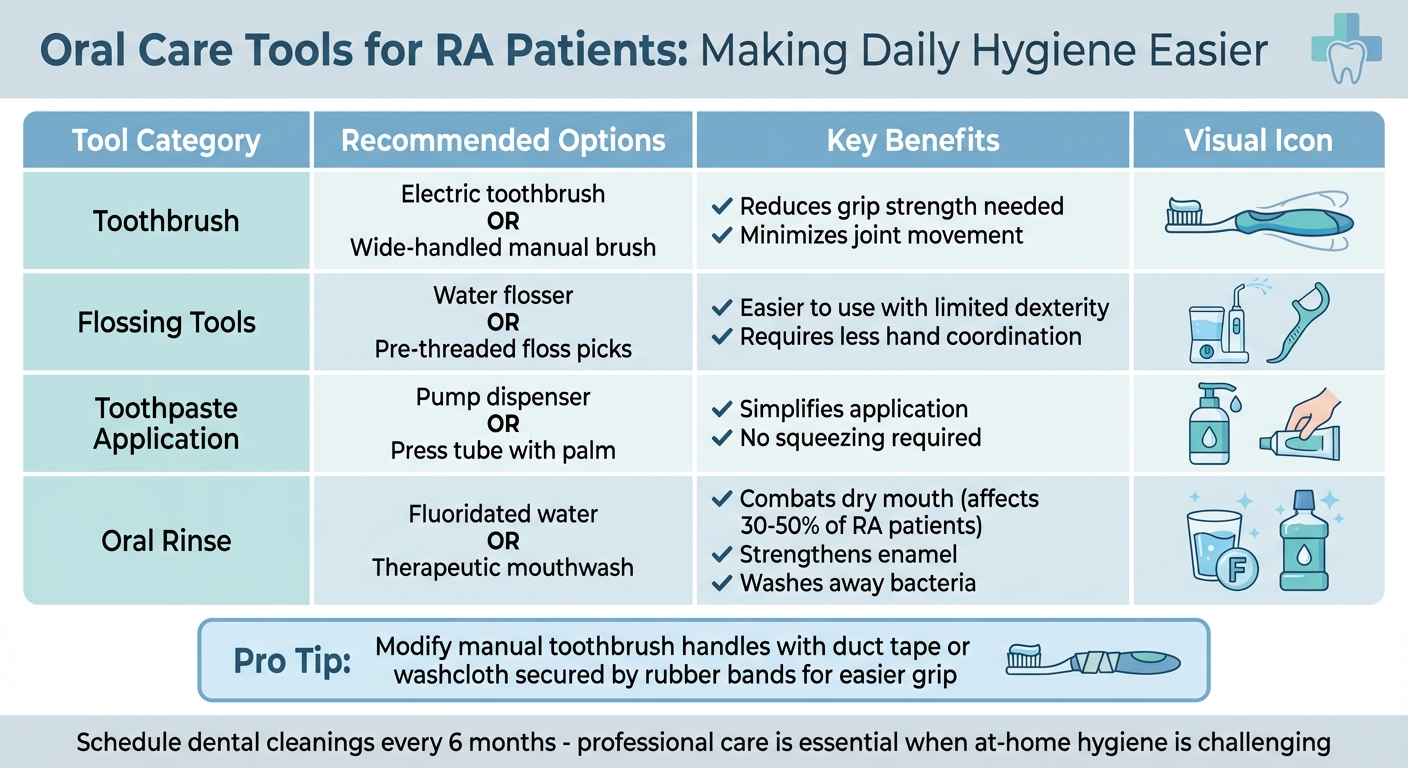
For those who find manual brushing difficult, electric toothbrushes can be a game-changer by reducing the effort needed. If you prefer manual brushes, you can modify the handle for easier use. Wrapping it with duct tape or a washcloth secured by rubber bands can create a larger, more comfortable grip [10]. Dr Jasvinder Singh, an arthritis care specialist, recommends:
"If you have difficulty gripping and brushing with a toothbrush, look for one with a large handle that’s designed for people with hand arthritis." [10]
Cleaning between teeth is equally important. Tools like water flossers or pre-threaded floss picks are great alternatives to traditional floss, as they require less dexterity [10][11]. For toothpaste application, a pump dispenser or pressing the tube with your palm can simplify the process [10].
Dry mouth, which affects 30–50% of RA patients, increases the risk of cavities and gum infections [13]. Drinking plenty of fluoridated tap water not only keeps your mouth moist but also helps wash away harmful bacteria [9]. Beyond these daily habits, what you eat and how you live also play a role in protecting your gums.
Diet and Lifestyle Factors
What you eat can influence both RA and oral health. Diets high in processed and refined foods can raise inflammation markers like C-reactive protein, which can aggravate both conditions [15]. When combined with gum disease, this inflammation can have broader effects on overall health.
A Mediterranean-style diet, rich in vegetables, fruits, nuts, whole grains, and fish, has been shown to reduce gingival bleeding by up to 40% [14][15]. On top of that, omega-3 fatty acids from fish oil, antioxidants in green tea, and anti-inflammatory spices like ginger and turmeric may help curb immune responses linked to bone and cartilage loss [16]. Cutting back on free sugars and starchy foods can also minimise plaque buildup [15].
Smoking is another major factor. It worsens gum health and cancels out the benefits of a healthy diet [11][14][16]. Smokers with two copies of a shared epitope genetic marker face a staggering 21-fold increased risk of developing RA compared to non-smokers [16]. Quitting smoking not only helps the gums heal but can also slow disease progression. Staying hydrated and maintaining a healthy weight are equally important, as obesity can promote inflammation through mediators like IL-6 and CRP [16].
While personal care and diet are crucial, professional dental care plays a unique role in managing periodontal health.
Routine Dental Visits
Because RA can make at-home oral care more challenging, regular professional cleanings are essential to prevent gum disease. Once plaque hardens into tartar, only a dental professional can remove it [8]. In Australia, where nearly three in ten adults suffer from moderate to severe gum disease, routine dental visits can catch issues early [8].
Most people should aim for cleanings every six months, though those with higher plaque buildup may need more frequent visits [10]. Interestingly, studies show that professional periodontal treatment can reduce RA disease activity scores (DAS28) by an average of 0.88 points, leading to noticeable improvements in joint pain and swelling [1].
Regular dental visits also help identify and manage oral side effects of RA medications, such as dry mouth or delayed healing [17]. Early detection is critical – while gingivitis can be reversed, periodontitis, which involves permanent bone loss, can only be controlled [8].
It’s important to find a dentist experienced in treating patients with inflammatory conditions like RA. Be upfront about your medications – NSAIDs can increase bleeding during cleanings, and biologics may affect infection risks [10][17]. If needed, ask for shorter appointments or a semi-reclined chair position to accommodate joint pain [17].
| Tool Category | Recommended for RA Patients | Benefits |
|---|---|---|
| Toothbrush | Electric or wide-handled manual | Reduces grip strength and joint movement needed |
| Flossing | Water flosser or floss picks | Easier to use with limited dexterity |
| Toothpaste | Pump dispenser | Simplifies application without squeezing tubes |
| Rinse | Fluoridated water or mouthwash | Helps combat dry mouth and strengthens enamel |
Treatment Options for Periodontal Disease in RA Patients
Non-Surgical Treatments
Scaling and root planing (SRP), often called "deep cleaning", is often the first step in treating chronic periodontitis. This procedure removes plaque and tartar from below the gum line while smoothing tooth roots to help gums reattach. For patients with rheumatoid arthritis (RA), SRP not only improves gum health but also reduces systemic inflammation, as shown by decreases in C-reactive protein levels and DAS-28 scores over 6–12 weeks [18][19][20]. To enhance the effects, adjunctive therapies such as subantimicrobial-dose doxycycline or local antimicrobials (e.g., chlorhexidine chips, doxycycline hyclate gel, or minocycline microspheres) can be added. Regular periodontal maintenance every three to six months is crucial to sustain the benefits.
"Reduction of inflammation in the periodontium by nonsurgical periodontal therapy… has shown improvement in periodontal conditions, and remarkable changes were observed in the clinical Disease Activity Score and C-reactive protein levels of individuals with RA."
- Sivasankari Thilagar, Department of Periodontics, Adhiparasakthi Dental College and Hospital
For RA patients, timing dental visits can make a difference. Late morning or afternoon appointments are often better, as joint stiffness tends to ease a couple of hours after waking [20].
When non-surgical treatments and regular care aren’t enough, surgical options may be required.
Surgical Treatments
If periodontal pockets remain deep – typically around 6 mm or more – after 6–8 weeks of non-surgical treatment, surgery may be necessary. Common surgical procedures include:
- Gingival Flap Surgery: The gums are lifted to allow for thorough cleaning of deep pockets.
- Osseous Surgery: The alveolar bone is reshaped to address defects and smooth irregularities.
- Bone Grafting: Natural or synthetic materials are used to rebuild areas with severe bone loss.
- Guided Tissue Regeneration (GTR): A biocompatible membrane is placed to promote proper bone regrowth.
Before surgery, dentists need to carefully evaluate RA medications, as immunosuppressants or IV bisphosphonates can increase post-surgery risks. Interestingly, addressing periodontal issues through surgery may also improve how well patients respond to RA biologics [20][21][22].
Working with Multiple Specialists
Managing periodontal disease in RA patients requires teamwork between dental professionals and rheumatologists. Early referrals to a periodontist can help slow disease progression. Coordination is key, especially since certain medication combinations – like TNF inhibitors with methotrexate – can exacerbate gingival inflammation [23]. Patients should always provide their dentist with an updated list of RA medications, including DMARDs and corticosteroids, as these can influence treatment outcomes. Research suggests that reducing periodontal inflammation may even enhance the effectiveness of RA biologics. Yet, a survey found that while all rheumatologists recognise the importance of oral health, only 14% consistently ask patients about their dental hygiene [12]. A collaborative approach benefits both periodontal and RA management.
| RA Medication Type | Potential Impact on Periodontal Health |
|---|---|
| bDMARDs (Monotherapy) | May improve periodontal pocket depths and reduce gingival inflammation |
| TNF Inhibitors + Methotrexate | May be associated with an increase in gingival inflammation |
| NSAIDs & Corticosteroids | Generally have negligible impact on the periodontium at standard dosages |
| Biological Therapy | Responsiveness may improve following nonsurgical periodontal therapy |
For RA patients in Australia, seeking integrated care that includes specialised periodontal treatment can make a difference. Providers like Complete Smiles Bella Vista (Complete Smiles Bella Vista) offer access to comprehensive dental services tailored to the unique needs of RA patients.
How RA Medications Affect Oral Health
Side Effects of RA Medications
Medications used to treat rheumatoid arthritis (RA) can bring about several oral health challenges. One of the most common issues is dry mouth, which affects around 30% to 50% of individuals with RA [13]. This condition, also known as xerostomia, is often linked to NSAIDs like Celebrex and can increase the risk of cavities by reducing the mouth’s natural ability to clean itself [13].
Methotrexate, a common RA treatment, is known to cause mouth ulcers unless folic acid supplements are taken consistently [24][13]. Additionally, immunosuppressants and biologics raise the likelihood of oral infections due to their immune-suppressing effects. As the National Rheumatoid Arthritis Society explains:
RA is treated by suppressing the immune system… you have a higher chance of having infections than the normal population. In the mouth, these include oral thrush and cold sores [26].
Corticosteroids, such as prednisone, add another layer of concern. Prolonged use can decrease bone mineral density in the jaw, contributing to periodontitis and potentially leading to complications with dental implants or tooth extractions [24][13]. Furthermore, combining TNF-α inhibitors with methotrexate has been linked to increased gum inflammation [23].
Here’s a quick breakdown of medication classes and their potential oral side effects:
| Medication Class | Common Examples | Potential Oral Side Effects |
|---|---|---|
| Corticosteroids | Prednisone | Reduced jawbone density, higher infection risk, possible gum overgrowth [24] |
| csDMARDs | Methotrexate, Leflunomide | Mouth ulcers, sores, heightened infection risk [24][13] |
| bDMARDs (Biologics) | Infliximab, Etanercept | Increased infection risk, potential for gum inflammation when combined with methotrexate [23][25] |
| NSAIDs | Celebrex, Ibuprofen | Dry mouth (xerostomia), increased cavity risk [13] |
These side effects highlight the importance of managing medication impacts on oral health.
Managing Medication Side Effects
To maintain oral health while managing RA, addressing medication side effects is essential. For dry mouth, products like saliva substitutes and high-fluoride treatments can help protect teeth from decay caused by reduced saliva flow [11][13]. Patients on methotrexate can reduce their risk of mouth ulcers by consistently taking folic acid supplements [26].
Regular dental check-ups are particularly important for RA patients on immunosuppressive therapies. These visits allow dentists to monitor for issues like osteonecrosis of the jaw or other bone-density complications [13]. If infections occur, cold sores can often be treated with over-the-counter antiviral creams like Zovirax, while oral thrush typically requires prescription antifungal medication [26].
Collaboration between healthcare providers is also key. Before undergoing dental procedures like extractions or implants, your dentist and rheumatologist should coordinate to address infection risks and adjust medication timing if needed [13]. If severe oral side effects arise, consult both specialists before stopping any medication – a simple dose adjustment might solve the problem without discontinuation [26].
Many RA patients also deal with Sjögren’s syndrome, which increases the risk of rapid tooth decay [11][13]. Additionally, joint pain in the hands can make brushing and flossing difficult, leading to plaque buildup that worsens gum issues tied to medications [13]. Tools like electric toothbrushes and floss holders can make daily oral care easier, even with limited hand mobility.
Maintaining Periodontal Health with RA
Taking care of your gums and teeth becomes even more important when you’re managing rheumatoid arthritis (RA). The link between gum inflammation and joint symptoms means oral health isn’t just about your smile – it’s a vital part of managing your RA. In fact, research shows that people with RA are 2.27 times more likely to lose all their teeth compared to those without the condition [23]. This makes consistent dental care a priority.
To keep things manageable, adapting your daily oral care routine is key. For instance, an electric toothbrush can ease the strain on painful wrists or elbows, while water flossers or floss picks make cleaning easier, even if you can only use one hand [10][20].
Regular professional cleanings every six months are also essential. These appointments help remove plaque that might be hard to tackle at home, especially if you have limited mobility [10]. Plus, your dentist can keep an eye out for medication side effects like dry mouth, which affects 30% to 50% of RA patients and can increase the risk of cavities [13].
Taking care of your gums has benefits beyond your mouth. Since RA and periodontal disease are closely linked, reducing gum inflammation can actually help ease joint symptoms. The Arthritis Foundation highlights this connection:
"The elimination of inflammation and infection in the oral cavity through nonsurgical periodontal therapy has the ability to suppress inflammation in the joints of RA patients" [20].
Close communication between your rheumatologist and dentist is especially important, whether you’re planning invasive dental work or adjusting medications. On top of that, quitting smoking, cutting back on sugary foods, and staying hydrated can improve both your gum health and RA symptoms. With the right tools, regular check-ups, and a team-based approach, you can protect your gums while helping to manage your RA more effectively.
FAQs
Can treating gum disease help my RA symptoms?
Treating gum disease might play a role in easing rheumatoid arthritis (RA) symptoms. This is because addressing periodontal disease can lower systemic inflammation, which is thought to link gum health and RA activity. Research hints that improving gum health through targeted treatments could have a positive impact on managing RA.
What oral care tools are easiest to use with painful RA hands?
For people living with rheumatoid arthritis (RA) and dealing with painful hands, finding tools that reduce the need for strong grip or excessive effort can make a big difference. An electric toothbrush is a great choice – it cuts down on manual work and often features larger, more ergonomic handles that are easier to hold.
Additionally, adaptive aids like toothbrush grips or floss holders can make daily oral care much more manageable. These tools are designed to ease the strain on your hands, helping you maintain good oral hygiene without adding unnecessary discomfort.
Do I need to change my RA medicines before dental treatment?
Patients with rheumatoid arthritis (RA) typically don’t need to change their medications before dental procedures, provided they are receiving regular medical care and don’t have cervical spine instability. However, if you’re on immunosuppressive medications such as corticosteroids or biologic agents, it’s a good idea to check with your doctor or get medical clearance to ensure the treatment is safe.
Related Blog Posts
- Anti-Inflammatory Diet vs. Standard Diet for Gums
- Periodontal Disease in Lupus Patients: Key Facts
- Periodontal Treatment Options for Rheumatoid Arthritis Patients
- Periodontal Care for Autoimmune Patients: What to Know
Important Notice: Any surgical or invasive procedure carries risks. Before proceeding, you should seek a second opinion from an appropriately qualified health practitioner.
Individual results may vary. The information provided in this article is for educational purposes only and does not constitute medical advice.
Checkout Related Blogs




Get in touch with us
For more information, call us now to start feeling better. Or fill the form below to make appointment
The Latest News from Complete Smiles
How to Clean Clear Plastic Retainers
Checklist for Choosing Wearable Dental Devices
Checklist for Choosing Cloud AI Platforms in Dentistry

Complete Smiles Bella VistaAccepts All Major Health Funds, Including





