





Patient Satisfaction in Robotic Dental Surgery: Key Findings
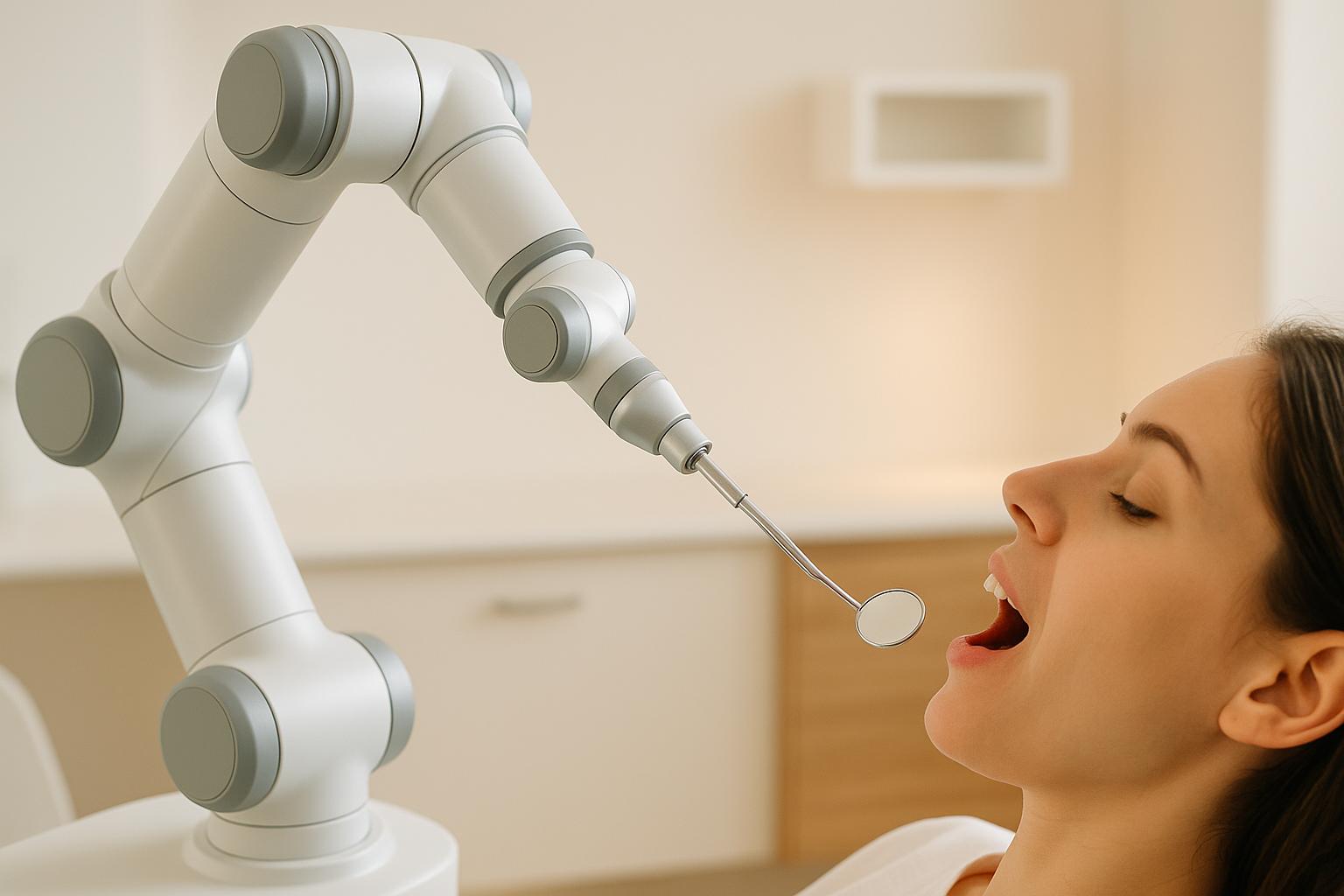
Robotic-assisted dental surgery is reshaping oral healthcare by combining robotics and AI for greater precision and safety. Studies show these systems improve accuracy, reduce complications, and enhance patient experiences. Key findings include:
- Higher Satisfaction Scores: Patients rated robotic procedures 8.7/10 on average, compared to 7.2/10 for conventional methods.
- Lower Pain Levels: Six months post-surgery, pain scores averaged 2.1 for robotic procedures versus 3.8 for conventional.
- Improved Outcomes: Chewing function scored 87.5 (robotic) vs. 76.3 (conventional). Complication rates were also lower at 8.3% compared to 21.7%.
- Precision and Efficiency: Robotic systems achieved 62% greater accuracy in implant placement, though procedures took about 50 minutes longer.
Despite longer surgery times, patients report better comfort, faster recovery, and greater confidence in results. These advancements are gaining traction in Australia, where dental clinics are integrating robotics to meet high healthcare standards. However, long-term studies are needed to evaluate outcomes like implant survival and satisfaction over time.
Robot surgeon makes dental procedures faster, less invasive
Research Findings on Patient Satisfaction
Recent studies have highlighted that robotic-assisted dental surgery delivers better patient satisfaction compared to traditional methods. These findings are backed by measurable improvements across various satisfaction metrics. Here’s a closer look at the data and methods used to assess these outcomes.
Clinical Study Statistics
Clinical trials focusing on robotic-assisted maxillofacial reconstruction reveal a clear boost in patient satisfaction. Patients who underwent robotic-assisted procedures reported mean satisfaction scores of 8.7 ± 1.2 out of 10, significantly higher than the 7.2 ± 1.5 recorded for conventional surgeries[1].
Six months after surgery, pain levels were notably lower for robotic-assisted patients, with scores averaging 2.1 ± 1.2, compared to 3.8 ± 1.5 for those who underwent traditional procedures[1]. This reduction in long-term pain is a key factor in higher satisfaction levels.
Robotic-assisted surgeries also improved chewing function, with patients scoring 87.5 ± 8.2 on masticatory function tests, compared to 76.3 ± 10.5 for conventional approaches. Improved speech clarity was another notable benefit[1].
Complication rates were significantly lower for robotic-assisted procedures at 8.3%, compared to 21.7% for traditional surgeries[1]. Fewer complications mean fewer follow-up visits, less anxiety, and greater trust in the treatment.
A systematic review and meta-analysis involving 1,225 patients found a pooled effect size for patient satisfaction of 1.16 (95% CI: 1.11–1.22; Z = 41.75, P < 0.00001) when using AI-driven technologies in dentistry[2]. Follow-up data also showed strong patient engagement, with retention rates exceeding 90% at 12 months[1].
Patient Satisfaction Assessment Methods
The positive outcomes of robotic-assisted dental surgery are measured using reliable and validated tools. One key method is the FACE-Q questionnaire, which evaluates appearance, oral function, and overall quality of life[1].
To track pain levels, researchers use Visual Analog Scales (VAS), which measure pain intensity on a scale from 0 to 10. This allows for precise monitoring of changes over time[1].
Patient-Reported Outcome Measures (PROMs) provide a broader view of treatment success. For instance, the UAB Masticatory Performance Scale measures chewing ability, while the Frenchay Dysarthria Assessment assesses speech outcomes[1].
Studies ensure consistency by following standardised follow-up intervals, ranging from one week to 12 months[1]. Advanced techniques like multiple imputation and multivariate analyses are used to address missing data and account for confounding variables[1].
Robotic vs Conventional Dental Surgery
When comparing robotic-assisted dental surgery to traditional methods, the differences in both clinical performance and patient experience are striking. These variations play a big role in improving overall satisfaction for patients undergoing these procedures.
Clinical Performance Data
Robotic-assisted dental surgeries consistently outperform conventional methods when it comes to precision. For instance, studies show that the average deviation from planned positioning is just 0.8 ± 0.3 mm for robotic techniques, compared to 2.1 ± 0.7 mm for traditional procedures – a difference that translates to 62% greater accuracy. However, this precision comes at the cost of time. Robotic surgeries take an average of 245 ± 35 minutes, which is about 50 minutes longer than the 195 ± 28 minutes required for conventional methods.
One of the most notable advantages is the reduced complication rate. Robotic-assisted procedures report a complication rate of 8.3%, significantly lower than the 21.7% seen with conventional techniques – a 61% reduction. Additionally, robotic surgeries boast a 12-month patient retention rate of 92.5%, highlighting their reliability. Take a look at the table below for a clear comparison of these metrics:
| Performance Metric | Robotic-Assisted | Conventional | Improvement |
|---|---|---|---|
| Precision (mean deviation) | 0.8 ± 0.3 mm | 2.1 ± 0.7 mm | 62% greater accuracy |
| Operative time | 245 ± 35 minutes | 195 ± 28 minutes | 50 minutes longer |
| Complication rate | 8.3% | 21.7% | 61% reduction |
| Patient retention at 12 months | 92.5% | Not specified | – |
This level of precision, made possible by the steady and controlled movements of robotic systems, is particularly beneficial in intricate procedures like maxillofacial reconstructions.
Patient Experience Differences
Beyond the technical aspects, robotic-assisted surgeries also shine when it comes to patient experience. These procedures are less invasive, involving smaller incisions and causing less tissue trauma. This translates to quicker healing, less post-operative pain, and a faster return to daily life.
Even though robotic surgeries take longer, patients report higher satisfaction levels. On average, satisfaction scores for robotic procedures are 8.7 ± 1.2, compared to 7.2 ± 1.5 for conventional methods. The integration of AI in robotic systems also plays a crucial role, as it enhances diagnostics and tailors care to individual needs. These advancements not only improve outcomes but also help reduce patient anxiety, giving them more confidence in the process and results [1][2].
Factors Affecting Patient Satisfaction
Several factors play a role in why patients often report higher satisfaction levels with robotic-assisted dental procedures compared to traditional methods. Understanding these elements sheds light on how technology and expertise come together to enhance patient experiences.
Technology and System Types
The type of robotic system used significantly impacts patient outcomes and satisfaction. Autonomous systems perform pre-programmed tasks with minimal human involvement, while image-guided systems combine real-time imaging with surgeon input. Both types are known to improve precision, leading to better results [1][4].
AI-assisted robotic systems also bring another advantage: shorter procedure times. In implant dentistry, for instance, these systems can reduce the time spent in the chair by up to 30% [3]. By standardising complex tasks and minimising human error, these technologies deliver more predictable outcomes, which helps build patient trust. This level of precision highlights the importance of surgeon expertise in achieving the best possible results.
Surgeon Experience and Training
The surgeon’s experience and training play a pivotal role in the success of robotic dental procedures. Skilled practitioners excel in selecting appropriate cases, calibrating systems, and making critical intraoperative decisions, all of which enhance precision and reduce complications [1][3]. While advanced systems may take longer to master, once surgeons gain proficiency, the consistency and accuracy achieved can significantly improve patient satisfaction [3][6].
This is particularly evident in complex procedures like maxillofacial reconstructions, where the combination of surgical skill and robotic precision leads to better clinical outcomes. Continuous professional development and simulation-based training are crucial to ensure safe and effective use of these advanced systems.
Less Invasive Surgical Approaches
One of the key reasons patients prefer robotic-assisted dental surgery is its minimally invasive nature. These procedures typically involve smaller incisions, less tissue damage, and reduced blood loss during surgery compared to traditional methods [1][2].
Research shows that robotic techniques result in lower postoperative pain and faster recovery times [1]. This means patients can return to their normal routines sooner, with less discomfort. Additionally, the reduced invasiveness helps alleviate patient anxiety, as it preserves healthy tissue and ensures more predictable healing.
In Australia, where patient-centred care and quick recovery are especially valued, these benefits resonate strongly [1][2]. Functional improvements further highlight the advantages – studies report masticatory function scores of 87.5 for robotic procedures, compared to 76.3 for conventional methods. These tangible benefits make a noticeable difference in patients’ everyday lives [1].
sbb-itb-2be92ed
Future Research Needs
While clinical and patient experience data show promise, there are still gaps that need addressing. Current studies highlight positive short-term outcomes, but questions about long-term implant survival and patient satisfaction remain. To fully understand the potential of these advanced technologies, extensive long-term research is essential.
Long-Term Study Requirements
Most existing studies only monitor patients for 6–12 months, which isn’t enough to capture the full picture. Tracking outcomes over 3–5 years is crucial to identify issues like delayed implant failure, chronic pain, or peri-implantitis that might surface later [1].
One of the most pressing areas for further research is implant survival. While robotic-assisted implant placement has shown impressive accuracy rates – up to 98.2% in some studies – it’s still unclear whether this precision leads to better long-term outcomes compared to traditional methods [5]. Complications like bone loss around implants or prosthetic failures often take years to develop, making extended follow-up essential.
Australia’s dental sector is well-placed to lead these long-term studies. With high healthcare standards and robust patient follow-up systems, multi-centre studies across the country could generate valuable data tailored to local practice conditions. These findings would not only validate current technologies but also inform best practices for Australian clinicians.
Consistent Satisfaction Measurement
Another key area for improvement is the measurement of patient satisfaction. Currently, there’s no standardised way to measure satisfaction across studies [1]. Some use 10-point scales, others visual analogue scales, and some rely on procedure-specific tools like the FACE-Q. This inconsistency makes it difficult to combine data or draw strong conclusions.
To address this, the dental research community needs to create and validate standardised tools specifically for robotic dental procedures [2]. These tools should assess unique factors, such as patient comfort with the technology, their perception of precision compared to traditional methods, and their trust in robotic systems. Establishing clear benchmarks will allow for meaningful comparisons between robotic and conventional techniques.
Australian Dental Practice Applications
In Australia, the dental sector is embracing robotic-assisted surgery to improve patient care while upholding the nation’s rigorous healthcare standards. Recent studies highlight the benefits of integrating these technologies into patient-focused dental practices.
Personalised Treatment and Technology
Australian dental clinics are increasingly using AI-driven tools to offer tailored treatment plans. Research shows these advancements have significantly boosted patient satisfaction [2]. For example, robotic-assisted implant placement provides greater precision, leading to improved accuracy and shorter procedure times [3][5]. This combination of efficiency and predictability enhances both clinical outcomes and operational workflows.
Take Complete Smiles Bella Vista, led by Dr. James Hanna, as an example. Their approach to advanced dental techniques, paired with personalised care, reflects how AI tools can transform treatment planning. Studies suggest that such customised care leads to higher patient satisfaction [2]. By integrating AI-based diagnostics and digital workflows, Australian practices are not only improving diagnostic accuracy but also streamlining treatment processes. These innovations build trust and deliver better outcomes, all while adhering to Australia’s stringent clinical standards.
Australian Healthcare Standards
Beyond the technological benefits, Australian dental practices maintain a strong commitment to meeting strict healthcare and safety regulations. Research indicates that AI-assisted robotic surgeries significantly lower complication rates and improve clinical outcomes [3]. These high standards are a key factor in the consistently high levels of patient satisfaction seen in robotic-assisted procedures.
The financial aspect of adopting these technologies is also compelling. While the initial investment can be substantial, the long-term savings – such as fewer revision surgeries and faster procedures – often lead to measurable returns. High-volume practices typically see financial benefits within 3 to 5 years [3].
For patients in rural or remote areas, combining teledentistry with robotic systems can reduce travel demands and improve treatment adherence [2]. However, ensuring proper training, credentialing, and systematic outcome tracking remains critical, as surgeon experience has a significant impact on results and patient satisfaction [1].
Additionally, AI-powered chatbots and virtual assistants are enhancing communication by providing instant, accurate information. These tools help reduce patient anxiety and support informed consent processes, which are essential under Australian healthcare regulations. This not only enriches the overall patient experience but also fosters greater confidence in care [2].
Conclusion: Patient Satisfaction Summary
The data highlights that robotic-assisted dental surgery is transforming patient care and satisfaction. A comprehensive review involving 1,225 patients across seven studies found a pooled effect size for patient satisfaction of 1.16 (95% CI: 1.11–1.22; P < 0.00001) when utilising AI-driven dental technologies [2]. These advancements are clearly delivering tangible benefits for patients, paving the way for further exploration into precision, pain management, and economic efficiencies.
Robotic systems excel in precision, offering enhanced accuracy that directly impacts patient outcomes. For example, masticatory function scores were significantly higher in robotic procedures (87.5±8.2) compared to conventional methods (76.3±10.5, p<0.001) [1]. Pain management also plays a critical role in patient satisfaction, with robotic systems contributing to lower pain scores. Additionally, reduced complication rates – 8.3% versus 21.7% (p=0.032) – mean patients experience greater comfort during recovery and increased confidence in their long-term results [1].
From an economic perspective, robotic systems reduce procedure times by 30%, enabling clinics to treat more patients without compromising precision [3]. However, to fully understand the scope of these benefits, further long-term studies and standardised evaluation methods are needed [1][2].
FAQs
What are the benefits of robotic-assisted dental surgery for patient satisfaction compared to traditional methods?
Robotic-assisted dental surgery brings a range of benefits that can make a real difference in patient care and satisfaction. These procedures often achieve higher precision, which not only improves treatment results but also reduces discomfort both during and after the surgery. Plus, thanks to the minimally invasive approach of robotic techniques, patients typically enjoy quicker recovery times and face fewer risks of complications.
The increased accuracy provided by robotic systems also enables dentists to tackle more complex procedures with confidence, elevating the standard of care. For many patients, the use of advanced technology instils a sense of reassurance, making their treatment experience more comfortable and trustworthy.
What long-term benefits of robotic dental surgery are being studied further?
Robotic dental surgery is making strides, offering benefits such as greater precision and quicker recovery periods. However, the long-term effects still need more exploration. Questions remain about how well these treatments hold up over time, their influence on overall oral health, and how patients from various backgrounds feel about the results.
Researchers are actively studying how robotic-assisted dental procedures could improve treatment success rates and minimise complications in the future. As the technology continues to develop, further evidence will clarify its place in the world of modern dentistry.
How do robotic systems in dental surgery improve recovery times and reduce complications?
Robotic systems in dental surgery bring a higher level of precision to procedures, enabling dentists to operate with enhanced accuracy and control. This precision can minimise trauma to surrounding tissues, potentially leading to quicker recovery periods and reduced risks of complications for patients.
Research indicates that robotic-assisted techniques often deliver consistent and predictable results, which can positively impact patient satisfaction. However, recovery experiences can differ based on individual factors and the complexity of the procedure. It’s always a good idea to consult your dentist to get a clear understanding of what to expect in your specific situation.
Related Blog Posts
- Robotic Dental Surgery: Benefits vs. Limitations
- How AI Improves Diagnostic Consistency in Dentistry
- 5 Benefits of AI in Laser Dental Treatments
- First Fully Automated Dental Surgery: What It Means
Important Notice: Any surgical or invasive procedure carries risks. Before proceeding, you should seek a second opinion from an appropriately qualified health practitioner.
Individual results may vary. The information provided in this article is for educational purposes only and does not constitute medical advice.
Checkout Related Blogs




Get in touch with us
For more information, call us now to start feeling better. Or fill the form below to make appointment
The Latest News from Complete Smiles
How to Clean Clear Plastic Retainers
Checklist for Choosing Wearable Dental Devices
Checklist for Choosing Cloud AI Platforms in Dentistry

Complete Smiles Bella VistaAccepts All Major Health Funds, Including





