




Invisalign for Teens: Key Benefits

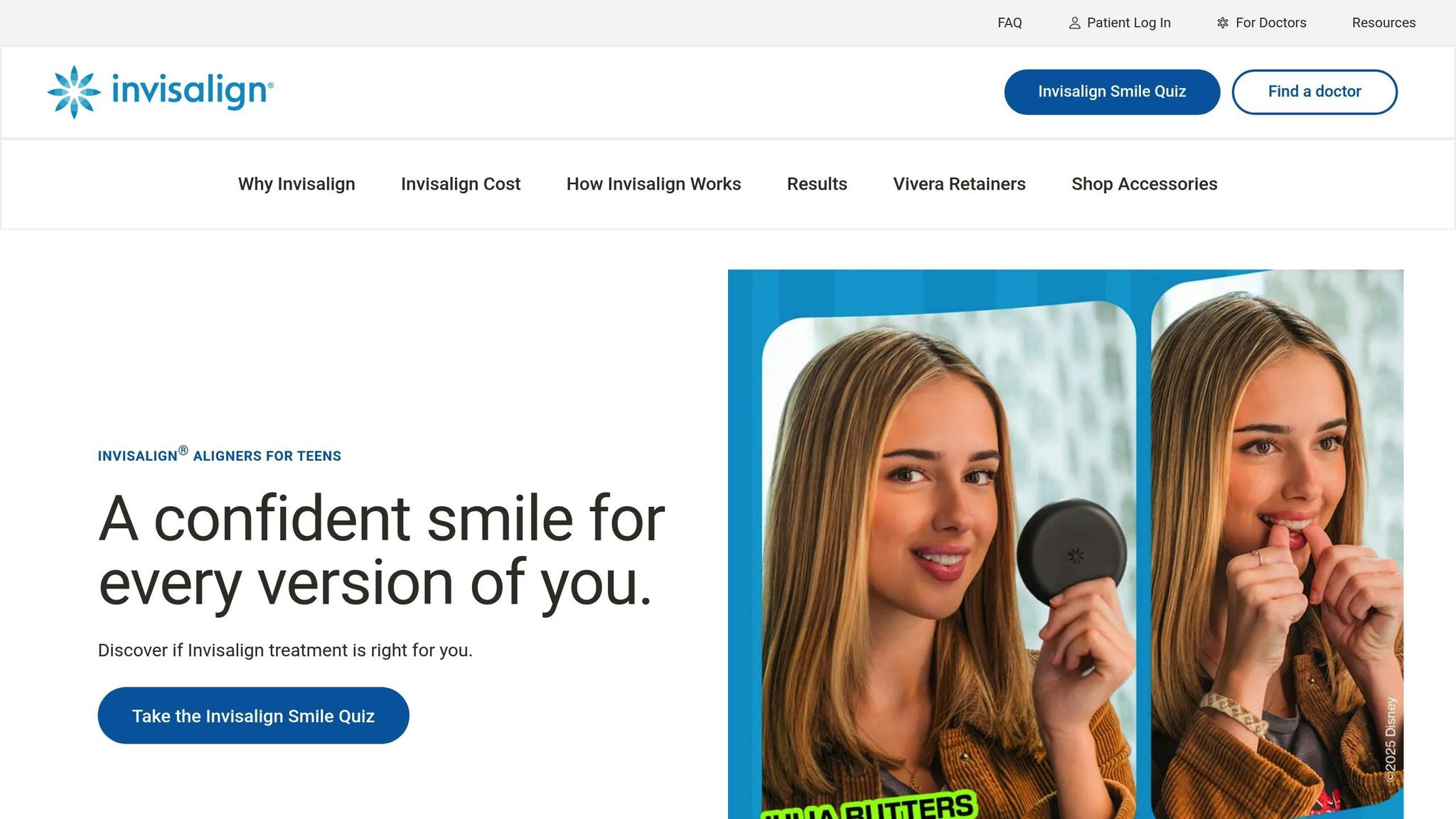
Invisalign is a quiet and easy pick for teens who need to fix their teeth. Unlike the old kind of braces, they are see-through, can be taken out, and work with busy life. Teens can keep feeling good, eat what they love, and clean their teeth with no fuss. Let’s see why Invisalign is special:
- Almost can’t see it: Clear aligners are hard to see, so they don’t show as much as metal braces.
- Can be taken out: Eat, brush, or play sports with no limits.
- Feels good: Made from soft plastic, they dodge the hurt from wires and bits.
- Less check-ups: You don’t have to see the doctor as much as with old braces.
- Easy to wash: Aligners can be taken out to clean well.
Who can use it? Invisalign fits teens with small to middle teeth problems, but old braces might still be needed for big issues. Teens must wear the aligners for 20-22 hours a day for the best fix. With good care and help from an orthodontist, Invisalign gives a true way to get straight teeth.
Who Can Use Invisalign
Good Fits for Invisalign
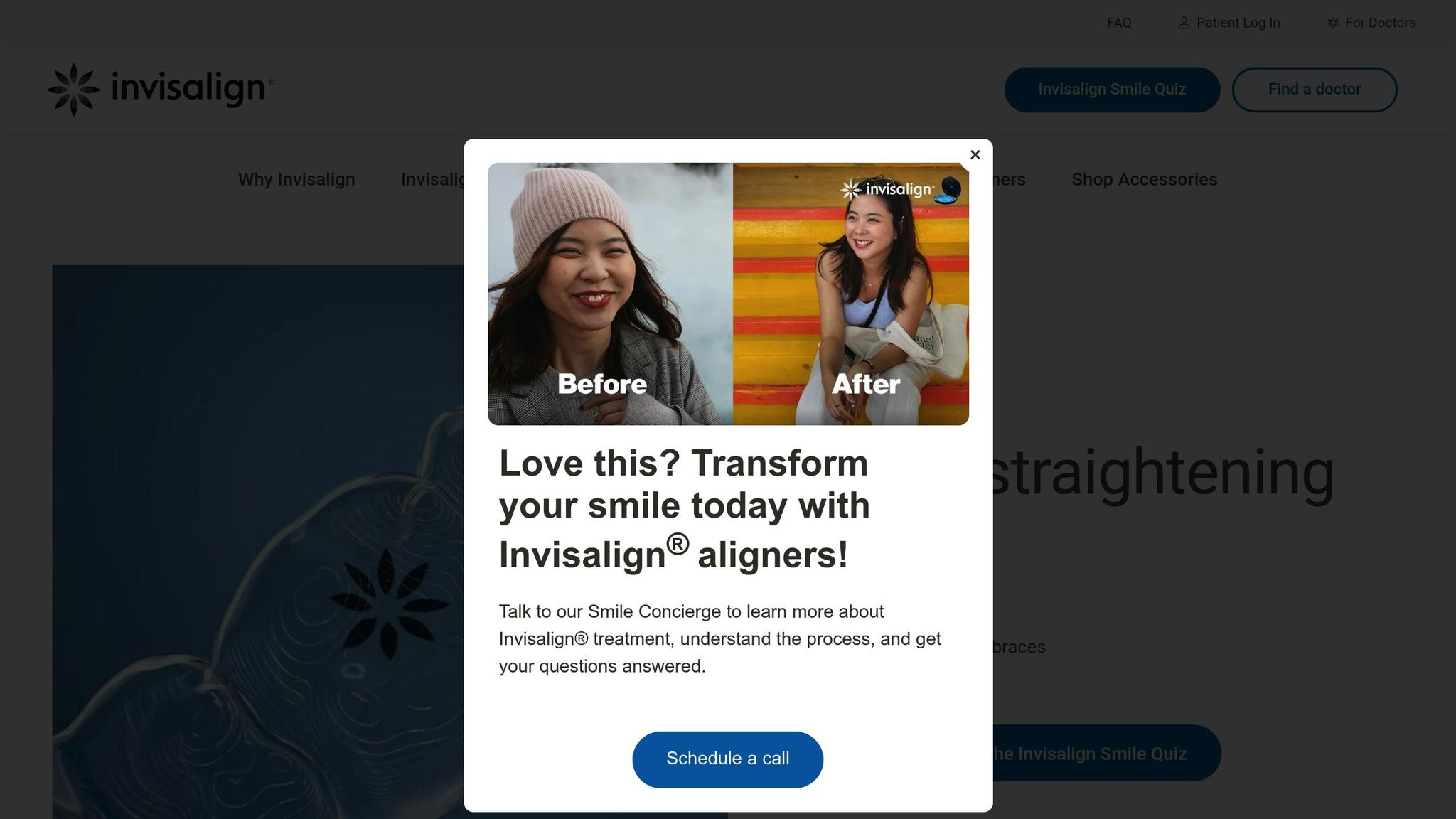
Invisalign is a fine choice for many teens with small to middle teeth fixes. It works well for usual problems like a bit too close teeth, small gaps, small bite off-points, or small changes that come after baby teeth are swapped by grown-up ones. Mostly, Invisalign works best once most grown-up teeth are in, which is often from age 12 to 14.
The Invisalign Teen kit is made just for young ones, with things like extra pieces if one is lost. Teens who take care and really want to do well often get the best results from this way. But, for bigger teeth issues, other ways to fix teeth might work better.
When Metal Braces Are Better
While Invisalign can fix a lot of teeth settings, usual metal braces are used more for harder cases. Teens with big teeth crowds or big wrong setups get help from the tough and right way metal braces work. These braces put on more push, which often means quicker changes than with clear pieces.
Metal braces are also more right for hard cases like a lot of tooth turnings, fixing jaw shape, or fast closing of big gaps. Also, for teens who may not keep up with taking out and putting in clear pieces, not-move braces make sure the work stays right.
Getting a Pro Check
No matter the fix way, a pro look is key for teens thinking about Invisalign. A trained tooth fixer or tooth doctor will do a deep check using tools like 3D pictures, X-rays, and a hands-on check to find any hidden issues, like stuck teeth or root problems, that could change the fix plan.
In the talk, the tooth fixer will also think about the teen’s daily life, like routines and sports, to pick the best fix way. This one-on-one check often shows a digital look of how the teeth will move and what they will look like at the end. Families can also talk about times and costs in this meet, helping them pick the best tooth care for their needs.
How Invisalign Helps Teens
Making a Plan with a Computer
Invisalign starts with a 3D scan of your teen’s teeth, how their jaw sets, and how they bite. This takes the place of the old way of using moulds, and it’s much less of a hassle. The scan helps make a clear plan that shows how the teeth will move, one step at a time.
It’s really cool because you and your teen can see what their teeth will look like when it’s all done, before you even start. Each piece is made of top-notch plastic and shaped just right to push slowly on certain teeth. As your teen uses set after set of these pieces, their teeth slowly move to where they should be.
Wearing Them Every Day and Keeping Track
For the best results, teens should wear their pieces for 20 to 22 hours each day. They can take them out when eating, drinking (except for water), and brushing. Sticking to this plan is key.
To make this easier, Invisalign for teens has blue dots that fade when worn right. This helps teens, parents, and tooth doctors see how well they are using them. When the dots are gone, it’s a good sign they’re doing it right.
Teens will get new pieces every one to two weeks, as their tooth doctor says. They’ll also check in every 6 to 8 weeks to make sure it’s all going well. These visits, plus the fading dots, help remind teens to keep at it. Keep in mind, things like heat and how acid or basic something is can change the dots, so they’re just one way to watch how it’s going.
Stuff Just for Teens
Invisalign Teen has things just for young people. A cool part is the eruption tabs, which save room for new big teeth and help as their jaws grow. This means even if your teen still has some baby teeth, they can start fixing their smile. It’s a good fit for younger teens who are still growing.
The pieces are also made to keep up with a busy teen life. They are strong and can handle day-to-day stuff. But take them out for rough sports or if they need to wear a teeth guard. These smart add-ons make Invisalign a smart pick for busy teens.
THE BENEFITS OF INVISALIGN TEEN OVER TRADITIONAL BRACES
sbb-itb-2be92ed
Top Pluses of Invisalign for Young Ones
Invisalign gives teens many good things with its easy design and made-to-fit care plan.
Looks Better and Ups Confidence
A big draw for teens to pick Invisalign is that it can barely be seen. Not like the old metal braces, Invisalign pieces are quiet in style, which means a lot when you feel unsure in your teen years.
With Invisalign, teens feel okay to snap photos, chat in class, or hang with pals. They aren’t worried about how their braces show, which could make them feel better and keep them out and about while they get care.
Nicer to Wear
Old braces are known to bug you as metal and wires poke the cheeks and lips. Invisalign, however, is made of soft plastic of good grade, cutting out the chance of cuts or scratches inside your mouth.
The pieces sit tight on the teeth with no sharp bits sticking out. Even with a bit of push at the start of new pieces, it’s a lot easier than when braces get tightened. Plus, no stress over wires breaking or bits coming off that could ruin key times.
Teeth Cleaning is Easier
It’s way easy to keep teeth clean with Invisalign. Old braces ask for tools like floss helps and tiny brushes to get around metal and wires, which takes time and skill. Food bits may stay stuck, upping the risk of sticky plaque and holes.
With Invisalign, pieces come off, letting teens brush and rinse their teeth as they do every day. This cuts down on plaque, keeps gums sound, and lowers the chance of holes while getting care. The pieces are a breeze to clean – just wash quickly and brush soft to keep them nice. This ease suits teens who are always up and about.
Fits Active Lives
From games to music and more, young ones in Australia are always busy, and Invisalign works with that. Pieces can come off for rough play, cutting down on chances to get hurt by metal parts. No need for a mouth guard made for braces.
Since pieces are taken off, no food is off-limits. Teens can eat what they love and not worry over breaking wires or parts, not like with old braces.
Fewer Teeth Checks
Invisalign just asks for a check-up every 6 to 8 weeks, less than the usual monthly fix old braces need. This means less cutting into school and family time. Plus, meets tend to be short as there’s no need to pull wires tight or mend broken bits.
Some teeth pros even let you send photo updates via phone apps. This can mean even fewer visits in person, making care way smoother for families trying to fit work, school, and fun stuff into their lives.
Invisalign vs Metal Braces Face-Off
| Factor | Invisalign | Metal Braces |
|---|---|---|
| Can You See It? | Hard to see clear stuff | Easy to see, has metal parts |
| Does It Hurt? | Smooth stuff, no sharp bits | Might make mouth hurt |
| Teeth Clean? | Take out to clean teeth | Need tools to clean |
| Food Limits? | Eat all foods – just take it out | No hard or chewy food |
| Play Sports? | Take out for rough play | Wear big mouthguard |
| How Often To Check? | Go back every 1-2 months | Visit more, every 1 month or so |
| Need To Fix? | Not really – it doesn’t break | Might need fixing sometimes |
| How Long To Wear? | Around 1 to 1.5 years | About 1.5 to 2 years |
| Need To Keep On? | Must keep it on 20-22 hours/day | Stays on all the time, no worries |
Right Use and Care of Invisalign
Using Invisalign right means having a daily plan and doing what you need to do. For teens, getting these habits down early is key to keeping the whole thing going well.
Wearing Aligners the Right Way
You need to wear aligners for 20 to 22 hours each day, and you should change to a new set about every one to two weeks, as your tooth doc tells you. This means take them out only for food, drinks (not water), and to clean your teeth. A lot of teens set phone bells to help them not forget to put their aligners back in after they eat.
Don’t move ahead to the next set or wear a set too long, as it can mess up your plan.
If you lose or break an aligner, call your tooth doc right away. Many places have spare sets, but it may take time to get new ones. Keep your old set as a backup until the new ones come.
To keep on track, some teens use apps or clocks to hit the 20-hour goal each day. Remember, aligners only do their job if they are in your mouth making soft pushes on your teeth.
Next, setting up a clean plan is key to keep both clean and on path.
Keeping Aligners Clean
Wash your aligners every day and night using warm water and a soft toothbrush. Don’t use hot water, as it can twist the plastic and change how they fit. A soft soap that fights germs works well, but don’t use toothpaste – it can scratch the aligners and make them less see-through.
For a deeper clean, soak your aligners once a week in a denture clean mix for about 15 minutes. After soaking, brush them soft and rinse them well.
Don’t skip cleaning your teeth! Brush and floss after each meal before putting your aligners back. Bits of food stuck under aligners can lead to holes in teeth and bad breath. If brushing isn’t an option, at least wash out your mouth with water.
Never eat or drink anything but water with aligners in. Even clear drinks like lemonade can mark the plastic and hurt your teeth. Drinks like coffee, tea, and soft drinks are very bad as they can stain and leave sugar under the aligners.
Eating, Drinking, and Playing Sports
Always take your aligners out for eating and snacks. This keeps the aligners from breaks and lets you enjoy all your top foods – one of Invisalign’s big pros. When not using them, keep your aligners in their box to stay safe.
For sports, you can keep aligners in for calm games like swimming or tennis. But, for hitting games like rugby or AFL, take them out and use a right mouthguard instead. Aligners can’t guard well against hard hits.
Take a small bag with you that has things like an extra case for your aligners, a travel toothbrush, and a little tube of toothpaste. This helps you keep your teeth and aligners clean when you are out. A lot of teens have one in their school bag and one in their sports bag.
To keep them on for 20 hours a day, have a plan: take out the aligners, eat, brush your teeth, clean the aligners, and put them back in.
Regular Orthodontic Check-Ups
Good care also means going to the orthodontist often. Even if all seems well, these visits are key to make sure your teeth are moving right and to find any issues early. Most times, these visits are short, about 15 to 30 minutes.
Some doctors let you send photos of your teeth and aligners with a phone app. This might cut down on how many times you need to visit in person. But you will still need to see them face to face sometimes.
If the aligners feel too tight, too loose, or hurt a lot, tell your doctor at your visit. They can often fix these problems with small changes to your plan.
Lastly, keep all your old aligners until you’re done with your treatment. If your teeth aren’t moving as they should, your doctor might tell you to use an old set to fix it without slowing down your progress.
Why Invisalign is Good for Teens
Invisalign is a top pick for teens’ teeth care. It is made well and can change as needed. It gives a clear way to get straight teeth, which is key when feeling good is so important.
One big plus is that Invisalign is almost unseen. Teens can wear the clear aligners and not feel shy, unlike with metal braces that everyone can notice. Invisalign is also more comfy. The smooth plastic is easy on your mouth, not hard and sharp like old braces are.
The aligners can come out too, which is a big win for teens. This means they can eat what they like and can pull them off for big events. For teens who are always on the move, Invisalign works well. They can take it out for sports or music sessions. And, with fewer dentist trips, it cuts down on mess in their busy days.
Yet, Invisalign needs teens to stick to the plan. They must keep them in for 20 to 22 hours each day to work right. With help from a good teeth doctor, and if teens follow the plan, they will see great changes. Teeth pros are key in checking if Invisalign is the best pick and in helping teens all through their teeth-fixing time.
FAQs
How should teens take care of and keep their Invisalign aligners clean?
Teens need to wash their Invisalign aligners with warm water each time they remove them. This easy step helps clear out any left bits and keeps the aligners nice. Before putting them in again, they should brush their teeth well. This stops food bits from getting stuck, which can lead to stains or bad breath.
When it’s time to clean the aligners, a soft toothbrush and gentle, smooth toothpaste are best. Softly brushing them keeps the aligners clean and stops them from getting scratched. Regular cleaning also cuts down on germs and bad smells, making sure the aligners stay clean and work well all through the way they are needed.
What issues might teens face with Invisalign, and what should parents know?
Although Invisalign has many benefits for teens, there are some problems parents need to think about. Most importantly, wearing time is key – teens have to keep their aligners in for 20–22 hours every day to see real results. This needs them to be very disciplined, and if they forget or skip, their treatment could get slow.
One more point to note is that these aligners can be taken out. While handy, this also means they may be placed wrong or lost, which might mean paying more or pauses in the treatment. Also, some teens may feel a bit of pain or find themselves speaking with a small lisp when they start. The good part? These issues tend to go away fast as they adapt.
By knowing these possible issues, and guiding teens to form solid habits, parents can help their children keep up and enjoy all that Invisalign has to offer.
Related Blog Posts
- Invisalign vs Traditional Braces: A Complete Comparison
- Types of Braces and Their Costs Explained
- How to Compare Invisalign Providers
- Ultimate Guide to Adult Braces: Challenges and Solutions
Important Notice: Any surgical or invasive procedure carries risks. Before proceeding, you should seek a second opinion from an appropriately qualified health practitioner.
Individual results may vary. The information provided in this article is for educational purposes only and does not constitute medical advice.
Checkout Related Blogs



Get in touch with us
For more information, call us now to start feeling better. Or fill the form below to make appointment
The Latest News from Complete Smiles
How to Clean Clear Plastic Retainers
Checklist for Choosing Wearable Dental Devices
Checklist for Choosing Cloud AI Platforms in Dentistry
Complete Smiles Bella VistaAccepts All Major Health Funds, Including