





In-Depth Guide to Veneer Bonding Protocols
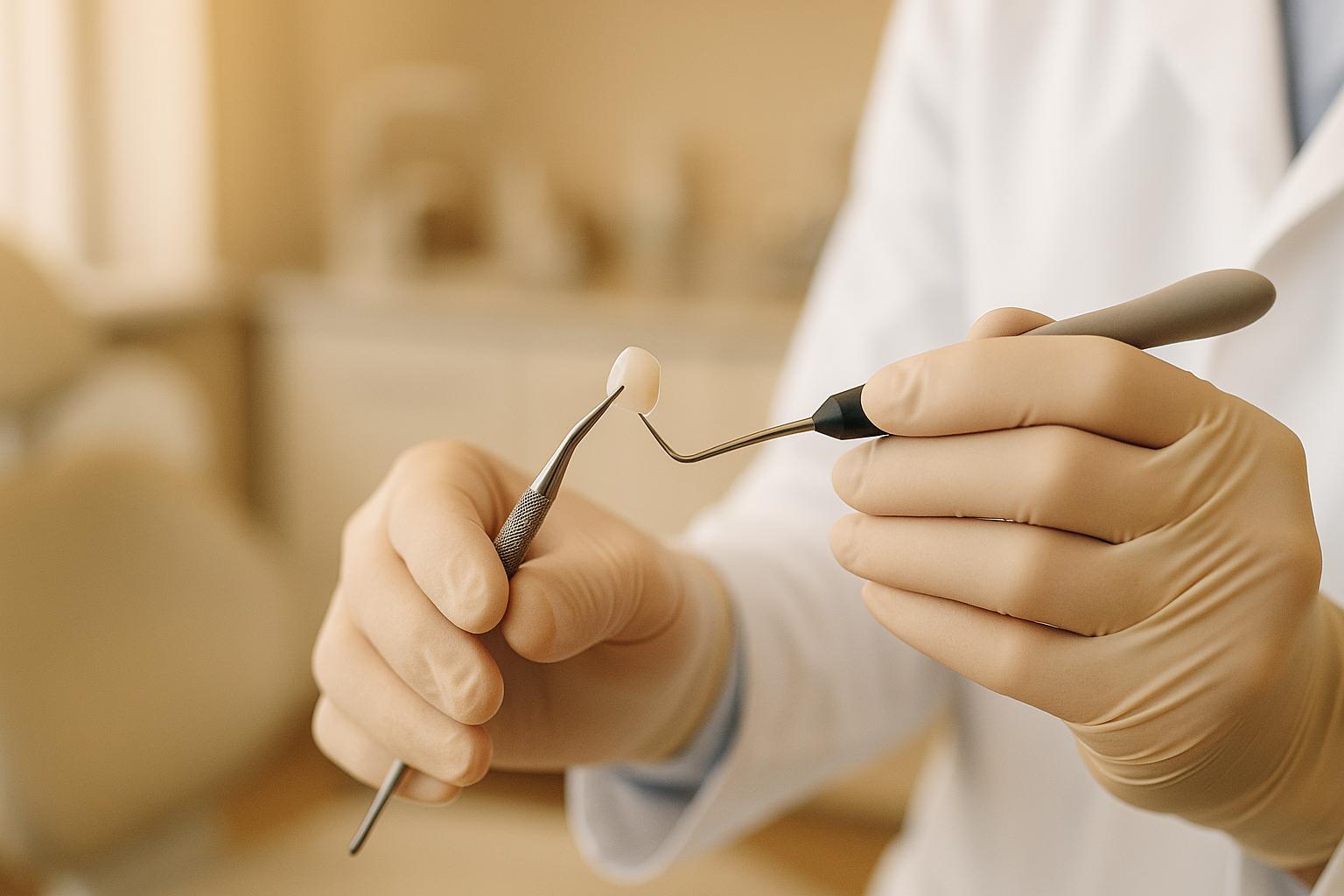
Veneer bonding is a precise dental procedure that attaches thin ceramic or composite veneers to teeth, improving their appearance and functionality. This guide explains the steps, materials, and techniques used in Australia, where dentists prioritise minimal tooth alteration and evidence-based practices. Key points include:
- Why bonding matters: Proper bonding prevents issues like debonding or decay and ensures veneers last for decades.
- Types of veneers: Porcelain veneers offer durability and aesthetics, while composite veneers are cost-effective and quicker to apply. Minimal-prep veneers preserve tooth structure.
- Bonding process: Steps include patient assessment, tooth preparation, adhesive application, cementation, and finishing.
- Factors affecting success: Material choice, clinical precision, and patient-specific factors like oral hygiene and bite forces all influence longevity.
- Australian standards: Dentists follow strict ADA guidelines, use digital tools for accuracy, and prioritise ongoing education to stay updated.
Veneer bonding: step by step
Types of Veneers and Their Bonding Requirements
Different types of veneers call for distinct adhesive techniques to ensure they remain secure and functional over time. The choice of veneer material directly impacts the adhesive system, surface treatment, and curing method, all of which are critical for the longevity of the restoration.
Porcelain Veneers: Balancing Beauty and Strength
Porcelain veneers are celebrated for their excellent appearance and durability when applied with the right bonding techniques. The bonding process typically involves two key steps. First, the inner surface of the veneer is etched with hydrofluoric acid, creating microscopic irregularities for better adhesion. Next, a silane coupling agent is applied to establish a chemical bond with the resin cement. For lithium disilicate ceramics, it’s essential to follow the manufacturer’s specific instructions for etching and silane application.
When it comes to cement, light-cure resin cements are often the go-to choice due to their superior colour stability. However, for thicker veneers, dual-cure cements may be necessary to ensure the material cures completely.
Composite Resin Veneers: A Practical Alternative
Composite resin veneers are a more affordable and less invasive option compared to porcelain veneers. They can often be completed in just one appointment, eliminating the need for lab work. The process begins with etching the enamel using 37% phosphoric acid, which creates small pores for mechanical retention. After rinsing and gently drying the surface, a bonding agent is applied. Maintaining a dry field is critical during this step, as moisture contamination can weaken the bond.
The composite material is then applied in thin layers, typically no more than 2 mm thick, to ensure thorough light curing. This layering technique allows for precise shaping and optimal adhesion.
Minimal-Prep Veneers: A Gentle Approach
Minimal-prep and no-prep veneers are gaining traction in Australia for their ability to conserve natural tooth structure. These options involve little to no enamel removal, which can reduce post-procedure sensitivity. Many of these veneers can be completed in a single visit, and in certain cases, they may even be removed if preserving the natural tooth becomes a priority.
| Feature | Traditional Veneers | Minimal-Prep Veneers | No-Prep Veneers |
|---|---|---|---|
| Enamel Removal | Requires removal of a thin, permanent enamel layer | Requires significantly less enamel removal | Requires little to no enamel removal |
| Procedure Time | Usually requires multiple visits | Often completed in 1–2 visits | Typically completed in a single visit |
| Post-Procedure Sensitivity | Some temporary sensitivity may occur | Minimal sensitivity reported | Rarely causes sensitivity |
| Reversibility | Permanent procedure | Limited reversibility | Often reversible in some cases |
Minimal-prep veneers often involve bonding to both enamel and dentine, making it crucial to select an adhesive system that works well with both surfaces. For no-prep veneers, the tooth surface is lightly etched or micro-abraded to improve bonding. Thin restorations, whether they are porcelain or composite, require careful cement selection to prevent the underlying tooth colour from affecting the final look. Light-cure cements with stable colour properties are usually preferred for these cases.
Zirconia-based minimal-prep veneers require unique bonding protocols. The zirconia surface should be treated with a specialised bonding agent and undergo surface preparation, often involving hydrofluoric acid etching and silanisation, to achieve a strong bond.
Mastering these bonding techniques tailored to each veneer type is essential for achieving long-lasting, visually appealing results in Australian dental practices.
Step-by-Step Veneer Bonding Process
Veneer bonding is a meticulous procedure that demands precision at every stage to achieve a durable and visually appealing outcome. Following a clear and organised process ensures a strong bond while minimising potential issues.
Patient Assessment and Treatment Planning
The first step is to evaluate the patient’s oral health. Any underlying conditions, such as gum disease or tooth decay, need to be treated before proceeding with veneers. This stage also involves assessing the patient’s bite and understanding their aesthetic preferences. These insights guide the preparation and bonding process, ensuring the veneers meet both functional and cosmetic goals.
Tooth Preparation and Isolation
Tooth preparation focuses on preserving as much enamel as possible, as this enhances the bond’s strength. During this step, isolation is crucial to keep the area dry. A rubber dam is commonly used to create a moisture-free environment, which is essential for achieving a reliable bond.
Surface Treatment and Adhesive Application
With the tooth isolated, the surface is prepared following material-specific guidelines. Typically, an acid etch is applied to the tooth to create tiny irregularities, which improve the mechanical grip of the bonding agent. A bonding agent is then applied to the etched surface. Veneers also undergo preparation, such as the application of silane for porcelain veneers, to optimise adhesion. It’s important to follow the manufacturer’s instructions carefully to ensure proper bonding.
Cementation and Curing
After surface preparation, a thin layer of resin cement is applied to both the tooth and the veneer. The veneer is carefully positioned, and any excess cement is removed to prevent irritation or interference. An initial light cure is performed to stabilise the veneer, followed by a thorough curing process from multiple angles. This ensures the resin is fully hardened, securing the veneer for long-term use.
Finishing and Polishing
Once the veneer is bonded, finishing touches are applied to refine the restoration. The bite is checked and adjusted to ensure comfort and proper alignment. Margins are smoothed to reduce the risk of plaque build-up, and the veneer is polished to blend seamlessly with the surrounding teeth. Patients are advised to maintain excellent oral hygiene and avoid putting excessive pressure on the veneers, especially in the early days after placement.
sbb-itb-2be92ed
Factors That Affect Veneer Bond Strength
Understanding the factors that influence the long-term strength of veneer bonds is just as important as mastering the bonding procedure itself. These elements play a key role in ensuring the durability and success of veneers over time.
Material Selection and Properties
The choice of material – whether porcelain or composite – has a direct impact on bond strength. Porcelain veneers, when prepared correctly, form strong bonds thanks to their crystalline structure. This structure allows for effective etching and the application of silane coupling agents, which create a reliable chemical bond with resin cement. The rough surface created during preparation further enhances mechanical retention.
Composite resin veneers, on the other hand, rely on a fresh resin-to-resin bond. However, if the composite surface has aged, additional treatments are necessary to restore adhesion.
The thickness of the veneer also matters. Thinner veneers conserve more tooth structure but may be more prone to fractures. Thicker veneers, while stronger, require more aggressive tooth preparation. The choice of resin cement must align with the veneer’s thickness and translucency to ensure optimal results.
Clinical Technique and Precision
A precise clinical approach is critical for achieving strong and durable bonds. Moisture control is paramount – any contamination during the bonding process can lead to failure. Adhering to the recommended working times for adhesives is equally important.
The pressure applied during cementation must be carefully managed. Too much pressure can create stress within the veneer, while insufficient pressure can leave gaps or prevent proper seating. Gentle, consistent pressure helps the cement flow evenly, eliminating voids that could weaken the bond.
Proper curing is another essential step. Incomplete polymerisation can compromise bond strength, so ensuring thorough curing under consistent intraoral temperatures is crucial.
Patient-Specific Considerations
Patient factors also play a significant role in the success of veneer bonding. Enamel quality, occlusal forces, and overall oral health all contribute to the outcome.
Good oral hygiene is essential. Plaque build-up around the veneer margins can lead to secondary decay or weaken the cement. Patients with habits like teeth grinding or clenching exert excessive force on veneers, which may necessitate protective measures like night guards to safeguard the restoration.
The condition of the enamel varies between individuals. Younger patients typically have thicker enamel, providing an ideal bonding surface. In contrast, older patients or those with previous restorations may have less enamel available, requiring tailored bonding techniques or alternative treatments.
Bite dynamics and occlusal forces must also be assessed. Patients with heavy bites or poor contact patterns may need bite adjustments or specific treatment plans to improve veneer longevity.
Systemic health conditions can influence bonding outcomes as well. For example, xerostomia (dry mouth) alters oral chemistry, potentially affecting cement durability. Certain medications or medical treatments may also impact healing and the adaptation of veneers.
Finally, patient compliance is critical. Following dietary advice, avoiding harmful habits, and attending regular dental check-ups all contribute to the long-term success of veneers. Additionally, existing restorations in nearby teeth can complicate colour matching and overall treatment planning, highlighting the need for a thorough and detailed approach to achieve both aesthetic and functional goals.
Best Practices for Australian Dentists
Effective veneer bonding protocols in Australian dental clinics are designed to align with local standards while meeting patient expectations. By adhering to these practices, dentists can achieve reliable outcomes and maintain professional compliance.
Minimally Invasive Dentistry in Australia
Australian dentistry increasingly prioritises conserving natural tooth structure. This philosophy complements modern veneer bonding techniques, which often require minimal preparation to achieve long-lasting results.
A growing trend in biomimetic dentistry focuses on restoring teeth in ways that replicate their natural structure and function. For veneers, this means removing only 0.3–0.5 mm of enamel – just enough to create space for the veneer while preserving as much of the tooth as possible.
The use of digital planning tools has revolutionised this process. With intraoral scanners and design software, dentists can visualise the final outcome before beginning treatment. This technology ensures precise enamel reduction, preventing unnecessary removal and preserving tooth integrity.
Educating patients about these conservative methods is also key. Many Australians value thorough explanations of their options, especially when treatments focus on maintaining their natural teeth. Additionally, the reversibility of minimal-prep veneers is often a significant factor in treatment discussions. While porcelain veneers do involve permanent changes to the tooth, minimal preparation keeps future treatment options open – something many patients find reassuring.
These patient-centred, conservative approaches also pave the way for strict adherence to manufacturer protocols.
Following Manufacturer Guidelines
Sticking to manufacturer protocols is non-negotiable for successful veneer bonding. Each adhesive system and cement comes with specific instructions that must be followed to ensure proper application and performance.
Australia’s diverse climate adds unique challenges, particularly with temperature and humidity control. For example, Queensland’s tropical conditions can impact adhesive performance due to high humidity, while arid regions may cause materials to dry out too quickly. Maintaining treatment rooms at 20–22°C with 40–60% relative humidity is crucial for consistency.
Proper storage and handling of materials is another critical factor. Many adhesives are temperature-sensitive and require refrigeration. However, they must be brought to room temperature before use to avoid condensation and ensure proper application. Clear protocols for storage and preparation can help prevent costly errors.
In warmer climates, working time considerations become even more important. High temperatures can shorten the time available to work with materials, so dentists may need to act quickly or use products designed for extended working times during the summer months.
Tracking materials through batch numbers and expiry dates is essential for quality assurance. Digital inventory systems are widely used in Australian practices to monitor material usage and send alerts when expiry dates approach. This ensures compliance with healthcare standards and helps avoid potential issues.
The Australian Dental Association (ADA) also highlights the importance of using products that have undergone rigorous testing. Selecting materials with strong clinical evidence and local technical support ensures that dentists can access help when needed.
Finally, ongoing training is essential for staying up-to-date with evolving techniques and materials.
Continuing Education and Compliance
Under the AHPRA registration requirements, Australian dentists must engage in professional development to stay current with advancements in restorative dentistry. Veneer bonding techniques are constantly evolving, making ongoing education vital for maintaining high standards.
Hands-on training courses offer an excellent way to build practical skills. These sessions often include lab-based practice, allowing dentists to refine their techniques in a low-pressure environment. Many courses address challenges specific to Australian conditions, such as managing temperature and humidity.
Manufacturer training programmes are another valuable resource. These sessions provide in-depth guidance on using specific products, along with troubleshooting tips for various clinical scenarios. Both in-person and online options are available, making it easier for busy practitioners to participate.
Peer review and study groups have also gained popularity among Australian dentists. These informal networks provide a platform to share experiences, discuss complex cases, and learn from colleagues. Many state dental associations support these groups through local meetings, fostering collaboration and knowledge sharing.
Maintaining detailed treatment records is a critical component of compliance. AHPRA requires documentation that outlines material choices, technique modifications, and patient-specific considerations. This not only protects practitioners but also supports continuous improvement efforts.
Quality assurance programmes can further enhance clinical outcomes. By tracking key metrics – such as bond failure rates, patient satisfaction, and revision needs – practices can identify areas for improvement. Many Australian clinics use practice management software to streamline this process and generate detailed reports.
Regulatory compliance also extends to areas like patient consent, advertising, and professional conduct. The Dental Board of Australia emphasises the importance of clear, evidence-based communication about treatment options, which helps build trust while meeting ethical obligations.
Finally, as digital technology becomes more integrated into Australian dental practices, ongoing training is essential. Understanding how tools like intraoral scanners, design software, and milling units work together enables dentists to deliver consistent, high-quality results while keeping pace with innovation.
Conclusion and Key Takeaways
Achieving successful veneer bonding involves a well-organised and precise approach. The steps outlined here offer Australian dental professionals a reliable framework for delivering durable, aesthetically pleasing results while adhering to professional standards.
Summary of Key Steps
Veneer bonding relies on accuracy at every stage. It begins with a comprehensive patient assessment to set realistic expectations and identify any challenges. This ensures the chosen veneer type meets both the patient’s aesthetic goals and clinical needs.
Surface preparation is a critical step. Proper etching, careful silanisation, and maintaining strict moisture control are essential for strong adhesion. Handling materials correctly is just as important – following manufacturer guidelines, maintaining stable room conditions, and adhering to recommended light curing protocols ensures consistent results.
The cementation phase requires precision and attention to detail. Removing excess cement before curing and ensuring complete polymerisation through overlapping light exposure are key to avoiding issues like marginal leakage or debonding. These steps create a solid foundation for long-lasting results, complemented by maintenance strategies for extended durability.
Final Thoughts on Longevity and Care
Beyond the bonding process, the long-term success of veneers depends on thoughtful material selection, educating patients about proper care, and scheduling regular check-ups. For instance, composite resin veneers may need periodic touch-ups, while well-bonded porcelain veneers can retain their appearance and functionality for many years with the right care.
Keeping up with professional development is essential for staying informed about new materials and techniques. As adhesive systems and bonding protocols evolve, Australian dentists who prioritise continuing education can achieve even better clinical outcomes.
Implementing quality assurance measures, such as tracking bond failure rates and reviewing treatment methods, helps practices refine their techniques and improve material choices over time. Additionally, integrating digital tools like intraoral scanners, digital smile design, and CAD/CAM systems is transforming veneer workflows. These advancements reduce variability and are becoming key components in achieving consistent bonding success.
FAQs
What are the main differences between bonding porcelain and composite veneers?
The process of bonding porcelain veneers and composite veneers varies because of the unique characteristics of each material.
For porcelain veneers, the bonding involves multiple steps. First, the veneer surface is etched with hydrofluoric acid. Then, a silane coupling agent is applied to enhance adhesion. Finally, the veneer is bonded to the tooth using resin cement combined with an adhesive system. This method creates a strong, durable chemical bond.
Composite veneers, on the other hand, are applied directly to the tooth using resin-based materials. The tooth surface is usually roughened or etched with phosphoric acid to improve micromechanical retention. Afterward, the resin is light-cured to secure the bond.
Porcelain veneers focus on creating a robust chemical bond for long-term durability, while composite veneers emphasise simpler bonding techniques that allow for greater flexibility and easier application.
How do Australian guidelines shape the veneer bonding process?
Australian guidelines are key to ensuring that the veneer bonding process prioritises safety, quality, and minimally invasive practices. Organisations like the Australian Dental Association (ADA) and the Dental Board of Australia play a vital role in setting these standards. They oversee critical aspects such as surface preparation, adhesive choices, and curing methods to ensure procedures meet rigorous safety and performance benchmarks.
These regulations emphasise the use of approved materials and techniques to achieve durable, functional, and visually appealing outcomes. By following these guidelines, dental professionals in Australia maintain top-tier care standards, ensuring both patient safety and satisfaction.
How can I take care of my veneers to ensure they last longer?
To keep your veneers in top shape, focus on maintaining excellent oral hygiene. Brush your teeth twice a day using a soft-bristled toothbrush and non-abrasive toothpaste to avoid scratching the surface of the veneers. Regular flossing is also key to keeping your gums healthy and preventing plaque build-up around the veneers.
Be mindful of your habits – avoid biting into hard objects like ice or pens, steer clear of sticky foods, and never use your teeth to open packages or as makeshift tools. These actions can weaken or damage your veneers. If you’re prone to grinding your teeth at night, consider using a custom-fitted nightguard to minimise wear and tear.
Don’t skip your regular dental check-ups. These visits are crucial for keeping an eye on the condition of your veneers and catching any potential problems early. By sticking to these simple practices, you can help your veneers last longer and keep your smile looking fantastic for years to come.
Related Blog Posts
- Chemical Adhesion in Dental Bonding: How It Works
- What to Do if Veneers Fall Off
- Ceramic Bracket Bonding: Adhesive Types Compared
- Bond Strength of CAD/CAM Materials with Adhesives
Important Notice: Any surgical or invasive procedure carries risks. Before proceeding, you should seek a second opinion from an appropriately qualified health practitioner.
Individual results may vary. The information provided in this article is for educational purposes only and does not constitute medical advice.
Checkout Related Blogs




Get in touch with us
For more information, call us now to start feeling better. Or fill the form below to make appointment
The Latest News from Complete Smiles
How to Clean Clear Plastic Retainers
Checklist for Choosing Wearable Dental Devices
Checklist for Choosing Cloud AI Platforms in Dentistry

Complete Smiles Bella VistaAccepts All Major Health Funds, Including





