





How Multilingual AI Helps Dental Clinics Communicate

Multilingual AI is transforming communication in dental clinics, especially in multicultural regions like Australia. It breaks language barriers, allowing patients to interact in their preferred language while improving clinic efficiency. Here’s why it matters:
- Clearer communication: Patients understand treatment plans, insurance details, and aftercare better.
- Improved patient experience: Reduced anxiety and confusion for non-English speakers.
- Operational benefits: Saves staff time and ensures accurate translations, reducing reliance on manual methods.
How it works:
Multilingual AI uses natural language processing (NLP) to handle voice and text in over 150 written and 10 spoken languages. It adapts to regional dialects and cultural nuances, ensuring precise communication. Integration with practice management systems automates tasks like appointment reminders, billing, and follow-ups.
Challenges include:
Accuracy in medical translation, staff training, and compliance with Australian regulations like privacy laws. Clinics must invest in reliable AI platforms, train staff, and monitor performance to ensure success.
For Australian clinics, adopting multilingual AI is no longer optional – it’s an effective way to connect with diverse communities and provide better care.
Core Features of Multilingual AI for Dental Clinics
Modern multilingual AI has transformed communication in dental clinics by enabling smooth, culturally considerate interactions.
Real-Time Translation and Multi-Channel Communication
One of the standout features of multilingual AI is its ability to provide instant, accurate translations across various communication channels. Advanced platforms like Viva AI support over 150 written languages and 10 spoken languages, automatically detecting and responding in the patient’s preferred language – no manual setup required [2].
This technology ensures patients can communicate seamlessly, regardless of the platform they use. For example, a patient calling in Hindi can have their language recognised automatically, allowing the AI to handle appointment bookings or treatment inquiries. Meanwhile, another patient might send a message in Arabic via SMS or web chat and receive an immediate response in their chosen language [2]. Additionally, the system ensures smooth call transfers between human staff and the AI, removing language barriers and enabling patients to access the care they need.
Beyond just translating words, these systems are designed to understand and adapt to cultural nuances.
Cultural Awareness and Regional Dialects
Multilingual AI systems go beyond basic translation by recognising cultural differences, healthcare etiquette, and regional language variations. This cultural awareness is crucial for building trust and ensuring patients feel at ease during their interactions [3]. For instance, the AI can adjust its tone based on whether the conversation requires formality or a more casual approach, and it even understands idiomatic expressions to make communication feel natural and respectful.
The system also accounts for regional dialects and language variations, such as distinguishing between Australian, American, and British English, or adapting to unique regional differences in other languages. This ensures responses are not only accurate but also locally relevant.
Cultural sensitivity extends further, recognising how family dynamics influence healthcare decisions. In some cultures, family members play an integral role during consultations, while in others, patient autonomy is prioritised [3].
This cultural adaptability strengthens the AI’s ability to integrate seamlessly with existing dental practice systems.
Integration with Dental Practice Systems
Multilingual AI truly shines when integrated with practice management systems (PMS), enhancing operational efficiency and streamlining workflows. By connecting with PMS software, the AI can access and update appointment schedules, billing details, and patient records in real time, ensuring consistency across languages [6].
This integration enables automated multilingual communication, such as sending appointment reminders via SMS, email, or phone calls. It can also explain treatment plans, provide pre-appointment instructions, and share post-treatment care guidelines – all in the patient’s preferred language. By automating these tasks, clinics can reduce administrative burdens while maintaining clear and accurate communication.
The AI can also handle billing and insurance queries, offering instant responses by retrieving real-time account details. In Australian clinics, this includes adhering to local privacy laws, using AUD currency formatting, and employing metric measurements where applicable.
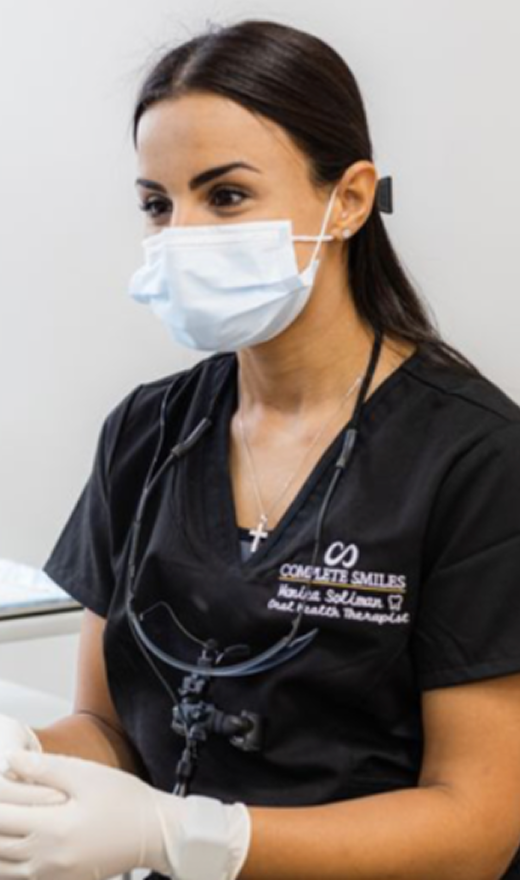
For clinics like Complete Smiles Bella Vista, which offer advanced treatments like Invisalign, dental implants, and cosmetic procedures, this integration is especially beneficial. The AI can explain complex procedures in multiple languages, coordinate specialist appointments through the scheduling system, and provide detailed post-treatment instructions – all while ensuring records are updated accurately.
Successful integration demands PMS compatibility, secure data management in line with Australian privacy regulations, and adherence to local standards [6].
Practical Uses in Dental Clinics
Multilingual AI is transforming how dental clinics manage their daily operations, particularly by breaking down language barriers. These advancements not only make processes smoother but also improve the patient experience and clinic efficiency.
Simplifying Appointment Management
Booking appointments becomes much easier when patients can communicate in their preferred language from the start. Multilingual AI takes care of the entire booking process, from answering initial questions to sending confirmation reminders.
For instance, if a Mandarin-speaking patient calls to schedule an appointment, the AI detects their language and interacts with them in Mandarin. The patient can ask about available times, receive cost estimates in AUD, and confirm their booking – all in their native language. Once confirmed, the system sends reminders via SMS or email in the same language, ensuring clarity on details like date, time, and location.
This system has a noticeable impact on clinic operations. Many practices report smoother workflows and fewer missed appointments. Automated reminders sent 24–48 hours before the scheduled time further reduce no-shows by ensuring patients clearly understand their commitments.
Improving In-Office Interactions
The benefits of multilingual AI extend to the clinic itself, enhancing patient interactions from check-in to consultation. Upon arrival, patients can use digital kiosks to complete intake forms in their preferred language. The AI then translates the responses for clinic staff, ensuring accuracy and efficiency.
During consultations, real-time translation becomes a game-changer. Dentists can explain complex procedures, discuss treatment options, and obtain informed consent without language barriers. The AI instantly interprets spoken language, making it easier to explain risks, costs, and treatment plans [2][3]. This feature is especially helpful for advanced procedures, where clear communication is crucial.
Cultural awareness is another strength of multilingual AI. It adapts communication styles based on cultural norms, such as recognising when family involvement is customary in healthcare decisions. This thoughtful approach builds trust and strengthens the relationship between patients and providers [3].
Post-Treatment Support and Follow-Up
Clear communication doesn’t end after the treatment. Multilingual AI ensures patients receive aftercare instructions in their own language, which is essential for successful recovery. Whether it’s guidance on managing pain, dietary restrictions, or recognising warning signs after procedures like root canals or extractions, the AI delivers this information via SMS, email, or automated calls.
The system also sends medication reminders, complete with dosage instructions and timings, in the patient’s language. This reduces the risk of complications and supports better treatment outcomes [1][2]. For ongoing treatments like orthodontics, follow-up appointment scheduling is automated and multilingual, keeping patients engaged and on track with their care plans.
Additionally, multilingual patient satisfaction surveys provide valuable feedback, helping clinics refine their services.
In a diverse country like Australia, where multicultural communities are an integral part of society, these applications of multilingual AI allow dental clinics to offer more inclusive, efficient, and patient-focused care. Language barriers are no longer obstacles but opportunities to improve communication and health outcomes.
Benefits and Challenges of Multilingual AI in Dentistry
Multilingual AI is making waves in dental clinics by offering new opportunities to improve patient care and operational efficiency. However, to make the most of these advancements, clinics need to carefully weigh the benefits against the challenges.
Key Benefits for Dental Clinics
One of the standout advantages is better access for patients who don’t speak English fluently. Multilingual AI allows these patients to communicate in their preferred language, which can ease anxiety, foster trust, and encourage them to stick to treatment plans and attend follow-up appointments. This not only improves their overall experience but also strengthens the patient-practitioner relationship [1][2].
Another major benefit is improved efficiency. Clinics using multilingual AI have reported noticeable increases in revenue and productivity [5]. By standardising communication across multiple languages, these systems minimise errors in interpretation, ensuring patients receive clear, accurate information. This means staff can focus on delivering care rather than acting as translators [1][3].
Additionally, multilingual AI enables clinics to reach underserved communities, increasing inclusivity and patient engagement. Some practices have seen a 20–30% rise in engagement from diverse patient groups, as well as higher retention rates and more accepted treatment plans [2][4]. These gains highlight how multilingual AI can open doors to better care for a broader range of patients.
Challenges to Consider
Despite these benefits, there are hurdles to overcome. The biggest concern is translation accuracy, particularly in medical contexts. Misinterpretations of dental terms or treatment instructions can lead to confusion about procedures, consent, or aftercare [1][3][4]. To mitigate this, AI systems need to be tailored specifically for dental terminology and cultural nuances. Clinics should also regularly review AI outputs and provide feedback to improve the system’s accuracy [3].
Staff training is another critical area. Employees need to know how to interact with the AI and handle situations where human intervention is required [1][2][4]. Data privacy is equally important. Australian clinics must follow the Australian Privacy Principles (APPs), which outline strict rules for handling patient data [1][3]. AI systems must use encrypted communication and controlled access to protect sensitive information. Regular audits can help ensure vendors meet these privacy standards [3].
Technical issues, such as integrating AI with existing practice management systems, can also pose challenges. While many modern AI platforms promise quick setups, clinics may still face initial hiccups during implementation [4].
Meeting Australian Regulations
Adhering to Australian regulations is non-negotiable. Dental practices must ensure that multilingual AI complies with AHPRA standards, particularly when it comes to informed consent, privacy, and professional conduct. This means translations must be accurate, medical information clearly documented, and data handled ethically [3].
Establishing protocols for human oversight is essential, especially for complex discussions or consent processes. Clinics should also be transparent with patients, letting them know when AI is being used and offering the option to communicate with a human if they prefer.
Because regulations are constantly evolving, staying informed about privacy laws and professional standards is crucial. Partnering with compliant vendors and implementing robust staff training can help clinics navigate these challenges. With the right approach, multilingual AI has the potential to enhance patient care and streamline operations in Australian dental practices.
sbb-itb-2be92ed
Steps for Implementing Multilingual AI in Australian Dental Clinics
Implementing multilingual AI in dental clinics requires thoughtful planning and execution. For Australian clinics, tailoring the process to align with patient demographics can ensure the chosen AI solution meets communication needs effectively.
Assessing Practice Needs and Goals
Start by analysing your clinic’s patient demographics to determine the most commonly spoken languages. Review patient intake forms, appointment records, and feedback to pinpoint communication challenges. For instance, missed appointments or rejected treatment plans could highlight gaps in understanding [1][2].
Document the percentage of patients who are non-English speakers and identify their primary languages. This information will help prioritise which AI features to implement, particularly in communities with diverse linguistic needs.
Set measurable goals for the AI rollout, such as improving patient satisfaction, reducing no-shows, or increasing treatment acceptance rates [1][2]. Some clinics might also aim to attract underserved language groups or simplify administrative tasks like appointment scheduling and follow-ups.
For example, a clinic in a multicultural area offering a wide range of dental services could see immediate benefits from multilingual AI by improving communication and fostering inclusivity.
Choosing the Right AI Solution
Once you’ve identified your clinic’s language profile and objectives, focus on finding an AI platform that addresses these needs. Look for solutions that support the languages your patients use. Platforms like Viva AI can handle over 10 spoken languages and 150 written ones, making them a strong contender [2]. Real-time translation for both voice and text is a must for smooth interactions.
Ensure the AI can integrate seamlessly with your existing systems, such as practice management software, phone systems, and digital communication tools like SMS, email, and web chat [4][6]. Request demos and consult with your IT team to identify any potential integration hurdles.
Choose a platform that provides culturally sensitive communication, not just direct translations. AI systems that adapt to cultural nuances help patients feel more comfortable and understood during their visits [4][5].
Consider the setup timeline and available support. Some platforms, like CallDental.ai and GetHelpDesk.AI, can integrate with your systems in minutes, minimising operational disruptions [1][4]. Phone interpretation services may be ready within 24–48 hours, while video interpretation setups typically require 1–2 weeks [5].
Lastly, evaluate costs and scalability. Make sure the pricing fits your clinic’s budget and that the system can grow with your practice without requiring a major overhaul.
Training Staff and Monitoring Results
Once you’ve chosen the right AI solution, focus on training your team and tracking its effectiveness.
Staff training is crucial for successful implementation. Teach your team how to use the system, when to escalate cases to human staff, and how to monitor AI–patient interactions for quality assurance [1][2]. Establish clear protocols for handling complex or culturally sensitive situations.
Offer regular training sessions and ongoing support to ensure a smooth transition. Create documentation with standard procedures for common scenarios and escalation processes for emergencies.
Monitor key metrics to evaluate the AI’s impact. Track patient satisfaction, appointment attendance, and the number of resolved queries in different languages [1][2]. Comparing these figures to pre-implementation data will help measure improvements.
Real-world examples show that multilingual AI can boost revenue and reduce administrative workloads [5].
Gather feedback from both patients and staff about the AI’s translation accuracy and cultural sensitivity. Use this input to fine-tune the system and address any shortcomings.
Finally, document all multilingual interactions for compliance and to identify communication trends. Automated documentation reduces administrative burdens while ensuring adherence to Australian healthcare standards [5].
Conclusion: The Future of Multilingual AI in Australian Dental Care
Multilingual AI is reshaping how Australian dental clinics interact with their diverse patient communities. By breaking down language barriers, this technology is opening doors for non-English speakers to access quality dental care, paving the way for clinics to connect more meaningfully with their patients.
The benefits for clinics adopting this technology are clear. Patients experience improved satisfaction, which fosters loyalty and leads to better health outcomes[1]. At the same time, clinics can streamline operations by reducing the need for constant manual translation[1]. This combination of patient care and efficiency highlights how integrating cultural awareness into dental services can elevate practices in today’s multicultural healthcare landscape.
In Australia, cultural competence is more than a buzzword – it’s becoming a vital element of success. Dental clinics that actively embrace inclusivity not only enhance their reputation but also attract patients who may have previously felt overlooked or excluded[1]. This approach resonates strongly with modern patients who increasingly support businesses that reflect social responsibility and inclusiveness.
Modern multilingual AI systems go beyond simple translation. They account for cultural subtleties, regional dialects, and healthcare-specific communication norms, ensuring respectful and effective interactions with patients from all backgrounds[3]. These systems are designed to accommodate Australia’s broad linguistic diversity, making them an ideal fit for the nation’s healthcare needs[2].
However, successful implementation requires careful planning. Clinics need to allocate appropriate budgets and set realistic expectations for return on investment, which can often be achieved within a few months[1][4].
Looking ahead, multilingual AI is poised to become the norm rather than a novelty in dental care. With its proven ability to improve patient satisfaction and operational efficiency, early adopters of this technology will lead the way in providing accessible, inclusive healthcare. These systems not only address staffing challenges but also ensure that every patient receives clear, culturally appropriate communication – no matter their primary language.
For Australian dental clinics, the question is no longer if they should adapt, but how quickly they can evolve to meet the changing communication needs of their communities.
FAQs
How does multilingual AI improve communication in dental clinics?
Multilingual AI technology is transforming how dental clinics interact with patients who speak various languages. By offering precise, real-time translations, it ensures that medical terms and instructions are communicated clearly, minimising misunderstandings and enhancing the overall quality of care.
For instance, this technology can help explain treatment plans, book appointments, or share aftercare instructions in the patient’s preferred language. In diverse communities, it plays a crucial role in making patients feel heard and supported, creating a more inclusive and comfortable experience during dental visits.
How can dental clinics use multilingual AI to improve patient communication while adhering to Australian privacy laws?
Integrating multilingual AI into dental clinics can significantly improve communication with patients who speak various languages. However, it’s crucial for clinics to align with Australian privacy laws by prioritising data security and patient confidentiality. This means using AI platforms that comply with the Australian Privacy Principles (APPs) and ensuring all patient data is securely stored and strictly used for its intended purpose.
Clinics should also be transparent with patients about how their data will be handled. Providing clear explanations and obtaining informed consent when necessary is key. To maintain trust and meet legal requirements, it’s essential to regularly review the AI system for privacy compliance and make updates as needed.
How does multilingual AI enhance communication and patient satisfaction in dental clinics?
Multilingual AI is transforming how dental clinics interact with patients by breaking down language barriers. These advanced systems can translate essential communications like appointment reminders, treatment plans, and post-care instructions into multiple languages. This ensures that patients not only feel informed but also genuinely valued.
In diverse communities, this technology plays a key role in delivering personalised care. Imagine a patient who speaks Mandarin receiving a clear explanation of a root canal procedure in their native language. This kind of tailored communication builds trust and confidence in the treatment process. By making information accessible and easy to understand, multilingual AI boosts patient satisfaction and engagement, creating a more welcoming and inclusive dental care environment.
Related Blog Posts
- AI in Dentistry: Future of Patient Education
- AI in Dentistry: Predicting Periodontal Disease
- How AI Improves Remote Dental Care
- AI in Dentistry: Benefits of Personalised Oral Health Insights
Important Notice: Any surgical or invasive procedure carries risks. Before proceeding, you should seek a second opinion from an appropriately qualified health practitioner.
Individual results may vary. The information provided in this article is for educational purposes only and does not constitute medical advice.
Checkout Related Blogs




Get in touch with us
For more information, call us now to start feeling better. Or fill the form below to make appointment
The Latest News from Complete Smiles
How to Clean Clear Plastic Retainers
Checklist for Choosing Wearable Dental Devices
Checklist for Choosing Cloud AI Platforms in Dentistry
Complete Smiles Bella VistaAccepts All Major Health Funds, Including





