



How AI Improves Remote Dental Care

AI is transforming remote dental care in Australia by making oral health services more accessible, especially for people in rural areas. It helps dentists diagnose and monitor conditions remotely, provides personalised patient education, and improves communication. Key advancements include AI-powered imaging tools, predictive risk assessments, and smart devices for continuous monitoring. While AI can’t replace in-person care for complex treatments, it supports early detection and ongoing management, bridging gaps in access to dental services.
Quick Overview
- Remote Diagnosis: AI analyses X-rays and photos to detect issues like cavities and gum disease.
- Monitoring: Smart devices track brushing habits, pH levels, and more for preventive care.
- Patient Support: AI chatbots answer questions and provide tailored educational resources.
- Limitations: Physical exams and complex procedures still require in-person visits.
By combining AI tools with face-to-face care, Australians can achieve better oral health outcomes, regardless of their location.
#77 – Redefining dental care through AI and remote monitoring
How AI Improves Remote Diagnosis
Remote dental diagnosis has always faced hurdles, especially when it comes to accurately assessing oral health without an in-person examination. However, AI is steadily changing the game by offering dental professionals advanced tools to improve diagnostic precision and enable more thorough remote assessments. This technology is particularly beneficial for rural communities where access to specialists is limited. Let’s explore some of the AI-driven tools making this possible.
AI-Powered Imaging Tools
AI imaging systems are transforming how dental professionals analyse photographs and radiographs. These systems, trained on vast datasets of dental images, can spot patterns linked to various oral health conditions – sometimes catching details that might escape the human eye during a routine visual check.
For example, when patients submit intraoral photographs, AI tools can quickly flag potential concerns. They can detect early cavities or identify gum disease by analysing tissue colour, texture, and signs of inflammation. Similarly, AI systems process digital X-rays to uncover issues like bone loss, impacted teeth, or infections, enabling the early detection of periodontal problems.
While these tools don’t replace the expertise of dental professionals, they act as valuable aids. By highlighting areas that need further attention and providing measurable data, they support more informed decision-making during remote consultations.
Machine Learning for Risk Assessment
Machine learning takes patient data – such as medical history, lifestyle, symptoms, and past treatments – and uses it to predict risks for oral health conditions. This predictive capability is a game-changer for preventive care.
For instance, by analysing factors like diet, hygiene habits, and genetics, AI can pinpoint patients at high risk for tooth decay, allowing for tailored prevention strategies. Similarly, it evaluates risks for periodontal disease by considering variables such as age, smoking history, diabetes status, and family history. These systems generate risk scores that guide treatment plans and help schedule follow-ups, ensuring that high-risk patients receive the attention they need between appointments.
This approach not only helps prevent minor issues from escalating but also integrates seamlessly into virtual care plans, making interventions more targeted and effective.
Virtual Treatment Planning
AI has also revolutionised treatment planning by creating detailed 3D models from simple 2D images. This capability allows dental professionals to simulate treatment outcomes and plan procedures remotely.
In orthodontics, for example, AI analyses facial and intraoral images to predict tooth movement and simulate results. In restorative dentistry, it evaluates the extent of damage to suggest the best restoration options. For dental implants, AI assesses bone density and structure, offering precise placement recommendations while identifying potential complications.
These tools also enhance communication with patients. By presenting visual simulations of proposed treatments, dental professionals can help patients better understand their options, leading to more informed decisions. This often results in higher acceptance rates for treatment plans and greater patient satisfaction.
AI Tools for Remote Dental Monitoring
Advances in digital health now make it possible to keep a closer eye on oral health, tracking key metrics far more frequently than the usual scheduled check-ups. This can be especially helpful for Australians living in rural or remote areas, where regular access to in-person dental care might be harder to come by.
Smart Dental Devices and Wearables
Smart dental devices have come a long way from basic electric toothbrushes. Many now include features like pressure sensors and motion tracking, offering real-time feedback on brushing habits, such as duration, coverage, and technique.
In addition, intraoral sensors and wearable devices are stepping up the game. These tools, which often pair with smartphones, can monitor pH levels, detect teeth grinding, and track progress in treatments like smart aligners and retainers. By collecting this data, these devices pave the way for continuous, preventive dental care that’s driven by real-time information.
Continuous Monitoring for Preventive Care
The data collected by these smart devices is the backbone of continuous monitoring, which allows for a more proactive approach to dental care. Unlike traditional assessments that happen only during scheduled visits, continuous monitoring can spot potential issues early – before they become major problems. This is particularly valuable in areas where access to regular dental care is limited.
AI-powered tools can identify subtle changes, such as early gum inflammation or enamel demineralisation, that might signal the start of a dental issue. By catching these warning signs early, dental professionals can suggest targeted solutions, like improving oral hygiene or making dietary changes, potentially avoiding the need for invasive treatments.
Continuous monitoring also helps create personalised care plans. For instance, it can reveal trends like gum health fluctuations due to stress or diet. When combined with broader health data, these insights can even highlight links to conditions like diabetes.
With timely feedback from these systems, care plans can be adjusted more quickly, ensuring patients stay on track. Overall, AI-powered dental monitoring tools are reshaping the landscape of oral health care, moving it from periodic check-ups to a more continuous, data-driven model. This approach not only strengthens collaboration between patients and dental professionals but also opens the door to more preventive and personalised care.
sbb-itb-2be92ed
How AI Improves Patient Communication and Education
Patients often have questions about their oral health between visits, and AI is stepping in to fill this communication gap. By offering accessible and personalised ways to share dental care information, AI helps patients stay informed and connected with their healthcare providers. This is particularly helpful for Australians living in remote areas, where access to dental professionals may be limited. Beyond its role in diagnosis and monitoring, AI is transforming how patients learn about and engage with their oral health.
AI Chatbots for Communication
AI-powered chatbots are reshaping how dental practices handle patient enquiries outside regular hours. These chatbots, designed to understand natural language, can provide tailored responses to common questions. Many Australian dental clinics use them to send personalised appointment reminders and handle routine administrative tasks, allowing staff to focus on more complex care needs.
Some chatbots go a step further by assessing the urgency of symptoms. They ask targeted questions to guide patients towards the right level of care – whether that means booking a routine check-up, seeking urgent treatment, or managing minor symptoms at home with appropriate advice.
Personalised Educational Resources
AI also enhances patient education by delivering tailored information instead of generic advice. By analysing patient data like treatment history and risk factors, AI platforms can generate customised educational content that aligns with individual needs.
For instance, patients recovering from dental procedures or undergoing orthodontic treatment can receive personalised care instructions. These instructions may adapt over time, reflecting progress in healing or adherence to treatment protocols. This tailored guidance is especially valuable for patients with unique recovery requirements.
AI systems can also adjust to different learning styles and health literacy levels. For example, they might simplify language for easier understanding, use visual aids for visual learners, or provide step-by-step video demonstrations for those who prefer detailed guidance. This ensures that oral health information is not only accurate but also easy to grasp.
Better Patient Understanding with Visual Tools
AI excels at improving patient understanding through visual aids. Advanced imaging tools can turn complex X-rays or clinical photographs into clear, easy-to-understand visuals, highlighting areas of concern. This approach helps patients grasp the specifics of their dental conditions and treatments.
For example, AI-generated animations can show how gum disease progresses or explain the steps of a root canal procedure. These visual tools help patients make informed decisions about their care while avoiding exaggerated expectations about outcomes.
Interactive diagnostic platforms further enhance understanding by overlaying explanations onto dental images. They highlight problem areas and provide context, helping patients see how their oral health relates to their overall well-being. This clarity fosters better communication between patients and dental professionals, encouraging treatment adherence and improving outcomes.
Additionally, many AI tools offer multilingual support, translating complex dental terminology into plain language. This feature ensures that language barriers don’t prevent patients from fully understanding their oral health needs or treatment options. By integrating these AI-driven communication and education tools, dental care – especially in remote areas – becomes more accessible and supportive, giving patients the resources they need between visits.
Benefits and Considerations of AI in Remote Dental Care
AI-powered remote dental care comes with its own set of advantages and challenges compared to traditional in-person visits. By understanding these differences, both patients and practitioners can decide when remote care is suitable and when a physical consultation is necessary. Here’s a closer look at how they compare.
Remote AI systems offer round-the-clock accessibility, which is particularly beneficial for Australians living in rural or remote areas. These systems can provide instant responses to patient concerns and enable ongoing monitoring between appointments. Additionally, remote consultations are often more affordable, reducing the financial burden of dental care for many.
However, while AI excels in remote diagnosis and monitoring, it has its limits. Physical examinations, such as checking tooth mobility or performing soft tissue analysis, still require the expertise of a dentist in person. Complex treatments – like dental implants, root canals, or oral surgeries – remain strictly within the domain of hands-on care.
Another factor to consider is patient preference. Some individuals, especially older adults, may find technology-based interactions less intuitive or comforting than face-to-face conversations with a dentist.
When it comes to the digital nature of AI systems, data security becomes a key concern. While these systems improve record-keeping and continuity of care, they also create digital footprints that need robust cybersecurity measures. Australian dental practices must comply with privacy laws to ensure patient data is securely managed across digital platforms.
AI vs In-Person Care Comparison
The key differences between AI remote care and traditional in-person consultations are summarised below:
| Aspect | AI Remote Care | In-Person Care |
|---|---|---|
| Accessibility | 24/7 availability, no travel needed, ideal for regional areas | Limited to clinic hours, requires travel, potential waiting times |
| Diagnostic Accuracy | Strong in imaging and pattern recognition but reliant on image quality | Comprehensive physical exams, tactile assessments, immediate interventions |
| Patient Engagement | Interactive tools, tailored education, frequent digital communication | Face-to-face interaction, hands-on demonstrations, immediate clarification |
| Privacy Considerations | Digital records requiring strong cybersecurity, risk of data breaches | Physical records, minimal digital footprint, private discussions |
| Cost Effectiveness | Lower consultation fees, no travel costs, efficient for screening and monitoring | Higher fees, travel expenses, broader treatment options |
| Treatment Scope | Routine monitoring, education, basic assessments, treatment planning | Full range of procedures, emergency care, complex treatments, physical interventions |
The best approach often involves combining both methods. AI remote care is ideal for routine monitoring, patient education, and initial assessments, while in-person visits remain essential for complex procedures, emergencies, and detailed examinations. Together, these methods create a balanced system that leverages the strengths of each.
For Australians, particularly those in regional or remote areas, AI-enhanced remote dental care acts as a valuable support system rather than a replacement for traditional dentistry. By filling gaps in access and providing consistent follow-up care, this technology helps improve oral health outcomes when used thoughtfully and appropriately.
Conclusion
AI is reshaping remote dental care in Australia, making oral health services more accessible, efficient, and tailored to individual needs. By analysing imaging and data in real time, AI improves diagnostic precision and enhances patient outcomes.
Key advancements include AI’s ability to assist with remote diagnosis using X-rays and intraoral photos, support preventive care through smart monitoring systems, and improve patient communication with customised educational resources.
For Australians in rural areas, AI-powered remote care offers a lifeline by providing access to specialist advice and early intervention without the need for long and often challenging travel. This is especially beneficial for elderly individuals and those with mobility issues, who might struggle to attend regular clinic appointments.
By combining AI-driven remote care with traditional in-person treatments, a more inclusive and comprehensive dental care model is emerging. As AI technology progresses, it will play an even more important role in bridging gaps in access to oral healthcare, ensuring that Australians everywhere can maintain healthy smiles – no matter their location or circumstances.
Remote AI dental care is a game-changer, bringing professional dental guidance to people when and where they need it most, and helping to create a future where quality oral healthcare is within reach for everyone.
FAQs
How does AI make dental care more accessible for Australians in remote areas?
AI is reshaping dental care for Australians living in remote areas by making teledentistry and virtual consultations more accessible. With these technologies, patients can connect with dental professionals without leaving their homes, cutting down the need for long trips to attend routine check-ups or get initial evaluations.
AI-driven tools play a key role in early diagnosis, tracking oral health, and offering tailored advice. This is particularly valuable for rural communities, where access to dental care can be limited. By addressing these challenges, AI is helping to improve oral health outcomes and ensure more timely care. It’s breaking down geographical barriers, paving the way for a fairer dental care system across Australia.
What are the challenges of using AI in remote dental care, and when should you see a dentist in person?
AI has made strides in improving remote dental care, but it’s not without its challenges. High costs, technological limitations, and compatibility problems with existing systems can make it hard for everyone to access these advancements. Plus, AI’s ability to diagnose accurately relies heavily on the quality of the data it processes. If the data is incomplete or flawed, it can lead to errors or misjudgements.
That said, some dental issues simply can’t be managed remotely. In-person consultations remain crucial for handling complex cases that demand a thorough clinical examination, advanced imaging, or hands-on procedures. For instance, tasks like creating a detailed treatment plan, conducting initial assessments, or addressing ongoing symptoms often require the skill and precision of a dentist working directly with the patient.
How does AI improve the accuracy of remote dental diagnoses?
AI-powered imaging tools are transforming the way remote dental diagnoses are made, offering a level of accuracy that rivals seasoned professionals. By processing dental radiographs and intraoral images, these tools can identify issues like cavities, gum disease, and other abnormalities with impressive precision. Using advanced techniques such as convolutional neural networks (CNNs), they classify dental problems effectively, making the diagnostic process faster and more dependable.
This technology has proven to be especially beneficial in Australia’s remote and regional areas, where access to in-person dental care is often limited. AI-driven diagnostics enable earlier detection of dental issues and support more accurate treatment planning, leading to better oral health outcomes for people in these communities.
Related Blog Posts
- AI Research in Oral Disease Detection: Key Findings
- AI-Powered Dental Imaging: Future Trends
- How AI Improves Diagnostic Consistency in Dentistry
- AI in Dentistry: Predicting Periodontal Disease
Important Notice: Any surgical or invasive procedure carries risks. Before proceeding, you should seek a second opinion from an appropriately qualified health practitioner.
Individual results may vary. The information provided in this article is for educational purposes only and does not constitute medical advice.
Checkout Related Blogs



Get in touch with us
For more information, call us now to start feeling better. Or fill the form below to make appointment
The Latest News from Complete Smiles
How to Clean Clear Plastic Retainers
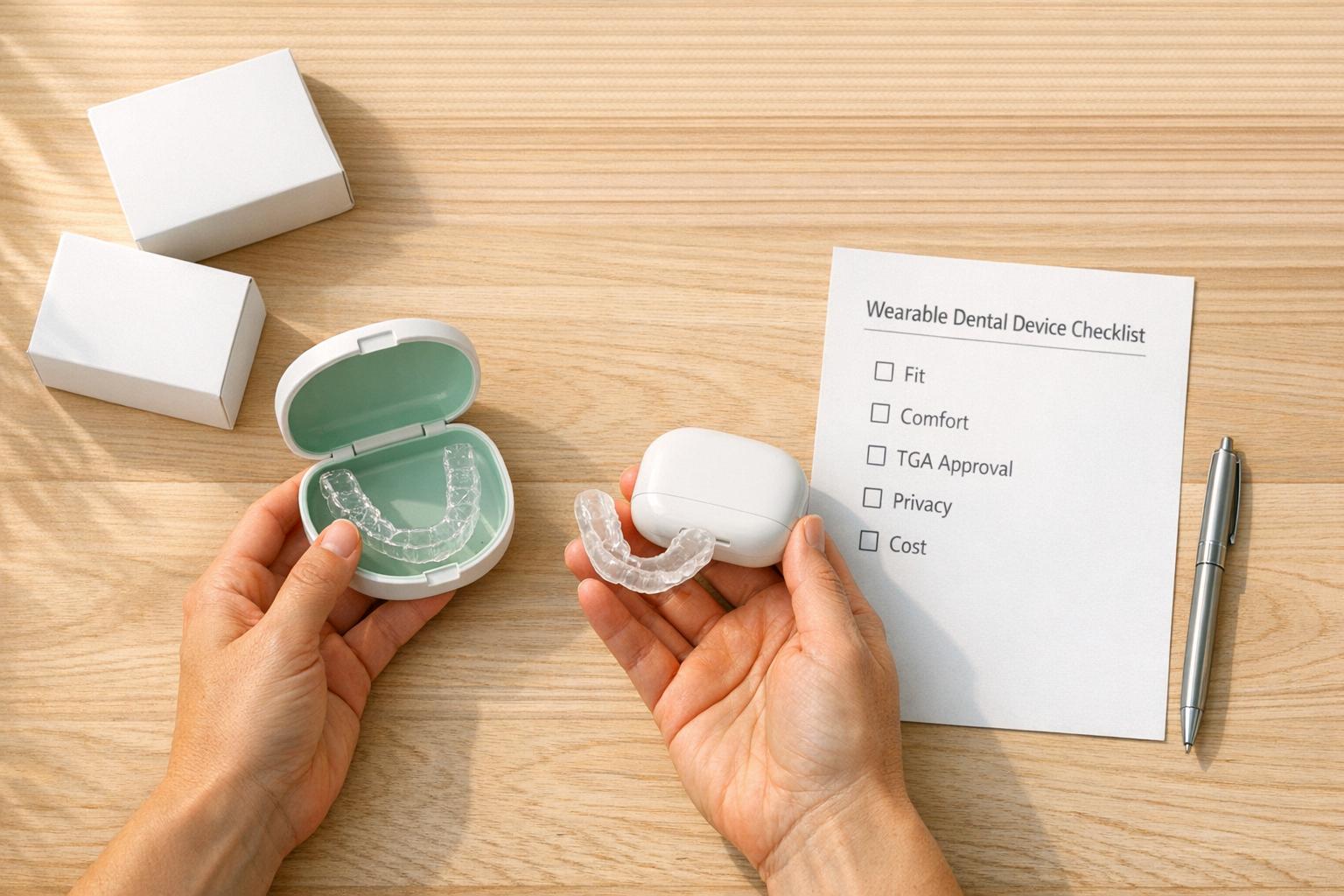
Checklist for Choosing Wearable Dental Devices
Checklist for Choosing Cloud AI Platforms in Dentistry
Complete Smiles Bella VistaAccepts All Major Health Funds, Including