





How Long Do Dental Sealants Last?
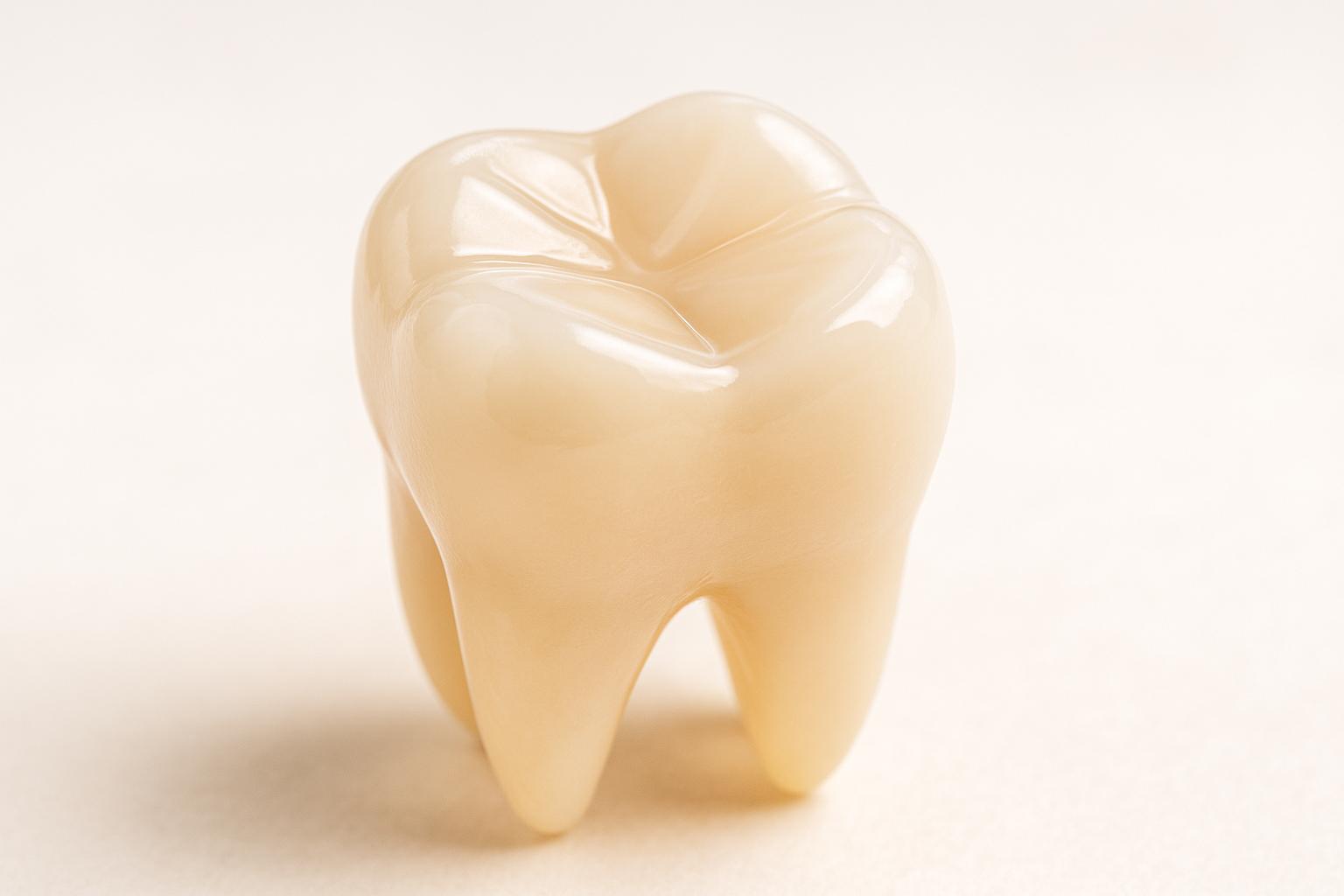
Dental sealants typically last 5 to 10 years, making them a reliable way to protect teeth from cavities. They are most effective in the first few years, offering 80% cavity prevention in the first two years and 50% protection for up to four years. Over time, they wear down due to chewing, diet, and oral habits, but with proper care and regular dental check-ups, they can be repaired or replaced to maintain their effectiveness.
Key Points:
- Lifespan: Most sealants last 5–10 years, with regular maintenance.
- Effectiveness: 80% cavity prevention in the first two years; 50% protection for up to four years.
- Factors Impacting Longevity: Diet, oral hygiene, grinding, and regular dental visits.
- Maintenance: Dentists can repair or replace worn sealants during check-ups.
Sealants are especially useful for children and teenagers but can also benefit adults with deep grooves in their molars. They don’t replace brushing or flossing but work as an extra layer of protection against decay. Regular dental visits (every six months) ensure sealants remain intact and effective.
How Long Dental Sealants Last
Typical Lifespan of Dental Sealants
Most dental sealants last between 5 and 10 years [1]. They are highly effective in preventing cavities, offering up to 80% protection in the first two years and around 50% protection for up to four years [1]. Over time, the sealant material starts to thin, reducing its ability to shield teeth from decay.
For children, sealants are particularly beneficial during the high-risk years after the first and second permanent molars erupt, typically lasting 5 to 9 years. Adults can also enjoy similar durability, though habits like grinding, clenching, or chewing hard foods may shorten their lifespan. With proper care, some sealants can even last beyond the 10-year mark [1].
What Affects How Long Sealants Last
While sealants are designed to last several years, their longevity depends on a variety of factors. Understanding these can help you maximise their lifespan.
Material Type
The type of sealant plays a big role. Resin-based sealants generally last 5 to 10 years, with about 80% retention after two years if applied correctly. On the other hand, glass ionomer sealants typically last 3 to 5 years, with only 44% retention after two years. However, glass ionomer sealants have the added benefit of releasing fluoride, which helps prevent decay even as the material wears away [1].
Dietary Habits
What you eat also has a significant impact. Regularly chewing hard or sticky foods – like ice, hard lollies, or nuts – can wear down sealants faster, causing chips or thinning. A softer diet, by contrast, might help preserve them for longer [1].
Oral Hygiene
Good oral hygiene is key. Brushing twice a day with fluoride toothpaste and cleaning between teeth helps prevent plaque build-up around the edges of the sealant, keeping it intact. Neglecting oral care, however, can allow plaque and acids to weaken the sealant and shorten its effectiveness.
Regular Dental Check-ups
Routine dental visits – ideally every six months – are crucial for maintaining sealants. Since sealants can wear or chip without noticeable discomfort, regular check-ups allow dentists to spot damage early. Minor issues can often be repaired or re-applied, extending the sealant’s protection closer to the full 10 years. Clinics like Complete Smiles Bella Vista often include sealant evaluations as part of preventive care, making it easier to monitor their condition [1].
Individual Habits
Personal habits, such as grinding teeth (bruxism) or frequently eating hard foods, can significantly impact how long sealants last. Addressing these habits can help ensure sealants provide long-lasting protection [1].
Next, we’ll look at how to identify signs of wear and the potential risks of compromised sealants.
Problems That Can Occur with Dental Sealants
Signs Your Sealants Are Wearing Out
Dental sealants are a great defence against tooth decay, but they’re not built to last forever. Everyday activities like chewing, grinding, and eating sticky or hard foods can gradually wear them down. Spotting the early signs of wear can help prevent more serious issues like decay.
Rough or Jagged Surfaces
If a sealed tooth feels rough or uneven when you run your tongue over it, the sealant might be chipping or breaking down. This is often noticeable along the edges where the sealant meets the tooth.
Visible Gaps or Missing Sections
You may notice areas where the sealant is missing, leaving parts of the natural tooth exposed. Sometimes, small flakes of the sealant might even come off, making it clear that the coating isn’t holding up in that spot.
Increased Food Trapping
Sealants are designed to block food from getting stuck in the deep grooves of molars. If food starts collecting in these areas more easily – or if brushing doesn’t seem to clean them as well as before – it could mean the sealant has worn away.
Discolouration or Dark Lines
While minor staining on the sealant surface is harmless, dark lines or spots in the tooth grooves could be a sign of trouble. These marks, especially if they seem to come from beneath the sealant, might indicate leakage or even decay starting under the coating. A dental check-up is essential if you notice this.
Sensitivity or Discomfort
Sealants themselves don’t cause pain, but if a sealed tooth becomes sensitive to cold, sweets, or pressure, it might mean the sealant has failed and decay is forming in the exposed area.
Dentists can spot these issues during routine check-ups. They use bright lights and specialised tools to examine the sealant for cracks, bubbles, or gaps where bacteria might sneak in. Since many of these problems can develop without noticeable symptoms, seeing your dentist every six months is crucial for catching issues early.
Risks of Damaged Sealants
When sealants are intact, they form a reliable shield against plaque, food, and bacteria in the hard-to-reach pits and grooves of molars. But once they’re damaged, that protection is compromised, leaving teeth vulnerable.
Exposed Grooves Allow Decay to Start
When parts of a sealant wear away or break off, the deep grooves of the tooth are exposed again. This allows plaque and acids to settle in and attack the enamel. Research shows children without sealants are up to three times more likely to get cavities in their molars compared to those with intact sealants – and the risk returns when sealants fail.
Hidden Decay Under Damaged Sealants
Decay can sometimes hide beneath a sealant that looks fine on the outside. If the sealant is poorly bonded, cracked, or leaking at the edges, bacteria and sugars can sneak underneath. This creates a hidden environment where decay can worsen without any visible signs until it reaches the deeper layers of the tooth.
Dentists at practices like Complete Smiles Bella Vista are trained to check sealant margins carefully during regular visits. They may also use X-rays to detect hidden decay under or around the sealant. If any issues are found, they’ll remove the damaged material, clean out the decay, and restore the tooth before applying a fresh coating.
Plaque Build-Up and Rough Edges
When sealants chip or wear down, they leave behind rough edges that can trap plaque. These uneven surfaces are harder to clean, especially for children or those who aren’t diligent with brushing. Over time, this plaque build-up can lead to decay right where the sealant and tooth meet.
Accelerated Wear from Personal Habits
Certain habits can speed up sealant damage. Teeth grinding (bruxism) and heavy chewing can cause micro-fractures, especially on first molars. Eating hard foods like ice or nuts, or sticky treats like toffees, can also lead to chipping or early loss of the sealant. Poor oral hygiene only makes things worse, as plaque around the edges increases the risk of breakdown and decay.
When a sealant is damaged or lost, it doesn’t just stop protecting the tooth – it can actually make things worse by trapping bacteria under the compromised material or creating rough spots that are hard to clean. Addressing these problems quickly is far more cost-effective than waiting until decay requires more invasive treatments like fillings, root canals, or crowns. Regular monitoring is key to keeping your sealants effective for the long haul.
Why You Lost Your Dental Sealants – Dental Minute with Steven T. Cutbirth, DDS
sbb-itb-2be92ed
How to Make Your Dental Sealants Last Longer
Taking care of your dental sealants can help them last their full lifespan, which is typically between 5 and 10 years. Here are some practical tips to keep them in great shape.
Regular Dental Check-Ups
Visiting your dentist every six months is one of the best ways to ensure your sealants stay effective. These routine check-ups allow your dentist to spot early signs of wear or damage. If there’s an issue, they can repair or reapply the sealant before any decay sets in.
Dentists often use advanced imaging tools to detect early signs of sealant wear. These visuals make it easier to understand what’s happening in your mouth and why maintenance matters. Your dentist can also highlight problem areas, show you proper brushing techniques, and offer personalised advice based on your habits – whether it’s a high-sugar diet, deep grooves in your teeth, or teeth grinding.
In Australia, many children and some adults with a health care card can access bulk-billed dental check-ups through Medicare. Private health insurance may also cover routine visits. Keeping up with these appointments is not only good for your oral health but also cost-effective. Fixing a sealant during a check-up is far cheaper than treating a cavity caused by unnoticed damage.
Daily Oral Care
Professional check-ups are essential, but what you do at home matters just as much. A solid daily oral care routine helps protect both your enamel and sealants.
- Brush twice a day with fluoride toothpaste, using a soft-bristled toothbrush (manual or electric). Spend two minutes brushing, focusing on the grooves of your back teeth. Use gentle, circular motions to avoid unnecessary wear on your teeth and sealants.
- Floss daily to remove plaque from between your teeth and around the edges of your sealants. If flossing is tricky, try floss picks or interdental brushes for easier cleaning.
- Fluoride is crucial for maintaining sealant effectiveness. It strengthens the enamel underneath and helps prevent decay at the sealant’s edges. Using a fluoride mouthwash can offer extra protection, especially if you’re at higher risk for cavities. If you live in an area without fluoridated water, your dentist might suggest stronger fluoride products tailored to your needs.
For parents, supervising your child’s brushing until they’re about 8 to 10 years old ensures they’re doing a thorough job. It’s a common misconception that sealants replace the need for good brushing – they don’t. Sealants provide extra protection, but consistent cleaning is still essential.
Foods to Avoid
What you eat plays a big role in how long your sealants last. Certain foods can damage or wear them down, so it’s smart to know what to avoid.
- Hard foods like ice, hard lollies, boiled sweets, and raw nuts can crack or chip your sealants if you bite down too hard.
- Sticky or chewy foods like caramel, toffee, chewy lollies, and sticky dried fruits can pull at the edges of your sealants, potentially loosening or removing them.
This doesn’t mean you have to give up snacks entirely – just choose options that are gentler on your teeth. Fresh fruits, yoghurt, cheese, and softer nuts are great alternatives that won’t stress your sealants. If you do eat something sticky or hard, rinse your mouth with water afterwards and brush as soon as possible.
Helping kids avoid risky foods is especially important, as they’re more likely to bite down hard on sweets or chew on objects without thinking. Teach them to let you know if they feel any discomfort or notice changes in their back teeth, so you can address potential issues early.
When Dental Sealants Need Repair or Replacement
Dental sealants don’t last forever – they wear out over time and may need either repair or replacement. Understanding when a sealant requires a simple fix versus a full redo can help you maintain strong preventive care without unnecessary procedures.
When Repair Is Enough
Not every issue with a sealant means starting over. Minor problems, like small chips, slight edge wear, or a small section peeling away, can often be fixed with a quick repair. If the remaining sealant is still well-bonded and covers most of the pits and grooves, your dentist can prepare the enamel and add a fresh layer of sealant material over the existing one.
Discolouration or early staining along the edges where the sealant meets the tooth doesn’t always signal decay. If no decay is found, a simple touch-up can restore the sealant’s protective barrier. Repairs are typically done when the defect is small, the existing material adheres well, and there’s no evidence of decay. This process is quick and can often be completed during a routine appointment.
When Full Replacement Is Needed
Sealants eventually reach a point where they need to be replaced entirely. This happens when the material has worn down significantly, peeled off in large sections, or no longer seals the tooth’s grooves effectively. When much of the sealant is gone, the molars’ deep fissures are exposed, increasing the risk of decay.
If decay is found beneath or near the sealant, replacement becomes necessary. For example, if the edges of the sealant lift, allowing food and plaque to seep underneath, your dentist will remove the remaining material, treat any decay, and apply a new sealant to restore protection.
The replacement process is straightforward and usually doesn’t require anaesthesia. Your dentist will clean the tooth, keep it dry, remove any leftover sealant, prepare the enamel, apply the new sealant, and harden it with a curing light. While this takes a bit longer than a repair, it’s still a quick procedure that can typically be done during a standard check-up for both kids and adults.
Dentists carefully evaluate sealants to determine whether repair or replacement is needed.
How Dentists Assess Sealant Condition
During regular check-ups, dentists routinely inspect sealants. They visually examine the surface (often using magnification) for gaps, discolouration, or missing sections. A dental explorer is used to gently probe for rough edges, material loss, or sticky spots that could indicate early decay. They also check your bite to ensure the sealant hasn’t worn unevenly or affected chewing.
If there’s concern about hidden decay – especially in deep molars – bitewing X-rays might be recommended. In Australian dental practices, the frequency of X-rays depends on factors like your risk of decay and the age of the sealants. For instance, clinics such as Complete Smiles Bella Vista often inspect sealants during six- or twelve-monthly check-ups, using visual exams, probing, and periodic X-rays when needed to catch wear or defects early.
Both repaired and newly replaced sealants can last around 5 to 10 years when applied under proper conditions and maintained with regular dental visits and good home care. Repairs done on well-adhered material often last just as long as new sealants, helping to catch potential problems early and avoid more invasive treatments down the line.
Conclusion
Dental sealants typically last between 5 and 10 years, offering the strongest protection during the early years. However, they aren’t a permanent solution. Everyday chewing and certain foods gradually wear them down, which means they’ll need regular checks and, occasionally, repairs or replacements.
To keep sealants effective, a good oral care routine is essential. Brush twice daily with fluoride toothpaste, clean between your teeth, and try to avoid very hard or sticky foods. Sealants are a helpful addition to your dental care, but they’re not a substitute for it.
Regular dental check-ups – usually scheduled every six to twelve months in Australia – play a key role in ensuring sealants remain intact. Clinics like Complete Smiles Bella Vista include sealant evaluations as part of routine exams, helping to maintain your oral health over time. Without this regular monitoring, the protection sealants provide can weaken, leaving teeth more vulnerable.
Studies show that molars without sealants are far more likely to develop decay. Even if a sealant chips or wears away, the reduced exposure to plaque and acids during its effective years can significantly lower the risk of cavities, particularly during the cavity-prone school years.
In short, dental sealants are a great tool for preventing cavities, but they work best as part of a broader prevention plan. They aren’t a "set and forget" solution. If you or your child already have sealants that haven’t been checked in a while, it’s a good idea to book a review. And if you’ve never had sealants, ask your dentist if they’re the right option for you.
FAQs
What should I do if my dental sealants are worn or damaged?
If your dental sealants seem to be wearing out or show any signs of damage, it’s a good idea to schedule a visit with your dentist. They’ll be able to check the condition of the sealants and let you know if they need to be repaired or replaced to keep protecting your teeth effectively.
Routine dental check-ups play a key role in keeping an eye on the durability of your sealants and maintaining your overall oral health. Acting early, rather than waiting for discomfort or further deterioration, can help preserve your smile and avoid potential problems down the line.
What can I do to make my dental sealants last longer?
Dental sealants are designed to provide long-term protection for your teeth, typically lasting several years. However, their durability largely depends on how well you care for them. To maximise their lifespan, consider adopting a few simple habits: avoid hard or sticky foods that could damage the sealants, maintain a consistent oral hygiene routine with daily brushing and flossing, and schedule regular dental check-ups.
While sealants naturally wear down over time, they often remain effective for 5 to 10 years with proper care. During your routine dental visits, your dentist will keep an eye on their condition and let you know if they need repair or replacement. By following these steps, you can help your sealants last longer and keep your teeth well-protected.
How can I know if my dental sealants need repair or replacement?
Dental sealants are designed to last for several years, but their lifespan can vary depending on factors like your oral hygiene habits, the type of food you eat, and how regularly you see your dentist. Over time, these protective coatings can wear down, chip, or even come loose, which reduces their ability to shield your teeth from decay.
Your dentist will check the condition of your sealants during routine appointments to see if they need any repairs or replacement. Signs that sealants might need attention include noticeable wear, cracks, or if they no longer fully cover the chewing surfaces of your teeth. Keeping up with regular dental visits is key to making sure your sealants stay effective and continue to protect your teeth.
Related Blog Posts
- Durability of Metal-Ceramic Restorations
- Studies on Implant Longevity: Key Findings
- Study: Hygiene Habits and Restoration Durability
- How Long Does Laser Teeth Whitening Last?
Important Notice: Any surgical or invasive procedure carries risks. Before proceeding, you should seek a second opinion from an appropriately qualified health practitioner.
Individual results may vary. The information provided in this article is for educational purposes only and does not constitute medical advice.
Checkout Related Blogs




Get in touch with us
For more information, call us now to start feeling better. Or fill the form below to make appointment
The Latest News from Complete Smiles
How to Clean Clear Plastic Retainers
Checklist for Choosing Wearable Dental Devices
Checklist for Choosing Cloud AI Platforms in Dentistry

Complete Smiles Bella VistaAccepts All Major Health Funds, Including





