




Emergency Dentist Bella Vista | Same-Day Care
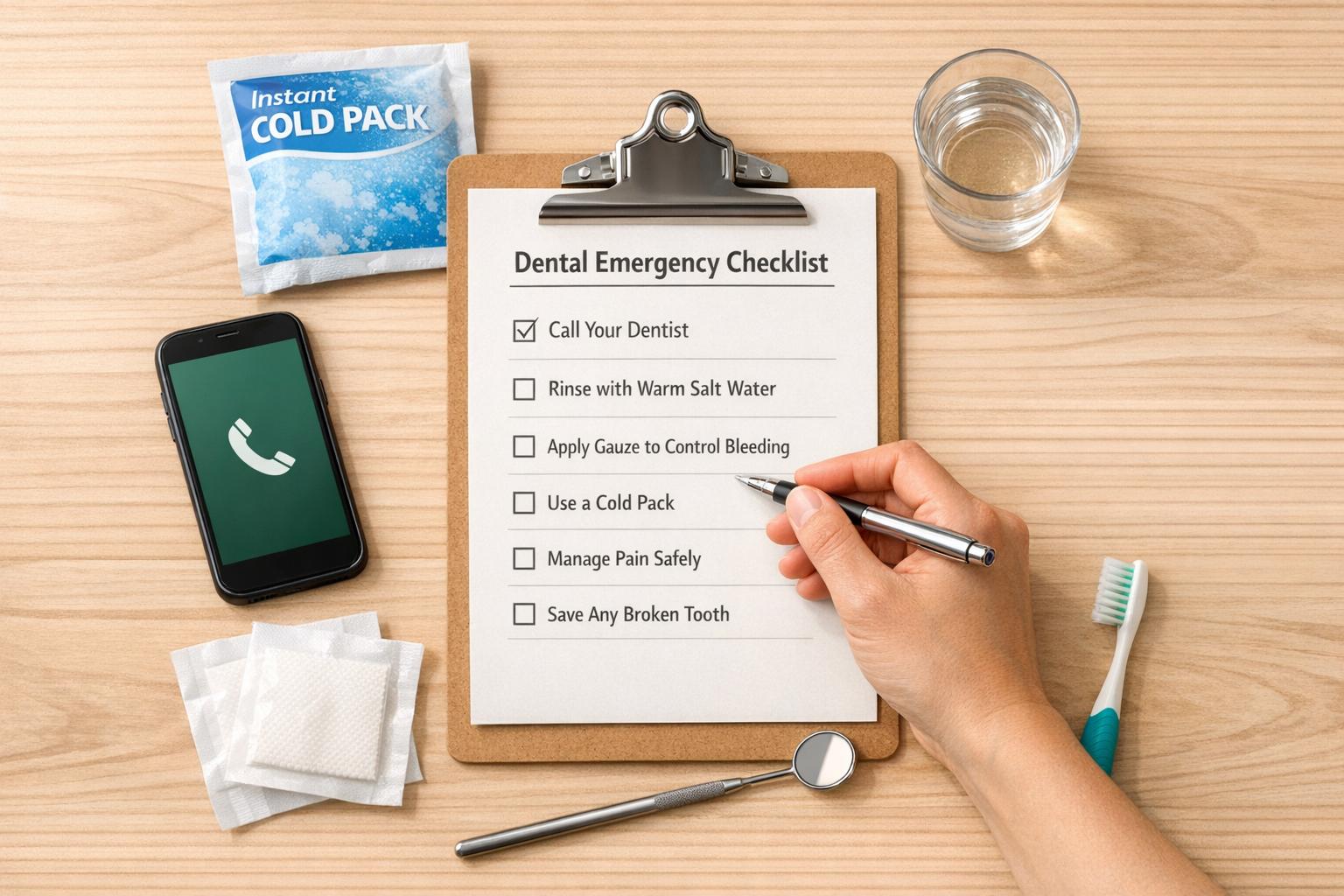
When a dental emergency strikes, you need help fast. Complete Smiles Bella Vista is here to support you through urgent dental problems. We understand that tooth pain or injury can happen without warning. Read on to learn how we help with emergency dentist care in Bella Vista.
What counts as a dental emergency?
A dental emergency is any sudden tooth or mouth problem that needs prompt care. Common emergencies include severe tooth pain, broken teeth, knocked-out teeth, and infections. Swelling, bleeding, or trauma to the mouth also qualify.
Not every dental problem requires emergency care. Minor chips, slight sensitivity, or small gaps can usually wait for a regular appointment. However, if you have intense pain, significant bleeding, or suspect an infection, you should contact us straight away. Infections can spread quickly and affect your overall health. When in doubt, it’s better to call and describe your situation.
Some emergencies develop suddenly, while others build over time. A tooth that’s been slightly loose for weeks might suddenly become unbearable when you bite down. Gum sensitivity that worsens can signal decay spreading beneath the surface. Discolouration or darkening of a tooth might indicate nerve damage from old trauma. These signs suggest you need urgent evaluation, even if the problem seemed minor before. We’re trained to recognise what looks small on the surface but could be serious underneath.
Why you shouldn’t ignore dental pain
Tooth pain is your mouth’s way of signalling that something needs attention. Ignoring it often makes the problem worse and more costly to treat. Infections can spread to other teeth, your jaw, or even your bloodstream.
Dental pain can also disrupt sleep, work, and daily life. When you’re in discomfort, it’s hard to focus on anything else. Seeking prompt care relieves your pain and prevents complications. At Complete Smiles Bella Vista, we prioritise getting you out of pain quickly. Early treatment is usually simpler, faster, and more affordable than waiting until things worsen.
Pain is also a signal that your tooth’s structure or nerve is under stress. Even dull, intermittent pain deserves attention because it often means decay is progressing. Throbbing pain usually indicates inflammation or infection building inside the tooth. Sharp pain when you bite suggests a crack or cavity affecting the tooth’s integrity. Sensitivity to hot or cold that lasts longer than a few seconds points to enamel loss or gum recession. Each type of pain tells us something different about what’s happening. By addressing it early, we can often use simpler treatments than would be needed if you waited months.
Common dental emergencies we handle
Broken or chipped teeth happen during accidents, sports, or biting down on something hard. We can repair them with fillings, crowns, or other restorations. Knocked-out teeth are time-sensitive; if you can reach us within an hour, we may be able to save the tooth. Keep it moist and bring it with you.
Severe tooth pain often signals decay, infection, or an abscess. We’ll examine you, identify the cause, and provide relief. Swelling in your cheek, jaw, or gums suggests an infection that needs immediate treatment. Lost fillings or crowns leave your tooth exposed and vulnerable. We can replace them or provide temporary protection until a permanent solution is ready. Bleeding gums or mouth injuries from trauma also need prompt evaluation.
Beyond these common cases, we also handle fractured roots, which happen when a tooth breaks below the gum line after impact or old age. These are tricky because they’re not always visible. But they cause severe pain and may lead to tooth loss. Loose teeth from gum disease or injury need assessment to determine if they can be stabilised or saved. Abscesses that cause facial swelling or fever are medical emergencies requiring antibiotics and drainage. We also treat patients who’ve had dental work come loose, such as a bridge or partial denture that’s become uncomfortable or broken. Each situation is different. We approach every emergency with a thorough examination to understand what’s really happening.
When to call us immediately
Call us right away if you have severe, throbbing tooth pain that doesn’t ease with over-the-counter pain relief. If your mouth is swollen, especially around your cheek or jaw, contact us urgently. Visible signs of infection, such as pus or a pimple-like bump on your gum, require immediate attention. Difficulty swallowing or opening your mouth also warrants an emergency visit.
Trauma to your mouth, such as a blow to the face or a knocked-out tooth, needs prompt care. If you’ve lost a filling or crown and your tooth feels loose or sharp, get in touch. Severe bleeding that doesn’t stop after ten minutes of gentle pressure is another reason to call. We’re here to help during these urgent moments and will fit you in as quickly as possible.
Also call us if you notice a sudden change in how your bite feels. If your teeth don’t come together the way they normally do, it could mean a tooth has shifted or cracked. Unexplained bad breath or a bad taste in your mouth, especially if it’s new and persistent, can signal an infection or abscess forming. Numbness in your mouth, jaw, or face is unusual and needs investigation. If you’ve had recent dental work and something doesn’t feel right, don’t wait and hope it improves. We’d rather hear from you and find out everything is fine than have you suffer through a problem that could have been fixed easily.
What to do while you wait for your appointment
First, stay calm. Most dental emergencies, while uncomfortable, are not life-threatening. If you’ve had a tooth knocked out, rinse it gently with water and try to place it back in the socket. If that’s not possible, keep it in a glass of milk or saliva to preserve it.
For pain relief, rinse your mouth with warm salt water several times. Over-the-counter pain relief can help, but follow the package directions. Apply a cold compress to the outside of your cheek for fifteen minutes at a time to reduce swelling. Avoid chewing on the affected side and stick to soft foods. Don’t poke at the area with your tongue or fingers. If you have a lost filling, avoid eating on that side. These steps help manage discomfort until we see you.
If you’re dealing with a cracked tooth, try not to chew on it at all, as further stress could make the crack worse. For a loose tooth, avoid touching it with your tongue or fingers, even though it’s tempting. Keep the area clean by gently rinsing with salt water, but don’t brush it harshly. If you have bleeding from an injury, apply gentle pressure with clean gauze for several minutes. If bleeding continues, try applying a moistened tea bag, which can help clotting. Avoid very hot foods and drinks, as they can increase inflammation. Rest your mouth as much as possible, and if you grind your teeth at night, try to be aware of it and relax your jaw.
Our emergency appointment process
When you call Complete Smiles Bella Vista, our team will ask about your symptoms and urgency. We keep time slots available for emergency patients throughout the week. Depending on how serious your situation is, we’ll see you the same day or next available slot. We prioritise cases involving severe pain, infection, or trauma.
When you arrive, we’ll examine your mouth carefully and take any needed X-rays. We’ll explain what we find and discuss your treatment options. Our goal is to relieve your pain and stabilise your tooth as quickly as possible. Sometimes this means temporary treatment first, with a permanent solution planned for later. We’ll always keep you informed about what’s happening and what comes next.
Our team works efficiently to get you in and out without unnecessary waiting. We understand that emergency patients are often anxious or in pain, so we keep things moving. During your visit, we’ll take time to understand your full situation, not just the immediate problem. We might ask about previous dental work, any medications you take, or allergies you have. This information helps us choose the safest and most effective treatment. If X-rays are needed, we have modern digital equipment that’s fast and clear. We’ll show you the images and explain what they reveal. If your emergency requires treatment beyond what we can do in one visit, we’ll explain the next steps and help you plan ahead.
Treatment options for common emergencies
For a cracked or broken tooth, we might apply a filling, place a crown, or recommend a root canal if the nerve is affected. A knocked-out tooth can sometimes be re-implanted if you reach us in time. Lost fillings can be replaced or temporarily sealed. Severe decay or infection might need a root canal to save the tooth.
If a tooth can’t be saved, we can discuss tooth replacement options including dental implants. Gum infections are treated with antibiotics and deep cleaning. Swelling and abscesses may need drainage and follow-up care. After emergency treatment, we’ll create a plan for any ongoing care your tooth needs. Many emergencies are preventable with good general and preventive dental care.
The treatment we recommend depends entirely on the damage and your goals. For a small chip that’s purely cosmetic, we might polish it smooth or add a small composite filling. For a larger break affecting the tooth’s strength, a crown provides durability and protects what’s left. If the nerve is exposed or damaged, a root canal removes the damaged nerve tissue and seals the tooth from inside. This is often the best way to save a tooth that would otherwise need extraction. For multiple missing teeth or a tooth that can’t be saved, modern replacements like dental implants offer excellent results. We’ll discuss each option’s benefits and costs so you can make an informed choice. Sometimes a temporary fix gets you through the emergency. We plan the permanent solution for when you’re ready.
Preventing dental emergencies
Good oral hygiene is your first line of defence. Brush twice daily with fluoride toothpaste and floss every day. Visit us regularly for check-ups and cleanings so we can spot problems early. Decay and infections are easier to treat in their early stages.
Wear a mouthguard if you play contact sports or grind your teeth at night. Avoid chewing hard objects like ice, hard lollies, or pen caps. Don’t use your teeth as tools to open packages or bottles. Be careful when eating hard or sticky foods. If you have existing dental work, follow our care instructions to keep it in good condition. These simple steps reduce your risk of emergencies significantly.
Prevention also means being aware of your mouth between visits. Notice if a filling feels loose or if you’re grinding your teeth more than usual. Pay attention to changes in your bite or new sensitivity. If you’ve had a tooth treated before, be extra careful with it because it’s more vulnerable. Protect your teeth during activities where impact is possible, not just contact sports. Even falling while running or a car accident can damage teeth. If you have habits like chewing ice, opening things with your teeth, or biting your nails, work on breaking them now. These small changes add up to much healthier teeth over time. Regular general and preventive dental care at Complete Smiles Bella Vista is the foundation of avoiding emergencies.
Comparing emergency treatment options
| Option | Best for | Typical cost |
|---|---|---|
| Temporary filling or seal | Immediate pain relief and protection while planning permanent treatment | Lower, covers urgent stabilisation |
| Permanent filling | Small to medium chips or cavities that don’t affect the nerve | Moderate, depends on size and location |
| Crown or cap | Larger breaks, cracks, or teeth weakened by decay or old fillings | Higher, but protects the tooth long-term |
| Root canal | Severe pain, infection, or nerve damage inside the tooth | Higher upfront, but saves the tooth |
| Extraction and implant | Tooth that can’t be saved or restored effectively | Highest cost, but provides a permanent replacement |
| Antibiotics and drainage | Abscess or infection spreading through tissue | Moderate, often combined with other treatment |
Payment options for emergency care
Dental emergencies can feel stressful, especially if you’re worried about cost. We offer dental payment plans to help make treatment affordable. Many insurance plans cover emergency dental care, so check your policy. We’ll discuss costs upfront and explore options that work for your budget.
Emergency care is an investment in your health and comfort. Treating a problem early is usually less expensive than letting it become severe. We’re happy to work with you to find a solution that fits your circumstances. Don’t let cost concerns stop you from getting the care you need when pain strikes.
When you call for an emergency appointment, ask about the estimated cost so you know what to expect. We can often provide temporary treatment at lower cost if you need time to arrange payment for a permanent solution. Our payment plans are flexible and designed to ease the burden. We also accept most major health funds and private insurance. If cost is a barrier, tell us; we’ll work with you to find options. Your health is too important to delay because of financial worry.
Why choose Complete Smiles Bella Vista for emergencies
Our team has experience handling urgent dental situations with calm, efficient care. We understand that dental emergencies are stressful and want to ease your worry. We’re conveniently located in Bella Vista and do our best to see emergency patients promptly. Our modern equipment and techniques mean we can diagnose and treat most emergencies in one visit.
We treat you with respect and explain everything clearly. You’ll never feel rushed or ignored. Learn more about Complete Smiles Bella Vista and our commitment to patient care. When you need help, you can trust us to put your wellbeing first.
We’re committed to making your emergency visit as comfortable as possible. Our practice is clean, modern, and equipped with the latest diagnostic tools. We communicate clearly about what’s happening and why we recommend certain treatments. If you’re anxious about dental care, let us know, and we’ll take extra time to help you feel at ease. We see emergency patients regularly and know how to handle urgent situations calmly. Our goal is not just to fix your tooth but to help you feel confident about your dental health moving forward. Book an appointment with us today or call if you have an urgent need.
Ready to Book Your Visit?
Complete Smiles Bella Vista makes it easy to get the care you need. Book online or call our friendly team to find a time that suits you. Book an Appointment
FAQ
What should I do if my tooth is knocked out?
Rinse the tooth gently with water without touching the root. Try to place it back in the socket, or keep it in milk or saliva. Call us immediately and come in as soon as possible. The faster you act, the better the chance we can save your tooth.
How quickly can I get an emergency appointment?
We prioritise emergency patients and aim to see you the same day if your situation is urgent. Call us to describe your symptoms, and we’ll fit you in as quickly as we can. Severe pain, infection, or trauma are treated with the highest priority.
Is emergency dental care covered by insurance?
Most dental insurance plans do cover emergency treatment, though coverage varies. Check your policy or call your insurer to confirm. We can also discuss costs with you before treatment starts.
What can I take for dental pain at home?
Over-the-counter pain relief following package directions can help temporarily. Rinse with warm salt water and apply a cold compress to your cheek. Avoid chewing on the affected side. These steps help until you can see us.
Can a cracked tooth always be saved?
It depends on the size and location of the crack. Small cracks may need only a filling, while larger ones might require a crown or root canal. If the damage is too severe, we may discuss replacement options. We’ll examine your tooth and explain your best options.
How can I prevent dental emergencies?
Brush and floss daily, visit us regularly for check-ups, and wear a mouthguard during sports. Avoid chewing hard objects and be careful with your teeth. Good habits and early treatment of small problems prevent most emergencies.
Related reading
- Ultimate Guide To After-Hours Dental Services
- What to do when you have an emergency toothache
- Dental Emergency Checklist: Act Fast!
- How to Identify Allergic Reactions to Anesthesia
- Knocked-Out Tooth: What to Do First
Important Notice: Any surgical or invasive procedure carries risks. Before proceeding, you should seek a second opinion from an appropriately qualified health practitioner.
Individual results may vary. The information provided in this article is for educational purposes only and does not constitute medical advice.
Checkout Related Blogs



Get in touch with us
For more information, call us now to start feeling better. Or fill the form below to make appointment
The Latest News from Complete Smiles
Emergency Dentist Bella Vista | Same-Day Care
Pediatric Dentist Bella Vista | Complete Smiles
Kids Dentist Bella Vista | Complete Smiles
Complete Smiles Bella VistaAccepts All Major Health Funds, Including