





Ultimate Guide To After-Hours Dental Services
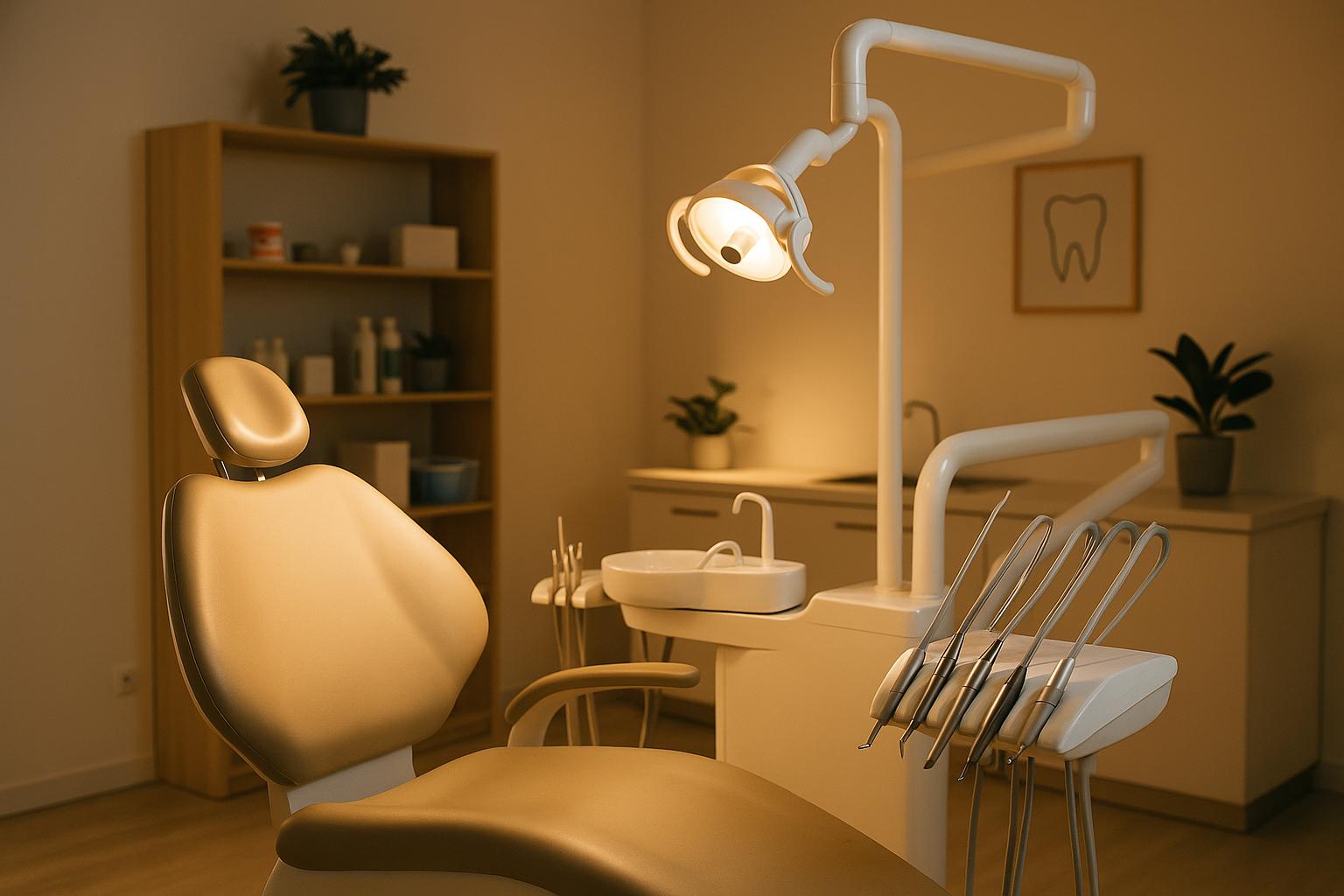
When dental emergencies strike outside regular hours, after-hours dental services are your go-to solution. These services provide urgent care for severe pain, knocked-out teeth, abscesses, or other issues that can’t wait for regular clinic hours. They also cater to busy individuals who struggle to find time during the day.
Here’s what you need to know:
- Emergency Care Options: You can access help via 24/7 hotlines, walk-in clinics, or hospital emergency departments for severe cases.
- Examples in Australia: Clinics like Emergency Dental Sydney and DentalOne extend their hours to ensure help is available when needed.
- What’s an Emergency? Severe pain, swelling, trauma, or infections need immediate attention, while minor issues like mild sensitivity can wait.
- Managing Pain at Home: Use over-the-counter painkillers, cold compresses, or salt water rinses to ease discomfort until you can see a dentist.
- Prevention Tips: Regular check-ups, daily oral hygiene, and protective gear during sports can reduce the risk of emergencies.
Save your dentist’s emergency contact info and know your local options to stay prepared. Acting quickly can save teeth, reduce complications, and minimise costs.
After-Hours Emergency Dentistry
Dental Emergencies vs Non-Urgent Issues
Not every dental problem needs immediate attention. Knowing the difference between an emergency and something that can wait will help you decide whether to seek urgent care or schedule a routine appointment.
A dental emergency involves a situation that poses an immediate risk to your health or requires quick pain relief[6]. These problems often need to be addressed within hours to avoid permanent damage or serious complications. On the other hand, non-urgent issues, while uncomfortable, can typically wait for a regular appointment without causing further harm.
What Qualifies as a Dental Emergency
Certain symptoms and situations clearly indicate a dental emergency. These include severe pain that doesn’t respond to over-the-counter painkillers, active bleeding, facial swelling, or difficulty breathing or swallowing. Trauma to teeth or soft tissues is also a red flag[6]. For example:
- A toothache with swelling, fever, or pus could signal a spreading infection.
- A knocked-out permanent tooth needs immediate attention – getting it re-implanted quickly improves the chances of saving it.
- Dental abscesses, which are pockets of pus caused by bacterial infections, always require urgent care to stop the infection from spreading.
- Broken or chipped teeth become emergencies if the damage exposes the inner pulp, causes significant pain, or interferes with chewing or speaking.
- Lost fillings leave teeth vulnerable to bacteria, while soft tissue injuries with uncontrolled bleeding (lasting more than 15–20 minutes despite pressure), deep cuts, or severe swelling should also be treated promptly.
If you experience breathing difficulties, lose consciousness, or have severe facial swelling, call 000 or head to the nearest hospital emergency department right away.
Non-Urgent Dental Problems
Non-urgent dental issues, while inconvenient, don’t require immediate care. These include minor problems like mild tooth sensitivity to hot or cold, small cosmetic chips that don’t cause pain, or loose crowns without accompanying pain or swelling. Small cuts or abrasions inside the mouth often heal on their own with basic care, such as rinsing with warm salt water. Similarly, small, painless gum bumps are usually harmless unless they become painful or worsen.
If you’re unsure whether your situation is an emergency, consider calling an emergency dental hotline for advice and triage[4]. For non-urgent concerns, contacting your local community dental clinic during regular business hours is often the best option[8].
Types of After-Hours Dental Services
When a dental emergency strikes outside regular hours, you have three main options: emergency dentist hotlines, walk-in dental clinics, and hospital emergency departments. These services are designed to provide immediate care until you can visit your regular dentist. Knowing which option to choose can save you time and ensure you get the right treatment quickly.
Emergency Dentist Hotlines
Emergency dentist hotlines are often the first step when you’re unsure how urgent your dental issue is. These phone services connect you with dental professionals who can assess your symptoms and guide you on whether you need hospital care, a referral, or if it’s safe to wait until regular hours [4].
For instance, the Australian Dental Foundation offers a free emergency hotline at 0407 111 117, available 24/7, including public holidays. With a team of dentists boasting over 100 years of combined experience, the hotline provides expert triage to evaluate your situation and recommend the best course of action. In Western Australia, their after-hours advice service operates nightly from 6:30 pm to 8:00 am [10, 23].
If your situation requires hands-on care, walk-in dental clinics are the next step.
Walk-In Dental Clinics
Walk-in dental clinics are a go-to for immediate, in-person treatment without needing an appointment. These clinics often operate during evenings, weekends, and public holidays, with some offering 24/7 services for emergencies [6, 26].
For example, Emergency Dental Sydney provides round-the-clock care at two locations in the CBD and Campsie, with emergency fees ranging from $150 to $250 [1]. These clinics handle a variety of urgent issues, including intense toothaches, chipped or knocked-out teeth, and emergency extractions for damaged or infected teeth. Upon arrival, you’ll receive an emergency examination followed by treatment options such as crowns, fillings, root canals, or extractions [26, 28].
Other examples include ICS Dental Studio in East Hills, NSW, which offers after-hours care with same-day or next-day appointments. They provide sedation options like nitrous oxide and IV sedation for patient comfort, and some clinics also offer payment plans to ease financial burdens [3]. Public dental services also play a role in after-hours care. The Royal Dental Hospital of Melbourne, for instance, prioritises urgent cases and aims to provide treatment within 24 hours. Similarly, the Oral Health Centre of Western Australia operates emergency clinics on weekends and public holidays at Sir Charles Gairdner Hospital, though fees and subsidies may apply [11, 23].
Keep in mind that not all clinics guarantee dentist availability after midnight, so it’s wise to call ahead. Additionally, many practices prioritise their existing patients for after-hours emergencies. If you’re already a patient, check if your clinic has a dedicated emergency contact number [25, 31].
For emergencies that require more advanced care, hospital emergency departments are the next option.
Hospital Emergency Departments
Hospital emergency departments are the best choice for severe dental emergencies, such as uncontrollable bleeding, major facial trauma, or swelling that affects breathing [29, 30]. Situations like a knocked-out tooth with heavy bleeding, severe facial injuries, or breathing difficulties demand immediate attention. In life-threatening cases, call 000 or head straight to the nearest hospital.
While hospitals can provide temporary relief, such as pain management and antibiotics, they generally don’t offer definitive dental treatment. You’ll need to follow up with your dentist for complete care [9]. For children under 16 in Western Australia, Perth Children’s Hospital Dental Emergency provides specialised care tailored to young patients [7].
For most dental emergencies that don’t involve severe trauma or life-threatening symptoms, walk-in clinics or dedicated emergency dental services are often faster and more comprehensive [9].
How to Access After-Hours Dental Care
When dental issues strike outside regular hours, knowing how to access prompt care can make all the difference. Here’s a guide to help you navigate after-hours dental services.
Contacting Your Regular Dentist
Start by reaching out to your regular dentist, even after hours. Most dental practices have an emergency line or on-call system specifically for urgent cases. Before calling, have your patient file number handy, along with a clear description of your symptoms. You’ll likely encounter an answering service or voicemail with instructions on how to reach the on-call dentist.
Be specific when describing your symptoms. Mention the severity of your pain on a scale from 1 to 10 – this helps the staff determine whether immediate care is necessary or if it can wait until regular hours. Many clinics have a separate emergency contact number listed on their website or in your patient paperwork, so double-check these details.
If you’re already a patient, your dentist will have your medical history on file, which can speed up the process. Some practices prioritise existing patients for emergencies and may be able to see you quickly. If your dentist isn’t available, they’ll typically refer you to another local provider or an urgent care clinic.
Certain practices also offer extended hours, which may save you from paying after-hours surcharges. To stay prepared, save your dentist’s emergency contact details in your phone or post them somewhere visible at home. At your next routine appointment, ask about their specific after-hours procedures so you know what to expect in an emergency.
If you’re unable to reach your regular dentist, don’t worry – there are other ways to find care.
Finding Local After-Hours Providers
If your dentist isn’t available, you can search for local after-hours providers. A quick online search for "emergency dentist near me" or "after-hours dental care" combined with your suburb or city name is a good starting point. Google Maps is also useful for finding nearby clinics, complete with operating hours and contact information.
Australia has plenty of options for after-hours dental care. For example, in Melbourne, DentalOne operates nine clinics with extended hours – staying open until 7:00 pm on weeknights and from 8:00 am to 6:00 pm on Saturdays. Over the past decade, they’ve treated more than 50,000 patients, highlighting the demand for accessible care [2]. Some clinics even offer competitive rates for emergency services.
Many walk-in clinics accept patients without prior appointments, though it’s always a good idea to call ahead to confirm availability and check wait times. Sometimes, even if online booking systems show no open slots, a quick phone call might reveal that walk-ins are still being accommodated.
During business hours, some practices keep a few slots open specifically for urgent cases. Even if their schedule looks full, they may be able to see you the same day or early the next morning.
For severe or life-threatening dental emergencies, call 000 immediately. In Melbourne, the Royal Dental Hospital provides 24/7 emergency care for critical cases and can be reached at 03 9341 1000 [5].
Information to Prepare Before Your Visit
To make your visit as smooth as possible, gather essential information ahead of time. Bring your medical history, a list of allergies, details of current medications, and your dental insurance information. This is especially important if you anticipate needing pain relief or sedation.
Check your insurance coverage to see if gap-free emergency care applies or if additional fees might be charged. Emergency visits often come with higher costs, so it’s a good idea to clarify this beforehand.
Prepare a detailed account of your symptoms. Note when the pain began, what triggers it (e.g., hot or cold foods, pressure, or lying down), and how severe it feels. If you’ve experienced trauma, like a knocked-out tooth, bring the tooth with you – stored in milk or saliva.
If you’re visiting a clinic for the first time, bring identification for new patient registration. Having your regular dentist’s contact information can also help the emergency provider coordinate follow-up care if needed.
For walk-in appointments, try to arrive with all your information organised. This reduces time spent on paperwork and lets you focus on getting treated. Some clinics recommend arriving at least 90 minutes before closing to ensure you’re seen before the day ends.
Finally, consider payment options. After-hours care often comes with higher fees due to extended operating hours and emergency staffing. Ask about payment plans or accepted payment methods, especially if you’re uninsured. Being prepared can help reduce stress during an already difficult situation.
sbb-itb-2be92ed
Managing Pain at Home While Waiting for Care
Dealing with pain while waiting for professional care can be challenging, but there are practical steps you can take to ease discomfort and protect your oral health. Here’s a guide to managing pain effectively until you can see a dentist.
Over-the-Counter Pain Relief
In Australia, ibuprofen and paracetamol are widely recommended for dental pain relief and can be purchased without a prescription. When used correctly, they can significantly reduce discomfort.
- Ibuprofen (e.g., Nurofen, Advil): Take 200–400 mg every 4–6 hours, with a maximum of 1,200 mg per day. This medication is particularly helpful for dental pain because it reduces inflammation, addressing both pain and swelling. It’s especially effective for conditions like abscesses, gum infections, or trauma-related injuries where swelling is a key factor.
- Paracetamol (e.g., Panadol): Take 500–1,000 mg every 4–6 hours, with no more than 4,000 mg daily. While it doesn’t target inflammation, it provides reliable pain relief and is easier on the stomach.
For enhanced relief, alternating ibuprofen and paracetamol every 2–3 hours may be recommended by a healthcare provider. This approach combines the anti-inflammatory effects of ibuprofen with the pain relief offered by paracetamol.
Always follow the dosage instructions on the packaging and consult a pharmacist if you’re unsure about potential interactions with other medications. Avoid ibuprofen if you have a history of stomach ulcers, are on blood thinners, or have certain heart conditions. Keep in mind, these medications only provide temporary relief and do not address the root cause of the problem.
Home Care Methods for Symptom Relief
While waiting for professional care, some simple home remedies can help manage pain and prevent further damage. These methods are backed by evidence and are easy to implement.
- Cold compresses: Applying an ice pack wrapped in a cloth to your cheek for 15 minutes at a time can numb the pain and reduce swelling. The cold helps by constricting blood vessels, which minimises inflammation.
- Salt water rinses: Dissolve ½ teaspoon of salt in 250 ml of warm water and rinse your mouth several times a day. This can help reduce bacteria and swelling, especially if you have an infection or abscess.
- Clove oil: Containing eugenol, a natural anaesthetic, clove oil can be applied directly to the painful area using a cotton ball for 15–20 minutes. It’s readily available at most pharmacies.
- Knocked-out teeth: Handle the tooth by the crown, rinse it gently, and keep it moist in milk or saliva. Seek emergency dental care within an hour for the best chance of saving the tooth.
- Broken or chipped teeth: Rinse your mouth with warm salt water and apply a cold compress to reduce swelling. Save any fragments in milk if possible. To cover sharp edges and prevent further injury, use dental wax or temporary filling material from a pharmacy.
- Elevating your head: Keeping your head raised with extra pillows can reduce blood flow to the affected area, easing throbbing pain.
- Hydrogen peroxide rinses: Use a 3% solution diluted with equal parts water to help reduce bacteria in cases of infection or abscess. However, avoid overuse to prevent irritation.
Stick to soft, lukewarm foods and avoid anything very hot, cold, or hard to prevent aggravating the pain. These measures can help you stay comfortable until you receive professional care.
What Not to Do
While there are effective ways to manage pain, certain actions can worsen your condition. Avoid these common mistakes:
- Don’t use sharp objects: Avoid using toothpicks, needles, or other sharp items to probe or drain an abscess. This can push bacteria deeper into tissues, leading to serious infections.
- Don’t apply aspirin directly: Placing aspirin on your gum or tooth can cause chemical burns, leading to additional pain and damage.
- Don’t attempt self-extraction: Trying to remove a tooth yourself can result in severe bleeding, nerve damage, or infection. Tooth extraction requires professional tools and sterile conditions.
- Don’t ignore serious symptoms: Signs of a severe infection – such as facial swelling, fever above 38.5°C, difficulty swallowing or breathing, or red streaks on the skin – require immediate medical attention. Swollen lymph nodes or persistent bleeding also indicate the need for emergency care.
Limit the use of numbing gels, as overuse can mask serious issues. Most importantly, don’t delay seeking professional treatment. Home remedies are temporary solutions and won’t resolve the underlying problem. For most dental emergencies, it’s essential to see a dentist within 24 hours to avoid complications.
Preventing Dental Emergencies
Dental emergencies often arise from overlooked oral health or avoidable accidents. By taking a few simple steps, you can minimise the likelihood of needing urgent care.
Regular Dental Check-Ups
The foundation of preventive care is regular dental visits. According to the Australian Dental Association, most adults should see their dentist twice a year for check-ups and professional cleaning. However, those with conditions like diabetes, a history of gum disease, or other risk factors might need visits every three to four months. These appointments help spot potential issues early, often before they cause noticeable symptoms.
During a routine check-up, dentists can detect cavities, gum disease, weakened teeth, or structural concerns that could lead to painful emergencies. Professional cleaning is also key – it removes tartar that regular brushing and flossing can’t reach. Tartar harbours bacteria that can cause gum inflammation, bleeding, and even tooth loss if ignored. While daily home care is essential, professional cleaning offers a deeper level of maintenance that significantly lowers the risk of emergencies.
For those who grind their teeth at night (a condition known as bruxism), wearing a custom nightguard can help prevent enamel damage and tooth fractures. For example, clinics like Complete Smiles Bella Vista create personalised preventive plans tailored to each patient’s specific oral health needs.
It’s also crucial to pay attention to warning signs between appointments. Persistent tooth sensitivity to hot, cold, or sweet foods might signal early decay or enamel erosion. Bleeding gums during brushing could point to gum disease, while discolouration, spots, or pits on teeth might indicate cavities. If you notice a loose tooth, jaw pain, or difficulty chewing, contact your dentist promptly – these could be signs of structural issues or infections. Addressing these concerns early can prevent them from escalating into emergencies.
Daily Oral Hygiene Practices
Daily care at home is just as important as professional visits. Consistency and proper technique are key to maintaining good oral health.
- Brushing: Brush twice daily – morning and night – with fluoride toothpaste. Spend at least two minutes using gentle, circular motions to clean effectively without damaging gums. Avoid aggressive scrubbing, which can lead to gum recession. Use a soft-bristled toothbrush and replace it every three months to ensure optimal cleaning.
- Flossing: Floss daily to remove food debris and plaque from between teeth, areas your toothbrush can’t reach. Neglecting this step allows plaque to harden into tartar, increasing the risk of gum disease and decay.
- Mouthwash: An antimicrobial mouthwash adds an extra layer of protection, but it should complement brushing and flossing – not replace them.
Avoid brushing immediately after consuming acidic foods or drinks, as this can damage softened enamel. Instead, rinse your mouth with water and wait 30 minutes before brushing. For those taking medications that cause dry mouth, staying hydrated and using sugar-free lozenges can help stimulate saliva, which naturally protects teeth. Be sure to inform your dentist about any medications you’re on so they can adjust your care plan accordingly.
Diet and Lifestyle Factors
What you eat and how you live also play a big role in preventing dental emergencies. Excess sugar fuels bacteria that erode enamel, leading to decay. Acidic drinks like soft drinks, energy drinks, and citrus juices weaken enamel, making teeth more prone to breaking.
To protect your teeth:
- Limit sugary snacks and rinse your mouth with water after consuming acidic foods.
- Avoid chewing on hard items like ice, hard lollies, or nuts, as these can crack or chip teeth.
- Never use your teeth to open packaging or bottles, as this can cause preventable trauma.
Staying hydrated with water is essential for saliva production, which helps neutralise acids and fight bacteria. A diet rich in calcium, phosphorus, and vitamin D supports strong teeth, while reducing alcohol consumption can lower the risk of gum disease and oral cancer. Smokers face higher risks of gum disease, tooth loss, and oral cancer, so quitting smoking is crucial for oral health.
Protective gear is another important factor. Mouthguards are essential for contact sports like rugby, Australian Rules football, boxing, and hockey. Custom-fitted mouthguards from a dentist offer better protection than store-bought ones, as they’re tailored to your mouth’s shape and bite. For children and teens, wearing mouthguards during sports is especially important, as injuries during these years can have long-term effects on oral health and appearance.
Pregnant women should pay extra attention to oral hygiene due to hormonal changes that increase gum disease risk. More frequent professional cleanings may be necessary. Older adults should also prioritise maintaining existing dental work and addressing any loose teeth promptly to avoid emergencies.
Preventive care is far more cost-effective than emergency treatment. Routine check-ups and cleanings are significantly cheaper than procedures like root canals, extractions, or restorations required for untreated issues. By adopting these practices, you can reduce your reliance on after-hours dental services and avoid the pain, stress, and expense of urgent care.
Conclusion
Key Takeaways
Knowing the difference between urgent dental emergencies and less critical issues can help you decide when to seek care. Severe pain, swelling, infections, knocked-out teeth, or broken teeth demand prompt attention, while minor sensitivity or cosmetic concerns can usually wait until regular dental hours. If you’re unsure, calling an emergency dental provider can clarify the urgency of your situation.
In Australia, there are several ways to access after-hours dental care. Options include emergency dentist hotlines, walk-in clinics, and hospital emergency departments. Keeping emergency contact information easily accessible can save valuable time. It’s also a good idea to establish a relationship with your regular dentist, as they may offer after-hours support or provide referrals if needed.
Preparation is key. Keep important information like dental records, insurance details, and a list of current medications on hand. A well-stocked first-aid kit with over-the-counter pain relief and supplies for temporary symptom relief can help manage discomfort while waiting for professional care. It’s also helpful to educate family members on basic dental emergency steps to ensure a quick response.
When contacting emergency dental services, be clear about your location, how long you’ve had symptoms, any visible damage, and your medical history. Sharing details about dental anxiety or past emergency experiences can also help providers tailor their care to your needs.
Delaying treatment can lead to higher costs, as addressing minor issues early is far less expensive than dealing with advanced problems like extractions or root canals. For Health Care and Pensioner Concession Card holders, public emergency dental clinics may offer subsidies to reduce financial strain.
These preparations and insights highlight the importance of ongoing dental care for long-term health.
The Importance of Regular Dental Care
Regular dental check-ups and consistent oral hygiene practices play a huge role in preventing dental emergencies. Routine visits to your dentist help catch cavities, gum disease, and other issues before they escalate into urgent problems. Professional cleanings also remove tartar buildup that brushing and flossing alone can’t tackle, reducing the risk of infection.
Building a relationship with a regular dentist offers many advantages. In an emergency, your dentist will already have a solid understanding of your dental history, past treatments, and specific needs. This familiarity allows for quicker diagnoses, more coordinated care, and better communication – especially when managing pain or dental anxiety. Preventive care is also far more affordable than emergency treatments, which often involve complex and costly procedures.
Good oral hygiene habits – like brushing twice daily, flossing daily, and scheduling check-ups every six months – are the foundation of dental health. Additional measures, such as wearing a mouthguard during sports, avoiding habits that harm teeth, and eating a balanced diet with minimal sugary foods, further reduce your risk. It’s also wise to review your dental records and emergency plans regularly to stay prepared.
FAQs
What should I do if I have a dental emergency outside regular clinic hours?
If you find yourself dealing with a dental emergency after hours, staying calm and acting quickly can make all the difference. Start by assessing the problem – common emergencies include intense tooth pain, a knocked-out tooth, or noticeable swelling. For pain, over-the-counter medication can help, and applying a cold pack may ease swelling. In the case of a knocked-out tooth, rinse it gently with clean water (don’t scrub it), and if you can, place it back in its socket. If that’s not possible, store the tooth in milk to help preserve it until you can get to a dentist.
Reach out to an after-hours dental service as soon as you can. Many clinics offer emergency contact options or extended hours for urgent situations. In Australia, you can also contact your local dental clinic or hospital for after-hours care. Acting quickly can play a big role in protecting your oral health.
How do I know if my dental problem is an emergency or if it can wait until normal clinic hours?
A dental problem may qualify as an emergency if it involves intense pain, heavy bleeding, or trauma to your teeth, gums, or jaw. Some examples include a tooth that’s been knocked out, a cracked or fractured tooth causing sharp discomfort, or signs of infection like swelling, fever, or trouble swallowing. These issues need prompt attention.
On the other hand, less urgent problems – like mild tooth sensitivity or a small, painless chip – can often wait until normal clinic hours. If you’re unsure, it’s always a good idea to reach out to your dentist for advice. They can evaluate the situation and guide you on what to do next.
What should I know about the costs of after-hours dental care, and are there financial support options available?
The cost of after-hours dental care in Australia can differ based on the treatment needed and the clinic’s pricing policy. Services like addressing severe toothaches or dental injuries often come with higher fees because of the urgency and extended hours involved. If possible, it’s wise to check with the clinic about potential costs beforehand.
For those concerned about expenses, there are options to explore. Some clinics may provide payment plans to spread out the cost, and many accept health insurance policies that include dental coverage. If you have private health insurance, review your policy to see if after-hours dental care is covered and what portion of the expense will be reimbursed. Public dental clinics might also offer emergency services at reduced rates, though these can have limited availability. Always ask about payment options and any support programs to make the costs more manageable.
Related Blog Posts
- 5 Pain Relief Tips for Kids’ Dental Emergencies
- Studies on Pain Management in Dental Extractions
- Long-Acting Local Anesthetics in Dentistry
- How Remote Devices Detect Plaque and Tartar
Important Notice: Any surgical or invasive procedure carries risks. Before proceeding, you should seek a second opinion from an appropriately qualified health practitioner.
Individual results may vary. The information provided in this article is for educational purposes only and does not constitute medical advice.
Checkout Related Blogs




Get in touch with us
For more information, call us now to start feeling better. Or fill the form below to make appointment
The Latest News from Complete Smiles
How to Clean Clear Plastic Retainers
Checklist for Choosing Wearable Dental Devices
Checklist for Choosing Cloud AI Platforms in Dentistry

Complete Smiles Bella VistaAccepts All Major Health Funds, Including





