





Pediatric Dentist Bella Vista | Complete Smiles
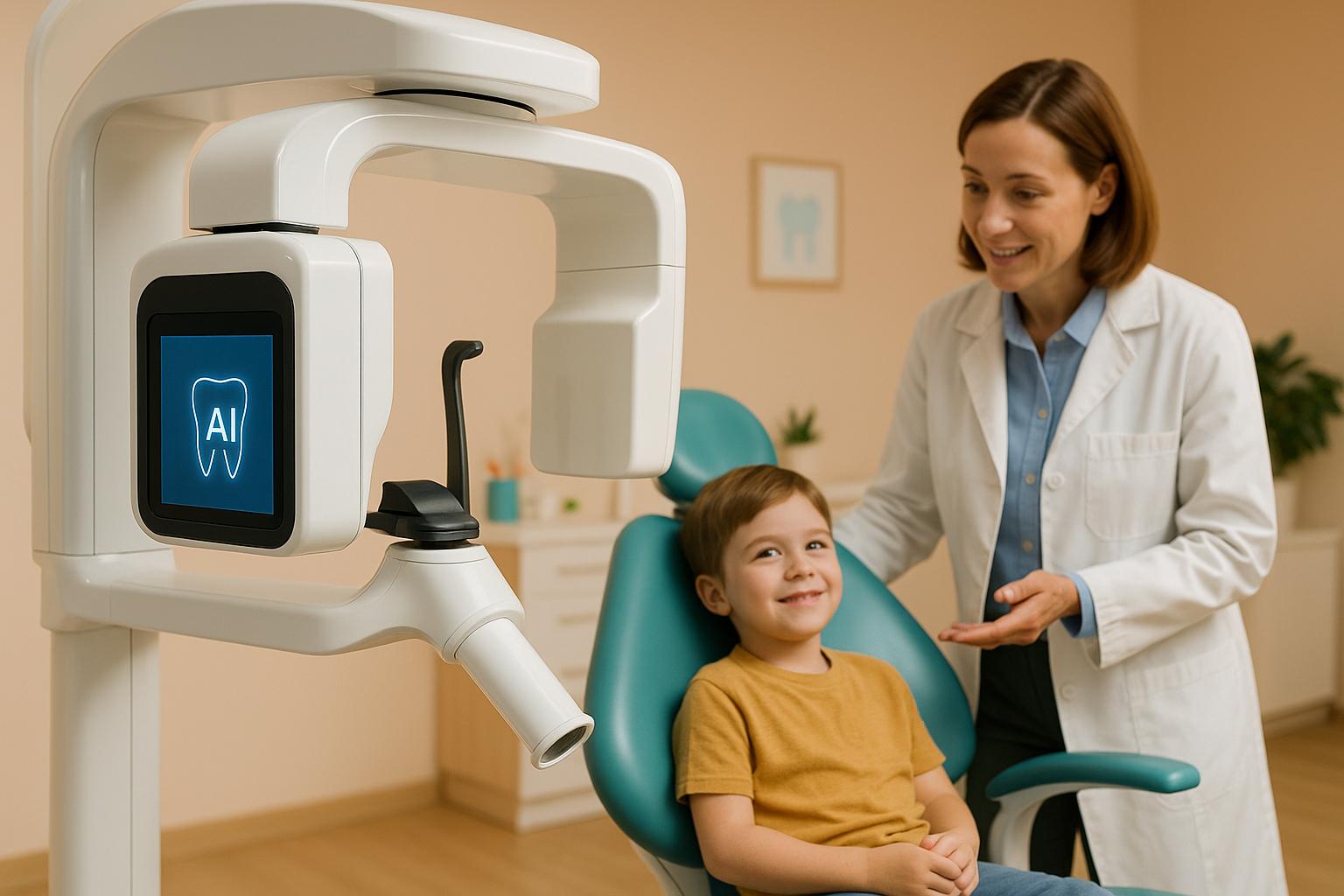
Finding a dentist who understands children’s needs makes all the difference to your family. At Complete Smiles Bella Vista, we provide gentle, welcoming dental care designed specifically for young patients. Your child’s oral health sets the foundation for a lifetime of healthy teeth and gums. Let’s explore what paediatric dentistry offers and why it matters for your child’s development.
Why Choose a Paediatric Dentist in Bella Vista
A paediatric dentist has specialised training in treating children from infancy through their teenage years. These dentists understand child development, behaviour and communication in ways that general dentists may not. Your child receives care tailored to their age, anxiety level and individual needs. Paediatric dentists create environments where children feel comfortable and safe during visits.
Children’s teeth and jaws develop differently than adult teeth. A paediatric dentist recognises these differences and plans treatment accordingly. They know how to explain procedures in language children understand. This approach helps children develop positive attitudes towards dental care that last into adulthood.
The training paediatric dentists receive focuses on managing child behaviour and addressing developmental concerns. They learn specialised techniques for working with young patients who may feel uncertain about dental procedures. Your child benefits from a dentist who has dedicated years to understanding how children respond to dental care. This expertise ensures your child receives appropriate, compassionate treatment at every visit.
Paediatric dentists also receive training in recognising systemic conditions that affect oral health. They understand how conditions can influence a child’s ability to maintain oral hygiene and how this connects to overall health management. This broader perspective helps your dentist provide holistic care that considers your child’s complete health picture. Your child’s dental care becomes part of their total wellness strategy.
When to Start Dental Visits
Your child’s first dental visit should happen around their first birthday or when their first tooth appears. Early visits help establish healthy habits and allow your dentist to monitor development. Starting early means any problems get caught and treated before they become serious issues. Regular check-ups give your child confidence and familiarity with the dental environment.
Visiting a paediatric dentist early also lets your child build trust with their care provider. Children who start dental care young typically feel less anxious about future appointments. Your dentist can show your child what to expect and answer questions in a friendly way. This foundation supports good oral health habits throughout their life.
Early dental visits serve another important purpose: they allow your dentist to assess your child’s oral health trajectory. Your dentist examines how teeth are developing and whether any concerns might arise as your child grows. They can identify early signs of issues like crowding, bite problems or developmental delays. Addressing these observations early often means simpler solutions later on.
Starting dental care early also gives your dentist a baseline for your child’s oral health. They document the condition of your child’s teeth and note any natural variations in development. This record helps your dentist track changes over time and spot any concerns quickly. Your child benefits from consistent, informed monitoring from their first visit onward. Over months and years, this detailed record becomes invaluable for identifying patterns and trends.
Building Healthy Habits from the Start
Teaching children to brush and floss properly prevents many dental problems before they start. A paediatric dentist shows your child the right brushing technique during each visit. They explain why clean teeth matter in ways children find interesting and easy to remember. Your dentist becomes a partner in helping your child take responsibility for their own mouth.
Dietary choices affect children’s teeth significantly. Your paediatric dentist discusses foods and drinks that support dental health. They explain how sugar affects teeth without making your child feel restricted or judged. When children understand the connection between their choices and their smile, they make better decisions.
Regular general and preventive dental care visits every six months help catch problems early. These appointments include professional cleaning and fluoride treatments that strengthen tooth enamel. Your dentist also screens for issues that might need early intervention. Consistency in these visits creates a routine your child learns to expect and accept.
Your paediatric dentist also discusses water intake and its role in oral health. Drinking water throughout the day helps rinse away food particles and bacteria. Your dentist explains how sugary drinks like juice and soft drinks can harm teeth over time. They help your family make choices that support both dental health and overall wellness.
Establishing routines around oral hygiene helps children develop lifelong habits. Your dentist recommends morning and evening brushing as part of your child’s daily routine. They suggest timing that works with your family’s schedule and makes brushing feel like a natural part of the day. When children see dental care as routine rather than special, they embrace it more readily. Your dentist also reinforces these habits at each visit, celebrating your child’s progress.
Managing Tooth Development and Eruption
Primary teeth (baby teeth) guide permanent teeth into the correct position as they develop. A paediatric dentist monitors this process carefully during regular check-ups. They watch for crowding, spacing problems or other issues that might need attention. Early detection of these concerns allows for timely intervention if needed.
Permanent teeth typically start appearing around age six and continue through the early teens. Your paediatric dentist tracks this eruption process and notes any delays or irregularities. They help you understand what’s normal and when concerns warrant further evaluation. This monitoring ensures your child’s bite develops properly and their teeth come in straight.
Sometimes baby teeth don’t fall out when permanent teeth are ready to erupt. Your dentist can assess whether a baby tooth needs removal to make room. They perform this procedure gently and explain what’s happening in language your child understands. Addressing these issues promptly prevents crowding and more complex problems later.
Your dentist also watches for any teeth that come in at unusual angles or positions. Sometimes a tooth might erupt in the wrong spot. Your dentist can discuss options for managing this. They explain whether the situation will resolve on its own or if intervention might help. This guidance helps you feel confident about your child’s dental development.
Understanding your child’s unique eruption timeline helps you know what to expect. Some children’s teeth come in earlier or later than average, and that’s usually perfectly normal. Your dentist provides reassurance and explains what’s typical for your child’s age. They also identify genuine concerns that warrant professional attention or referral to a specialist.
Fluoride Treatments and Prevention
Fluoride strengthens tooth enamel and helps prevent decay in children’s teeth. Professional fluoride treatments applied during dental visits provide concentrated protection. Your paediatric dentist recommends the right fluoride approach based on your child’s age and risk factors. These treatments are quick, simple and painless.
Fluoridated toothpaste is another important prevention tool for home use. Your dentist recommends the appropriate fluoride level for your child’s age. They show you how much toothpaste to use and supervise your child’s brushing technique. These simple steps significantly reduce the risk of cavities during childhood.
Dental sealants offer additional protection for back teeth that are prone to decay. These thin plastic coatings seal the grooves where food and bacteria hide. Application takes just minutes and provides years of protection. Your paediatric dentist assesses whether sealants are right for your child’s teeth.
Your dentist explains the difference between topical fluoride (applied to teeth surfaces) and systemic fluoride (ingested). They discuss whether your local water supply contains fluoride and what that means for your child’s dental health. This information helps you make informed decisions about fluoride supplements if recommended. Your dentist ensures your child receives the right amount of fluoride for optimal protection.
Prevention strategies work best when they’re tailored to your individual child. Your dentist considers your child’s diet, brushing habits, and natural cavity risk. They might recommend more frequent professional treatments if your child has higher risk factors. This personalised approach maximises protection for your child’s specific situation. Your dentist also reviews prevention strategies at each visit and adjusts recommendations as needed.
Addressing Cavities and Decay
Cavities in baby teeth need prompt treatment even though these teeth eventually fall out. Untreated decay can spread to permanent teeth developing underneath. Your paediatric dentist removes decay gently and fills the tooth with safe materials. Treating problems early prevents discomfort and more extensive procedures later.
Your dentist discusses what caused the cavity and how to prevent future ones. They work with you to identify dietary or hygiene factors that contributed to the problem. Together, you develop a plan to support your child’s oral health moving forward. This collaborative approach helps your child understand their role in maintaining healthy teeth.
Tooth decay in young children can affect their ability to eat, sleep and concentrate at school. Addressing cavities promptly helps your child stay healthy and comfortable. Your paediatric dentist uses techniques that minimise discomfort and anxiety during treatment. Most children handle cavity treatment well when they feel safe and informed.
Your dentist explains the materials used to fill cavities and why they’re safe for children. They discuss how long fillings typically last and what to expect as your child grows. If a cavity is quite large, your dentist might recommend a crown to protect the tooth. Understanding these options helps you feel confident about treatment decisions.
Early cavity detection means simpler, less extensive treatment. Your dentist uses modern diagnostic tools to spot decay before it becomes large. Addressing small cavities early often means less time in the chair and less anxiety for your child. Prevention and early detection work together to keep your child’s teeth healthy. Your dentist also explains how each cavity treatment protects your child’s permanent teeth developing underneath.
Orthodontic Concerns and Early Intervention
Some children benefit from early orthodontic evaluation around age seven or eight. Your paediatric dentist can identify bite problems and crowding that might need attention. Early assessment allows for early intervention if needed, potentially avoiding more complex treatment later. Your dentist refers you to an orthodontist when appropriate.
Habits like thumb sucking or tongue thrusting can affect tooth and jaw development. Your paediatric dentist discusses these habits gently and offers strategies to address them. They help your child understand why changing the habit supports healthy development. Early intervention often prevents the need for more extensive orthodontic treatment.
Space maintenance is sometimes needed when baby teeth are lost prematurely. Your dentist uses a space maintainer to hold room for permanent teeth. This simple device prevents surrounding teeth from shifting into the gap. Maintaining proper spacing supports normal eruption of permanent teeth.
Your dentist also monitors your child’s bite development carefully. They watch for signs of an overbite, underbite or crossbite. Early identification of these issues allows time for natural correction or early intervention. Your dentist explains what they observe and discusses any concerns with you in detail.
Understanding the connection between early habits and future orthodontics helps you support your child’s development. Your dentist explains why certain interventions now might prevent more complex treatment later. They help you see the long-term value of addressing concerns when your child is young. This perspective helps families make informed decisions about early orthodontic care. Your dentist becomes a trusted guide through your child’s orthodontic development journey.
Addressing Anxiety and Building Confidence
Many children feel nervous about dental visits, and that’s completely normal. Your paediatric dentist has extensive experience helping anxious children feel comfortable. They use calming language, explain procedures clearly and move at your child’s pace. Creating a positive experience now builds confidence for future dental care.
The dental environment at a paediatric practice is designed with children in mind. Friendly staff, bright colours, and child-friendly décor help children feel welcome. Your dentist takes time to get to know your child and understand their concerns. This personalised approach helps even the most anxious children relax during visits.
You play an important role in supporting your child’s confidence about dental care. Avoid using words that might increase anxiety before appointments. Instead, focus on the positive aspects of visiting the dentist. Your calm, matter-of-fact attitude helps your child approach dental visits with confidence.
Your dentist might use distraction techniques like music or videos during appointments. Some children respond well to rewards or sticker charts that acknowledge their cooperation. Your dentist works with you to find approaches that help your individual child feel more at ease. This personalised strategy often makes a significant difference in how your child experiences dental care.
Building confidence takes time and consistent positive experiences. Each successful visit helps your child feel more comfortable at the next appointment. Your dentist celebrates your child’s cooperation and progress. Over time, many anxious children become comfortable and even look forward to their dental visits. Your dentist documents what approaches work best for your child and uses them consistently.
Comparing Paediatric and General Dentistry
| Option | Best for | Typical focus |
|---|---|---|
| Paediatric dentistry | Infants through teenagers | Child development, behaviour guidance, anxiety management |
| General dentistry | Adults and mixed-age patients | Adult-focused care and treatment |
Preparing for Your Child’s First Visit
Before your child’s first appointment, talk about what to expect in simple, positive terms. Explain that the dentist looks at teeth and helps keep them healthy and strong. Avoid using words that might increase worry or concern. Keep your tone light and matter-of-fact.
Arrive early to complete any paperwork and help your child settle in. Ask your dentist if you can stay in the room during the appointment. Your presence provides comfort and security for your child. Your dentist will guide you on how you can best support your child during the visit.
Bring your child’s health history, including any medications or allergies. Let your dentist know about any previous dental experiences or concerns. This information helps your dentist provide the most appropriate and comfortable care. Open communication ensures your child receives personalised attention. Your dentist also asks about your child’s medical conditions and any treatments they’re receiving.
Consider visiting the dental office beforehand if possible. Some practices offer a quick tour so children can see the space and meet staff. Familiarity with the environment reduces anxiety for many children. Your dentist wants your child to feel welcomed and comfortable from the moment you arrive.
Planning your visit helps your child know what to expect. Talk about the car ride to the appointment, checking in at reception, and meeting the dentist. Familiar routines help children feel more secure. Your calm, organised approach sets the tone for a positive experience. You might also discuss what your child will see and hear during the appointment in simple, reassuring language.
Payment Options and Making Dental Care Accessible
Dental care is an investment in your child’s long-term health and development. Complete Smiles Bella Vista offers dental payment plans to make treatment affordable for families. Flexible payment options help you provide the care your child needs without financial stress. Contact our team to discuss options that work for your family’s budget.
Many families find that preventive care is more affordable than treating problems after they develop. Regular check-ups and cleanings cost far less than dealing with cavities or other issues. Investing in prevention now saves money and protects your child’s smile. Your paediatric dentist helps you understand the value of preventive care.
Insurance coverage for paediatric dental care varies by plan. Our team can help you understand your coverage and maximise your benefits. We work with most insurance plans and can discuss costs upfront. Transparent pricing helps you make informed decisions about your child’s care.
Understanding the true cost of dental care includes considering what happens without treatment. Untreated problems often become more expensive and complex over time. Your dentist helps you see how preventive care protects both your child’s health and your family budget. Making dental care a priority now prevents costly problems later. Our team also discusses payment options at your first appointment.
Understanding Systemic Health and Oral Health Connection
Your child’s oral health connects to their overall health and development in important ways. Conditions that affect your child’s systemic health can influence their teeth and gums. Your paediatric dentist considers your child’s complete health picture when providing care. This full-picture approach ensures your child receives comprehensive support for their wellbeing.
Chronic conditions can impact oral health in various ways. Your dentist understands these connections and adapts treatment accordingly. They work with your child’s other healthcare providers to ensure coordinated, comprehensive care. This collaborative approach supports your child’s total health and development. Research demonstrates that oral health and systemic health are interconnected, with oral conditions potentially affecting overall wellbeing throughout life.
Some medications your child takes can affect their oral health. Your dentist asks about medications during appointments and considers how they might influence your child’s teeth and gums. They provide guidance on managing any oral health effects. Open communication about your child’s health helps your dentist provide the best possible care.
Supporting your child’s oral health now contributes to their long-term wellbeing. Your paediatric dentist helps you understand these connections and make informed health decisions. Investing in your child’s dental care is investing in their overall health. Your dentist also explains how good oral hygiene habits support your child’s general wellness and development.
Ready to Book Your Visit?
Complete Smiles Bella Vista makes it easy to get the care you need. Book online or call our friendly team to find a time that suits you. Book an Appointment
FAQ
What age should my child first visit a paediatric dentist?
Your child should visit a dentist around their first birthday or when their first tooth appears. Early visits establish healthy habits and allow your dentist to monitor development. Starting early helps your child feel comfortable with dental care throughout their life.
How often should my child see a paediatric dentist?
Most children benefit from dental check-ups every six months. Your paediatric dentist may recommend more frequent visits if your child has specific needs. Regular visits help catch problems early and keep your child’s teeth and gums healthy.
Are baby teeth really that important if they fall out anyway?
Baby teeth guide permanent teeth into the correct position as they develop. They also help your child chew food properly and speak clearly. Caring for baby teeth supports healthy permanent tooth development and overall child development.
What should I do if my child has a dental emergency?
Contact your paediatric dentist immediately if your child has a dental emergency. Injuries, severe pain or swelling need prompt attention. Your dentist can provide guidance over the phone and schedule an urgent appointment if needed.
How can I help my child feel less anxious about dental visits?
Use positive, matter-of-fact language when discussing dental visits. Avoid words that might increase worry. Let your child know the dentist is there to help keep their teeth healthy. Your calm attitude helps your child approach appointments with confidence.
What if my child has special healthcare needs?
Paediatric dentists have training in treating children with various special needs. They adapt their approach to ensure every child receives appropriate care. Your child’s dental care can be part of their coordinated healthcare plan. Contact Complete Smiles Bella Vista to discuss your child’s specific needs and how we can help.
Related reading
- What Happens During a Restorative Dental Check-Up
- Ultimate Guide To After-Hours Dental Services
- Current Offers
- Comprehensive Dental Care for Healthy Teeth & Smiles
- Comprehensive Dental Care for Healthy Teeth & Smiles
Important Notice: Any surgical or invasive procedure carries risks. Before proceeding, you should seek a second opinion from an appropriately qualified health practitioner.
Individual results may vary. The information provided in this article is for educational purposes only and does not constitute medical advice.
Checkout Related Blogs




Get in touch with us
For more information, call us now to start feeling better. Or fill the form below to make appointment
The Latest News from Complete Smiles
Pediatric Dentist Bella Vista | Complete Smiles
Kids Dentist Bella Vista | Complete Smiles
Veneers Bella Vista | Transform Your Smile

Complete Smiles Bella VistaAccepts All Major Health Funds, Including