





How to Identify Allergic Reactions to Anesthesia
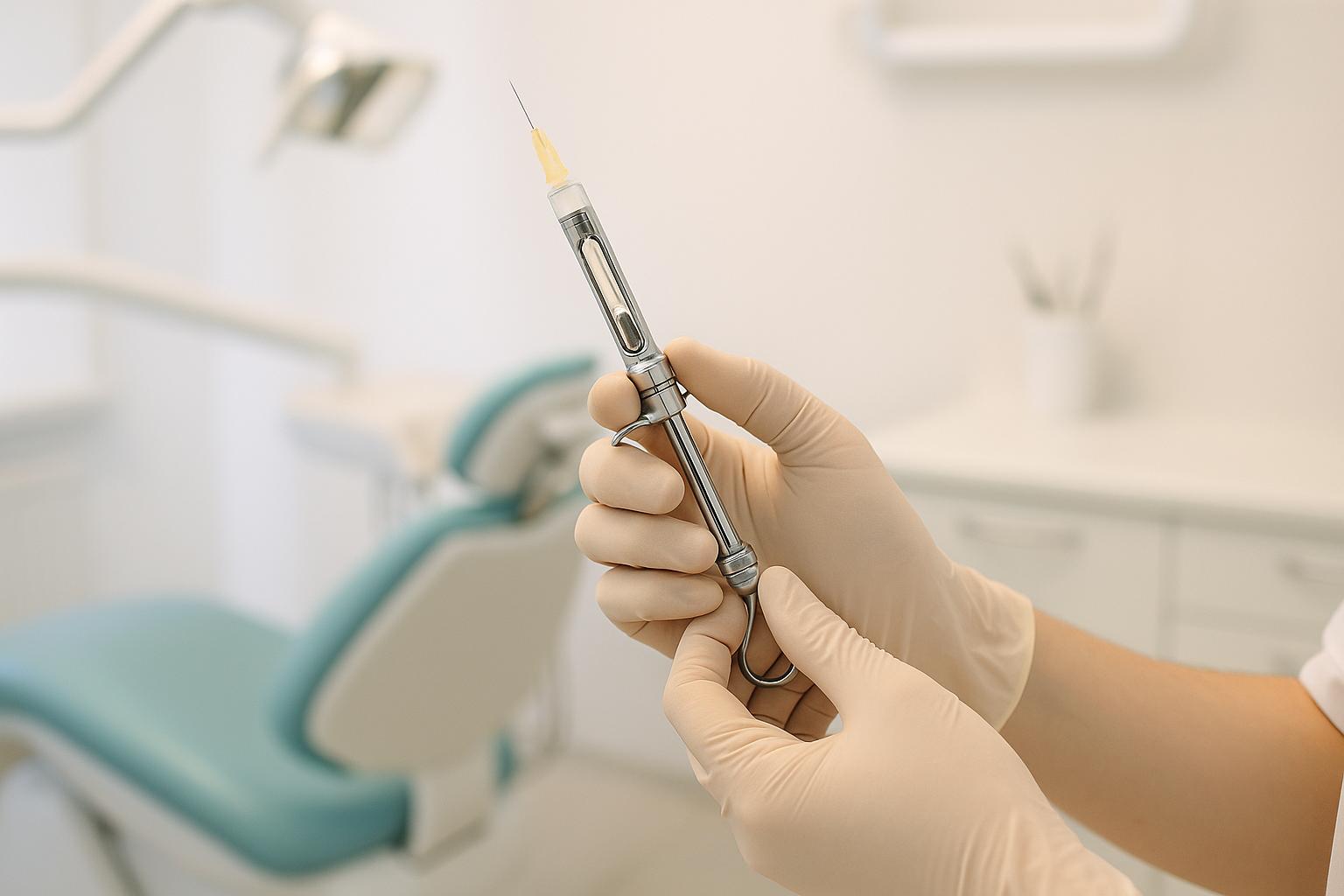
An allergic reaction to dental anaesthesia is rare but can be serious. Knowing what to watch for and how to respond is important for your safety during dental procedures. Reactions can range from mild itching or redness to severe, life-threatening symptoms like difficulty breathing or unconsciousness. Here’s what you need to know:
- Mild symptoms: Redness, itching, hives, or swelling near the injection site. Usually appear within minutes to 72 hours.
- Moderate symptoms: Swelling in deeper tissues (angioedema), nausea, or dizziness. May affect breathing or swallowing.
- Severe symptoms (anaphylaxis): Rapid swelling, low blood pressure, irregular heartbeat, or trouble breathing. Requires immediate emergency care.
If you suspect an allergic reaction, inform your dentist right away. For severe symptoms, call triple zero (000) and administer adrenaline if available. Prevent future reactions by discussing your medical history and allergies with your dentist before any procedure. Always monitor for delayed symptoms up to 72 hours after treatment.
What Are The Signs Of A Lidocaine Allergy? – The Pro Dentist
How to Recognise Allergic Reaction Symptoms
Recognising the signs of an allergic reaction is crucial for a timely response. Symptoms can surface within minutes of an injection or, in some cases, take hours or even days to appear. These reactions can range from mild and localised to severe and life-threatening, requiring immediate medical intervention. Let’s start with how to identify the early, milder signs.
Mild Symptoms
The most common mild symptoms include redness, itching, rash, and slight swelling around the injection site. These typically develop within minutes to a few hours after receiving dental anaesthesia, though delayed reactions may occur up to 72 hours later[1][5][6].
Unlike the expected numbness or tingling from anaesthesia, allergic reactions often involve significant itching, a noticeable rash, or swelling that extends beyond the injection site. Small, raised bumps (hives or urticaria) may also appear, especially around the mouth or face. These areas might feel warmer and look redder than usual.
In some cases, delayed hypersensitivity reactions can occur, presenting as localised redness, swelling, and itching several hours or days after the procedure[5][2]. While these reactions are typically not serious, they should still be monitored to ensure they don’t progress to more concerning symptoms.
If the symptoms extend beyond local irritation, it’s important to consider the moderate warning signs outlined below.
Moderate Symptoms
Moderate allergic reactions, such as angioedema and systemic symptoms, demand prompt attention to prevent escalation[6].
Angioedema involves deeper tissue swelling, which can interfere with breathing or swallowing. You might notice puffiness in the lips or a thick, swollen feeling in the tongue, which can be particularly alarming.
Systemic symptoms, like dizziness or nausea, indicate the reaction is no longer confined to the injection site and is affecting the entire body. These symptoms might develop gradually or appear suddenly, so it’s critical to inform your dental team as soon as they are noticed.
Severe Symptoms: Anaphylaxis
Anaphylaxis is a medical emergency that can occur within minutes of exposure and requires immediate treatment[5][3]. Key warning signs include a sudden drop in blood pressure, rapid or irregular heartbeat, severe difficulty breathing, hoarseness, loss of consciousness, and widespread swelling[1][5][2][3].
In Australia and worldwide, cases of anaphylaxis often present with rapid facial swelling, hives, and breathing difficulties, underscoring the need for emergency care[1][3]. While most cases resolve with swift treatment, delayed action can lead to life-threatening complications[5][3].
| Symptom Severity | Common Symptoms | Timeframe | Action |
|---|---|---|---|
| Mild | Redness, itching, rash, mild swelling at injection site | Minutes to 72 hours | Monitor closely; consider antihistamines |
| Moderate | Angioedema (swelling of lips, tongue, throat, or face), dizziness, nausea, vomiting, mild breathing or swallowing difficulties | Minutes to hours | Seek prompt medical attention |
| Severe | Sudden blood pressure drop, rapid or irregular heartbeat, severe breathing difficulty, unconsciousness | Within minutes | Emergency care immediately required |
Children may find it harder to express their symptoms, making it essential for caregivers and dental staff to watch for non-verbal cues. Signs like restlessness, facial swelling, or sudden behavioural changes – such as becoming unusually quiet, agitated, or clingy – could indicate an allergic reaction[1][3]. While the symptoms are generally similar to those in adults, extra vigilance is required for younger patients.
What to Do When an Allergic Reaction Happens
When an allergic reaction occurs during or after dental anaesthesia, acting quickly and appropriately is crucial to ensuring patient safety. The response will depend on how severe the symptoms are, ranging from simple monitoring for mild cases to emergency intervention for serious, life-threatening situations like anaphylaxis.
How to Handle Mild Symptoms
For mild symptoms such as localised itching, hives, or slight swelling around the injection site, the focus should be on monitoring and supportive care. Start by lowering the patient into a supine position with their legs elevated. Loosen any tight clothing or jewellery to make breathing easier and help maintain stable blood pressure[1][7].
Keeping the patient calm is key. Monitor their condition closely to watch for any progression of symptoms. In some cases, oral antihistamines may be given by the dental professional to manage the reaction[1][7]. If the patient feels faint or unwell, offering a glucose drink may also help[1].
Even if symptoms appear mild, continuous observation is essential. Mild reactions can sometimes escalate, spreading beyond the injection site or affecting the patient’s breathing, swallowing, or overall wellbeing.
Emergency Response for Severe Symptoms
When symptoms worsen rapidly, it’s time to act fast. Severe allergic reactions, particularly anaphylaxis, require immediate emergency care. Signs like difficulty breathing, a rapid heartbeat, widespread swelling, or loss of consciousness signal a medical emergency[1][2][3].
Call triple zero (000) immediately to request an ambulance. In cases of anaphylaxis, every second counts, and professional medical intervention is critical[1][3][4]. While waiting for emergency services, the priority is to maintain the patient’s airway and circulation.
The administration of adrenaline (epinephrine) is the most important step in treating anaphylaxis. If an adrenaline auto-injector is available, it should be used immediately upon recognising severe symptoms[1][3][4]. Dental practices in Australia are expected to have emergency procedures and equipment, including adrenaline auto-injectors, readily accessible for such situations.
Patient positioning is also vital. Keep the patient lying flat with their legs elevated unless they are experiencing severe difficulty breathing, in which case they may need to sit upright to improve airflow[1]. Remove any restrictive clothing around the neck or chest to aid breathing.
If the patient’s condition deteriorates further, begin CPR and provide oxygen, maintaining basic life support until the ambulance arrives[3][4]. Once the immediate crisis is under control, attention should shift to follow-up care.
Post-Reaction Care and Monitoring
After the emergency has been managed, follow-up care becomes essential to safeguard the patient’s long-term health. Continuous observation for delayed or biphasic reactions is important, as some patients may experience a second wave of symptoms hours after the initial reaction[2].
Patients should be informed to watch for delayed symptoms, such as recurring rashes, fever, joint pain, or breathing difficulties, which could appear up to 72 hours later. Any of these symptoms require a prompt medical review[2].
Thorough documentation of the event is critical. Dental professionals should record all details, including the symptoms, timing, interventions, medications administered, and the outcomes[1][2]. This information will be invaluable for future allergy testing and ensuring safe care in future dental visits.
Arranging a referral for allergy testing is an important next step. A specialist can identify the specific trigger, whether it’s the anaesthetic agent, preservatives, or other additives[1][2]. This testing can help determine suitable alternatives for future procedures.
Finally, communication with the patient’s GP or other healthcare providers ensures continuity of care. Providing a detailed written account of the reaction will help the patient during follow-up medical appointments and create a complete allergy profile for their records.
Although true allergic reactions to dental anaesthetics are rare – making up only about 1% of all reactions during local anaesthesia[1] – accurate documentation and testing are key to distinguishing genuine allergies from other adverse reactions, ensuring the right care is provided in future treatments.
sbb-itb-2be92ed
How to Test for and Prevent Anaesthesia Allergies
After managing a reaction, understanding how to diagnose and prevent anaesthesia allergies becomes essential for safer dental care in the future. If you’ve had a reaction to dental anaesthetics, knowing how doctors identify allergies and the steps you can take to avoid them will help ensure your dental visits remain safe and stress-free.
How Doctors Test for Anaesthesia Allergies
When you report a possible anaesthesia allergy, the process starts with a detailed medical history and a review of your symptoms. If an actual allergy is suspected, you’ll likely be referred to an allergy specialist. Testing may include skin prick tests or other immunological assessments to pinpoint the allergen. Blood tests for specific IgE antibodies might also be used to confirm the diagnosis [1][2][6].
In many cases, reactions thought to be allergies turn out to be responses to other substances. Doctors carefully differentiate between true IgE-mediated allergic reactions and other adverse responses. If the exact trigger remains unclear, specialists might perform graded challenge tests. These involve administering small, gradually increasing doses of the suspected anaesthetic in a controlled environment where emergency equipment is readily available [1][2].
Once your allergy profile is clear, targeted measures can be taken to reduce the risk of future reactions.
How to Prevent Future Allergic Reactions
Preventing future issues starts with keeping thorough records of any previous reactions to anaesthetics. Document the specific anaesthetic used, the symptoms you experienced – whether mild (like itching), moderate (such as swelling), or severe (like difficulty breathing) – and the timing of the reaction.
Always inform your dentist about any past reactions well ahead of your procedure. Share detailed information, including the exact anaesthetic agent used (e.g., lidocaine or novocaine) and any other substances involved during the procedure, such as adrenaline, latex, or preservatives.
If your reaction was linked to preservatives like methylparaben or propylparaben, request preservative-free anaesthetics. Similarly, if adrenaline caused issues, ask for anaesthetics without it, even though the numbing effect might not last as long. Based on your allergy profile, your dentist can explore alternatives. For instance, if you’re allergic to ester-type anaesthetics like novocaine, an amide-type anaesthetic such as lidocaine may be a safer choice, as cross-reactivity between these groups is uncommon.
Discussing any anxiety about dental procedures with your dentist is also important, as stress can sometimes mimic or even trigger allergic reactions. Arriving early for your appointment allows time to relax and have a pre-procedure discussion. Be sure to mention any family history of anaesthesia or drug allergies and disclose any other allergies, whether they involve food, medications, or environmental factors.
For those with severe or multiple allergies, a referral to an anaesthesia specialist may be necessary. These specialists can recommend safe alternatives or perform graded challenge tests to ensure the best care. Lastly, make sure your dental team is equipped with emergency medications and tools – such as adrenaline for anaphylaxis – so they’re prepared to handle any severe reactions.
Complete Smiles Bella Vista: Safe Dental Care Practices

At Complete Smiles Bella Vista, patient safety is at the heart of everything they do. Under the leadership of Dr. James Hanna, the clinic demonstrates a commitment to preventing and managing anaesthesia allergies through rigorous safety measures and tailored care protocols.
Thorough Pre-Treatment Assessment
Patient safety starts with a detailed assessment. The dental team carefully reviews each patient’s medical history, paying close attention to known allergies – whether to medications, latex, or preservatives. They also ask about past reactions to anaesthesia, family history of allergies, and sensitivities that could impact treatment. If there’s any indication of a potential allergic reaction, patients may be referred for allergy testing or consultations with their GP or an allergy specialist before proceeding.
This meticulous preparation is crucial for the wide range of procedures offered at the clinic, including general dentistry like fillings and extractions, cosmetic treatments such as teeth whitening and porcelain veneers, as well as dental implants and root canal therapy.
Modern Anaesthetic Options and Safety Protocols
To minimise risks, the clinic uses modern anaesthetic agents with a lower likelihood of triggering allergic reactions. Lidocaine-based options are often chosen over older agents like novocaine, and preservative-free alternatives are available for patients with specific sensitivities. The clinic also employs strict safety protocols, such as using single-use, sterile equipment and avoiding products containing common allergens like latex or certain preservatives.
Emergency preparedness is a top priority. Adrenaline auto-injectors and oxygen equipment are always on hand to manage severe allergic reactions, ensuring the team is ready to act swiftly if needed.
Active Monitoring and Emergency Response
Throughout every procedure, the dental team closely monitors patients for any signs of an allergic reaction. If symptoms arise, they follow established protocols, ranging from pausing the procedure for mild reactions to administering adrenaline and calling triple zero (000) for severe cases like anaphylaxis.
Ongoing Staff Training
The clinic’s staff undergo regular training to stay equipped for medical emergencies, including allergic reactions. Annual CPR certification and emergency response drills keep the team prepared to handle situations effectively, aligning with Australian dental practice standards. This ensures they’re ready to manage emergency medications and equipment with confidence.
Post-Reaction Care and Documentation
If a patient experiences a reaction, the clinic takes immediate steps to update their medical records and adjust future treatment plans. Follow-up care is arranged, which may include referrals to allergy specialists and advice on emergency action plans or medical alert identification.
Summary: What to Remember About Anaesthesia Allergies
Understanding anaesthesia allergies is crucial for safe dental care and effective communication with your dentist. True allergic reactions to dental anaesthesia are extremely rare – only about 1% of patients who experience reactions during local anaesthesia administration have an actual allergy [1]. Most adverse responses are caused by additives and preservatives, not the anaesthetic itself [1].
Be aware of the symptoms during and after treatment. Mild signs can include redness, itching, or hives, while severe reactions may involve difficulty breathing, throat swelling, or even loss of consciousness [1][6]. Since allergic reactions can sometimes appear hours or even days later, monitoring your condition after treatment is essential [1]. If symptoms arise, let your dentist know as soon as possible.
Effective communication with your dentist is key. Share any history of adverse reactions to anaesthesia, medications, latex, or other allergens. Consider requesting allergy testing and keeping a record of any reactions [1][2].
Most allergic reactions stem from preservatives or additives – like methylparaben, propylparaben, sulfites, latex, and antioxidants – rather than the anaesthetic agent itself [1][2]. Being informed and prepared can help minimise potential risks.
Ensure your dental clinic has emergency protocols and anaphylaxis treatments readily available. If you have a confirmed allergy to standard local anaesthetics, discuss alternative solutions with your dentist. During treatment, if you notice any signs of a reaction, stay as calm as possible and alert your dentist immediately [2][3].
Open and honest communication with your dentist is the foundation for safe and personalised dental care.
FAQs
What should I do if I think I’m having an allergic reaction to dental anaesthesia during treatment?
If you think you’re having an allergic reaction to dental anaesthesia during a procedure, it’s crucial to alert your dentist or dental professional immediately. They’re trained to recognise and handle such situations quickly to prioritise your safety.
Signs of an allergic reaction can include swelling, itching, breathing difficulties, or a rash. Should any of these symptoms arise, your dentist will halt the procedure and take the necessary steps, such as providing medication or arranging additional medical support if required.
To reduce risks and ensure you receive the best care, always inform your dentist about any allergies or medical conditions before undergoing treatment.
What are the signs of an allergic reaction to dental anaesthesia, and how can I tell if it’s serious?
Allergic reactions to dental anaesthesia can vary in intensity, from minor discomfort to serious health concerns. Mild reactions might include itching, redness, or swelling around the injection site. On the other hand, severe reactions, such as anaphylaxis, can cause trouble breathing, swelling of the face or throat, a rapid heartbeat, or dizziness, and demand immediate medical care.
If you notice any symptoms after receiving dental anaesthesia, let your dentist know immediately. For severe symptoms, call triple zero (000) or head to the closest emergency department. Always share details of any known allergies or past reactions with your dentist to help ensure your safety during treatment.
How can I reduce the risk of an allergic reaction to anaesthesia during dental treatments?
To reduce the chances of an allergic reaction to anaesthesia, it’s essential to share your medical history with your dentist. Make sure to inform them about any past allergic reactions, sensitivities, or existing medical conditions. Don’t forget to list all medications, supplements, or other substances you’re currently taking, as these may affect how your body responds to anaesthesia.
With this information, your dentist can adjust the treatment plan accordingly. This might involve choosing a different anaesthetic or taking extra steps to prioritise your safety and comfort during the procedure. Clear and honest communication plays a crucial role in avoiding complications and ensuring a smooth dental visit.
Related Blog Posts
- Sedation vs. Local Anaesthesia in Full Mouth Reconstruction
- How Pain Is Controlled During Bone Grafting Surgery
- Long-Acting Local Anesthetics in Dentistry
- How Local Anaesthesia Reduces Pain During Extractions
Important Notice: Any surgical or invasive procedure carries risks. Before proceeding, you should seek a second opinion from an appropriately qualified health practitioner.
Individual results may vary. The information provided in this article is for educational purposes only and does not constitute medical advice.
Checkout Related Blogs




Get in touch with us
For more information, call us now to start feeling better. Or fill the form below to make appointment
The Latest News from Complete Smiles
How to Clean Clear Plastic Retainers
Checklist for Choosing Wearable Dental Devices
Checklist for Choosing Cloud AI Platforms in Dentistry

Complete Smiles Bella VistaAccepts All Major Health Funds, Including





