





How Local Anaesthesia Reduces Pain During Extractions
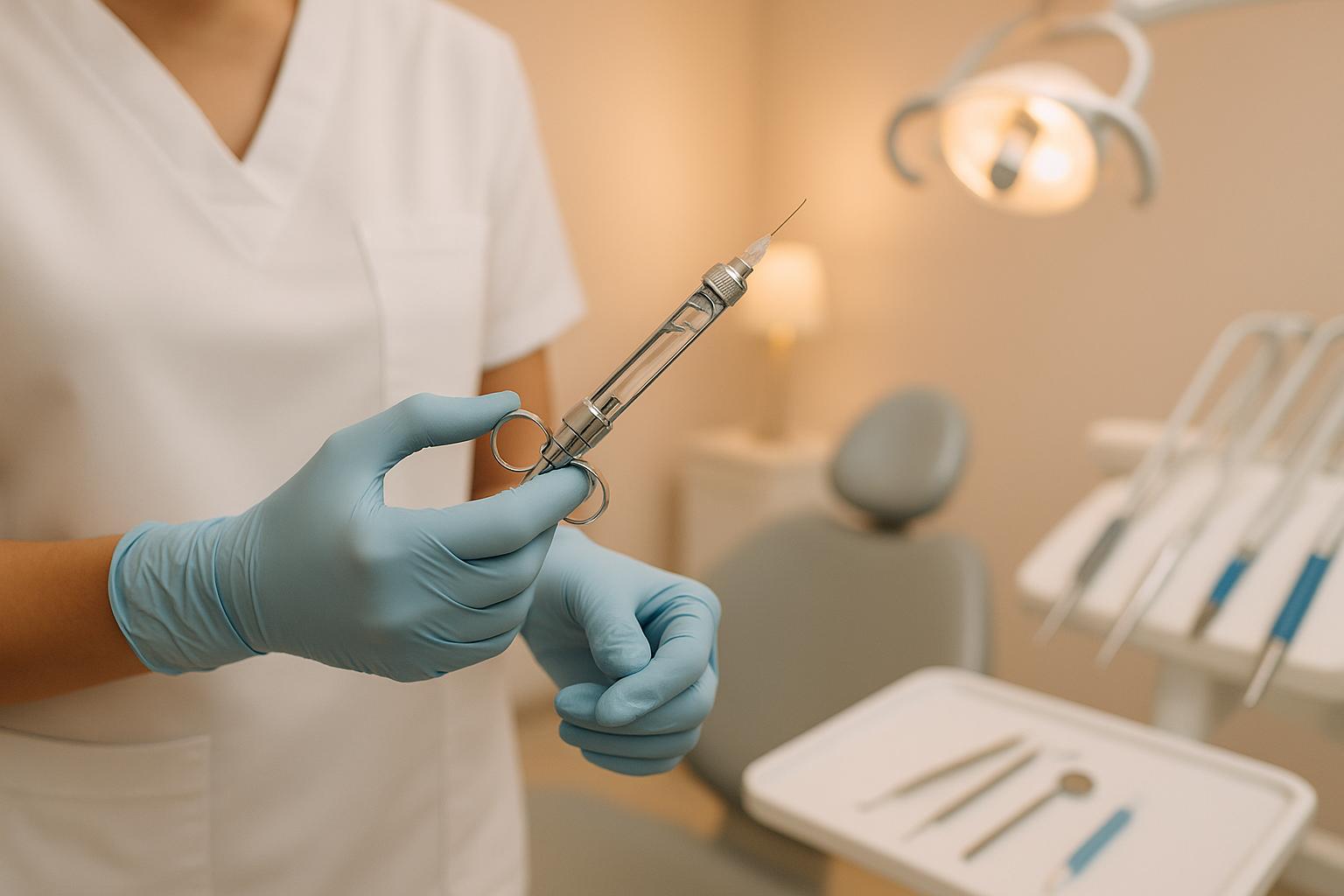
Tooth extractions can be daunting, but local anaesthesia makes the process far more manageable. By numbing the area around the tooth, it prevents pain while allowing you to stay awake and alert. Here’s how it works:
- Blocks Pain Signals: Anaesthetic agents stop nerve signals from reaching the brain, ensuring you feel no pain.
- Fast-Acting: Most anaesthetics take effect within minutes and last 2–5 hours.
- Customised for You: Dentists choose agents like lidocaine or articaine based on the procedure and your medical history.
While some tingling or swelling may occur, proper care – like using cold compresses and avoiding smoking – helps recovery. Local anaesthesia ensures a smoother, more comfortable experience without the risks of general anaesthesia.
How to Give Painless Dental Injection by Michael DiTolla, DDS, FAGD
How Local Anaesthesia Works
Understanding how local anaesthesia works sheds light on how tooth extractions can be carried out with little to no discomfort. It all comes down to how anaesthetic agents interact with nerve pathways, temporarily blocking pain signals from reaching your brain.
How Local Anaesthetics Block Pain Signals
Local anaesthetics interrupt the electrical impulses that nerves use to communicate with the brain. Normally, when you feel pain, nerve cells generate electrical signals that travel along nerve fibres to your brain, where they’re processed as pain sensations.
The anaesthetic agent targets sodium channels on the nerve cells. These channels play a key role in transmitting pain signals by allowing sodium ions to flow into the cells, creating the electrical charge needed to send signals. By binding to these channels, the anaesthetic blocks the flow of sodium ions, effectively stopping the electrical impulses that carry pain signals.
Interestingly, smaller nerve fibres – responsible for pain and temperature sensations – are affected first. This is why you may still feel pressure or touch during a dental procedure but without the accompanying pain.
In essence, the anaesthetic creates a block along the nerve pathway, preventing pain signals from travelling to your brain. This results in a completely numb area around the extraction site, while the surrounding regions remain unaffected. This precise targeting is why different anaesthetic agents are chosen for specific dental needs.
Types of Local Anaesthetic Agents Used
Different anaesthetic agents are tailored to meet specific requirements in dental care. Here’s a closer look at the most commonly used ones:
- Lidocaine: Widely used in Australian dental practices, lidocaine provides dependable numbness for about 2-4 hours, making it a go-to choice for routine extractions.
- Articaine: Preferred for more complex procedures, especially on posterior teeth, articaine is known for its ability to penetrate bone tissue more effectively than lidocaine. Its effects last 3-5 hours, offering superior numbness in harder-to-reach areas.
- Adrenaline (epinephrine): Often included in dental anaesthetics, adrenaline serves two purposes. It constricts blood vessels, keeping the anaesthetic concentrated at the injection site, and prolongs the duration of numbness. Common concentrations are 1:80,000 or 1:100,000, which are considered safe for most patients.
- Prilocaine: This is a suitable alternative for patients who cannot tolerate adrenaline due to heart conditions or medication interactions. While effective, its numbing effect is shorter, lasting around 1-2 hours.
The choice of anaesthetic depends on factors like the complexity of the extraction, your medical history, and how long the procedure is expected to take. Dentists carefully select the most suitable agent to ensure you’re comfortable throughout the treatment.
Most local anaesthetics act quickly. For example, lidocaine typically takes effect within 2-5 minutes, while articaine may work even faster. This rapid onset allows your dentist to proceed with the procedure almost immediately, reducing the time you spend in the chair.
Benefits of Local Anaesthesia in Tooth Extractions
Local anaesthesia offers a range of advantages that make tooth extractions more manageable and less daunting. By numbing the targeted area, it minimises pain, reduces stress, and allows for a quicker recovery. Here’s how it ensures a smooth and comfortable dental experience.
Pain-Free Dental Procedure
One of the most important benefits of local anaesthesia is its ability to block pain during the extraction process. While you might still feel some pressure, movement, or vibrations as the dentist works, these sensations are free from the sharp pain you’d otherwise experience. This allows the dentist to focus on precision while you remain at ease.
Reduced Anxiety and Stress
Fear of pain is a common reason many people feel anxious about dental visits. Local anaesthesia addresses this concern directly by numbing the area almost immediately, offering reassurance and helping patients stay calm. This reduction in pain-related anxiety can make the entire procedure feel much more manageable.
Faster Recovery Compared to General Anaesthesia
Unlike general anaesthesia, which affects the whole body, local anaesthesia targets only the specific area being treated. This means you stay awake and alert during the procedure, avoiding side effects like grogginess, nausea, or confusion. Once the numbing wears off – usually within a few hours – you can return to most of your regular activities without delay, making recovery far quicker and simpler.
sbb-itb-2be92ed
Risks and Side Effects of Local Anaesthesia
Local anaesthesia is widely regarded as safe and effective, but it’s helpful to be aware of the possible side effects. While these effects are typically minor and short-lived, understanding them can prepare you for what to expect and guide you on when to reach out to your dentist. Being informed ensures you’re ready to handle any temporary discomfort and know when to seek advice.
Temporary Numbness or Tingling
One of the most common side effects of local anaesthesia is temporary numbness or tingling that may linger longer than expected. Normally, the numbness wears off within 2–4 hours, but in rare cases, it can last longer, especially if a larger nerve was affected during the procedure.
This sensation can occur in the lip, tongue, or cheek and may feel like pins and needles or even a complete loss of sensation. While this can be unsettling, most cases resolve fully within a few days to weeks as the nerve heals.
If the numbness persists beyond 24 hours, it’s a good idea to contact your dentist. They can evaluate whether this falls within the normal recovery range or if further follow-up is needed.
Swelling or Bruising at the Injection Site
Swelling and bruising around the injection site are fairly common and usually appear within the first 24 hours after the procedure. These effects occur because the needle can cause tiny blood vessels to leak, leading to slight swelling or discolouration.
Swelling may present as mild puffiness in the cheek or gum area where the injection was given. Bruising can appear as yellow, purple, or blue marks that fade gradually over a few days. These symptoms are typically mild and don’t interfere with daily activities.
To ease discomfort, you can apply a cold compress for 10–15 minutes at a time during the first day. Swelling generally peaks within the first 48 hours and then subsides over the next week.
Allergic Reactions to Anaesthetics
Allergic reactions to local anaesthetics are extremely rare, occurring in less than 1% of cases. However, they can happen and range from mild skin irritation to more severe systemic reactions requiring immediate medical attention.
Mild symptoms, such as redness, itching, or a rash, usually resolve quickly with treatment. More serious reactions, like difficulty breathing or a rapid heartbeat, demand urgent emergency care. This is why your dentist will always ask about your medical history and any known allergies before administering anaesthesia.
If you’ve experienced allergic reactions in the past, it’s crucial to inform your dental team. They can take precautions, such as performing allergy tests or selecting an alternative anaesthetic, to ensure the procedure is safe for you.
Post-Procedure Care After Local Anaesthesia
Taking the right steps after a dental procedure can make a big difference in how smoothly you recover. As the effects of the anaesthetic wear off, following these care tips will not only ease discomfort but also help prevent complications.
Managing Swelling and Discomfort
Swelling is a normal part of the recovery process and usually peaks within the first 48 hours. To keep it under control, use a cold compress wrapped in a thin towel. Apply it to your cheek for 15–20 minutes at a time, with 10-minute breaks, during the first 24 hours. After that, switch to a warm, damp cloth for 10–15 minutes several times a day. This helps improve blood flow and gradually reduces swelling.
When it comes to pain, over-the-counter medications like paracetamol or ibuprofen can be very effective. If your dentist has prescribed something stronger, be sure to follow their instructions carefully. Rest is equally important – keep your head elevated with an extra pillow while lying down, as this can help minimise swelling. Steer clear of any strenuous activities for at least 24–48 hours, as these can increase blood pressure and lead to bleeding at the extraction site.
By following these steps, you’ll create the best conditions for healing and can ease back into your normal routine with confidence.
Maintaining Oral Hygiene
Keeping your mouth clean is key to a smooth recovery, but you’ll need to adjust your usual oral care routine for a short time. For the first 24 hours, avoid brushing directly over the extraction site. Focus on cleaning the rest of your teeth gently to avoid disturbing the blood clot that’s forming.
Salt water rinses are an excellent way to keep the area clean without being too harsh. Mix half a teaspoon of salt in a cup of warm water, and gently swish it around your mouth, especially near the extraction site. Start this 24 hours after your procedure and repeat it 2–3 times a day. This simple step helps reduce bacteria and supports healing.
When you resume brushing near the extraction area, use a soft-bristled toothbrush and be as gentle as possible. Avoid vigorous rinsing, spitting, or using alcohol-based mouthwashes for at least a week. Also, skip using straws and avoid smoking during this time, as these actions can disrupt the blood clot and lead to complications.
Keep an eye on your recovery and be alert for any unusual symptoms. If you experience severe pain after the third day, excessive bleeding, or signs of infection like fever or pus, contact your dentist immediately. Most recoveries go smoothly, but staying attentive ensures any potential issues are addressed early.
Conclusion
Local anaesthesia plays a key role in making tooth extractions far less daunting. By targeting specific nerve pathways, it effectively blocks pain signals, allowing you to remain awake and comfortable throughout the procedure.
This approach offers several benefits: it significantly reduces pain and anxiety, while also ensuring a quicker recovery compared to general anaesthesia. Although temporary numbness and slight swelling at the injection site are common, serious side effects like allergic reactions are exceedingly rare.
Understanding the process can help ease any apprehension. Local anaesthesia takes effect within minutes and provides relief for several hours, supporting the early stages of healing. Following the recommended post-procedure care – like using a cold compress, taking prescribed medications as directed, and maintaining gentle oral hygiene – can further promote a smooth and speedy recovery.
FAQs
How do dentists choose the right local anaesthetic for a tooth extraction?
When it comes to tooth extractions, dentists carefully choose the type of local anaesthetic based on several factors, including the complexity of the procedure, the area being worked on, and the patient’s medical history or comfort preferences. For simpler extractions, infiltration anaesthesia is commonly used to numb a specific tooth or small area. However, for more involved procedures, like removing impacted teeth, nerve blocks are often the go-to option as they can numb larger areas or target specific nerves.
The primary aim is to provide effective pain relief while ensuring the patient feels comfortable and safe throughout the process. Before your extraction, your dentist will explain the available options and customise the anaesthesia plan to suit your specific needs.
What should I do if the numbness from local anaesthesia doesn’t wear off as expected?
If the numbness from your local anaesthetic lingers beyond six to eight hours or persists into the following day, it’s a good idea to reach out to your dentist. Although prolonged numbness is uncommon, it might indicate nerve irritation or another issue that requires professional evaluation.
Your dentist will be able to examine the situation, offer advice, and suggest any follow-up care needed to ensure you’re healing as expected.
Are there any long-term effects of using local anaesthesia during dental procedures?
Long-term side effects from local anaesthesia during dental procedures are exceptionally rare. Occasionally, some patients might notice prolonged numbness or tingling – a condition called paresthesia – that persists for more than 24 to 48 hours. This is often linked to temporary nerve irritation and, in very rare instances, could suggest nerve damage.
Serious allergic reactions or major long-term issues are highly unusual when local anaesthesia is administered properly by a trained professional. Overall, it remains a reliable and safe option for reducing pain during dental treatments.
Related Blog Posts
- Sedation vs. Local Anaesthesia in Full Mouth Reconstruction
- How Pain Is Controlled During Bone Grafting Surgery
- Studies on Pain Management in Dental Extractions
- Long-Acting Local Anesthetics in Dentistry
Important Notice: Any surgical or invasive procedure carries risks. Before proceeding, you should seek a second opinion from an appropriately qualified health practitioner.
Individual results may vary. The information provided in this article is for educational purposes only and does not constitute medical advice.
Checkout Related Blogs




Get in touch with us
For more information, call us now to start feeling better. Or fill the form below to make appointment
The Latest News from Complete Smiles
How to Clean Clear Plastic Retainers
Checklist for Choosing Wearable Dental Devices
Checklist for Choosing Cloud AI Platforms in Dentistry

Complete Smiles Bella VistaAccepts All Major Health Funds, Including





