




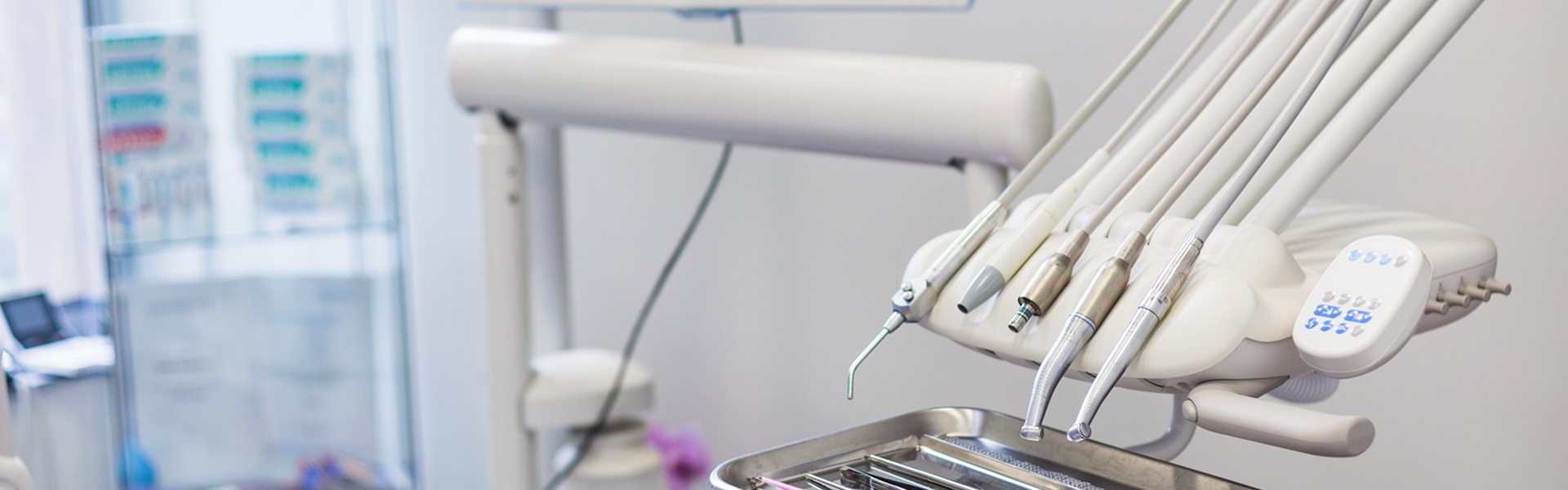
Cleaning Rotary Endodontic Instruments: Protocols

Rotary endodontic instruments are essential for root canal treatments, but their complex design makes cleaning and sterilisation challenging. Proper cleaning is critical to prevent infection and ensure reliable performance. Here’s a quick summary of the cleaning process:
- Initial Rinse and Brushing: Rinse under running water and scrub with a brush or sponge using a 0.2% chlorhexidine solution.
- Pre-Soaking: Submerge in enzymatic cleaner for 30 minutes to break down organic debris.
- Ultrasonic Cleaning: Use ultrasonic waves (40,000 Hz) for 15 minutes to remove debris from hard-to-reach areas.
- Rinsing and Drying: Rinse with demineralised water and dry thoroughly to prevent residue or corrosion.
- Inspection: Examine under 10×–20× magnification for debris or damage before sterilisation.
Sterilisation involves autoclaving at 121°C–134°C, ensuring compliance with Australian standards (AS 5369:2023). Instruments should be stored in sterilisation pouches and inspected before reuse. Combining manual and ultrasonic cleaning methods significantly reduces debris, improving safety and extending instrument lifespan.
How to clean and disinfect endodontic files and burs in dentistry @oralsurgerybynks
Common Cleaning Challenges for Rotary Instruments
Cleaning rotary endodontic instruments comes with its own set of challenges, which go beyond those faced with manual tools. The very features that make these instruments efficient during treatment also make them harder to clean thoroughly.
Complex Instrument Design
The intricate designs of rotary instruments, while essential for their functionality, often complicate the cleaning process. Take spiral flutes, for example. These grooves are crucial for removing debris during treatment but also act as traps for organic material and dentin particles. These particles settle into microscopic pockets, allowing biofilm to persist. Instruments with uniform flute angles and pitch are particularly prone to retaining cutting debris, especially in the coronal region [5].
When flute spaces are narrow or poorly dimensioned, they quickly get clogged with debris. This not only reduces the instrument’s cutting efficiency but also creates areas where contaminants can build up [1][5].
Additionally, wide radial lands increase friction during cutting, which leads to the formation of a smear layer on the instrument’s surface [5]. Instruments with neutral or negative rake angles tend to grind rather than cut, leaving behind even more dentin debris [5][1].
The taper design also plays a role in cleaning efficiency. For instance, the F360, with its constant 0.4% taper, holds more debris compared to instruments like the WaveOne Gold, which has a variable taper (0.7% in the apical, 0.6% in the middle, and 0.3% in the coronal third) [6].
These design features highlight why manual cleaning methods often struggle to achieve complete decontamination.
Manual Cleaning Limitations
Manual cleaning methods are not always up to the task of addressing the complex geometry of rotary instruments. While brushing and scrubbing can remove visible debris, they are less effective at tackling the microscopic organic films that cling to the instrument’s surface. Studies have shown that manual cleaning alone cannot fully remove debris or organic films from rotary NiTi instruments [3][4].
Tools like gauze and sponges are unable to reach into the deep flute patterns or microscopic irregularities of these instruments [4]. Even when extra care is taken – such as combining a scouring sponge with ultrasonic cleaning – about 2.6% of debris still remains on the instrument’s surface [3]. This leftover debris not only affects the instrument’s performance but also increases the risk of infection. Handling contaminated sharp instruments further raises occupational safety concerns, including the risk of needlestick injuries and exposure to infections [3][4].
Step-by-Step Cleaning Protocol for Rotary Endodontic Instruments
Cleaning rotary endodontic instruments effectively requires a methodical approach that combines mechanical, chemical, and ultrasonic techniques. Research highlights that integrating these methods provides the best results for removing debris from these intricate instruments [3]. Below is a detailed protocol designed to address the specific challenges posed by these tools.
Remove Visible Debris First
Start by rinsing the instruments under running water immediately after use to remove loose debris. Using proper PPE, scrub the instruments with a brush or scouring sponge, applying 10 strokes with a 0.2% chlorhexidine solution [2].
"Overall, these findings suggest that the mechanical action of manual brushing plays a crucial role in improving debris removal, thus confirming its importance as a pivotal step in disinfection and sterilisation protocols of endodontic instruments."
– Generali et al. [3]
Pay particular attention to the apical third of the instruments, as this area tends to accumulate the most debris. Once visible debris is removed, proceed to pre-soaking to address any remaining organic material.
Pre-Soaking Process
Submerge the instruments in an enzymatic cleaning solution for 30 minutes [2], ensuring they are fully immersed and separated from each other. Enzymatic cleaners are generally more effective than sodium hypochlorite, which can corrode ultrasonic devices. While hospital-grade disinfectants can be used as an alternative, enzymatic solutions are better suited for breaking down organic debris. After pre-soaking, ultrasonic cleaning will help dislodge contaminants from hard-to-reach areas.
Ultrasonic Cleaning Method
Ultrasonic cleaning uses high-frequency waves (around 40,000 Hz) to dislodge debris from the instrument surfaces [7][9]. Start by degassing the solution – run the ultrasonic device for 10–15 minutes without instruments [8][9][10]. Then, place the instruments in a basket or tray (never directly on the tank bottom) and submerge them in the ultrasonic bath for 15 minutes [2][3]. Separate instruments by metal type to avoid ion transfer, which can cause damage.
Use water below 40°C for cleaning instruments contaminated with blood, as higher temperatures can cause protein coagulation. If blood has dried on the instruments, a temperature closer to 60°C may be needed. Studies show that ultrasonic cleaning alone reduces debris to an average of 5.6%, while adding manual cleaning beforehand lowers residual debris to 2.6% [3]. Combining pre-soaking with ultrasonic cleaning has even been shown to leave rotary NiTi files free of stained debris under experimental conditions [2].
Proper Rinsing and Drying
After ultrasonic cleaning, rinse the instruments under tap water for 20 seconds, using demineralised or distilled water to prevent deposits [2]. Dry the instruments thoroughly with a lint-free cloth or allow them to air dry in a clean area. Pay close attention to complex shapes, ensuring no water remains trapped in crevices.
Post-Cleaning Inspection
Finally, inspect the instruments carefully to confirm they are free from debris and damage before sterilisation. Use 10×–20× magnification to examine the apical third for any residual debris, defects, or damage [3][12].
"FDA guidance states that the efficacy of cleaning should be validated via visual examination at x20 magnification in addition to quantitative assessment of at least 2 residual soils."
– US Food and Drug Administration [12]
Check for signs of deformation, fractures, or corrosion. Discard any instrument showing damage, as fractures during root canal therapy can compromise the procedure. Even new instruments may retain less than 1% residual manufacturing debris [3], so thorough inspection remains essential before use.
sbb-itb-2be92ed
Cleaning Method Comparison
Different cleaning methods come with their own set of strengths and drawbacks. Effective cleaning is not just about ensuring patient safety – it also plays a crucial role in extending the lifespan of medical instruments. Here’s a closer look at the pros and cons of each method.
Pros and Cons of Each Cleaning Method
Manual cleaning relies on mechanical action using tools like scouring sponges. When combined with enzymatic detergents, it can be highly effective at removing debris. For example, one study found that a nylon brush paired with enzymatic detergent achieved 100% debris-free spirals based on visual analysis [13]. However, this method does come with risks, such as increased handling of sharp instruments [15].
Ultrasonic cleaning uses high-frequency sound waves to create cavitation, which helps dislodge debris from intricate parts of instruments. It also reduces the need for direct handling. Research shows that ultrasonic cleaning significantly outperforms manual cleaning for K-type files when enzymatic detergents are not used [7]. That said, it can potentially damage delicate materials due to cavitational effects, although newer multi-frequency systems can help mitigate this issue [14].
Chemical immersion works by softening organic material, but it is not effective as a standalone method. For instance, using gauze with 70% alcohol left over 40% of debris [13].
Combining mechanical and ultrasonic cleaning can reduce residual debris to as little as 2.6% [3], though even this approach cannot guarantee complete debris removal.
"The ultrasonic cleaning method proved to be the most effective method for the removal of biologic waste when compared with the manual method using a nylon brush. However, there was no significant difference between these two methods when enzymatic detergent was used." – César F Cayo-Rojas et al. [7]
Reusing NiTi files after thorough cleaning offers a cost-effective alternative to single-use disposal, helping to lower the expenses associated with root canal treatments [17]. Typically, ultrasonic cleaning protocols involve a 30-minute pre-soak followed by 15 minutes of ultrasonic treatment [17].
These findings underscore why integrated cleaning protocols are considered the most reliable approach for maintaining rotary endodontic instruments in optimal condition.
Maintenance and Sterilisation After Cleaning
Once rotary instruments are cleaned, the next step is ensuring their safety and durability through proper maintenance and sterilisation. This involves thorough inspections, adherence to sterilisation protocols, and careful storage, all in line with Australian standards. These practices ensure that instruments remain reliable, even after repeated use.
Regular Wear Inspection
Inspecting rotary instruments before each use is critical for patient safety and effective treatment. According to the CICADA guidelines:
"Before each use, inspect endodontic files for any signs of damage, such as deformation or separation. Discard damaged files immediately to prevent instrument fracture during treatment." [18]
Signs of wear include deformation, fractures, fissures (microcracks), surface roughness, colour changes, or any unusual patterns. Any instrument showing these issues should be discarded immediately. It’s worth noting that nickel-titanium (NiTi) rotary files can sometimes fail without visible warning signs [20].
For a more detailed evaluation, advanced tools like digital image stacking systems can provide magnification up to 100×, allowing clinicians to spot microscopic damage. Research by Raúl Argüello-Sánchez and colleagues underscores the value of these methods:
"Unlike traditional visual inspections, which may miss these damages, our system offers a more objective and detailed assessment, allowing for more informed decision-making by the clinician." [19]
By catching potential issues early, thorough inspections help prevent damaged instruments from entering the sterilisation process.
Autoclave Sterilisation Process
Autoclaving is the preferred method for sterilising rotary endodontic instruments, whether they’re new or used. Even brand-new instruments are not always pre-sterilised and must be processed before their first use [22][25]. In Australia, practices must adhere to AS 5369:2023 standards, which classify rotary instruments as "critical devices" due to their use in penetrating mucosa and bone [21].
To ensure effective sterilisation, instruments should be placed in sterilisation pouches that allow steam penetration while maintaining sterility after the process. Chemical indicators – both inside and outside each package – confirm that the autoclave has reached the correct temperature, time, and steam penetration levels [26].
Proper loading of the autoclave is essential. Instruments should be spaced adequately to allow steam circulation, avoiding stacking or overlapping. Sterilisation pouches must not touch each other, the chamber walls, or steam vents [23][24].
| Autoclave Cycle Type | Purpose/Application | Features |
|---|---|---|
| Pre-vacuum Cycle | Hollow instruments (e.g., handpieces, syringes) | Removes air via vacuum for better steam penetration |
| Wrapped Cycle | Instruments in sterilisation pouches/packs | Ensures steam penetrates through packaging; longer cycle |
| Gentle (Delicate) Cycle | Heat-sensitive instruments (e.g., plastics) | Operates at lower temperatures to avoid damage |
Typically, autoclaves operate between 121°C and 134°C, with pressures of 15–30 psi (or 100–200 kPa). Sterilisation cycles generally last 15–30 minutes, depending on the load type [24]. Once sterilised, proper storage ensures instruments remain safe to use.
Storage and Compliance Requirements
Post-sterilisation storage plays a key role in maintaining both sterility and functionality. Instruments should remain sealed in sterilisation pouches until they’re ready to be used, reducing the risk of contamination [26].
Specialised storage solutions, such as endo boxes or cassettes, help keep instruments organised and protected. These containers are typically made from durable materials like medical-grade stainless steel, plastic, or silicone, which can endure repeated autoclaving without degrading [27].
Store instruments in a dry, temperature-controlled environment. Before use, inspect the packaging for any signs of moisture, tears, or damage. If compromised, items must be re-cleaned, repackaged, and resterilised [26].
Compliance can be managed through either date-based storage (using "first in, first out" principles) or event-based protocols, where items remain sterile until contamination occurs, such as from damaged packaging or sterilisation failure [26]. Clear labelling of compartments and instruments helps avoid mix-ups and ensures proper usage. By following these practices, sterility is preserved, contributing to successful and safe treatments.
Conclusion
Cleaning rotary endodontic instruments is a cornerstone of safe and effective dental care. Studies consistently highlight that thorough cleaning is the first and most crucial step in ensuring proper sterilisation of reusable dental tools [12][29]. Skipping or inadequately performing this step leaves even the most advanced sterilisation methods unable to guarantee patient safety.
Leftover debris – such as organic film, protein, and enamel-dentin – can interfere with sterilisation, increasing the risk of biological contamination [16][12][29]. This makes strict cleaning protocols, aligned with both international and Australian standards, absolutely essential.
"Hence, the cleaning process is a vital step in safe and effective instrument reprocessing." – ScienceDirect [12]
In Australia, practitioners are guided by clear regulations like the AS/NZS 4187:2003 standard, which mandates that instruments must be "clean to the naked eye (macroscopic) and free from any protein residues" before sterilisation [30][31]. These guidelines aim to balance practical outcomes with minimised risks.
As outlined in the cleaning steps earlier, thorough decontamination delivers benefits that go far beyond immediate patient safety. Proper cleaning and sterilisation maintain the mechanical integrity, cutting efficiency, and overall performance of instruments. This not only ensures safe reuse but also reduces the likelihood of premature instrument failure during procedures [28][11]. Additionally, reusing cleaned instruments helps lower operational costs when compared to disposable alternatives, while also reducing the risk of exposure to infectious agents during handling [28][32].
Beyond clinical advantages, adhering to rigorous cleaning protocols offers operational benefits. However, even with recommended practices, achieving complete cleanliness can be challenging. For example, a study found that private endodontic practices achieved an average cleanliness rate of just 87% [16]. Every step in the process – from initial debris removal to ultrasonic cleaning and final inspection – plays a critical role in the overall success of instrument reprocessing.
"Complete removal of organic debris from instruments is feasible using a combination of mechanical removal and chemical dissolution, but requires meticulous attention to details." – PubMed [16]
For Australian dental practices, success depends on combining proven cleaning methods with strict adherence to national standards. Minimising the time between instrument use and reprocessing reduces the risk of corrosion [12]. Regular inspections, proper autoclave use, and appropriate storage further ensure that rotary endodontic instruments remain reliable and effective tools for high-quality patient care.
FAQs
Why is it recommended to use both manual and ultrasonic cleaning for rotary endodontic instruments?
Using a mix of manual and ultrasonic cleaning for rotary endodontic instruments ensures a deeper and more efficient cleaning process. Manual cleaning tackles visible debris, while ultrasonic cleaning employs mechanical vibrations to reach those tricky spots, like curved or narrow sections of the instruments.
This dual approach lowers the chances of contamination, improves disinfection, and helps preserve the instruments’ condition. Keeping these tools clean is essential for safe and effective endodontic treatments, reducing infection risks and supporting the best possible outcomes for patients.
Why is it important to thoroughly clean rotary endodontic instruments before sterilisation?
Proper cleaning of rotary endodontic instruments is a critical step to ensure they are effectively sterilised. Without thorough cleaning, debris like tissue, blood, or other contaminants can linger on the instruments. These remnants can act as a shield, protecting harmful microorganisms from being eliminated during the sterilisation process.
This oversight can heighten the risk of cross-contamination and the spread of infections, including bacteria, viruses, and even prion diseases. Following strict cleaning protocols is essential for dental professionals to uphold high standards of patient safety and avoid potential health complications.
How does the design of rotary endodontic instruments impact their cleaning and care?
The design of rotary endodontic instruments significantly influences their cleaning and upkeep. Key features like taper, tip shape, and radial lands not only determine cutting performance but also play a role in how easily these tools can be maintained. For example, variable taper designs improve cleaning accuracy and help minimise procedural mistakes, while radial lands add stability to the blades, enhancing durability and reducing the chances of fractures.
The tip shape also matters when it comes to maintenance. Non-cutting tips, for instance, lower the risk of creating ledges or perforations during use, making the instruments safer and easier to clean. These design considerations are meticulously developed to boost performance, prolong the tools’ lifespan, and ensure reliable cleaning outcomes.
Related Blog Posts
- Orthodontic Sterilization Tools: Guide
- Common Causes of Sterilization Failures
- Australian Standards for Dental Tool Disinfection
- Sterilisation Monitoring: Australian Standards Explained
Important Notice: Any surgical or invasive procedure carries risks. Before proceeding, you should seek a second opinion from an appropriately qualified health practitioner.
Individual results may vary. The information provided in this article is for educational purposes only and does not constitute medical advice.
Checkout Related Blogs



Get in touch with us
For more information, call us now to start feeling better. Or fill the form below to make appointment
The Latest News from Complete Smiles
How to Clean Clear Plastic Retainers
Checklist for Choosing Wearable Dental Devices
Checklist for Choosing Cloud AI Platforms in Dentistry
Complete Smiles Bella VistaAccepts All Major Health Funds, Including