





Braces vs Veneers: Which Is Right for Your Smile?
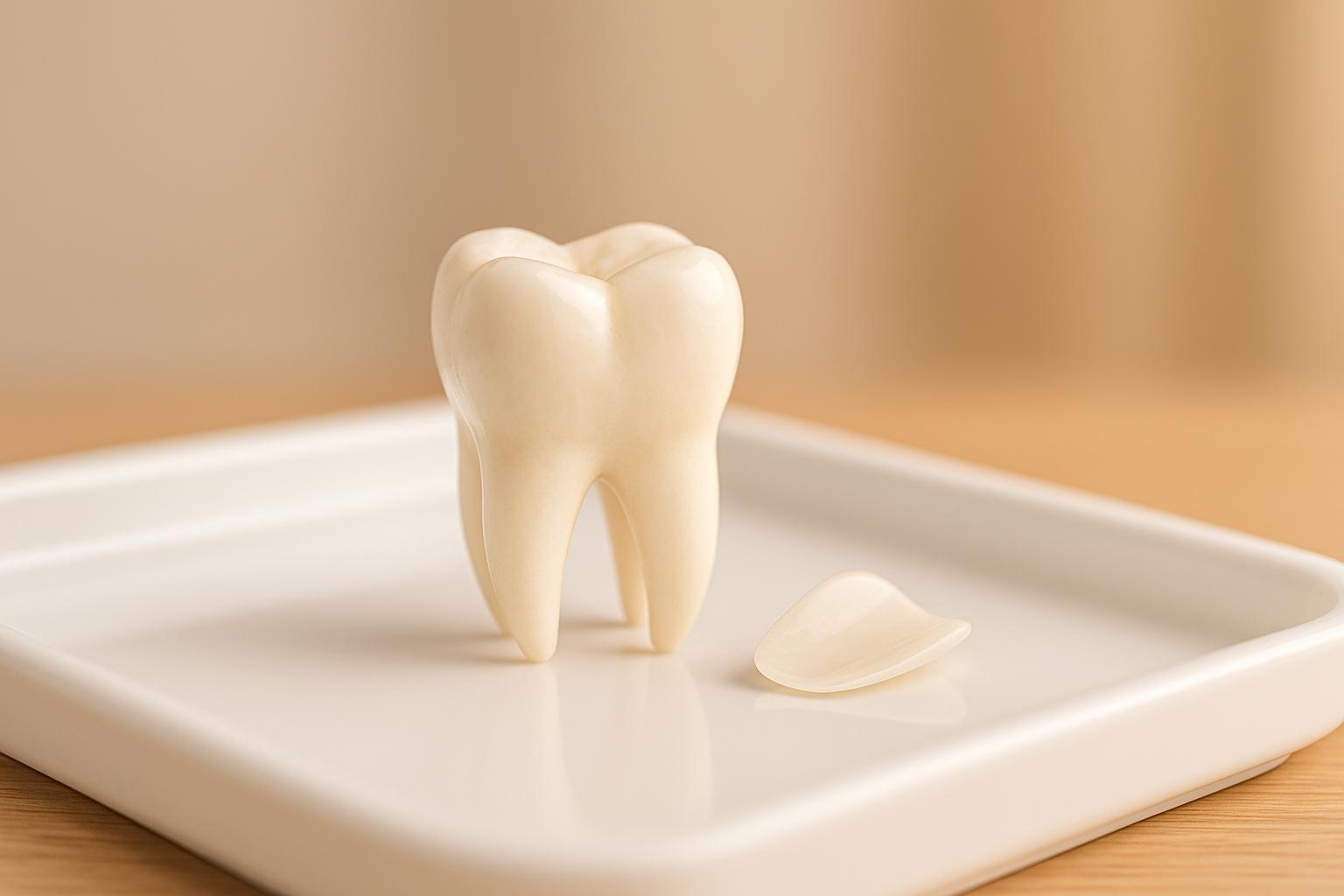
When you want to improve your smile, you face a choice: should you straighten your teeth with braces, or cover them with veneers? Both options can transform how you look. But they work in completely different ways. Understanding the differences helps you make the right decision for your situation.
What Are Braces?
Braces are devices that gradually move your teeth into better positions over time. They use brackets, wires and bands to apply gentle pressure to your teeth. This pressure slowly shifts them into alignment. Braces address the underlying structure of your bite and tooth position.
Braces have been used for decades and remain one of the most reliable ways to straighten teeth. Traditional metal braces are very durable and can handle complex tooth movements. Clear aligners offer a less visible option, using a series of custom-made plastic trays. Both types work by moving teeth through the bone, which is why they take time.
The treatment typically lasts from several months to a few years, depending on how much movement is needed. During this time, you’ll visit your dentist regularly for adjustments. Braces can fix nearly any alignment issue, including severe crowding or bite problems. Your dentist will create a treatment plan tailored to your specific needs and goals.
What Are Veneers?
Veneers are thin shells that cover the front surface of your teeth. They’re typically made from porcelain or composite resin materials. Contemporary Use of Polymers in Dentistry shows that composite materials offer durability and aesthetic appeal for cosmetic applications. Veneers hide cosmetic flaws like discoloration, chips, or slight misalignment.
Unlike braces, veneers don’t move your teeth. They simply cover the visible part of your tooth. This means they work best for surface-level appearance issues. Veneers can make teeth look whiter, larger or more evenly shaped. Our porcelain veneers service provides custom solutions for smile enhancement.
Getting veneers typically takes just a few appointments. Your dentist prepares your tooth surface, takes impressions, and fits the veneer shells. The results are immediate, unlike braces which require months or years. Veneers are a popular cosmetic dentistry treatment for people seeking quick aesthetic improvements.
The Main Differences
Braces move teeth; veneers cover them. This fundamental difference shapes everything about how each option works. Braces fix your bite and tooth alignment from the inside out. Veneers improve appearance without changing tooth position.
Braces take longer but address structural problems. Veneers offer faster results for cosmetic concerns. Braces work on any tooth alignment issue. Veneers work best for minor cosmetic flaws on front teeth.
Braces are visible during treatment, though clear options exist. Veneers are visible after treatment as part of your smile. Braces require ongoing maintenance and adjustments. Veneers require careful cleaning and occasional replacement.
The cost differs significantly between the two options. Braces generally cost less than veneers overall. However, braces take much longer, so the total time investment is greater. Veneers cost more upfront but deliver results quickly. Understanding these trade-offs helps you choose based on your priorities and circumstances.
When Braces Are the Right Choice
Braces are ideal when your teeth are crowded, spaced too far apart, or misaligned. If your bite is incorrect, braces can fix it. Braces work for underbites, overbites and crossbites. They’re the only option that truly corrects these structural issues.
Consider braces if you want a permanent solution that doesn’t require replacement. Once your teeth are straight, they stay that way with proper care. Braces are also better for young people whose jaws are still developing. Clear aligners have shown effectiveness in managing various alignment issues, offering modern alternatives to traditional braces.
Braces suit people willing to commit to a longer treatment timeline. If you have complex dental issues, braces offer reliable results. They’re also more affordable when considering the full scope of treatment. Many people appreciate that braces require no daily removal or special care routines. Your teeth will be permanently repositioned, which means no ongoing replacement costs like you’d face with veneers.
When Veneers Are the Right Choice
Veneers work well when your teeth are already fairly straight but have cosmetic issues. If you have discoloured, chipped or worn teeth, veneers hide these problems beautifully. Veneers suit people wanting quick results without lengthy treatment. They’re perfect if you’re happy with your bite but want to improve how your teeth look.
Consider veneers if you want to improve your smile’s appearance without changing tooth position. They’re excellent for closing small gaps between teeth. Veneers can make your teeth look whiter, larger or more symmetrical. Knowledge and Attitude Toward Esthetic Dentistry and Smile Perception indicates that cosmetic improvements significantly influence smile satisfaction.
Veneers are ideal for adults with healthy teeth who want a fast transformation. They work best on front teeth where appearance matters most. If you prefer not to wear visible appliances during treatment, veneers are instant. Veneers suit people comfortable with the maintenance requirements of porcelain shells. They’re also appropriate for people with minor spacing issues who don’t want years of orthodontic treatment.
Cost Comparison
Braces typically cost less per month than veneers, but take much longer. Traditional metal braces might cost less overall than clear aligners. Veneers cost more upfront but require only a few appointments. The total expense depends on how many teeth need treatment and your specific situation.
Many dental practices offer payment plans to make either option more affordable. Spreading costs over time helps people access the treatment they prefer. Insurance sometimes covers braces but rarely covers veneers. Check your coverage before deciding based on cost alone.
Consider the long-term costs of each option carefully. Braces are a one-time investment that lasts permanently. Veneers may need replacement after ten to fifteen years. Over a lifetime, braces might prove more economical. However, veneers deliver immediate results worth the investment for some people. Think about whether you value quick transformation over long-term cost savings.
Treatment Timeline
Braces typically require twelve to thirty-six months of treatment. The exact duration depends on how much tooth movement is needed. During this time, you’ll visit your dentist monthly for adjustments. Regular visits ensure your braces work effectively and progress stays on track.
Veneers can be completed in just two to three appointments. Your first visit involves preparation and impression taking. Your second visit may include temporary veneers while permanent ones are made. Your final visit involves fitting and bonding the permanent veneers. Some patients see their finished smile within weeks rather than months.
The speed of veneers appeals to people wanting immediate results. Braces require patience but deliver permanent structural changes. If you’re preparing for an important event, veneers offer a faster solution. If you want lasting tooth alignment, braces provide better long-term outcomes. Your timeline preference should influence your decision significantly.
Maintenance and Care
Braces require careful daily cleaning around brackets and wires. You’ll need a special floss threader to clean between teeth properly. Certain foods must be avoided to prevent damage to your braces. Regular dental visits ensure your treatment progresses correctly and brackets stay secure.
Veneers need gentle care to maintain their appearance and longevity. Avoid biting on hard objects or using your teeth as tools. Brush gently and use a soft toothbrush to protect the veneer surface. Regular dental check-ups help catch any issues early. You should also avoid staining foods and drinks if you have composite veneers.
Both options benefit from excellent general and preventive dental care. Maintaining good oral hygiene protects your investment in either treatment. With braces, you’re protecting your newly aligned teeth. With veneers, you’re protecting the underlying tooth and the veneer shell. Your commitment to care directly affects how long your results last.
Durability and Longevity
Braces deliver permanent results once treatment is complete. Your teeth stay straight as long as you wear a retainer. Retainers are simple devices that prevent teeth from shifting back. Most people wear retainers nightly for life to maintain their results.
Veneers typically last ten to fifteen years before needing replacement. The lifespan depends on the material and how well you care for them. Porcelain veneers last longer than composite veneers. Composite veneers may stain or chip more easily over time. Your eating habits and oral care routine significantly influence veneer longevity.
Braces offer a lifetime solution with minimal ongoing cost. Veneers require periodic replacement, adding to long-term expenses. However, veneers can be replaced or updated to match your changing preferences. Some people view this flexibility as an advantage over permanent braces results. You can refresh your smile’s appearance without starting orthodontic treatment again.
Comfort and Lifestyle Impact
Braces can feel uncomfortable initially as your teeth adjust to pressure. Most people adapt within a few days to a week. Eating becomes easier as you learn what foods to avoid. Speaking may feel slightly different at first but normalises quickly. Your mouth will adjust to the new hardware over time.
Veneers feel natural once you adjust to them. They don’t require any dietary restrictions or special eating techniques. You can eat whatever you want without worrying about damaging your veneers. Veneers don’t affect your speech or require any lifestyle changes. Most people forget they’re wearing veneers after the adjustment period.
Both options are compatible with sports, exercise and normal activities. With braces, you might choose a mouthguard for contact sports. Veneers require no special protection during physical activity. Either option allows you to maintain your regular lifestyle. Your choice shouldn’t limit your daily activities or hobbies.
Combination Treatments
Some patients benefit from combining braces and veneers for optimal results. You might use braces first to align your teeth structurally. Then veneers can enhance the appearance of your newly aligned teeth. This approach addresses both alignment and aesthetics comprehensively.
Combining treatments makes sense when you have both structural and cosmetic concerns. Braces fix your bite and tooth position. Veneers then cover any remaining discoloration or shape issues. This two-step approach delivers superior results for complex cases. Your dentist can recommend whether combination treatment suits your situation.
Making Your Decision
Start by considering what you want to improve about your smile. Do you want to straighten misaligned teeth or improve cosmetic appearance? Braces address alignment; veneers address appearance. Your primary concern guides your choice. Think honestly about your smile goals and priorities.
Think about your timeline and how quickly you need results. Veneers deliver immediate transformation. Braces require months or years of gradual change. Consider how important speed is to your decision. If you have an upcoming event, veneers may suit you better.
Evaluate your budget and whether you prefer lower monthly costs or faster completion. Think about maintenance requirements and whether you’re comfortable with them. Consider your age and whether your teeth are still developing. Consult with a dental professional to discuss your specific situation. They can assess your teeth and recommend the most suitable option. Some people benefit from combining treatments: braces first for alignment, then veneers for appearance. Book an appointment to explore your options with a qualified dentist at Complete Smiles Bella Vista.
Comparison Table
| Option | Best for | Typical cost |
|---|---|---|
| Braces | Misaligned teeth, bite problems, complex cases | Lower monthly cost, higher total time |
| Veneers | Cosmetic flaws, discolouration, minor gaps | Higher upfront cost, quick results |
Ready to Book Your Visit?
Complete Smiles Bella Vista makes it easy to get the care you need. Book online or call our friendly team to find a time that suits you. Book an Appointment
FAQ
How long do braces take?
Braces typically take twelve to thirty-six months depending on your specific needs. The exact duration depends on how much your teeth need to move and how well you follow care instructions.
Can veneers fix crooked teeth?
Veneers can hide mild crookedness by making teeth look straighter. But they don’t actually move teeth. For significant misalignment, braces are the better choice.
What causes discomfort with braces?
Braces apply gentle pressure that may feel uncomfortable initially as your teeth adjust. Most people adapt within days. Regular adjustment appointments may cause temporary sensitivity as the wire tension increases.
How long do veneers last?
Porcelain veneers typically last ten to fifteen years with proper care. Composite veneers may need replacement sooner depending on use and maintenance.
Can I get veneers instead of braces?
You can get veneers if your teeth are only slightly misaligned and you’re satisfied with your bite. However, veneers don’t fix bite problems or severe crowding.
Which option is more affordable?
Braces generally cost less overall, though veneers complete faster. Payment plans make both options accessible for most people.
Related reading
- 5 Essential Tips for Maintaining Porcelain Veneers
- Ultimate Guide to Veneer Aftercare
- Research: Porcelain Veneers Durability
- Types of Braces and Their Costs Explained
- How Metal Braces Work: A Simple Guide
Important Notice: Any surgical or invasive procedure carries risks. Before proceeding, you should seek a second opinion from an appropriately qualified health practitioner.
Individual results may vary. The information provided in this article is for educational purposes only and does not constitute medical advice.
Checkout Related Blogs



Get in touch with us
For more information, call us now to start feeling better. Or fill the form below to make appointment
The Latest News from Complete Smiles
Braces vs Veneers: Which Is Right for Your Smile?
Veneers vs Caps: Which is Right for Your Smile?
Dentures Cost Australia | Complete Smiles Bella Vista

Complete Smiles Bella VistaAccepts All Major Health Funds, Including