





AI-Powered Orthodontics: Cost vs. Efficiency
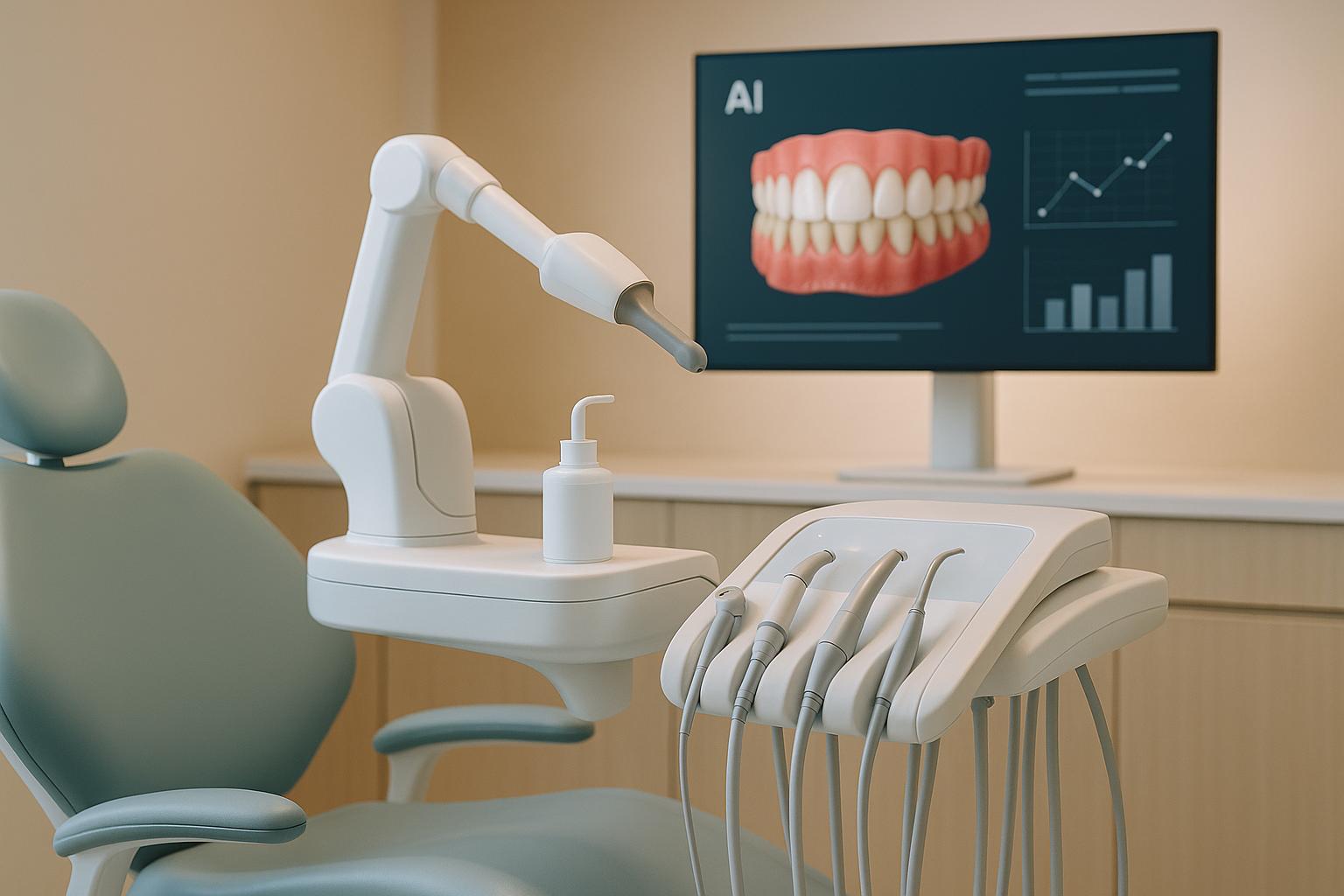
AI is transforming orthodontics in Australia by speeding up workflows, improving precision, and reducing treatment times. While traditional methods rely on manual processes and frequent visits, AI-powered systems use advanced 3D imaging and machine learning to create personalised plans, cutting analysis time by up to 80 times.
Key Takeaways:
- Cost: AI systems require higher upfront investment but can save patients thousands by reducing unnecessary treatments and visits. Traditional methods have predictable costs but may involve longer durations and more appointments.
- Efficiency: AI reduces treatment times (6–18 months vs. 18–24 months) and automates tasks, freeing up clinicians. Traditional methods demand more labour and time.
- Patient Outcomes: AI offers more predictable results and enhanced convenience, while manual methods remain reliable for complex cases.
Quick Comparison:
| Aspect | AI-Powered Orthodontics | Traditional Methods |
|---|---|---|
| Treatment Duration | 6–18 months | 18–24 months |
| Appointments | Fewer visits | 10–20 visits |
| Upfront Costs | Higher | Lower |
| Patient Experience | More comfort, remote monitoring | In-person, potential discomfort |
| Best For | Efficiency, simpler cases | Complex dental issues |
AI offers faster, more tailored care, but traditional methods remain essential for complex treatments. Practices like Complete Smiles Bella Vista in Australia demonstrate how blending both approaches can deliver effective results.
Advances in Digital Orthodontics: AI-driven Orthodontics by Dr Vandana Katyal
1. AI-Powered Orthodontic Systems
Orthodontic practices across Australia are embracing AI to enhance the precision and efficiency of dental care. These cutting-edge systems use machine learning algorithms and advanced 3D imaging to create highly accurate treatment plans, streamlining processes and reducing the resources required.
Cost
While the initial investment in AI-powered orthodontic systems might seem high, the financial benefits quickly outweigh these costs. AI-driven treatment planning can minimise the number of aligners or braces needed, cutting down both material and labour expenses. Take Smile Wien, for instance. By using Virtual Patient AI to assess a 16-year-old patient with 2 mm of crowding and no skeletal issues, the clinic opted for ClearCorrect aligners over a premium brand, saving AUD $2,500 [3]. AI also helps identify dental issues early, enabling less invasive and more cost-effective treatments [1]. Additionally, fewer in-person visits mean reduced expenses, making orthodontic care more accessible for Australians [6]. These savings contribute to smoother workflows and improved affordability.
Efficiency
AI doesn’t just save money – it saves time too. Studies reveal that AI can reduce analysis time by up to 80 times [2], and AI-assisted scanning slashes measurement time by over 60% [6]. By automating routine diagnostic tasks, these systems free up clinicians and staff to concentrate on patient care. The result? Shorter appointments, fewer patient visits, and a more streamlined workflow that benefits both practitioners and patients.
Clinical Outcomes
AI-powered systems are also transforming clinical results. By precisely optimising the forces applied by orthodontic appliances, these systems ensure teeth move as planned. Real-time monitoring allows for timely adjustments if treatment progress slows. Research shows that AI-based 3D modelling outperforms traditional plaster models in accuracy and efficiency, reducing the chances of treatment revisions and boosting success rates [2].
Patient Experience
AI integration significantly improves the patient experience. With AI-generated 3D models, patients can see a visual representation of their expected results before treatment even starts, which boosts motivation and compliance. Shorter treatment times, fewer appointments, and the ability to monitor progress remotely add to the convenience. Personalised treatment plans and custom-fitted appliances further ensure that care is tailored to each individual’s needs. Clinics like Complete Smiles Bella Vista, known for their advanced orthodontic treatments and personalised care, exemplify how AI-powered systems align with a commitment to delivering patient-centred dental solutions to communities in Australia.
2. Standard Orthodontic Methods
In Australia, traditional orthodontic techniques have been the backbone of dental care for years. These approaches rely heavily on the skill and expertise of clinicians, involving manual diagnostic evaluations, treatment planning, and adjustments to appliances. While these methods remain essential for addressing dental and skeletal issues, they differ significantly from AI-powered systems in terms of cost and efficiency.
Cost
Orthodontic treatments using conventional methods come with well-defined price ranges, which vary depending on the complexity of the case and the type of appliance chosen. Here’s a general breakdown of costs in Australia:
- Metal braces: AUD $6,000 to $9,000
- Ceramic braces: AUD $6,500 to $10,000
- Clear aligners (e.g., Invisalign): AUD $6,500 to $9,500
- Lingual braces: AUD $9,000 to $15,000
These costs typically include initial consultations, adjustment appointments (every 4–8 weeks), and retainers after treatment. The hands-on nature of these treatments, combined with frequent visits, contributes to the overall expense. Each appointment requires significant involvement from orthodontists and their support teams, adding to the operational costs.
Efficiency
Traditional orthodontics also demands a considerable time commitment. Treatments generally last 18 to 24 months, with patients attending 10–20 appointments for adjustments and monitoring. These visits, spaced every 4–8 weeks, are essential to ensure progress and make necessary modifications.
The process is labour-intensive, as it involves manual analysis of dental impressions, detailed treatment planning, and precise appliance adjustments. This reliance on human expertise not only increases the workload for clinical staff but also impacts operational efficiency when compared to more automated systems.
Clinical Outcomes
Despite the time and effort required, traditional orthodontic methods are highly effective, particularly for complex cases. They are often regarded as the gold standard for addressing severe crowding, bite issues, and intricate skeletal problems. Fixed braces, in particular, are known for delivering predictable and stable results, provided patients adhere to post-treatment retention protocols.
A case in point is Complete Smiles Bella Vista, which has successfully treated over 80 specialist cases in the past five years. Their focus on improving patients’ dental health, comfort, and appearance highlights the reliability of conventional techniques, especially for correcting crooked, misaligned, or misplaced teeth.
Patient Experience
The hands-on, in-person nature of traditional orthodontics shapes the overall patient experience. While patients benefit from direct care and expertise, the process does have its challenges. Many report discomfort after adjustments, as braces or aligners exert pressure to move teeth. Fixed appliances can also irritate the cheeks and gums, and dietary restrictions are often necessary during treatment.
Frequent visits can be inconvenient for those with busy schedules, and unlike newer technologies, traditional methods don’t always provide a clear visualisation of the final results early on. However, follow-up care remains an integral part of the process. After treatment, patients typically wear retainers and attend check-ups at intervals of 3, 6, and 12 months to ensure stability and long-term success.
sbb-itb-2be92ed
Advantages and Disadvantages
When weighing up AI-powered orthodontics against traditional methods, it’s clear both have their own set of pros and cons, particularly when it comes to cost, efficiency, and patient outcomes. These distinctions are key to helping both practices and patients make well-informed choices about orthodontic care.
AI-powered systems shine in terms of speed and accuracy. These technologies can drastically cut down analysis time[2], freeing up clinicians to focus on more complex cases. By automating diagnostics and treatment planning, AI also reduces the administrative burden on staff[1][4].
For patients, AI brings a more tailored experience. Personalised treatment plans, real-time progress updates, and greater clarity about procedures all contribute to higher satisfaction and better adherence to treatment[1][2].
However, the technology isn’t without its downsides. The upfront costs for software, hardware, and training can be steep[5]. On top of that, ongoing licensing and maintenance fees might offset the savings AI promises in the long run. There’s also the issue of data security, as practices must invest in robust privacy measures. Another concern is the potential over-reliance on automation, which could lead to a decline in clinicians’ hands-on diagnostic skills[2][4].
Traditional orthodontic methods, on the other hand, come with predictable costs and a long-standing reputation for reliability. These methods are often seen as the go-to choice for complex cases, such as severe crowding or intricate skeletal issues, where nuanced clinical judgement is critical. The hands-on nature of traditional orthodontics allows for immediate care and adjustments, ensuring orthodontists retain full control over treatment decisions.
That said, traditional methods tend to require longer treatment durations and more frequent appointments. They’re also more labour-intensive, which can drive up operational costs and, in some cases, lead to increased patient discomfort during manual adjustments.
| Aspect | AI-Powered Orthodontics | Traditional Orthodontic Methods |
|---|---|---|
| Treatment Duration | 6–18 months | 18–24 months |
| Number of Appointments | Fewer visits required | 10–20 appointments |
| Analysis Time | 80 times faster than manual methods | Labour-intensive manual analysis |
| Upfront Costs | Higher due to technology investment | Lower, more predictable expenses |
| Patient Experience | Enhanced transparency and comfort | Traditional care with potentially more discomfort |
| Clinical Outcomes | Highly predictable, data-driven results | Proven reliability for complex cases |
| Staff Efficiency | Automated routine tasks | Manual treatment planning and adjustments |
| Ongoing Costs | Software licensing and updates | Standard operational expenses |
This table highlights the key differences between the two approaches.
Ultimately, the decision between AI-powered and traditional orthodontics comes down to individual needs – case complexity, the resources available at the practice, and patient preferences all play a role. While AI systems excel in efficiency and improving patient experience, traditional methods remain indispensable for cases requiring detailed clinical judgement. Some Australian practices, like Complete Smiles Bella Vista (https://completesmilesbv.com.au), have adopted a hybrid approach, blending the strengths of both systems to deliver balanced, effective care.
Conclusion
As highlighted in the comparisons above, AI-powered orthodontics provides a strong return on investment for Australian practices, even with its higher initial costs. By balancing costs with efficiency, this technology delivers long-term financial benefits through shorter treatment times and simplified workflows, as discussed throughout this analysis[2].
AI systems take on routine diagnostic tasks, freeing up staff to focus on more complex care. This shift allows clinicians to prioritise patient-centred treatments, which is especially important in Australia, where high labour costs significantly impact operational expenses[1][4]. These efficiency improvements not only streamline operations but also enhance patient care.
For patients, AI-driven orthodontics means more comfortable and predictable treatments with fewer appointments. The ability to create personalised treatment plans and monitor progress in real-time improves satisfaction and encourages better adherence to treatment plans[1][2]. As shown in the earlier case study, these systems can reduce costs and help avoid complications during treatment[3].
Australian practices like Complete Smiles Bella Vista illustrate how adopting advanced technologies can elevate clinical outcomes and patient satisfaction. Their expertise in procedures like Invisalign, combined with a focus on personalised care, showcases the potential of AI-driven systems to transform orthodontic care.
FAQs
How does AI enhance the precision and efficiency of orthodontic treatments compared to traditional approaches?
AI is reshaping orthodontics by making procedures more efficient and enhancing treatment results. With its ability to process vast datasets and generate precise 3D models, AI supports the creation of customised treatment plans that perfectly match each patient’s unique dental structure. This accuracy minimises the need for manual tweaks, saving time and boosting overall efficiency.
For orthodontic practices, AI helps allocate resources more effectively and cuts down on human errors, leading to more consistent outcomes. Patients, in turn, enjoy shorter treatment durations and a more comfortable overall experience, highlighting AI’s growing importance in modern orthodontic care.
How can AI-powered orthodontic treatments impact costs and efficiency for patients and clinics?
AI-powered orthodontics is reshaping the way treatments are managed, offering a more efficient and streamlined approach. With advanced algorithms at its core, AI can craft highly precise treatment plans, cutting down on the need for manual adjustments. This not only improves accuracy but also reduces the number of clinic visits and shortens treatment timelines. For patients, this could mean noticeable savings over time.
From the clinic’s perspective, AI helps optimise resource use and improve workflow, which can keep operational costs in check. While the initial investment in AI technology might be steep, the combination of reduced costs and better patient outcomes often makes it a worthwhile choice in the long run.
When might traditional orthodontic methods be a better choice than AI-powered systems?
Traditional orthodontic techniques still hold their ground in situations where a more tailored and hands-on approach is essential. Take complex cases, for instance – those that demand highly specific treatment plans or ongoing adjustments. In such scenarios, the expertise and nuanced judgement of an experienced orthodontist can often provide a level of care that goes beyond what AI-driven systems can offer.
There’s also the matter of personal preference. Some patients feel more at ease with a traditional approach, especially if they’re hesitant about embracing advanced technologies. While AI brings efficiency and precision to the table, there are times when human insight and adaptability are indispensable for achieving the best results, especially when treatments need to be closely aligned with an individual’s unique requirements.
Related Blog Posts
- Benefits of AI in Orthodontic Progress Tracking
- AI in Orthodontics: Diagnosis and Treatment Planning
- How AI Predicts Orthodontic Treatment Outcomes
- 5 Ways AI Shortens Orthodontic Treatment Time
Important Notice: Any surgical or invasive procedure carries risks. Before proceeding, you should seek a second opinion from an appropriately qualified health practitioner.
Individual results may vary. The information provided in this article is for educational purposes only and does not constitute medical advice.
Checkout Related Blogs




Get in touch with us
For more information, call us now to start feeling better. Or fill the form below to make appointment
The Latest News from Complete Smiles
How to Clean Clear Plastic Retainers
Checklist for Choosing Wearable Dental Devices
Checklist for Choosing Cloud AI Platforms in Dentistry

Complete Smiles Bella VistaAccepts All Major Health Funds, Including





