





How Hybrid Coatings Improve Osseointegration
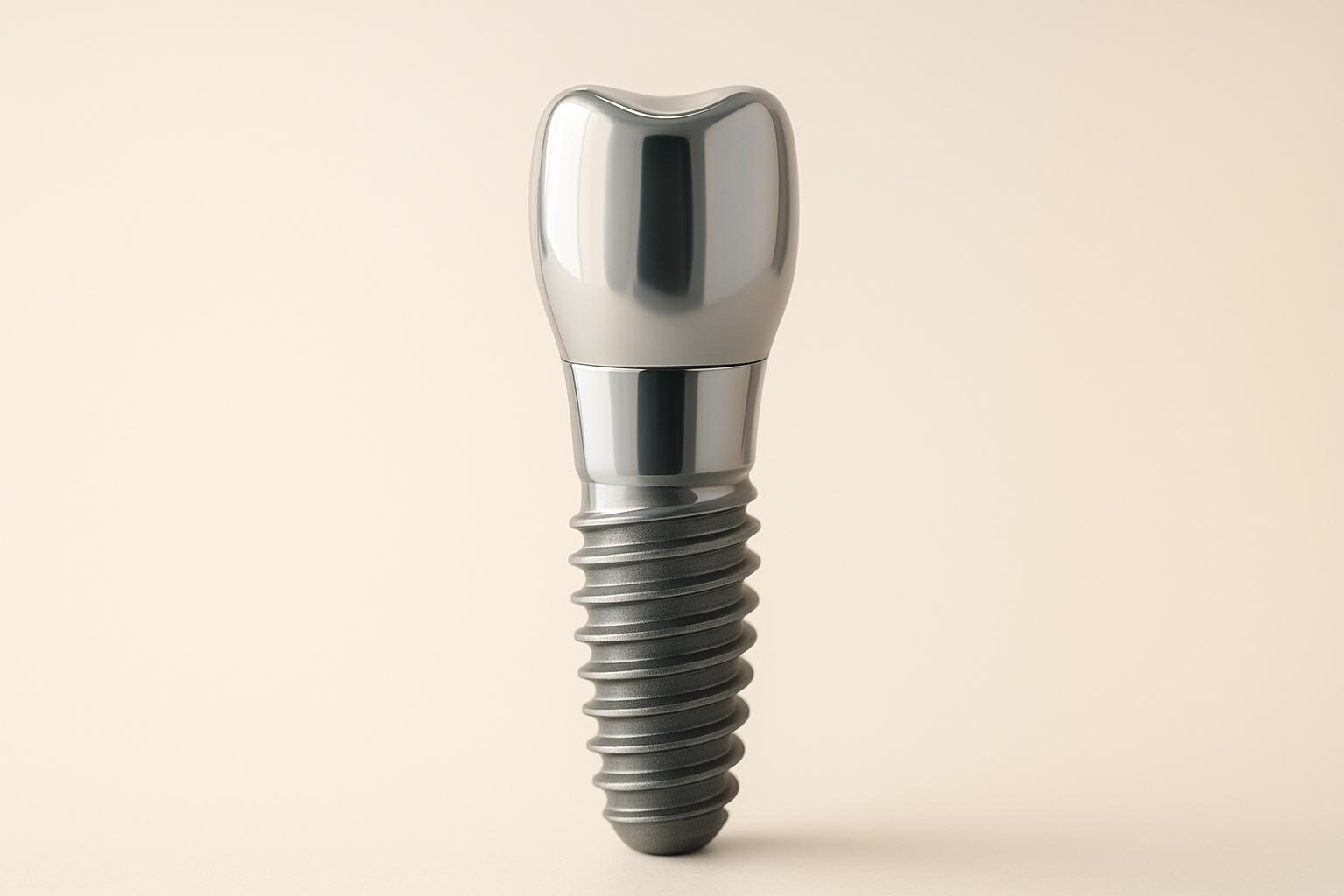
Hybrid coatings are changing dental implants by improving how implants bond with bone. By combining materials like bioactive ceramics and titanium compounds, these coatings offer stronger, more stable implants while supporting faster healing. They also reduce risks like inflammation and infection, making implants safer and more effective.
Here’s why hybrid coatings matter:
- Better bonding: They enhance osseointegration, the process where bone connects with the implant.
- Durability: Materials like titanium add strength and resist wear.
- Faster healing: Bioactive components encourage bone growth.
- Lower risk of complications: Antimicrobial elements help prevent infections like peri-implantitis.
Hybrid coatings are tailored for patient needs, whether it’s for younger individuals with strong healing potential or older patients requiring extra support. These coatings are applied using advanced methods like plasma spraying for precision. For clinicians, understanding these coatings ensures better implant success and outcomes for patients.
Dr.Daniel Buser explains why implants with hybrid design surfaces reduce peri-implantitis incidence.
Science Behind Hybrid Coatings for Osseointegration
To grasp how hybrid coatings support osseointegration, it’s important to understand how combining specific materials can create surfaces that encourage bone integration. This method highlights the benefits of blending materials to improve the performance of dental implants.
Material Combinations in Hybrid Coatings
Hybrid coatings are crafted by merging materials that balance each other’s strengths and offset potential weaknesses. For example, hydroxyapatite, a compound naturally found in bone, boosts biocompatibility, while titanium dioxide adds durability and resists corrosion. Together, they create a surface that’s both strong and bioactive.
Other materials, like bioactive glass, release calcium and phosphate ions, which aid in bone mineralisation. Meanwhile, elements such as collagen and carriers for growth factors act as scaffolds, delivering signals that encourage bone growth in a controlled manner.
The proportions and arrangement of these materials are carefully adjusted to achieve the right mix of mechanical strength and bioactivity. These custom combinations are tailored to meet the unique needs of different clinical scenarios and patients, forming the basis for multiple mechanisms that drive successful bone integration.
How Hybrid Coatings Improve Bone Integration
By leveraging these material combinations, hybrid coatings enhance osseointegration through a range of interconnected processes.
- Surface texture: Micron-scale irregularities encourage mechanical interlocking between the implant and bone.
- Ion release: Controlled release of ions from the coating activates osteoblasts, the cells responsible for bone formation, and supports the deposition of bone matrix.
- Cell adhesion: Enhanced protein adsorption and multiple attachment points speed up initial cell adhesion, paving the way for quicker and stronger bone growth.
- Degradation and replacement: Gradual coating breakdown allows new bone tissue to naturally replace it over time.
- Stress management: Carefully designed mechanical properties minimise stress at the bone–implant interface, reducing the risk of implant failure.
- Inflammation control: By guiding the immune response towards healing, these coatings help prevent chronic inflammation, further supporting recovery.
These interconnected mechanisms work together to improve long-term stability, making hybrid coatings an increasingly valuable tool in dental implant technology.
Benefits of Hybrid Coatings in Dental Implants
Hybrid coatings bring a range of practical benefits to dental implants, thanks to their unique physicochemical properties. These coatings enhance implant performance and long-term stability, addressing some of the key challenges faced in implant dentistry. This, in turn, can lead to better clinical outcomes for patients.
Improved Mechanical Stability
One standout benefit of hybrid coatings is their ability to boost implant stability. By incorporating microtextured designs, these coatings increase the surface area for bone attachment. This microtexturing promotes a stronger mechanical interlock between the implant and the surrounding bone tissue. Additionally, the enhanced load distribution provided by these coatings helps evenly spread forces across the implant, reducing concentrated stress and improving overall durability.
Accelerated and Stronger Osseointegration
The bioactive nature of hybrid coatings plays a critical role in speeding up and strengthening osseointegration – the process where the implant bonds with the surrounding bone. These coatings improve protein adsorption, which accelerates cell attachment and promotes faster healing. Sustained ion release creates a bone-friendly environment, while improved vascularisation ensures a steady flow of nutrients, aiding continuous bone remodelling. Together, these factors contribute to a more robust biological interface, reducing the likelihood of post-operative complications.
Reduced Risk of Peri-implantitis
Hybrid coatings also help lower the risk of peri-implantitis, an inflammatory condition affecting the tissues around dental implants. By incorporating antimicrobial elements, such as silver nanoparticles or zinc oxide, these coatings provide ongoing protection against infections without compromising biocompatibility. Some designs even feature a smooth coronal surface transitioning to a rough, bioactive apical surface, which discourages bacterial adhesion while supporting osseointegration. Additionally, hybrid coatings may help modulate the immune response, promoting a healing-focused inflammatory process and minimising the risk of chronic inflammation around the implant.
These combined benefits make hybrid coatings a valuable advancement in dental implant technology, offering both mechanical and biological improvements that enhance patient outcomes.
sbb-itb-2be92ed
Clinical Applications and Considerations
To make the most of the bioactive and mechanical advantages of hybrid coatings, clinicians need to make thoughtful choices tailored to each patient and procedure. Knowing when and how to apply these advanced coatings can significantly influence treatment success.
Choosing the Right Hybrid Coating
Selecting the appropriate coating starts with assessing the patient’s bone quality. For softer, trabecular (Type IV) bone, coatings enhanced with bioactive properties are ideal. On the other hand, denser cortical bone benefits more from coatings designed with added texture for mechanical stability.
Patient age and healing potential also play a role. Younger patients, who typically have a stronger healing response, may respond well to standard hybrid coatings. However, older patients or those with conditions like diabetes or osteoporosis might need specialised formulations that promote faster and more effective bone integration.
The implant’s location is another key consideration. For anterior implants, where aesthetics and soft tissue integration are priorities, the coating approach may differ from posterior implants, which face higher functional loads and require coatings focused on mechanical strength.
Smoking status further complicates the picture. Smokers are at a higher risk of delayed healing and post-operative complications. In such cases, coatings with antimicrobial properties may help reduce the risk of infection and improve overall outcomes.
Procedure and Application Methods
Once the right coating is selected, understanding its application process is essential for clinical success.
Hybrid coatings are typically applied during the manufacturing stage using advanced techniques like plasma spraying, sol–gel processing, or electrochemical deposition. These methods ensure the coating is evenly distributed and precisely controlled for optimal performance.
Before applying the coating, thorough surface preparation is crucial. This involves cleaning, acid etching, or sandblasting to create a suitable base. Proper sterilisation protocols are equally important to maintain the coating’s integrity. Manufacturers conduct adhesion tests and surface analyses to ensure quality, with some coatings requiring special packaging to preserve their bioactivity.
While dental practices usually receive implants with pre-applied coatings, it’s beneficial for clinicians to understand these manufacturing processes. This knowledge can guide more informed decisions when selecting implants, ensuring the coating technology aligns with the specific needs of the patient and procedure.
Conclusion: Advancing Dental Implant Technology with Hybrid Coatings
Hybrid coatings are transforming the field of dental implants by combining mechanical strength with bioactive properties to enhance osseointegration.
The dual benefits of these coatings are clear: they offer immediate mechanical stability while encouraging biological integration, creating the ideal conditions for long-term implant success. This means shorter healing times, stronger implants, and a reduced risk of complications like peri-implantitis. For patients, this translates to better outcomes and a smoother recovery process. For dental practitioners, it means improved predictability and success across a wide range of cases.
By understanding how different material combinations and manufacturing techniques like plasma spraying or sol-gel methods affect performance, clinicians can make more informed choices when selecting implants. These insights are critical to tailoring treatments to meet individual patient needs.
Emerging advancements in hybrid coatings are taking things even further. The incorporation of antimicrobial agents, growth factors, and other bioactive components is setting the stage for even better results. These developments pave the way for personalised solutions, allowing dental professionals to refine their strategies and deliver more effective care.
Ultimately, staying up to date with innovations in hybrid coatings equips clinicians to make smarter decisions, improving both the predictability of treatments and the outcomes for their patients. This technology represents a major step forward in achieving faster, more reliable implant success.
FAQs
How do hybrid coatings help prevent peri-implantitis in dental implants?
Hybrid coatings play a crucial role in preventing peri-implantitis by merging antimicrobial properties with bioactive materials that support strong bone integration. These coatings form a surface that actively resists bacterial growth, lowering the chances of inflammation and infection around the implant site.
Commonly, materials such as hydroxyapatite and metal nanoparticles are incorporated into hybrid coatings. Hydroxyapatite aids in osseointegration, while metal nanoparticles provide prolonged antibacterial protection. This combination not only shields the surrounding tissues but also reduces inflammation and bone loss – two critical factors in warding off peri-implantitis.
What should dentists consider when choosing hybrid coatings for dental implants?
When choosing hybrid coatings for dental implants, dentists need to focus on three key factors: biocompatibility, osteoconductivity, and antibacterial properties. These qualities are essential for promoting effective osseointegration. Materials like hydroxyapatite or bioactive ceramics are commonly used, as they help improve bone integration and encourage soft tissue attachment.
Patient-specific considerations also play a big role. Factors like bone quality, overall health, and potential allergies must be taken into account. For patients who face slower healing times or are at a higher risk of infection, coatings designed to reduce bacterial growth and aid tissue repair become even more critical. Customising the coating to suit the individual can lead to better long-term stability and improved implant outcomes.
How do hybrid coatings enhance the stability and integration of dental implants?
Hybrid coatings play a key role in enhancing the stability and effectiveness of dental implants by blending materials with complementary features. For instance, bioactive elements like hydroxyapatite encourage bone growth and help tissues integrate with the implant, while structural materials such as titanium ensure strength and durability.
These coatings actively support osseointegration by fostering cell adhesion, encouraging tissue regeneration, and reducing inflammation. This synergy not only boosts the mechanical stability of the implants but also contributes to their long-term reliability in maintaining oral health.
Related Blog Posts
- Electrochemical Deposition for Titanium Implants
- Osseointegration and Titanium Surface Design
- Hybrid Implant Materials: Durability Explained
- Electrochemical Deposition for Implant Coatings
Important Notice: Any surgical or invasive procedure carries risks. Before proceeding, you should seek a second opinion from an appropriately qualified health practitioner.
Individual results may vary. The information provided in this article is for educational purposes only and does not constitute medical advice.
Checkout Related Blogs




Get in touch with us
For more information, call us now to start feeling better. Or fill the form below to make appointment
The Latest News from Complete Smiles
How to Clean Clear Plastic Retainers
Checklist for Choosing Wearable Dental Devices
Checklist for Choosing Cloud AI Platforms in Dentistry

Complete Smiles Bella VistaAccepts All Major Health Funds, Including





