




Toothbrushing Tips for Kids by Age

Want to protect your child’s smile for life? Start good toothbrushing habits early. Here’s a quick guide to age-specific tips for kids’ oral care:
- Babies (0–12 months): Clean gums with a damp cloth before teeth appear. Once a tooth erupts, use a soft toothbrush with water only.
- Toddlers (1–3 years): Introduce fluoride toothpaste (a smear) and supervise brushing. Make it fun with timers, songs, or stories.
- Preschoolers (3–6 years): Use a pea-sized amount of low-fluoride toothpaste. Teach proper techniques and supervise closely.
- Primary School Kids (6–12 years): Transition to regular fluoride toothpaste. Encourage independence but check their brushing.
- Teens (13+ years): Focus on consistency, flossing, and advanced care like tongue cleaning. Monitor diet to reduce sugar intake.
Why it matters:
- Tooth decay is preventable but common – 1 in 3 Australian kids has cavities before school.
- Early habits reduce risks of pain, infections, and self-esteem issues later in life.
- Supervise brushing until around age 8–10 to ensure proper technique.
Good oral hygiene starts with you. Teach, supervise, and make it fun to set your child up for a healthy smile.
Tips to choose Child’s Toothbrush according to age(Baby, Toddler, Kids)-Dr.K.Saranya|Doctors’ Circle
1. Babies and Infants (0–12 Months)
Starting oral care early – before your baby’s first tooth even appears – is key to building a strong foundation for lifelong dental health. Establishing these routines early on not only sets up healthy habits but also makes the process easier as your child grows.
Age-appropriate toothbrush and toothpaste recommendations
For babies under 18 months, you don’t need toothpaste – plain water works perfectly fine for cleaning their gums and teeth[1]. Toothpaste should only be introduced if recommended by a dental professional[3]. Once the first tooth appears, switch to a soft, small toothbrush specifically designed for children under 2 years old[4]. These brushes are gentle on delicate gums and small enough for tiny mouths.
If your baby resists using a toothbrush, don’t worry – it’s a common reaction. Instead, you can use a clean, damp face washer or gauze to gently clean the front and back of each tooth[4]. Some parents find alternating between these methods helps their baby adjust to the routine over time. The goal is to make oral care a gentle and consistent habit.
Proper brushing techniques
Start cleaning your baby’s gums twice a day – once in the morning and once before bedtime – even before their teeth come in[5]. Proper positioning makes the process easier and more effective. You can lay your baby down with their head on your lap or have them sit on your lap with their head resting against your body[4]. Gently support their chin with one hand to keep their mouth steady and visible.
Before teeth emerge, use a soft, damp cloth to wipe their gums in gentle, circular motions. Once teeth start coming through, switch to a soft, small toothbrush and use gentle circular motions to clean all surfaces[4][5]. Be sure to lift their lip carefully to brush along the gum line and behind each tooth. Take your time to ensure every surface is cleaned properly.
Level of supervision required
At this stage, parents must take full responsibility for their baby’s oral care. Babies don’t have the motor skills needed to brush effectively, so it’s up to you to manage every aspect of the routine[6]. Use this time to introduce the concept of oral hygiene, helping your child become familiar with the process and laying the groundwork for independent brushing in the future.
"Parents play a crucial role in their children’s tooth care by ensuring their children get started on the right path to optimal dental health." – Hudson Valley Pediatric Dentistry[6]
"Cleaning and caring for children’s teeth early on sets up good dental care, dental health and dental hygiene for life." – RaisingChildren.net.au[4]
After each cleaning session, rinse your baby’s toothbrush thoroughly and store it upright to air-dry. Replace the toothbrush every 3–4 months, or sooner if the bristles become worn or frayed[4].
The American Dental Association and the American Academy of Pediatrics recommend that children visit a dentist by their first birthday or as soon as their first tooth appears. These early checkups are essential for preventing cavities and tooth decay, which can lead to pain and even impact concentration later on[7].
2. Toddlers (1–3 Years)
As toddlers grow, they begin to develop their own brushing skills, but they still need plenty of guidance. This stage is all about balancing their newfound independence with the need for close supervision to ensure proper techniques are learned. It’s also the time to introduce fluoride toothpaste and encourage consistent brushing habits.
Choosing the right toothbrush and toothpaste
The tools you choose for your toddler can make all the difference in building good oral hygiene habits. Opt for a toothbrush specifically designed for children aged 2–5 years. These typically feature a small, oval head, soft bristles, and a non-slip, cushioned handle, making them easier for little hands to grip and manoeuvre[10].
When it comes to toothpaste, start using a fluoride toothpaste around 18 months. Use just a smear – about the size of a grain of rice – until your child turns three, then increase to a pea-sized amount[9]. Always select a low-fluoride toothpaste formulated for children under six.
"The most important factor when selecting the most appropriate toothpaste for your child is the age recommendation as this will dictate the amount of fluoride most beneficial to your child’s age group." – Kiddies Dental Care[9]
Interestingly, a 2019 CDC report revealed that up to 40% of children were using too much toothpaste during brushing[11]. This highlights the importance of monitoring the amount used and supervising your toddler’s brushing routine. While both manual and electric toothbrushes work well when used correctly, some electric models are only suitable for children aged three and older[8].
If your child resists using toothpaste, don’t stress. It’s better for them to brush without it than skip brushing altogether[11]. You can gradually introduce toothpaste as they become more comfortable.
Making brushing fun
For toddlers, brushing their teeth should feel like an adventure rather than a chore. Turn it into a playful activity by making up stories about battling "cavity monsters" or using videos and music that last about two minutes to keep them engaged[14].
A colourful timer can also help teach your child the recommended brushing duration[12]. Another popular technique is the two-toothbrush approach – give your child one toothbrush to hold while you use another to ensure every area is cleaned properly[1]. Teach them to brush their teeth, gums, and tongue, and encourage them to spit out the toothpaste instead of rinsing, so the fluoride can continue to protect their teeth[1].
"Turn toothbrushing into a fun activity that your toddler looks forward to." – Alabaster Smiles[12]
These creative strategies not only make brushing more enjoyable but also help toddlers start building strong oral hygiene habits.
How much supervision is needed?
Toddlers still need a lot of help when it comes to brushing their teeth. In fact, supervision is typically required until children are about eight years old[10]. At around two or three, let your child take the lead by brushing first, but always follow up to ensure every surface is cleaned properly[1]. You can even take turns brushing to reinforce proper techniques[15].
Use this time to cheer on their efforts and make brushing a positive experience. Praising their attempts helps build their confidence and encourages them to stick with good habits[12]. Striking the right balance between fostering independence and providing hands-on guidance is key to keeping your toddler’s smile healthy and bright.
3. Preschoolers (3–6 Years)
Preschoolers are at a stage where they’re eager to do things on their own, including brushing their teeth. This is a great time to help them refine their brushing skills, but they’ll still need plenty of guidance to ensure their teeth are cleaned properly. At this age, introducing new tools and techniques can make oral hygiene more effective and even fun. Here’s what works best for preschoolers.
Parental involvement continues to be crucial, even as children gain more independence.
Choosing the Right Toothbrush and Toothpaste
For children aged 3–6, a kid-sized toothbrush with soft bristles is ideal[16]. These smaller brushes are designed for little hands and mouths, making it easier for kids to manoeuvre and reach every corner of their teeth.
If your child has mastered manual brushing, you can introduce an electric toothbrush from age 3[8]. However, it’s important to ensure they’re comfortable with manual brushing first[8].
Stick to a pea-sized amount of low-fluoride children’s toothpaste (around 500ppm or less)[1]. Many kids love fruit-flavoured toothpaste, but always check that it contains fluoride to help protect their teeth[1].
Teaching Proper Brushing Techniques
Preschoolers are ready to learn slightly more advanced brushing techniques. Show them how to hold the toothbrush at a 45-degree angle to the gums and use gentle, circular motions to clean their teeth[18]. A mirror can be a helpful tool, allowing them to see what they’re doing and practice the right technique[17].
A "your turn, my turn" routine can work wonders. Let your child brush first, then follow up to make sure every surface is cleaned[1]. Using a timer or playing a two-minute song can make the process more engaging and help them understand how long they need to brush. Kids often imitate what they see, so brushing together as a family can reinforce good habits[1].
These steps help set the stage for effective, independent brushing, though supervision is still key.
How Much Supervision Do They Need?
While preschoolers are getting better at brushing, they still need close supervision. Most children won’t be able to brush thoroughly on their own until they’re about 8 years old[15].
"Toothbrushing is a skill that takes a long time to learn to do well so children need a grown-up’s help until about 8 years of age. Taking turns is a great way to help children learn and make sure all teeth are cleaned well."
– dhsv.org.au [15]
Supervising your child’s brushing ensures that areas like the gumline, inner surfaces, and back molars aren’t missed[18][19]. Preschoolers may feel confident, but they often overestimate their abilities. Gentle guidance now will help them build habits that support their oral health as they grow.
sbb-itb-2be92ed
4. Primary School Age (6–12 Years)
During the primary school years, kids refine their motor skills and gain more independence, which helps them take greater responsibility for their oral health. As baby teeth make way for permanent teeth, brushing techniques become even more important. While children in this age bracket can handle much of their oral care on their own, parents should still provide guidance and check in occasionally to ensure everything is on track.
Choosing the Right Toothbrush and Toothpaste
For this age group, a child-sized toothbrush with soft or medium bristles is ideal. Whether you go for a manual or electric option, the toothbrush should fit comfortably in your child’s mouth and be easy for them to hold.
"The most important considerations when choosing a toothbrush for kids are that it’s the right size for their mouth, has soft bristles and is comfortable to hold." – Kelmscott Dental [8]
When it comes to toothpaste, children aged 6 and older can use regular fluoride toothpaste (the same as adults). A pea-sized amount of toothpaste with 1,350–1,500ppm fluoride is recommended. Encourage your child to spit out the toothpaste after brushing but avoid rinsing with water – this keeps a protective fluoride layer on their teeth [2].
Brushing Techniques to Master
As permanent teeth begin to emerge, brushing effectively becomes even more important. Teach your child to angle the toothbrush at 45 degrees to the gums and use short strokes to clean all tooth surfaces. Brushing twice a day for two minutes is key. For younger children (ages 6–9), the scrub technique works well, while older kids (10 and up) can transition to the roll technique [20] [22]. Tools like disclosing agents or instructional videos can help highlight areas that might be missed.
Interestingly, research shows that plaque removal improves with age, jumping from about 57% in 6-year-olds to 82% in 12-year-olds [21]. Using a timer can help your child stick to the two-minute brushing guideline [22].
Parental Supervision: How Much Is Needed?
Even as kids grow more independent, it’s a good idea to supervise their brushing until around age 10. Check periodically to ensure they’re cleaning all areas thoroughly. Gradually stepping back while still monitoring occasionally can help reinforce good habits.
Adding Flossing and Other Practices
This is the perfect time to introduce flossing. Start flossing as soon as your child has two teeth that touch, but be prepared to assist them until they’re about 10 years old [23]. Demonstrate the process and guide their hands while they practice. Floss picks or water flossers can make the task easier and more appealing.
As permanent teeth come in, flossing becomes an important part of oral care. Regular dental check-ups also play a big role, allowing professionals to monitor the transition to permanent teeth and catch any issues early [23]. To keep your child motivated, consider setting up a reward system. For example, track twice-daily brushing on a calendar and offer small rewards for consistency [1]. These steps can help set the stage for a lifetime of healthy habits.
5. Teenagers (13+ Years)
As teens grow older, their oral care routines need to evolve to match their increasing independence and advanced motor skills. By this stage, they should be taking full responsibility for their oral hygiene. However, sticking to a consistent routine can still be tough – especially with the demands of school, social life, and other activities. That’s why it’s crucial to focus on solidifying effective habits now that permanent teeth are in place.
Choosing the Right Toothbrush and Toothpaste
Teens have two great options for brushing: a high-quality electric toothbrush or a well-designed manual one. Pair either choice with adult-strength fluoride toothpaste (1,350–1,500ppm) to ensure proper protection [17]. Electric toothbrushes are particularly helpful as they often remove more plaque and can encourage consistent brushing [24]. As Dr Mary Hayes explains:
"The proper application of either [a manual or electric toothbrush] is fine for kids." [24]
Mastering Brushing Techniques
Brushing twice a day is non-negotiable [25]. For the best results, hold the toothbrush at a 45° angle and use gentle, circular motions [25] [27]. Don’t forget to brush the tongue – this helps remove bacteria and keeps breath fresh [25]. After brushing, spit out the toothpaste but avoid rinsing with water straight away. This allows the fluoride to continue protecting the teeth [17]. These small tweaks can make a big difference in maintaining healthy teeth.
Expanding Oral Hygiene Practices
Flossing daily is a must for teenagers, as it removes plaque from places a toothbrush can’t reach [28]. Whether they prefer traditional floss, floss picks, or water flossers, the key is finding a method they’ll stick with [25].
The numbers speak for themselves: 75% of teens experience gum bleeding, and 13% have untreated cavities [29]. To tackle these issues, anti-tartar toothpaste and mouthwash can help slow tartar build-up [30]. If brushing isn’t possible after a sugary snack, rinsing with mouthwash can neutralise acids [30]. Diet also plays a major role: calcium-rich foods strengthen enamel, while cutting back on sugary snacks and drinks reduces cavity risk [26]. For those times when sweets are unavoidable, rinsing with water right after eating can minimise enamel damage until brushing is possible [26].
Teaching Good Habits and Supervision
Helping kids develop solid toothbrushing habits is all about finding the right balance between guiding them and giving them some independence. The numbers speak for themselves: 1 in 3 Australian kids experience tooth decay before they even start school[31], and tooth decay is more common than asthma in children[31]. By the age of ten, over half of kids have already dealt with dental caries[19]. These stats highlight why proper supervision during brushing is so important.
The Supervision Timeline
Knowing when to take charge and when to let your child try brushing on their own is crucial. Experts recommend supervising toothbrushing until around age 8 to ensure kids are doing it correctly[1]. Dr. Bethany from Tooth Tales explains:
"Just like handwriting, the fine motor skills for toothbrushing take a long time to develop. Grown-ups should do most of the brushing for their child until age 6, with assistance until age 8-9."[31]
One practical tip for families is to use two toothbrushes – one for the parent and one for the child. This way, brushing becomes a shared activity, ensuring all areas are cleaned while also giving the child a sense of involvement[1].
Making It Fun and Engaging
Turning toothbrushing into a fun activity can make all the difference in building consistent habits. Dr. Bethany suggests using creative methods like fun toothbrushes, changing brushing spots, brushing along to music, or even gamifying the process. A two-minute timer or apps like Brush DJ, which plays music for two minutes and sends reminders, can help keep kids engaged[32].
Callie Rae McCarthy shared her own trick: she told her 2- and 4-year-olds that "animals" were hiding in their teeth, and they loved brushing to chase them away[32]. Letting kids pick out toothbrushes and toothpaste with their favourite characters or bright colours can also make brushing feel more exciting[13][34][35].
Building Routine and Responsibility
Routine is everything when it comes to toothbrushing. Brushing at the same times each day – after breakfast and before bed – helps kids develop a habit they’ll stick with[33][35]. Explaining why brushing is important in simple terms, like saying it removes sugar and germs, can make the process more meaningful for them[35]. Parents can lead by example by brushing regularly themselves[19]. For older kids, plaque-finding tablets can be a fun way to show where they need to focus more attention[19].
Positive Reinforcement and Problem-Solving
Encouraging your child with praise and small rewards, like a sticker chart, can help reinforce consistent brushing[13][32][34][35]. If they’re not a fan of toothpaste, start with a brief period of brushing without it to help them adjust[1]. For kids with sensory sensitivities, soft-bristled toothbrushes and mild-flavoured toothpaste can make the experience more comfortable[33].
Dr. Tyra Manso from Montclair Pediatric Dental Care highlights the importance of keeping things light and stress-free:
"[Brushing and flossing] should be fun and simple and pain free. If you introduce flossing and brushing at a young age, kids will start to feel yucky if they don’t do it."[32]
Conclusion
Caring for your child’s oral hygiene means adapting toothbrushing techniques to suit each stage of their development. From gentle cleaning during infancy to helping teenagers refine their brushing skills, each phase calls for specific tools, techniques, and varying levels of supervision to ensure strong oral health throughout their life[36].
Teaching brushing habits that match your child’s age not only safeguards their oral health but also helps avoid the need for expensive dental treatments down the line[38]. As Advanced Dental Aesthetics emphasises:
"By prioritising your child’s oral hygiene from an early age, you’re investing in their long-term health and well-being."[37]
Supervision plays a key role, especially in the early years. Closely monitor brushing until your child reaches about eight years old, then gradually transition to occasional guidance as their motor skills improve[36].
Tooth decay, one of the most common childhood health issues, is preventable[39]. Starting early with the right tools and consistent routines can build habits that last a lifetime. By putting these practices into action now, you’re setting your child up for a healthier future.
FAQs
When should I start using fluoride toothpaste for my child, and how much should I use?
You can introduce fluoride toothpaste to your child’s routine once they reach 18 months old. For children between 18 months and 3 years, use a pea-sized amount of toothpaste – unless your dentist suggests otherwise.
Encourage your child to spit out the toothpaste after brushing, but skip rinsing with water. This helps the fluoride stay on their teeth for added protection. Always keep an eye on them while they brush to ensure they’re using the correct amount of toothpaste and brushing properly for their age.
How can I make brushing teeth fun for my toddler?
Making toothbrushing fun for toddlers is a great way to build healthy habits early on. Turn the routine into a playful experience by singing their favourite song or inventing a brushing-themed story. Letting them choose a colourful toothbrush or a toothpaste with a flavour they enjoy can also make a big difference.
Using a reward system, like a sticker chart, can keep them motivated. Interactive apps or games designed to make brushing entertaining are another great option. Brushing together can not only set a good example but also turn it into a special bonding moment. Keep the atmosphere light and enjoyable so they’ll look forward to brushing every day.
How can I make sure my child is brushing their teeth properly?
To help your child brush their teeth the right way, keep a close eye on them until they’re about 8 years old. Position yourself so you can clearly see their teeth, and guide them through the process. Teach them to use small circular motions and make sure they clean every surface of their teeth. As their motor skills improve, you can gradually let them take on more responsibility.
Turn brushing into a fun and consistent routine by setting a two-minute timer and brushing together as a family. A child-friendly toothbrush and a pea-sized amount of fluoride toothpaste can make the experience both enjoyable and effective. Starting these habits early lays the groundwork for a lifetime of healthy teeth and gums.
Related Blog Posts
- 5 Essential Tips for Maintaining Porcelain Veneers
- Pre-Orthodontic Treatment Checklist: What to Know
- 5 Steps of Professional Dental Cleaning
- Phases of Dental Treatment Planning
Important Notice: Any surgical or invasive procedure carries risks. Before proceeding, you should seek a second opinion from an appropriately qualified health practitioner.
Individual results may vary. The information provided in this article is for educational purposes only and does not constitute medical advice.
Checkout Related Blogs



Get in touch with us
For more information, call us now to start feeling better. Or fill the form below to make appointment
The Latest News from Complete Smiles
How to Clean Clear Plastic Retainers
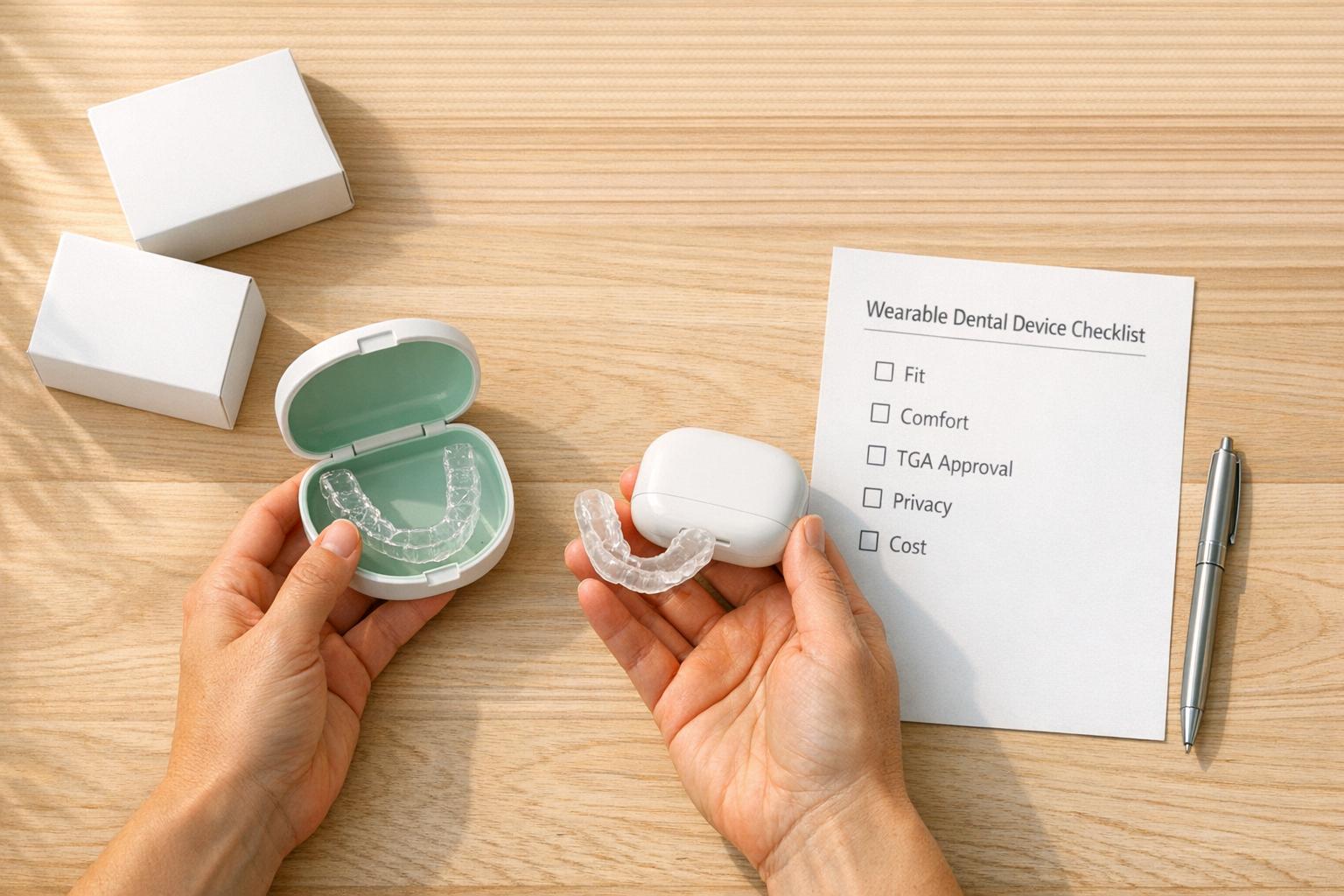
Checklist for Choosing Wearable Dental Devices
Checklist for Choosing Cloud AI Platforms in Dentistry
Complete Smiles Bella VistaAccepts All Major Health Funds, Including