





7 Tips for Braces Pain Relief
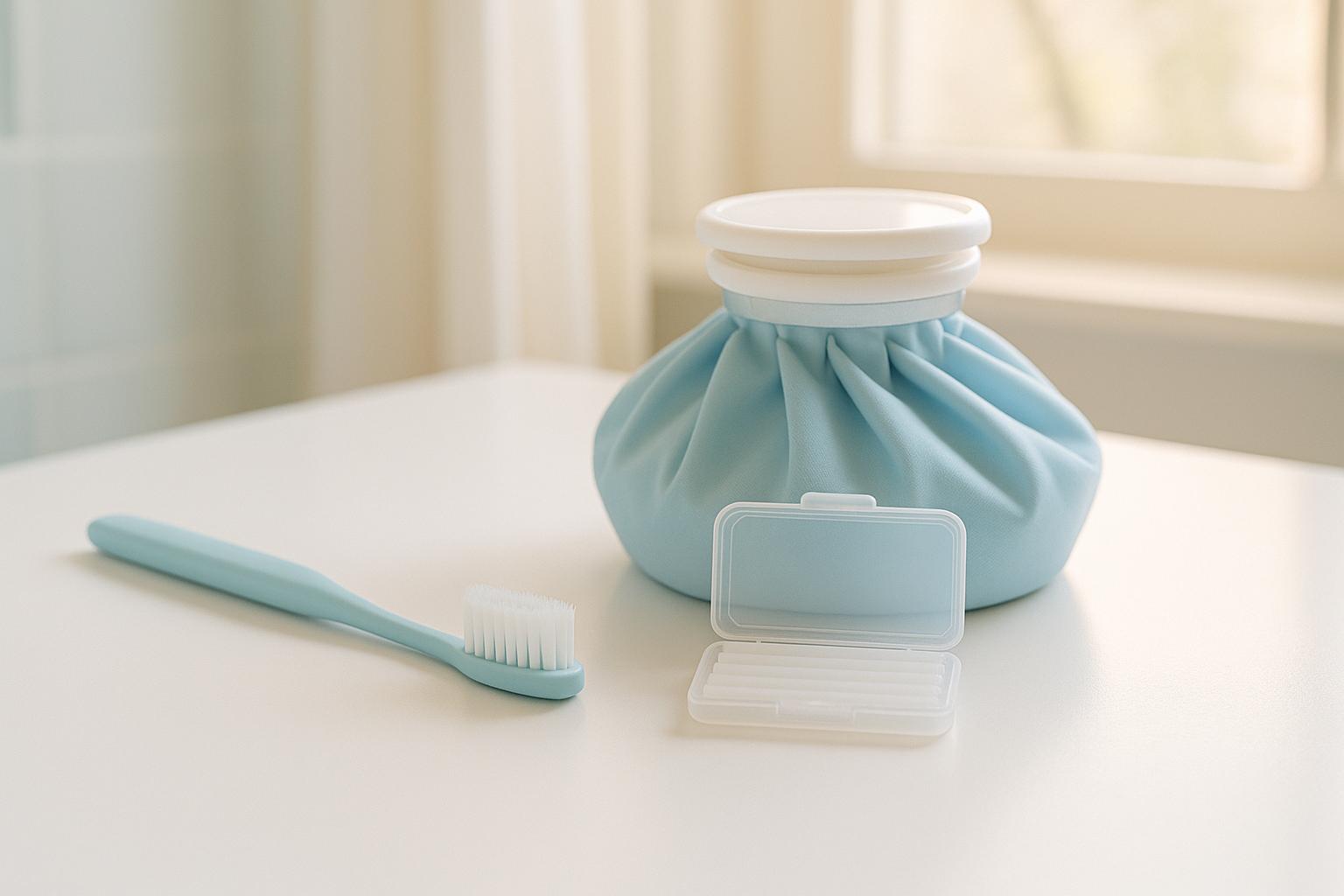
Braces can be uncomfortable, especially after adjustments. The good news is, there are simple ways to ease the pain. Here’s a quick rundown of seven effective methods to manage braces-related discomfort:
- Cold Compresses: Reduce swelling and numb pain by applying a wrapped ice pack to your cheeks for 15–20 minutes.
- Oral Anaesthetics: Use over-the-counter gels like Orajel to numb sore spots in your mouth.
- Pain Relief Medication: Take ibuprofen or paracetamol to manage pain and inflammation, especially before orthodontic appointments.
- Soft Foods: Stick to easy-to-chew options like yoghurt, mashed potatoes, or smoothies to avoid irritating sensitive teeth and gums.
- Salt Water Rinse: Gargle with warm salt water to soothe inflammation and prevent infection.
- Gum Massage: Gently rub your gums with clean fingers or a soft toothbrush to improve blood flow and reduce soreness.
- Heat Therapy: Apply a warm compress to relax tight jaw muscles after the initial swelling subsides.
These tips can help you feel more comfortable as your teeth adjust. If pain persists or worsens, contact your orthodontist for further advice.
How to Relieve Braces Pain? – 7 Braces Pain Management Tips
1. Use Cold Compresses
Dealing with a throbbing mouth after a braces adjustment? Cold therapy can bring quick relief. The chill helps constrict blood vessels, reducing swelling, while also numbing nerve endings to dull pain. This makes it particularly helpful right after an orthodontic adjustment when soreness and inflammation are at their worst[1][5]. The best part? You’ll often feel better in just a few minutes, making it a great first step before turning to medication[3][5].
How to use a cold compress: Wrap an ice pack or a cold gel pack in a clean tea towel or soft cloth, and gently press it against your cheeks and mouth for 15–20 minutes at a time[1][7]. This barrier protects your skin from direct contact with the ice, which could otherwise cause damage[6]. You can repeat this process several times throughout the day for consistent relief[1].
No ice pack? No problem. You can use a bag of frozen veggies or sip on ice water for a similar effect. Even enjoying cold treats like frozen yoghurt or smoothies can help numb the discomfort while being gentle on your teeth[3][4][7].
One word of caution: don’t chew on ice. While it may seem tempting, it can damage your brackets and wires[4]. Stick to applying cold externally or consuming it gently to avoid any unwanted issues.
Cold compresses are most effective when paired with other strategies like eating soft foods and staying hydrated. Since braces discomfort usually lasts one to three days after an adjustment, using cold therapy throughout this time can make a noticeable difference in how you feel[1][4].
2. Apply Oral Anaesthetics
Dealing with sore spots from braces? Oral anaesthetics can provide targeted relief to ease the discomfort caused by your teeth shifting during orthodontic treatment [3]. These over-the-counter gels and ointments work by numbing the affected area, making those first few days after adjustments a bit more bearable.
How to use oral anaesthetics: Popular products like Orajel and Anbesol contain benzocaine, an active ingredient that temporarily blocks nerve signals in the sore area [3]. To apply, use a clean finger or a cotton swab and gently dab the gel or ointment directly onto the affected spot. It’s best to apply as soon as you feel discomfort. These products are widely available in Australian pharmacies and supermarkets without a prescription. When choosing one, ensure it’s labelled for oral use and meets Therapeutic Goods Administration (TGA) standards. If you’re unsure, your orthodontist or pharmacist can help you pick the right option.
Tips for better relief: Combine oral anaesthetics with cold compresses and stick to soft foods to minimise irritation. Always follow the dosage instructions on the packaging, and don’t exceed the recommended frequency of use. Typically, braces-related discomfort lasts three to seven days after initial placement and one to three days following adjustments [4]. If the pain lingers beyond these periods, it’s a good idea to check in with your orthodontist. Pairing oral anaesthetics with other remedies can make managing braces discomfort much easier.
3. Take Pain Relief Medication
If your braces are causing discomfort, over-the-counter options like ibuprofen (e.g., Nurofen) or paracetamol (e.g., Panadol) can help manage pain and reduce swelling. When your orthodontist adjusts your wires, it’s normal for your gums to feel inflamed as your teeth shift. Ibuprofen, in particular, helps by narrowing blood vessels and easing inflammation [1].
For the best results, take your pain reliever about an hour before your orthodontic appointment. This proactive step can help minimise discomfort. At the first sign of pain, taking a dose can also prevent it from escalating [2].
Always stick to the recommended dosage and consult your GP or pharmacist if you have any health conditions or allergies that might affect your choice of medication.
To further alleviate discomfort, you can pair medication with cold compresses, eat soft foods, or use salt water rinses. However, if the pain doesn’t subside despite these efforts, it’s a good idea to reach out to your orthodontist for further advice.
4. Eat Soft Foods
When your braces are causing discomfort, switching to soft foods can make all the difference. These options are gentle on your teeth and gums, requiring minimal effort to chew – just what you need when your mouth feels sensitive after getting braces fitted or adjusted. Soft foods not only reduce strain but also give your mouth the time it needs to adapt.
What to eat? Go for foods like mashed potatoes, yoghurt, smoothies, applesauce, soft scrambled eggs, oatmeal, and soups. They’re easy to chew and won’t interfere with your brackets. Plus, cold options – like chilled smoothies, frozen yoghurt, or even ice cream – can offer a soothing, numbing effect.
If you’re craving something comforting, you can try soft bread with Vegemite, pavlova, or lamingtons. Icy poles and smoothies made with frozen berries are also great choices – they’ll cool your mouth while keeping you nourished.
What to avoid? Steer clear of hard, sticky, and chewy foods. Hard items like nuts, raw veggies, and hard lollies can put unnecessary pressure on your teeth and gums. Sticky foods, such as toffee or chewing gum, can tug at your brackets and wires, leading to damage. Chewy things like tough meat or caramel require prolonged chewing, which can worsen soreness. These types of foods aren’t just uncomfortable – they might even send you back to the orthodontist for repairs.
To make eating easier, cut your food into small pieces and eat slowly. Stick to room temperature or cold meals since hot foods can sometimes make inflammation worse. After eating, rinse your mouth with water to dislodge any food particles that might get stuck.
As the soreness eases, you can start reintroducing firmer foods, but take it slow. Begin with moderately soft options and continue avoiding anything extremely hard, sticky, or chewy throughout your treatment. If a certain food causes discomfort, it’s okay to go back to softer choices for a bit.
Pairing soft foods with other remedies – like cold compresses, oral anaesthetics, or over-the-counter pain relievers – can help you manage braces discomfort more effectively.
sbb-itb-2be92ed
5. Rinse with Salt Water
Using a warm salt water rinse can help ease braces-related discomfort by soothing inflammation and lowering the risk of infection. The warmth boosts blood flow to the irritated areas, speeding up healing and calming swollen tissues. At the same time, the salt works to draw out excess fluid, reducing puffiness and easing discomfort[3][4].
How to prepare your rinse: Mix ½ teaspoon of salt into a glass of warm water until it dissolves. Make sure the water is warm but not hot to avoid irritation[4].
How to use it: Swish the solution around your mouth for about 30 seconds, ensuring it reaches all the sore spots. Spit it out when you’re done – don’t swallow it. This rinse not only helps with healing but also complements other pain relief methods by soothing discomfort.
For best results, rinse 2–3 times a day, especially after meals. If your braces have just been adjusted and the discomfort is more intense, you can increase the frequency to every 2–3 hours during the first day or two[4]. This helps manage swelling and provides extra relief during those tougher moments.
Salt water rinses stand out because they do more than just offer temporary relief – they actively support healing. While a cold compress might numb pain for a short while, salt water tackles the root of the problem by reducing inflammation and preventing infection from mouth sores. This makes it particularly helpful for ongoing discomfort after adjustments[3][4].
You can safely pair salt water rinses with other remedies, like over-the-counter painkillers. Whether you take medication before or after rinsing depends on when your discomfort is at its peak[4].
Pro tip: Use the rinse after brushing your teeth and wait at least 30 minutes before eating for the best results[4].
Most people feel noticeable relief within a day or two of regular use, especially for minor sores and swelling. While complete healing might take a few days, this method is safe, simple, and effective for anyone with braces. It’s a dependable option you can rely on throughout your orthodontic journey[3][4].
6. Massage Your Gums
Massaging your gums can ease the soreness and swelling that often comes with braces. By improving blood flow to the area, this simple technique may help speed up recovery and reduce tension in inflamed gum tissue [1][5].
How it works:
When you massage your gums, you increase circulation in the tissue, which encourages your body’s natural healing process. It can also relax gums that feel tight or uncomfortable due to the pressure from braces [5].
Basic technique:
Start by washing your hands thoroughly to prevent bacteria from coming into contact with your gums. Once clean, use your finger to gently rub your gums in small, circular motions. Apply light pressure – just enough to stimulate the tissue – focusing on areas that feel sore or inflamed [1].
Enhanced approach:
For added relief, try using ice before the massage. Briefly apply ice to numb the area and reduce swelling [5], then follow up with the circular massage. This two-step method tackles discomfort in two ways: the cold reduces inflammation, and the massage promotes healing by improving blood flow.
Another option is to use a soft toothbrush for the massage. This can be especially helpful for reaching spots that are tricky to access with your finger.
When to massage:
Gum massage is particularly helpful after an orthodontic adjustment, when tightened wires can leave your gums feeling tender. Since it’s a gentle and non-invasive method, you can perform it multiple times a day whenever you feel discomfort or tension.
You can also combine gum massage with other remedies. For instance, after rinsing with salt water to reduce inflammation, follow up with a massage to further calm the tissue.
Many people feel some relief during or right after massaging, but consistent effort over several days can provide the best results [1][5]. Be sure to remain gentle, as rubbing too hard can irritate sensitive gums. If you experience sharp or persistent pain that doesn’t improve, it’s important to consult your orthodontist. Pair this technique with other soothing methods to stay comfortable until you can get professional advice.
7. Use Heat for Jaw Pain
Cold compresses are great for calming inflammation, but when it comes to easing stiff jaw muscles caused by braces adjustments, heat can be a game-changer. By boosting blood flow, heat helps relax tight muscles and supports the healing process [1].
When to use heat:
Heat therapy works best after the initial swelling has gone down, usually a day or two after your orthodontic adjustment. If your jaw feels stiff or you notice a dull ache rather than sharp pain, heat is likely the way to go. Many people find alternating between cold compresses in the first 24–48 hours and switching to heat for lingering muscle tension to be an effective approach. This combination targets both inflammation and muscle discomfort for well-rounded relief.
How to apply heat:
Use a warm heating pad, a cloth soaked in warm water, or even a warm water bottle. Apply it to the sore area for 15–20 minutes, with breaks of 15–30 minutes between sessions. In Australia, you can easily find heating pads at pharmacies or medical supply stores.
Safety tips:
Always test the heat on your wrist first to ensure it’s not too hot, and use a barrier like a towel to avoid burns. Never use heat therapy while sleeping, and check your skin for irritation during use. Avoid heat if your jaw is still visibly swollen, red, or inflamed. If you have any open cuts or sores near the area, consult your orthodontist before using heat.
Pairing heat with other methods:
For maximum relief, combine heat therapy with other approaches. For instance, you could take a pain reliever before your orthodontic appointment, apply a cold compress immediately after to reduce swelling, and then use heat later in the day to relax tight muscles [1] [5].
If your jaw pain lasts more than a few days or becomes severe – especially with swelling or difficulty moving your jaw – contact your orthodontist without delay [2].
When to See Your Orthodontist
While many braces-related issues can be managed at home, there are times when professional care is essential. Ignoring certain symptoms could turn minor problems into bigger complications, so knowing when to call your orthodontist is key.
Persistent or worsening pain needs attention. It’s normal to feel some discomfort after getting braces or having wires tightened, but this usually eases within a few days. If the pain doesn’t improve despite using cold compresses, over-the-counter pain relief, or other home remedies, it’s time to reach out to your orthodontist. Pain that disrupts your ability to eat, speak, or sleep is another red flag that shouldn’t be ignored.
Damaged braces require immediate care. Broken brackets, wires poking into your cheeks, or sharp edges cutting your mouth won’t fix themselves. These issues can cause further complications if left untreated, so don’t wait for your next appointment. If a broken component is causing pain or injury, contact your orthodontist right away.
Infections are serious and need urgent attention. Symptoms like worsening swelling, pus around the brackets or gums, or a fever indicate more than just routine discomfort. Severe jaw pain, difficulty opening or closing your mouth, or an inability to eat soft foods comfortably could signal complications that require immediate professional care. These situations go beyond what home remedies can handle.
Your orthodontist has tools and techniques to address these problems effectively. They might adjust your braces to relieve pressure, prescribe stronger pain relief, or recommend prescription-strength oral anaesthetics. In some cases, they may loosen wires or reposition brackets to ease discomfort without compromising your treatment. Adjusting your treatment schedule for more gradual tooth movement can also help reduce pain while keeping your progress on track.
Regular check-ups with your orthodontist are essential for monitoring your progress and catching potential problems early. These visits also give your orthodontist a chance to provide tailored advice on managing post-adjustment discomfort.
When you visit, come prepared with details about your pain. Note how long it has lasted, how intense it feels, and whether it’s sharp, throbbing, or constant. Photos of swelling, redness, or damaged braces can also help your orthodontist assess the issue more effectively.
For instance, practices like Complete Smiles Bella Vista (https://completesmilesbv.com.au) focus on personalised care to minimise discomfort. They use advanced dental techniques and tailored pain management strategies to help patients navigate their orthodontic journey more comfortably.
If your pain persists despite your orthodontist’s efforts, don’t hesitate to seek a second opinion. Chronic pain that disrupts your daily life or doesn’t improve with adjusted treatment plans may require another specialist’s input.
Finally, treat severe symptoms like fever, significant swelling, or bleeding cuts from broken braces as emergencies. Difficulty swallowing or other serious issues should prompt an immediate visit to your orthodontist or a dental emergency centre.
Conclusion
Feeling some discomfort with braces is entirely normal, and it doesn’t mean your treatment is off track. The good news? This type of pain is usually short-lived and can be eased with a variety of simple strategies. Options like cold compresses, oral anaesthetics, over-the-counter pain relief, soft foods, salt water rinses, gum massages, and heat therapy can help you feel more comfortable.
Everyone’s experience is a little different, so it’s worth experimenting to find what works best for you. Often, combining a few of these methods can provide better relief than sticking to just one. Remember, this temporary discomfort is a sign that your teeth are moving into the right position – a step closer to your goal.
However, if the pain becomes severe, lasts longer than expected, or starts interfering with your daily life, don’t hesitate to reach out to your orthodontist. They can make adjustments to your treatment or suggest other ways to help you manage the discomfort.
FAQs
What are the best ways to relieve discomfort from braces?
Braces can often cause discomfort, especially right after adjustments, but there are practical ways to ease the soreness. To start, stick to soft foods like yoghurt, mashed potatoes, or soups – these are gentle on your teeth and won’t add unnecessary pressure. If the discomfort lingers, over-the-counter pain relievers like paracetamol or ibuprofen can help, but make sure to stick to the recommended dosage.
Orthodontic wax is another handy tool. Applying it to brackets or wires that are irritating your cheeks or gums can make a big difference. A warm saltwater rinse can also work wonders by soothing irritation and calming inflammation. Don’t forget about oral hygiene – gently brushing and flossing not only keeps your teeth clean but also helps prevent extra sensitivity caused by plaque buildup.
If your discomfort doesn’t improve or feels severe, it’s a good idea to reach out to your orthodontist. They can evaluate your situation and suggest adjustments or other solutions to keep you as comfortable as possible during your treatment.
Can using oral anaesthetics or pain relief medication for braces discomfort cause any long-term effects?
Using oral anaesthetics or over-the-counter pain relief can be a helpful way to ease discomfort from braces, as long as they’re used according to the instructions. That said, using these products too often or for extended periods might lead to side effects like gum irritation or increased sensitivity in the mouth.
If you’re worried about using them for a long time or notice anything out of the ordinary, it’s a good idea to check in with your orthodontist or dentist. They can offer tailored advice and suggest other ways to manage the pain safely and effectively.
What should I do if my braces are still causing pain after trying home remedies?
If the discomfort from your braces persists even after trying remedies at home, it’s a good idea to consult your dentist or orthodontist. Ongoing pain might signal a problem that requires professional care, like a loose wire or bracket.
A dental professional can evaluate the issue, make any needed adjustments, and offer personalised advice to ease your discomfort. Reaching out promptly can help prevent additional pain or potential complications.
Related Blog Posts
- How Metal Braces Work: A Simple Guide
- How to Handle Braces Discomfort
- 5 Pain Relief Tips for Kids’ Dental Emergencies
- Advances in Orthodontic Pain Management Techniques
Important Notice: Any surgical or invasive procedure carries risks. Before proceeding, you should seek a second opinion from an appropriately qualified health practitioner.
Individual results may vary. The information provided in this article is for educational purposes only and does not constitute medical advice.
Checkout Related Blogs




Get in touch with us
For more information, call us now to start feeling better. Or fill the form below to make appointment
The Latest News from Complete Smiles
How to Clean Clear Plastic Retainers
Checklist for Choosing Wearable Dental Devices
Checklist for Choosing Cloud AI Platforms in Dentistry

Complete Smiles Bella VistaAccepts All Major Health Funds, Including





