





10 Drugs That Influence Osseointegration
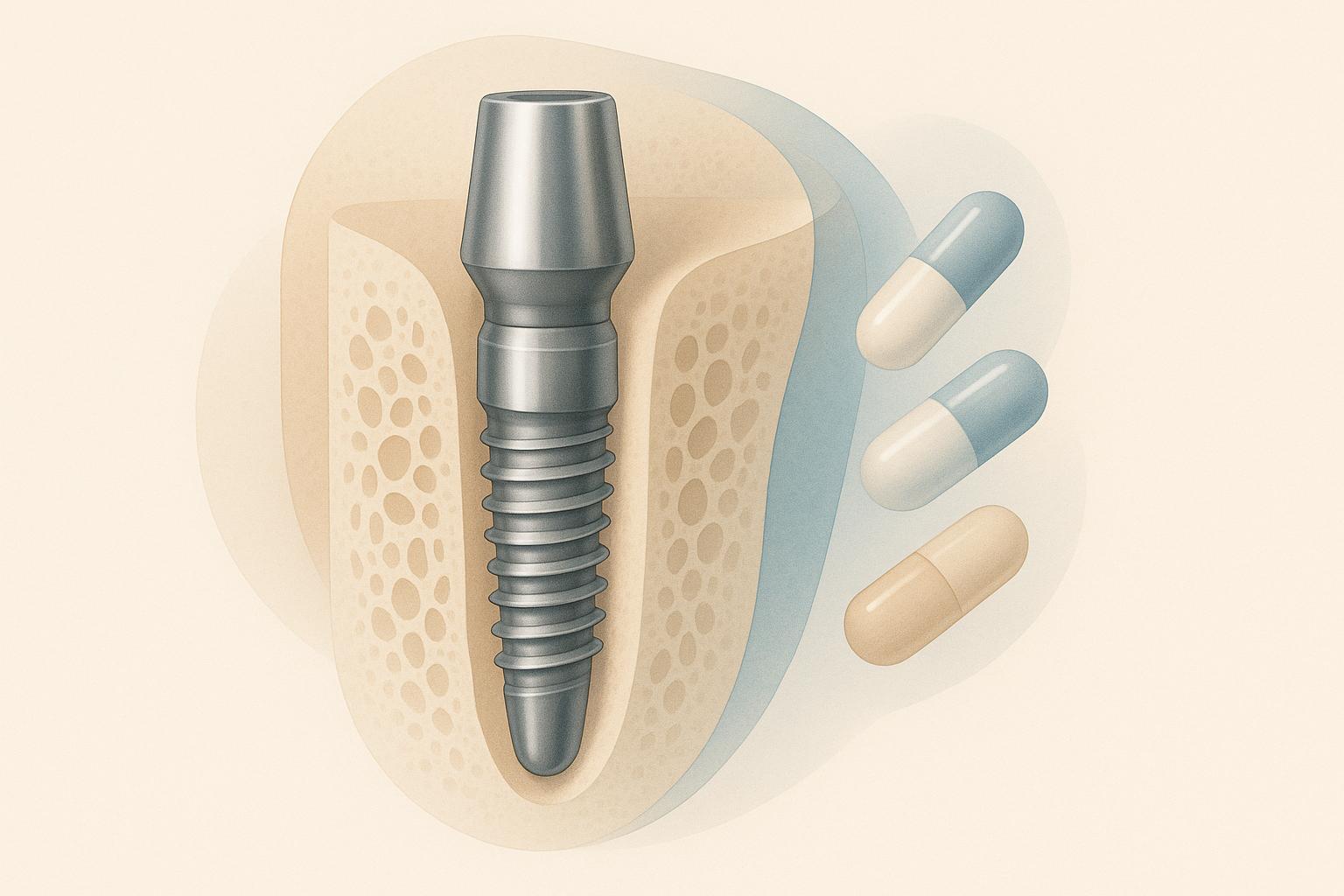
Osseointegration, the process of bone bonding with dental implants, is crucial for implant stability and success. However, certain medications can interfere with this process, leading to delayed healing or implant failure. Here’s a quick overview of 10 drugs and their effects:
- Cyclosporine: Impairs bone healing by disrupting osteoblast and osteoclast balance, increasing implant failure risks.
- Glucocorticoids (e.g., Prednisolone): Suppress bone formation and slow healing, particularly with long-term use.
- Selective Serotonin Reuptake Inhibitors (SSRIs): Linked to reduced bone density and higher implant failure rates.
- Nonsteroidal Anti-Inflammatory Drugs (NSAIDs): Short-term use is generally safe, but prolonged use may hinder bone repair.
- Bisphosphonates: Reduce bone turnover, raising risks of jawbone complications and implant failure, especially with IV forms.
- Chemotherapy Drugs: Temporarily impair bone healing and immune response; implants should be delayed post-treatment.
- Proton Pump Inhibitors (PPIs): Reduce calcium absorption, impacting bone health and increasing implant failure rates.
- Denosumab: Alters bone remodelling and increases risks of jawbone issues, particularly in cancer patients.
- Methotrexate: Interferes with bone healing, posing challenges for implant success in patients with autoimmune conditions.
- Alcohol: Weakens bone metabolism and delays healing, increasing implant failure risks.
Key Takeaway: A detailed review of a patient’s medications is essential before dental implant procedures. Collaboration with medical specialists and careful planning can mitigate risks and improve outcomes.
Treatment of Drug Induced Osteonecrosis of the Jaw (ONJ) with the PerioLase MVP-7
How Osseointegration Works
Osseointegration is the process where bone tissue grows and bonds directly to the surface of a dental implant, securing it firmly within the jawbone [1][7]. This connection is what makes dental implants stable and functional over the long term.
Once the implant is placed, the surrounding bone begins a healing process that unfolds in three stages: an initial inflammatory phase, followed by bone resorption, and finally, the formation of new bone. During these stages, specialised cells play key roles – osteoblasts deposit new bone matrix, while osteoclasts reshape and remodel the bone. At the same time, immune responses and new blood vessel growth provide the nutrients and cellular materials essential for successful integration. However, this delicate biological process can be disrupted by certain medications.
The entire process of osseointegration typically takes between three to six months to complete, with dental implants achieving a success rate of 90% to 98% [1][7]. Despite this high success rate, some medications can interfere with the process. For instance, glucocorticoids can inhibit bone growth, while bisphosphonates may disrupt the natural bone remodelling cycle.
Research has shown that medications can significantly impact implant outcomes. For example, studies involving hundreds of patients found that those using proton pump inhibitors (PPIs) for heartburn had a failure rate of 6.8%, compared to just 3.2% for patients not on these medications [7].
These findings highlight the importance of conducting a thorough review of a patient’s medications before proceeding with implant placement.
1. Cyclosporine
Cyclosporine is widely prescribed in Australia as an immunosuppressant to prevent organ transplant rejection and manage autoimmune conditions like rheumatoid arthritis and psoriasis [1][5]. It is typically administered under the careful supervision of specialists in hospitals or specialised clinics, with close monitoring being essential.
Effect on Bone Metabolism
Cyclosporine disrupts the balance between osteoblasts (cells that build bone) and osteoclasts (cells that break down bone), leading to reduced bone density and slower healing [1][5]. This disruption poses a challenge for dental implants, as successful integration relies heavily on healthy bone metabolism. Clinical evidence highlights that patients undergoing long-term cyclosporine therapy often face delayed healing and a heightened risk of implant failure, especially when compounded by other factors like additional immunosuppressive drugs or diabetes [1][5]. These bone metabolism changes directly affect the bonding between the implant and the bone.
Impact on Osseointegration
Cyclosporine’s suppression of bone growth significantly impairs the integration of dental implants. Reports have documented cases of implant mobility and failure, particularly in patients on prolonged cyclosporine therapy [1][5].
Mechanism of Action Relevant to Dental Implants
Cyclosporine works by inhibiting calcineurin, which reduces T-cell activation. While this is beneficial for managing autoimmune responses, it also interferes with bone repair, making osseointegration more difficult [5]. Additionally, cyclosporine can increase the production of inflammatory mediators, further complicating the bone healing process [5].
Clinical Considerations for Australian Patients
Given these effects, Australian dental professionals must conduct a detailed review of a patient’s medical history, including all medications and their dosages [1][5]. Collaborating with the patient’s medical specialist is essential to assess whether adjustments to cyclosporine therapy or changes to the timing of implant procedures are needed. Enhanced infection control protocols and vigilant post-operative monitoring are critical, as immunosuppression raises the risk of infection. Patients should also be educated about the likelihood of delayed healing and the importance of maintaining excellent oral hygiene.
For complex cases involving immunosuppressive treatments, specialist dental clinics like Complete Smiles Bella Vista can provide advanced implantology services tailored to individual needs. These clinics often employ a multidisciplinary team – including dental specialists, medical practitioners, and pharmacists – to address the associated risks. Whenever possible, elective implant procedures should be delayed until cyclosporine doses are reduced, alongside rigorous post-operative care and hygiene practices [1][5].
2. Glucocorticoids (e.g., Prednisolone)
Glucocorticoids, like prednisolone, are widely prescribed across Australia to help manage conditions such as rheumatoid arthritis, asthma, inflammatory bowel disease, and to prevent transplant rejection. While these medications are effective in reducing inflammation and regulating immune responses, they can pose challenges for dental implant success due to their effects on bone formation and healing.
Effect on Bone Metabolism
Glucocorticoids influence bone health by inhibiting osteoblast activity (the cells responsible for building bone) and promoting the survival of osteoclasts (cells that break down bone). This imbalance can lead to reduced bone mineral density, slower healing, and ultimately, glucocorticoid-induced osteoporosis. Patients on long-term glucocorticoid therapy are often at a higher risk of fractures and have compromised bone quality, which directly impacts dental implant outcomes.
Impact on Osseointegration
The ability of dental implants to integrate with the surrounding bone, known as osseointegration, can be significantly hindered by glucocorticoids. These medications disrupt the natural balance between bone formation and resorption, slowing the healing process and reducing the bone’s capacity to bond with the implant. The extent of these effects is closely tied to the duration and dosage of glucocorticoid therapy.
Mechanism of Action Relevant to Dental Implants
Glucocorticoids suppress the proliferation of osteoblasts and impair angiogenesis (the formation of new blood vessels), which limits the delivery of essential nutrients to the implant site. These mechanisms highlight why patients on these medications often face delayed healing and reduced implant success rates.
Clinical Considerations for Australian Patients
Given the challenges glucocorticoids present to bone health, dental practitioners in Australia need to tailor their approach to implant procedures for these patients. Reviewing the patient’s medication history and consulting with their GP about the dosage and duration of glucocorticoid therapy is crucial. Preoperative measures, such as ensuring sufficient calcium and vitamin D intake, can help bolster bone health before surgery. It’s also essential to have an open discussion with patients about the increased risks of delayed healing and potential implant failure during the informed consent process.
For more complex cases involving prolonged glucocorticoid use, seeking care from specialist dental clinics like Complete Smiles Bella Vista (https://completesmilesbv.com.au) can be beneficial. These clinics often use a multidisciplinary approach to manage such cases effectively. Postoperative care should involve closer monitoring than usual, with practitioners keeping a watchful eye for signs of poor healing or early implant failure. In some instances, delaying elective implant procedures until glucocorticoid doses can be safely reduced may be advisable. However, any changes to medication should always be coordinated with the patient’s medical team to ensure their overall health remains stable.
3. Selective Serotonin Reuptake Inhibitors (SSRIs)
Selective Serotonin Reuptake Inhibitors (SSRIs) are some of the most commonly prescribed antidepressants in Australia. Medications like sertraline, fluoxetine, and escitalopram are widely used to manage depression and anxiety. Their popularity largely stems from their generally mild side effects. However, recent research has linked SSRIs to an increased risk of dental implant failure. This connection appears to arise from their impact on bone quality, presenting challenges similar to those posed by other medications that affect osseointegration.
Effect on Bone Metabolism
SSRIs can interfere with bone metabolism by reducing bone mineral density and slowing down bone formation. Since serotonin plays a key role in bone remodelling, altering its levels disrupts the balance between the processes of bone formation and resorption. Over time, this imbalance weakens the bone structure, potentially jeopardising the stability of dental implants.
Impact on Osseointegration
Evidence suggests that SSRIs negatively influence osseointegration. Systematic reviews show that patients taking SSRIs face a higher risk of dental implant failure. This may present as delayed healing, mobility of the implant, or even implant loss[6]. For this reason, both patients and dental practitioners need to carefully weigh the risks when planning implant treatments.
Mechanism of Action Relevant to Dental Implants
SSRIs work by blocking serotonin reuptake, which alters serotonin signalling within bone tissue. This disruption decreases osteoblast activity (cells responsible for bone formation) and increases osteoclast activity (cells involved in bone resorption). The resulting imbalance can compromise bone quality around the implant site, potentially delaying or impairing the healing process.
Clinical Considerations for Australian Patients
Given how SSRIs affect bone health, careful preparation before surgery becomes essential. For Australian dental practitioners, obtaining a detailed medication history is a critical step in planning dental implant procedures. Discussing the potential risks associated with SSRI use should be part of the informed consent process. Collaboration with the patient’s GP or psychiatrist may also help in adjusting the medication plan while maintaining mental health stability.
Pre-surgical preparation can help mitigate risks. This includes ensuring adequate vitamin D and calcium levels, encouraging smoking cessation, and closely monitoring recovery after surgery to catch any complications early.
For patients with long-term SSRI use or complex cases, seeking specialist care might be advisable. Many Australian clinics, such as Complete Smiles Bella Vista, offer multidisciplinary approaches, including comprehensive medication reviews and tailored treatment plans. With the high prevalence of SSRI prescriptions in Australia, understanding these risks is becoming an integral part of modern dental implant care.
4. Nonsteroidal Anti-Inflammatory Drugs (NSAIDs)
Nonsteroidal Anti-Inflammatory Drugs (NSAIDs) are commonly used in Australian dental practices to manage pain and inflammation after procedures like dental implant placement [3]. Popular options include ibuprofen and naproxen, making it essential for both patients and clinicians to understand how these medications might influence the process of osseointegration.
Effect on Bone Metabolism
NSAIDs work by blocking cyclooxygenase (COX) enzymes, which play a key role in producing prostaglandins – compounds critical for bone healing [3]. By reducing prostaglandin levels, NSAIDs can potentially disrupt normal bone formation and turnover, particularly in the early stages of osseointegration. This interference might delay the activity of osteoblasts, the cells responsible for forming new bone, due to a subdued inflammatory response.
Impact on Osseointegration
The effects of NSAIDs on osseointegration are not entirely straightforward. While animal studies suggest that NSAIDs might hinder bone healing around implants, human trials paint a more complex picture. For instance, a randomised, double-blind, placebo-controlled study found that patients taking 600 mg of ibuprofen four times daily for seven days after implant surgery showed no significant bone loss around implants at three or six months [3][8]. This indicates that short-term NSAID use for pain relief does not appear to compromise osseointegration. However, the potential long-term effects, particularly with extended NSAID use, remain uncertain and require further investigation. Australian dental practitioners should consider these findings when planning post-operative care.
Mechanism of Action Relevant to Dental Implants
In dental implant procedures, the reduced prostaglandin synthesis caused by NSAIDs can slow the inflammatory response needed to kickstart bone healing. This delay may impact osteoblast activity, potentially affecting the formation of new bone around the implant site [3].
Clinical Considerations for Australian Patients
Given the complex relationship between NSAIDs and bone healing, Australian dental professionals should carefully evaluate the necessity and duration of NSAID use, especially in patients with factors that could impair bone healing. These include advanced age, osteoporosis, or the use of other medications that affect bone metabolism [3]. Current evidence suggests that short-term NSAID use for post-operative pain relief is generally safe. However, high doses or extended use – beyond seven days – should be approached with caution.
For patients needing long-term pain management, paracetamol serves as a safer choice as it does not interfere with bone metabolism. Non-drug approaches, such as applying cold packs or prioritising rest, can also help manage pain effectively. Clinics like Complete Smiles Bella Vista highlight the importance of personalised medication reviews as part of treatment planning, ensuring that individual risk factors are thoroughly addressed.
5. Bisphosphonates
Bisphosphonates are widely used in Australia to manage osteoporosis and complications related to cancer that affect the bones. These medications, such as alendronate, risedronate, and zoledronic acid, play a key role in altering bone metabolism. However, their use requires careful consideration when planning dental implant procedures, as they can significantly affect implant success rates [3].
Effect on Bone Metabolism
Bisphosphonates work by binding to bone surfaces and reducing the activity and formation of osteoclasts, the cells responsible for breaking down bone tissue. This leads to decreased bone turnover and increased bone density [3]. While this might seem beneficial, the suppression of normal bone remodelling can complicate dental implant success. Healthy bone turnover is essential for osseointegration – the process where the implant integrates with the surrounding bone.
Impact on Osseointegration
Prolonged or high-dose use of bisphosphonates can slow healing around dental implants, raising the chances of complications like MRONJ (medication-related osteonecrosis of the jaw) [1][3]. MRONJ is a severe condition where the jawbone fails to heal properly, leading to exposed bone, persistent pain, infection, and, in some cases, implant failure [3]. The risk of MRONJ is much higher with intravenous bisphosphonates, often used in cancer treatments, compared to oral forms prescribed for osteoporosis [3]. This highlights the importance of evaluating the medication type and usage before proceeding with implants.
Mechanism of Action Relevant to Dental Implants
For successful osseointegration, balanced bone remodelling is crucial. Bisphosphonates interfere with this balance by strongly inhibiting osteoclast activity, which can hinder the bone’s ability to adapt and heal around an implant [3].
Clinical Considerations for Australian Patients
Given these challenges, dental practitioners in Australia must thoroughly review a patient’s bisphosphonate history before proceeding with implant procedures [1][3]. Key factors to assess include the type of bisphosphonate (oral or intravenous), dosage, duration of treatment, and the condition being treated.
For patients on intravenous bisphosphonates – commonly cancer patients – elective dental implants are usually avoided due to the significantly higher risk of MRONJ [3]. Such cases require a collaborative approach involving the dental team, the patient’s oncologist, and their GP to evaluate all risks before any surgical intervention.
Patients using oral bisphosphonates for osteoporosis present a different scenario. Although the risk of MRONJ is lower compared to intravenous use, a detailed risk–benefit evaluation is still essential. Factors like the length of treatment, patient age, oral hygiene habits, and concurrent medications (e.g., corticosteroids) can all influence the risk profile. Informed consent is critical in these cases [3].
Australian guidelines underscore the importance of preventive dental care for patients on bisphosphonates. Completing necessary dental work before starting bisphosphonate therapy can minimise future complications. For those already on these medications, maintaining excellent oral hygiene and scheduling regular dental check-ups are vital.
Patients should also be educated about the warning signs of MRONJ, such as persistent pain, swelling, exposed bone, delayed healing, or infections at treatment sites [3]. Early detection of these symptoms can help prevent more serious complications.
6. Chemotherapy Drugs
Chemotherapy drugs can pose significant challenges to the success of dental implants by interfering with cellular functions. In Australia, these treatments target cancer cells but also affect healthy osteoblasts and osteoclasts – cells crucial for bone repair and the osseointegration process that anchors implants securely in the jawbone.
During active chemotherapy, the disruption to bone metabolism can slow healing and increase the likelihood of implant instability. On top of that, chemotherapy’s immunosuppressive effects raise the risk of infection and delay wound recovery. Fortunately, these effects are often temporary and tend to reverse once treatment is completed.
In most cases, dental implants can be successfully integrated after chemotherapy, provided there’s a recovery period of at least six months. This allows the bone sufficient time to heal and regain its ability to support the implant.
For Australian dental practitioners, close collaboration with oncologists is essential to determine the best timing for implant placement. Medical clearance is crucial before proceeding, and enhanced post-operative care is strongly advised. While dental implants generally boast a success rate of 90–95%, placing them before a patient has fully recovered from chemotherapy could significantly lower these odds. [1]
sbb-itb-2be92ed
7. Proton Pump Inhibitors (PPIs)
Proton pump inhibitors (PPIs) are widely prescribed in Australia to treat conditions like acid reflux, heartburn, and gastric ulcers. These medications work by reducing stomach acid production, offering relief to many patients. However, this reduction in stomach acid can interfere with calcium absorption, which is crucial for maintaining healthy bones. As a result, PPIs may affect bone metabolism and, ultimately, the success of dental implants.
Effect on Bone Metabolism
PPIs lower stomach acid by blocking proton pumps, but this has a downside: it can hinder calcium absorption, leading to reduced bone density over time [2][4]. Additionally, PPIs may disrupt the activity of osteoblasts – the cells responsible for building new bone. This disruption can slow down the healing process, which is vital for successful implant integration.
Impact on Osseointegration
Studies have shown a clear link between PPI use and higher dental implant failure rates. Over an eight-year period, researchers studied 700 patients with dental implants and found that those taking PPIs had a failure rate of 6.8%, compared to just 3.2% in non-users [7]. This significant difference underscores the potential risk PPIs pose to osseointegration, the process by which implants fuse with the jawbone.
Clinical Considerations for Australian Patients
For Australian dental professionals, understanding the impact of PPIs is essential when planning implant procedures. Reviewing a patient’s medication history, particularly their use of PPIs, is a critical step before moving forward with treatment [7][4]. For patients who require long-term PPI therapy, dentists may consider delaying implant placement or taking measures to improve bone health prior to surgery.
Close monitoring of osseointegration is also important to identify any signs of implant instability early. Patients should be informed about the potential risks associated with PPI use and how it might affect their treatment outcomes. This allows them to make informed decisions about their care.
Many Australian clinics, such as Complete Smiles Bella Vista (https://completesmilesbv.com.au), prioritise thorough medication reviews as part of their implant treatment planning. Collaboration between dentists and prescribing doctors is crucial to finding a balance between managing gastric conditions and ensuring successful dental implant outcomes.
8. Denosumab
Denosumab is a monoclonal antibody medication commonly prescribed in Australia to manage osteoporosis and treat bone metastases caused by cancer. It is marketed under the brand names Prolia® for osteoporosis and Xgeva® for cancer-related conditions. While denosumab is effective in strengthening bones, its impact on bone dynamics during dental implant healing introduces unique challenges worth exploring.
Mechanism of Action and Relevance to Dental Implants
Denosumab works by targeting and inhibiting RANKL (Receptor Activator of Nuclear factor Kappa-Β Ligand), a protein vital for the formation and function of osteoclasts. Osteoclasts are responsible for breaking down old bone tissue, an essential part of the bone remodelling process. By suppressing osteoclast activity, denosumab reduces bone turnover and increases bone density [2].
However, this suppression of bone remodelling, while beneficial for conditions like osteoporosis, can complicate implant healing. Osseointegration – the process where the implant integrates with the jawbone – relies on active bone remodelling. Unlike bisphosphonates, which bind permanently to bone, denosumab’s effects are reversible once treatment stops. Yet, during treatment, the medication increases risks that can affect dental implant success [3].
Effect on Bone Metabolism
Denosumab significantly alters bone metabolism by reducing bone resorption and increasing bone mineral density [2]. While this results in denser bones, it also limits the natural remodelling process critical for integrating dental implants. For osteoporosis patients, denosumab is typically administered as a subcutaneous injection every six months. This creates windows of altered bone metabolism, particularly in the jaw, which can reduce its ability to adapt and integrate implant surfaces effectively.
Impact on Osseointegration
The changes in bone turnover caused by denosumab can negatively affect osseointegration [3]. One of the most serious risks for patients on denosumab therapy is medication-related osteonecrosis of the jaw (MRONJ), especially after invasive dental treatments like implant placement.
The likelihood of MRONJ varies depending on the patient’s condition. For osteoporosis patients, the risk ranges from 0.04% to 0.2%, but it is significantly higher for cancer patients receiving denosumab [3]. MRONJ involves the death of jawbone tissue, leading to exposed bone, pain, and potential complications that may require extensive intervention.
Clinical Considerations for Australian Patients
Managing dental care for patients on denosumab requires close coordination between dental and medical professionals. For Australian practitioners, taking a detailed medical history is critical, with a focus on denosumab use and injection timing. Collaboration with the patient’s GP or specialist is essential to plan procedures around the medication’s dosing schedule [3].
Timing is key. Since denosumab is administered every six months, dental professionals may advise scheduling elective implant procedures during periods when the medication’s effects are diminishing. In some cases, consulting the prescribing physician about a possible drug holiday may be necessary, though this must be carefully evaluated on a case-by-case basis.
Educating patients about the risks of MRONJ is equally important. Patients should understand the importance of maintaining excellent oral hygiene to reduce the need for invasive dental treatments. Regular dental check-ups can help detect potential complications early, ensuring timely intervention.
Specialised clinics, such as Complete Smiles Bella Vista (https://completesmilesbv.com.au), are well-equipped to manage these complex cases. They focus on comprehensive risk assessments, multidisciplinary collaboration, and personalised treatment plans. With expertise in advanced implant procedures, these clinics aim to optimise outcomes while minimising complications.
Ultimately, the success of dental implant treatment in patients on denosumab therapy depends on collaborative care. Dentists, oral surgeons, and the patient’s healthcare team must work together to balance the benefits of denosumab with the risks associated with dental procedures. This multidisciplinary approach ensures safe and effective care tailored to each patient’s needs.
9. Methotrexate
Methotrexate is a commonly prescribed immunosuppressive medication in Australia, often used to manage autoimmune conditions like rheumatoid arthritis, psoriasis, and certain cancers. While it plays a key role in controlling these conditions, it can pose challenges for patients considering dental implants due to its effects on bone metabolism and healing.
How Methotrexate Affects Dental Implants
Methotrexate works by inhibiting dihydrofolate reductase, a process that reduces folate activity. This, in turn, impacts osteoblast proliferation and bone matrix production – both critical for successful osseointegration [1].
Bone Metabolism and Healing
Methotrexate alters the balance between bone formation and resorption. It suppresses osteoblast activity (responsible for building bone) while promoting osteoclast activity (responsible for breaking down bone). This imbalance can lead to reduced bone formation and slower healing, both of which are crucial for dental implant success.
Risks to Osseointegration
Because methotrexate interferes with normal bone healing, patients on this medication face a higher risk of implant failure and delayed recovery. For context, implant success rates in healthy individuals typically range from 90–95%, but those on methotrexate may see significantly lower outcomes.
Clinical Considerations for Australian Patients
Treating patients on methotrexate requires careful planning and collaboration. Dental practitioners should work closely with the patient’s GP or rheumatologist to review the medication’s dosage, duration, and its impact on bone health. Adjustments to methotrexate therapy or postponing elective implant procedures may be necessary, alongside rigorous post-operative care.
Patients should be fully informed about the increased risks associated with implants and the importance of maintaining excellent oral hygiene. Specialist dental clinics, such as Complete Smiles Bella Vista, offer detailed risk assessments and customised treatment plans for these complex cases.
Ongoing care is also critical. Patients on methotrexate may need more frequent check-ups to monitor implant stability and peri-implant bone levels. Early intervention at the first sign of complications can prevent more serious issues down the line. This level of diligence not only improves outcomes for methotrexate patients but also sets the stage for addressing other factors, like lifestyle habits, that may affect osseointegration.
10. Alcohol
Although alcohol isn’t a prescription medication, it plays a major role in influencing the success of osseointegration. Like some medications, alcohol can disrupt vital bone healing processes, which directly impacts implant outcomes.
Effects on Bone Healing and Osseointegration
Excessive alcohol consumption interferes with normal bone metabolism by reducing the activity of osteoblasts (the cells responsible for building bone) and increasing the activity of osteoclasts (the cells that break down bone) [1]. This imbalance weakens bone density, slows down healing, and triggers oxidative stress and inflammation at the implant site. Additionally, alcohol impairs the vascular response required for bone regeneration, raising the likelihood of implant failure and prolonging the healing process [1].
Clinical Considerations for Australian Patients
To improve the chances of successful implant integration, controlling alcohol intake is essential. Dental practitioners in Australia are encouraged to assess alcohol use in patients planning for dental implants and to provide advice on cutting back before and after surgery [1]. Patients should understand that heavy alcohol consumption can delay healing and heighten the risk of implant failure. Many dental experts recommend avoiding alcohol entirely during the critical healing phase after the implant procedure.
Specialist dental clinics often include lifestyle evaluations as part of their implant planning process to help patients grasp how alcohol might affect their treatment outcomes. Reducing or completely eliminating alcohol intake throughout the osseointegration period – which may last up to six months – offers the best chance for success. Patients who limit or stop drinking alcohol several weeks prior to surgery and remain abstinent during recovery tend to achieve better results [1].
Medication Effects Comparison Table
Understanding how various medications influence osseointegration is crucial for dental practitioners when deciding on implant timing and managing patient care. The table below outlines key differences in biological mechanisms and clinical considerations for ten commonly used medications.
| Medication | Primary Mechanism | Implant Failure Risk | Key Clinical Considerations for Australian Patients |
|---|---|---|---|
| Cyclosporine | Suppresses immune response and inhibits bone growth | High | Often prescribed for transplant patients; thorough medication history review is essential [1] |
| Glucocorticoids | Reduce bone formation and increase bone resorption | High (dose-dependent) | Commonly used for autoimmune conditions; assess dosage and treatment duration carefully [1] |
| SSRIs | Alter bone metabolism, potentially reducing bone mass | Increased failure rates | Widely prescribed for depression; regular monitoring of bone health is recommended [1] |
| NSAIDs | Inhibit prostaglandin synthesis needed for bone repair | Low risk with short-term use | Short-term use (up to 7 days) appears safe; chronic use may hinder healing [3] |
| Bisphosphonates | Inhibit osteoclast-mediated bone resorption | Very high | Commonly used for osteoporosis; elective implants are typically postponed [3] |
| Chemotherapy | Delays healing by targeting rapidly dividing cells | Transiently high risk | Implant placement should be delayed for at least 6 months after treatment [1] |
| PPIs | May impair calcium absorption and reduce bone density | 6.8% failure vs 3.2% without PPIs | Frequently prescribed for reflux; discuss necessity with the patient’s GP [7] |
| Denosumab | Inhibits RANKL, reducing osteoclast activity | Very high | Osteoporosis treatment requiring close specialist input due to osteonecrosis risk [3] |
| Methotrexate | Immunosuppressive effects that interfere with bone healing | High | Often prescribed for autoimmune diseases; coordinate care with the patient’s specialist [9] |
| Alcohol | Impairs osteoblast activity and enhances osteoclast activity | Higher failure rates | Excessive consumption is harmful; advise patients to minimise intake during healing [1] |
The table highlights that medications like bisphosphonates and denosumab pose the highest risks. Australian guidelines generally discourage elective implant procedures for patients on these drugs due to the increased likelihood of medication-related osteonecrosis of the jaw. For such cases, multidisciplinary care becomes essential [3].
The effects of medications on osseointegration differ widely. Immunosuppressive drugs like cyclosporine and methotrexate impair healing directly, while bone-active medications such as bisphosphonates and denosumab disrupt the bone remodelling process needed for implant success [3].
In Australia’s ageing population, the cumulative effects of multiple medications often complicate implant planning. For instance, an older patient taking both an SSRI for depression and a PPI for gastric protection faces a heightened risk of implant failure [3].
Medication reviews are an integral part of implant planning in Australian clinics. By carefully evaluating all systemic factors that influence bone metabolism, practitioners follow guidelines that emphasise multidisciplinary approaches for complex cases.
Timing is another critical factor. While chemotherapy mandates a strict 6-month waiting period post-treatment, medications like SSRIs and PPIs require ongoing monitoring during the osseointegration phase rather than temporary discontinuation [1].
What This Means for Dental Practice
Recent research underscores the critical role of thorough medication reviews in implant planning for Australian dental practitioners. One long-term study, which followed 700 implant patients over eight years, revealed that those using proton pump inhibitors (PPIs) experienced significantly higher failure rates (6.8% compared to 3.2%), while beta blocker users had notably lower failure rates [7]. These findings emphasise how a patient’s medication history can directly impact treatment success.
A detailed pre-treatment assessment is essential. Dentists should document a complete medication history for each patient and discuss the associated risks in line with guidelines from the Therapeutic Goods Administration (TGA) and the Australian Dental Association (ADA). This meticulous record-keeping enables timely adjustments to treatment plans when necessary.
Collaboration with other healthcare providers is equally important. By working closely with patients’ general practitioners, specialists, and pharmacists, dental practitioners can evaluate the necessity of certain medications, adjust treatment timing appropriately, and engage in shared decision-making [1][3].
In some cases, treatment schedules may need to be altered based on a patient’s medication profile. For instance, elective implant procedures should typically be delayed for at least six months following chemotherapy to allow sufficient bone healing [1]. Similarly, patients on high-dose bisphosphonates may require consultation with a specialist before undergoing elective oral surgery. These adjustments build on earlier discussions about how certain medications impact bone remodelling and healing.
Post-operative monitoring plays a vital role in identifying healing complications early. Patients taking medications that impair osseointegration – such as SSRIs, PPIs, or immunosuppressants – may benefit from more frequent follow-ups and additional imaging to monitor their recovery more closely.
Some clinics, like Complete Smiles Bella Vista, exemplify best practices by incorporating comprehensive pre-implant assessments, including detailed medication reviews and multidisciplinary care. This patient-focused approach aligns with the growing standard of care for managing complex medical histories and achieving better implant outcomes.
Risk stratification offers a practical way to categorise patients based on their medication-related risks. For example:
- High-risk medications: Drugs like bisphosphonates and denosumab may contraindicate elective implant procedures.
- Moderate-risk medications: SSRIs and PPIs often require enhanced monitoring but don’t necessarily rule out treatment.
- Low-risk scenarios: Short-term use of NSAIDs (under seven days) typically allows for standard treatment protocols [3].
Patient education is another crucial element. Dentists should clearly explain how medications might affect treatment, outline realistic success rates, and involve patients in making informed scheduling decisions.
Ongoing professional development is just as important. Australian dentists should keep their skills sharp through CPD courses in pharmacology and implantology, while also staying updated on the latest TGA safety guidelines for medications and dental procedures.
Integrating medication reviews into routine implant planning reflects a shift toward evidence-based, personalised care. This approach acknowledges the complex relationship between systemic health and successful osseointegration, ultimately aiming to improve outcomes for patients with diverse medical needs.
Conclusion
Understanding how medications influence osseointegration underscores the importance of personalised, evidence-based dental care in Australia. The ten medications discussed – ranging from widely used proton pump inhibitors (PPIs) and selective serotonin reuptake inhibitors (SSRIs) to treatments like bisphosphonates and chemotherapy drugs – make it clear that implant success involves much more than surgical expertise.
These findings highlight the need for detailed pre-treatment medication assessments. Dentists should thoroughly review a patient’s medications and collaborate with other healthcare professionals to create tailored implant plans. For instance, this might mean delaying implant placement for six months after chemotherapy [1], consulting specialists for patients on high-dose bisphosphonates, or closely monitoring those taking immunosuppressants.
Such assessments shape clinical practices and patient education. When patients understand how their medications could impact healing, they are better equipped to engage in their treatment. This fosters clearer communication, realistic expectations, and more informed decisions.
A team-based approach is key. Keeping up with TGA guidelines, participating in continuing professional development, and maintaining open communication with other healthcare providers are crucial as knowledge of medication–implant interactions continues to grow.
In a world of increasingly complex medical needs, successful osseointegration depends on careful planning, comprehensive assessments, and collaboration. By embracing these strategies, dental professionals can improve implant outcomes for patients with challenging medication histories, ensuring better results through informed and personalised care.
FAQs
What effects do medications like bisphosphonates and denosumab have on dental implant success?
Certain medications, like bisphosphonates and denosumab, can influence the success of dental implants by affecting osseointegration – the process where the implant bonds with the jawbone. These drugs are commonly prescribed for conditions such as osteoporosis and bone-related cancers, but they can alter how bones heal and regenerate.
For instance, bisphosphonates are known to reduce bone turnover, which might slow down the healing process after an implant is placed. On the other hand, denosumab impacts bone resorption, potentially disrupting the implant’s ability to integrate properly with the surrounding bone.
If you’re taking these medications or have used them in the past, it’s crucial to inform your dentist or oral surgeon. They can evaluate your specific situation and suggest the most suitable plan to optimise the success of your dental procedure.
How can patients reduce the risk of dental implant failure caused by medications?
Certain medications can affect how well dental implants work, particularly by disrupting the osseointegration process – the critical bonding between the implant and the bone. To help minimise the chances of implant failure, here’s what patients can do:
- Share a complete list of medications: Let your dentist know about everything you’re taking, whether it’s prescription drugs, over-the-counter remedies, or herbal supplements.
- Follow professional guidance: If your dentist suggests adjusting medications before or after the procedure, be sure to follow their advice carefully.
- Keep up with oral care: Practising proper oral hygiene and scheduling regular dental visits are key to monitoring the implant site and ensuring its long-term health.
Maintaining clear and honest communication with your dentist is crucial for achieving the best results with dental implants. And remember, always speak with your healthcare provider before making any changes to your medications.
Why should you talk to both your dentist and doctor about your medications before getting dental implants?
Before getting dental implants, it’s crucial to talk to both your dentist and doctor about any medications you’re taking. Some medications can affect osseointegration – the process where the implant fuses with your jawbone. This step is key to ensuring the implant stays secure over time.
By discussing your medications, your healthcare providers can assess any potential impact on healing and make adjustments to your treatment plan if needed. This collaboration helps support the success of your dental implant and promotes better oral health overall.
Related Blog Posts
- Smoking and Dental Implants: Impact on Healing
- When to Place Implants After Bone Grafting
- Factors Affecting Long-Term Implant Success
- Osseointegration in Titanium Implants: How It Works
Important Notice: Any surgical or invasive procedure carries risks. Before proceeding, you should seek a second opinion from an appropriately qualified health practitioner.
Individual results may vary. The information provided in this article is for educational purposes only and does not constitute medical advice.
Checkout Related Blogs




Get in touch with us
For more information, call us now to start feeling better. Or fill the form below to make appointment
The Latest News from Complete Smiles
How to Clean Clear Plastic Retainers
Checklist for Choosing Wearable Dental Devices
Checklist for Choosing Cloud AI Platforms in Dentistry

Complete Smiles Bella VistaAccepts All Major Health Funds, Including





