





Vitamin Deficiencies and Oral Health Issues
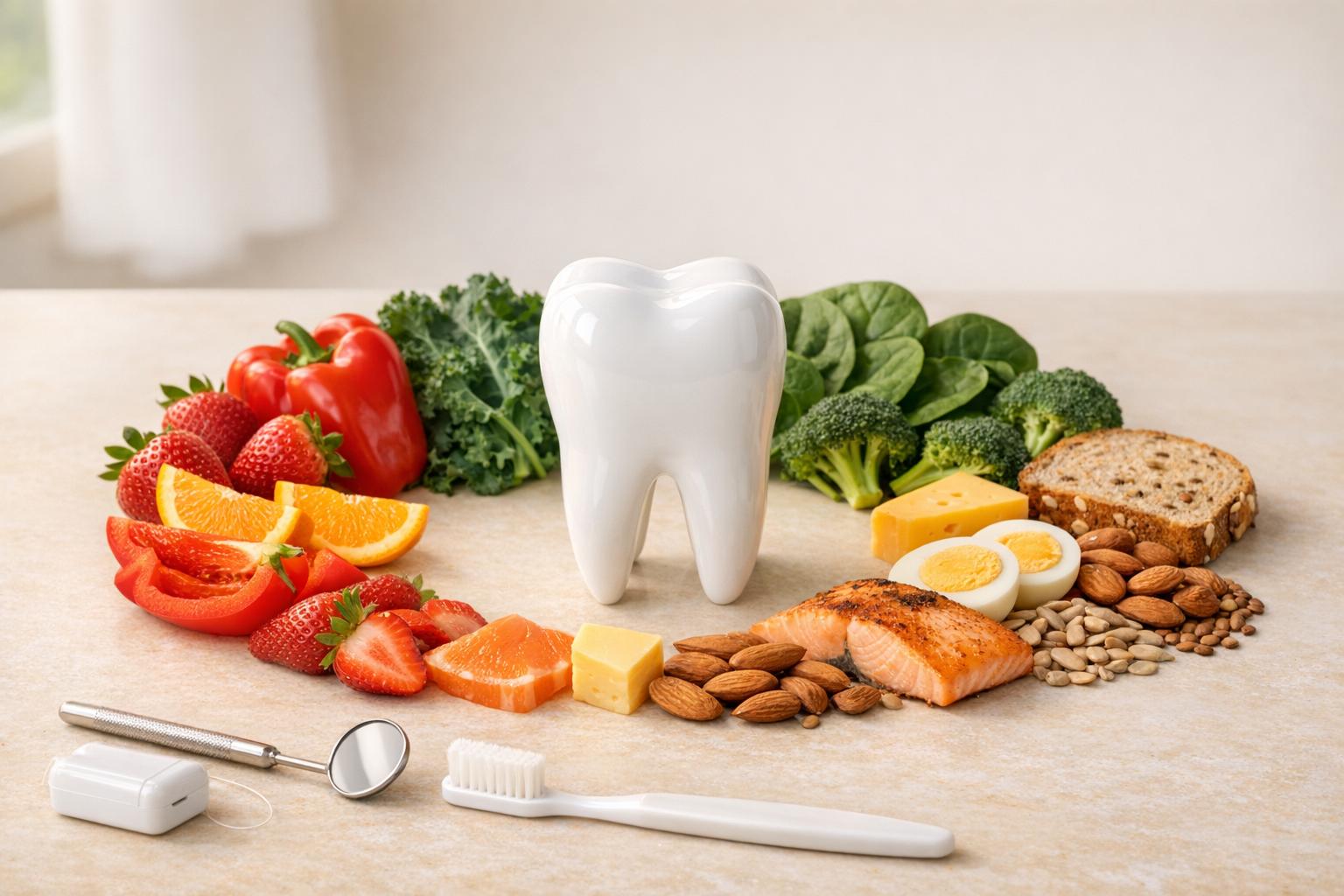
Your mouth is often the first place to show signs of vitamin deficiencies. Bleeding gums, mouth sores, or a swollen tongue could signal broader nutritional problems. These deficiencies can weaken your immune system, slow healing, and increase the risk of oral issues like gum disease, tooth decay, and enamel weakening.
Key takeaways:
- Vitamin C: Low levels can cause bleeding gums and gingivitis due to poor collagen production.
- Vitamin D: Deficiency weakens enamel and increases decay risk by impairing calcium absorption.
- Vitamin A: A lack can lead to dry mouth and enamel problems, especially in children.
- B Vitamins: Deficiencies cause tongue inflammation, cracked lips, and mouth sores.
- Vitamins E and K: Low levels slow healing and disrupt blood clotting.
To maintain oral health, focus on nutrient-rich foods like citrus fruits (Vitamin C), oily fish (Vitamin D), leafy greens (Vitamins A and K), and dairy (calcium). Regular dental check-ups can help catch and address these issues early.
How Vitamin Deficiencies Affect Your Oral Health
Vitamins, Minerals, and Your Mouth
sbb-itb-2be92ed
How Vitamin Deficiencies Affect Your Oral Health
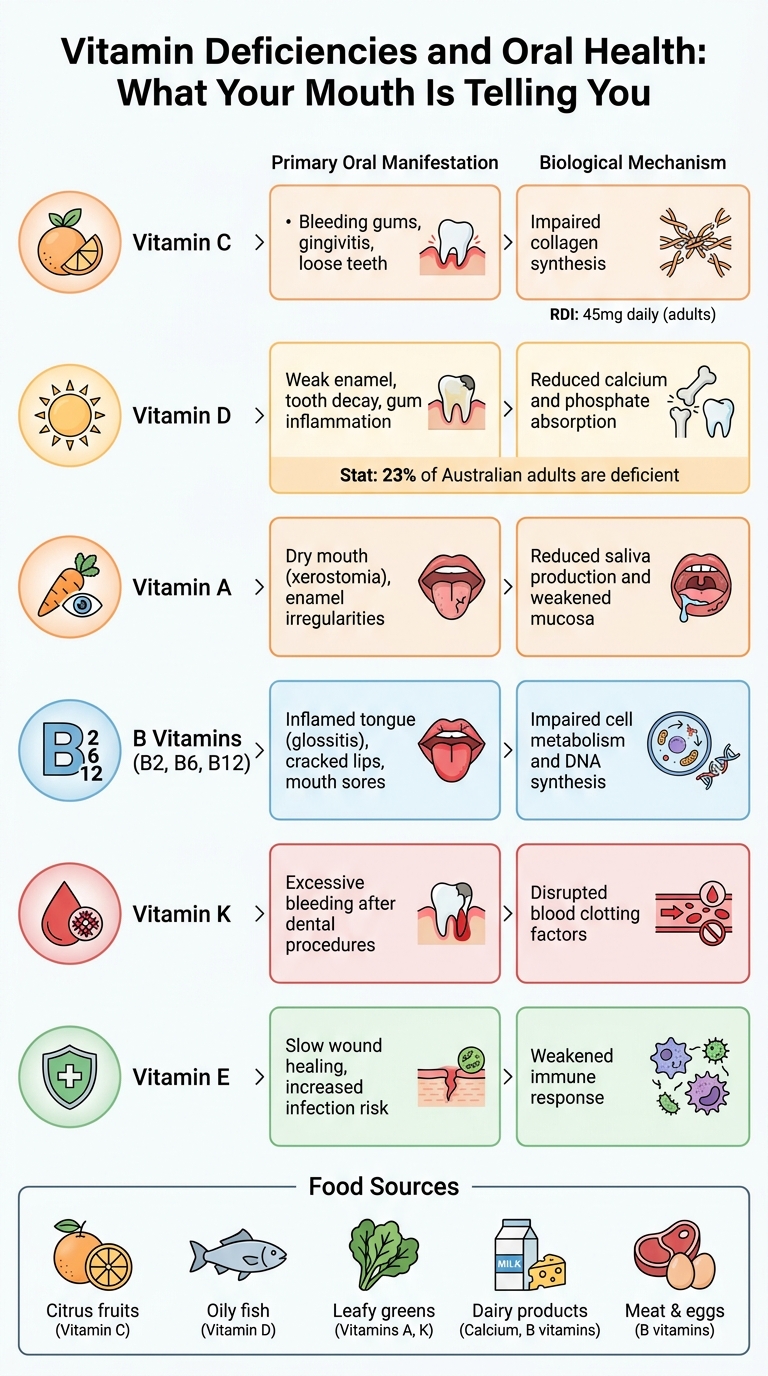
Building on the earlier discussion of warning signs, let’s dive deeper into how specific vitamin deficiencies can show up in your mouth. These symptoms often hint at broader nutritional issues and may signal the onset of dental problems.
Vitamin C: Bleeding Gums and Gingivitis
Vitamin C is essential for producing collagen, the protein that keeps your gums strong and healthy. Without enough vitamin C, collagen production falters, leaving blood vessels fragile and gums prone to bleeding. This can lead to gingivitis, which might show up as bleeding when brushing or flossing, gum swelling, or small red spots (petechiae). In severe cases, teeth can even become loose. A vitamin C deficiency also weakens your immune defence against oral bacteria, which can escalate into scurvy – a condition where teeth may loosen further. Addressing this deficiency is key to preventing further oral health issues.
Vitamin D: Tooth Decay and Weak Enamel
Vitamin D helps your body absorb calcium and phosphate – minerals critical for strong, healthy teeth. When vitamin D levels drop, enamel mineralisation suffers, leading to enamel defects, dentine issues, and gum inflammation. Weak enamel becomes more vulnerable to bacterial acid attacks, increasing the risk of decay. Children, in particular, are at risk of developing permanent enamel problems due to low vitamin D. Despite Australia’s abundant sunshine, 23% of adults are still deficient in vitamin D [4]. Low levels are also linked to a higher risk of gum disease, and severe deficiencies can even lead to bone resorption in the jaw, sometimes visible on full-mouth X-rays.
Vitamin A: Dry Mouth and Enamel Issues
Vitamin A plays a vital role in keeping the oral mucosa healthy and supporting saliva production. A lack of vitamin A can lead to xerostomia (dry mouth) and enamel irregularities, particularly in children whose teeth are still developing. Since saliva helps wash away food particles and neutralise acids, dry mouth significantly raises the risk of tooth decay.
B Vitamins: Tongue Inflammation, Cracked Lips, and Mouth Sores
The B vitamin family, particularly B2, B6, and B12, is crucial for cell metabolism, DNA synthesis, and maintaining healthy mucous membranes. A deficiency in these vitamins can cause glossitis (inflammation of the tongue), angular cheilitis (cracks at the corners of the mouth), and mouth sores. These oral symptoms often appear before other signs of a B vitamin shortage show up elsewhere in the body.
Vitamins E and K: Healing and Blood Clotting
Vitamin E supports your immune system and helps maintain healthy oral tissues, boosting your body’s ability to heal and resist infections. Vitamin K, on the other hand, is essential for blood clotting. A deficiency in vitamin K can lead to excessive bleeding, particularly after dental procedures, as it disrupts the body’s ability to produce necessary clotting factors.
| Vitamin | Primary Oral Manifestation | Biological Mechanism |
|---|---|---|
| Vitamin C | Bleeding gums and poor wound healing | Impaired collagen synthesis |
| Vitamin D | Enamel defects and gum inflammation | Reduced mineral absorption |
| Vitamin A | Dry mouth and enamel issues | Reduced saliva production and weakened mucosa |
| B Vitamins | Glossitis, cracked lips, and sores | Impaired cell metabolism |
| Vitamin K | Excessive bleeding | Disrupted blood clotting |
| Vitamin E | Slower wound healing | Weakened immune response |
Dr. Hamish Black, Medical Adviser at nib, emphasises:
"By the time you have signs and symptoms of a vitamin deficiency, you’re likely to be severely depleted of that vitamin." [2]
Regular dental visits and paying attention to these oral signs can help catch nutritional deficiencies early – before they lead to more serious problems.
Foods That Address Vitamin Deficiencies
Eating a well-rounded diet does more than just keep vitamin deficiencies at bay – it also plays a key role in how diet impacts oral health.
Food Sources for Each Vitamin
Australia’s variety of fresh produce and food options makes it easier to meet your vitamin needs. For vitamin C, look to citrus fruits like oranges and lemons, as well as kiwi fruit, strawberries, capsicum, broccoli, and tomatoes. Vitamin D can be found in oily fish like salmon and canned tuna, along with dairy products and fortified cereals. However, safe sun exposure remains crucial, as diet alone often doesn’t provide enough.
For B vitamins, include green leafy vegetables, legumes, and animal products such as meat, eggs, and dairy. Vitamin K, essential for blood clotting and recovery after dental treatments, is abundant in spinach, kale, parsley, and vegetable oils. Additionally, minerals like iron – found in red meat, pulses, and leafy greens – help prevent tongue inflammation, while zinc from shellfish, nuts, seeds, and legumes supports wound healing and enhances taste.
Daily Intake Requirements and Serving Sizes
In Australia, the Recommended Dietary Intake (RDI) for vitamin C is 45 mg per day for adults. Pregnant women need around 55–60 mg daily, while breastfeeding women require 80–85 mg [5]. To meet this, you could eat eight strawberries or a small orange. Be cautious, though – consuming more than 1,000 mg of vitamin C daily might lead to side effects like abdominal cramps, diarrhoea, or kidney stones.
Since the body doesn’t store vitamin C, a deficiency can develop quickly without regular consumption of fresh fruits and vegetables. Factors like seasonal changes, transport times, and shelf life can affect the nutrient content of Australian produce, so opting for fresh, locally grown options is a smart choice.
Simple Ways to Add Vitamins to Your Meals
Incorporating vitamin-packed foods into your diet doesn’t have to be complicated. Eating raw fruits and vegetables helps preserve vitamin C, which can be reduced by cutting, bruising, or cooking. Add leafy greens to salads, smoothies, or cooked dishes to increase your intake of vitamins A, K, and iron.
For protein and essential minerals, include lean meats, poultry, fish, eggs, dairy, nuts, seeds, and legumes in your meals. If you’re vegan or vegetarian, focus on fortified cereals, legumes, and pulses to help meet your nutritional needs. If you’re unsure about your diet, an accredited dietitian can provide tailored advice to ensure you’re on the right track.
Preventing Dental Problems Through Proper Nutrition
What you eat plays a huge role in keeping your teeth and gums healthy. It’s a two-way street: poor nutrition can lead to dental problems, and dental problems can make it harder to eat the foods your body needs to stay healthy [1]. This cycle makes it essential to focus on smart food choices that support both your oral and overall health.
Sophia Beavan, a Specialist Registered Dietitian and Dental Student, highlights how oral health can signal broader issues:
"The oral cavity often being one of the first sites where nutritional deficiencies become apparent, oral healthcare professionals are integral for enabling early diagnosis" [1].
Noticing signs like bleeding gums, persistent sores, or dry mouth can clue you into potential health concerns before they escalate.
When it comes to nutrition, whole foods should be your go-to over supplements. Over-the-counter vitamins aren’t always verified for safety or accuracy [3], so it’s better to stick with nutrient-rich options like dairy (calcium), oily fish (vitamin D), leafy greens (vitamins A and K), and citrus fruits (vitamin C). These foods work together to strengthen enamel, support gum health, and promote saliva production. Making these foods a regular part of your diet is a simple yet effective way to protect your oral health.
Small changes at home can make a big difference. Swap sugary snacks for healthier options like phosphorus-rich pumpkin seeds or bananas packed with potassium. Add kale or spinach to your meals, and choose fortified milk or orange juice to sneak in extra vitamin D. Also, keep an eye out for signs of deficiencies in your family, such as cracked lips or pale skin, which might need attention [1].
If you suspect a nutritional deficiency, it’s best to consult your GP, seek specialist dental treatments, or get a referral to an accredited dietitian before starting any supplements. Addressing gaps in nutrition is key to preventing issues like weak enamel and gum inflammation [3].
Conclusion
Your mouth can often hint at vitamin deficiencies. For instance, bleeding gums might point to low vitamin C, while a persistently dry mouth could suggest a lack of vitamin A. Paying attention to these signs and making dietary adjustments can help address or even prevent such oral health issues.
To recap, embracing a balanced, nutrient-rich diet is key to supporting your teeth and gums without over-relying on supplements. Foods like leafy greens, fatty fish, dairy products, and citrus fruits each play a role: calcium strengthens enamel, vitamin D helps your body absorb calcium, and vitamin C promotes gum health. Choosing whole, nutrient-dense foods not only fortifies your enamel but also keeps your gums in great shape.
FAQs
Which mouth symptoms need a GP check, not just a dentist?
Symptoms such as bleeding gums, mouth ulcers, or a burning tongue might seem minor at first. However, if they’re tied to vitamin deficiencies like vitamin B12, folate, or vitamin C, it’s worth consulting a GP. These deficiencies can sometimes point to underlying health concerns that may need more than just dental care to address.
Can blood tests confirm vitamin-related oral problems?
Yes, blood tests can help pinpoint vitamin deficiencies that may be linked to oral health problems. For example, a lack of essential vitamins and minerals can contribute to issues like gum disease or mouth sores. By identifying these deficiencies, healthcare providers can recommend targeted dietary changes or medical treatments to address the root cause effectively.
Can supplements fix oral vitamin deficiencies safely?
Supplements can be a helpful way to address vitamin deficiencies, but they should always be used under the guidance of a healthcare professional. Taking them without proper advice can lead to unwanted risks or complications. It’s essential to consult a qualified expert to ensure the treatment aligns with your individual health requirements and is both safe and effective.
Related Blog Posts
- The Role of Vitamins in Oral Health
- How Calcium and Vitamin D Support Strong Teeth
- Do Plant-Based Diets Prevent Periodontitis?
- How Vitamin B12 Deficiency Affects Oral Health
Important Notice: Any surgical or invasive procedure carries risks. Before proceeding, you should seek a second opinion from an appropriately qualified health practitioner.
Individual results may vary. The information provided in this article is for educational purposes only and does not constitute medical advice.
Checkout Related Blogs




Get in touch with us
For more information, call us now to start feeling better. Or fill the form below to make appointment
The Latest News from Complete Smiles
How to Clean Clear Plastic Retainers
Checklist for Choosing Wearable Dental Devices
Checklist for Choosing Cloud AI Platforms in Dentistry

Complete Smiles Bella VistaAccepts All Major Health Funds, Including





