





Video Conferencing Tools for Teledentistry
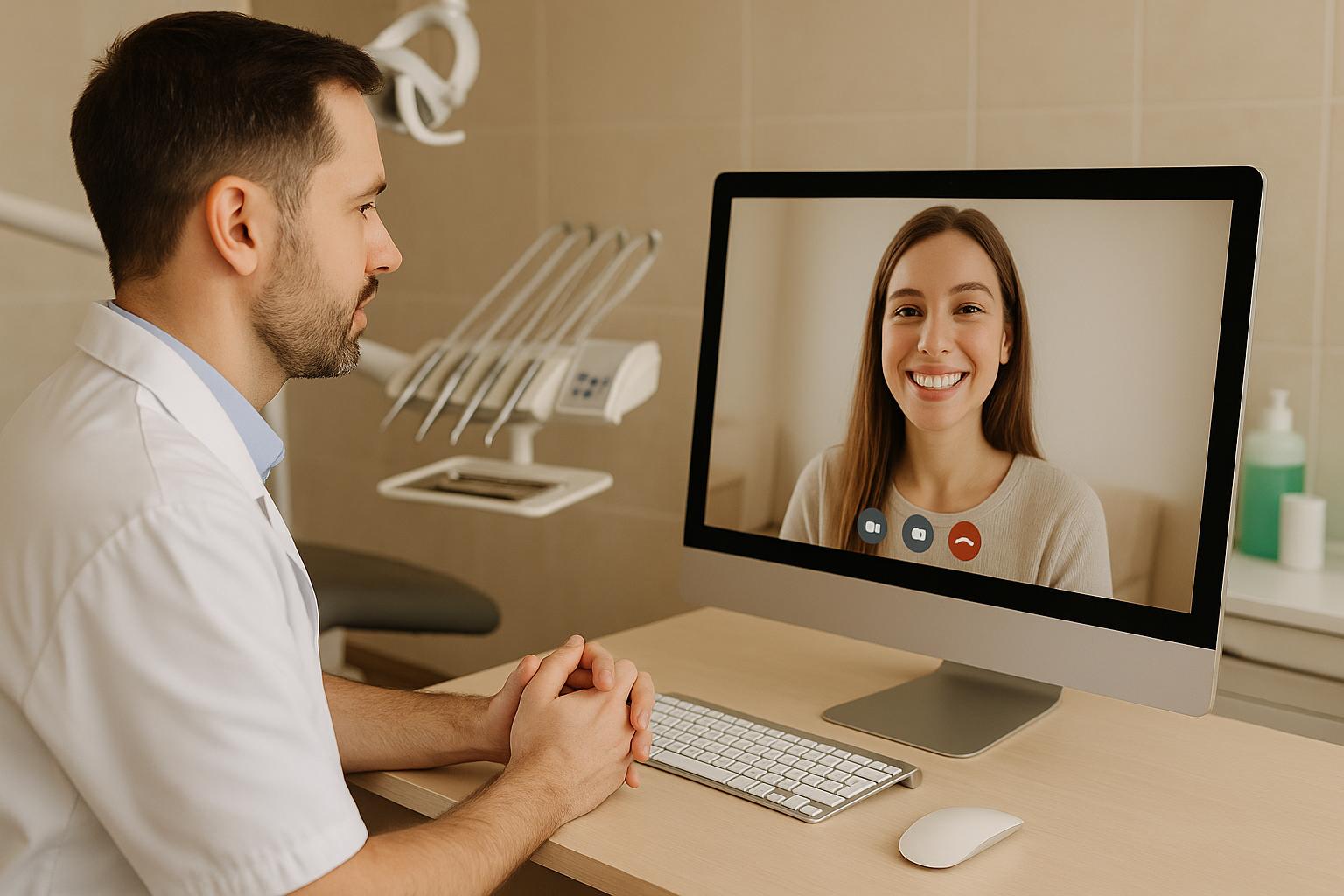
Video conferencing is reshaping dental care in Australia by enabling remote consultations, improving patient access, and streamlining treatment planning. Dentists can now offer initial assessments, monitor progress, and provide follow-ups without in-person visits. This approach is particularly helpful for patients in rural areas, those with mobility challenges, or busy schedules.
Key takeaways:
- Features to look for: High-definition video, secure data transmission, and integration with practice management systems.
- Compliance: Platforms must adhere to the Privacy Act 1988 and Australian Privacy Principles, including end-to-end encryption and secure authentication.
- Benefits: Real-time visual assessments, reduced travel, cost savings for patients and clinics.
- Growing adoption: Improved internet infrastructure and patient comfort with digital tools are driving teledentistry’s expansion.
Selecting the right platform involves balancing ease of use, security, and compatibility with your practice’s needs. Options like Zoom and specialised platforms with AI and mobile-friendly features are popular among Australian dental clinics. Training staff, educating patients, and ensuring regulatory compliance are critical for successful implementation.
Key Requirements for Video Conferencing Tools
Choosing a teledentistry video platform in Australia means carefully considering the regulatory and security obligations outlined in the Privacy Act 1988 and the Australian Privacy Principles. These regulations are in place to protect patient information, and failing to meet them can lead to significant fines and damage to your practice’s reputation. Strong security measures are not just recommended – they’re essential.
Security and Privacy Requirements
Under the Privacy Act 1988, Australian dental practices are required to follow the Australian Privacy Principles [1]. This means adopting security features that are specifically designed for healthcare settings. Here are some of the most critical features to look for:
- End-to-end encryption: Ensures patient data is safe from unauthorised access.
- Secure authentication: Verifies user identities to prevent breaches.
- Virtual waiting rooms: Provides control over who can access consultations.
Ignoring these safeguards could lead to fines, legal consequences, and a loss of trust from patients. To enhance compliance, consider using an Australian-based data storage provider. This not only simplifies meeting local data protection laws but also adds an extra layer of legal security.
Additionally, a solid risk management plan is vital. This should include regular staff training on data security, routine security assessments, and clear procedures for handling technical issues that may arise during patient consultations [1].
Top Video Conferencing Tools for Teledentistry in Australia
Dental practices across Australia now have a range of video conferencing tools tailored for teledentistry. These platforms are chosen with a strong focus on security, ensuring compliance with the Privacy Act 1988. Let’s explore some of the key features and benefits these tools bring to the table.
Platform Reviews and Features
With the growing demand for secure and efficient solutions, dental practices are turning to various video conferencing platforms. Among them, Zoom stands out for its intuitive interface and widespread use across Australian clinics. That said, the Australian Dental Association (ADA) stresses the importance of implementing proper security measures during virtual consultations to safeguard patient data.
Additionally, some specialised platforms offer advanced features like artificial intelligence tools and mobile-friendly interfaces, making remote assessments smoother and more efficient.
For dental practices, the challenge lies in striking the right balance between ease of use and stringent security measures to ensure compliance with both clinical standards and regulatory requirements.
Implementation Guide for Australian Dental Practices
Introducing video conferencing technology into your dental practice goes beyond just buying software. It involves careful planning, thorough training, and strict adherence to the regulatory requirements that govern teledentistry in Australia.
Practice Assessment and Planning
Start by evaluating your current operations and identifying future needs. This includes understanding your patient demographics and their comfort levels with technology. For rural practices, teledentistry can be a game-changer by reducing travel challenges for routine consultations and follow-ups.
Next, take a close look at your practice’s existing technology setup. Assess internet connectivity, computer systems, and staff technical skills. When choosing a platform, align its features with your service offerings. For instance, orthodontic practices might need advanced image-sharing tools, while general practices may prioritise user-friendly scheduling and consultation features. Don’t forget to account for costs like subscription fees, staff training, hardware upgrades, and the potential temporary dip in productivity as your practice adjusts to the new system.
Once you’ve mapped out your infrastructure and service requirements, the focus shifts to educating both your team and your patients on how to use the platform effectively.
Training and Patient Education
Equip your dental team with hands-on training to master essential platform features like screen sharing and file transfers. Establish standardised protocols for pre-consultation setups, patient communication, and post-session documentation. Training should also cover basic troubleshooting skills to minimise disruptions during consultations.
For patients, provide simple guides or video tutorials to help them join consultations, test their equipment, and set up a suitable environment. Offering brief technical check-ins before significant appointments can be especially helpful for those less familiar with technology. These efforts not only improve the patient experience but also support compliance with regulatory requirements.
Regulatory Compliance
Once your team and patients are prepared, the next step is ensuring full compliance with Australian regulations. Follow the guidelines set by AHPRA and the Dental Board of Australia by meticulously documenting consultations, defining the scope of practice, and securing informed patient consent. Treat teledentistry consultations with the same level of detail as in-person visits by recording observations, symptoms, and treatment recommendations. Make sure that informed consent clearly explains the limitations of video consultations and any potential technical issues.
Teledentistry works best for routine follow-ups, treatment planning, and initial assessments. It’s not ideal for comprehensive clinical exams or emergency care. Train your staff to recognise when a video consultation needs to transition to an in-person appointment.
Finally, prioritise privacy and data security. Beyond selecting a secure video platform, establish clear policies for handling consultation recordings, data storage, and patient information. Conduct regular audits to identify and address any compliance gaps, ensuring your practice consistently adheres to Australian privacy laws.
sbb-itb-2be92ed
Future Developments in Video Conferencing for Teledentistry
With stronger security measures and better system integration already in place, the next wave of technology promises to reshape remote dental care in Australia. These advancements aim to not only improve diagnostic accuracy but also make clinical workflows more efficient.
AI and Machine Learning Applications
Artificial intelligence is revolutionising how dental professionals conduct clinical analyses during video consultations. By incorporating AI-powered imaging systems, platforms can now deliver instant diagnostic insights, including information on decay, calculus, periapical radiolucencies (PARL), and restorations [2][4]. For instance, CareStack – a comprehensive dental software solution – integrates the Aeka™ AI Powered Enterprise Imaging System into its teledentistry tools. This allows practitioners to compare AI-generated findings with existing clinical data, enabling more thorough and informed discussions during virtual consultations [2]. Additionally, advancements in digital imaging technology are further refining diagnostic capabilities.
Clinical Imaging and System Integration
Beyond AI, the integration of clinical imaging systems with practice management software is set to transform both clinical and administrative processes. Modern systems now connect electronic health records (EHRs), practice management systems (PMS), and imaging tools – linking X-rays, intraoral images, and patient records into a single, cohesive workflow [3][4][5]. These connections reduce the need for repetitive data entry, simplify operations, and improve overall productivity for dental staff [3].
These technological strides are set to expand the reach and precision of teledentistry, aligning perfectly with the ongoing shift toward digital-first dental care in Australia.
Choosing the Right Platform for Your Practice
When selecting a video conferencing platform for your dental practice, it’s crucial to consider how well it matches your practice’s size, operational needs, and patient expectations. Let’s break this down into the key factors you should evaluate.
Practice size and patient volume play a big role. For smaller practices, a straightforward and affordable platform that covers basic teledentistry needs can be ideal. On the other hand, larger practices might need a more comprehensive system with advanced features like detailed scheduling tools, multi-practitioner support, and reporting capabilities.
Budget considerations are equally important. Look beyond just the upfront costs – factor in ongoing expenses and potential savings. For example, a platform that reduces administrative work or improves appointment efficiency could save money in the long run, even if it has a higher initial price tag.
Technical infrastructure is another key factor. If your practice has limited IT support, prioritise platforms that are easy to set up and use. However, if you have access to dedicated IT resources, you might explore more customisable solutions that integrate seamlessly with your existing systems.
Patient demographics should guide your decision as well. If your patients are less comfortable with technology, choose a platform with a simple interface and excellent customer support. Conversely, if your clientele is more tech-savvy, consider platforms with mobile app functionality and self-service features like online booking.
Regulatory compliance is non-negotiable. For Australian dental practices, ensure the platform adheres to privacy laws and data sovereignty requirements to protect patient information.
Lastly, take advantage of trial periods offered by potential platforms. This hands-on testing lets your team experience the system in real patient consultations, helping you determine how well it integrates with your workflows before committing to a final choice.
FAQs
What security features should a video conferencing tool for teledentistry have to comply with Australian privacy regulations?
To align with Australian privacy regulations, video conferencing tools in teledentistry need to focus on protecting patient confidentiality and ensuring data security. Key features to look for include robust end-to-end encryption, secure login options like multi-factor authentication, and password-protected meetings. These measures are essential to safeguarding sensitive health information.
It’s also crucial that the chosen platform complies with Australian privacy standards. This not only ensures regulatory adherence but also helps maintain the trust and confidence of your patients.
What steps can dental practices take to ensure staff and patients are comfortable using video conferencing tools?
Dental practices can make video conferencing easier for both staff and patients by offering clear, step-by-step instructions and tailored training. For staff, this might mean organising hands-on workshops or running simulations to help them feel confident and comfortable with the technology. Patients, on the other hand, might benefit from simple guides or short demo sessions to ensure they can use the platform without trouble.
Regular training for staff is also crucial to stay updated with the latest telehealth developments and practices. By creating a supportive environment and focusing on patient needs, dental practices can ensure video conferencing tools are used effectively and securely, improving the overall experience with teledentistry.
How is artificial intelligence transforming teledentistry consultations in Australia, and what does this mean for the future of dental care?
Artificial intelligence (AI) is transforming teledentistry in Australia, offering a leap forward in diagnostic precision, early detection of dental problems, and tailored treatment plans. AI-powered tools can spot issues like early-stage tooth decay – something that might be missed in traditional consultations – helping to improve both preventive care and overall treatment results.
Looking ahead, AI has the potential to make dental care more accessible, especially in remote or underserved areas. By equipping dentists with data-driven insights and simplifying workflows, it could pave the way for more efficient and equitable oral health services throughout Australia.
Related Blog Posts
- Teledentistry Guidelines in Australia
- AI-Powered Dental Imaging: Future Trends
- Real-Time AI in Dental Imaging: What to Know
- How AI Improves Remote Dental Care
Important Notice: Any surgical or invasive procedure carries risks. Before proceeding, you should seek a second opinion from an appropriately qualified health practitioner.
Individual results may vary. The information provided in this article is for educational purposes only and does not constitute medical advice.
Checkout Related Blogs




Get in touch with us
For more information, call us now to start feeling better. Or fill the form below to make appointment
The Latest News from Complete Smiles
How to Clean Clear Plastic Retainers
Checklist for Choosing Wearable Dental Devices
Checklist for Choosing Cloud AI Platforms in Dentistry

Complete Smiles Bella VistaAccepts All Major Health Funds, Including





