





Studies on Retainers for Jaw Alignment
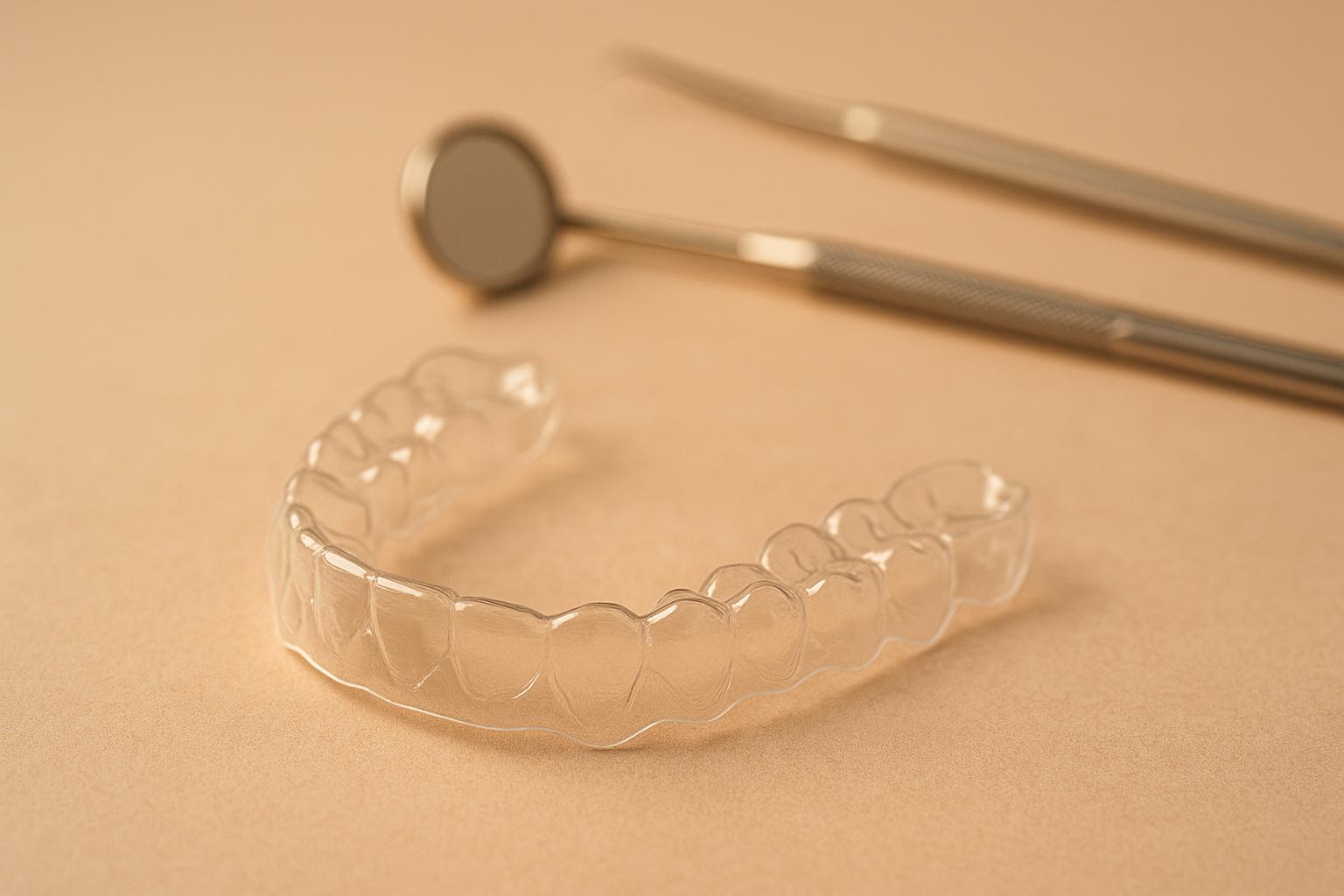
Retainers are crucial for maintaining jaw and teeth alignment after orthodontic treatments like braces or aligners. There are two main types: removable (Essix and Hawley) and fixed (bonded to teeth). Each has its strengths:
- Fixed retainers: Best for long-term stability, especially for lower front teeth. No compliance required but needs careful cleaning.
- Essix retainers: Clear and discreet, effective for upper teeth but less durable.
- Hawley retainers: Durable and adjustable but less effective in preventing minor relapse.
- CAD/CAM retainers: Advanced fixed retainers offering better fit and reduced plaque buildup.
Key tips:
- Full-time wear (22+ hours) for the first 3-6 months, then night-time indefinitely.
- Proper cleaning and timely replacement (1–2 years for removable retainers) are essential.
- Fixed retainers last longer but require regular dental check-ups.
Research shows fixed retainers outperform removable options in preventing relapse, but patient needs and compliance are critical in choosing the right type.
What is the best retention after a treatment with clear aligners?
Research on Retainer Types and How Well They Work
A meta-analysis of 22 prospective studies involving 1,797 patients compared the effectiveness of various retainer types in maintaining jaw alignment [6]. This research sheds light on how different retainers perform in preserving dental structure.
Essix Retainers: A Modern Option
Essix retainers, also known as vacuum-formed retainers, are widely favoured for their clear, discreet appearance and comfortable fit. Studies indicate that Essix retainers are effective in maintaining arch width and length, offering comparable results in preserving overall arch dimensions [6]. According to the meta-analysis, they excel in maintaining maxillary anterior alignment, with a standardised mean difference of −0.42 (95% CI: −1.03 to −0.09; P = 0.02) [6]. However, when it comes to lower anterior stability, Essix retainers are less effective compared to fixed retainers [6][7].
Hawley Retainers: A Classic Choice
Hawley retainers, made with an acrylic base and metal wires, have been a trusted option for years due to their durability and adjustability [6][1]. They effectively maintain overall arch dimensions, but may fall slightly short compared to Essix retainers in preventing minor relapse in the upper arch [6]. Compared to fixed retainers, Hawley retainers generally provide less long-term stability [6][1].
Fixed Retainers: The Go-To for Long-Term Stability
Fixed retainers are known for their superior ability to maintain tooth alignment, particularly in the lower front teeth [1][2][4]. A cohort study of 240 patients over two years highlighted their outstanding performance [1].
Recent advancements have introduced CAD/CAM fixed retainers, which are custom-made using computer-aided design and manufacturing. These digitally crafted retainers offer slight improvements in plaque reduction and lower incisor positioning compared to traditional fixed retainers [2]. Over a short period (less than six months), no significant differences were observed in inter-canine distance or arch length between CAD/CAM and conventional fixed retainers [2]. These findings highlight the importance of selecting a retainer based on individual dental alignment needs [2].
| Retainer Type | Effectiveness in Alignment | Patient Compliance Required | Durability | Aesthetics |
|---|---|---|---|---|
| Fixed (Bonded) | Highest (especially lower arch) | No | High | Invisible |
| Essix (Vacuum-formed) | High (especially upper arch) | Yes | Moderate | Clear, discreet |
| Hawley | Moderate | Yes | High | Visible wire |
| CAD/CAM Fixed | Slightly higher than conventional fixed | No | High | Invisible |
Factors That Affect Retainer Success
Several elements play a role in how well retainers maintain jaw alignment over time. While the type of retainer matters, other factors can significantly influence long-term stability, explaining why some patients maintain alignment effortlessly while others experience relapse.
Patient Compliance and Comfort
How consistently a patient wears their retainer is one of the most crucial factors in its effectiveness. Research shows that consistent part-time wear over six months is more effective at preventing relapse than inconsistent full-time wear[3]. For removable retainers, regular use is essential to maintain alignment.
Fixed retainers, on the other hand, eliminate the issue of compliance, as they remain bonded to the teeth continuously. This often leads to better alignment stability and higher satisfaction among patients[1]. However, removable retainers can sometimes lead to challenges, such as discomfort or breakage, which may compromise their long-term effectiveness[1]. Additionally, the material properties of the retainer itself are key to ensuring its durability and effectiveness over time.
Material Durability and Maintenance
The quality of materials and proper upkeep are critical for ensuring retainers perform well in the long run. Factors such as material composition and manufacturing techniques directly impact their durability. For instance, CAD/CAM titanium retainers stand out for their precise fit and rigidity, offering superior durability compared to other options[2].
These advanced retainers also contribute to better oral health by reducing gingival inflammation, probing depth, and bleeding. Their smoother, biocompatible surfaces minimise plaque buildup, making them a preferred choice over conventional stainless-steel retainers, which often underperform – especially single-stranded varieties – when compared to Ni–Ti CAD/CAM options at both 3- and 6-month evaluations[2].
Regular replacement is also a key factor in maintaining alignment. Retainers, particularly clear or removable ones, are prone to wear and tear, often requiring replacement every 1–2 years[3]. Additionally, natural changes, such as jawbone density loss due to ageing, can lead to gradual tooth movement, emphasising the importance of long-term retainer use[3]. These considerations highlight the need for personalised retainer plans tailored to each patient’s circumstances.
| Factor | Fixed Retainers | Removable Retainers |
|---|---|---|
| Patient Compliance | Not required | Regular wear is essential |
| Material Durability | Excellent with CAD/CAM titanium | More prone to warping/breakage |
| Comfort Issues | Generally well-tolerated | May cause discomfort |
| Replacement Frequency | As needed | Typically every 1–2 years |
sbb-itb-2be92ed
Clinical Guidelines for Retainer Use
Over the years, research has significantly refined the protocols for retainer use, offering clearer recommendations on wear schedules and maintenance. These guidelines are designed to maximise the long-term success of orthodontic treatments while minimising complications and improving patient care.
How Long to Wear Retainers
Orthodontists generally recommend the following wear schedule for retainers: full-time wear (22+ hours daily) for the first 3–6 months, followed by night-time use for 6–12 months, and then 3–5 nights per week indefinitely[3]. This gradual reduction allows tissues to stabilise and adapt after active treatment, ensuring teeth remain in their corrected positions.
Teeth are most prone to shifting immediately after braces or aligners are removed. The initial full-time wear period is crucial for maintaining alignment during this vulnerable phase. However, the exact duration may vary depending on individual needs and the orthodontist’s advice, especially in more complex cases or for patients at a higher risk of relapse.
For those seeking continuous support, fixed retainers are an excellent option. A 5-year study published in the European Journal of Orthodontics highlights that bonded retainers provide better long-term stability, particularly in the lower front teeth[3]. This aligns with findings from a two-year cohort study involving 240 orthodontic patients, which showed that fixed retainers were more effective at maintaining tooth alignment. Patients using fixed retainers also reported higher satisfaction and better compliance rates compared to removable options[1].
Care and Replacement Recommendations
Proper care is just as important as following wear schedules to ensure retainers remain effective. Here’s what you need to know:
- Removable retainers should be cleaned daily using a soft brush and mild soap. Avoid hot water, as it can warp the material[3].
- Fixed retainers require careful brushing and flossing around the wire to prevent plaque buildup[2]. Regular dental check-ups are essential to monitor both the retainer’s condition and overall oral health.
Advancements such as CAD/CAM retainers offer additional benefits. Their precise fit and smoother surfaces make cleaning easier and reduce plaque accumulation, contributing to better oral hygiene[2].
When it comes to replacement, timelines differ between retainer types. Removable retainers typically need to be replaced every 1–2 years due to wear, warping, or a poor fit[3]. Indicators for replacement include visible damage, difficulty cleaning, or improper fit. Fixed retainers, on the other hand, often last longer but require regular monitoring for signs of breakage or detachment[1][2]. Timely repair or replacement is essential to prevent teeth from shifting back to their original positions.
| Retainer Type | Cleaning Method | Replacement Timeline | Key Maintenance Tips |
|---|---|---|---|
| Removable | Soft brush and mild soap, daily | Every 1–2 years | Avoid hot water; check fit regularly |
| Fixed | Careful brushing and flossing | As needed (monitor for breakage) | Regular dental check-ups are crucial |
| CAD/CAM | Standard cleaning methods | Variable (typically longer-lasting) | Precise fit reduces plaque buildup |
Common issues with retainers include breakage, discomfort, plaque buildup, and gum inflammation[1][2]. These problems can often be resolved with regular monitoring and prompt intervention. CAD/CAM retainers, in particular, have been shown to improve gum health thanks to their smooth surfaces and precise adaptation, which help reduce plaque and gingival irritation[2].
In Australia, dental clinics like Complete Smiles Bella Vista emphasise the importance of regular cleaning, timely replacement, and professional monitoring as key components of retainer care. Many clinics offer personalised care plans tailored to individual needs, providing patients with specific cleaning advice and replacement schedules. By using advanced materials and techniques, these clinics help ensure long-term orthodontic success.
Local Dental Services in Australia
Dental clinics across Australia go beyond just fitting orthodontic appliances – they provide ongoing care to ensure retainers remain effective and jaw alignment stays on track.
Regular professional check-ups are key to catching issues early. Problems like retainer breakage, poor fit, or oral hygiene concerns can threaten the stability of orthodontic results if left unaddressed. Most dental professionals in Australia recommend retainer check-ups every 6 to 12 months. However, if you’re experiencing discomfort, damage, or a noticeable change in fit, it’s best to schedule a visit sooner [1][4]. This proactive care helps keep complications at bay and preserves the hard-earned results of orthodontic treatment.
Many Australian dental clinics offer a full suite of orthodontic services. This includes everything from initial assessments and retainer fittings to repairs, replacements, and ongoing care [3][7]. With advancements like digital scanning, clinics can now create custom retainers with a high degree of precision, resulting in better fits and improved outcomes for patients.
Beyond the technical side, local providers also focus on patient education and timely intervention. They address common issues like broken retainers or hygiene challenges through prompt repairs, professional cleanings, and clear guidance. This holistic approach ensures patients receive the specialised care they need to maintain their dental and orthodontic health.
Complete Smiles Bella Vista

Complete Smiles Bella Vista is a standout example of the integrated care approach seen in Australian dental clinics. Under the leadership of Dr. James Hanna, this clinic offers a range of orthodontic services, including Invisalign, fixed and removable retainers, and ongoing retainer care. With over 80 cases completed in just five years, the clinic demonstrates its dedication to achieving lasting results for its patients [8].
The clinic’s personalised care begins with thorough assessments and digital imaging, paired with in-depth consultations. Dr. Hanna and his team consider factors like age, dental history, lifestyle, and individual preferences to craft tailored treatment plans. This ensures the right retainer type and follow-up schedule for each patient, maximising comfort and effectiveness throughout the retention phase.
Dr. Hanna places a strong emphasis on education and regular follow-ups. Patients receive guidance on consistent retainer use, proper cleaning methods, and how to spot early signs of issues. This empowers them to take an active role in maintaining their jaw alignment and overall oral health [3][5].
In addition to orthodontic care, Complete Smiles Bella Vista provides general preventative services, including professional cleanings, to support long-term retainer maintenance. For Australians exploring retainer care, clinics like this one showcase the benefits of expert orthodontic services, cutting-edge diagnostic tools, and a patient-first attitude. Flexible payment options and comprehensive care packages further enhance the value of their offerings, ensuring patients can maintain their results for years to come.
Key Findings and Practical Advice
Research consistently highlights that fixed retainers offer more reliable jaw alignment over time compared to removable ones. A two-year study involving 240 patients revealed that those with fixed retainers experienced minimal alignment changes and reported higher satisfaction and compliance levels compared to their removable counterparts [1]. This is largely because fixed retainers provide consistent support, eliminating the need for patients to remember or be motivated to use them daily.
On the other hand, removable retainers depend heavily on how consistently they are worn. Studies show that regular part-time wear can be more effective than sporadic full-time use [3]. To maintain alignment, it’s crucial to follow your orthodontist’s instructions on wear time and care for removable retainers.
Advancements in materials have also improved the performance of retainers. For example, CAD/CAM titanium fixed retainers are designed to reduce gingival inflammation and plaque build-up compared to traditional multi-stranded wire retainers [2]. These retainers feature smoother, more biocompatible surfaces and a precise fit, promoting better oral health in the long term.
When choosing a retainer, individual patient needs play a significant role. Fixed retainers are ideal for individuals prone to relapse or those who may struggle with compliance, while removable retainers are better suited for patients with strong oral hygiene habits and consistent adherence to wearing schedules [1][3]. A five-year randomised study also found that bonded retainers were particularly effective at maintaining stability in the lower front teeth over time [3].
If you experience discomfort, notice damage, or feel that your retainer no longer fits properly, it’s important to report these issues promptly [1][3]. Regular check-ups and proper maintenance can help address any problems early, ensuring the retainer continues to work effectively.
For dental professionals, educating patients and involving them in the decision-making process is crucial for achieving the best outcomes [1]. Factors such as the patient’s lifestyle, commitment to compliance, and specific orthodontic risks should all be considered when recommending a retainer to ensure long-term success.
FAQs
What are the differences between fixed and removable retainers for maintaining jaw alignment over time?
Fixed and removable retainers are both essential for keeping your teeth aligned after orthodontic treatment, but they work differently and come with distinct care routines.
Fixed retainers are attached to the back of your teeth, providing constant support to maintain alignment. They’re great for long-term stability since they don’t require any effort to wear. However, keeping them clean can be a bit tricky, as they need extra attention to prevent plaque from building up.
Removable retainers, meanwhile, offer more convenience. You can take them out when eating or cleaning, making them easier to manage day-to-day. The catch? They need to be worn regularly as directed to ensure your teeth don’t shift back. Consistency is key with these.
Your orthodontist or dentist can guide you in choosing the right type of retainer based on your habits and dental goals.
What are the benefits of using CAD/CAM retainers compared to traditional fixed retainers?
CAD/CAM retainers bring a range of benefits compared to traditional fixed retainers. These retainers are crafted using advanced computer-aided design and manufacturing technology, which allows for a highly accurate fit tailored to your dental structure. This level of precision can improve both comfort and effectiveness in keeping your teeth aligned after orthodontic treatment.
What sets CAD/CAM retainers apart is their durability. Made from tough materials designed to resist wear, they offer a long-lasting solution. Plus, they’re removable, making cleaning and maintenance much simpler than with fixed retainers, which can sometimes be tricky to keep hygienic. For many, the blend of comfort, strength, and ease of use makes CAD/CAM retainers a practical and appealing choice.
How important is patient compliance in ensuring retainers maintain proper jaw alignment after treatment?
Retainers are essential for maintaining jaw alignment after orthodontic treatment, but their effectiveness hinges on how consistently patients use them. Wearing retainers as instructed by your orthodontist helps prevent a phenomenon called relapse, where teeth and jaws gradually shift back to their original positions.
Whether you have a fixed or removable retainer, each type comes with its own maintenance needs. But one thing remains constant: if you don’t wear your retainer for the recommended hours each day, the progress made during treatment can slowly fade. To ensure lasting results, it’s crucial to stick to your orthodontist’s guidance and make retainer use a daily habit.
Related Blog Posts
- 5 Differences Between Retainers for Kids and Adults
- Ultimate Guide to Adult Braces: Challenges and Solutions
- Ultimate Guide to Preventing Orthodontic Relapse
- Patient Compliance in Orthodontics: Key Insights
Important Notice: Any surgical or invasive procedure carries risks. Before proceeding, you should seek a second opinion from an appropriately qualified health practitioner.
Individual results may vary. The information provided in this article is for educational purposes only and does not constitute medical advice.
Checkout Related Blogs




Get in touch with us
For more information, call us now to start feeling better. Or fill the form below to make appointment
The Latest News from Complete Smiles
How to Clean Clear Plastic Retainers
Checklist for Choosing Wearable Dental Devices
Checklist for Choosing Cloud AI Platforms in Dentistry

Complete Smiles Bella VistaAccepts All Major Health Funds, Including





