





Social Media Advertising for Dentists: Compliance Tips

Social media is a powerful way for Australian dentists to connect with patients, share knowledge, and promote oral health. However, strict rules from AHPRA and the Dental Board of Australia mean all advertising must be accurate, fair, and compliant with regulations. Breaching these rules can result in fines, investigations, or restrictions on practice operations.
Here’s what you need to know upfront:
- AHPRA Guidelines: Posts must avoid making guarantees, misleading claims, or promoting unnecessary treatments. This includes moderating comments to ensure compliance.
- Legal Requirements: Ads must comply with the Health Practitioner Regulation National Law Act 2009 and Australian Consumer Law, ensuring truthfulness and fairness.
- Content Rules: Avoid before-and-after images, testimonials, or pricing claims that suggest guarantees. Focus on educational content like oral health tips or team introductions.
- Privacy: Always obtain explicit, documented consent before sharing patient information or images.
- Review and Train: Regularly audit posts, train staff, and use AHPRA’s tools to ensure ongoing compliance.
Staying compliant not only protects your practice from penalties but also builds trust with patients through ethical, professional communication.
Best Practices in Social Media for Dentists – IC035
Australian Dental Advertising Regulations
For dental practices in Australia, navigating advertising regulations is essential – especially when using social media to connect with patients. Everything you post online, whether it’s a casual update or a paid campaign, must align with the country’s healthcare advertising rules.
AHPRA Guidelines Overview
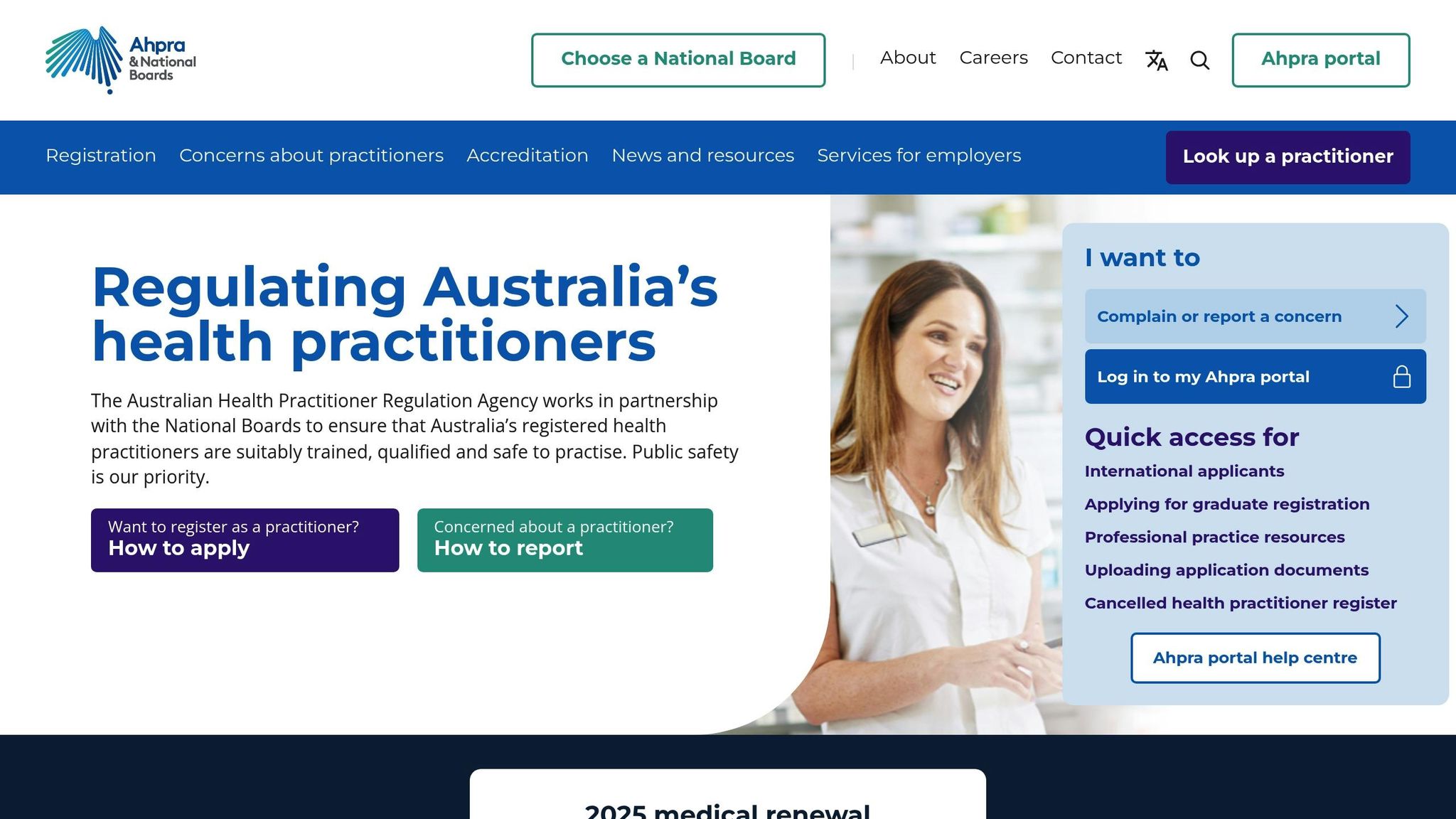
The Australian Health Practitioner Regulation Agency (AHPRA) plays a central role in overseeing healthcare advertising nationwide. Working alongside the Dental Board of Australia, AHPRA ensures all registered dental practitioners and their practices follow strict advertising standards.
AHPRA’s guidelines emphasise accuracy and fairness, prohibiting content that creates unrealistic expectations about treatments or promotes unnecessary services. These rules apply universally to all social media platforms and content types.
Social media introduces unique challenges compared to traditional advertising. Since posts can reach a broader audience beyond your regular patients, all content must be suitable for public viewing. This includes managing comments, direct messages, and reactions to prevent any non-compliant claims or testimonials. Practices are responsible for moderating these interactions to avoid breaching advertising standards.
These principles work in tandem with broader legal obligations, which are outlined below.
Legal Requirements for Advertising
Beyond AHPRA’s guidelines, dental practices must comply with legal frameworks like the Health Practitioner Regulation National Law Act 2009 and Australian Consumer Law. Both require advertising to be truthful and fair, with severe penalties for breaches.
Fines for non-compliance can be costly and apply to both individual practitioners and dental practices. It’s worth reviewing your professional indemnity policy, as many insurers exclude coverage for penalties or legal costs related to advertising breaches.
These legal requirements ensure that every aspect of your online advertising is held to a high standard, protecting both practitioners and the public.
Compliance Coverage
AHPRA’s advertising standards extend to all types of social media content, including organic posts, paid ads, stories, reels, live videos, and even profile descriptions. Any content tied to your dental practice must adhere to these rules.
When sharing third-party materials, such as content from dental suppliers or industry publications, ensure that the original content complies with advertising standards. If it doesn’t, your practice could still be held accountable.
Staff posts referencing your practice also fall under these guidelines and must be monitored for compliance. Since social media operates on a national scale, AHPRA’s rules apply uniformly across Australia, simplifying the compliance process compared to industries with state-specific regulations.
Even archived posts need to meet current standards. Content from months or years ago can still lead to investigations if it’s found to violate today’s guidelines. Regularly auditing your online presence helps ensure your practice stays aligned with evolving standards and avoids potential pitfalls.
Social Media Compliance Principles
When it comes to social media advertising, protecting patient privacy and securing informed consent are non-negotiable. Dentists are ethically bound to maintain confidentiality and respect patient privacy at all times. For example, sharing photos or images of clinical results without proper permissions can lead to serious privacy violations[1].
It’s crucial to obtain explicit, documented consent from patients before using their information or images on social media platforms[1][2]. This consent should clearly outline what will be shared, where it will be published, and for how long. Additionally, there should be a straightforward process in place to promptly remove any content if a patient decides to withdraw their consent.
Both dentists and their staff must also be vigilant in safeguarding privacy when engaging online. Even something as simple as moderating responses requires care to avoid inadvertently confirming any treatment details.
Creating Compliant Social Media Content
When crafting social media content, it’s crucial to ensure that your posts educate and inform while strictly adhering to AHPRA guidelines.
Content Creation Guidelines
To create compliant content, focus on promoting oral health education, preventive care, and general wellness, rather than making specific treatment claims.
Educational posts tend to perform well on social media. Topics like proper brushing techniques, the importance of regular check-ups, or seasonal oral health tips engage audiences without risking non-compliance.
For visual content, steer clear of clinical images that imply treatment results or reveal patient details. Instead, opt for engaging alternatives such as infographics on oral health, introductions to your team, virtual tours of your practice, or educational diagrams. These options maintain visual interest while respecting regulatory boundaries.
When discussing treatments or procedures, always include clear disclaimers. Make it clear that individual results may vary and encourage professional consultation for tailored advice.
It’s also important to separate organic and paid content strategies, as each has distinct compliance requirements.
Combining Organic and Paid Content
Organic and paid content should be approached differently, as paid posts are subject to stricter AHPRA compliance rules.
Organic content allows for more casual interaction with your audience. You can respond to general oral health questions and share educational resources. However, even organic posts must avoid making specific treatment claims or guarantees, maintaining a professional tone throughout.
Paid content, on the other hand, must strictly adhere to advertising regulations. This includes clearly identifying sponsored posts and following therapeutic goods advertising requirements. Paid promotions should highlight general practice information, available services, or educational content, steering clear of promises about treatment outcomes or patient testimonials.
Consistency is key – apply the same compliance standards across all platforms to build trust and minimise risk.
To ensure compliance over time, a thorough content review process is essential.
Content Review and Updates
A systematic approach to reviewing your content is vital to staying compliant as regulations and social media policies evolve. Regular audits can help catch potential issues before they become problems.
Schedule monthly reviews to ensure recent posts align with the latest AHPRA guidelines. Check for any language that could be interpreted as making unrealistic promises or guarantees. Don’t forget to review comments and responses to ensure interactions with patients remain professional and within compliance boundaries.
Documentation is another important aspect of maintaining compliance. Keep records of content approval processes, patient consent forms for shared information, and compliance training for staff managing social media accounts. These records demonstrate your commitment to professional standards.
Regular training for staff is also critical. As social media platforms and compliance considerations change, team members managing social accounts should receive quarterly updates on AHPRA guidelines, advertising policies, and best practices for protecting patient privacy.
Finally, incorporate compliance checkpoints into your content calendar. By reviewing planned posts before they go live, you can proactively address potential issues and maintain professional, compliant communication.
sbb-itb-2be92ed
Avoiding Common Compliance Mistakes
Dental practices often stumble into compliance issues when advertising on social media. Recognising these common mistakes and taking steps to avoid them can safeguard your practice from regulatory trouble while upholding professional standards. Below, we explore typical errors and how AHPRA resources can help you steer clear of them.
Non-Compliant Content Examples
Some of the most frequent missteps include making unrealistic promises and failing to secure proper patient consent.
Take before-and-after images, for example. Posts showcasing dramatic transformations with captions like "Incredible results in just one visit!" or "Guaranteed perfect smile!" breach AHPRA guidelines. Why? They imply guaranteed outcomes and often lack disclaimers about how results can vary from person to person. A better approach is to share educational content, such as infographics, with statements like, "Results vary between individuals. Consult a professional for personalised advice."
Another common pitfall involves patient testimonials and pricing claims. Statements like "Cheapest teeth whitening in Sydney!" can mislead patients and violate AHPRA rules. Instead, focus on transparency. Share clear information about payment options, accepted health funds, or general service availability without making comparisons or creating urgency with limited-time offers.
Disclaimers are another area where practices often falter. Tiny disclaimers buried in hashtags or hard-to-read text simply don’t cut it. To comply, disclaimers need to be prominent, easy to read, and directly relevant to the information being shared.
Ultimately, compliant content should prioritise accuracy, realistic expectations, and patient privacy. Posts should inform without misleading, educate without overpromising, and always reflect professional integrity. By understanding these common errors, you can lay a strong foundation for using AHPRA’s tools to ensure your advertising remains compliant.
Using AHPRA Resources
AHPRA provides valuable tools to help dental practices navigate compliance challenges. Their "Check, Correct and Comply" tools are particularly useful for identifying and addressing potential issues before they escalate[3]. These resources include practical guidance and real-world examples to help you spot and fix compliance problems.
Interactive checklists, for instance, walk you through scenarios like treatment claims, patient imagery, pricing details, and professional conduct requirements. Case studies included in these tools illustrate how complaints are handled and clarify what constitutes non-compliant advertising. By reviewing these examples, you can better understand the guidelines and spot potential problems in your own content.
If you identify non-compliant posts, AHPRA’s resources also provide clear instructions on how to correct or remove them without compromising your social media presence. Regularly consulting these tools – ideally on a quarterly basis – can help you audit and update your content, ensuring it aligns with current standards and avoids regulatory scrutiny.
Additionally, AHPRA’s explanatory materials break down complex regulations into simpler terms, helping all team members grasp the importance of compliance. By making these resources a part of your routine, you demonstrate a commitment to maintaining professional standards and protecting your practice from potential risks.
Building Trust Through Ethical Social Media Practices
Adhering to AHPRA’s strict standards is not just about compliance – it’s about fostering trust with your patients. Ethical behaviour on social media serves as an extension of your professional standards, reinforcing your credibility and reliability.
Professional Online Behaviour
Maintaining professionalism online starts with clear and consistent guidelines. Ensure all team members managing social media are trained in AHPRA’s requirements to avoid missteps.
When engaging with patient inquiries or comments, always keep responses professional and redirect sensitive matters to private consultations. This protects patient confidentiality while showing your dedication to proper clinical protocols.
Consistency across all platforms is key. Whether you’re posting on Facebook, Instagram, or LinkedIn, your tone, visual branding, and content quality should align with the professional experience patients associate with your practice. This uniformity helps build recognition and trust over time.
Negative feedback is inevitable, but how you handle it speaks volumes. Acknowledge concerns publicly with empathy, then move the conversation to private channels for resolution. This approach not only respects patient privacy but also shows others that you handle challenges with transparency and care.
Don’t overlook your personal social media presence. Patients often search for their healthcare providers online, and unprofessional content on personal accounts can harm your reputation. Adjust privacy settings or consider maintaining separate professional accounts to safeguard your practice’s image.
Long-Term Benefits of Compliance
Ethical practices aren’t just about day-to-day interactions – they offer measurable long-term advantages. Compliance builds patient loyalty, reduces legal risks, and strengthens your standing in the community.
When patients see honest and transparent communication on your social media, their trust in your practice grows. This trust translates into loyalty, with satisfied patients more likely to recommend your services to family and friends. Word-of-mouth referrals, often more effective than other marketing efforts, can drive significant growth for your practice.
Staying compliant also helps you avoid costly legal troubles. AHPRA penalties, such as fines or professional sanctions, can damage your reputation and disrupt operations. By prioritising ethical standards from the start, you minimise these risks and establish a solid foundation for your practice.
Your online professionalism doesn’t just appeal to patients – it resonates with other healthcare providers, local businesses, and community organisations. Practices perceived as trustworthy and professional are more likely to receive referrals or collaboration opportunities, creating a network effect that can amplify long-term success.
Ethical conduct also gives you a competitive edge that’s hard to replicate. While competitors can mimic your services or pricing, the trust and reputation you’ve built take years to establish and become a lasting asset.
Finally, a commitment to high standards attracts quality team members. Employees are more likely to stay in a workplace they respect, reducing recruitment costs and ensuring consistent, high-quality patient care. A professional and ethical environment fosters pride among staff, which contributes to the overall success of your practice.
Key Points for Compliant Social Media Advertising
Navigating social media advertising means striking the right balance between effective marketing and adhering to AHPRA’s strict guidelines. Following these rules isn’t just important – it’s essential for ethical, responsible online promotion.
Accuracy and transparency should be at the heart of every post. Make sure all content is factually correct, backed by evidence, and respects patient privacy. Never share clinical details or images without clear, documented consent.
When creating content, prioritise education over promotion. Share tips on maintaining oral health, break down common procedures in plain language, and showcase your qualifications and expertise. This approach not only builds trust but also keeps your content within regulatory limits.
To avoid compliance missteps, invest in team training and regular content reviews. Everyone involved in managing your social media accounts should understand AHPRA requirements. Set up a system for content approvals and audit your posts regularly to catch any issues early. This process also helps distinguish between organic and paid content.
Speaking of which, the line between organic and paid content is crucial. Organic posts allow more flexibility for educational material, while paid ads require disclaimers and stricter adherence to professional standards.
Your professional behaviour online is just as important as the content you post. This includes how you interact with patients, respond to reviews, and maintain a consistent, professional tone across all platforms. Your online presence should reflect the same high standards as your in-person care.
Looking ahead, view compliance as a strength, not a limitation. Practices that consistently uphold ethical standards and communicate openly build stronger patient relationships, minimise legal risks, and foster trust within the community – leading to more referrals and long-term growth.
Finally, stay informed by keeping up with AHPRA updates as guidelines evolve. Regularly reviewing these updates, alongside ongoing content audits and staff training, ensures your practice stays compliant and protected.
FAQs
What happens if dentists in Australia don’t follow AHPRA’s social media advertising guidelines?
Failing to follow AHPRA’s social media advertising guidelines can result in serious repercussions. These can include warnings, fines of up to $60,000 for individuals or $120,000 for organisations per violation, practice restrictions, registration suspension, or even criminal charges carrying penalties like up to three years of imprisonment.
Dentists should thoroughly review AHPRA’s guidelines to ensure their advertising is truthful, backed by evidence, and aligns with Australian regulations. This not only safeguards the public but also protects the reputation of their practice.
What steps should dental practices take to obtain proper patient consent before sharing their information or images on social media?
To share patient information or images on social media, dental practices must secure explicit, written informed consent beforehand. This means patients need to fully understand what specific content will be shared, the purpose behind it, and where it will appear. Each use requires its own clearly documented consent.
To meet AHPRA guidelines and protect patient privacy, dental practices should:
- Clearly outline the purpose and scope of the content being shared.
- Allow patients to ask questions and ensure they can decline consent without feeling pressured.
- Maintain a detailed record of the signed consent for future reference.
Following these steps not only ensures ethical advertising practices but also strengthens patient trust by respecting their rights and privacy.
How can dental practices keep their social media content compliant with AHPRA regulations?
To stay aligned with AHPRA regulations, dental practices should make a habit of reviewing and refreshing their social media content. Begin by conducting regular audits of your posts to ensure they adhere to legal and ethical standards. This includes avoiding exaggerated claims or sharing information that hasn’t been verified. A compliance checklist based on AHPRA and Dental Board of Australia guidelines can be a practical tool for spotting and addressing potential issues.
Equally important is ongoing staff training. Keeping your team up-to-date with the latest advertising rules and best practices ensures everyone understands what’s required. Updating your social media policies and procedures regularly can also help maintain a professional and accurate online presence that meets current regulations.
Related Blog Posts
- Prohibited Dental Ads: Key Rules in Australia
- How to Check Dental Ads for Section 133 Compliance
- AHPRA Advertising FAQs for Dentists
- How AHPRA Enforces Dental Advertising Rules
Important Notice: Any surgical or invasive procedure carries risks. Before proceeding, you should seek a second opinion from an appropriately qualified health practitioner.
Individual results may vary. The information provided in this article is for educational purposes only and does not constitute medical advice.
Checkout Related Blogs




Get in touch with us
For more information, call us now to start feeling better. Or fill the form below to make appointment
The Latest News from Complete Smiles
How to Clean Clear Plastic Retainers
Checklist for Choosing Wearable Dental Devices
Checklist for Choosing Cloud AI Platforms in Dentistry

Complete Smiles Bella VistaAccepts All Major Health Funds, Including





