





Retainer Care and Mental Wellbeing
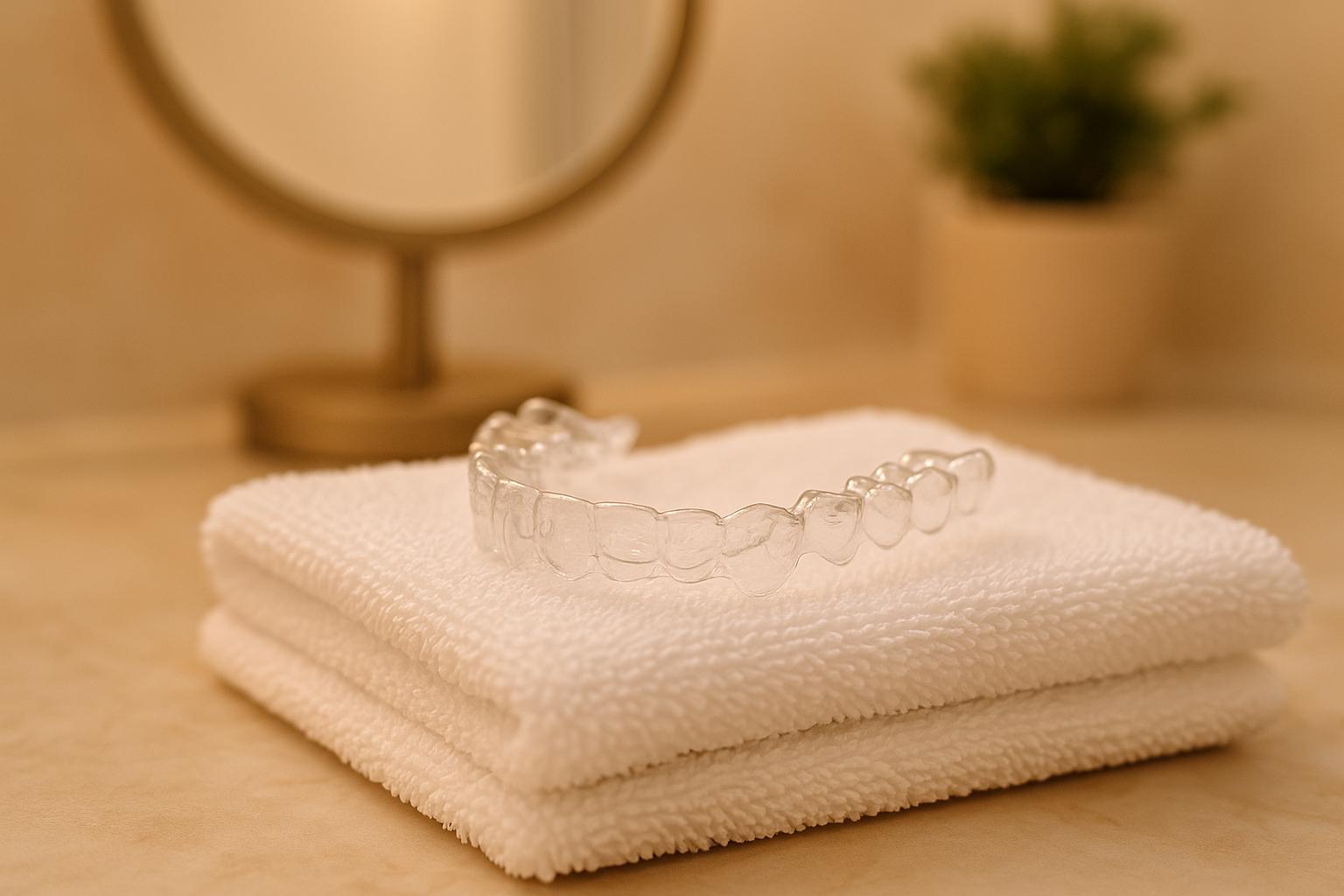
Wearing your retainer as instructed isn’t just about keeping your teeth straight – it’s also linked to better mental wellbeing. Studies show orthodontic treatment can reduce anxiety and depression while boosting confidence and social interactions. By maintaining your retainer routine, you protect both your smile and the emotional benefits that come with it.
Here’s what you need to know:
- Confidence: Straight teeth improve self-image, making social situations easier.
- Stress Reduction: Regular retainer use prevents teeth shifting, easing anxiety about losing results.
- Self-Care Habits: Cleaning and wearing your retainer daily builds discipline and a sense of control.
Need help with retainer care or concerns? Reach out to your orthodontist for guidance or adjustments.
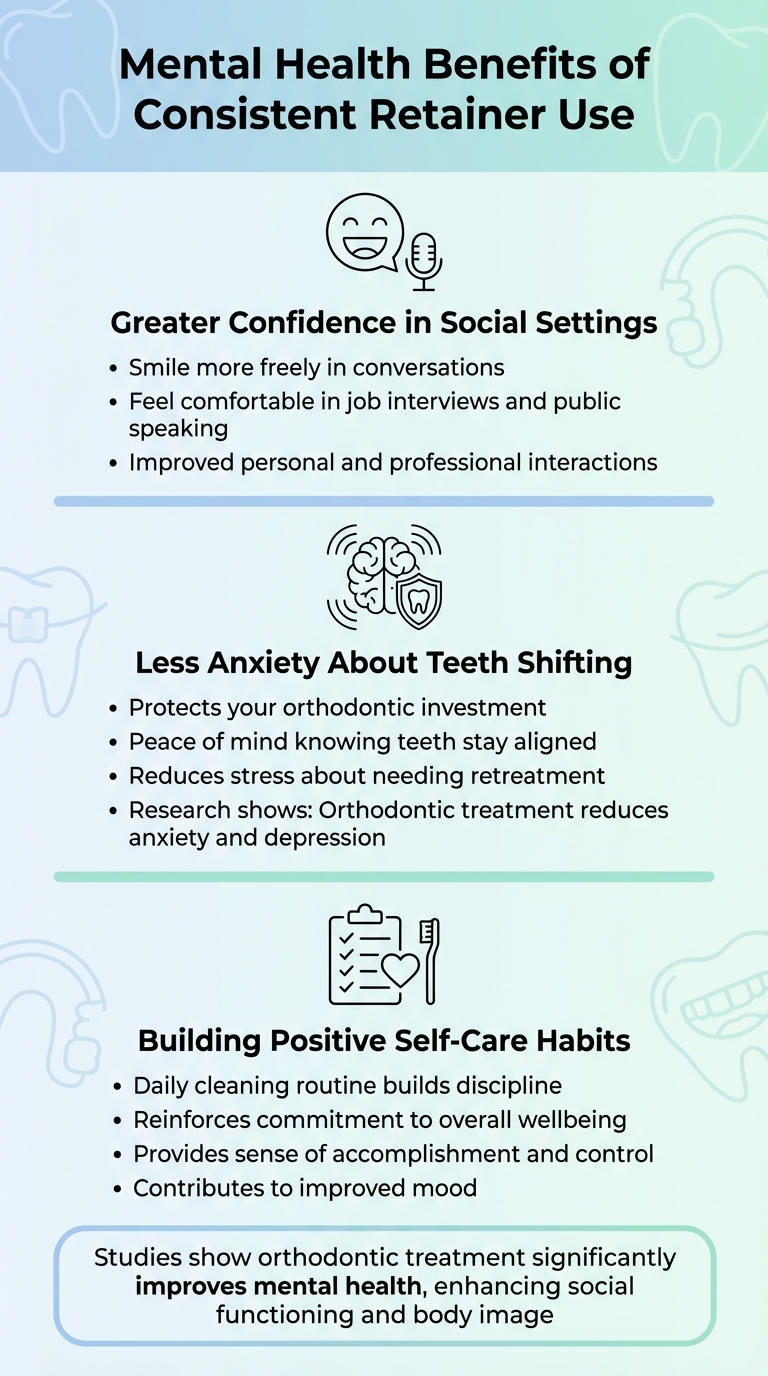
Mental Health Benefits of Consistent Retainer Use
How to Clean Retainers After Braces! Quick And Easy!
How Retainer Care Supports Mental Health
Your smile does more than light up a room – it plays a vital role in your mental wellbeing. By consistently wearing your retainer, you’re not just maintaining straight teeth; you’re also holding onto the confidence and emotional benefits gained from orthodontic treatment. A clinical study using the General Health Questionnaire revealed that orthodontic treatment can significantly improve mental health, reducing anxiety and depression while enhancing social functioning [7]. Following your retainer routine ensures these psychological perks remain intact, just like your alignment.
The Connection Between Dental Alignment and Self-Image
Straight teeth don’t just improve oral health – they can transform how you see yourself. Research shows that completing orthodontic treatment leads to greater satisfaction with appearance and better body image scores [7]. Every time you catch your reflection and see that straight smile, it reinforces a sense of achievement and self-worth.
This boost in self-image has a ripple effect on your daily life. Studies highlight that orthodontic treatment improves appearance evaluation and encourages healthier habits overall [7]. Wearing your retainer ensures these benefits stick around, empowering you to smile confidently in photos, speak up in meetings, and engage socially without worrying about shifting or crooked teeth.
Consistent Results and Lower Stress Levels
One of the often-overlooked benefits of retainer use is the peace of mind it provides. Skipping your retainer during the critical first year can lead to noticeable shifting, which can trigger anxiety about losing the results you worked so hard to achieve [5]. But when you stay consistent with your retainer, that worry disappears – you can trust that your teeth will stay in place.
This reassurance isn’t just about appearance. Retainers also preserve proper bite alignment, which helps prevent stress on your jaw and teeth [3]. A well-aligned bite reduces the risk of headaches, jaw pain, and TMJ discomfort – physical issues that often add to stress and anxiety. By sticking to your retainer schedule, you’re protecting both your physical comfort and your mental wellbeing. It’s a simple, effective way to avoid more complex dental problems down the road while maintaining your confidence and peace of mind.
Mental Wellbeing Benefits of Proper Retainer Use
Wearing your retainer consistently not only helps maintain the results of your orthodontic treatment but also has a positive impact on your mental wellbeing. From boosting confidence to reducing anxiety and encouraging healthy habits, proper retainer use offers benefits that go beyond just a straight smile.
Greater Confidence in Social Settings
A well-maintained smile can make navigating social situations much easier. Knowing your teeth are staying aligned encourages you to smile more, speak up in conversations, and feel comfortable in new environments. Orthodontic professionals often note that patients who stick to their retainer routine report feeling more self-assured during job interviews, public speaking events, and other social occasions. This newfound confidence can have a ripple effect, improving both personal and professional interactions [2][3].
Less Anxiety About Teeth Shifting
Using your retainer regularly acts as a safeguard, preventing your teeth from shifting out of place. This protection ensures that the time, effort, and money you’ve invested in orthodontic treatment are not wasted. For many, this peace of mind helps reduce the stress and worry about needing retreatment. Teens, who can be particularly sensitive to peer opinions, and adults, who have often committed significant resources to their treatment, both benefit from this sense of control. The knowledge that their smile is secure can significantly ease anxiety [1][3][5].
Building Positive Self-Care Habits
Taking care of your retainer – cleaning it daily, storing it properly, and wearing it as directed – encourages discipline and routine. For young people, this responsibility can help develop valuable life skills and foster a positive attitude toward overall health. Adults often find that adding retainer care to their daily routines, like brushing their teeth or following a skincare regimen, reinforces a broader commitment to their wellbeing. This small but consistent act of self-care can provide a sense of accomplishment and control, contributing to improved mood and mental wellness [1][4][5][6][7][9].
sbb-itb-2be92ed
Practical Retainer Care Tips for Stress-Free Maintenance
Keeping your retainer in good shape doesn’t have to be a hassle. By following a few straightforward habits, you can protect your smile and make daily care feel like second nature. A consistent routine not only preserves your retainer but also ensures your orthodontic results stay intact without adding unnecessary stress.
Daily Cleaning and Storage Routines
Start by rinsing your retainer with lukewarm water as soon as you take it out. This simple step helps prevent plaque from building up. For a deeper clean, use a soft toothbrush and mild, fragrance-free hand soap once or twice a day – skip the toothpaste, as it can scratch the plastic and trap bacteria. Every few days, soak your retainer in an orthodontist-approved cleaner, like effervescent retainer tablets, to keep odours and plaque under control. Avoid harsh products like mouthwash or bleach, which could damage the material. And don’t forget to brush and floss your teeth before putting your retainer back in to avoid trapping food particles against your enamel.
When it’s not in use, always store your retainer in a ventilated hard case. Resist the urge to wrap it in tissues or toss it into your pocket or bag – this increases the risk of damage or losing it. Also, keep the case out of reach of pets and young children. Dogs, in particular, might be drawn to the scent and could chew on it if left unprotected. These small steps go a long way in keeping your retainer functional and your peace of mind intact.
Handling and Travel Tips
Proper handling is key to extending the life of your retainer. Always use both hands when removing it to avoid bending or warping it. If you’re travelling, keep your retainer in its case and store it in your carry-on for easy access and added safety. Be mindful of heat – don’t leave your retainer in hot cars, on dashboards, or near heaters, as high temperatures can warp the plastic and ruin the fit. For longer trips, it’s worth asking your orthodontist about a backup retainer or advice on what to do if yours gets lost or damaged while you’re away.
Creating a Regular Wearing Schedule
Orthodontists generally recommend wearing your retainer full-time (20–22 hours a day) during the first few months after treatment. You’ll only need to remove it for eating, drinking (except water), and cleaning. Once your teeth stabilise, you can switch to wearing it only at night. Sticking to a schedule helps keep your smile in check and reduces the risk of relapse. To make this habit stick, pair retainer wear with your morning and bedtime routines. If you need a nudge, set phone reminders. If your retainer feels tight after skipping wear, ease back into it gradually rather than forcing it. For tailored advice, consult Complete Smiles Bella Vista.
When to Seek Professional Advice About Retainers
Taking care of your retainer daily is crucial, but there are moments when professional advice becomes necessary. Even with the best maintenance habits, certain situations call for expert guidance – not just for your dental health, but also for your peace of mind. Knowing when to consult your orthodontist can help address potential issues early and keep your orthodontic results on track.
Signs of Poor Fit or Discomfort
If your retainer feels too tight, too loose, or doesn’t sit properly on your teeth, it’s time to book an appointment. Persistent discomfort lasting more than a few days, red marks on your gums or cheeks, or difficulty closing your jaw comfortably are all signs that something might be wrong [11]. Other red flags include changes in your bite – like your teeth not meeting evenly – or unexpected speech difficulties, which could mean your teeth are shifting [3][11]. Don’t try to force the retainer back into place, as this could damage it [3]. Also, visible cracks, warped plastic, or broken wires need immediate attention to prevent your teeth from relapsing [5].
Questions About Long-Term Retainer Plans
Regular check-ins with your orthodontist are crucial, especially after active treatment. These visits are often scheduled annually in the early years but should also happen whenever you notice issues like damage, poor fit, or lifestyle changes [3][5]. During these appointments, don’t hesitate to ask questions about how long you’ll need to wear your retainer full-time, the pros and cons of fixed versus removable retainers, and how often replacements might be needed [3][5].
For patients in Australia, it’s also a good idea to discuss the replacement costs in AUD and how future retention visits will be managed. If you’re considering switching retainer types or materials – like moving from a clear plastic retainer to a bonded one – make sure to weigh factors like comfort, cleaning needs, aesthetics, and relapse risk with your orthodontist [1][2]. Having a clear plan in place can help protect your smile while easing concerns about potential relapse.
Managing Emotional Distress About Relapse
Worries about relapse can sometimes take an emotional toll. If concerns about your teeth shifting are affecting your sleep, mood, or confidence, a professional review can help. Orthodontists can assess the stability of your teeth, explain the likelihood of relapse, and adjust your retainer plan to ease your mind [1][10][5]. They may also reassure you that minor tooth movement is normal, even with good retainer use, which can help reduce feelings of guilt or frustration [2][5].
If anxiety about your teeth feels overwhelming, setting small, achievable goals and recognising progress can reinforce positive habits that benefit both your dental health and mental wellbeing [1][4]. For more severe concerns impacting your daily life, consider discussing them with your orthodontist as well as a GP or mental health professional. Research highlights a strong connection between dental appearance, self-esteem, and mental health [6][7][8][9][10].
For those in Sydney’s metropolitan areas, clinics like Complete Smiles Bella Vista provide comprehensive orthodontic care. Regular reviews with professionals ensure that your dental alignment and peace of mind are well-maintained.
Conclusion
Taking care of your retainer isn’t just about keeping your teeth in line – it’s also a step toward maintaining your overall wellbeing. By following a simple routine – wearing your retainer as instructed, cleaning it daily with care, and storing it in a ventilated case – you can protect the alignment you worked so hard to achieve. Studies even suggest that orthodontic treatment can lead to noticeable improvements in mental health, with reduced anxiety, lower depression levels, and better social interactions [7]. Sticking to consistent retainer use helps ensure those benefits last for the long haul.
It’s also important to stay proactive. If your retainer feels tight, causes discomfort, or you’ve missed wearing it for some time, reach out to your dentist or orthodontist right away. Tackling small issues early can prevent them from turning into bigger problems. Plus, a properly aligned bite doesn’t just look good – it makes daily tasks like chewing and cleaning easier, reducing the chance of cavities, plaque build-up, and jaw discomfort. This all contributes to better oral health and overall comfort.
If you’re looking for ongoing support, Complete Smiles Bella Vista in Sydney’s north-west provides orthodontic and retainer care, along with a full range of dental services. Regular check-ups can help keep both your smile and your peace of mind in great shape.
FAQs
How can wearing a retainer support mental wellbeing?
Wearing a retainer plays a key role in supporting mental wellbeing by helping maintain dental alignment and enhancing your appearance. By keeping the results of orthodontic treatment intact, a retainer can boost your confidence and contribute to a more positive self-image.
When you’re happy with your smile, it can ease social and professional interactions, reducing stress and improving emotional health. Plus, caring for your retainer naturally promotes good oral hygiene habits – an essential part of maintaining both physical and mental health.
How can straight teeth contribute to better mental wellbeing?
Having straight teeth can do more than just enhance your appearance – it can also have a meaningful impact on your mental wellbeing. When your teeth are well-aligned, your confidence often gets a boost. This makes social situations feel more comfortable and enjoyable, helping to ease self-consciousness. Over time, this can strengthen your relationships and contribute to a greater sense of happiness.
On top of that, straight teeth make it easier to maintain good oral hygiene. Proper alignment allows for better brushing and flossing, reducing the risk of dental problems that might otherwise cause stress or discomfort. By looking after your smile, you’re not just improving your physical health – you’re also supporting your emotional wellbeing. It’s a win-win that can lead to a healthier, more positive outlook on life.
How can I make sure my retainer fits well and stays comfortable?
To keep your retainer fitting well and feeling comfortable, it’s essential to stick to your dentist’s instructions. Wear it exactly as advised and steer clear of exposing it to high temperatures, as heat can warp the material and mess with the fit.
Make cleaning your retainer a daily habit. Use a soft toothbrush and lukewarm water to gently scrub away plaque and bacteria. Skip the hot water and harsh cleaning products – they can damage the material and shorten its lifespan. If your retainer starts to feel uncomfortable or doesn’t fit quite right, don’t wait – get in touch with your dentist for adjustments or guidance.
Looking after your retainer isn’t just about keeping your teeth aligned – it can also help you avoid unnecessary stress by preventing oral health problems down the track. Think of it as a small but worthwhile effort to protect both your smile and your overall health.
Related Blog Posts
- Ultimate Guide to Adult Braces: Challenges and Solutions
- Ultimate Guide to Preventing Orthodontic Relapse
- Patient Compliance in Orthodontics: Key Insights
- Studies on Retainers for Jaw Alignment
Important Notice: Any surgical or invasive procedure carries risks. Before proceeding, you should seek a second opinion from an appropriately qualified health practitioner.
Individual results may vary. The information provided in this article is for educational purposes only and does not constitute medical advice.
Checkout Related Blogs




Get in touch with us
For more information, call us now to start feeling better. Or fill the form below to make appointment
The Latest News from Complete Smiles
How to Clean Clear Plastic Retainers
Checklist for Choosing Wearable Dental Devices
Checklist for Choosing Cloud AI Platforms in Dentistry

Complete Smiles Bella VistaAccepts All Major Health Funds, Including





