



Reducing Dental Waste: Key Solutions

Reducing dental waste in Australia is crucial for public health and environmental safety. Dental practices generate significant waste, including single-use plastics, mercury-containing amalgam, and outdated digital equipment. Here’s how clinics can address these challenges:
- Single-use plastics: Dental procedures generate an average of 354 grams of waste per session. Recycling programs and reusable alternatives can reduce this load.
- Amalgam waste: Mercury from dental amalgam contributes up to 70% of mercury in wastewater. Amalgam separators and proper disposal methods are necessary to mitigate this risk.
- Digital waste: The shift to digital dentistry reduces traditional waste but introduces challenges in disposing of outdated equipment responsibly.
- Recycling initiatives: Programs like metal instrument recycling and PPE recycling (e.g., Terracycle) help recover valuable materials and reduce landfill contributions.
- Process improvements: Digital workflows, 3D printing, and efficient equipment can cut waste and improve operational efficiency.
Australian clinics are adopting strategies like waste audits, recycling programs, and digitalisation to reduce their impact while maintaining high care standards. Combining these efforts with staff training and compliance ensures progress toward cleaner dental practices.
Best Management Practices for Amalgam Waste
Main Sources of Dental Waste in Manufacturing
In Australia, dental manufacturing waste arises primarily from single-use plastics, amalgam and metal residues, and digital equipment. Each category presents distinct challenges, especially when it comes to balancing sustainability with the demands of infection control and technological advancements. Let’s break down these sources and their impact.
Single-Use Plastics and Packaging Materials
Single-use plastics make up a significant portion of dental waste due to their critical role in maintaining hygiene. Items like gloves, syringes, suction tips, disposable cups, packaging, and single-use instruments are standard in dental practices [3]. On average, 21 single-use plastic items are used per dental procedure, amounting to 354 grams of waste per procedure [4].
The pandemic only intensified this issue, with PPE usage rising from 14 to 19 items per procedure [4]. While essential for infection control, this increase has amplified concerns about environmental impact. Recycling these materials is rare because biological contamination and mixed materials make it impractical [3].
Globally, the healthcare sector generates substantial waste. For example, the UK’s healthcare system produces over 590,000 tonnes of waste annually, with dental services accounting for 41.5% of activity volume [4]. In Australia, some dental suppliers are addressing this by promoting metal instrument recycling, refurbishing training models, reducing single-use packaging, and collaborating with specialised recyclers [3]. These efforts highlight how waste reduction can be integrated into manufacturing without compromising hygiene standards.
Metal waste, particularly from dental amalgam, presents another significant challenge.
Dental Amalgam and Metal Waste
Dental amalgam is a major concern due to its mercury content, which poses environmental risks through toxicity and bioaccumulation. The dental sector contributes approximately 6% of total annual mercury consumption in Australia [1]. Mercury from dental practices can account for up to 70% of the daily mercury load in some wastewater treatment facilities [5].
Currently, Australia lacks national regulations for managing mercury waste from dental practices [6]. However, in 2017, a campaign was proposed to encourage the use of amalgam waste traps and separators, which could potentially collect 1,300 kilograms of mercury annually [6].
Troy Williams, CEO of the Australian Dental Industry Association (ADIA), explains the ongoing issue:
Although the use of dental amalgam is showing a sustained decrease in Australia, mercury may be released into the environment from the removal of existing amalgams from patients during dental procedures such as replacement fillings, crowns, and extractions. [6]
Other metal waste includes silver from radiographic fixer and lead from X-ray film packets, which also contribute to environmental pollution [6]. Fortunately, many dental professionals now use alternatives like resin composites and glass ionomer, which are mercury-free and align with sustainability goals [6].
Digital and Electronic Waste
The shift toward digital dentistry brings both opportunities and challenges. While digital tools reduce traditional waste, they introduce issues related to disposing of outdated or broken electronic equipment responsibly.
In Australia, digital adoption in dental practices varies. While 85.5% of clinics use digital patient records, only 14% rely on cloud storage [8]. Advanced technologies like 3D printing (32.5%), CAD-CAM devices (48%), and AI-driven appointment tools (8.5%) have seen limited uptake [8].
Digital solutions can significantly reduce waste. For instance, digital impressions eliminate the need for single-use impression materials, and digital radiographs eliminate chemical processing waste [7]. However, barriers like costs and limited training opportunities continue to hinder widespread adoption [8].
Brittany Cox, MA, RDH, highlights the potential of digital dentistry:
Embracing digital dentistry isn’t just about efficiency – it’s a powerful step toward sustainability, streamlining workflows while reducing waste and environmental impact. [7]
The real challenge lies in managing the lifecycle of digital tools. Practices need to prioritise responsible recycling and disposal while investing in durable, upgradeable equipment to extend their usability [7]. Despite its promise, digitalisation remains underutilised, with only 25% of clinics adopting paperless billing and 12.5% using AI for business analysis [8]. By integrating digital solutions with material reuse strategies, dental manufacturing can reduce waste while supporting sustainable practices.
Practical Solutions for Reducing Dental Waste
Dental practices in Australia can lower their waste output while adhering to regulations and maintaining high standards of care.
Material Reuse and Recycling Programs
Recycling materials is a straightforward way to cut down on waste. For instance, metal recycling programs like the one offered by One Dental allow dental professionals to trade in 10 used instruments for a new one, free of charge, in partnership with Sims Metal [10]. This approach supports a circular economy, keeping valuable materials in use.
Recycling precious metals is another effective practice. Materials from crowns, bridges, amalgam scrap, and film lead foil can be processed through specialised recycling services instead of being discarded [9]. This not only reduces waste but also recovers valuable resources.
Packaging waste is another area ripe for improvement. Items like autoclave pouches can be recycled by separating the paper backing from the plastic front, ensuring each material is processed correctly [9].
Terracycle offers a PPE recycling initiative for items like masks, gowns, and autoclave packaging. While there is a cost for the recycling box and collection, this program addresses the environmental toll of single-use masks, which can take up to 450 years to decompose in landfills [9].
Effective recycling programs often start with a waste audit. For example, One Dental participated in the NSW Government’s 2023 Bin Trim program to identify waste reduction opportunities and implement strategies [10]. Such audits help pinpoint where recycling efforts can have the most impact.
The Australian Dental Association underscores the importance of sustainability in dentistry, stating:
Dentistry as a profession should integrate sustainable development goals into daily practice and support a shift to a green economy in the pursuit of healthy lives and well-being for all through all stages of life [10].
Beyond recycling, improving processes can further minimise waste.
Process Improvement and Digital Workflows
Streamlining operations and adopting digital tools can significantly reduce waste. Digital transformation in dentistry, such as using CAD/CAM technology, improves accuracy, reduces chairside adjustments, and minimises material waste during fabrication [14].
Custom orthodontic appliances created through digital workflows can cut shipping and material costs by over 50% [12]. This approach not only saves resources but also improves efficiency.
3D printing technology is another game-changer. It enables precise production of dental appliances, using only the material required for the final product. This drastically reduces the excess waste associated with traditional manufacturing methods [11].
Smile Art Lab demonstrates how digital workflows can streamline operations and reduce waste [11].
Lean management strategies also play a role in waste reduction. These include bulk purchasing to minimise packaging, proper storage to avoid material spoilage, and centralised supply chain management to reduce expired stock [13]. Additionally, adopting digital record systems eliminates paper waste and improves efficiency by allowing faster access to patient information [13].
Standardising workflows with clear operating procedures and task delegation can further reduce redundant steps and duplicate records, contributing to long-term waste reduction [13].
Amalgam Waste Management
Managing hazardous waste like dental amalgam requires targeted strategies. Installing an amalgam separator is a key step for regulatory compliance and environmental protection. The Australian Dental Association recommends that all clinics use ISO 11143-compliant separators to prevent mercury-containing waste from entering water systems [2].
Amalgam waste should be stored in airtight, leak-proof, mercury-resistant containers clearly labelled as "Amalgam Waste – For Recycling" [2]. Proper segregation of amalgam restorations, sludge, and capsules from general waste and sharps is crucial to avoid contamination and ensure correct disposal [2].
Certified disposal services should be used for handling hazardous amalgam waste [2]. These services ensure compliance with environmental regulations.
Staff training is equally important. Dental teams should be well-versed in safe handling and disposal procedures for amalgam waste. Regular training sessions and compliance audits help maintain adherence to EPA regulations and ADA guidelines [2].
Prevention is another effective strategy. Using pre-capsulated amalgam and considering mercury-free alternatives can reduce overall mercury use [2]. Routine compliance checks ensure that separators are functioning correctly and that staff are following established protocols. International examples, such as the California Dental Association‘s 2019 compliance resources, offer valuable insights into systematic approaches that can be tailored to local needs.
Comparing Waste Reduction Strategies
Building on earlier discussions, this section examines key waste reduction strategies to help identify practical ways to improve sustainability. Choosing the right approach involves weighing environmental benefits, ease of implementation, and compliance requirements.
Solution Comparison Table
The table below outlines the trade-offs of various strategies, making it easier to decide where to prioritise efforts.
| Strategy | Environmental Impact | Difficulty | Regulatory Compliance | Key Benefits | Main Challenges |
|---|---|---|---|---|---|
| Material Recycling Programs | Moderate reduction | Easy | Voluntary | Encourages immediate waste reduction and resource recovery | Requires proper staff training and sorting |
| Digital Workflows | High reduction – switching to sustainable alternatives can lower carbon emissions by up to 48% compared with traditional manufacturing [16] | Moderate | Voluntary | Cuts down toxic chemical use, lead waste, and reliance on physical materials [15] | Involves significant upfront effort and staff retraining |
| Amalgam Waste Management | Moderate reduction | Easy | Mandatory | Prevents mercury contamination; annual equipment costs are $18–35 per dentist [17] | Ongoing maintenance is required |
| Energy-Efficient Equipment | High reduction in energy use and water consumption | Moderate | Voluntary | Can reduce utility costs by 15–25% and lower water bills by up to 30% [16] | Benefits may take time to materialise |
This comparison helps pinpoint strategies that align with specific needs while balancing environmental goals and practical constraints.
Digital workflows stand out for their long-term environmental benefits, as they reduce reliance on physical materials and minimise chemical processing. However, they demand substantial initial adjustments, including staff retraining. Energy-efficient equipment also offers strong environmental advantages by cutting energy and water use, but the financial and ecological benefits often take longer to fully realise.
For those seeking a simpler starting point, material recycling programs offer an easy and effective way to enhance sustainability without major disruptions. By combining recycling efforts, amalgam waste management, digital workflows, and energy-efficient upgrades, practices can gradually build a more sustainable approach while preparing for the more detailed implementation examples that follow.
sbb-itb-2be92ed
Case Studies and Local Examples
Australian dental practices are making strides in reducing waste by adopting targeted strategies that can be replicated across the industry. From recycling materials to embracing digital technologies, these initiatives are helping to lower the carbon footprint in dental manufacturing.
Implementation Examples in Australian Practices
Dsmile‘s Sustainability Model
Dr Joseph Badr’s Dsmile is a standout example of how sustainable practices can be embedded into dentistry. In 2019, Dsmile expanded to 32 partner clinics and reached over 5,250 e-commerce customers through a subscription service featuring a starter kit of eco-friendly products, followed by quarterly refills. They also introduced the Resmile program, which encourages customers to return oral care products to partner clinics for recycling and repurposing through Terracycle. This initiative tackles waste reduction at multiple stages.
"As providers of oral healthcare, it is our responsibility to take the initiative and integrate sustainable products and practices throughout our clinics. By doing so, we not only motivate our team but also influence the thousands of patients we encounter, ultimately encouraging other dental clinics to embark on their own sustainability endeavours."
– Dr Joseph Badr, Founder and CEO of Dsmile [21]
One Dental’s Systematic Waste Reduction
One Dental Pty Ltd shows how established practices can implement structured waste reduction programs. In 2023, they participated in the NSW Government’s Bin Trim program, conducting waste audits and introducing targeted landfill reduction measures. Their metal instrument recycling initiative, in collaboration with Sims Metal, allows dental professionals to trade in 10 used instruments for a new one at no cost. This practical approach complements broader efforts to reduce waste across the sector [10].
Colgate-Terracycle National Program Success
The Colgate-Terracycle partnership showcases the power of industry collaboration. With over 6,000 participating locations nationwide, the program has recycled nearly 650,000 oral care products and raised more than $10,500 for participating practices [19]. The recycled materials have been turned into useful items like garden beds and school benches, delivering clear benefits to local communities.
Digital Technology Integration
Digital workflows are helping dental practices slash paper waste by up to 80% by reducing the need for physical moulds and minimising paper usage [19]. Complete Smiles Bella Vista is a prime example, leveraging digital imaging and electronic record systems to cut down on waste while improving treatment accuracy. This shift to digital aligns with broader sustainability goals across the industry.
Energy Efficiency Implementations
Upgrading to energy-efficient equipment is another way Australian practices are reducing waste and improving operations. Changes like switching to LED lighting, installing efficient HVAC systems, and using modern dental equipment not only cut energy use but also lower water consumption through optimised processes [22]. These upgrades bring both environmental and cost-saving benefits.
These examples highlight how combining multiple strategies – such as recycling, digital transformation, equipment upgrades, and collaborative programs – can deliver meaningful results. The Australian Dental Association supports this holistic approach, noting:
"Dentistry as a profession should integrate sustainable development goals into daily practice and support a shift to a green economy in the pursuit of healthy lives and well-being for all through all stages of life." [18][10]
Conclusion and Future Directions
Main Takeaways
Reducing dental waste in Australia calls for a well-rounded approach. Many dental practices are already adopting eco-friendly measures that benefit both patients and the environment. Key areas of focus include managing materials, embracing digital processes, and adhering to regulatory standards.
Efforts to minimise waste often revolve around three main strategies: digital transformation, better material management, and collaborative efforts. For instance, digital dentistry is phasing out paper-based workflows, significantly cutting down paper waste. Recycling programs are also helping divert dental materials from landfills, making a noticeable impact.
Mercury disposal remains a pressing issue, with dental practices contributing roughly 14% of mercury released into wastewater systems [1]. Chair-side traps are proving effective in reducing these environmental risks while ensuring compliance with regulations [1].
Financial incentives are also driving change. The Australia Sustainable Dentistry Toolkit Market, valued at approximately AUD 300 million in 2023, is projected to grow by 8–10% annually [20]. This growth underscores the shared responsibility of dental professionals to protect both public health and the planet.
To sustain progress, ongoing education and advancements in technology will play a crucial role in shaping the future of sustainable dentistry.
The Role of Education and New Technology
Advanced training and cutting-edge technology are pivotal in continuing the shift towards more sustainable dental practices. Educating staff on waste identification, proper disposal techniques, and recycling protocols has been shown to significantly improve waste management outcomes.
Case studies highlight how combining education with new technology leads to lasting improvements. For example, in 2024, Avant Dental invested in industrial-grade 3D printing technology, showcasing how Australian dental laboratories are embracing innovation. This initiative not only reduced material waste but also streamlined workflows. Their use of antimicrobial materials for 3D-printed splints is a perfect example of how sustainability can coexist with effective infection control.
The regulatory environment is also changing. Stricter Australian standards for mercury disposal and biomedical waste management mean that practices adopting sustainable measures today will be better equipped to meet future compliance demands.
Collaborative efforts among dental practices, suppliers, and waste management companies are yielding creative solutions. These include specialised recycling services and bulk purchasing of eco-friendly materials, which make sustainable practices more accessible and cost-effective.
Moving forward, the challenge will be to maintain a balance between environmental responsibility and delivering high-quality clinical care.
FAQs
How can dental practices in Australia reduce their use of single-use plastics?
Reducing Single-Use Plastics in Australian Dental Practices
Dental practices across Australia have the opportunity to cut down on single-use plastics by making simple yet impactful changes. One effective approach is to replace disposable items with sustainable options. For example, switching to biodegradable or reusable products like stainless steel instruments or compostable cups can make a significant difference.
Another practical step is setting up recycling programs for commonly used items such as toothbrushes and toothpaste tubes. These initiatives not only reduce waste but also encourage patients to participate in environmentally conscious habits.
Dental clinics can also work closely with suppliers who provide sustainable packaging solutions. Partnering with local recycling programs further reinforces a commitment to reducing environmental impact. By adopting these eco-friendly practices, dental professionals can uphold their commitment to patient care while actively contributing to a cleaner, greener future.
What steps can dental clinics take to safely manage and dispose of mercury-containing amalgam waste while protecting the environment?
Dental clinics play a key role in reducing harm to the environment by managing mercury-containing amalgam waste responsibly. One effective step is installing ISO 11143-compliant amalgam separators, which capture amalgam particles before they can enter wastewater systems, helping to prevent mercury contamination.
Additionally, used amalgam should be kept in clearly labelled, sealed containers and sent to certified facilities that specialise in mercury recycling. Providing staff with proper training on safe handling and disposal procedures is equally important. This not only ensures compliance with environmental regulations but also helps minimise the clinic’s impact on the environment.
What are the advantages and challenges of using digital workflows in dental practices to minimise waste?
Adopting digital workflows in dental practices offers a smart way to cut down on waste. By improving accuracy, simplifying tasks, and reducing the reliance on physical materials like traditional impressions, these workflows help practices run more smoothly. They also save time, improve treatment predictability, and contribute to better outcomes for patients.
That said, there are some hurdles to keep in mind. These include the initial investment required for equipment, the need for thorough staff training, and possible challenges in syncing new systems with existing ones. Even with these obstacles, the long-term benefits – both environmental and operational – often outweigh the initial effort, making digital workflows a practical move towards a more sustainable approach in dental care.
Related Blog Posts
- Guide to Sustainable Packaging for Dental Clinics
- Energy-Efficient Dental Materials: Overview
- Eco-Friendly vs. Traditional Dental Materials
- ISO Standards for Dental Materials
Important Notice: Any surgical or invasive procedure carries risks. Before proceeding, you should seek a second opinion from an appropriately qualified health practitioner.
Individual results may vary. The information provided in this article is for educational purposes only and does not constitute medical advice.
Checkout Related Blogs



Get in touch with us
For more information, call us now to start feeling better. Or fill the form below to make appointment
The Latest News from Complete Smiles
How to Clean Clear Plastic Retainers
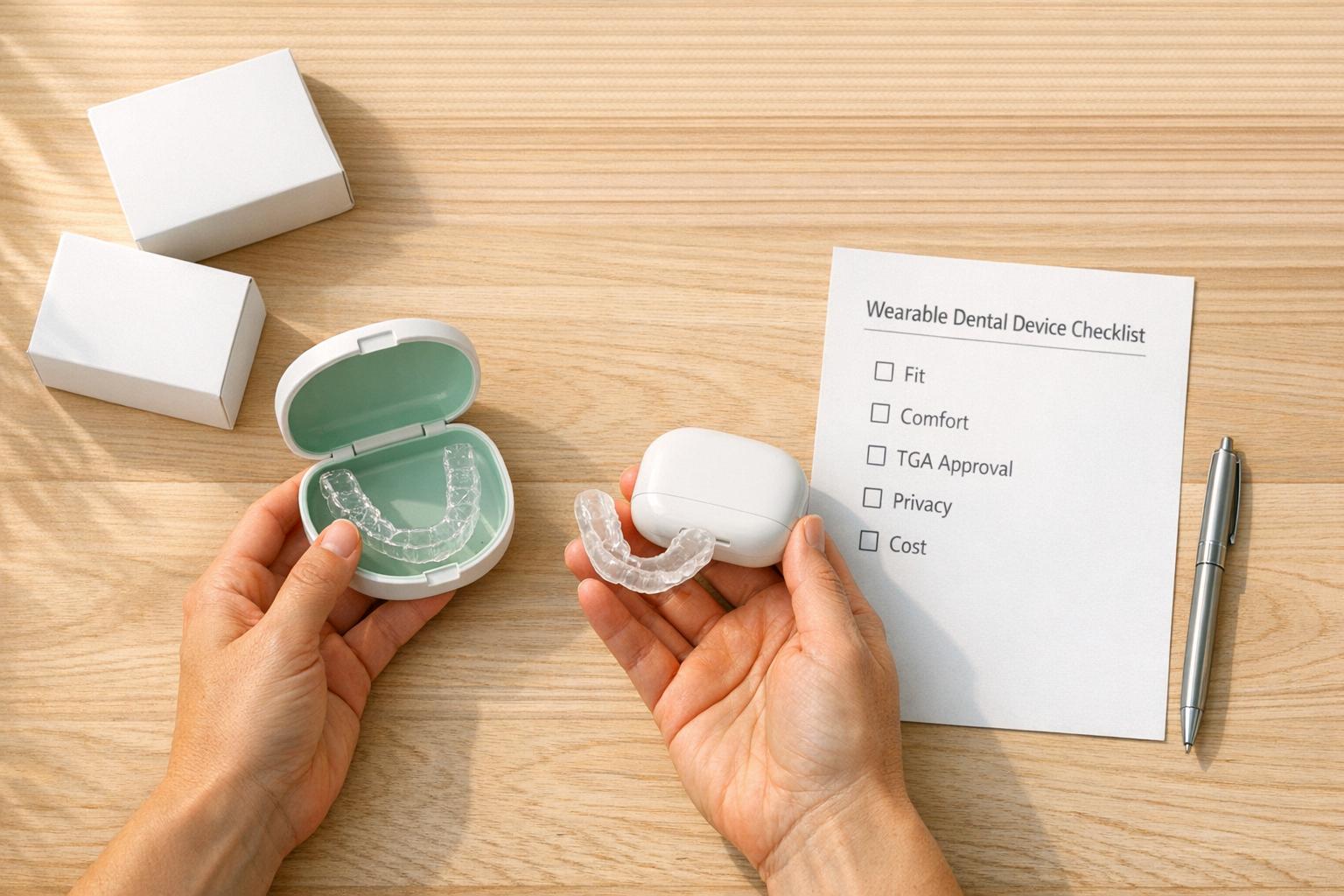
Checklist for Choosing Wearable Dental Devices
Checklist for Choosing Cloud AI Platforms in Dentistry
Complete Smiles Bella VistaAccepts All Major Health Funds, Including