





Eco-Friendly vs. Traditional Dental Materials
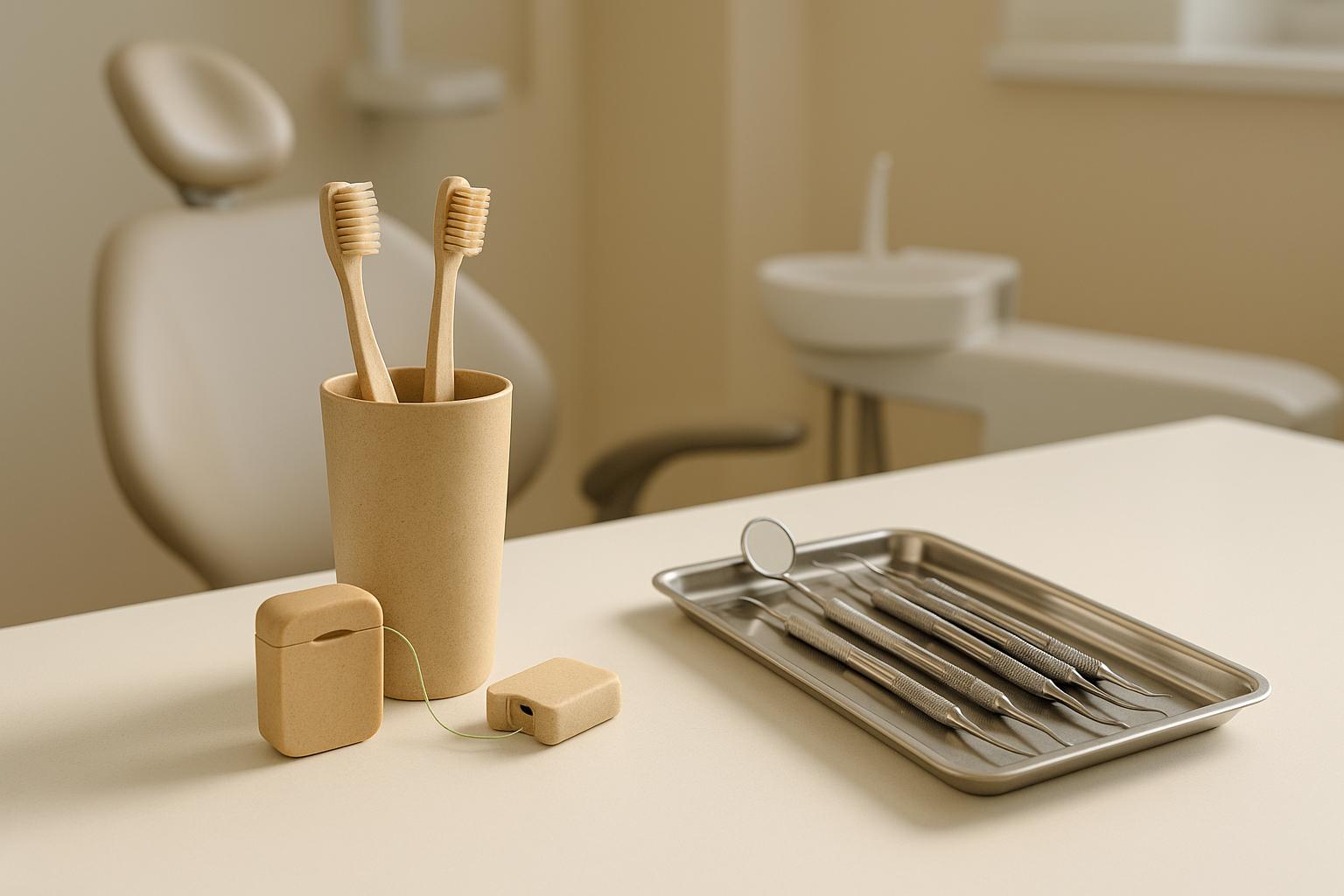
Eco-friendly dental materials are changing Australian dentistry, offering safer, renewable options with less environmental impact. But how do they compare to traditional materials? Here’s a quick breakdown:
Key Points:
- Eco-Friendly Materials: Mercury-free, biodegradable, and recyclable options like ceramic fillings, BPA-free composites, and zirconia implants. These prioritise patient safety and reduce waste but cost more upfront (e.g., porcelain fillings start at $800 AUD).
- Traditional Materials: Proven durability with options like amalgam fillings ($100 AUD) and gold alloys. However, they pose environmental risks, such as mercury disposal and higher carbon footprints.
- Performance: Modern eco-friendly materials now match or surpass traditional materials in durability, aesthetics, and safety.
- Environmental Impact: Eco-friendly options significantly reduce emissions, waste, and water use compared to traditional materials like amalgam, which has a high carbon footprint.
Quick Comparison:
| Attribute | Eco-Friendly Materials | Traditional Materials |
|---|---|---|
| Cost | Higher upfront (e.g., $800 AUD for ceramic fillings) | Lower upfront (e.g., $100 AUD for amalgam) |
| Durability | Matches or exceeds traditional materials | Long-established reliability |
| Health Safety | Mercury-free, BPA-free, hypoallergenic | Can contain mercury or BPA |
| Environmental Impact | Lower emissions, waste, and water use | Higher carbon footprint, more waste |
| Aesthetic Appeal | Natural-looking (e.g., ceramic, composites) | Less aesthetic (e.g., amalgam) |
Eco-friendly materials are gaining traction in Australian dental care, combining patient safety with lower environmental harm. While they may cost more upfront, their long-term benefits make them a compelling choice for both patients and dental practices.
All on 4 Final Materials Comparison
What Are Eco-Friendly Dental Materials
Eco-friendly dental materials are transforming dental care by focusing on renewable, non-toxic, biodegradable, or recyclable substances. These alternatives aim to minimise environmental harm compared to traditional materials, which often contain hazardous chemicals [6][7].
Types of Eco-Friendly Dental Materials
In recent years, a variety of eco-friendly dental materials have gained traction as substitutes for conventional options:
- Composite resins: These mercury-free materials are a safer alternative to amalgam fillings. They not only eliminate mercury disposal issues but also provide natural-looking results [5].
- Zirconia: Known for its metal-free composition, zirconia is widely used for crowns and implants. It reduces the risk of gum irritation and discolouration [11].
- Ceramic materials: Offering a more sustainable choice, ceramics boast a much smaller carbon footprint. For instance, producing ceramics generates 1.14 kgCO2e per kilogram, compared to stainless steel’s 6.15 kgCO2e per kilogram – a reduction of 81% [8].
- Digital radiography: This technology exposes patients to 90% less radiation than traditional X-rays and eliminates the need for processing chemicals like lead and silver [5].
These materials, coupled with sustainable practices, are reshaping the dental industry.
Manufacturing Improvements
The shift towards eco-friendly dental materials is accompanied by advancements in manufacturing that significantly reduce environmental impact:
- Energy efficiency: Traditional dental processes consume around 2,400 kWh per dental chair. Sustainable methods cut this to 1,248 kWh – a 48% reduction [8].
- Water conservation: New technologies reduce water consumption from 342 litres per square metre annually to just 122 litres, representing a 64% saving [8].
- Waste reduction: Sustainable manufacturing generates only 1.8 pounds of waste per pound of finished product, compared to 4.5 pounds with traditional methods – a 60% improvement [8].
- Eco-friendly materials: The use of biodegradable substances like polylactic acid (PLA) and low-VOC (volatile organic compound) upholstery materials can cut emissions by up to 87% compared to conventional options [8].
These advancements not only lessen environmental impact but also lower production costs by 11–17% over three years [8].
Biocompatibility and Patient Health
Eco-friendly dental materials also prioritise patient health. Biocompatible materials are designed to work seamlessly with the human body, reducing the risk of adverse reactions:
- Mercury-free options: Composite and ceramic fillings offer durable, safe alternatives without the health risks associated with mercury [1].
- Reduced allergies: For individuals sensitive to metals like nickel or mercury, biocompatible materials significantly lower the chances of allergic reactions [9].
- Non-toxic care: By eliminating harmful substances, these materials contribute to healthier long-term outcomes [1].
- Aesthetic and functional benefits: Many biocompatible materials closely match the natural colour of teeth while resisting wear and corrosion [9][10].
Overview of Standard Dental Materials
Traditional dental materials have been a cornerstone of reliable restorations for decades. While they boast proven durability and effectiveness, they also carry environmental costs that cannot be ignored. Let’s take a closer look at the most common materials, their environmental footprint, and how they perform in clinical settings.
Common Standard Materials
Dental amalgam, in use for over 150 years, is a blend of about 50% mercury with silver, tin, copper, and zinc [12]. While its appearance may not win aesthetic awards, its durability makes it a trusted choice for restorations.
Gold alloys are often seen as the gold standard (literally) for dental restorations. Known for their biocompatibility, resistance to corrosion, and longevity, gold remains a premium option despite its high cost [14].
Porcelain has gained popularity for its natural tooth-like appearance. It offers the strength needed for various restorative procedures while blending seamlessly with natural enamel [12][14].
Resin composites, introduced in the 1960s, offer a tooth-coloured alternative to amalgam. Over the years, these materials have improved significantly in both aesthetics and durability, making them a popular choice for patients seeking natural-looking results [13].
How Standard Materials Affect the Environment
The production and disposal of traditional dental materials come with noticeable environmental consequences. Manufacturing these materials often requires significant energy and generates a considerable amount of waste.
Mercury in dental amalgam is a key environmental concern. In 2010 alone, dental amalgam was responsible for an estimated 270–341 metric tonnes of mercury globally, accounting for 20% of the world’s mercury consumption [15]. Additionally, the production of amalgam is energy-intensive, with silver contributing nearly 93% of its Global Warming Potential [15].
Resin composites are not without their environmental costs either. The energy used in their packaging and processing accounts for over half (57.06%) of their Global Warming Potential [15].
Water usage in dental practices also adds to the environmental burden. Each dental chair can consume up to 11.4 litres of water per minute [16]. Moreover, the disposal of hazardous materials like mercury-containing amalgam requires specialised procedures to ensure safety and compliance [16].
Performance of Standard Materials
Despite their environmental drawbacks, traditional dental materials continue to deliver outstanding clinical outcomes, making them a mainstay in Australian dental practices.
Amalgam is particularly valued for its strength and wear resistance, especially in heavy-load-bearing teeth. Studies highlight its longevity, with fillings often lasting 10 to 15 years or more [12]. For multi-surface cavities in primary molars, amalgam restorations can last at least 3.5 years, and in some cases, exceed 7 years [19]. A 2012 study also revealed that composite resin restorations have a comparable success rate to amalgam, with about 90% effectiveness over a 10-year period [18].
In terms of cost, amalgam remains a more affordable option than porcelain or resin composites, making it an accessible choice for patients on tighter budgets [12].
Long-term studies further underscore the reliability of traditional materials. For example, a 2007 randomised controlled trial involving 1,748 restorations found that composite restorations carried a 3.5 times higher risk of secondary caries compared to amalgam [18]. Addressing safety concerns, the American Dental Association Council on Scientific Affairs clarified that the minimal BPA exposure from dental sealants and composites poses no known health risks [18].
Performance and Clinical Results
When deciding between eco-friendly and traditional dental materials, understanding their clinical performance is crucial. Recent studies indicate that eco-friendly options now stand shoulder-to-shoulder with traditional materials in terms of durability.
Durability and Longevity
Composite resin restorations have reached a point where their longevity rivals that of amalgam. For instance, a 2012 study revealed that composite resin restorations had a success rate of approximately 90% after 10 years. Other research has even reported survival rates of up to 98.9% over 20 years for posterior composites [18]. However, maintaining proper oral hygiene and scheduling regular dental check-ups remain essential to ensure these restorations last.
Different dental materials demonstrate varying levels of durability, as shown below:
| Material Type | Key Performance Metrics | Time Period | Annual Failure Rate |
|---|---|---|---|
| Posterior Composite Restorations | 82.2% | 10 years | 1.92% |
| Anterior Composite Restorations | 97.7% | 10 years | 4.94% |
| Amalgam | 94.5% | 7 years | 2.73% |
| Glass Ionomers | 64.9% | 5 years | 10.02% |
These figures help clarify the strengths and limitations of each material, aiding in the selection process for specific dental procedures.
Suitability for Dental Procedures
Eco-friendly dental materials have proven to be highly adaptable across various dental treatments. Options like ceramic fillings and BPA-free composite resins perform on par with traditional mercury-based amalgam fillings, while also offering added health benefits [1].
For posterior restorations, amalgam has traditionally been the go-to choice for high-stress areas due to its durability. However, modern composites now offer reliable alternatives. That said, a 2007 randomised controlled trial found that composite restorations carried a 3.5 times higher risk of secondary caries compared to amalgam [18]. Glass ionomer materials, while valued for their fluoride-releasing properties, are less suitable for high-stress applications due to their higher annual failure rate of 10.02% [18].
Patient Safety and Allergies
Safety is another key factor that sets eco-friendly materials apart. Their hypoallergenic and non-toxic formulations reduce the risk of irritation, allergies, and long-term side effects [11]. Traditional materials, on the other hand, can trigger allergic reactions in some patients. Common allergens include resins, latex gloves, local anaesthetics, endodontic materials, impression materials, amalgams, and certain metals. While contact dermatitis affects less than 1% of patients, it remains a concern [21].
Mercury in amalgam and BPA in conventional resins have also raised health concerns, prompting interest in mercury-free and BPA-free alternatives. These eco-friendly materials not only maintain durability but also minimise potential health risks [1]. They are particularly beneficial for patients with metal allergies or sensitivities, aligning with a broader focus on wellness and reducing toxicity, rather than merely addressing symptoms [20][22].
sbb-itb-2be92ed
Cost and Accessibility in Australia
When it comes to choosing between eco-friendly and traditional dental materials, understanding the financial and practical implications is key for both patients and dental practices in Australia. Costs can vary widely, and access to these materials often depends on whether you’re in a metropolitan or regional area.
Upfront and Lifetime Costs
Eco-friendly dental materials generally come with a higher upfront price tag compared to traditional options. For instance, composite fillings – a more environmentally friendly choice – start at $150 AUD, while traditional amalgam fillings are priced from $100 AUD [23]. Despite this initial cost difference, eco-friendly materials may offer long-term benefits, such as durability and reduced health risks. Additionally, their lower environmental impact is an added bonus.
Premium eco-friendly options, like porcelain (ceramic) fillings, have an even steeper starting cost of $800 AUD [23]. The total expense for dental restorations depends on factors like the type of material, the size of the restoration, the clinician’s expertise, and the location of the practice [23]. Health fund coverage can also influence the final out-of-pocket cost.
| Material Type | Starting Cost (AUD) | Environmental Impact |
|---|---|---|
| Amalgam Filling | $100 | Higher environmental concern |
| Composite Filling | $150 | Lower environmental impact |
| Glass Ionomer | $100 | Moderate environmental impact |
| Porcelain Filling | $800 | Lowest environmental impact |
Insurance and Health Fund Coverage
Insurance and health funds play a significant role in helping patients manage dental costs. Most Australian health funds provide coverage for basic dental restorations, but the extent of coverage and rebate amounts can vary. While these rebates can offset some of the costs, they often don’t completely close the gap between traditional materials and premium eco-friendly options, such as porcelain fillings. It’s always a good idea for patients to consult their health fund to understand what’s covered and how much they’ll need to pay out of pocket.
Adoption Trends in Australia
Accessibility to eco-friendly dental materials is another critical factor, and it varies widely across the country. Urban dental practices are increasingly adopting these materials, driven by growing patient demand for environmentally sustainable and biocompatible options. However, regional and remote areas often face challenges, such as limited access to newer materials and higher procurement costs.
The disparity in access is stark when comparing urban and remote regions. For example, in 2020, major Australian cities had an average of 56.7 dentists per population (clinical full-time equivalent rate), while very remote areas had just 18.8 [25]. This gap not only limits access to dental care in general but also makes it harder for remote communities to benefit from advanced eco-friendly treatments.
Mobile dental units, like those operated by the Royal Flying Doctor Service (RFDS), are helping to bridge this gap. Equipped with sterilisation facilities and X-ray equipment, these units deliver essential treatments, including restorations and root canals, to remote communities [25].
Another innovative effort is the Central Queensland University All Access CQU Oral Health Outreach Project. Supported by an $11,000 grant from the Australian Dental Health Foundation and Mars Wrigley Foundation, the initiative provides an 8.6kg portable dental kit, enabling final-year dental students to bring care directly to at-risk communities [25].
Rural communities also face challenges in affording basic oral hygiene products. For example, a bamboo toothbrush costs $4.95 AUD, and plastic-free dental floss is priced at $8.95 AUD [24]. For families in economically disadvantaged areas, these costs can add up, contributing to poorer oral health outcomes.
While urban practices are leading the shift towards eco-friendly materials, ensuring that all Australians – regardless of location – have equitable access to these advancements remains a challenge. Continued investment in rural dental services and creative delivery models is essential to make sustainable dental practices accessible across the country.
Impact on the Environment Comparison
The environmental effects of dental materials go far beyond the clinic, involving everything from production to disposal. Here, we’ll dive into lifecycle emissions, waste management issues, and the role of regulations in shaping sustainable practices.
Carbon Footprint and Energy Use
Dental materials differ widely in their carbon emissions throughout their lifecycle. Dental amalgam has the highest Global Warming Potential (GWP) at 0.125 kg CO2-eq, while glass ionomer cement (GIC), a more eco-conscious option, ranks much lower at 0.0594 kg CO2-eq. Resin-based composites sit in between, with a GWP of 0.120 kg CO2-eq [15].**
Breaking it down further, the emissions linked to dental amalgam are largely driven by its silver content, which accounts for 92.95% of its GWP, followed by mercury (5.39%) and tin (1.66%) [15]. This underscores how even minor tweaks in material composition can lead to meaningful environmental benefits.
The manufacturing process also has a big say in a material’s environmental toll. For resin-based composites, production energy is the main contributor to emissions. On the other hand, packaging energy use dominates the GWP for RBC adhesives and glass ionomer cements [15].
When it comes to dental procedures, the environmental impact varies significantly. Prosthodontic treatments, for instance, are particularly resource-intensive. Fabricating acrylic resin dentures emits 58.16 kg CO2-eq per procedure, compared to just 5.50 kg CO2-eq for a basic dental exam [26]. This makes material selection especially important for complex restorative procedures.
Waste Management and Recyclability
Managing waste from dental materials presents unique challenges, particularly given the strict rules around medical waste disposal. For example, single-use masks can take 450 years to decompose in landfills [27], and dental surgeries generate roughly half a kilogram of mercury waste annually from amalgam use [28].
On average, 21 single-use plastic items are used in every dental procedure, weighing about 354g per procedure [29]. The COVID-19 pandemic has only worsened this issue, with PPE usage rising from 14 items per procedure pre-pandemic to 19 during the pandemic [29].
Fortunately, some materials offer more sustainable end-of-life options. Recycling and composting initiatives can make a difference:
- Metal recycling can recover precious metals from crowns, bridges, amalgam scrap, and film lead foil.
- X-ray films, once patient information is removed, can be dropped off at Red Cross Op Shops.
- Paper towels used for hand drying can go into green compost bins [27].
In Australia, innovative recycling programs are emerging. For instance, Platypus Dental in Brisbane partnered with Terracycle in October 2023 to serve as a public drop-off point for the Colgate Oral Care Recycling Program, allowing the community to recycle oral care products responsibly [27].
The choice of disposable items also matters. Latex gloves are biodegradable but take at least five years to break down. Nitrile gloves, while quicker to degrade with additives, can leave behind microplastics [27]. Addressing these waste challenges requires both practice-level changes and broader industry support.
Regulatory and Industry Support
Australia’s dental industry is stepping up to address environmental concerns through regulations and industry-led initiatives. The Australian Dental Association (ADA) has made it clear: "The environmental impact of dental care delivery should be minimised without adversely affecting the safety and quality of dental treatment" [30].
The ADA also stresses that "environmental regulation must have demonstrably clear benefits, be evidence-based and cost-effective" [30]. This ensures that sustainability efforts don’t compromise patient care while tackling environmental issues.
To guide the industry, the ADA and the Australian Dental Industry Association (ADIA) have introduced a Dental Sustainability Charter, offering clearer pathways for sustainable practices [30]. They also collaborate with the FDI World Dental Federation to access global resources and training on sustainable dentistry [2][32].
Key recommendations for dental practices include:
- Partnering with suppliers to encourage greener manufacturing, packaging, and recycling.
- Reducing plastic use and opting for products with safer chemical compositions.
- Phasing down amalgam usage in line with the Minamata Convention on Mercury [2].
Globally, the healthcare sector accounts for about five per cent of all greenhouse gas emissions [33], adding urgency to these efforts. Australian dental practices are responding by adopting digital workflows, using biodegradable products, opting for mercury-free fillings, and installing energy-efficient equipment [31].
The ADIA also highlights the link between prevention and sustainability, noting that improving oral health across the population can reduce the need for resource-heavy treatments [34]. This broader perspective ties sustainability efforts to better public health outcomes.
With support from regulations and industry initiatives, dental practices are better equipped to adopt eco-conscious materials and methods. These efforts ensure that environmental goals align with the high standards of patient care. By addressing these challenges, the dental industry can play a role in reducing its environmental footprint while maintaining quality outcomes.
Side-by-Side Comparison Table
Attributes for Comparison
The table below highlights the key differences between eco-friendly and traditional dental materials, summarising the main points covered earlier.
| Attribute | Eco-Friendly Materials | Traditional Materials |
|---|---|---|
| Common Material Types | Ceramic fillings, BPA-free composite resins, zirconia implants, bamboo toothbrushes, silk floss, natural toothpaste | Amalgam fillings, conventional composite resins, titanium implants, plastic toothbrushes, nylon floss, conventional toothpaste |
| Durability & Longevity | Modern eco-friendly options often surpass traditional materials in strength and lifespan [4] | Some traditional prosthetics, like dentures, may need replacement every 5–7 years [35] |
| Clinical Performance | Ceramic fillings and BPA-free composites perform on par with conventional materials [1] | Traditional materials have a long-established performance record |
| Aesthetic Appeal | Composite resins blend well with natural tooth colour [3]; ceramic options provide excellent aesthetics | Amalgam fillings are more noticeable |
| Upfront Costs (AUD) | Ceramic fillings start at $800; composite fillings from $150; biomimetic techniques can cost 10–30% more initially [23][37] | Amalgam fillings start at $100; glass ionomer fillings from $100; gold fillings can cost $1,000 or more [23] |
| Long-term Value | Fewer replacements and complications may lead to better lifetime value [37] | Lower initial costs, but frequent replacements can add up over time |
| Carbon Footprint | Glass ionomer cement: 0.0594 kg CO₂-eq; ceramic implants produce fewer emissions [17] | Dental amalgam: 0.125 kg CO₂-eq; acrylic resin dentures: 58.16 kg CO₂-eq per procedure [15][26] |
| Waste Management | Bamboo toothbrushes and biodegradable materials decompose within months [36] | Plastic toothbrushes may take over 400 years to break down [36] |
| Chemical Safety | Mercury-free and BPA-free, often using natural ingredients like coconut oil and baking soda [1] | May contain mercury (in amalgam) and other synthetic chemicals |
| Recyclability | Typically biodegradable or compostable, with some designs promoting a circular economy | Limited recycling options; many items end up as medical waste |
| Availability in Australia | Becoming more accessible through forward-thinking practices and ADA environmental guidelines [30] | Readily available through traditional dental suppliers |
| Regulatory Support | Backed by ADA environmental guidelines and the Minamata Convention’s mercury phase-down [2][30] | Governed by established regulations, though some materials face increasing scrutiny |
Although eco-friendly dental materials often come with a higher upfront cost, they frequently outlast traditional options, reducing expenses over time. Their environmental benefits are also significant – traditional amalgam, for example, generates twice the carbon emissions of glass ionomer cement [15]. Additionally, eco-friendly alternatives eliminate potentially harmful substances like mercury, making them a safer choice for patients, especially those with sensitivities to metals [1].
This comparison sets the stage for a deeper dive into clinical and regulatory considerations in the next section.
Conclusion
Choosing between eco-friendly and traditional dental materials is an important decision for both dental professionals and patients in Australia. Each option comes with its own set of advantages and challenges.
Eco-friendly materials offer benefits like reducing environmental impact and improving biocompatibility by avoiding harmful components such as mercury. However, they often come with higher upfront costs. On the other hand, traditional materials are known for their reliability and cost-effectiveness. For instance, amalgam fillings have a long-standing history of dependable use, while conventional composites deliver consistent treatment results. That said, traditional materials can raise concerns about resource consumption and waste generation.
Recent trends in Australia show a growing shift towards sustainable dental practices. This reflects not only advancements in technology but also increasing patient awareness and a preference for dental care that aligns with environmental values.
When selecting materials, dental professionals should weigh factors like clinical suitability, patient preferences, costs, and environmental impact. For example, glass ionomer cement can help reduce secondary caries risk [39], while zirconia crowns are valued for their aesthetic appeal and biocompatibility [38]. While eco-friendly options may involve higher initial costs, their durability and reduced need for replacements can make them a more economical choice over time. Open discussions with patients about both short- and long-term implications can help align decisions with their needs, budgets, and health goals.
Additionally, initiatives like the Minamata Convention on mercury underline the global commitment to sustainable dental practices. This integration of environmental and clinical priorities is paving the way for a future where excellent patient care and environmental responsibility go hand in hand.
As technology evolves and sustainable options become more accessible, the importance of eco-friendly materials in Australian dental care is set to grow. Informed decision-making that balances clinical outcomes, costs, and environmental considerations will be key to delivering high-quality care while protecting the planet for future generations.
FAQs
What are the advantages of using eco-friendly dental materials over traditional ones?
Choosing eco-friendly dental materials offers a range of benefits that go beyond just oral health. Materials like biocompatible resins and ceramics are crafted to minimise exposure to substances such as mercury and BPA, which can pose health risks. By choosing these options, you’re not only prioritising your long-term well-being but also embracing a more sustainable approach to dental care.
Another advantage is their durability. Eco-friendly materials often last longer, meaning fewer replacements are needed. This helps cut down on waste over time. Plus, sustainable dental practices focus on using renewable resources and steering clear of non-recyclable materials, which helps lower environmental impact. In short, these materials are a win for your health and the planet.
Do eco-friendly dental materials affect the cost of dental care in Australia?
Eco-friendly dental materials are beginning to impact the cost of dental care in Australia, especially when you weigh short-term expenses against long-term benefits. Materials like biodegradable composites or sustainably sourced alternatives often come with a higher initial price compared to traditional options. However, they can significantly cut down on waste and reduce energy consumption, which helps dental practices lower their operational costs over time.
As more dental practices turn to sustainable materials, growing demand and competition could drive prices down, making these options more affordable for patients. While the upfront costs might seem steep, the potential for long-term savings and the positive environmental impact make these materials an appealing choice for dental practices and patients who prioritise sustainability.
What are the health benefits of choosing eco-friendly dental materials over traditional ones?
Eco-friendly dental materials offer a healthier alternative to traditional choices. Many of these materials are non-toxic and free from substances like mercury and BPA, which are known to pose potential health risks. This makes them a safer option for individuals concerned about exposure to harmful chemicals.
Another advantage is their biocompatibility – these materials are less likely to trigger allergic reactions, especially in people with sensitivities. By steering clear of materials that might release chemicals into the body, eco-friendly options support better long-term health. They also provide a safer solution for patients with specific health needs, embracing a more comprehensive approach to oral care.
Related Blog Posts
- What Are Biocompatible Dental Materials?
- Guide to Sustainable Packaging for Dental Clinics
- Energy-Efficient Dental Materials: Overview
- Titanium vs. Biodegradable Implants: Comparison
Important Notice: Any surgical or invasive procedure carries risks. Before proceeding, you should seek a second opinion from an appropriately qualified health practitioner.
Individual results may vary. The information provided in this article is for educational purposes only and does not constitute medical advice.
Checkout Related Blogs




Get in touch with us
For more information, call us now to start feeling better. Or fill the form below to make appointment
The Latest News from Complete Smiles
How to Clean Clear Plastic Retainers
Checklist for Choosing Wearable Dental Devices
Checklist for Choosing Cloud AI Platforms in Dentistry

Complete Smiles Bella VistaAccepts All Major Health Funds, Including





