





Periodontitis and COPD: What You Need to Know
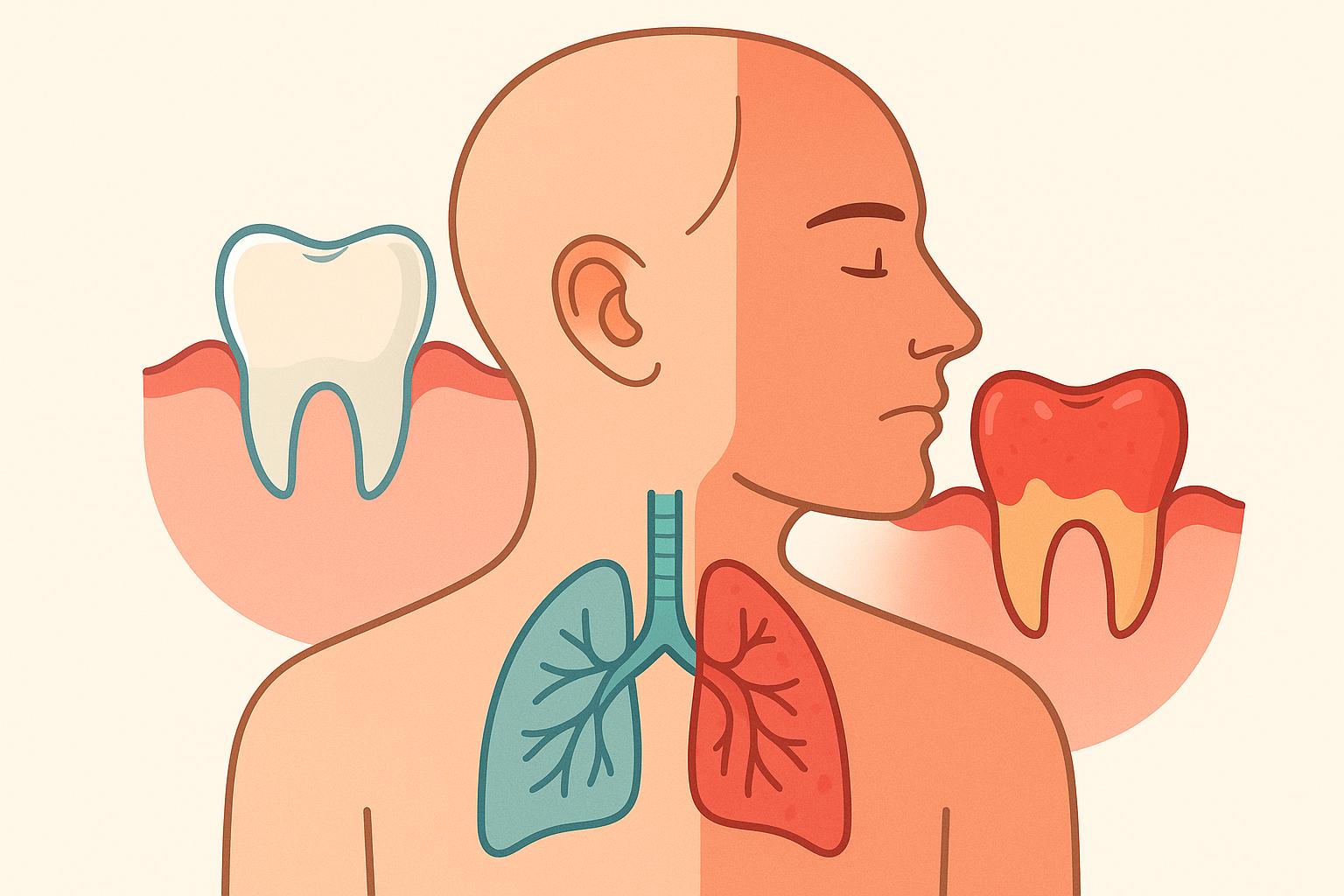
Periodontitis and COPD are closely linked. Research shows that gum disease can worsen respiratory health, while COPD increases the likelihood of oral health issues. Here’s why this connection matters:
- Shared Inflammation: Both conditions involve chronic inflammation, with gum disease potentially releasing harmful bacteria into the lungs.
- Oral Bacteria Spread: Specific bacteria from the mouth can travel to the lungs, worsening COPD symptoms.
- Risk Factors: Smoking, poor oral hygiene, and weakened immune systems increase the risk for both conditions.
- Treatment Helps: Managing gum disease through professional care and good oral hygiene can reduce COPD complications.
If you have COPD, maintaining oral health is essential. Regular dental visits, proper brushing, and flossing can protect your lungs and improve your overall health.
How Periodontitis and COPD Are Connected
Inflammation in Both Conditions
Inflammation is a key factor linking periodontitis and COPD, with both conditions involving damage driven by neutrophils [2]. In periodontitis, infections set off an inflammatory response that releases pro-inflammatory cytokines like TNF-α, IL-6, and IL-1β, along with bacterial toxins into the bloodstream. This can worsen COPD, especially since individuals with COPD often have neutrophils that are less effective at controlling oral bacteria [1][2][3]. The resulting systemic inflammation creates an environment where bacteria from the mouth can spread to the lungs.
Oral Bacteria and Lung Infections
Bacteria from the mouth can make their way into the lungs through aspiration, where they trigger inflammation, establish colonies, and weaken the respiratory system. This process not only promotes pneumonia-causing pathogens but also alters the respiratory lining, making it more vulnerable [1][3]. Studies have identified bacteria such as Aggregatibacter actinomycetemcomitans, Capnocytophaga sputigena, Porphyromonas gingivalis, Tannerella forsythia, and Treponema denticola in tracheal samples taken during COPD flare-ups [3].
Research Findings and Statistics
The connection between periodontitis and COPD is well-supported by research. One study followed a group of 22,332 COPD patients over 11 years and found a higher risk of periodontal issues [3]. Another study involving 4,745 participants over eight years revealed that periodontitis increased the risk of developing COPD by as much as 48%, with hazard ratios of 1.09 when measured continuously and 1.48 when assessed based on its presence or absence [4].
Clinical data further highlights the overlap: COPD patients often have deeper periodontal pockets, more significant attachment loss, poorer oral hygiene, more gingival inflammation, and fewer teeth remaining [2]. Additionally, those with both COPD and periodontitis tend to experience more frequent exacerbations. Promisingly, evidence suggests that periodontal treatment may help reduce the occurrence of respiratory complications in these patients [2][3].
Common Risk Factors for Both Conditions
Smoking and Tobacco Use
Smoking is the most prominent shared risk factor for both periodontitis and COPD. It harms periodontal tissues by weakening the immune response, reducing blood flow to the gums, and encouraging the growth of harmful bacteria in the mouth. At the same time, smoking directly damages lung tissue and airways, contributing to airflow limitations and the development of COPD. Both diseases involve neutrophilic inflammation and the breakdown of connective tissues – processes that smoking accelerates in both the oral cavity and the respiratory system [2].
The harm caused by smoking stems from its ability to hinder the body’s natural defences against infection and its capacity to repair damaged tissues. The heat and chemicals from tobacco weaken gum tissues and harm lung structures, creating a destructive cycle where both oral and respiratory health decline simultaneously. This interplay can lead to one condition worsening the other.
Environmental and Daily Habits
Aside from smoking, environmental exposures and daily habits also heighten the risks for both conditions. Poor oral hygiene allows harmful bacteria to thrive, increasing the likelihood of periodontal disease. This bacterial buildup can act as a reservoir, and when aspirated into the lungs, it may worsen respiratory infections and COPD symptoms [1].
Environmental pollutants and poor air quality further aggravate these risks. Polluted air can intensify airway inflammation in COPD patients while also impairing immune function, making periodontal tissues more vulnerable to bacterial infections. Additionally, when the immune system is preoccupied with fighting respiratory infections triggered by environmental exposures, it may leave the gums more susceptible to bacterial colonisation [1].
Lifestyle factors often overlap, compounding the problem. Poor oral hygiene is frequently associated with behaviours like smoking and reduced attention to overall health, creating a ripple effect that exacerbates disease development. Furthermore, certain COPD medications, such as glucocorticoids, can negatively impact oral health by reducing saliva production and suppressing immune responses. Saliva plays a critical role in protecting oral health by neutralising acids and controlling bacterial growth, so reduced saliva levels can make periodontal disease more likely [2].
Immune System Function
The state of an individual’s immune system is a key factor in determining their vulnerability to both periodontal and respiratory diseases. A weakened or improperly functioning immune system struggles to control bacterial infections in the gums while also failing to protect the respiratory system from harmful pathogens.
Age and diabetes are two significant factors that impair immune function, increasing susceptibility to both conditions. Studies show that the link between periodontal diseases and COPD remains strong across all age groups, with older adults being particularly at risk. As people age, their periodontal tissues and respiratory systems become more vulnerable to disease progression, making older adults more likely to experience both conditions simultaneously [6].
Diabetes adds another layer of complexity, serving as a shared risk factor that heightens vulnerability to both periodontitis and COPD. Even when diabetes is accounted for, the connection between the two conditions persists, suggesting that diabetic patients face compounded risks. Diabetes weakens the immune system, reduces the body’s ability to fight infections, and promotes chronic inflammation, all of which increase the likelihood of periodontal and respiratory infections. Poor glycaemic control in diabetic patients further amplifies these risks, making them more prone to severe periodontitis, which in turn raises their COPD risk through inflammatory and bacterial pathways.
Severe periodontitis has been linked to a 3.55-fold increase in COPD risk [7]. Additionally, periodontitis is estimated to account for 22.6% of the population’s risk of developing COPD, highlighting its significant role in the overall burden of the disease [7][5].
Treating Gum Disease to Help COPD Patients
Non-Surgical Periodontal Treatment
Scaling and root planing is the go-to non-surgical treatment for gum disease. This procedure removes bacterial biofilms and hardened plaque (calculus) from below the gum line, targeting bacteria that fuel both oral and respiratory inflammation. For instance, studies have found harmful periodontal bacteria in the tracheal aspirate of COPD patients during severe exacerbations [3]. By removing these bacteria, scaling and root planing can lower the risk of them being aspirated into the lungs, where they might worsen inflammation and respiratory symptoms.
Research backs the connection between periodontal treatment and improved COPD outcomes. Non-surgical periodontal therapy has been linked to better lung function and fewer COPD flare-ups. One long-term study even reported a reduced incidence of respiratory events over a five-year period in patients who received treatment [3][2]. By tackling chronic oral inflammation, this approach helps lower the body’s overall inflammatory burden. Since gum disease can trigger systemic inflammation that worsens COPD [1], managing oral health plays a key role in supporting respiratory well-being.
Daily Oral Care for COPD Patients
In addition to professional treatment, daily oral care is vital for managing COPD. Research shows that COPD patients often face worse gum health compared to those without the condition. They tend to have deeper gum pockets, greater attachment loss, poorer oral hygiene, and more gum inflammation [2].
Given these challenges, a consistent oral care routine is crucial. Brushing twice daily with a soft-bristled toothbrush and fluoride toothpaste forms the foundation of good hygiene, while daily flossing helps clear plaque and debris from between teeth and below the gum line. These practices are essential for preventing biofilms that can harbour bacteria capable of being inhaled into the lungs.
Using an antimicrobial mouthwash can further reduce the overall bacterial load in the mouth. Additionally, COPD patients should be mindful of medications like glucocorticoids, which are commonly prescribed for the condition but can reduce saliva production and weaken immune responses. Since saliva helps neutralise acids and control bacterial growth, reduced saliva can increase the risk of gum disease [2]. For patients on these medications, enhanced oral care – such as using saliva substitutes or chewing sugar-free gum to stimulate saliva flow – can be beneficial.
Coordinated Care Between Dental and Medical Professionals
Effective management of both gum disease and COPD relies on collaboration between dental and medical professionals. The connection between periodontitis and COPD underscores the need for integrated care. Respiratory specialists should understand how a patient’s gum health can influence COPD progression and exacerbation frequency [3]. Likewise, dentists should recognise that COPD patients may need more intensive periodontal care due to their heightened risk of complications.
Sharing patient histories – covering medications, recent COPD flare-ups, lung function, and periodontal status – helps professionals identify risks and customise treatment plans. Timing periodontal procedures during periods of respiratory stability, rather than after a COPD exacerbation, can minimise risks and improve outcomes. Tracking how often COPD symptoms worsen in relation to gum treatment also provides valuable insights into the effectiveness of care.
Patient education is a cornerstone of this coordinated approach. When dental and respiratory specialists consistently explain the oral-respiratory link, patients are more likely to prioritise their oral health. COPD patients should alert their healthcare providers to any changes, whether it’s worsening respiratory symptoms or signs of gum inflammation, such as bleeding or swelling [3].
The clear connection between gum disease and COPD highlights the importance of integrated care. Proper periodontal management not only helps prevent respiratory complications but may also reduce the frequency of acute COPD flare-ups [2][3]. In Australia, evidence-based periodontal care – offered by experienced providers like Complete Smiles Bella Vista – supports both oral and respiratory health, demonstrating the value of a combined approach to managing COPD effectively.
sbb-itb-2be92ed
What Patients Can Do
Warning Signs of Gum Disease
For people with COPD, early signs of gum disease can have a bigger impact than you might think. For instance, if your gums bleed when you brush or floss, it could be a sign of inflammation and bacterial infection lurking below the gum line. Left unchecked, this could worsen respiratory function.
Another red flag is persistent bad breath, which often points to bacterial buildup. This can inflame your gums and potentially affect your lung health. If your gums seem to be pulling away from your teeth, making them look longer, this receding gum tissue could be exposing the roots of your teeth. This creates deeper pockets where harmful bacteria can thrive.
Swollen or tender gums are another clue that inflammation is active, while loose or shifting teeth suggest that gum disease has advanced to the point where the bone supporting your teeth is compromised. For COPD patients, these symptoms are particularly concerning because oral inflammation may allow harmful bacteria to travel to the lungs. This could trigger inflammatory responses that exacerbate respiratory symptoms [1][3].
The good news? Spotting these signs early and seeking professional care can help prevent further complications that could impact your lungs.
Importance of Regular Dental Visits
Keeping up with regular dental visits isn’t just about a bright smile – it can also play a role in managing COPD. Most dental professionals recommend seeing your dentist at least twice a year for check-ups and cleanings. However, if you’re already dealing with gum disease, you may need to visit more often – every three to six months.
During these visits, dental professionals perform thorough periodontal assessments. These check-ups are key for catching gum disease early, before it has a chance to worsen your COPD symptoms. Research shows that non-surgical periodontal treatments can improve lung function and reduce the frequency of COPD flare-ups. In contrast, patients who don’t receive such care often experience more frequent exacerbations [3].
Dental visits can also help identify oral pathogens that may contribute to respiratory issues. Missing these appointments allows bacterial biofilms to harden into calculus, which is harder to remove and increases the risk of bacteria being aspirated into the lungs. Regular dental care is a practical way to reduce the chances of COPD-related complications while improving your overall quality of life.
Professional Periodontal Care Services
For those managing COPD, specialised periodontal care can make a real difference. These services go beyond standard cleanings to address the unique challenges faced by individuals with respiratory conditions.
Take Complete Smiles Bella Vista, for example. They offer a range of dental services, from general dentistry to targeted periodontal treatments. For COPD patients, such practices focus on the critical link between oral and lung health. This includes detailed evaluations, non-surgical treatments like scaling and root planing, and maintenance plans tailored to your specific risks [3].
Dental professionals in these settings often coordinate care with your respiratory needs in mind. For instance, they may plan periodontal procedures during times when your respiratory symptoms are stable, reducing risks and improving outcomes. They’ll also educate you on how oral health impacts your lungs, so you can take informed steps to protect both.
The connection between gum disease and COPD is clear. Research suggests that periodontitis may account for nearly a quarter of COPD risk in the population [5]. Moreover, patients with severe gum disease are more likely to develop COPD, and those with both conditions often face more frequent exacerbations [3]. By addressing gum disease through professional care, you’re not just improving your oral health – you’re actively working to protect your lungs and reduce the daily challenges of living with COPD.
Periodontal Disease and Respiratory Disease
Conclusion
The connection between periodontitis and chronic obstructive pulmonary disease (COPD) is undeniable. These two conditions share inflammatory pathways and bacterial interactions that can worsen each other. Oral bacteria from gum infections can be inhaled into the lungs, sparking inflammation, while systemic inflammation caused by periodontitis – through the release of pro-inflammatory cytokines – can accelerate COPD progression [3].
For individuals with COPD, addressing gum disease is a crucial step in safeguarding respiratory health. Studies show that non-surgical periodontal treatments can improve lung function and significantly decrease COPD flare-ups [3]. On the flip side, neglecting gum health can aggravate respiratory symptoms, with periodontitis potentially accounting for nearly a quarter of COPD cases in the population [5]. A collaborative effort between dentists and respiratory specialists allows for treatment plans that consider the intricate link between oral and lung health. Combining proper oral care with respiratory management offers a more holistic way to control both conditions.
Simple habits like daily brushing, flossing, and regular dental check-ups can make a big difference. For COPD patients, these practices not only help maintain oral health but also play a role in protecting lung function and improving overall well-being.
FAQs
How can good oral hygiene help in managing symptoms of COPD?
Maintaining good oral hygiene is more than just keeping your teeth and gums healthy – it can also be an important factor in managing chronic obstructive pulmonary disease (COPD). Poor oral health, particularly conditions like periodontitis, can create a pathway for harmful bacteria to move from your mouth to your lungs, increasing the risk of respiratory infections that may aggravate COPD symptoms.
Simple habits like brushing and flossing daily, scheduling regular dental check-ups, and treating gum disease early can help lower the amount of bacteria in your mouth. This, in turn, can support your respiratory health. For those living with COPD, prioritising oral care isn’t just about a healthy smile – it’s a step toward better overall health.
What signs of gum disease should people with COPD watch out for?
People living with COPD need to pay close attention to their oral health, as gum disease can have an impact on respiratory conditions. Watch out for symptoms like red, swollen, or bleeding gums, persistent bad breath, receding gums, or loose teeth. If any of these signs appear, seeing a dentist as soon as possible is crucial to help avoid further issues.
Taking care of your gums is part of managing your overall health. Simple habits like brushing and flossing daily, along with regular dental check-ups, can make a big difference. Dentists can also offer personalised tips and guidance to suit your individual needs.
Why is it crucial for people with COPD to coordinate care between their dentist and doctor?
For those living with chronic obstructive pulmonary disease (COPD), taking care of oral health isn’t just about having a healthy smile – it can directly impact respiratory health. Oral infections like periodontitis can worsen COPD symptoms because bacteria from gum disease can travel to the lungs, leading to infections or inflammation.
Collaboration between dental and medical professionals plays a critical role in managing overall health. Dentists focus on identifying and treating oral health problems, while doctors address respiratory issues. Together, they create a well-rounded care plan aimed at improving the quality of life for individuals with COPD.
Related Blog Posts
- Best Practices for Periodontal Care in Cardiac Patients
- How Diabetes Impacts Periodontal Health Over Time
- Diabetes and Periodontitis: Oral Microbiome Changes
- Periodontal Disease in Lupus Patients: Key Facts
Important Notice: Any surgical or invasive procedure carries risks. Before proceeding, you should seek a second opinion from an appropriately qualified health practitioner.
Individual results may vary. The information provided in this article is for educational purposes only and does not constitute medical advice.
Checkout Related Blogs




Get in touch with us
For more information, call us now to start feeling better. Or fill the form below to make appointment
The Latest News from Complete Smiles
How to Clean Clear Plastic Retainers
Checklist for Choosing Wearable Dental Devices
Checklist for Choosing Cloud AI Platforms in Dentistry

Complete Smiles Bella VistaAccepts All Major Health Funds, Including





