




Medical Conditions That Impact Implant Eligibility
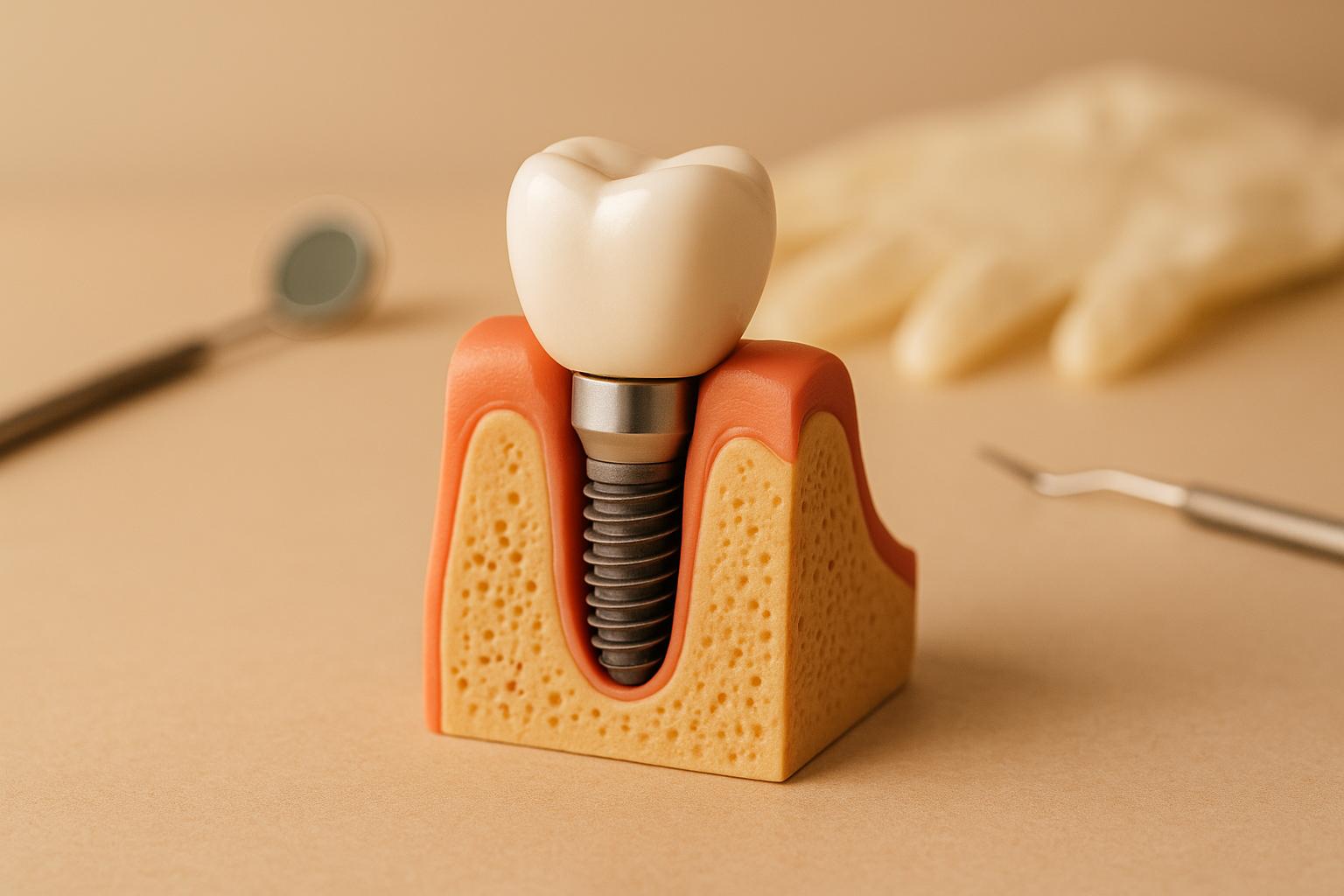
Dental implants are a popular solution for tooth loss, but certain medical conditions can affect your eligibility or success rates. Key factors include your body’s ability to heal, resist infection, and maintain healthy bone and gum tissue. Conditions like uncontrolled diabetes, heart disease, autoimmune disorders, cancer treatments, osteoporosis, gum disease, and poor oral hygiene can complicate the process. However, many patients with well-managed health conditions can still receive implants with proper medical and dental care.
Key Points:
- Uncontrolled Diabetes: Can hinder healing and increase infection risks. Stable blood sugar levels are crucial.
- Heart Disease: May require coordination with a cardiologist and careful medication adjustments.
- Autoimmune Disorders: Slower healing and higher infection risks might need tailored treatment plans.
- Cancer Treatments: Recent radiation or chemotherapy can weaken bone health and delay implant procedures.
- Osteoporosis: Reduced bone density may require bone grafting or alternative implant designs.
- Gum Disease: Must be treated before implants to avoid failure.
- Poor Oral Hygiene: Increases the risk of implant complications like peri-implantitis.
Alternatives:
If implants aren’t suitable, options like removable dentures or dental bridges can still restore function and appearance. Collaboration between your dentist and healthcare providers is essential to ensure the best outcomes.
For a detailed assessment, consult your dentist to explore tailored solutions based on your medical history and oral health.
Can you get dental implants if you have medical conditions? ????
Medical Conditions That Affect Implant Success
Several medical conditions can influence the long-term success of dental implants, especially if they’re not well-managed. It’s not just about having a specific condition but how effectively it’s controlled. When chronic conditions are managed properly, they often don’t hinder implant placement, but poorly controlled issues can lead to complications or even failure. Here’s a closer look at how certain health conditions can impact implant outcomes.
Uncontrolled Diabetes
Diabetes is one of the most challenging conditions when it comes to implant success, particularly if it’s not under control. High blood sugar levels can disrupt osseointegration – the process where the implant fuses with the jawbone – by slowing cellular healing and increasing the risk of infection. This makes the integration process less predictable and may even prevent it altogether[1][2][3].
That said, well-controlled diabetes changes the picture significantly. Research indicates that patients with stable blood sugar levels have implant success rates similar to those without diabetes. In contrast, those with uncontrolled diabetes face much higher failure rates[1][2]. Maintaining stable HbA1c levels is essential before moving forward with implant procedures[1][2].
Heart Disease and High Blood Pressure
Heart conditions and hypertension can introduce additional risks during implant procedures. These patients may experience complications like excessive bleeding or infections during and after surgery[2][3].
Recent heart-related events, such as surgery or a stroke within the past six months, are usually considered a contraindication for implants[2]. If you have a cardiovascular condition, your medical team will likely coordinate closely with your dentist. This may include obtaining clearance from a cardiologist and adjusting any anticoagulant medications to reduce risks[2].
Autoimmune Disorders
Autoimmune conditions like rheumatoid arthritis or lupus can also pose challenges. Both the diseases themselves and the immunosuppressive medications used to treat them can slow healing and increase the risk of infection[1][2].
These medications may interfere with bone growth, which is critical for implant stability[1]. Additionally, a weakened immune system can make it harder to fight infections around the implant site. Even so, many patients with autoimmune conditions can achieve successful implant outcomes if their condition is well-controlled and monitored closely. A tailored treatment plan is key[2].
Cancer and Recent Treatments
Cancer treatments, especially those targeting the head and neck, can significantly affect implant candidacy. Radiation therapy weakens the bone in the jaw, and chemotherapy suppresses immune function, creating a less-than-ideal environment for osseointegration and increasing infection risks[1][2][3].
Patients who have recently undergone radiation therapy to the jaw typically need to delay implant procedures. A thorough evaluation of bone health and overall medical status is essential, often requiring input from specialists before moving forward[2].
Osteoporosis
Bone health plays a crucial role in implant success, and osteoporosis can complicate matters. This condition weakens bone density, making it harder for implants to remain stable and integrate properly[2]. A jawbone affected by osteoporosis may not provide sufficient support for an implant, increasing the likelihood of failure.
Patients with osteoporosis may need additional diagnostic imaging, such as specialised scans, to assess bone quality. Medications like bisphosphonates, often prescribed for osteoporosis, can also impact bone healing and must be reviewed carefully[2]. However, osteoporosis doesn’t automatically rule out implants. Bone grafting is frequently recommended to improve bone volume and enhance the chances of success[2]. In Australia, osteoporosis affects about 23% of women and 6% of men aged 50 and over, making it a common concern for many seeking implants[8].
Managing these conditions effectively is essential for successful outcomes. Individualised assessments and collaboration between dental and medical professionals are crucial[1][2][3]. Rather than excluding patients outright, the focus should be on evaluating each case based on specific health factors and risks[2].
Oral Health Issues and Jawbone Considerations
Local oral health conditions can significantly impact dental implant success, alongside broader systemic health factors. Addressing these issues with the right treatments is key to improving outcomes.
Gum Disease
Gum disease, if left untreated, poses a major obstacle to successful implant placement. Periodontal disease triggers inflammation and bone loss, creating an unstable foundation for implants [1][7]. In fact, moderate to severe periodontitis affects nearly 30% of adults and is a leading cause of both tooth loss and implant failure [3]. Effective management – such as scaling and root planing, enhanced oral hygiene practices, and, in some cases, surgical intervention – is essential before considering implants. Many dental practices have achieved implant success by thoroughly treating gum disease and allowing adequate healing time afterward [2][9]. Structural factors, like the condition of the jawbone, also play a critical role.
Insufficient Jawbone Volume or Density
A strong, healthy jawbone is essential for implant stability and proper integration with the bone (a process called osseointegration). However, bone loss caused by tooth loss, advanced gum disease, or conditions such as osteoporosis can compromise the jaw’s ability to support an implant [7][9]. Fortunately, insufficient bone does not necessarily rule out implants. Bone grafting procedures, which have a success rate exceeding 90%, can restore the necessary bone volume. Other options include sinus lifts for the upper jaw or using shorter or narrower implants, with treatment plans often guided by advanced 3D CBCT imaging [2][4].
Poor Oral Hygiene
Beyond structural and health considerations, a patient’s oral hygiene habits directly influence implant success. Poor hygiene can lead to peri-implantitis, a condition marked by inflammation around the implant that can cause bone loss and, ultimately, implant failure [3][5]. A solid oral care routine – such as brushing twice daily with a soft-bristled toothbrush, daily interdental cleaning, and using antimicrobial rinses – is critical. Regular professional cleanings also help maintain implant health. Smoking, which nearly doubles the risk of implant failure, should be avoided as part of the treatment plan [3].
At Complete Smiles Bella Vista, patients receive thorough assessments and tailored treatment plans to tackle these oral health challenges. Under the guidance of Dr James Hanna, the clinic uses advanced diagnostics, bone grafting techniques, and periodontal treatments to create optimal conditions for implant success, even in cases with complex oral health concerns.
sbb-itb-2be92ed
Solutions and Alternatives for Patients with Medical Conditions
Having a medical condition doesn’t always rule out the possibility of getting implants. What matters most is timing and proper management. With the right care and collaboration between healthcare providers, many patients can improve their chances of being candidates for implants or find other effective options.
Managing Medical Conditions
Medical conditions can influence implant success, but targeted management can make a significant difference. Working closely with your GP or specialist to stabilise your condition before surgery is essential.
For example, patients with well-controlled diabetes often see implant success rates similar to those without the condition, even if healing takes a bit longer [2]. If you have uncontrolled hypertension, stabilising your blood pressure is a must before undergoing any surgical procedure [2]. Autoimmune conditions don’t necessarily eliminate implant options either – if the disease is stable, implants may still be possible, though immunosuppressant medications might slow the healing process [2]. For those who’ve had cancer treatment, especially radiation therapy targeting the head or neck, timing is critical. Generally, waiting at least six months after completing radiation therapy is advised before considering implant placement [2].
In all cases, a thorough medical evaluation is essential to determine the best approach for replacing missing teeth.
Additional Treatments
For patients with oral health issues or bone-related challenges, certain preparatory treatments can help make implant placement possible.
- Bone grafting: This procedure is used to restore lost jawbone volume, making it strong enough to support implants [2].
- Gum therapy: For patients with periodontal disease, treatments like scaling and root planing – or in more advanced cases, surgical interventions such as the Modified Widman Flap procedure – are necessary. Severe gum disease must be completely treated and stabilised before implants can be considered [3].
In more complex cases, staged procedures can be helpful. Breaking the implant process into smaller, manageable steps allows for better outcomes. Additionally, modified protocols, like using implant designs that improve initial stability or incorporating antimicrobial measures, can further enhance success rates.
Alternative Tooth Replacement Options
If implants aren’t an option, there are still reliable alternatives like removable dentures or dental bridges [2].
- Removable dentures: Modern designs offer a better fit and improved aesthetics compared to older versions. However, they do require daily cleaning, periodic adjustments as the jawbone changes, and may not provide the same stability or chewing efficiency as implants.
- Dental bridges: These are another effective solution, particularly for patients whose medical conditions impact healing or bone health [1]. Unlike implants, bridges rely on nearby natural teeth for support, avoiding the need for bone integration. While they don’t require extensive healing time, they do involve altering healthy adjacent teeth. Bridges typically last 10–15 years, compared to the 20+ year lifespan often seen with implants.
These alternatives ensure that even when implants aren’t suitable, patients can still achieve functional and aesthetically pleasing tooth replacement.
At Complete Smiles Bella Vista, Dr James Hanna and his team excel at creating tailored treatment plans for patients with complex medical histories. Whether it’s bone grafting, periodontal care, or alternative prosthetic options, their goal is to provide personalised care that meets each patient’s unique needs.
Implant Eligibility by Medical Condition
When it comes to dental implants, medical and oral conditions can play a significant role in determining eligibility. While these conditions may pose challenges, many can be managed with the right approach, allowing for safe and successful treatment. Below is a detailed look at how specific conditions impact implant eligibility and the strategies used to address them.
Eligibility and Management Table
Here’s a breakdown of common conditions that may influence implant eligibility, their potential effects, and recommended management strategies:
| Condition | Impact on Eligibility | Management/Alternatives |
|---|---|---|
| Uncontrolled Diabetes | Slows healing and raises infection risk, increasing the likelihood of implant failure | Work with a GP or endocrinologist to stabilise blood sugar levels before proceeding |
| Heart Disease/High Blood Pressure | May delay healing and require careful medication adjustments | Coordinate with a cardiologist to optimise medications; pre-surgery antibiotics may help |
| Autoimmune Disorders | Slows healing and heightens infection risk, especially with immunosuppressant medications | Consult with a specialist to stabilise the condition; review medications and overall health |
| Cancer/Recent Radiation | Weakens bone quality and healing, particularly after head or neck radiation | Delay implant placement until treatment is complete and the condition is stable; seek expert guidance |
| Osteoporosis | Reduces bone density, potentially affecting implant stability | Conduct bone density assessments and explore bone grafting; review bisphosphonate treatments |
| Gum Disease | Heightens infection risk and can lead to implant failure | Treat gum disease first with scaling, root planing, or surgery as required |
| Insufficient Jawbone | Provides inadequate support for implants | Consider bone grafting, alternative implant designs, or a staged treatment plan |
| Poor Oral Hygiene | A major cause of implant complications and failure | Implement a strict oral hygiene routine; schedule regular dental check-ups |
This table serves as a guide to help tailor assessments and treatments to individual patient needs. With well-managed conditions, many patients can achieve results comparable to those without underlying health concerns.
For patients managing multiple health conditions, collaboration between your dental team, GP, and specialists – such as endocrinologists, cardiologists, or oncologists – is crucial to ensure your overall health is optimised before implant surgery.
If implants aren’t suitable due to specific medical conditions, other options like removable dentures or dental bridges can still provide effective solutions. These alternatives avoid the extended healing and bone integration requirements of implants.
The bottom line? A medical condition doesn’t automatically rule out dental implants. With careful evaluation, proper condition management, and sometimes alternative approaches, many patients can still achieve successful outcomes.
For a thorough evaluation of your implant eligibility, local dental clinics offer detailed diagnostic assessments and tailored treatment plans. In Australia, Complete Smiles Bella Vista provides comprehensive care to help you determine the best solution for your needs.
Conclusion: Getting Professional Assessment for Implant Eligibility
Having a medical condition doesn’t necessarily mean you can’t get dental implants. Conditions like diabetes, heart disease, autoimmune disorders, or osteoporosis can often be managed effectively, allowing for safe and successful implant treatments[1][2][3].
To determine if implants are the right choice for you, a comprehensive dental evaluation is crucial. Your dentist can collaborate with your GP or other specialists to ensure your overall health is optimised before moving forward. This process also helps identify if other treatment options, such as dentures or bridges, might be a better fit for your needs.
A skilled dental professional will carefully review your medical history, assess your oral health, and work with your healthcare team to create a treatment plan tailored specifically to you[2][3][6]. This coordinated approach is a hallmark of Australian dental care, prioritising safety and long-term success. Alternatives like removable dentures, fixed bridges, or implant-supported overdentures can also deliver functional and aesthetic benefits[8][2].
With advancements in dental techniques and technology, even patients with complex medical histories have a better chance of achieving successful outcomes. Booking a consultation with a qualified dental professional is the first step toward receiving personalised advice. They’ll provide the information you need to make confident, informed decisions about your oral health and treatment options.
FAQs
Can people with diabetes still get dental implants, and how can they improve their chances?
Yes, individuals with diabetes can often qualify for dental implants, but keeping the condition under control plays a big role in the success of the procedure. Elevated blood sugar levels can slow down healing and raise the risk of infection – both of which are crucial for the success of implants.
To improve your chances, focus on managing blood sugar levels, practising excellent oral hygiene, and scheduling regular dental check-ups. Be sure to share your full medical history with your dentist. They may work alongside your doctor to ensure your diabetes is well-managed before moving forward with treatment. Depending on your overall health, your dentist might also suggest alternative options.
How can patients with heart disease safely undergo dental implant procedures?
Patients with heart disease can often have dental implant procedures without major issues, but there are important precautions to keep in mind. Before moving forward, it’s crucial to consult both your dentist and cardiologist. This step ensures your overall health is evaluated, and the treatment is deemed safe for your condition.
Make sure to let your dental team know about any medications you’re currently taking, especially blood thinners, as these might need to be adjusted. In some situations, your dentist may suggest antibiotics before and after the procedure to lower the risk of infection.
The treatment will be carefully planned to minimise physical stress and support a smooth recovery. To ensure the best outcome, stick to your healthcare provider’s instructions and attend all follow-up appointments to keep track of your healing process.
What should cancer survivors know about getting dental implants after treatment?
Cancer survivors thinking about dental implants should consider how their medical history and past treatments might impact their suitability for the procedure. Treatments like radiation therapy to the head or neck, reduced bone density, or other oral health concerns can play a significant role in determining the success of implants. It’s crucial to have an open discussion with your dentist, who can collaborate with your medical team to evaluate your situation and suggest alternatives if needed.
For tailored care and specialised dental options, seek out a dentist experienced in handling complex cases. Their expertise can help you achieve the best possible results.
Related Blog Posts
- Smoking and Dental Implants: Impact on Healing
- Factors Affecting Long-Term Implant Success
- Chronic Conditions and Tooth Replacement: What to Know
- Dental Implants vs Bridges: Pros and Cons
Important Notice: Any surgical or invasive procedure carries risks. Before proceeding, you should seek a second opinion from an appropriately qualified health practitioner.
Individual results may vary. The information provided in this article is for educational purposes only and does not constitute medical advice.
Checkout Related Blogs



Get in touch with us
For more information, call us now to start feeling better. Or fill the form below to make appointment
The Latest News from Complete Smiles
How to Clean Clear Plastic Retainers
Checklist for Choosing Wearable Dental Devices
Checklist for Choosing Cloud AI Platforms in Dentistry
Complete Smiles Bella VistaAccepts All Major Health Funds, Including