



Is Local Anesthesia Safe During Pregnancy?
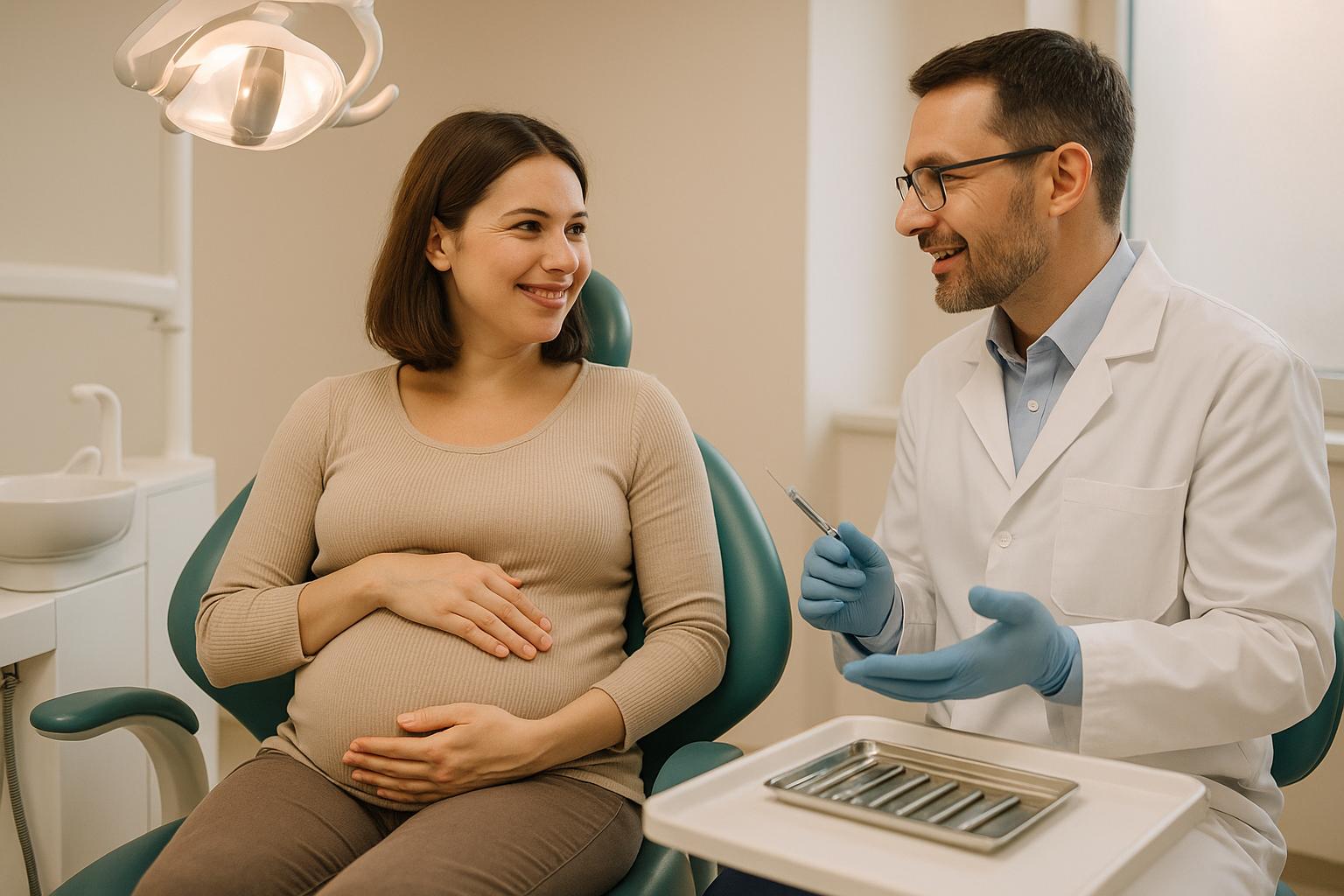
Yes, local anaesthesia is safe during pregnancy when administered by trained professionals. Here’s what you need to know:
- Lidocaine is the most commonly recommended anaesthetic, classified as FDA Category B, meaning there’s no evidence of harm to humans.
- Dental treatments like fillings, root canals, and extractions are safe at any stage of pregnancy, but the second trimester (weeks 13–27) is the best time for elective procedures.
- Untreated dental issues, such as gum disease or infections, can pose greater risks to both mother and baby than the anaesthetic itself.
- Proper precautions, like patient positioning and close monitoring, ensure safety during procedures.
If you’re pregnant, don’t avoid dental care. Inform your dentist about your pregnancy, and they’ll tailor a safe treatment plan for you. Local anaesthesia is an important tool for managing oral health while protecting both you and your baby.
Pregnancy and Dental Anesthesia
Safety of Local Anaesthesia During Pregnancy
Strong evidence confirms that local anaesthesia, when used correctly, is safe during pregnancy. These medications pose minimal risk to both mother and baby, making it possible to provide essential dental care throughout this period. Let’s explore the guidelines and considerations for specific anaesthetic agents.
Medical and Dental Authority Guidelines
The Australian Dental Association, alongside international organisations like the American College of Obstetricians and Gynecologists, affirms that local anaesthesia is generally safe for pregnant patients. The most commonly recommended agent is lidocaine (also known as lignocaine). These recommendations highlight the safety and reliability of local anaesthetics, even those containing adrenaline, when used appropriately.
Local Anaesthetics with Adrenaline
Local anaesthetic formulations containing adrenaline are considered safe during pregnancy when administered at standard concentrations. Research shows that adrenaline helps reduce the systemic absorption of the anaesthetic, limiting toxicity and keeping the effects localised to the treatment area. This is particularly beneficial for effective pain management.
However, careful dosing and monitoring are crucial, especially for patients with cardiovascular conditions. Additionally, some formulations may include preservatives that are best avoided during the first trimester or in high-risk pregnancies. This makes professional expertise essential in selecting the most suitable product for each patient.
Individual Assessment and Professional Care
Every pregnancy is different, so a personalised approach is key to ensuring safety. Dental professionals must review the patient’s medical history and, when needed, collaborate with the obstetrician to create the safest treatment plan. This is especially important for high-risk pregnancies, such as those involving fetal compromise, cardiovascular issues, or known allergies to anaesthetic agents. In such cases, additional monitoring or alternative strategies may be required.
At Complete Smiles Bella Vista, the focus is on using Category B local anaesthetics, such as lidocaine, at the lowest effective dose. Elective procedures are scheduled during the safest stages of pregnancy, and proper positioning during treatment helps prevent complications like postural hypotension.
The primary risks associated with local anaesthesia during pregnancy – such as maternal hypotension, rare allergic reactions, and considerations in high-risk cases – are significantly minimised with proper technique and monitoring. Current expert consensus indicates that no commonly used anaesthetic agents have been shown to cause birth defects in humans. When dental treatment is necessary, the benefits of pain relief and infection prevention generally outweigh the minimal risks involved.
Best Timing and Precautions for Dental Procedures
When it comes to dental treatments during pregnancy, timing and safety are key. Careful planning ensures both the comfort of the mother and the well-being of the baby. Here’s what you need to know about the best time for procedures and the precautions to take.
Why the Second Trimester Is Ideal
The second trimester (weeks 13–27) is widely regarded as the safest period for elective dental treatments that require local anaesthesia. By this stage, the risk of miscarriage drops compared to the first trimester, and the chance of triggering preterm labour is lower than in the third trimester. It’s also the point where the baby’s major organs are fully developed, and the mother’s body has adjusted to pregnancy-related changes, creating a more stable environment.
This period isn’t just safer – it’s more comfortable for the mother, too. By the second trimester, symptoms like morning sickness often ease, and the uterus hasn’t expanded so much that sitting in a dental chair for a long time becomes uncomfortable. Research backs this up, showing that this trimester strikes the best balance for both safety and practicality.
Handling Emergencies at Any Stage
While scheduling elective procedures during the second trimester is ideal, emergencies don’t wait. Dental issues like infections, severe pain, abscesses, or trauma need immediate attention, no matter the stage of pregnancy. Delaying treatment for these conditions can lead to complications that are far more harmful than the minimal risks associated with local anaesthesia.
Untreated dental infections, for example, can lead to systemic problems that could affect both the mother and the baby. Pain and stress from dental emergencies can also influence maternal health and, in turn, foetal development. In such cases, it’s critical for dental professionals to work closely with the patient’s obstetrician. Coordinating care ensures that everyone is informed and the treatment plan is safe.
The Australian Dental Association supports this approach, stating that oral health care – including the use of local anaesthesia – is safe during any trimester as long as proper precautions are taken. This reinforces the importance of addressing urgent dental needs without unnecessary delays.
Key Safety Measures for Pregnant Patients
To ensure dental procedures are as safe as possible during pregnancy, certain precautions are essential:
- Anaesthetic choice: Lidocaine (2% with 1:200,000 epinephrine) is the preferred option. It has a long-standing safety record, dating back to 1948, and is classified as FDA Category B, meaning it’s considered safe for use during pregnancy.
- Patient positioning: A semi-supine position is recommended to prevent compression of the inferior vena cava by the growing uterus, which can help maintain proper blood flow and reduce the risk of postural hypotension.
- Monitoring: Keeping an eye on blood pressure and heart rate is crucial, especially for high-risk patients. Oxygen levels should also be monitored to catch any potential issues early.
- Collaboration: Open communication between the dental team and the obstetrician is vital. Sharing treatment plans and addressing concerns ensures that any risks are identified and managed effectively.
While routine care like cleanings and check-ups is encouraged throughout pregnancy, it’s best to postpone non-essential procedures, such as elective cosmetic treatments, until after the baby is born. This precautionary approach helps minimise unnecessary risks while still prioritising overall oral health.
sbb-itb-2be92ed
Common Dental Procedures Requiring Local Anaesthesia
Pregnancy doesn’t mean putting oral health on the back burner. In fact, several dental treatments may require local anaesthesia to manage pain effectively. Knowing which procedures typically involve anaesthesia – and why they matter – can help expectant mothers make informed choices about their dental care. These treatments play a crucial role in maintaining oral health during pregnancy and preventing complications down the line.
Types of Dental Treatments
Dental treatments during pregnancy, when performed under established safety protocols, include several procedures that often require local anaesthesia.
Cavity fillings are one of the most common treatments needing local anaesthesia. Tooth decay doesn’t take a break during pregnancy, and untreated cavities can lead to infections. Root canal therapy is another procedure that may become necessary if a tooth infection reaches the nerve, causing severe pain or an abscess. Local anaesthesia ensures the area is thoroughly numbed so the dentist can remove infected tissue and seal the tooth properly.
Tooth extractions might be unavoidable for severely damaged teeth, problematic wisdom teeth, or teeth that can’t be restored. While not ideal, extractions can prevent infections and avoid further oral health issues.
For those dealing with periodontal disease, treatments like scaling and root planing often require local anaesthesia for deep cleaning. Hormonal changes during pregnancy can worsen gum disease, making these procedures particularly important for expectant mothers.
At clinics like Complete Smiles Bella Vista, these procedures are carried out for pregnant patients using evidence-based protocols. Dental teams follow strict safety guidelines and collaborate with obstetricians when needed to ensure the best outcomes for both mother and baby.
Benefits of Early Treatment
Addressing dental problems early during pregnancy does more than just relieve pain – it has significant long-term benefits. Timely treatment can improve both maternal and foetal health. Untreated oral infections can lead to complications such as widespread infection, increased inflammation, and other systemic effects that may impact pregnancy outcomes[8][2]. Studies show that pregnant women who receive prompt care for dental abscesses or advanced gum disease experience fewer complications and have better pregnancy outcomes compared to those who delay treatment[8].
There’s also evidence linking untreated dental infections with risks like preterm birth and low birth weight. Early intervention helps prevent minor issues from escalating into more serious problems that may require invasive treatments later.
Professional organisations like the American Dental Association affirm that oral health care, including the use of local anaesthesia, is safe at any stage of pregnancy when standard protocols are followed[3][7]. Partnering with dental professionals who understand the unique needs of pregnant patients – and who can coordinate with obstetricians – ensures that treatments are both safe and effective, tailored to the patient’s health and stage of pregnancy.
Comparison of Local Anaesthetic Agents in Pregnancy
When it comes to dental care during pregnancy, comparing the safety profiles of local anaesthetics is key to making informed choices. The right anaesthetic depends on the procedure, the pregnancy stage, and individual patient factors. In Australia, the most commonly used agents are lidocaine, prilocaine, bupivacaine, and mepivacaine – each with distinct characteristics. Here’s a closer look at how they compare, helping dental professionals choose the safest option for expectant mothers.
Lidocaine is classified as FDA Category B, meaning studies have shown no evidence of harm to humans. While it does cross the placenta at moderate levels, research supports its safety when used within recommended doses [1][2][4].
Prilocaine, another Category B agent, has a higher rate of placental transfer. This increases the potential risk of fetal methemoglobinemia, leading practitioners to use it with extra caution during pregnancy [1][4].
Bupivacaine falls under FDA Category C, indicating that risks cannot be completely ruled out. However, it has the lowest placental transfer among the four agents. Despite this, its Category C status means it’s typically reserved for situations where lidocaine isn’t an option [1][3][4].
Mepivacaine, also a Category C agent, demonstrates moderate placental transfer. While it’s considered safe within recommended doses, it’s less commonly chosen than lidocaine for routine dental procedures [5].
Local Anaesthetic Comparison Table
| Anaesthetic Agent | FDA Category | Placental Transfer | Common Dental Applications | Key Safety Considerations |
|---|---|---|---|---|
| Lidocaine | B | Moderate | Fillings, extractions, root canals | Preferred option; use the lowest effective dose |
| Prilocaine | B | High | Fillings, minor surgical procedures | Avoided where possible due to fetal methemoglobinemia risk |
| Bupivacaine | C | Low | Complex procedures requiring prolonged anaesthesia | Used only when necessary; higher toxicity potential |
| Mepivacaine | C | Moderate | Fillings, routine procedures | Safe in recommended doses but less commonly selected |
From the table, it’s clear that although prilocaine is a Category B agent, its higher placental transfer and associated risks make it less favourable compared to lidocaine. On the other hand, bupivacaine’s low placental transfer doesn’t outweigh its Category C classification, limiting its use to specific circumstances.
Interestingly, formulations of lidocaine that include adrenaline can offer additional benefits. Adrenaline reduces systemic absorption, prolongs the numbing effect, and doesn’t interfere with uterine blood flow, making it a practical choice for many procedures [4][6].
In Australia, dental professionals follow evidence-based guidelines, with lidocaine as the go-to anaesthetic. Alternatives are only considered when clinical needs demand a different approach. This comparison equips practitioners with the knowledge to make safe, patient-focused decisions during pregnancy.
Conclusion
Local anaesthesia is considered safe when administered by trained dental professionals. A study involving 210 first-trimester exposures found no notable differences in outcomes such as major anomalies, miscarriages, gestational age at delivery, or birth weight. These findings align with recommendations from prominent health authorities [4][3][7].
Ensuring safe dental care during pregnancy requires a detailed patient history, tailored treatment plans, and, when necessary, consultation with an obstetrician to determine the most appropriate anaesthetic. Each pregnancy presents unique factors – such as gestational age, pre-existing conditions, and the type of dental procedure – requiring dental professionals to assess each case individually. This approach reinforces earlier guidelines that highlight the importance of personalised care and inter-professional collaboration. Timely and customised dental care is crucial for safeguarding both maternal and foetal health.
Delaying necessary dental treatment can pose greater risks than the minimal exposure to local anaesthesia. Untreated dental issues may lead to infections and complications that can negatively impact both the mother and baby. Such infections have been linked to adverse pregnancy outcomes, including an increased risk of preterm birth [8].
Key Points
Here are some essential takeaways for safe dental care during pregnancy:
- Maintaining oral health is vital, especially as hormonal changes during pregnancy can heighten the risk of gum disease, cavities, and other dental issues.
- Lidocaine is the preferred anaesthetic, known for its long-standing safety record (FDA Category B) [4][8].
- Elective procedures are ideally performed during the second trimester, while urgent treatments are safe at any stage if needed [2].
- Professional dental care, including routine cleanings and necessary treatments, is both safe and encouraged throughout pregnancy [2].
For expectant mothers, it’s important not to shy away from essential dental care due to concerns about local anaesthesia. Inform your dentist about your pregnancy, follow their advice, and prioritise your oral health. By doing so, you’re not only caring for yourself but also investing in your baby’s wellbeing. When handled by experienced professionals familiar with pregnancy-specific needs, local anaesthesia offers a safe and effective way to address dental issues.
FAQs
Is it safe to use local anaesthesia with adrenaline during early pregnancy?
When it comes to using local anaesthesia with adrenaline during pregnancy, it’s generally regarded as safe – provided it’s administered by a qualified healthcare professional. That said, it’s crucial to let your dentist or doctor know about your pregnancy. This allows them to adjust treatments as needed to reduce any possible risks.
Although research indicates that local anaesthesia with adrenaline doesn’t pose harm to the baby, every pregnancy is different. Make sure to consult your healthcare provider to discuss your individual situation and determine the safest course of action for both you and your baby.
Is it safe to use local anaesthesia during pregnancy, and what precautions should be taken?
Local anaesthesia is generally safe to use during pregnancy, provided it’s administered correctly and under the supervision of a qualified healthcare professional. It’s often essential for dental procedures to manage pain effectively and keep you comfortable, but precautions are taken to minimise any potential risks.
If you’re expecting, make sure to inform your dentist before undergoing any procedure. They might adjust the type or amount of anaesthetic to prioritise the safety of both you and your baby. Typically, dental treatments are best scheduled during the second trimester. This period is considered safer for the baby, and you’re likely to feel more at ease. If you have any concerns about a specific treatment, it’s always a good idea to discuss them with your healthcare provider or obstetrician.
Is it safe to use local anaesthesia during pregnancy, and how does the choice of anaesthetic affect its effectiveness?
Yes, local anaesthesia is generally safe during pregnancy when administered by a qualified healthcare professional. Many dental and medical procedures can be performed without significant risks, as the commonly used anaesthetic agents are not known to harm the developing baby. That said, it’s crucial to let your dentist or doctor know about your pregnancy so they can select the most appropriate type and dosage of anaesthetic for your situation.
Lignocaine (also known as lidocaine) is one of the most commonly used local anaesthetics during pregnancy because of its well-established safety record. Your healthcare provider will take into account your overall health, the stage of your pregnancy, and the nature of the procedure to ensure the safest and most effective care for both you and your baby.
Related Blog Posts
- Is Tooth Extraction Safe During Pregnancy?
- Pregnancy and Restorative Dental Work: Pros and Cons
- Long-Acting Local Anesthetics in Dentistry
- How Local Anaesthesia Reduces Pain During Extractions
Important Notice: Any surgical or invasive procedure carries risks. Before proceeding, you should seek a second opinion from an appropriately qualified health practitioner.
Individual results may vary. The information provided in this article is for educational purposes only and does not constitute medical advice.
Checkout Related Blogs



Get in touch with us
For more information, call us now to start feeling better. Or fill the form below to make appointment
The Latest News from Complete Smiles
How to Clean Clear Plastic Retainers
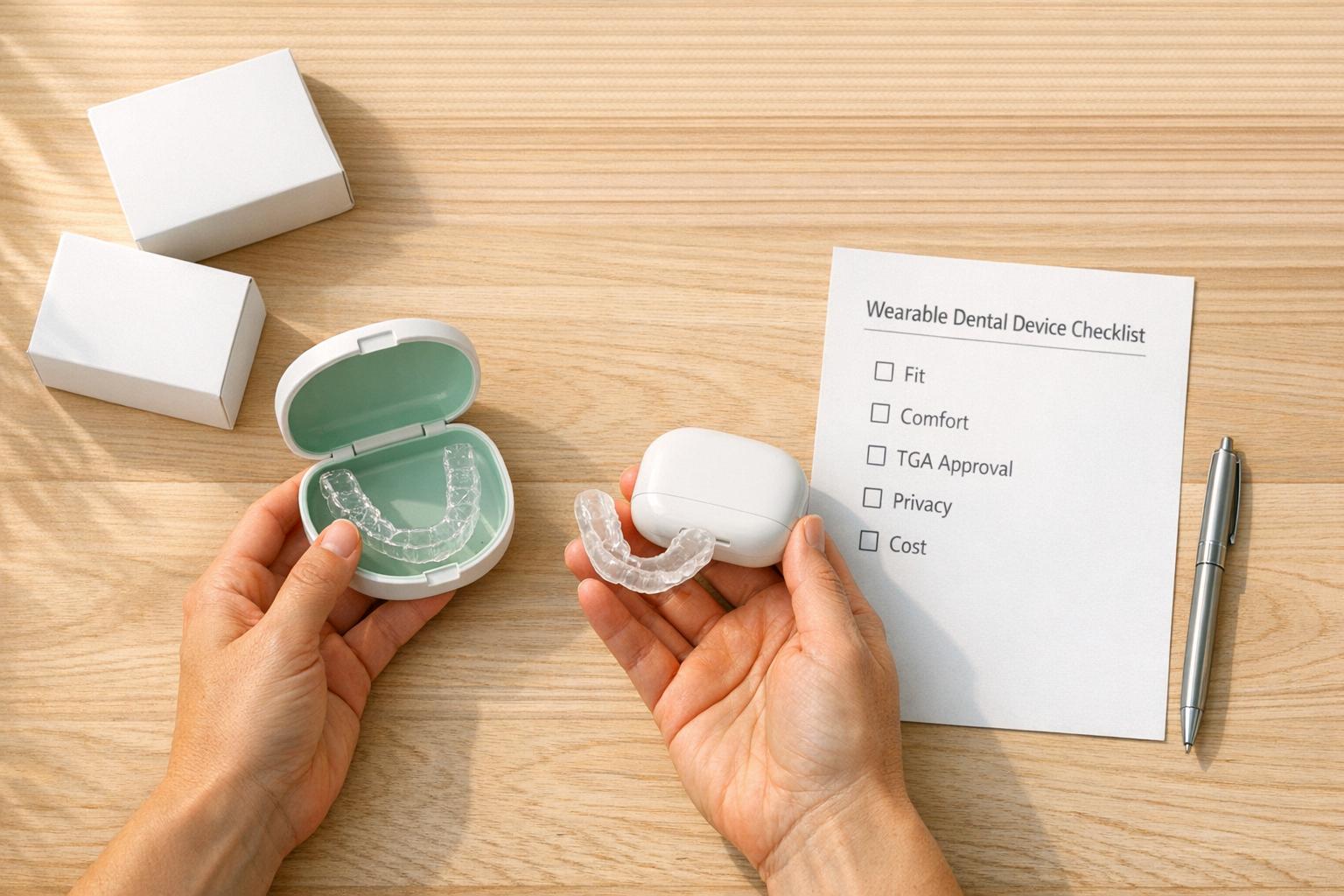
Checklist for Choosing Wearable Dental Devices
Checklist for Choosing Cloud AI Platforms in Dentistry
Complete Smiles Bella VistaAccepts All Major Health Funds, Including