



IoT Devices for Dental Health Monitoring

The Internet of Things (IoT) is transforming dental care in Australia by connecting devices like toothbrushes, implants, and sensors to provide continuous insights into oral health. These smart tools monitor brushing habits, detect dental issues early, and even track broader health markers through saliva. Here’s what you need to know:
- Smart toothbrushes: Measure brushing time, pressure, and technique, improving oral hygiene and reducing guesswork.
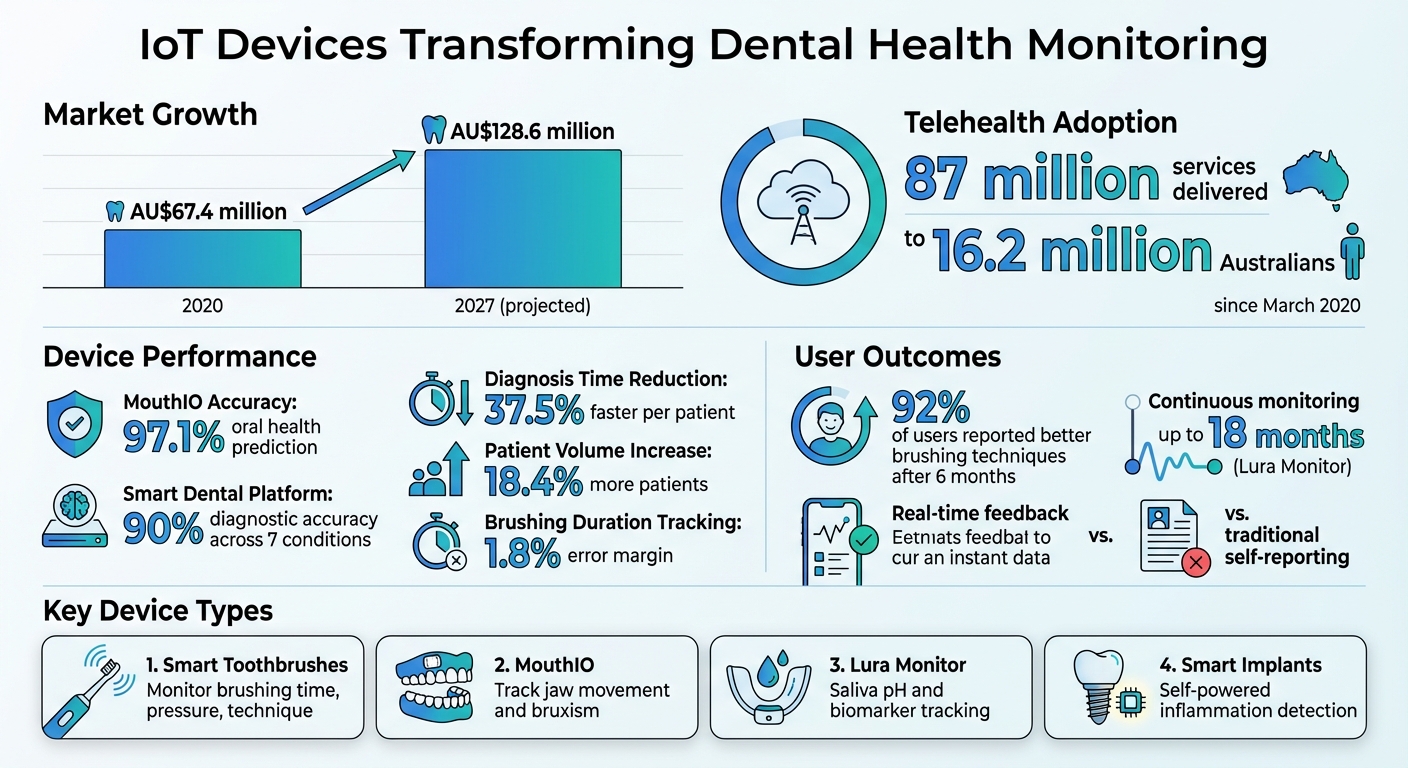
- MouthIO: Tracks jaw movement and bruxism with a comfortable design, achieving 97.1% oral health prediction accuracy.
- Lura Oral Acid Monitor: Monitors saliva pH to flag tooth decay risks and systemic health conditions.
- Smart implants: Self-powered sensors detect inflammation, bone growth, and implant stability.
These devices reduce diagnosis time by 37.5% and achieve 90% accuracy in detecting conditions like cavities and gum disease. However, challenges include data security, device costs, and user acceptance. With Australia’s telehealth adoption on the rise, IoT-based dental care is set to make monitoring more efficient and accessible.
IoT Dental Devices: Key Statistics and Benefits in Australian Healthcare
Internet of Things IoT Shaping Dentistry | Dental Resource Asia
IoT Devices for Dental Monitoring
Advances in IoT technology are revolutionising dental care, offering tools that provide real-time insights into oral health. These gadgets, ranging from customisable mouthpieces to tiny sensors attached to teeth, enable continuous monitoring between dental visits. Below, we explore some of the standout devices shaping the future of remote dental care.
MouthIO: A Customisable Mouthpiece
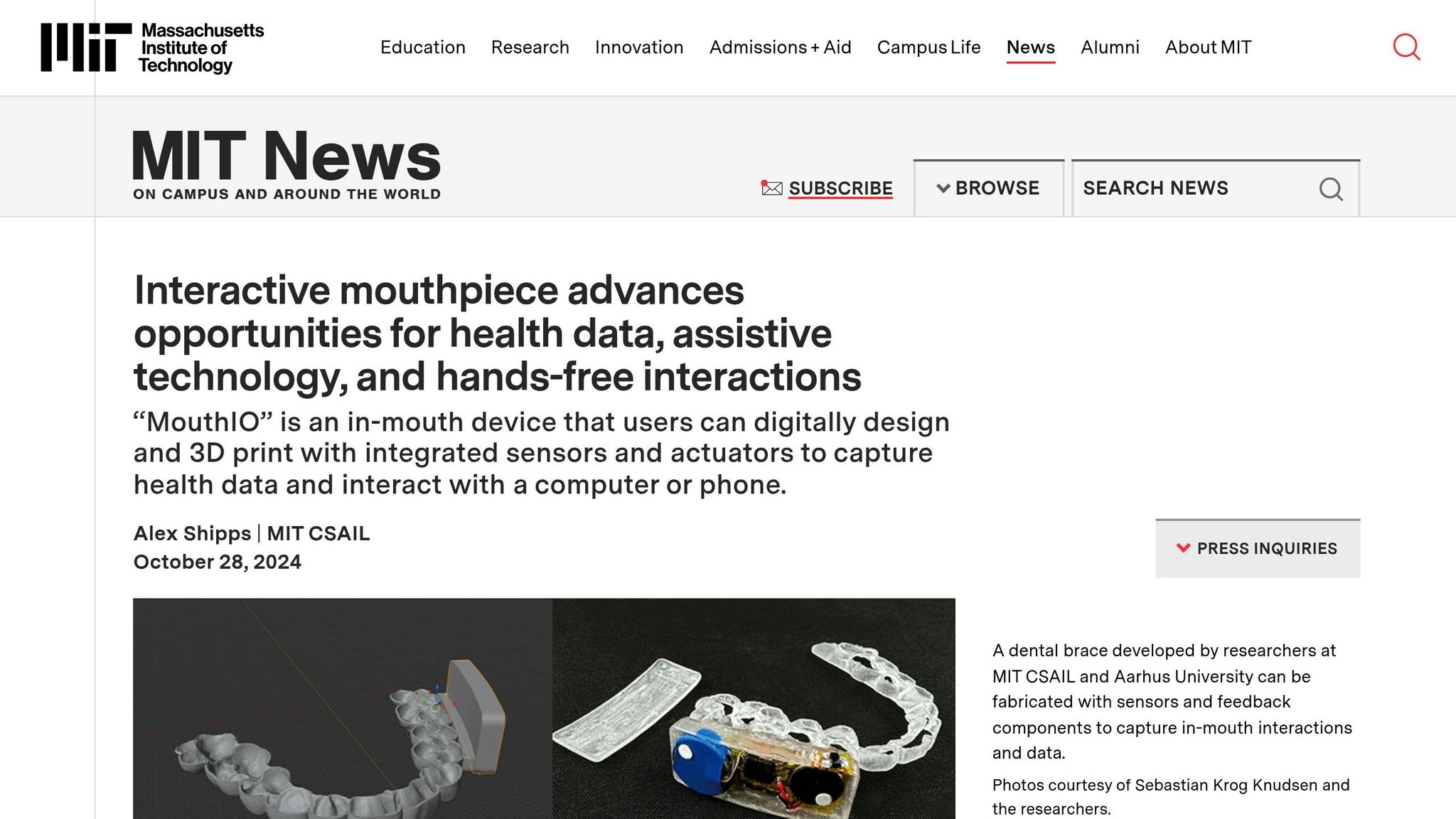
MouthIO is a 3D-printable device designed to track bruxism and jaw movements. Its open-bite design ensures users can still speak, drink, and breathe comfortably while wearing it [4][7]. Some versions even include fluorescent probes (ZnO/PDMS) to detect volatile sulfur compounds, which can help identify hidden cavities [4]. Research indicates that IoT systems using MouthIO can predict oral health with an impressive accuracy of 97.115% [7].
| Design Feature | Open-Bite Design | Closed Design |
|---|---|---|
| Speech Ability | Normal speech maintained | Speech impaired |
| Comfort Level | High – allows drinking and breathing | Lower – full mouth coverage |
| Monitoring | Tracks bruxism and jaw movement | Similar parameters with full coverage |
Lura Oral Acid Monitor: Saliva-Based Health Insights
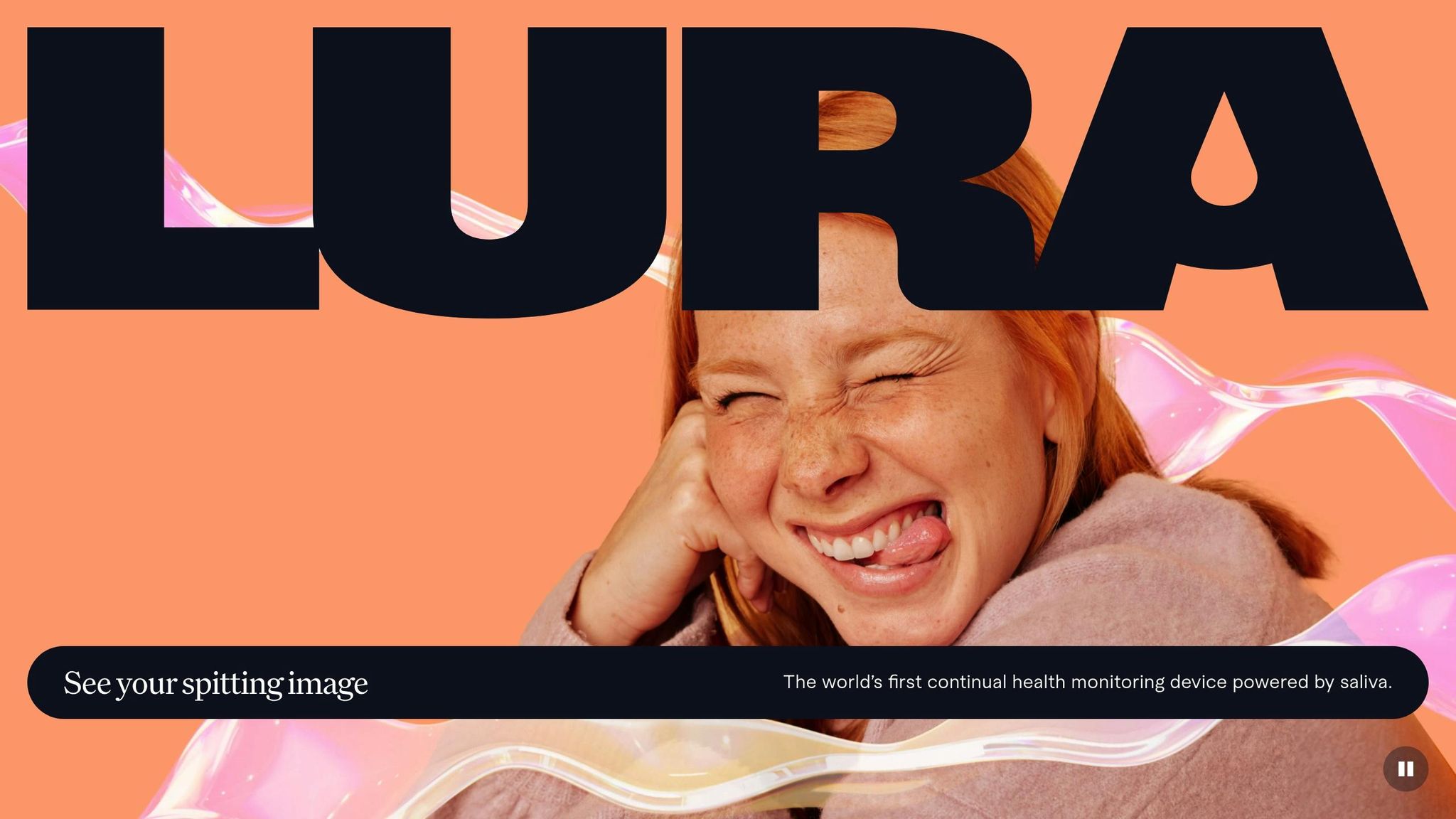
The Lura Oral Acid Monitor is a micro-sensor that continuously tracks saliva pH levels, sending data to a smartphone app via Bluetooth. By measuring acidity, it can help identify conditions like gastroesophageal reflux or high acidity, which are linked to tooth decay [8]. As Lura Health explains:
Saliva tells your story, providing an intimate view into who you are and what’s happening inside your body [8].
This sensor can be integrated into clear aligners, retainers, or even bonded directly to a tooth. It offers consistent monitoring for up to 18 months and also tracks biomarkers like glucose and electrolytes, providing insights into broader health conditions.
| Mounting Method | Description | Primary Advantage |
|---|---|---|
| Clear Aligners/Trays | Embedded in removable plastic trays | Convenient for orthodontic patients [8] |
| Retainers | Built into Hawley or plastic retainers | Ideal for long-term post-orthodontic use [8] |
| Tooth-Attached | Bonded directly to the tooth surface | Offers consistent, long-term monitoring [8] |
Beyond saliva monitoring, IoT technology is also advancing the capabilities of dental implants.
Smart Dental Implants: Sensors That Power Themselves
Smart dental implants are equipped with sensors to monitor the jawbone environment and ensure prosthesis stability. These sensors detect temperature changes to flag early signs of inflammation, use capacitive measurements to assess bone growth without the need for X-rays, and integrate wireless technology to identify micro-movements that could indicate mechanical issues [4][7]. Some advanced models even generate their own power by converting chewing energy into electricity for the sensors and data transmission. As highlighted in the Journal of Advanced Oral Research:
IoDT [Internet of Dental Things] will play a paramount role in the clinical advancement aspects of diagnosis and management of various oral diseases in the forthcoming decades [7].
| Monitored Parameter | Sensor Type | Health Benefit |
|---|---|---|
| Temperature | Multi-channel thermal sensor | Early detection of peri-implant inflammation [4] |
| Bone Growth | Capacitive sensor | Monitors osseointegration without X-rays [4] |
| Micro-Displacement | Wireless displacement sensor | Detects loosening to prevent mechanical failure [4][7] |
These IoT-enabled devices are paving the way for smarter, more proactive dental care, offering both patients and professionals valuable tools for maintaining oral health.
Benefits and Challenges of IoT Dental Devices
Benefits of IoT in Dental Health Monitoring
IoT dental devices bring a new level of precision and convenience to oral health care by offering real-time monitoring and feedback. For instance, in a six-month study, 92% of participants using interactive telemonitoring toothbrushes reported better brushing techniques [3]. These devices provide instant insights into brushing habits – covering technique, duration, and pressure – which helps users achieve more effective plaque removal. Unlike traditional brushing diaries, which often rely on inaccurate self-reporting, IoT systems offer highly reliable data, with brushing duration tracked to a minimal error margin of just 1.8% [1].
Another standout benefit is early disease detection. Sensors in these devices can identify volatile sulfur compounds to detect hidden cavities, monitor pH levels to flag acid erosion, and track salivary biomarkers for early signs of gum disease. For example, a smart dental health IoT platform demonstrated an impressive 90% diagnostic accuracy across seven dental conditions, including caries and periodontal disease, while also reducing diagnosis time by 37.5% [5][7].
Beyond oral health, these devices can provide insights into overall systemic health. By tracking biomarkers like glucose for diabetes, cortisol for stress, or uric acid levels, they bridge oral and general health monitoring. Additionally, integration with teledentistry allows dental professionals to remotely monitor patients, cutting down on the need for frequent in-person visits. This is especially beneficial for orthodontic patients or individuals with dental implants who require ongoing assessments.
Challenges to Adoption and Use
Despite their benefits, IoT dental devices face several technical and practical challenges. Accuracy can be affected by factors like motion interference, differences in saliva composition, and potential disruption from nearby electronic devices [6][4]. Saliva’s corrosive properties also pose a challenge, as they can lead to sensor failure over time, making waterproofing a critical consideration. Additionally, limited battery life and the need for regular calibration can reduce the long-term usability of these devices [6][4].
Data security and privacy are pressing concerns. As highlighted in the Journal of Advanced Oral Research:
Security and privacy of devices will be a demanding task as it may be prone to hacking [7].
The need for patient consent to upload sensitive health data to cloud servers further complicates adoption, raising ethical and legal questions.
User acceptance is another hurdle. Wearing visible devices in public may carry a social stigma, and overly complex user interfaces can discourage consistent use. Certain groups – such as individuals with limited manual dexterity, cognitive challenges, or motor disabilities – may find these devices particularly difficult to use [6][7]. Economic factors also play a role, as the high costs of sensors, servers, and associated technology make widespread adoption difficult, especially in clinics that lack standardised digital practices [7].
| Device Type | Key Advantages | Key Challenges |
|---|---|---|
| MouthIO | Open-bite design preserves speech; 97.115% prediction accuracy [7] | Requires frequent calibration; motion interference [6] |
| Lura Monitor | Tracks multiple biomarkers; 18-month continuous monitoring [8] | Data privacy concerns; relies on Bluetooth connectivity |
| Smart Implants | Self-powered; detects inflammation early without X-rays [4] | High implementation costs; regulatory hurdles [7] |
sbb-itb-2be92ed
Future Applications of IoT in Teledentistry
Australia’s digital dentistry market is on a rapid growth trajectory, with its value rising from AU$67.4 million in 2020 to a projected AU$128.6 million by 2027. This growth is driven by cloud-based platforms that simplify patient experiences and streamline healthcare services. Since March 2020, around 87 million telehealth services have been delivered to 16.2 million Australians, showcasing the nation’s readiness to embrace tech-based healthcare solutions [10]. This strong digital infrastructure is setting the stage for AI-powered diagnostic tools to transform teledentistry.
AI is playing a pivotal role in advancing teledentistry. Deep learning models like MASK R-CNN are now capable of detecting dental conditions such as caries, periodontitis, and fluorosis from images with up to 90% accuracy [5][7]. For example, a six-month trial involving 150 participants using the Mombrush ProCare app – a telemonitoring toothbrush – showed notable improvements in oral hygiene scores compared to those using manual methods [3]. Dr Jaeyeon Kim from Yonsei University highlighted the benefits:
The real-time feedback provided by the toothbrush connected to the mobile app allows users to enhance their toothbrushing technique to improve oral hygiene and reduce the risk of dental problems [3].
These AI-driven advancements work hand-in-hand with IoT devices, enhancing early detection and enabling more efficient treatment pathways.
A specialised branch of IoT in healthcare, known as IoDT (Internet of Dental Things), is reshaping preventive care [9][7]. Future models of teledentistry may even introduce a new professional role: the Personal Preventive Oral Care Specialist (PPOS). These dentists would be trained in IoDT systems and data analysis, focusing on home-based preventive care rather than reactive treatments. This shift could significantly reduce the strain on clinical resources while promoting continuous oral health monitoring [4][7].
App-based communication platforms are also emerging as key tools in connecting patients with dental professionals. These platforms, building on IoT telemonitoring systems, are streamlining clinical workflows. A 2020 study involving 10 private dental clinics and 12,600 clinical images found that a smart dental health-IoT platform reduced diagnosis time by 37.5% per patient and increased patient volume by 18.4% [5]. These platforms enable remote consultations, pre-examinations, and real-time assessments of oral hygiene habits [2][6].
Looking to the future, edge computing will handle time-sensitive data to provide instant feedback, while cloud computing will manage long-term health records and big data analysis [9][7]. There’s also growing interest in partnerships between smart toothbrush manufacturers and insurance providers. These collaborations aim to create data-driven insurance models, offering lower premiums to patients who maintain good oral hygiene habits [7]. As nbn co aptly put it:
Digitally enabled dental care is no longer a distant concept. It is the here and now [10].
Conclusion
IoT devices are reshaping dental care by delivering real-time, data-driven insights that go far beyond the clinic. Instead of relying solely on biannual check-ups and subjective self-reporting, these connected tools provide objective data on brushing habits, plaque levels, and early signs of dental issues. This shift is paving the way for earlier intervention and more consistent preventive care.
Traditional dentistry often leaves a gap in care during the 363 days patients spend outside the clinic. IoT devices fill this gap by continuously monitoring oral health behaviours and offering feedback loops that help patients establish lasting, healthier habits. By enabling real-time tracking, these tools are driving a shift from reactive treatments to proactive prevention.
Research backs this evolution. Studies show that interactive telemonitoring systems significantly improve oral hygiene, with many users reporting better brushing techniques [3]. Additionally, smart dental platforms boast diagnostic accuracy rates above 90% for conditions like caries and periodontal disease [5][7].
The integration of IoT with teledentistry promises to make dental care more accessible and efficient. However, challenges such as connectivity issues, data security, and equitable access – especially for Australians in rural and remote areas – need to be addressed to ensure these advancements benefit everyone.
The future of dental care is no longer limited to the dentist’s chair. It’s unfolding in real-time, right in Australian homes, thanks to devices that turn daily oral hygiene into a data-driven journey towards better health. As digital dentistry continues to evolve, these systems are set to redefine preventive care across the country.
FAQs
How can IoT devices help detect dental problems early?
IoT devices are transforming how we approach oral health by enabling the early detection of dental issues. These devices continuously track oral health data, such as intra-oral sensor readings, saliva biomarkers, and imaging results. Using advanced tools like AI and deep learning, they process this data to spot early warning signs of conditions like tooth decay, gum disease, or even oral cancer.
What makes these devices so effective is their ability to send real-time alerts to both patients and dental professionals. This means potential problems can be addressed before they escalate into serious conditions. By catching issues early, IoT devices not only help maintain better oral health but also reduce the likelihood of needing complex and costly treatments.
Are there any privacy concerns with using IoT dental devices?
IoT dental devices gather a range of personal health data, including bite force, saliva composition, and oral-microbiome profiles. This data is often tied to unique identifiers, allowing for the creation of detailed medical and behavioural profiles. Without proper encryption or clear consent mechanisms, there’s a risk that this information could fall into the wrong hands. It might be accessed by unauthorised parties, used for targeted marketing, or combined with other datasets to reveal sensitive details that extend far beyond oral health.
When AI-powered diagnostics and electronic health records are integrated with IoT sensors, additional concerns emerge around who owns the data, how long it’s retained, and whether proper consent is obtained. Vulnerable groups, like older adults or individuals with limited digital skills, face an even higher risk of unintentional data misuse.
To mitigate these risks, developers need to prioritise strong security protocols. This includes implementing end-to-end encryption, enforcing strict access controls, and providing transparent consent tools that align with Australian privacy laws.
How does IoT technology improve overall health beyond dental care?
IoT technology is transforming health care by enabling continuous, real-time tracking of key health indicators like blood pressure, glucose levels, and heart rhythm. This information is securely sent to clinicians, making remote monitoring possible. It also allows for timely adjustments to treatment plans and reduces the need for in-person visits – an especially important benefit for people living in remote parts of Australia.
Wearable and implantable IoT sensors go a step further by monitoring lifestyle aspects such as diet, hydration, and physical activity. For example, oral sensors can analyse saliva to detect dietary habits, while similar devices can measure stress hormones or track metabolic waste. When paired with artificial intelligence, these tools offer predictive insights, helping to identify potential health risks early. This not only empowers individuals to make better health decisions but also helps health systems manage resources more efficiently. Ultimately, IoT is paving the way for a more preventive and personalised approach to health care.
Related Blog Posts
- How Wearables Help Prevent Dental Issues
- Advances in Salivary Biosensors for Periodontal Care
- How AI Wearables Detect Early Gum Disease
- How Remote Devices Detect Plaque and Tartar
Important Notice: Any surgical or invasive procedure carries risks. Before proceeding, you should seek a second opinion from an appropriately qualified health practitioner.
Individual results may vary. The information provided in this article is for educational purposes only and does not constitute medical advice.
Checkout Related Blogs


Get in touch with us
For more information, call us now to start feeling better. Or fill the form below to make appointment
The Latest News from Complete Smiles
How to Clean Clear Plastic Retainers
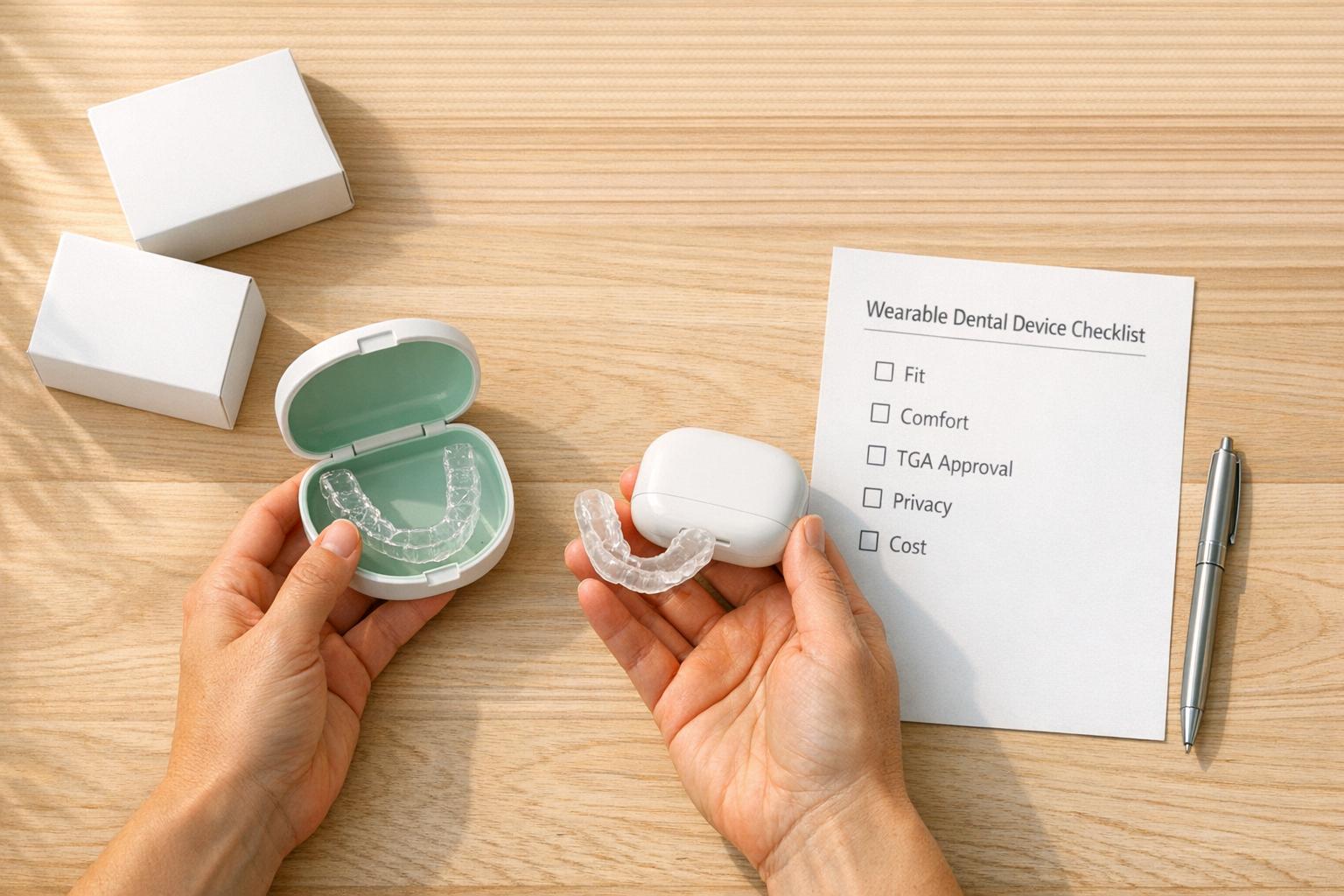
Checklist for Choosing Wearable Dental Devices
Checklist for Choosing Cloud AI Platforms in Dentistry
Complete Smiles Bella VistaAccepts All Major Health Funds, Including