





How AI Wearables Detect Early Gum Disease
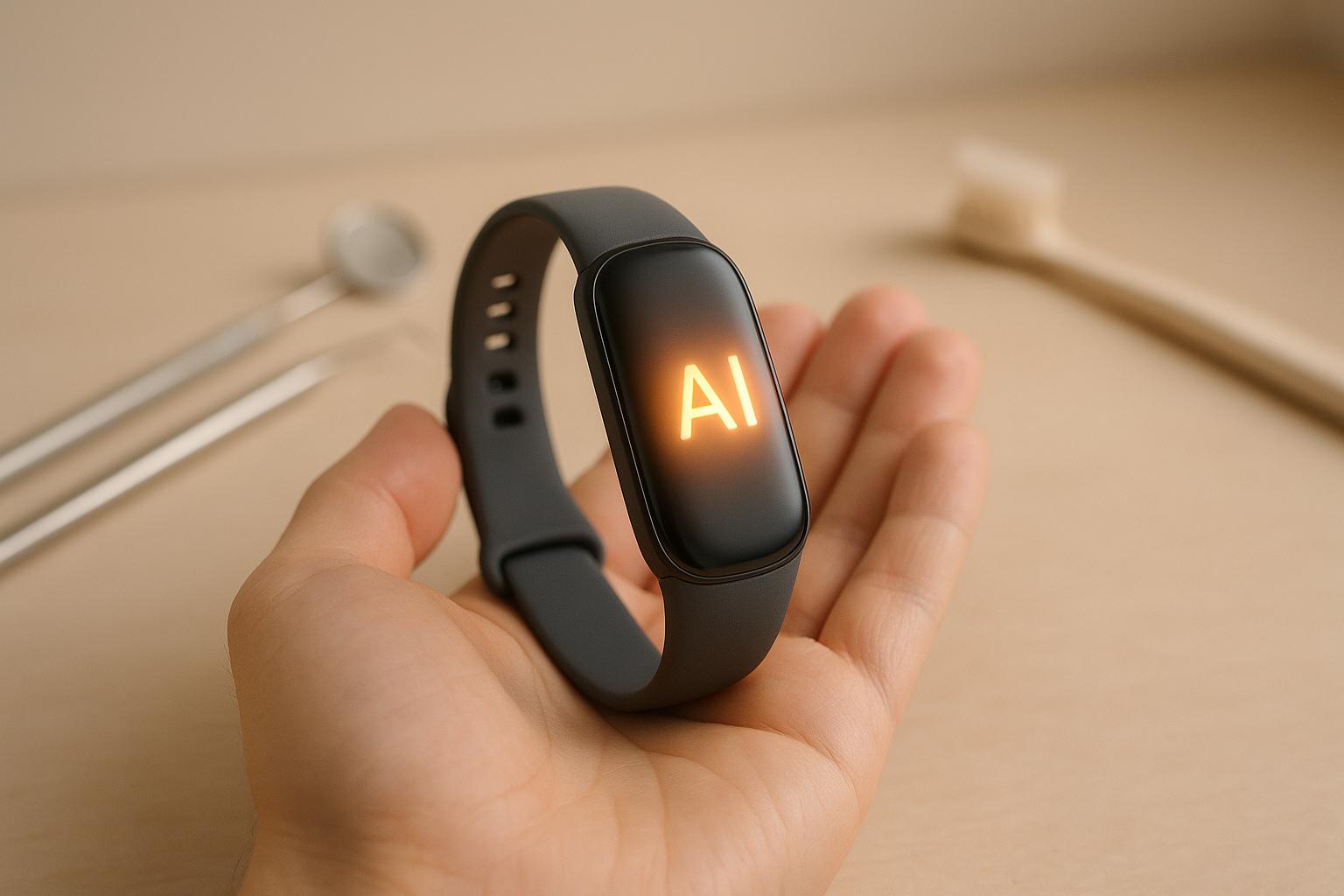
AI wearables are changing how gum disease is detected and managed. These devices use sensors and machine learning to monitor oral health indicators like saliva composition, gum tissue changes, and inflammation markers. Unlike relying on check-ups every six months, they provide real-time tracking and early alerts, helping prevent serious dental issues.
Key Points:
- How They Work: Sensors track saliva, gum colour, temperature, and pressure. AI analyses this data to spot early signs of gum disease.
- Why It Matters: Early detection helps address gum issues before they worsen, reducing the risk of tooth loss and health complications.
- Features: Mobile apps give users health scores, alerts, and personalised feedback. Dentists can also access this data remotely (with permission).
- Challenges: Cost, privacy concerns, and reliance on consistent use are current limitations.
AI wearables aim to complement regular dental visits by offering continuous monitoring and personalised insights. While adoption is still cautious, these tools could reshape oral healthcare in the future.
Enhancing Oral Hygiene Compliance Through Artificial Intelligence
Core Technologies Behind AI Wearables
AI wearables are changing the game when it comes to detecting early gum disease. By combining advanced sensors, smart algorithms, and mobile connectivity, these devices offer continuous monitoring for better oral health. Let’s dive into the key sensor technologies that make this possible.
Types of Sensors Used
AI wearables rely on a variety of sensors to monitor gum health from different angles:
- Optical sensors: These detect small changes in gum tissue colour, oxygen levels, and blood flow – early signs of inflammation. They can pick up on subtle shifts in appearance before symptoms become visible.
- Chemical sensors: By analysing saliva, these sensors look for biomarkers like inflammatory proteins and bacterial byproducts, which can indicate the onset of periodontal problems.
- Pressure sensors: These track bite pressure and brushing patterns to identify gum sensitivity and ensure users are maintaining consistent oral hygiene routines.
- Temperature sensors: Even slight changes in gum temperature can signal inflammation, and these sensors provide another layer of insight for a thorough health check.
AI Algorithms and Data Analysis
The real magic happens when sensor data meets machine learning. Advanced algorithms analyse the data to detect gradual changes in oral health. These systems are designed to tell the difference between normal daily variations and patterns that point to gum disease. Using predictive modelling, they can even forecast potential risks, allowing for early intervention.
With pattern recognition, these algorithms can uncover trends that might otherwise go unnoticed for weeks or months during traditional dental exams. This ability to catch the slow progression of gum disease is a cornerstone of early detection and prevention.
Integration with Mobile Apps
Mobile apps bring all this technology together in a user-friendly way. They compile sensor data in real time, presenting it as easy-to-read health scores, personalised dashboards, and actionable alerts. This simplifies complex information, offering clear recommendations and tracking progress over time.
Smart alert systems notify users when potential issues arise, striking a balance between keeping them informed and avoiding unnecessary alarms. Thanks to cloud connectivity, dental professionals can access patient data remotely (when authorised), creating a seamless link between daily self-care and professional dental oversight. This collaboration ensures a more comprehensive approach to oral health management.
How AI Wearables Detect Early Signs of Gum Disease
AI wearables are revolutionising oral health by keeping a close eye on subtle changes in the mouth. Using advanced algorithms, these devices create personalised health profiles and alert users when it’s time to seek professional care. Let’s break down how they work, from tracking biological indicators to delivering tailored risk assessments.
Biological Indicators Monitored
These devices are designed to monitor key biological signs that could hint at early gum disease. Sensors focus on inflammation markers in saliva, changes in blood flow, temperature shifts, and even fluctuations in the oral bacterial environment. By keeping tabs on these factors, wearables provide a continuous stream of data that lays the groundwork for detecting potential problems early.
Real-Time Data Analysis
AI wearables don’t just collect data – they actively analyse it in real time. By using pattern recognition, they can distinguish between normal variations and concerning trends that might indicate gum issues. Comparing current readings to an individual’s baseline helps reduce false alarms while pinpointing gradual changes that could otherwise go unnoticed.
Personalised Risk Assessment
What makes these devices stand out is their ability to factor in personal details like lifestyle choices, oral hygiene practices, and even medical conditions like diabetes. By combining this information with the data they collect, AI wearables deliver tailored alerts, helping users take proactive steps toward better oral health.
sbb-itb-2be92ed
Benefits and Limitations of AI Wearables
AI wearables are reshaping how we monitor oral health, offering a mix of advantages and challenges. By weighing these factors, individuals can decide whether to include this technology in their dental care routine.
Key Benefits
- Early detection: These devices can identify subtle changes in oral health before symptoms become noticeable, allowing users to consult a dentist sooner.
- Round-the-clock monitoring: Unlike biannual dental check-ups, AI wearables provide continuous tracking, offering real-time alerts for potential issues.
- Personalised insights: Customised feedback helps users stay engaged and maintain consistent oral hygiene habits.
- Preventive care: Spotting early signs of gum disease can lead to less invasive treatments and potentially lower costs compared to addressing advanced conditions.
Potential Limitations
- Cost barriers: High initial prices and ongoing subscription fees might deter some users.
- Privacy concerns: Handling personal health data requires strong security measures and clear consent protocols to ensure user trust.
- Over-dependence on technology: Relying too much on these devices could lead to neglecting basic oral hygiene routines. Additionally, issues like malfunctions or low battery levels can disrupt monitoring.
- Limited clinical validation: Long-term studies on the accuracy of these devices for detecting gum disease are still scarce, leaving room for uncertainty among dental professionals.
- User commitment: Consistent daily use is essential for these devices to function effectively. Sporadic usage can result in incomplete data and missed early warnings.
The table below summarises the benefits and limitations for a clearer comparison.
Comparison Table
| Benefits | Limitations |
|---|---|
| Early detection of gum disease before symptoms appear | High upfront costs and ongoing subscription fees |
| Continuous monitoring with real-time alerts | Privacy concerns around personal health data |
| Personalised feedback to encourage better oral hygiene | Risk of neglecting basic oral care due to over-reliance on technology |
| Cost savings through preventive care | Limited long-term studies validating accuracy |
| Non-invasive daily monitoring | Dependence on consistent use for reliable data |
| Integration with mobile apps for insights | Potential for malfunctions or battery-related interruptions |
| Real-time alerts for potential issues | False alarms or missed early warning signs |
Clinical Integration and Future Developments
The introduction of AI wearables into dental care is reshaping how periodontal health is managed. These advancements are opening doors for improved prevention and more precise treatment monitoring.
Adoption in Dental Practices
Across Australia, dental practices are beginning to see the potential of AI wearables as tools to enhance traditional diagnostic approaches. These devices act as continuous monitoring systems, providing valuable insights into a patient’s oral health between visits – information that might otherwise remain undetected.
By offering real-time data, these wearables support early diagnosis, track the progression of periodontal disease, and monitor how patients respond to treatments. They don’t replace traditional exams but enrich them with ongoing, detailed data.
That said, the adoption of these technologies has been cautious. Many practices are waiting for more robust clinical validation before fully embracing them as part of standard care. Challenges like costs and the need for staff training have also slowed widespread implementation. But as the technology evolves, its potential to advance periodontal care becomes increasingly evident.
Future Developments
The next generation of AI wearables is set to bring even more advanced capabilities to dental care. One of the most anticipated features is integration with electronic health records (EHRs), which will enable seamless data sharing between patients and dental professionals. This integration will allow dentists to assess oral health alongside broader systemic health factors, creating a more holistic approach to patient care.
Future devices will also come equipped with sensors capable of tracking multiple indicators simultaneously, such as inflammatory markers, bacterial levels, pH balance, and even grinding habits. Machine learning algorithms are advancing too, with upcoming models expected to personalise predictions based on individual patient data rather than relying solely on general population trends. This shift could lead to more accurate forecasts for disease progression and treatment outcomes.
Another exciting possibility lies in broader health monitoring. AI wearables may soon identify links between periodontal health and systemic conditions like diabetes or heart disease, providing insights that benefit both dental and medical fields.
Complete Smiles Bella Vista

At the forefront of modern dental care, practices like Complete Smiles Bella Vista are exploring how advanced technologies can enhance periodontal treatment. Under the leadership of Dr. James Hanna, the clinic focuses on personalised, evidence-based care that aligns well with the precision offered by AI wearables.
Their approach to gum disease treatment emphasises prevention and comprehensive care, making them well-suited to adopt emerging technologies. By prioritising evidence-based treatment plans, the practice ensures that any new tools, such as AI wearables, are integrated only when backed by solid clinical validation.
As these devices gain more acceptance, clinics offering tailored care and specialist treatments will be in a prime position to incorporate them into routine practice. This could lead to earlier interventions and more precise treatment strategies, ultimately improving outcomes for patients.
Conclusion
AI wearables are carving out a new path in periodontal health monitoring, offering the potential for earlier detection of gum disease compared to traditional methods. By using integrated sensors to track key oral health indicators like pH levels, these devices provide valuable insights in the gaps between regular dental visits.
Their real advantage lies in offering personalised, real-time monitoring that works alongside traditional dental check-ups, rather than replacing them. This complementary approach enhances routine exams by spotting subtle, individualised changes that might otherwise go unnoticed.
That said, adoption is still cautious. Challenges such as the need for clinical validation, high initial costs, and training requirements remain hurdles. However, as the technology evolves, these barriers are likely to diminish.
Looking ahead, integrating AI wearables with electronic health records could transform oral health management. These advancements might also deepen our understanding of how periodontal health links to broader systemic conditions, bridging the gap between dental and medical care.
AI wearables represent a promising leap in preventive oral healthcare. By complementing routine dental visits, they enable both patients and professionals to take proactive steps. As the technology progresses, these devices could become valuable tools in achieving earlier detection and more precise treatments – making them a development worth keeping an eye on.
FAQs
How do AI wearables detect early signs of gum disease while accounting for normal oral health differences?
AI-powered wearables are transforming how we monitor oral health, particularly when it comes to spotting early signs of gum disease. These devices track real-time data, including plaque build-up, gum inflammation, and biomarkers in saliva or oral tissues. By analysing subtle changes and patterns, they can detect potential periodontal issues – often before they become noticeable during a regular dental check-up.
What makes these devices stand out is their ability to compare your oral health data against established baselines of what’s considered healthy. If they detect any deviations, they flag them as potential early warnings of gum disease. This proactive approach means you can address problems early, potentially avoiding more serious dental complications later on.
How do AI wearables ensure privacy and protect personal data when monitoring oral health?
AI wearables designed for monitoring oral health deal with highly sensitive personal information, making privacy a key concern. In Australia, the Privacy Act 1988 and the Australian Privacy Principles (APPs) lay out clear rules for handling health data. These include obtaining explicit consent from users, securely storing data, and ensuring responsible use of the information.
For your privacy to stay protected, these devices must implement strong security measures to guard against unauthorised access or misuse. Clear and transparent policies about how your data is collected, stored, and shared are equally important, giving you full visibility over your information. If you’re thinking about using an AI wearable, check that it meets Australian privacy regulations and puts your data security first.
How do AI wearables help with early detection and prevention of gum disease?
AI-powered wearables, like smart toothbrushes and oral health sensors, are changing how we approach dental care. These gadgets track important factors such as plaque levels, pH balance, and bacterial activity in real-time. They not only give users immediate feedback but can also share this data with dental professionals. This means gum disease can be spotted early, allowing for quicker and more effective treatment.
Incorporating these devices into your daily routine can improve oral hygiene and support tailored treatment plans. These technologies align with evidence-based practices in Australia, aiming to stop gum disease in its tracks before it develops into more severe issues.
Related Blog Posts
- How Wearables Help Prevent Dental Issues
- AI Research in Oral Disease Detection: Key Findings
- AI in Dentistry: Predicting Periodontal Disease
- Advances in Salivary Biosensors for Periodontal Care
Important Notice: Any surgical or invasive procedure carries risks. Before proceeding, you should seek a second opinion from an appropriately qualified health practitioner.
Individual results may vary. The information provided in this article is for educational purposes only and does not constitute medical advice.
Checkout Related Blogs




Get in touch with us
For more information, call us now to start feeling better. Or fill the form below to make appointment
The Latest News from Complete Smiles
How to Clean Clear Plastic Retainers
Checklist for Choosing Wearable Dental Devices
Checklist for Choosing Cloud AI Platforms in Dentistry

Complete Smiles Bella VistaAccepts All Major Health Funds, Including





