




In-Office vs. Remote Orthodontic Monitoring

When deciding between in-office and remote orthodontic monitoring, it comes down to your treatment needs and lifestyle. In-office care offers hands-on adjustments and real-time problem-solving, ideal for complex cases. Remote monitoring, on the other hand, is a flexible, time-saving option for straightforward treatments like clear aligner therapy.
Key Differences:
- Appointments: In-office requires regular visits (every 4–8 weeks), while remote averages just 2.5 visits over treatment.
- Duration: Remote monitoring tends to shorten treatment times slightly (9.6 months vs. 10.9 months).
- Costs: Fewer visits with remote care can reduce travel and consultation expenses.
- Oversight: In-office provides direct evaluations, while remote relies on patient-submitted images and AI tools.
- Accessibility: Remote is ideal for rural or busy patients, but tech access is essential.
Quick Comparison Table
| Factor | In-Office Monitoring | Remote Monitoring |
|---|---|---|
| Appointment Frequency | Every 4–8 weeks | ~2–3 visits over 10 months |
| Treatment Duration | ~10.9 months | ~9.6 months |
| Costs | Higher (frequent visits) | Lower (fewer visits) |
| Clinical Oversight | Hands-on evaluations | AI + image submissions |
| Tech Needs | Minimal | Smartphone + app required |
| Best For | Complex cases | Straightforward treatments |
For many, a hybrid approach – combining remote and in-office care – balances convenience with clinical precision. Discuss your case with your orthodontist to find the right fit.
Unlocking Efficiency: The Benefits of Remote Monitoring in Practices
In-Office Orthodontic Monitoring
In-office orthodontic monitoring continues to play a key role in orthodontic care across Australia. This approach involves regular, face-to-face appointments where orthodontists can closely monitor progress, make adjustments, and address any concerns that arise during treatment.
How In-Office Monitoring Works
In-office monitoring follows a structured schedule, with clinical visits typically spaced every 4–8 weeks. These appointments include thorough examinations, imaging (such as X-rays or intraoral scans), adjustments to appliances, and checks on oral hygiene. This routine helps track tooth movement and ensures any issues are addressed promptly [2].
During these visits, orthodontists also conduct oral hygiene assessments, looking for signs of plaque buildup, gum inflammation, or other factors that could impact treatment. This hands-on approach allows for immediate intervention, avoiding delays in addressing problems.
For patients with traditional braces, appointments often involve wire adjustments, bracket checks, and replacing elastics. Meanwhile, those using clear aligners like Invisalign receive new aligners, and their fit is assessed to ensure continued progress. This structured process offers several key advantages.
Benefits of In-Office Monitoring
One of the biggest advantages is the ability to provide direct clinical oversight. Orthodontists can detect subtle issues during in-person visits that may not be noticeable in photos or digital scans [1]. Early detection helps prevent minor concerns from escalating into major problems.
Another benefit lies in the hands-on care provided during these visits. If a wire breaks, a bracket comes loose, or discomfort arises, these issues can be resolved immediately, avoiding unnecessary delays.
In-office monitoring is especially beneficial for complex cases requiring frequent or intricate interventions [1]. Patients needing significant tooth movement, jaw corrections, or management of multiple orthodontic appliances benefit greatly from regular, direct clinical assessments.
Additionally, regular face-to-face appointments strengthen the patient-clinician relationship. These interactions provide a chance for personalised guidance on oral hygiene, treatment expectations, and maintaining motivation throughout the process [2]. This consistent communication builds trust and confidence.
Finally, emergency situations are handled more efficiently. Broken appliances or unexpected complications can be addressed on the spot, within the familiar setting of the clinic.
However, despite these advantages, in-office monitoring does come with some challenges.
Drawbacks of In-Office Monitoring
The most obvious downside is the time and effort required. Frequent appointments can be inconvenient, especially for patients who need to travel long distances. Additional costs like parking, fuel, and potential lost wages can add to the burden [2].
For patients in regional or remote parts of Australia, geographic barriers pose significant challenges. Long drives, accommodation expenses, and extended time away from work or family can make regular visits difficult. Some patients may face several hours of travel just to see their orthodontist.
The treatment duration for in-office monitoring averages 10.9 months, slightly longer than the 9.6 months seen with remote monitoring [2]. While the difference isn’t drastic, it does mean more appointments and a longer commitment overall.
Scheduling flexibility can also be an issue. Rescheduling due to illness, work conflicts, or family emergencies may delay treatment, especially if adjustments were planned for the missed visit.
Despite these challenges, in-office monitoring remains indispensable for many cases, particularly those requiring complex interventions or patients who benefit from hands-on care and direct clinical supervision.
Remote Orthodontic Monitoring
Remote orthodontic monitoring is changing the way orthodontic care is delivered in Australia, making it possible for patients to track their treatment progress digitally. By reducing the need for frequent clinic visits, this technology offers a convenient solution for those seeking professional oversight from the comfort of their own homes.
How Remote Monitoring Works
The process is straightforward: patients use their smartphones to take intraoral images or scans on a weekly or fortnightly basis. These images are then uploaded via a dedicated app, where AI algorithms analyse tooth movement and the fit of aligners. Orthodontists access this information through an AI-generated dashboard, allowing them to review the data and provide timely feedback[4]. The system is designed to flag potential concerns for the orthodontist’s attention, ensuring nothing important is overlooked. In Australia, platforms like Dental Monitoring are widely adopted, enabling clinicians to keep a close eye on treatments remotely. However, it’s important to note that certain procedures, such as adjustments for braces or fitting new aligners, still require in-person visits.
Benefits of Remote Monitoring
This digital approach offers several clear advantages. Patients who use remote monitoring typically require fewer in-person visits – an average of 2.5 compared to 6.7 with traditional care – and complete their treatment faster, often in 9.6 months instead of 10.9 months[2]. For Australians living in rural or remote areas, this reduction in travel can be a game-changer, saving both time and effort. Additionally, the flexibility of submitting scans and receiving more frequent feedback often leads to higher patient satisfaction and better compliance with treatment plans.
Drawbacks of Remote Monitoring
While remote monitoring has its perks, it’s not without challenges. Its success hinges on patient cooperation, particularly in submitting clear and accurate images. Reliable technology and internet access are also essential, which can be a barrier for some. This method tends to be most effective for straightforward cases, such as clear aligner therapy or mild to moderate malocclusions, and may not be suitable for more complex orthodontic needs. Poor image quality, whether due to lighting issues or incorrect angles, can compromise the accuracy of AI analysis. Moreover, some issues still require in-person care to ensure the best outcomes. These drawbacks highlight the importance of balancing remote monitoring with traditional in-office evaluations when planning treatment.
sbb-itb-2be92ed
In-Office vs Remote Monitoring Comparison
Understanding the contrasts between traditional and digital orthodontic monitoring helps both patients and practitioners make better decisions about treatment options. Each approach comes with its own set of strengths and limitations, influencing everything from appointment schedules to the overall treatment experience.
Key Comparison Factors
Appointment frequency is a major point of difference. Traditional in-office monitoring typically requires visits every 4–8 weeks throughout treatment, while remote monitoring significantly reduces the need for in-person appointments. Research indicates that patients using remote monitoring average about 2.5 visits, compared to roughly 6.7 visits with conventional methods[2]. This reduction not only saves time but also minimises travel costs, which is particularly beneficial for patients in regional areas.
Treatment duration also varies. Patients undergoing clear aligner therapy with remote monitoring complete their treatment in about 9.6 months on average, compared to 10.9 months for those using traditional in-office care[2]. This shorter timeline is often linked to improved patient compliance and the ability to monitor progress in real time.
Cost-effectiveness leans in favour of remote monitoring. While there may be upfront costs for technology, the reduced frequency of appointments results in lower overall expenses. With per-visit fees ranging from AUD $80 to $150, fewer visits mean noticeable savings on both consultation fees and travel costs[1].
Clinical oversight remains a crucial consideration. In-office monitoring allows orthodontists to directly assess progress and address any issues immediately. On the other hand, remote monitoring relies on patient-submitted images and AI analysis, which can identify problems early but might miss subtle issues that require hands-on evaluation[3][1].
Technology requirements are another area of distinction. Remote monitoring depends on patients having access to smartphones, reliable internet, and the ability to use dedicated apps for submitting intraoral images[2][1]. While these technologies are widely available in Australia, some older adults or those living in extremely remote areas may encounter difficulties.
Accessibility is a critical factor for Australian patients, given the country’s vast distances. Remote monitoring offers a practical solution for those in rural or remote locations, reducing the need for long trips to city clinics[2][1].
Patient compliance can improve with remote monitoring, thanks to AI-driven reminders that encourage regular progress updates. In contrast, in-office monitoring relies on evaluations during scheduled visits.
These factors highlight the unique benefits and challenges of each approach. The following table provides a clearer side-by-side comparison:
Comparison Table
| Factor | In-Office Monitoring | Remote Monitoring |
|---|---|---|
| Appointment Frequency | High (every 4–8 weeks) | Low (around 2–3 visits over 10 months) |
| Treatment Duration | Slightly longer (approximately 10.9 months) | Shorter (approximately 9.6 months) |
| Cost-Effectiveness | Higher cumulative costs (AUD $80–$150 per visit) | Lower costs due to fewer visits and reduced travel |
| Clinical Oversight | Direct, hands-on evaluation | Based on patient-submitted images and AI analysis |
| Technology Requirements | Minimal (clinic-based equipment) | Requires smartphone, app, and internet |
| Accessibility | Limited by location and scheduling | Flexible, ideal for rural or remote areas |
| Patient Compliance | Monitored during scheduled visits | Enhanced with AI-driven reminders |
This comparison shows that neither method is a one-size-fits-all solution. Remote monitoring shines in terms of convenience and accessibility, making it ideal for straightforward cases like clear aligner therapy. However, in-office monitoring remains indispensable for more complex treatments that require frequent adjustments or immediate clinical attention.
Some clinics are adopting hybrid approaches, blending the convenience of remote monitoring with the precision of in-office care. This flexibility allows orthodontists to customise treatment plans, ensuring the best outcomes for patients regardless of their location or lifestyle.
Choosing the Right Monitoring Method
When it comes to orthodontic monitoring, the best approach depends on a mix of personal and clinical factors. This decision isn’t just about convenience – it’s about finding the method that ensures successful treatment while fitting seamlessly into your daily life. Here are some key factors to help determine which monitoring approach suits each patient.
Factors to Consider
Case complexity plays a major role. For more complicated cases – like those involving jaw discrepancies, surgical treatments, or multiple appliances – frequent in-office visits are often necessary. These visits allow for precise adjustments and help manage potential complications[2][1]. On the other hand, simpler cases, such as those using aligners for mild to moderate alignment issues, can often be effectively managed with remote monitoring. Digital tools can track progress and alert clinicians to any concerns early on[3][4].
Age and compliance history also factor into the decision. Younger patients, or those who’ve struggled with compliance in the past, may find it difficult to consistently take intraoral photos or follow digital instructions. For these patients, in-office visits provide the supervision and motivation they need. In contrast, adults and motivated teens often thrive with remote monitoring systems, especially when supported by AI features like reminders and progress tracking[2][1].
Technology access and digital literacy are critical for remote monitoring. These systems rely on smartphones, internet access, and app usage. Before recommending remote options, clinics must ensure patients are comfortable using the required technology.
Lifestyle considerations also come into play. For instance, a busy professional with minor alignment issues and access to reliable technology might find remote monitoring ideal. Meanwhile, a child with more complex jaw issues may still need regular in-office appointments to ensure proper care and adjustments[2][1].
The Need for Personalised Treatment
Whether the monitoring method is in-office, remote, or a combination of both, it’s essential to tailor the approach to each patient’s unique needs. Personalised treatment planning ensures that professional oversight remains central, enabling clinicians to catch issues early, adjust treatment plans as needed, and work toward the best possible outcomes[3][2]. Patients with unpredictable tooth movement, for example, may still require frequent in-person check-ups[3].
How Clinics Use Both Methods
Many orthodontic practices now blend in-office and remote monitoring to create a hybrid approach. This method combines the convenience of digital tools with the hands-on care of traditional visits. Take Complete Smiles Bella Vista as an example – they use remote monitoring tools for routine progress checks, while scheduling in-office visits for more complex adjustments or when digital data raises concerns.
This hybrid model strikes a balance between efficiency and thorough care. Patients can submit digital scans from home, reducing the need to travel for routine check-ups, while still receiving personalised attention during critical treatment milestones. By reserving in-office visits for specific needs – like emergencies or flagged issues – clinics can offer a more responsive and tailored orthodontic experience. This approach not only enhances patient convenience but also ensures high-quality care across Australia’s diverse communities and regions.
Key Takeaways
Looking at the comparison table above, it’s clear that each method of orthodontic monitoring has its own set of strengths and challenges. Whether you prefer in-office care, remote options, or a mix of both, understanding these differences can help you make a decision that works best for your situation.
Benefits of Each Approach
In-office monitoring provides hands-on care. Your orthodontist can assess your progress in person, use advanced tools right away, and address any unexpected issues immediately[2].
Remote monitoring is ideal for those with packed schedules. It reduces the number of in-person visits needed and can even shorten treatment times, all while delivering similar results to traditional methods[2].
The hybrid approach combines the best of both worlds. It uses remote check-ups for convenience while ensuring that in-person visits are available when necessary for clinical accuracy.
These options give you the flexibility to choose what fits your needs and lifestyle.
Making an Informed Decision
Now that you know the benefits, think about how they match your personal circumstances. Factors like how complex your case is, how comfortable you are with digital tools, how far you live from the clinic, and your daily routine can all play a role in your decision. For straightforward aligner cases, remote monitoring might be enough, but more complicated treatments could require more in-office attention[2].
The most important step is to have a conversation with your orthodontist. Discuss your goals and specific needs to determine the best plan for you[5]. Both approaches, when done correctly, deliver consistent results – so it’s all about finding the method that suits your unique situation[2].
FAQs
What factors should I consider when choosing between in-office and remote orthodontic monitoring?
Deciding between in-office and remote orthodontic monitoring comes down to your lifestyle, treatment requirements, and what works best for you.
In-office visits offer hands-on care, allowing your orthodontist to evaluate your progress directly. This approach is especially useful for more complex treatments or when adjustments are needed on the spot.
On the flip side, remote monitoring provides unmatched convenience. With advanced technology, your orthodontist can keep track of your progress from a distance, making it a great option if you have a packed schedule or live far from the clinic. It’s a flexible solution that saves time while still keeping your treatment on track.
To figure out what’s right for you, have a chat with your orthodontist. Both options are designed to help you achieve effective results and a smile you’ll feel great about.
What challenges can arise with remote orthodontic monitoring, and how can they be managed?
Remote orthodontic monitoring brings undeniable convenience, but it’s not without its hurdles. One of the main challenges is the lack of physical interaction, which can make it harder to detect subtle misalignments or determine if appliances need fine-tuning – tasks that often require a hands-on approach. Another potential issue lies in the patient’s responsibility to carefully follow instructions when capturing photos or using monitoring apps. Inaccurate updates can impact the effectiveness of the treatment.
These obstacles aren’t insurmountable, though. Combining occasional in-office visits with remote check-ins can ensure a more thorough approach to care. Additionally, maintaining clear communication with your orthodontist and using reliable, high-quality tools for monitoring can go a long way in addressing these concerns.
Can combining in-office and remote orthodontic monitoring improve my treatment experience?
Yes, a hybrid approach to orthodontic monitoring offers a mix of convenience and precision for your treatment. By blending in-office appointments with remote check-ins, you get the best of both worlds: the detailed care and expertise of face-to-face visits, along with the ease of virtual monitoring for routine updates.
This method allows your orthodontist to keep a close eye on your progress and make adjustments as needed, all while cutting down on unnecessary trips to the clinic. Talk to your orthodontist to see if this flexible approach aligns with your treatment needs and daily schedule.
Related Blog Posts
- Benefits of AI in Orthodontic Progress Tracking
- Orthodontic Force Measurement: Why Accuracy Matters
- AI in Orthodontics: Diagnosis and Treatment Planning
- 5 Ways AI Shortens Orthodontic Treatment Time
Important Notice: Any surgical or invasive procedure carries risks. Before proceeding, you should seek a second opinion from an appropriately qualified health practitioner.
Individual results may vary. The information provided in this article is for educational purposes only and does not constitute medical advice.
Checkout Related Blogs


Get in touch with us
For more information, call us now to start feeling better. Or fill the form below to make appointment
The Latest News from Complete Smiles
How to Clean Clear Plastic Retainers
Checklist for Choosing Wearable Dental Devices
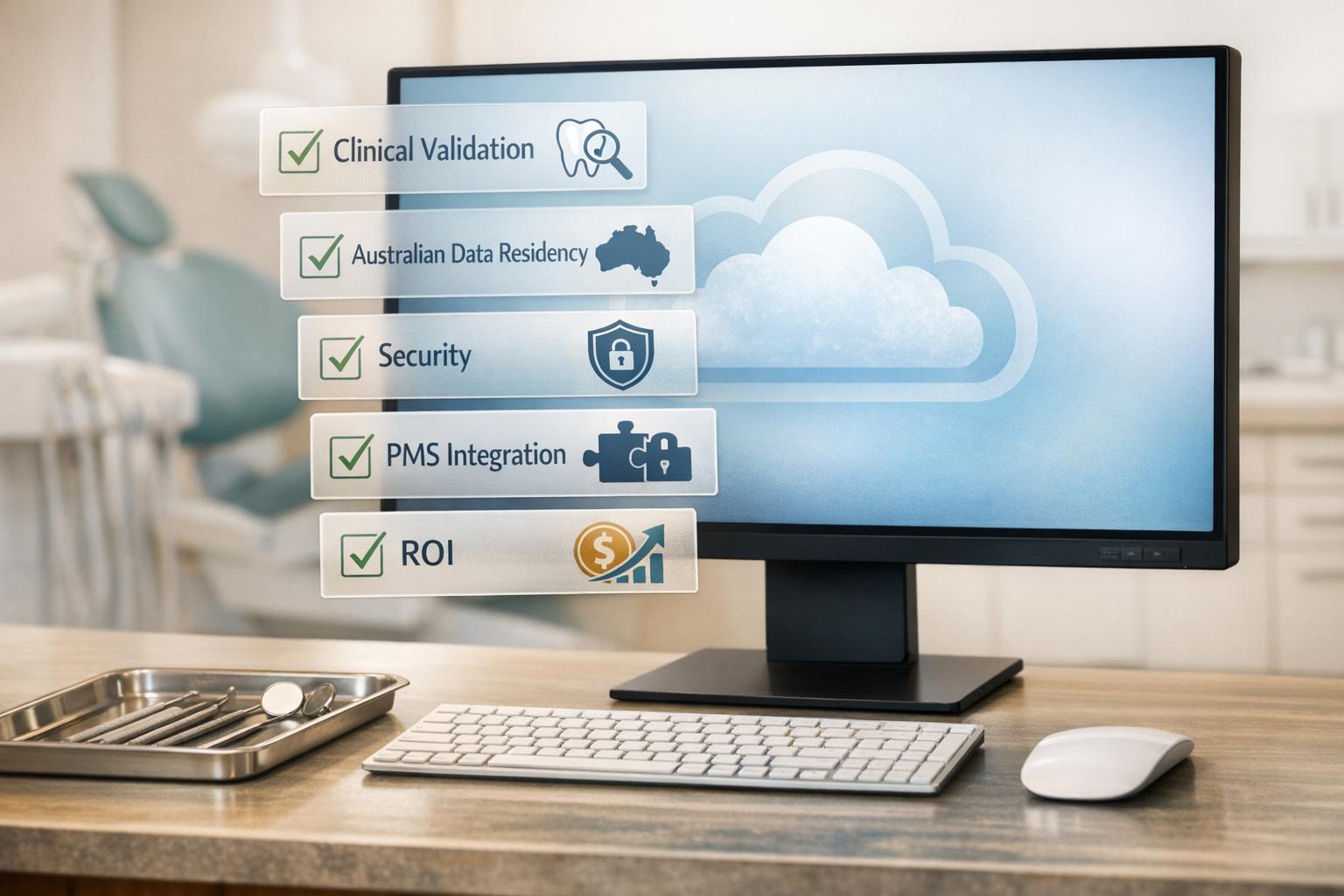
Checklist for Choosing Cloud AI Platforms in Dentistry
Complete Smiles Bella VistaAccepts All Major Health Funds, Including