





How Combination Analgesics Manage Orofacial Pain
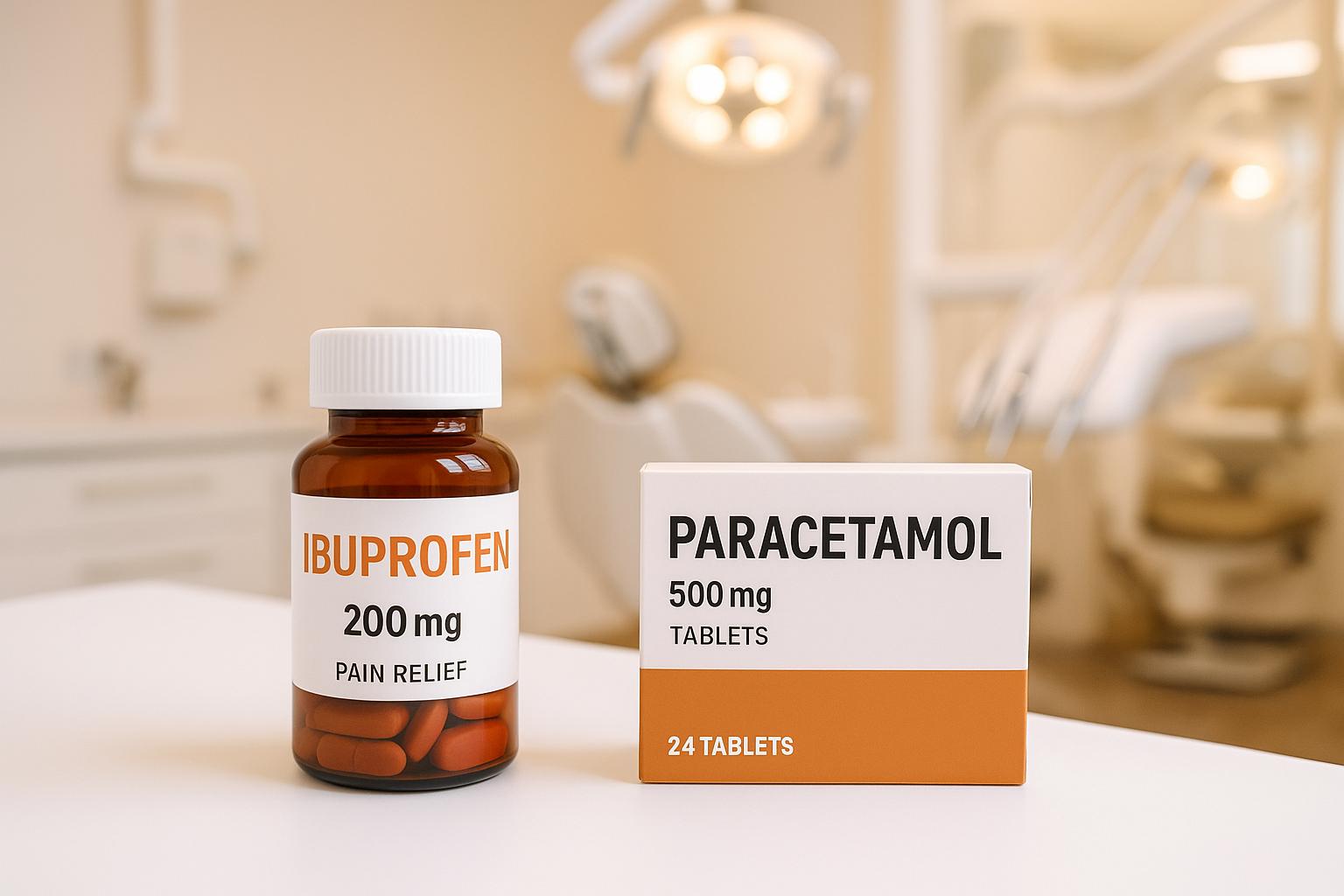
Combination analgesics, like ibuprofen and paracetamol, are a powerful way to treat orofacial pain. Unlike single medications, these combinations target pain through multiple pathways, offering better relief with fewer side effects. Orofacial pain can stem from dental issues, jaw disorders, or nerve-related conditions, making it tough to manage with one drug alone. Combining 400 mg ibuprofen with 1,000 mg paracetamol has been shown to outperform opioid-based treatments, especially for dental procedures, while being safer and more effective.
Key Takeaways:
- What works: 400 mg ibuprofen + 1,000 mg paracetamol every 6–8 hours.
- Why it’s effective: Targets both inflammation and central pain signals.
- Safer option: Fewer side effects compared to opioids.
- Usage tips: Stick to daily limits (3,200 mg ibuprofen, 4,000 mg paracetamol) and consult a professional for tailored advice.
For conditions like TMD or severe dental pain, this approach reduces reliance on opioids, aligning with Australia’s focus on safe prescribing practices. Always seek professional guidance to ensure proper diagnosis and treatment.
How Combination Analgesics Work for Pain Management
How Do Combination Analgesics Work?
Combination analgesics bring together medications that target different pain pathways, making them particularly effective for managing orofacial pain compared to using a single medication alone [1][5]. A common example is the combination of an NSAID like ibuprofen with paracetamol. NSAIDs work at the site of injury by reducing inflammation through prostaglandin inhibition, while paracetamol acts directly on the brain and spinal cord to lower pain perception [1][2]. When used together, these medications create a synergistic effect, meaning the combined result is greater than what either could achieve individually [1][6]. For instance, ibuprofen addresses inflammation, while paracetamol focuses on central pain processing, providing a more comprehensive approach to pain relief. This strategy not only improves effectiveness but also introduces other advantages.
Orofacial pain often involves multiple pain pathways at once. Take a tooth abscess, for example – it can cause inflammatory pain from tissue damage as well as nerve-related pain due to pressure on surrounding structures. Research highlights that combining 400 mg of ibuprofen with 1,000 mg of paracetamol offers better pain relief than either drug alone [1][2][3]. This approach allows effective pain management while keeping individual drug doses lower.
Benefits of Combination Therapies
Combination analgesics provide two key benefits: better pain control and a reduced risk of side effects [1][2]. Since each medication works differently, pain relief can be achieved without needing to increase the dose of either drug, which helps minimise potential adverse effects. This improved pain management also encourages patients to stick to their treatment plan, reducing the chances of breakthrough pain that could lead to the need for stronger medications.
A systematic review of data from over 58,000 patients found that the combination of 400 mg ibuprofen and 1,000 mg paracetamol was more effective for managing postoperative dental pain than opioid-containing treatments, and it also came with fewer side effects [4]. The complementary mechanisms of these drugs not only enhance pain relief but also extend its duration, making this approach especially useful for managing post-procedure pain or chronic orofacial conditions. Importantly, this strategy can reduce the reliance on opioid medications – a critical consideration in Australia, where opioid prescribing is closely monitored.
For conditions like temporomandibular disorders (TMD) and postoperative dental pain, combination analgesics address both the inflammatory and neuropathic aspects of pain simultaneously [2]. Interestingly, while no over-the-counter option in Australia currently combines paracetamol and ibuprofen in a single tablet, studies consistently show that taking these two medications together, as directed by a healthcare professional, is both safe and effective.
Proven Combinations for Orofacial Pain
Ibuprofen and Paracetamol: A Trusted Pair
The combination of ibuprofen and paracetamol has been widely recognised for its effectiveness in managing pain, particularly in dental procedures. A systematic review published in the Journal of the American Dental Association analysed data from over 58,000 patients who underwent third-molar extractions. It concluded that a dose of 400 mg ibuprofen paired with 1,000 mg paracetamol provided better pain relief than opioid-containing treatments, with fewer side effects [4].
Further evidence from a 2013 Cochrane review supports this pairing. It showed that doses like ibuprofen 200 mg with paracetamol 500 mg or ibuprofen 400 mg with paracetamol 1,000 mg offered longer-lasting relief compared to using either drug alone [2]. This combination is particularly beneficial for dental procedures, such as wisdom tooth extractions, where both inflammatory and central pain pathways are triggered.
For effective pain management, dosing regimens typically involve 200-400 mg ibuprofen combined with 500-1,000 mg paracetamol taken every six hours. For more severe orofacial pain, the higher dosage of 400 mg ibuprofen plus 1,000 mg paracetamol every six hours is often recommended. However, it’s crucial to stay within the daily limits of 3,200 mg for ibuprofen and 4,000 mg for paracetamol [2][3][4].
This combination works by targeting pain through multiple mechanisms, providing more comprehensive relief than either drug could achieve on its own [1][4]. If this approach proves insufficient, other strategies may need to be explored.
When Are Opioid Combinations Needed?
Although non-opioid combinations are highly effective, there are certain scenarios where opioids may be necessary. Opioid-containing medications are reserved for cases where non-opioid treatments fail or cannot be used, such as severe pain after major oral surgeries or when patients cannot tolerate NSAIDs or paracetamol [1][2][4].
However, prescribing opioids comes with considerable risks, including dependency, respiratory depression, sedation, and gastrointestinal issues. In Australia, where opioid use is closely regulated, these medications are prescribed sparingly and under strict oversight.
The same review of 58,000 patients found that ibuprofen and paracetamol combinations not only outperformed opioid-based treatments in effectiveness but also had a better safety profile [4]. This has led dental associations in Australia and globally to recommend non-opioid combinations as the first choice for managing acute orofacial pain.
When opioids are necessary, they should be prescribed at the lowest effective dose for the shortest possible time. Patients must be closely monitored for signs of dependency or side effects, and a clear plan should be in place to transition back to non-opioid options as soon as possible. The aim is always to balance effective pain relief with the lowest risk of long-term complications.
For more specific cases, such as chronic intraoral neuropathic pain, some practitioners turn to topical combinations. These may include ingredients like lidocaine, pregabalin, ibuprofen, and occasionally amitriptyline. While these treatments are less common, they are typically managed by specialists and supported by clinical experience and retrospective studies [7].
Ibuprofen and acetaminophen: Still the pain control combo of choice for dental pain?
sbb-itb-2be92ed
How to Use Combination Analgesics Safely
To make the most of combination analgesics, it’s crucial to use them correctly. This approach not only improves their effectiveness but also helps to reduce potential risks.
Dosing Guidelines for Acute and Chronic Pain
The dosage should always match the severity of the pain, while staying within safe limits. For acute pain, studies support a regimen of 400 mg ibuprofen combined with 1,000 mg paracetamol, taken every 6–8 hours. For chronic pain, the dosage often needs to be lower and adjusted over time.
Products like Maxigesic® (which contains 500 mg paracetamol and 150 mg ibuprofen per tablet) can be effective for managing acute post-surgical pain. A common recommendation is two tablets every six hours, for up to 48 hours. However, fixed-dose combinations may not always provide the ideal ratio for severe pain. In such cases, taking the medications separately allows for greater flexibility to tailor the dose to the individual’s needs.
For chronic pain management, it’s important to use lower doses, taken less frequently, and to schedule regular reviews with a healthcare provider. Long-term NSAID use carries risks such as gastrointestinal, kidney, and heart-related side effects, while extended use of paracetamol can affect liver health. Monitoring is essential, especially for patients with conditions like kidney or liver disease, or for older adults. Always stick to the daily limits: 3,200 mg for ibuprofen and 4,000 mg for paracetamol. These precautions help strike a balance between effective pain relief and minimising side effects [8].
Managing Risks and Side Effects
Proper dosing is only part of the equation – being aware of and managing potential risks is equally important. NSAIDs can cause gastrointestinal irritation or bleeding, while paracetamol carries a risk of liver toxicity. Signs of gastrointestinal issues include symptoms like black stools, persistent stomach pain, or unusual fatigue, which could indicate internal bleeding. Patients with a history of peptic ulcers, those over 65, or individuals taking blood thinners may benefit from adding gastroprotective agents, such as proton pump inhibitors, to their regimen.
Paracetamol-related liver toxicity can occur from both overdose and prolonged high doses. Warning signs include jaundice (yellowing of the skin or eyes), loss of appetite, persistent nausea, or unusual fatigue. Alcohol consumption amplifies this risk, so it’s important to avoid alcohol while taking paracetamol-containing medications [2].
Drug interactions are another key consideration. NSAIDs can interfere with certain blood pressure medications and increase bleeding risks when used alongside anticoagulants like warfarin. Paracetamol may also affect warfarin by raising INR levels. To avoid complications, always inform your healthcare provider about all medications, including over-the-counter drugs and supplements [2].
Interestingly, research shows that combining NSAIDs and paracetamol, when used within recommended limits, doesn’t significantly increase the risk of side effects compared to taking either medication alone. This makes the combination a practical choice for managing orofacial pain. However, certain groups – such as pregnant or breastfeeding women, children, and individuals with liver or kidney issues – may need alternative treatments or non-drug options. In such cases, consulting a specialist can provide tailored guidance [2].
Why Professional Assessment Matters
Over-the-counter (OTC) combination pain relievers like ibuprofen and paracetamol are readily available in Australia. However, when it comes to managing orofacial pain effectively, a professional assessment is crucial[2]. Orofacial pain can stem from various sources – dental, musculoskeletal, neuropathic, or even systemic issues – and only a qualified dental professional can pinpoint the root cause. Without a proper diagnosis, what might seem like a simple toothache could actually be a sign of a more serious condition. Misdiagnosing or self-medicating in such cases can lead to prolonged discomfort or even worsen the problem.
Custom Pain Management Plans
Dental professionals take a tailored approach to pain management by carefully evaluating the characteristics of the pain, along with the patient’s medical history, current medications, and any contraindications[1]. This thorough process helps determine the safest and most effective combination of analgesics. For instance, NSAIDs might not be suitable for patients with peptic ulcers or those taking blood thinners, making paracetamol a safer alternative. Similarly, individuals with liver or kidney conditions, older adults, or pregnant women require adjusted dosages and closer monitoring.
Beyond prescribing medications, dental professionals also educate patients about proper dosing, possible side effects, and when to seek further care. Clinics like Complete Smiles Bella Vista start this process with a detailed medical history and examination, ensuring each patient receives a personalised treatment plan designed to meet their unique needs.
If tailored management fails to alleviate the pain, it may signal the need for further specialist evaluation.
When to Seek Specialist Care
While OTC combination analgesics can effectively manage many types of orofacial pain, there are situations where specialist care becomes essential. Patients whose pain persists despite treatment, whose diagnosis remains unclear, or whose symptoms point to complex conditions – such as neuropathic pain or temporomandibular disorders (TMD) – should be referred to a specialist[2]. Individuals with significant underlying health conditions or those requiring advanced interventions may also benefit from specialist input. Warning signs like unrelenting pain, unusual patterns, or neurological symptoms could indicate serious underlying issues.
In many cases, a multidisciplinary approach is adopted to address chronic pain, involving a team of professionals such as dentists, orofacial pain specialists, physiotherapists, and even psychologists. This collaborative approach helps tackle the multifaceted nature of chronic pain, offering more comprehensive care and better outcomes.
While OTC combination analgesics may provide temporary relief, a professional assessment ensures a safer, more effective, and personalised treatment plan that minimises risks and maximises results.
Conclusion: Combining Science and Care for Orofacial Pain Relief
Blending scientific research with personalised care creates a well-rounded approach to managing orofacial pain. Studies highlight that a combination of 400 mg ibuprofen and 1,000 mg paracetamol is both more effective and safer compared to opioid-based treatments for this type of pain [4].
Ibuprofen works by reducing local inflammation, while paracetamol targets central pain signals. Together, they offer a balanced and thorough method of pain control [8].
Incorporating these combination analgesics into customised care plans aligns with Australian guidelines, which emphasise non-opioid strategies. This requires thoughtful patient assessment, ongoing monitoring, and timely referrals to specialists when necessary [4]. Such an approach reinforces the value of tailored pain management in achieving better outcomes for patients.
FAQs
Why are ibuprofen and paracetamol often combined to treat orofacial pain?
Ibuprofen and paracetamol are frequently used together to tackle orofacial pain due to their complementary effects. Ibuprofen, a non-steroidal anti-inflammatory drug (NSAID), targets inflammation and swelling, while paracetamol focuses on blocking pain signals in the brain. When paired, they offer both localised relief and central pain management, often proving more effective than taking either medication alone.
This combination is particularly useful for acute dental pain or issues like temporomandibular joint (TMJ) disorders. That said, it’s crucial to stick to the recommended dosages and consult a healthcare professional or dentist to ensure their safe and effective use.
What are the risks and side effects of combination analgesics for orofacial pain, and how can they be managed?
Combination analgesics, which mix two or more pain-relieving ingredients, can play a role in managing chronic orofacial pain. While they can be effective, they’re not without potential drawbacks. Common side effects might include drowsiness, nausea, stomach discomfort, or even allergic reactions. Over time, prolonged use could lead to issues like dependency or tolerance in some individuals.
To reduce these risks, it’s crucial to take combination analgesics strictly as prescribed by a healthcare professional. Staying in regular contact with your dentist or doctor is key – they can monitor your progress, address any side effects, and adjust treatment if needed. Always stick to the recommended dosage and never self-medicate without expert advice.
When should you see a specialist for orofacial pain instead of using over-the-counter combination pain relievers?
Over-the-counter pain relievers that combine multiple ingredients can help ease mild or short-term orofacial pain. But if the discomfort lasts more than a few days, gets worse, or comes with other symptoms like swelling, trouble opening your mouth, or numbness, it’s wise to see a specialist. These signs might point to a deeper issue that needs professional attention.
Chronic orofacial pain, in particular, often requires expert care. It could be linked to conditions like temporomandibular joint disorders (TMD), nerve-related pain, or dental infections. A dentist or oral health professional can evaluate the underlying cause and suggest treatments that directly address the issue, helping to achieve more lasting relief.
Related Blog Posts
- Pain Relief Options for Maxillofacial Trauma
- Acupuncture vs. Relaxation: Pain Relief in Dentistry
- Studies on Pain Management in Dental Extractions
- Antidepressants in Orofacial Pain: Evidence Summary
Important Notice: Any surgical or invasive procedure carries risks. Before proceeding, you should seek a second opinion from an appropriately qualified health practitioner.
Individual results may vary. The information provided in this article is for educational purposes only and does not constitute medical advice.
Checkout Related Blogs




Get in touch with us
For more information, call us now to start feeling better. Or fill the form below to make appointment
The Latest News from Complete Smiles
How to Clean Clear Plastic Retainers
Checklist for Choosing Wearable Dental Devices
Checklist for Choosing Cloud AI Platforms in Dentistry

Complete Smiles Bella VistaAccepts All Major Health Funds, Including





