





Antidepressants in Orofacial Pain: Evidence Summary
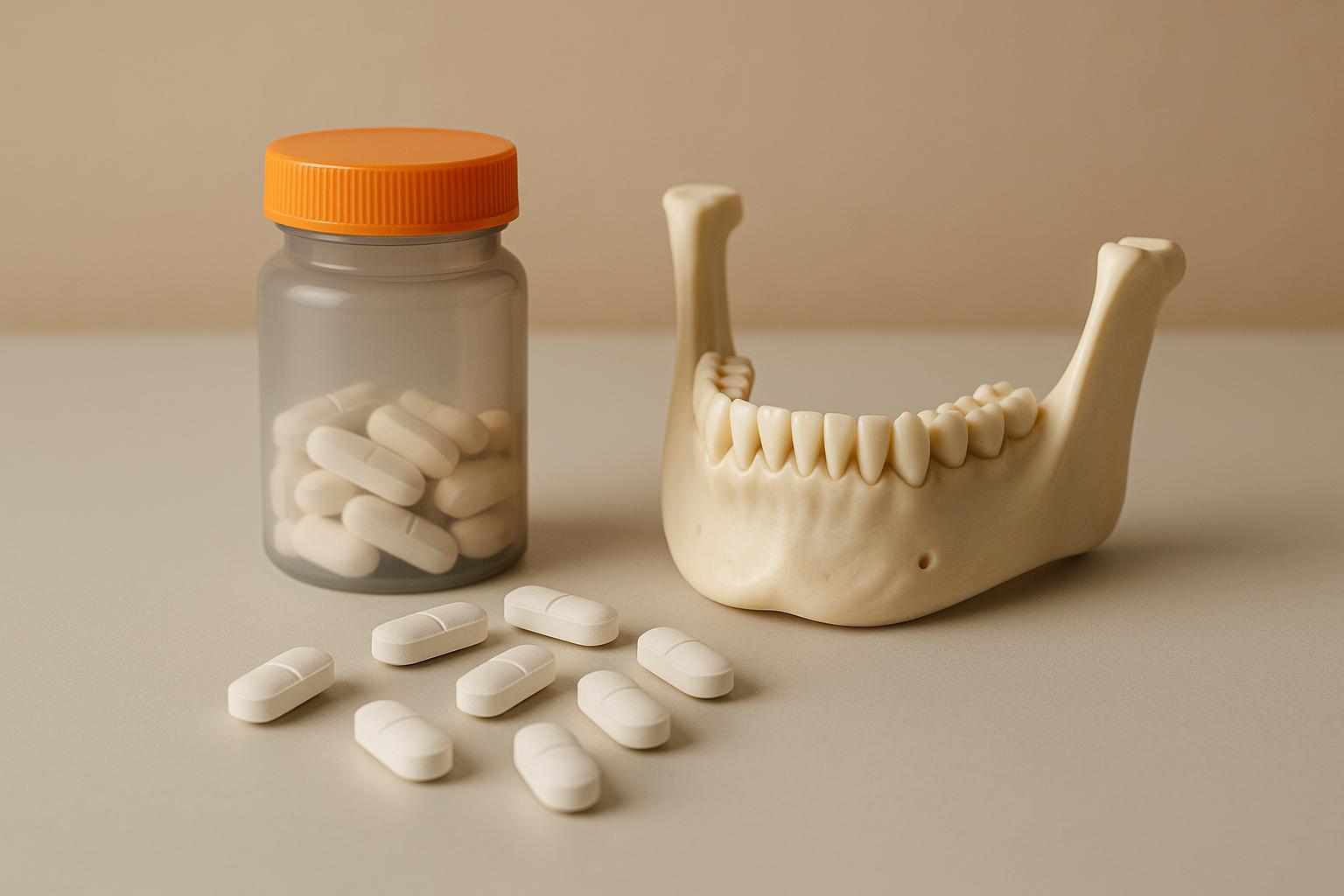
Managing chronic orofacial pain – such as temporomandibular disorders (TMD) and trigeminal neuralgia – can be challenging when traditional treatments fail. Antidepressants, particularly tricyclic antidepressants (TCAs) like amitriptyline, are increasingly being used to address this pain by targeting the nervous system’s pain pathways rather than inflammation.
Key Points:
- How They Work: Antidepressants modulate neurotransmitters (serotonin, noradrenaline) to reduce amplified pain signals in the central nervous system.
- Effectiveness: TCAs (e.g., amitriptyline) show the most promise, significantly reducing pain scores in clinical trials, outperforming SSRIs and even night splint therapy.
- Side Effects: Common issues include dry mouth and drowsiness for TCAs, while SNRIs may cause nausea or hypertension. Monitoring is essential.
- Combination Therapy: Best results are seen when antidepressants are paired with therapies like cognitive-behavioural therapy, physiotherapy, or occlusal splints.
- Limitations: Research is promising but limited by small sample sizes and short study durations. Long-term safety and effectiveness remain underexplored.
Australian clinicians are encouraged to adopt a multidisciplinary approach, integrating medication, dental care, and psychological support for optimal outcomes. Clinics like Complete Smiles Bella Vista exemplify this patient-centred strategy.
Quick Tip: Educating patients about how antidepressants work for pain – not just mood disorders – can alleviate concerns and improve adherence.
Antidepressants & Pain with Dr. Christopher Anderson
How Antidepressants Work for Orofacial Pain
To understand why antidepressants are effective for chronic orofacial pain, it’s important to look beyond their mood-regulating properties. These medications work differently when it comes to pain relief, focusing on the central nervous system’s pain processing pathways rather than targeting inflammation or tissue damage.
How They Work in the Body
The effectiveness of antidepressants in managing pain lies in their role in central pain modulation. Chronic orofacial pain often involves central sensitisation, a condition where the nervous system amplifies pain signals, making traditional painkillers less effective.
Antidepressants help by modulating neurotransmitters like serotonin and noradrenaline, which are key players in the body’s natural pain control systems. These neurotransmitters enhance the activity of descending inhibitory pain pathways, reducing the perception of pain[2]. This mechanism is particularly beneficial when pain stems from altered nerve function (neuropathic pain) or an overactive nervous system (nociplastic pain), rather than tissue injury or inflammation.
Unlike traditional painkillers such as ibuprofen or paracetamol, which focus on nociceptive pain caused by physical damage, antidepressants address the altered central pain processing that underpins many chronic pain conditions. This explains why patients often find conventional painkillers less effective over time when dealing with chronic orofacial pain[2][3].
Main Types of Antidepressants Used
The effectiveness of antidepressants for pain relief depends on how they target neurotransmitters.
- Tricyclic antidepressants (TCAs), such as amitriptyline and nortriptyline, are often the first choice for chronic orofacial pain. They work by blocking the reuptake of serotonin and noradrenaline, providing strong modulation of pain signals[1][7]. Their dual action on these neurotransmitters is key to their effectiveness.
- Serotonin-noradrenaline reuptake inhibitors (SNRIs), like duloxetine, function similarly to TCAs by increasing serotonin and noradrenaline levels. They offer comparable pain relief but may have different side effects that some patients find easier to manage[2].
- Selective serotonin reuptake inhibitors (SSRIs), including citalopram, primarily target serotonin levels. While they can help, their lack of impact on noradrenaline makes them less effective for pain relief compared to TCAs and SNRIs[1].
| Antidepressant Class | Example Medications | Pain Relief Mechanism | Effectiveness for Orofacial Pain | Common Side Effects |
|---|---|---|---|---|
| TCAs | Amitriptyline, Nortriptyline | Block reuptake of serotonin & noradrenaline | High | Dry mouth, sedation |
| SNRIs | Duloxetine | Block reuptake of serotonin & noradrenaline | High | Hypertension, nausea |
| SSRIs | Citalopram | Block reuptake of serotonin only | Low | GI upset, sexual dysfunction |
Even for patients without depression, these medications can significantly improve chronic orofacial pain symptoms[4]. However, some patients may feel uneasy about using antidepressants for pain, fearing it implies their pain is "all in their head." Educating patients about the biological basis of their pain and how these medications work can help address such concerns[4].
The shift from peripheral analgesics like NSAIDs to central pain modulators, such as antidepressants, marks a major advancement in managing chronic orofacial pain. By focusing on central pain mechanisms, these treatments offer relief for patients whose pain persists despite standard analgesics[6]. This understanding plays a vital role in selecting the right antidepressant for each patient.
Research Results and Clinical Evidence
Recent clinical trials have highlighted the role of antidepressants in managing chronic orofacial pain, offering new insights into treatment options.
Main Findings from Studies and Trials
A 2024 clinical trial involving 64 participants found that taking 25 mg of amitriptyline daily significantly reduced pain scores. Over nine weeks, pain levels dropped from 3.3±1.5 at the three-week mark to 0.9±1.3 by the end of the study[1]. This steady improvement underscores the importance of consistent use for sustained benefits.
Notably, the same trial demonstrated that amitriptyline was more effective than both citalopram and night splint therapy, positioning tricyclic antidepressants as the leading pharmacological option for managing TMD-related orofacial pain[1].
When compared to placebo treatments, the results were even more striking. One study recorded a 76.95% reduction in pain among patients using amitriptyline, compared to just a 31.68% improvement in the placebo group[7]. This stark contrast confirms that the relief provided by amitriptyline goes far beyond any placebo effect.
Across multiple studies, tricyclic antidepressants consistently outperformed SSRIs in managing orofacial pain. Research suggests that medications targeting both serotonin and noradrenaline pathways deliver better pain relief compared to those focusing solely on serotonin[1][7].
These findings highlight the role of antidepressants as part of a broader strategy for managing chronic pain.
Combined Treatment: Antidepressants with Other Therapies
While antidepressants alone have shown strong results, combining them with other treatments often leads to even better outcomes. Evidence strongly supports a multimodal approach to managing chronic orofacial pain.
Studies have shown that pairing antidepressants with therapies like occlusal splints, cognitive-behavioural therapy, or physiotherapy can significantly improve results. These combinations not only reduce pain and depression but also enhance overall quality of life[7]. By addressing the physical, psychological, and functional aspects of pain, this multidisciplinary strategy provides a more comprehensive solution.
The impact on daily life is particularly noteworthy. In trials examining combination therapies, the reduction in the interference of TMD symptoms with daily activities reached 52.61%, compared to just 18.63% in placebo groups[7]. Similar improvements have been observed when tricyclic antidepressants are integrated into broader treatment plans.
In Australia, clinics like Complete Smiles Bella Vista are already using this evidence-based, multidisciplinary approach to manage complex orofacial pain cases[2]. These clinics combine dental care, physiotherapy, and psychological support with appropriate medication, reflecting the growing understanding that effective pain management requires a team effort.
Study Limitations and Gaps
Despite these promising results, there are important limitations to consider when applying these findings in clinical practice.
One major issue is the small sample sizes in many studies. For instance, the 2024 amitriptyline trial, while showing impressive results, included only 64 participants[1]. Such small sample sizes reduce the ability to generalise findings to larger populations and limit the statistical strength of the conclusions.
Another concern is the short follow-up periods in most studies. Many trials monitor patients for only a few weeks or months, leaving unanswered questions about the long-term safety and effectiveness of antidepressant therapy for chronic orofacial pain[3]. This is particularly relevant given that chronic pain often requires prolonged treatment.
Variability in study designs further complicates the evidence. Differences in pain assessment methods, dosing schedules, treatment durations, and outcome measures make it challenging to compare results across trials[3]. While these variations reflect real-world clinical practices, they also make it harder to develop standardised treatment protocols.
Systematic reviews have noted that, despite high-quality individual studies, the overall evidence base for antidepressant use in orofacial pain remains limited[3]. This highlights the need for larger, long-term studies with consistent methodologies to confirm the benefits observed in smaller trials.
Additionally, there are gaps in understanding which specific patient groups benefit most from antidepressant therapy. While patients with TMD-related pain and comorbid psychological symptoms appear to respond well, the effectiveness of antidepressants for other types of orofacial pain is less clear[1][7].
These limitations emphasise the need for personalised treatment plans and close patient monitoring. While current findings are encouraging, they also point to the necessity of more robust, long-term research to guide clinical decision-making confidently.
sbb-itb-2be92ed
Comparing Different Antidepressant Types
Expanding on the earlier discussion of their mechanisms and clinical evidence, let’s now examine how the primary classes of antidepressants stack up against each other. When managing orofacial pain, understanding the distinctions between these medication types is key to crafting personalised treatment plans.
Side-by-Side Comparison of Antidepressant Types
The three main categories of antidepressants used for orofacial pain are tricyclic antidepressants (TCAs), selective serotonin reuptake inhibitors (SSRIs), and serotonin–norepinephrine reuptake inhibitors (SNRIs). Here’s how they compare:
| Antidepressant Class | Example Drug | Pain Reduction Effectiveness | Common Side Effects | Combination Therapy Suitability | PBS Listed | Typical Dose for Pain |
|---|---|---|---|---|---|---|
| TCA | Amitriptyline | High (VAS reduction to <1) | Dry mouth, drowsiness, anticholinergic effects | Strong evidence with occlusal splints and CBT | Yes | 10–25 mg daily |
| SSRI | Citalopram | Moderate | Gastrointestinal upset, sexual dysfunction | Considered when TCAs are contraindicated | Yes | Standard antidepressant doses |
| SNRI | Duloxetine | Variable to high | Insomnia, increased blood pressure, nausea | Potential benefits; data remain limited | Yes | Standard antidepressant doses |
TCAs are often the most effective for pain relief, with amitriptyline being the most widely studied option for orofacial pain. What’s interesting is that it works well at doses much lower than those typically prescribed for depression. However, its side effects – like dry mouth and drowsiness – can sometimes make it harder for patients to stick to the treatment plan.
SSRIs, on the other hand, are generally easier on the body but don’t provide the same level of pain relief as TCAs. They’re often chosen when TCAs aren’t suitable. SNRIs, such as duloxetine, work on both serotonin and norepinephrine pathways, which can lead to substantial pain relief and functional improvements. For instance, studies have shown that duloxetine can help patients with temporomandibular disorders by reducing pain and improving mouth mobility. However, it also comes with a higher likelihood of side effects compared to a placebo.
In Australia, all three classes are listed on the Pharmaceutical Benefits Scheme (PBS), making them accessible to patients. However, cost, individual tolerability, and side effects often play a role in deciding which medication to prescribe. Australian pain specialists and dental practitioners frequently recommend TCAs as the first choice for chronic orofacial pain due to their proven effectiveness and affordability. SSRIs and SNRIs are typically reserved for patients who can’t tolerate TCAs or have additional mental health concerns.
It’s worth noting that TCAs can begin to show benefits within a few weeks, even at low doses, while SSRIs and SNRIs usually require standard doses and more time to take effect. Monitoring is essential for all these medications. TCAs, in particular, need careful oversight for side effects like anticholinergic effects and potential heart risks, especially in older adults. Meanwhile, SSRIs and SNRIs should be watched for persistent side effects and possible interactions with other medications.
The choice of antidepressant should factor in the severity of the pain, any coexisting conditions, and how well the patient can tolerate the medication. Regular reviews of the treatment plan are crucial to ensure it remains effective and suits the patient’s changing needs. These comparisons provide a framework for tailoring treatments to individual cases, ensuring the best possible outcomes.
Clinical Use Guidelines and Considerations
Using antidepressants to manage orofacial pain requires a thoughtful approach that balances patient selection, regular monitoring, and collaboration across healthcare disciplines. Australian healthcare professionals must adhere to prescribing standards while aiming for the best possible outcomes for patients.
Selecting Suitable Patients
Antidepressants aren’t a one-size-fits-all solution for orofacial pain. They’re most effective for patients with chronic pain that hasn’t improved with first-line treatments like NSAIDs or occlusal splints, particularly when central sensitisation is suspected[1][7]. Individuals with mood disorders, such as anxiety or depression, often experience heightened pain sensitivity – this affects up to 50% of patients. A comprehensive clinical evaluation should assess the intensity and duration of pain, its impact on daily life, and any psychological conditions. For example, in cases like temporomandibular disorders (TMDs), patients with ongoing pain despite standard treatments may benefit from antidepressants, especially when these are combined with other therapies.
Managing Side Effects and Monitoring Patients
Once the right patients are identified, close monitoring becomes crucial. Australian prescribing guidelines recommend starting with a baseline assessment, which includes evaluating pain levels, mood, and relevant medical history before beginning antidepressant therapy. Follow-ups should be scheduled every 2–4 weeks to track progress and address any side effects.
Common side effects, such as dry mouth from tricyclic antidepressants (TCAs) or gastrointestinal discomfort from selective serotonin reuptake inhibitors (SSRIs), can often be managed through dose adjustments or timing changes. For TCAs, baseline ECGs and ongoing cardiac monitoring are advised, especially for older adults or those with existing heart conditions. Educating patients is equally important – explaining how these medications work, potential side effects, and the expected timeline for improvement can foster trust and encourage adherence. Around 30% of patients experience notable side effects, highlighting the importance of a flexible approach that allows for dose changes or switching medications when needed[8].
A Collaborative Care Model
Effectively managing chronic orofacial pain often requires more than medication – it calls for a team effort. A multidisciplinary approach that includes dental, medical, and allied health professionals ensures that all aspects of orofacial pain are addressed. Medical practitioners can oversee medication plans, while mental health professionals may provide therapies like cognitive-behavioural therapy (CBT) to complement pain management.
Dental care also plays a vital role in this integrated model. For instance, services like those offered by Complete Smiles Bella Vista can address dental issues contributing to orofacial pain, working in tandem with pharmaceutical and psychological treatments. Regular communication among healthcare providers – via shared care plans or case conferences – ensures that every facet of a patient’s care is considered. Allied health professionals, such as physiotherapists, can further enhance outcomes by addressing physical aspects of pain. This collaborative approach underscores the importance of personalised, evidence-based care for managing chronic orofacial pain effectively.
Conclusion
Antidepressants appear to offer a useful option for managing chronic orofacial pain, but their use requires careful consideration by Australian clinicians. Studies suggest that tricyclic antidepressants (TCAs), such as amitriptyline, and serotonin-norepinephrine reuptake inhibitors (SNRIs), like duloxetine, can effectively reduce pain intensity in conditions like temporomandibular disorders [4][5]. For instance, patients taking 25 mg/day of amitriptyline reported a sharp drop in pain levels, from 3.3±1.5 at three weeks to 0.9±1.3 at nine weeks, outperforming alternatives such as citalopram and night splint treatments [1].
However, while the clinical benefits are promising, the limitations of current research cannot be ignored. Systematic reviews of seven randomised controlled trials reveal that, although some studies are of high quality, they often involve small sample sizes (12–80 participants) and short follow-up periods [5]. This highlights the need for larger, more robust trials to provide stronger evidence for broader clinical application.
One of the standout findings is that multimodal treatment approaches consistently deliver better outcomes than single interventions. This underscores the importance of a collaborative care model where dental professionals, pain specialists, and mental health practitioners work together to address the multifaceted nature of chronic orofacial pain.
Patient selection also plays a pivotal role in achieving successful outcomes, particularly for individuals with coexisting psychological conditions. Research shows that patients dealing with depression or anxiety often experience the most significant benefits from antidepressant therapy [1][7]. This aligns with the well-established link between chronic pain and mental health, further reinforcing the need for an integrated treatment approach.
For Australian clinicians, adhering to evidence-based prescribing practices is essential. This involves starting with low doses, closely monitoring patients, and adjusting treatment plans as needed to balance safety with effectiveness [2][3]. The value of a multidisciplinary approach is evident, combining dental, medical, and psychological expertise. Clinics like Complete Smiles Bella Vista (https://completesmilesbv.com.au) exemplify how coordinated care can complement medication to provide a comprehensive strategy for managing orofacial pain.
While current findings suggest optimism about the role of antidepressants in managing orofacial pain, their use should always be part of a personalised, multidisciplinary treatment plan. As research progresses, the focus must remain on tailoring care to each patient’s unique needs, ensuring that treatment is both safe and effective. This reinforces the importance of integrating various healthcare disciplines to achieve the best outcomes for patients.
FAQs
How can antidepressants help manage chronic orofacial pain compared to standard pain relief medications?
Antidepressants can offer an alternative approach to managing chronic orofacial pain, especially when traditional painkillers fall short. Unlike standard pain relief options that focus solely on physical discomfort, certain antidepressants affect how the brain interprets pain signals. They achieve this by adjusting levels of neurotransmitters like serotonin and norepinephrine, which play a role in both mood and the perception of pain.
Interestingly, these medications are usually prescribed in lower doses than those used to treat depression. This makes them particularly useful for conditions involving nerve-related pain. That said, it’s crucial to use these medications under the guidance of a healthcare professional. This ensures they suit your specific needs and helps keep an eye on any possible side effects.
What are the common side effects of tricyclic antidepressants when used for orofacial pain, and how can they be managed?
Tricyclic antidepressants are commonly used to help manage chronic orofacial pain, but they can bring along some side effects. These might include dry mouth, drowsiness, dizziness, constipation, and even weight gain. While these medications can be quite effective, it’s essential to keep an eye on how your body reacts to them.
If side effects become troublesome, your healthcare provider might tweak your dosage or recommend some simple adjustments to your routine. For instance, staying well-hydrated, eating a balanced diet, or taking your medication at night could help reduce issues like daytime drowsiness. Always check in with your doctor or dentist before making any changes to your medication or care plan – your safety and well-being come first.
Why is a multidisciplinary approach important for managing chronic orofacial pain, and how do different healthcare professionals contribute?
A multidisciplinary approach plays a key role in treating chronic orofacial pain because this condition often stems from a mix of physical, psychological, and neurological factors. By bringing together specialists from different fields, patients benefit from a treatment plan that’s tailored to address their unique needs.
For instance, dentists can pinpoint and treat dental or jaw-related issues that might be causing discomfort. Physiotherapists can work on improving jaw movement and easing muscle tension. Psychologists step in to help patients manage stress or anxiety, which can often make the pain worse. Meanwhile, medical practitioners might prescribe medications, such as antidepressants, which have been effective in managing chronic pain. This team-based approach ensures every aspect of the condition is considered, leading to more effective care.
Related Blog Posts
- Neurostimulation: Future of Dental Pain Relief
- Acupuncture vs. Relaxation: Pain Relief in Dentistry
- Studies on Pain Management in Dental Extractions
- Emerging Biomarkers in Orofacial Pain Research
Important Notice: Any surgical or invasive procedure carries risks. Before proceeding, you should seek a second opinion from an appropriately qualified health practitioner.
Individual results may vary. The information provided in this article is for educational purposes only and does not constitute medical advice.
Checkout Related Blogs



Get in touch with us
For more information, call us now to start feeling better. Or fill the form below to make appointment
The Latest News from Complete Smiles
How to Clean Clear Plastic Retainers
Checklist for Choosing Wearable Dental Devices
Checklist for Choosing Cloud AI Platforms in Dentistry

Complete Smiles Bella VistaAccepts All Major Health Funds, Including