





Foods to Avoid with Crowns and Bridges
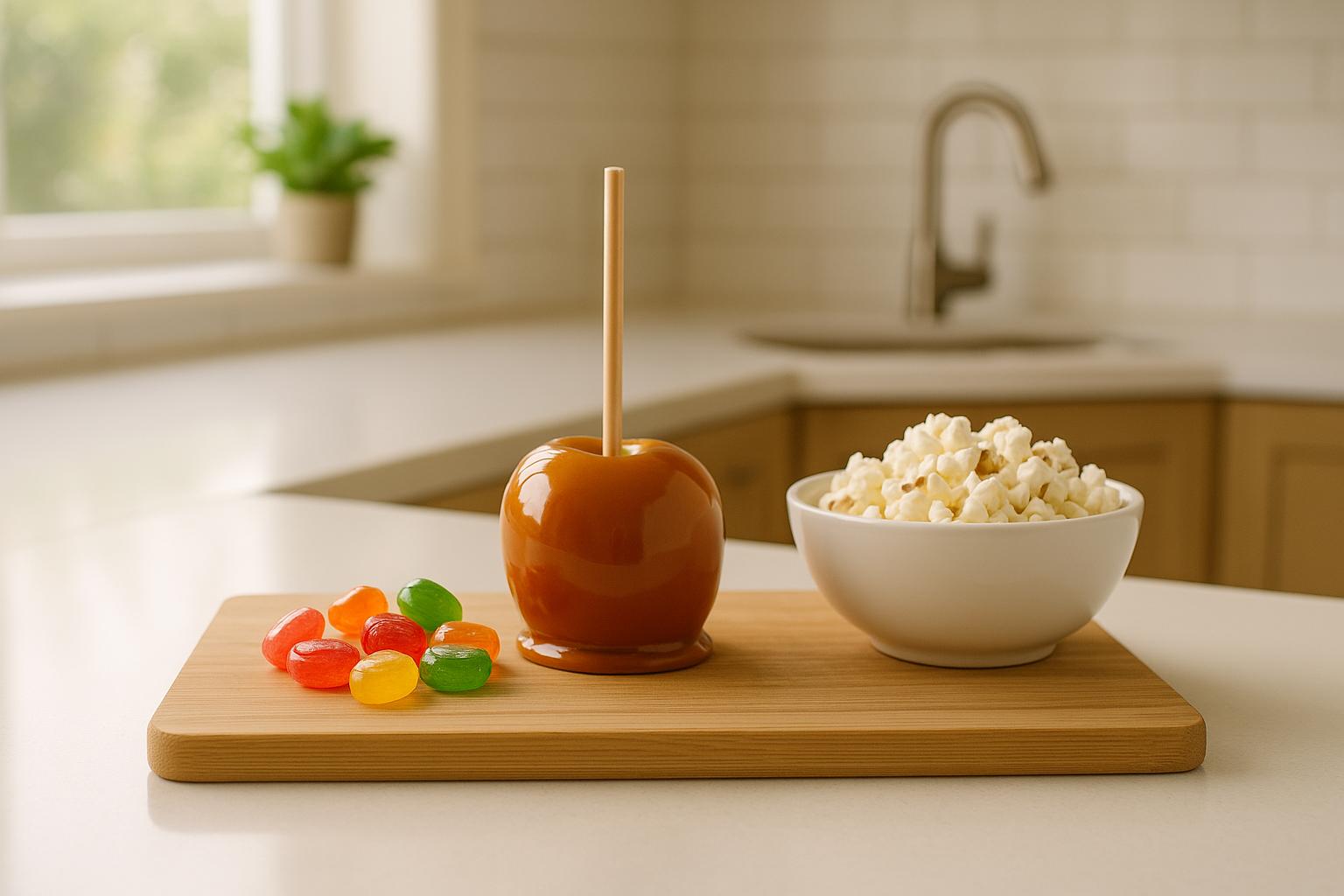
Dental crowns and bridges help restore your smile, but your eating habits can make or break their longevity. Hard, sticky, sugary, and acidic foods can damage or weaken these restorations, leading to costly repairs or replacements. Here’s what to avoid:
- Hard foods: Ice, whole nuts, popcorn kernels, raw veggies, crusty bread, and hard lollies can chip or crack crowns and bridges.
- Sticky and chewy foods: Caramel, toffee, gummy lollies, dried fruits, and certain peanut butters can loosen the cement holding your dental work in place.
- Sugary foods: Lollies, cakes, chocolate, and sugary drinks fuel bacteria that cause decay around restorations.
- Acidic foods and drinks: Citrus fruits, soft drinks, wine, coffee, and tomato-based products can erode dental cement and increase staining risks.
- Staining foods: Coffee, tea, red wine, soy sauce, and colourful berries may discolour your crowns and natural teeth over time.
To protect your dental work, opt for softer foods like steamed veggies, nut butters, smoothies, and soft dairy products. Drink acidic beverages through a straw and rinse with water after meals. Regular dental check-ups are essential to catch any early signs of damage.
Taking care of your crowns and bridges is simple: avoid risky foods, maintain good oral hygiene, and see your dentist every six months.
What Not to Eat with a Temporary Crown | What To Avoid Eating With A Crown
Hard Foods That Can Damage Crowns and Bridges
Biting into hard foods can put your crowns and bridges at risk. The excessive force needed to chew these foods can lead to chips, cracks, or even dislodgement of your restorations.
Hard foods demand significantly more pressure to break down, which can not only damage the crown or bridge itself but also stress the underlying tooth structure and nearby natural teeth. This risk is especially high for temporary crowns, which are more fragile.
"Hard foods require a lot more pressure while chewing to properly break down the foods, which can lead to bridge damage such as cracking or chipping." – Morrison Cosmetic & General Dentistry [2]
Examples of Hard Foods to Avoid
To keep your crowns and bridges intact, it’s best to steer clear of certain hard foods. Ice cubes are a common culprit – chewing ice can easily crack porcelain or ceramic restorations. Similarly, hard lollies and boiled sweets can be hazardous, especially if bitten into rather than allowed to dissolve.
Whole nuts, such as almonds, walnuts, and Brazil nuts, are another concern. These can create intense pressure points that may damage your dental work. Popcorn kernels, whether unpopped or in the form of hard hulls, are notorious for causing dental emergencies when bitten unintentionally.
Even raw vegetables like carrots, celery, and radishes can be tougher on your dental work than you might expect, especially if eaten in large or uncut pieces. Hard bread crusts, such as those from crusty sourdough or baguettes, also require significant chewing force. In the same category, hard crackers, chips, and pretzels can create sharp pressure points that may weaken or damage restorations.
Granola often contains a mix of hard nuts and dried fruits, both of which can strain your crowns and bridges. Even tiny seeds from sunflowers or pumpkins can be problematic if bitten directly.
It’s also worth mentioning non-food items. Chewing on pens, pencils, or fingernails can harm not just your restorations but also your natural teeth.
Switching to softer alternatives can help protect your dental work while still allowing you to enjoy a nutritious diet.
Safer Options Instead of Hard Foods
There are plenty of gentler options that provide similar nutrients without the risks. For example, swap whole nuts for nut butters, which are much easier on your teeth.
Steamed or well-cooked vegetables are excellent substitutes for raw veggies. Steamed carrots, broccoli, and bell peppers retain their nutritional value while being softer and safer to chew. Leafy greens like spinach and kale are naturally soft and packed with nutrients.
If you’re craving something crunchy, try soft fruits like bananas, berries, or seedless grapes. Oranges and strawberries are also great choices, delivering vitamin C without requiring much effort to eat.
Mashed foods such as mashed potatoes, sweet potatoes, or avocado are gentle on restorations while being nutritious. You can also enjoy smoothies that blend fruits and vegetables, providing a stress-free way to consume these healthy ingredients.
Dairy products like yoghurt, milk, and soft cheeses are another safe option. Not only are they easy on crowns and bridges, but they also supply calcium and phosphorus, which support overall oral health. For protein, choose soft options like cooked chicken, fish, eggs, or tofu – these are nutrient-rich and won’t strain your dental work.
Sticky and Chewy Foods to Avoid
Sticky and chewy foods can be a real hazard for crowns and bridges. These foods tend to cling to dental restorations, putting stress on the cement bond that holds them in place. This pulling action is especially risky for newly placed crowns or bridges, as the dental cement might not have fully set yet. Even for long-established restorations, repeated tugging can weaken the bond over time.
Aside from the mechanical stress, sticky foods leave behind residues that encourage bacterial growth. The sugars they contain fuel plaque buildup, increasing the risk of decay around your dental work.
"Not only does the sticky nature keep the sugar on your teeth longer, but the texture can put your restorations at risk for falling out." – Dr. H. Justin Harlow, DDS, Harlow Dental Family & Cosmetic Dentistry [3]
Here’s a closer look at some common sticky and chewy foods that could jeopardise your dental restorations.
Common Sticky and Chewy Foods
Certain everyday foods and treats can spell trouble for crowns and bridges. Chewing gum is one of the most obvious offenders. Its sticky texture and the repetitive chewing motion can gradually loosen or even dislodge restorations.
"Sticky and chewy foods, such as taffy, gummy candies, caramel, and chewing gum, could spell disaster for your new crown. These foods can pull at the crown, loosening its bond with your tooth or even dislodging it completely." – Fremaux Dental Care [1]
Caramel and toffee are particularly concerning. They soften in your mouth, wrapping around dental work and creating a pulling force that can weaken the bond. Gummy lollies, like gummy bears, wine gums, and jelly snakes, behave similarly. Their elastic texture resists breaking apart, keeping a steady pull on your restorations.
Other culprits include taffy, Tootsie Rolls, Starburst, and similar chewy sweets, which cling to dental work and require extended chewing. Dried fruits, such as raisins, dates, and dried apricots, are another risk – they stick to teeth and pack a concentrated sugar punch. Even certain types of peanut butter, especially natural varieties that separate, can be stickier and harder to clean off, adding to the strain on your dental work.
Better Snack Options
To safeguard your crowns and bridges, it’s best to choose snacks that are less likely to stick. Fresh fruits like bananas, berries, and grapes are excellent options – they provide natural sweetness without leaving behind sticky residues. Dairy products such as cheese, yoghurt, and milk not only satisfy your cravings but also offer oral health benefits.
Soft, cooked vegetables – think steamed broccoli, roasted capsicum, or cooked sweet potato – are another safe and nutritious choice. If you enjoy nut butter, opt for smooth varieties and spread them thinly on soft bread or crackers to minimise stress on your dental work.
Smoothies are another fantastic option. By blending fruits, vegetables, and dairy, you can enjoy a nutrient-packed snack that’s gentle on your teeth. And if you do indulge in stickier treats occasionally, make sure to rinse your mouth with water afterward and brush gently once the food particles have been cleared.
Choosing snacks that don’t cling to your teeth is a simple yet effective way to protect your dental restorations while still enjoying delicious and satisfying options.
Impact of Acidic and Sugary Foods
Beyond the physical strain restorations endure, the chemical effects of acidic and sugary foods also pose a threat. While restorations are built to last, they are still susceptible to chemical wear. Acids can weaken the cement holding your dental work in place, and sugars fuel bacteria that produce harmful acids. The edges of restorations, known as margins, are particularly vulnerable, as this is where decay often begins.
Over time, microscopic gaps can form at these margins. When acids and sugars collect in these tiny spaces, they create the perfect environment for decay to take hold. This can jeopardise not only the restoration itself but also the tooth underneath. Knowing which foods and drinks to approach with caution can go a long way in protecting your dental work.
Acidic Foods and Beverages
Certain foods and drinks are more acidic than others, and they can gradually erode the cement used in dental restorations. For example:
- Citrus fruits and juices: Oranges, lemons, limes, and grapefruits are high in citric acid, which can weaken crowns and bridges over time. Natural fruit juices, due to their concentrated acidity, can be particularly harsh.
- Soft drinks: These are a double threat, combining sugars and acids. Cola drinks contain phosphoric acid, while many fizzy drinks rely on citric acid for flavour. The carbonation process also adds carbonic acid.
- Wine: White wine is especially acidic and can weaken restorations, while red wine adds the risk of staining.
- Coffee: A staple for many Australians, coffee’s acidity can gradually break down dental cement.
- Vinegar-based products: Items like balsamic vinegar, apple cider vinegar, and other acidic dressings or marinades can wear down dental work if consumed frequently.
- Tomato-based foods: Pasta sauces, pizza toppings, and tomato juice are all acidic and can contribute to dental erosion.
Sugary Foods and Oral Health Risks
Sugar doesn’t harm your restorations directly, but it creates the perfect conditions for bacteria to thrive. When bacteria feed on sugars, they produce lactic acid, which can attack both natural teeth and the margins of your dental work.
- Lollies: Hard lollies that dissolve slowly extend the time bacteria have to produce damaging acids.
- Chocolate: While less sticky than many sweets, it still contains sugar that can fuel bacterial growth.
- Biscuits, cakes, and pastries: These combine sugar with sticky textures, making them cling to teeth and restorations.
- Breakfast cereals: Many cereals, especially those marketed to children, are surprisingly high in sugar.
- Sports and energy drinks: Often consumed over extended periods, these drinks expose teeth to both sugars and acids.
- Dried fruits: While they offer nutritional benefits, dried fruits concentrate natural sugars and stick to teeth, requiring extra care to clean effectively.
Tips to Reduce Damage
You don’t have to completely avoid acidic and sugary foods to protect your dental work. Instead, focus on smart habits to minimise their impact:
- Rinse with water immediately after consuming acidic or sugary foods. This helps wash away residues and neutralise acids before they cause harm. Avoid brushing your teeth for at least 30 minutes after eating acidic foods, as brushing too soon can spread the acid and damage softened enamel.
- Use a straw for acidic drinks like soft drinks, fruit juices, or sports drinks. This reduces their contact with your teeth and restorations.
- Pair these foods with meals. Saliva production increases during meals, helping to buffer acids and wash away food particles.
- Time your indulgences carefully. Avoid consuming acidic or sugary items right before bed, when saliva production is lower, and your mouth’s natural defences are less effective.
- Opt for sugar-free alternatives. Sugar-free gum, for instance, can stimulate saliva production, which helps protect your teeth. Just make sure to choose a non-sticky variety that won’t tug at your restorations.
- Stick to a solid oral hygiene routine. Regular brushing with fluoride toothpaste and daily flossing are essential for removing bacteria and food particles that can lead to acid production around your dental work.
sbb-itb-2be92ed
Foods and Beverages That Cause Staining
Crowns and bridges, especially those made from porcelain, are designed to resist stains more effectively than natural teeth. However, they’re not entirely stain-proof. Over time, exposure to certain foods and drinks can subtly affect the edges of these restorations. Additionally, the natural teeth surrounding crowns or bridges may darken or yellow due to staining agents, creating an uneven appearance.
Stains occur when chromogens and tannins are absorbed by teeth. Acids in foods and drinks can also erode enamel, making teeth more vulnerable to discolouration.
Common Staining Foods
Certain foods and drinks are notorious for causing stains, particularly if they can stain your tongue or clothes. The same pigments and acids can affect teeth and dental restorations.
Beverages like coffee, tea, and red wine are major culprits. Coffee, a favourite for many Australians, contains tannins that can lead to gradual discolouration, especially on natural teeth next to crowns or bridges. Black tea, with its high tannin levels, often leaves a yellowish tint, while green tea may result in a greyish tone over time.
Red wine is another offender, thanks to its dark tannins, which can leave teeth with a purple-grey hue. Even white wine, although lighter in colour, is acidic enough to erode enamel and increase the risk of staining.
Dark-coloured sauces, such as soy sauce, balsamic vinegar, tomato-based pasta sauces, and curry sauces, can also leave lasting stains. Other common staining foods include berries (like blueberries, blackberries, and cherries), beetroot, and dark-coloured soft drinks, sports drinks, and fruit juices. These combine strong pigments with acids and sugars, making them particularly harsh on both natural teeth and dental restorations.
Practical Tips to Prevent Staining
Here are some simple steps to help reduce staining:
- Drink through a straw when enjoying dark beverages to limit their contact with your teeth.
- Time your brushing carefully. After consuming acidic foods or drinks, wait about 30 minutes before brushing to avoid damaging softened enamel. In the meantime, rinse your mouth with water to remove residue.
- Reduce prolonged exposure. Instead of sipping coffee throughout the morning, drink it in a shorter timeframe to limit contact with your teeth.
- Pair acidic dressings with leafy greens. For example, balsamic vinegar can be less harmful when eaten with vegetables, as their natural oils create a protective barrier.
- Avoid tobacco products. Nicotine and tar are powerful staining agents that cause deep and stubborn discolouration.
- Rinse with water during meals. Keeping a glass of water nearby can help wash away pigments before they settle on your teeth.
Maintaining Crowns and Bridges for Long-Term Health
Taking care of crowns and bridges goes beyond avoiding harmful foods. Paying attention to temperature extremes, eating habits, and scheduling regular check-ups can make a big difference in keeping your dental work in great shape.
Avoiding Temperature Extremes
Extreme temperatures can weaken your crowns and bridges. Switching quickly between very hot and very cold foods can cause the materials in your dental work to expand and contract at rates different from your natural teeth. This can stress the adhesive bond that holds your restoration in place, increasing the risk of loosening or damage [5].
Materials like metal and porcelain react differently to temperature changes compared to natural teeth. For instance, extreme heat can weaken the adhesive, while extreme cold may lead to chips or cracks, especially if the crown is already worn or if you grind your teeth [5][6].
Be especially mindful of sudden temperature shifts. For example, drinking a hot coffee followed by ice water can create conditions that compromise your dental work. If you notice sensitivity after getting a crown or bridge, stick to foods at room temperature and use toothpaste designed for sensitive teeth to ease discomfort [7][8].
These risks highlight the importance of being cautious with temperature changes to protect your restorations.
Best Practices for Eating with Crowns and Bridges
Careful eating habits can significantly extend the life of your crowns and bridges. For tougher foods like crusty bread, raw carrots, or firm fruits, cut them into smaller pieces to distribute pressure more evenly across your teeth and restorations.
Chew slowly and avoid using your teeth as tools – for example, don’t open packages or crack nuts with them. Such actions can place unnecessary strain on both your natural teeth and dental work.
When eating sticky foods, try to minimise their contact with your crowns and bridges. Chew on the opposite side of your mouth and rinse with water right after eating to prevent sticky residues from clinging to your dental work.
Regular Dental Check-Ups
Mindful eating is essential, but regular dental visits are just as important for maintaining crowns and bridges. During a check-up, typically every six months, your dentist can spot early signs of wear, damage, or loosening that might go unnoticed [9]. Catching these problems early can prevent them from escalating into more serious issues.
Professional cleanings during these visits remove tartar and plaque that brushing and flossing may miss, especially around the edges where your restoration meets the natural tooth [9]. X-rays taken during these appointments can reveal hidden problems, such as cavities forming under crowns or around the supporting teeth – issues not visible in a standard exam [10].
The cost of a standard check-up and cleaning generally ranges from A$80 to A$200, while more extensive cleanings or X-rays can cost between A$300 and A$400 [10]. Many dental insurance plans cover these routine visits, making them an affordable way to maintain your oral health [10].
Your dentist can also offer tailored advice based on how well your crowns and bridges are holding up and any changes in your oral health over time [9]. Combining professional monitoring with good eating habits ensures your dental restorations stay in top condition.
For expert care and personalised maintenance advice, Complete Smiles Bella Vista provides specialised treatments to help you protect and prolong the life of your crowns and bridges.
Conclusion: Protecting Your Dental Restorations
Taking care of your crowns and bridges boils down to smart eating habits and consistent dental care. What you eat plays a huge role in how long your dental work stays intact and how well it performs.
Hard foods like ice, nuts, and crusty bread can chip or dislodge your restorations, while sticky treats like caramels and toffees might pull them loose. Drinks such as soft drinks and citrus juices, with their high acidity, can weaken the cement holding your crowns in place. On top of that, sugary foods fuel bacteria, which could lead to decay around the edges of your dental work [4][11]. Even sudden shifts in temperature from hot and cold foods can stress your restorations.
Making small changes to your diet can go a long way in extending the life of your dental restorations. For example, cutting hard foods into smaller, more manageable pieces or opting for softer alternatives can help. If you do indulge in foods that might pose a risk, rinsing with water afterwards can minimise potential harm. Staying hydrated throughout the day also helps by washing away food particles and bacteria that could compromise your dental work [4][11].
Regular dental check-ups, ideally every six months, are equally important. These visits give your dentist the chance to catch any early signs of wear or damage and to offer tailored advice for maintaining your specific restorations [12]. By combining mindful eating with professional care, you can help your dental work last for years, keeping your smile both functional and attractive.
FAQs
Why should you avoid acidic foods and drinks if you have dental crowns or bridges?
Acidic foods and drinks can pose a real threat to dental crowns and bridges. Their high acidity can gradually weaken the materials used in these dental restorations. Over time, this can lead to erosion or even loosen the cement that keeps them securely in place, making them more prone to damage or failure.
To keep your crowns and bridges in good shape, consider cutting back on highly acidic foods and beverages like citrus fruits, vinegar-based dressings, soft drinks, and wine. When possible, choose less acidic options. A simple step like rinsing your mouth with water after consuming acidic items can also help neutralise their effects and protect your dental work.
What foods should I avoid to protect my dental crowns and bridges?
To ensure your crowns and bridges remain in great condition, steer clear of hard foods like ice, nuts, and hard lollies, as these can cause cracks or chips. Sticky snacks, such as caramel or gummy lollies, should also be limited since they may loosen your dental restorations over time.
Stick to a consistent oral hygiene routine with gentle brushing and flossing to keep plaque from building up around the restorations. If you’re uncertain about certain foods or need tailored advice, it’s always a good idea to check with your dentist to keep your crowns and bridges in top shape.
Why are regular dental check-ups important for maintaining crowns and bridges?
Regular dental check-ups play a key role in maintaining the condition of crowns and bridges. These visits allow your dentist to detect early signs of wear, damage, or decay that could impact the durability of your restorations. Plus, professional cleaning during these appointments removes plaque and stains, helping to preserve both the look and the bond of your dental work.
Catching potential problems early means your crowns and bridges stay functional and visually appealing for longer. This kind of preventative care can ultimately save you time, money, and unnecessary discomfort down the track.
Related Blog Posts
- Best Foods for Healthy Teeth: Dentist Recommendations
- Daily Care Tips for Implants, Bridges, and Dentures
- Dental Implants vs Bridges: Pros and Cons
- Studies on Implant Longevity: Key Findings
Important Notice: Any surgical or invasive procedure carries risks. Before proceeding, you should seek a second opinion from an appropriately qualified health practitioner.
Individual results may vary. The information provided in this article is for educational purposes only and does not constitute medical advice.
Checkout Related Blogs




Get in touch with us
For more information, call us now to start feeling better. Or fill the form below to make appointment
The Latest News from Complete Smiles
How to Clean Clear Plastic Retainers
Checklist for Choosing Wearable Dental Devices
Checklist for Choosing Cloud AI Platforms in Dentistry

Complete Smiles Bella VistaAccepts All Major Health Funds, Including





