





Flapless Surgery: Advances in Periodontal Care
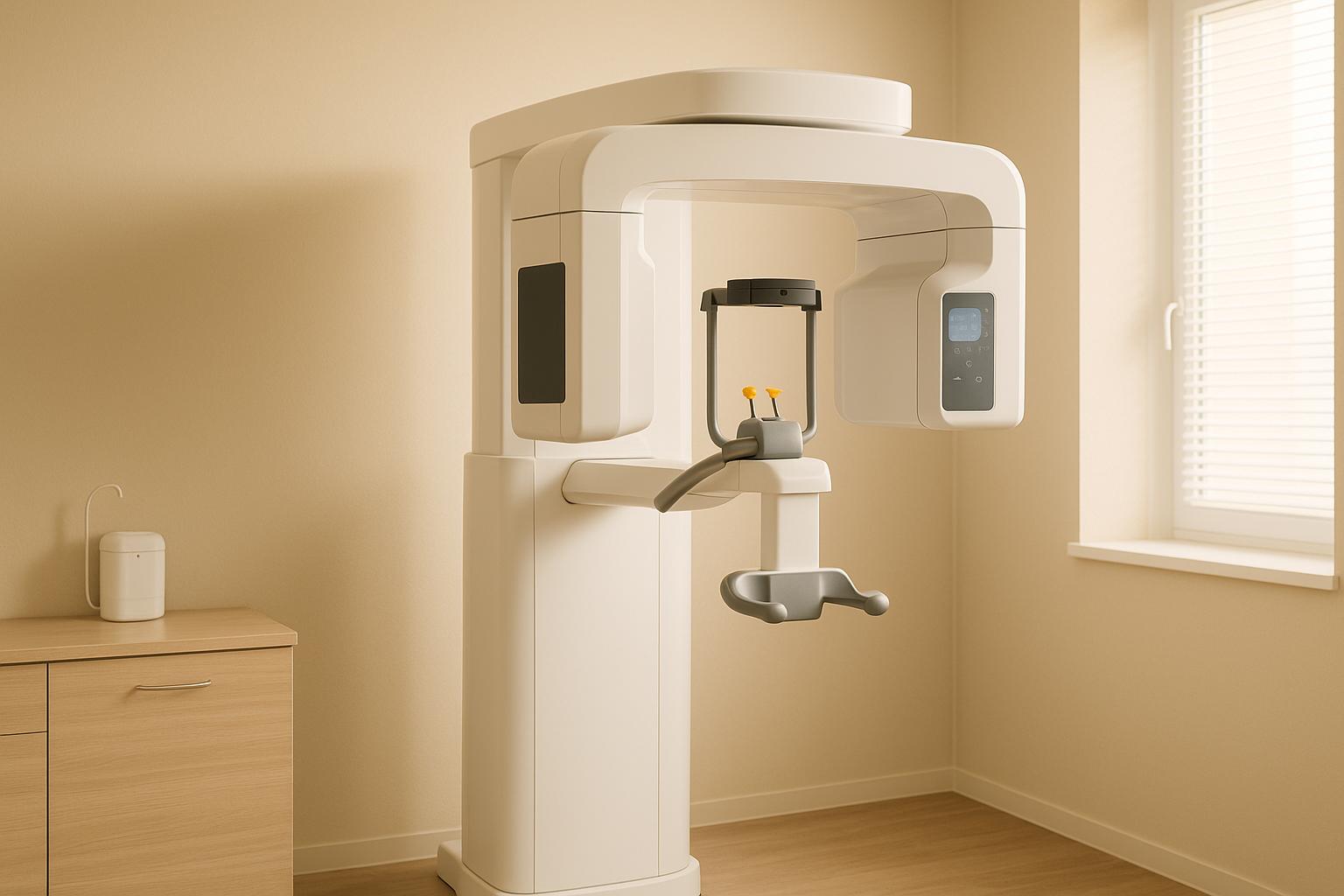
Flapless periodontal surgery offers a less invasive way to treat gum disease and place implants compared to older methods. By using small incisions and advanced digital tools like CBCT imaging, it reduces pain, speeds up recovery, and preserves healthy tissue. However, it’s not suitable for everyone and works best for patients with specific gum and bone conditions. Key benefits include:
- Less pain and faster healing: Avoids large incisions and sutures.
- Better tissue preservation: Protects bone and soft tissue structure.
- Digital precision: Uses 3D imaging for accurate planning.
This approach is ideal for straightforward cases but requires skilled clinicians and careful planning. While it’s not a universal solution, it’s a strong alternative for suitable patients.
[Master Course Season2 – SURGERY] Flapless Surgery
Problems with Conventional Periodontal Surgery
Traditional flapped periodontal surgery has long been the go-to method for treating advanced gum issues. However, it comes with several challenges for both patients and clinicians. These challenges have driven the push toward less invasive, flapless techniques, which aim to address the shortcomings of conventional approaches.
Pain and Extended Recovery Times
One of the biggest drawbacks of traditional periodontal surgery is the discomfort it causes. The procedure involves lifting large portions of gum tissue to access the affected bone and teeth. This process disrupts the tissue significantly, often leading to notable trauma. As a result, patients frequently experience pain that can last for days – or even weeks. Adding to the inconvenience, sutures are required to close the surgical site, which not only makes the procedure more complex but also lengthens recovery time. Patients must also return for a follow-up visit to have the sutures removed, adding to the overall burden [2].
Another issue is the length of the surgery itself. Conventional methods, especially when digital tools aren’t used, take longer than their flapless counterparts. These extended sessions can leave patients feeling fatigued and uncomfortable [3].
Tissue Damage and Healing Difficulties
Conventional flapped surgery relies on large incisions and extensive manipulation of gum tissue to provide a clear view of the underlying bone [2]. While this approach can be effective, it comes at a cost. The process often results in significant damage to both soft and hard tissues, making healing more complicated.
One concerning outcome is bone loss. Evidence shows that traditional surgery tends to cause more bone loss over time compared to flapless techniques [3]. Soft tissue healing also tends to be less optimal with conventional methods [3].
Additionally, the extensive tissue manipulation increases the risk of infection and other postoperative complications. Larger wound areas are more prone to bacterial contamination, requiring the body to mount a stronger healing response. While traditional methods can sometimes be used to reposition gum tissue to create more attached gingiva, this benefit is outweighed by the increased trauma caused by the procedure [2].
What is Flapless Periodontal Surgery
Flapless periodontal surgery is a less invasive way to address periodontal issues without lifting a surgical flap. Unlike traditional methods that involve cutting and pulling back large sections of gum tissue, this technique works with the existing soft tissue. By avoiding the peeling back of the gum, it preserves the periosteum – the thin protective layer covering the bone – and keeps the natural tissue structure intact [1].
How the Procedure Works
This method relies heavily on precise planning and cutting-edge imaging technology. Dentists use tools like CBCT and 3D imaging to carefully map out the procedure, eliminating the need for large incisions [3]. During the surgery, small entry points are made in the gum tissue, and specialised instruments are used to work through these tiny openings. This precise approach keeps tissue disruption to a minimum, helping to make the process more comfortable for the patient.
Flapless surgery is most suitable for patients with straightforward anatomical conditions and enough keratinised tissue. However, for cases requiring bone grafting or significant reshaping of the bone, traditional surgical techniques may still be necessary [2][3]. The use of digital tools not only ensures accuracy but also shortens the time spent in surgery, which benefits both the patient and the dentist [3]. These advancements set flapless surgery apart from more traditional methods.
Differences from Conventional Techniques
Flapless surgery stands out from conventional approaches due to its reliance on careful planning rather than large incisions. One key difference is that flapless procedures eliminate the need for sutures, reducing surgical time and minimising postoperative irritation [2]. On the other hand, conventional methods involve multiple sutures to secure the lifted gum tissue, which can lead to higher risks of infection or irritation.
That said, flapless surgery does come with limitations. Since it doesn’t allow direct visualisation of the bone, it depends entirely on pre-operative digital imaging and guided planning to ensure accurate implant placement [3].
The technique is best suited for patients who meet specific criteria. For example, candidates should have adequate keratinised gum tissue, normal bone contours, and a bone width of at least 7 millimetres at the implant site. Additionally, patients requiring bone augmentation may not be ideal for this approach [2][3][4]. When these conditions are met, flapless surgery provides a gentler alternative to traditional periodontal procedures.
Clinical Benefits of Flapless Surgery
Flapless periodontal surgery brings several clear benefits, largely thanks to its minimally invasive approach and the way it preserves natural tissue structures.
Better Patient Comfort
Research highlights that flapless implant placement leads to less postoperative pain by avoiding large incisions and sutures. This approach reduces tissue disruption and bleeding, making the healing process smoother [2][5]. Without sutures, patients experience less irritation during recovery, which can significantly improve their overall comfort.
Recovery time is another area where flapless surgery stands out. Traditional surgical methods often require longer healing periods, but flapless techniques allow patients to return to their regular routines within just a few days. The soft tissue heals more efficiently, with less swelling and discomfort reported during recovery [5].
For individuals managing conditions like diabetes or other health issues that make healing more challenging, flapless surgery offers a gentler option. By reducing surgical trauma, the body has less to repair, which is particularly helpful for those with slower healing capacities [4]. These benefits directly contribute to preserving the integrity of oral tissues.
Protection of Oral Tissues
Flapless surgery not only enhances comfort but also delivers measurable improvements in clinical outcomes. For example, studies show that flapless methods result in better epithelial attachment, averaging 2.27 millimetres compared to 1.38 millimetres achieved with traditional flap surgery. Similarly, probing depths are reduced to 1.0 millimetre with flapless techniques, versus 1.7 millimetres with conventional approaches.
One of the most critical advantages is the reduced bone loss over time. By avoiding the peeling back of tissue, the crestal bone – key to supporting implants – remains better preserved. This is essential for maintaining bone height and density, which directly impacts long-term implant stability and overall oral health.
Another key factor is the minimal disruption to the local blood supply. Preserving this circulation ensures faster and more predictable healing, while also lowering the risk of complications that can arise from extensive tissue manipulation. These benefits collectively support better clinical outcomes and improve patient recovery.
Better Clinical Efficiency
Flapless surgery isn’t just about patient comfort – it also enhances clinical efficiency. The reduced tissue trauma and use of digital tools streamline the entire procedure. By eliminating sutures and incorporating computer-guided planning, the process becomes faster and more precise [2][3].
High primary stability achieved during flapless implant placement eliminates the need for a second-stage surgery in many cases. This means patients require fewer appointments, and the overall treatment timeline is shortened [2]. Additionally, with faster healing and no sutures to remove, postoperative visits are minimised, saving time for both patients and dental practices.
The efficiency of this approach doesn’t compromise clinical outcomes. Long-term studies have shown no significant differences in implant survival rates, marginal bone loss, or complication rates between flapless and traditional methods [3]. A meta-analysis also confirmed similar survival rates and marginal bone levels for both techniques [3]. These findings underscore that the time-saving benefits of flapless surgery are achieved without sacrificing quality or effectiveness.
sbb-itb-2be92ed
Limitations and Suitable Candidates
Flapless surgery comes with several advantages, but it’s not the right choice for every patient or clinical scenario. Understanding its limitations and carefully selecting cases are essential to ensure reliable outcomes.
When Flapless Surgery May Not Be the Best Option
One of the main challenges of flapless surgery is the lack of direct visualisation of the bone. Surgeons must depend entirely on preoperative imaging, which eliminates the ability to make adjustments during the procedure [1][2]. This makes the technique unsuitable for more complex cases. For instance, patients with irregular bone anatomy, severe bone defects, or insufficient attached gingiva are generally not good candidates for flapless surgery [3]. Similarly, situations requiring extensive bone work – like significant grafting, ridge augmentation, or addressing severe periodontal issues – are better managed with conventional flapped techniques that allow direct access and visibility [2].
Another concern is the use of tight surgical templates, which can limit the cooling effect of saline during drilling. This may lead to complications, including issues with bone remodelling [1]. Furthermore, a meta-analysis revealed that implant failures are 1.75 times more likely with flapless surgery compared to open flap techniques, indicating a 75% relative increase in failure risk. However, the study also noted potential biases in these findings [1].
Flapless surgery also demands a high level of expertise. Surgeons must have advanced knowledge of three-dimensional anatomy and be skilled in using cone-beam CT imaging and computer-guided planning. As such, this approach is best left to experienced implant surgeons or specialists who have undergone focused training [2][3].
These limitations highlight the importance of precise case selection, helping to identify patients who are most likely to benefit.
Ideal Candidates for Flapless Surgery
Flapless surgery is most effective for patients with straightforward implant needs and predictable anatomical conditions [3]. Key factors for success include having sufficient keratinised tissue and healthy bone with minimal resorption. A thorough CBCT assessment is crucial to confirm these favourable conditions [2][3].
For well-chosen patients, research shows no notable differences in postoperative infection rates or marginal bone loss between flapless and conventional methods [1]. This suggests that, in the right cases, flapless surgery can achieve similar clinical results to traditional approaches while offering added benefits like greater comfort and quicker recovery.
Digital Tools in Flapless Surgery
Flapless periodontal surgery owes much of its success to advancements in digital technology. Without a direct view of the bone, this procedure depends heavily on precise imaging and computer-guided planning. These tools bring a level of predictability to the process, especially when the patients are carefully selected.
CBCT and 3D Imaging Applications
Cone beam computed tomography (CBCT) has revolutionised dental surgery by providing three-dimensional images of the jawbone. These detailed visuals allow clinicians to evaluate bone density, volume, and structural variations well before the surgery starts [3].
CBCT imaging plays a critical role in determining a patient’s suitability for flapless surgery. It helps confirm the presence of adequate keratinised tissue, assesses bone density, and identifies any anatomical irregularities that might complicate the procedure [3]. This detailed analysis is essential for ensuring the procedure is both safe and effective.
Additionally, 3D imaging enables clinicians to map out the relationship between the implant site and nearby structures like the inferior alveolar nerve or the maxillary sinus. This precise pre-surgical mapping reduces risks, such as bleeding or alveolar bone loss, by allowing surgeons to plan their approach with confidence [3].
The technology is particularly beneficial for patients with conditions like diabetes or other health issues that make them better candidates for less invasive procedures. By thoroughly assessing bone and gum health, as well as overall anatomy, practitioners can tailor the flapless approach to meet individual patient needs [4].
Moreover, integrating CBCT data with digital planning software streamlines the surgical process. With every detail mapped out beforehand, surgeons can significantly reduce intraoperative time. These high-resolution images serve as the foundation for computer-guided planning, ensuring implant placement is both accurate and efficient [3].
Computer-Guided Surgical Planning
Building on CBCT’s detailed imaging, computer-guided surgical planning takes precision to the next level. This technology transforms imaging data into a step-by-step surgical roadmap, allowing surgeons to plan implant placement with millimetre-level accuracy – a critical advantage in flapless procedures where direct visualisation isn’t possible [2].
In traditional flapped surgeries, surgeons can adjust implant positioning during the procedure. However, flapless surgery removes this possibility, making pre-operative planning indispensable [2]. With digital workflows, clinicians can evaluate bone quality and quantity, design the surgical approach, and clearly communicate the treatment plan to patients.
Computer-guided implant placement eliminates the need for tissue incisions, reducing the risk of complications and making the process less invasive [4]. This precision is especially important for patients with conditions like diabetes, broadening the scope of who can benefit from flapless surgery [4]. By ensuring the implant is positioned correctly on the first attempt, patients experience quicker recovery and less discomfort.
The planning process involves importing CBCT data into specialised software. Here, surgeons can virtually position implants, assess bone volume, and evaluate soft tissue structures. This simulation allows them to anticipate challenges and refine their approach before beginning the procedure.
However, mastering this technology requires expertise. Clinicians must be skilled in interpreting CBCT images, understanding three-dimensional anatomy, and navigating surgical planning software [3]. They need to evaluate bone quality, recognise anatomical variations, and assess the feasibility of the procedure. While the learning curve is steep, the benefits for patients make the effort worthwhile.
For Australian dental practices, adhering to radiation safety guidelines when using CBCT is essential. High-quality imaging protocols are crucial for generating accurate data that can be seamlessly integrated into planning software [3]. This ensures that the digital plan aligns perfectly with the patient’s anatomy, leading to more predictable outcomes and fewer complications. Together, these digital advancements are transforming flapless periodontal surgery, enhancing precision and improving patient care.
Research and Clinical Outcomes
Clinical studies continue to shed light on the effectiveness of flapless periodontal surgery. These findings help define when the technique works well and where its limitations might lie.
Success Rates and Clinical Data
Long-term research tracking outcomes over three years shows no major differences in implant survival rates between flapless and traditional flapped surgeries. However, patients undergoing flapless procedures tend to experience less bleeding, reduced alveolar bone loss, and lower postoperative pain. They also see better soft tissue healing [3][5].
That said, interpreting these findings requires caution. A meta-analysis of 23 studies pointed out that some research might lack statistical strength due to small sample sizes [1]. Additionally, sensitivity analyses revealed variations when studies with high and low bias risks were analysed separately. This underscores the need for larger, more rigorous studies to better understand the results.
When it comes to infection rates, evidence shows no significant difference between flapless and conventional techniques. The meta-analysis found no notable effect on postoperative infection rates (P = 0.96; RR 0.96, 95% CI 0.23–4.03) [1]. Similarly, an analysis of marginal bone loss across 15 studies involving 1,360 implants showed no significant differences (P = 0.16; MD −0.07 mm, 95% CI −0.16–0.03) [1].
Interestingly, some studies suggest that flapless surgery might promote early bone remodelling. Since the bone remains covered by the periosteum during the procedure, this could offer a protective effect that supports better long-term outcomes. However, more research is needed to confirm this consistently [1].
One area of concern involves the tightly fitted surgical templates used in flapless techniques. These templates can sometimes limit proper saline cooling during drilling, potentially affecting the surrounding bone [1]. Ensuring effective cooling protocols is crucial to mitigate this risk.
The following table summarises key clinical outcomes, comparing flapless and traditional surgical approaches.
Comparison: Flapless vs Traditional Surgery
| Outcome Measure | Flapless Procedure | Traditional Flap Procedure |
|---|---|---|
| Incisions | None or small | Large |
| Tissue manipulation | Minimal | Extensive |
| Recovery time | Shorter (days) | Longer (weeks) |
| Risk of infection | Comparable | Comparable |
| Bone/tissue preservation | Higher | Lower |
| Suturing required | No | Yes |
| Postoperative pain | Lower | Higher |
| Epithelial attachment | 2.27 mm average | 1.38 mm average |
| Probing depths | 1.0 mm | 1.7 mm |
| Procedure duration | ~28 minutes | Longer |
| Bone loss over time | Lower | Higher |
The data highlights several practical advantages of flapless surgery. For instance, the average procedure time of around 28 minutes, particularly when paired with digital tools like CBCT, showcases its efficiency [3]. This shorter duration benefits both patients and practitioners by reducing fatigue and streamlining workflows.
Tissue preservation is another standout feature of flapless techniques. The average epithelial attachment is 2.27 mm compared to 1.38 mm with traditional methods, and probing depths are reduced to 1.0 mm versus 1.7 mm. These outcomes reflect healthier and more stable soft tissue around implants placed using the flapless method.
Perhaps the most striking advantage is the significantly lower bone loss over time. This preservation of bone structure not only supports the long-term success of implants but also helps maintain the natural gum contour – an important consideration for patients prioritising aesthetics.
However, the success of flapless surgery hinges on careful patient selection. Ideal candidates should have sufficient keratinised attached gingiva, adequate bone width (about 7 mm), and no need for bone augmentation [4]. Interestingly, studies show that even patients with diabetes can benefit from this technique, expanding its potential applications [4].
Finally, the absence of suturing in flapless procedures speeds up healing and eliminates the need for follow-up visits to remove stitches. This contributes to a smoother recovery process and less postoperative discomfort.
While the evidence supporting flapless surgery is promising, its success depends on thorough pre-operative planning, choosing the right patients, and leveraging digital tools effectively. It’s not a one-size-fits-all solution, but when applied to the right cases, it delivers clear benefits in terms of comfort, healing, and tissue preservation.
Conclusion
Flapless periodontal surgery represents a modern approach to managing gum disease and implant placement, offering a less invasive alternative to traditional methods. By avoiding large incisions and extensive tissue manipulation, this technique helps minimise postoperative pain and speeds up recovery. Clinical studies show that flapless procedures result in reduced discomfort, improved soft tissue healing, and eliminate the need for sutures or follow-up stitch removal [5].
The integration of advanced digital tools, such as cone beam CT imaging, has further refined the precision of this method. These technologies allow for accurate patient selection and meticulous surgical planning, making the procedure both effective and patient-focused.
That said, the success of flapless surgery hinges on selecting the right candidates. Ideal patients typically have sufficient keratinised gingiva, a bone width of around 7 mm, and no need for bone augmentation. Research also highlights its potential benefits for individuals with diabetes [4].
A detailed pre-operative evaluation, including digital imaging and computer-guided planning, is crucial to customise the treatment to each patient’s specific anatomy [3][2]. Working with professionals skilled in both flapless and conventional approaches ensures that the most suitable treatment option is chosen.
As part of a broader periodontal care strategy, flapless surgery showcases the move toward minimally invasive techniques. This shift reflects modern periodontal trends, which aim to achieve effective outcomes with less disruption. With continued research, the role of flapless surgery in dental care is likely to grow further.
FAQs
Who is a good candidate for flapless periodontal surgery?
Flapless periodontal surgery is a treatment option designed for individuals with mild to moderate gum disease who prefer a less invasive approach. To be a good candidate, you’ll need to have sufficient bone density and healthy tissues around the affected area to ensure the procedure’s success.
This method is often chosen by those who want a faster recovery, less discomfort, and minimal impact on their day-to-day activities. That said, it’s crucial to have a detailed evaluation by your dentist or periodontist to confirm if this technique suits your specific needs.
How do digital tools like CBCT imaging improve the accuracy and results of flapless periodontal surgery?
Digital tools like cone-beam computed tomography (CBCT) imaging have transformed the way flapless periodontal surgery is performed, offering a new level of precision. CBCT delivers detailed 3D images of teeth, gums, and surrounding structures, helping dental professionals plan procedures with pinpoint accuracy.
With CBCT, dentists can target specific treatment areas while preserving healthy tissue. This approach not only leads to better surgical results but also minimises patient discomfort and shortens recovery time. As a result, flapless surgery becomes a more efficient and comfortable option for managing gum disease.
What are the risks or complications of flapless periodontal surgery compared to traditional techniques?
Flapless periodontal surgery is often viewed as a less invasive approach to managing gum disease. However, like any medical procedure, it does come with some risks. You might experience minor swelling, bleeding, or even an infection, but these issues are generally milder compared to what can occur with traditional flap surgery.
One of the key advantages of flapless surgery is the typically shorter recovery period and reduced post-operative discomfort. That said, it isn’t the right choice for every situation. Cases that require significant access to deep periodontal pockets may still call for more conventional methods. To figure out the best treatment for your condition, it’s important to have a detailed discussion with your dentist or periodontist. They can guide you towards the option that aligns best with your needs.
Related Blog Posts
- Flapless Implant Surgery: Benefits and Process
- Flapless vs. Flapped Implant Surgery: Comparison
- What Is Digital Guided Implant Surgery?
- Minimally Invasive vs Conventional Flap Surgery
Important Notice: Any surgical or invasive procedure carries risks. Before proceeding, you should seek a second opinion from an appropriately qualified health practitioner.
Individual results may vary. The information provided in this article is for educational purposes only and does not constitute medical advice.
Checkout Related Blogs




Get in touch with us
For more information, call us now to start feeling better. Or fill the form below to make appointment
The Latest News from Complete Smiles
How to Clean Clear Plastic Retainers
Checklist for Choosing Wearable Dental Devices
Checklist for Choosing Cloud AI Platforms in Dentistry

Complete Smiles Bella VistaAccepts All Major Health Funds, Including





