





Minimally Invasive vs Conventional Flap Surgery
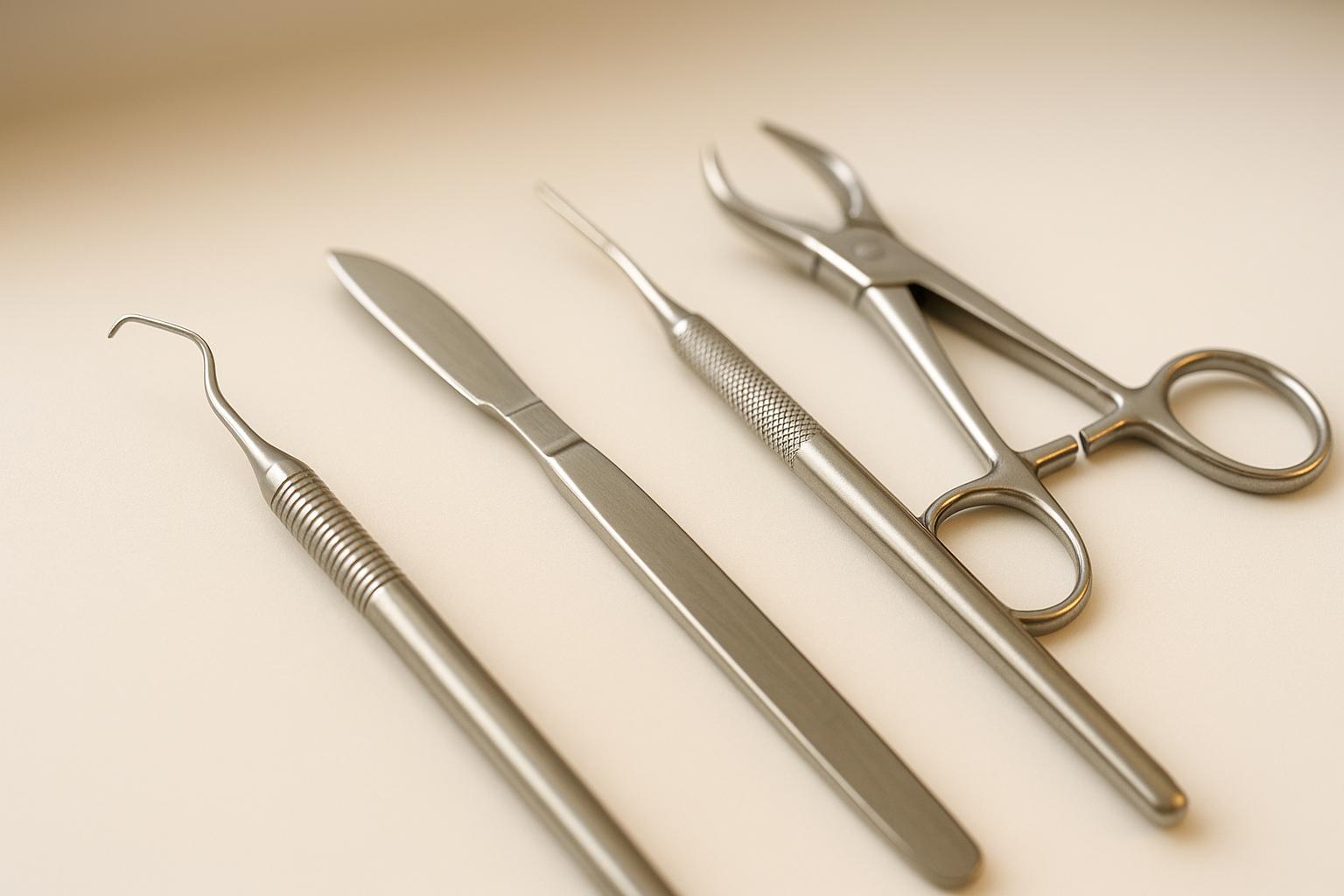
When deciding between minimally invasive and conventional flap surgery, the choice depends on the patient’s condition and priorities. Minimally invasive surgery uses smaller incisions and advanced tools, resulting in faster healing, less pain, and better cosmetic outcomes, particularly for localised or aesthetic cases. Conventional surgery, however, provides broader access for treating severe or widespread gum disease but involves longer recovery and more discomfort.
Key Points:
- Minimally invasive surgery: Smaller incisions, faster recovery, less pain, ideal for mild-to-moderate or cosmetic cases.
- Conventional surgery: Full access for complex cases, longer recovery, more discomfort, suitable for severe gum disease.
- Both approaches achieve similar long-term results, but early healing is better with minimally invasive methods.
Quick Comparison:
| Factor | Minimally Invasive Surgery | Conventional Surgery |
|---|---|---|
| Incisions | Small or none | Larger |
| Healing Time | Faster | Slower |
| Pain/Discomfort | Less | More |
| Best For | Localised, mild cases | Severe, complex cases |
| Access | Limited | Full-thickness |
| Aesthetic Outcomes | Better | Adequate |
In Australia, patient preferences often lean towards minimally invasive options due to quicker recovery, but factors like cost, surgeon expertise, and case complexity play a role in decision-making.
Minimally Invasive Flap Surgery
Core Principles and Techniques
Minimally invasive flap surgery focuses on preserving healthy tissue by using small access points and gentle techniques to target diseased areas. Instead of relying on large incisions and extensive tissue manipulation, these methods aim to treat the affected areas with precision while protecting surrounding healthy tissue.
Two commonly used approaches, the Minimally Invasive Surgical Technique (MIST) and its enhanced version, the Modified Minimally Invasive Surgical Technique (M-MIST), exemplify this philosophy. These techniques employ microsurgical instruments and magnification to perform procedures through tiny openings in the gum tissue. In some cases, a flapless approach is used, which eliminates the need for incisions and sutures by working through small holes in the gums [1].
Magnification loupes play a critical role in microsurgical techniques, offering clearer visualisation of the surgical site. This improved visibility allows for precise removal of calculus and granulation tissue, ensuring minimal disruption to blood vessels and connective tissue that are often affected during traditional surgeries [2]. By carefully handling both soft and hard tissues, these methods reduce the extent of flap reflection and leave fewer scars [3]. The result is a technique that balances precision with patient comfort, offering a range of clinical and aesthetic benefits.
Key Benefits
Minimally invasive techniques come with a host of advantages for both patients and clinicians. For patients, the most immediate benefit is increased comfort. These methods significantly reduce post-operative pain and discomfort, thanks to the smaller incisions and less invasive nature of the procedure. Healing tends to be quicker, and tissues experience less inflammation compared to traditional surgical approaches [1].
From a clinical perspective, these techniques offer faster healing rates and reduced surgical time. The absence of sutures, combined with less bleeding and pain, enhances the overall recovery process. These approaches also deliver aesthetic results comparable to conventional open-flap procedures, making them an effective alternative for many cases. Preserving blood vessels during surgery improves tissue perfusion, which supports better healing responses.
Microsurgical handling of tissues further reduces post-operative issues like pain, swelling, and flap dehiscence, contributing to smoother recoveries [2]. However, it’s important to recognise that the success of these techniques depends heavily on selecting the right cases to maximise their benefits.
Indications and Limitations
Minimally invasive flap surgery is particularly suited for localised periodontal defects and situations where tissue preservation is a priority. It works best for patients with mild to moderate periodontal disease affecting specific areas rather than widespread conditions. The precision of microsurgical approaches makes them ideal for addressing isolated deep pockets or localised bone defects.
However, these techniques do have limitations. One major drawback is the restricted visibility of the alveolar bone and surrounding structures, which makes it challenging to perform procedures like osteotomy on the buccal side of the alveolar bone [1]. For complex cases requiring extensive bone reshaping, traditional surgical methods remain the better option.
Additionally, the technique demands advanced skills and access to specialised equipment, which can pose a challenge for some practitioners. The steep learning curve and equipment requirements mean that not all dental professionals are equipped to perform these procedures effectively. Proper case selection is crucial – while minimally invasive methods are ideal for isolated defects, more complex cases often require conventional approaches. Matching the technique to the patient’s specific needs is key to achieving the best outcomes.
Conventional Flap Surgery
Surgical Steps and Clinical Use
Conventional flap surgery plays a key role in cases requiring extensive debridement and access to the alveolar bone. Unlike minimally invasive methods, this technique involves raising a full-thickness mucoperiosteal flap to allow direct access for cleaning and reshaping. The procedure starts with an incision along the gingival margin, followed by lifting the tissue to expose the bone and root surfaces. This direct visualisation enables clinicians to remove subgingival plaque, calculus, and diseased tissue with precision. When necessary, surgeons also reshape the bone and perform regenerative procedures. Once the objectives are achieved, the flaps are carefully repositioned and sutured to support healing [1][2].
Challenges and Recovery
While effective, conventional flap surgery has its challenges, both during the procedure and recovery. A meta-analysis of five randomised controlled trials involving 180 patients revealed that this technique often leads to more postoperative discomfort, including swelling, bleeding, and pain, compared to minimally invasive methods [1]. Recovery times can be prolonged, ranging from weeks to months, depending on the complexity of the intervention. These drawbacks highlight the trade-offs involved but also underscore the importance of this approach in managing complex cases.
Common Clinical Scenarios
This method is particularly suited for advanced periodontitis or cases involving widespread disease where comprehensive debridement and full access to the alveolar bone are required [2]. It is especially beneficial in scenarios where precision and complete anatomical access are non-negotiable, making it an indispensable option for managing severe periodontal conditions.
Minimal Invasive Surgery and Periodontal Regeneration: An ideal combination?
Clinical Outcomes and Patient Experience
When it comes to surgical techniques, the results go beyond just clinical measures – they also significantly affect the overall patient experience. Let’s take a closer look at how these procedures compare in terms of clinical effectiveness and patient-centred outcomes.
Clinical Effectiveness
Both minimally invasive and traditional flap surgery methods deliver similar long-term results when assessed using standard periodontal health indicators. Studies consistently show that both approaches achieve comparable reductions in probing depth and gains in clinical attachment over time. Additionally, recurrence rates and the ability to maintain clinical improvements appear to be on par, as evidenced by meta-analyses and systematic reviews [1].
However, the differences become apparent during the early healing phase. For example, microsurgical techniques showed excellent healing in 95% of treated sites within just seven days, compared to only 40% for conventional surgery. This faster recovery highlights the benefits of precise tissue handling, which is made possible by magnification tools and advanced surgical instruments [2]. The minimally invasive approach not only preserves tissue but also promotes better vascularisation, setting the stage for long-term stability. While both methods are effective when executed correctly, the precision of minimally invasive techniques provides a clear edge in early recovery and tissue preservation [2][3].
A systematic review of five randomised controlled trials involving 180 patients further supports this, showing that flapless minimally invasive techniques led to a significant reduction in the relative gingival margin (SMD = -0.38; 95% CI -0.58 to -0.19, P < 0.001) compared to open-flap methods [1].
Patient-Centred Outcomes
The benefits of minimally invasive techniques extend beyond clinical metrics – they also enhance the overall patient experience. Patients undergoing these procedures report less pain, reduced swelling, and quicker recovery times. For instance, studies reveal that the average pain score was zero for microsurgical sites, compared to 1.07 ± 0.75 for conventional sites [5].
Some standout benefits of minimally invasive techniques include:
- Better healing quality: Around 85% of microsurgically treated sites demonstrated excellent healing, compared to only 28% of sites treated conventionally [5].
- Reduced discomfort: Patients experienced less pain, swelling, and speech interference during the first week after surgery [4].
- Faster recovery: Most patients returned to their normal routines within days instead of weeks.
- Earlier return to oral hygiene routines: Regular dental care resumed sooner, with less bleeding and discomfort [1].
Patient satisfaction is consistently higher with minimally invasive approaches. This is largely due to fewer postoperative complications and faster recovery, which naturally leads to greater compliance with follow-up care. For Australians, who often juggle work commitments and travel distances for dental appointments, these benefits are particularly meaningful.
sbb-itb-2be92ed
Side-by-Side Comparison
A closer look at clinical results and patient-focused outcomes reveals the key differences between these two surgical techniques. By comparing them side by side, it becomes clear how each approach is tailored to specific clinical needs.
Minimally invasive techniques prioritise tissue preservation, quicker recovery, and patient comfort, making them ideal for targeted treatments. On the other hand, conventional methods provide broader access, which is essential for addressing more complex cases.
Comparison Table
| Factor | Minimally Invasive Flap Surgery | Conventional Flap Surgery |
|---|---|---|
| Surgical Access | Limited and tissue-sparing | Broad, full-thickness access |
| Healing Time | Faster recovery with quicker tissue healing | Slower recovery due to greater tissue disruption |
| Patient Comfort | Higher comfort with less pain and swelling | More discomfort with increased pain and swelling |
| Technical Complexity | Requires advanced training and microsurgical skills | Follows standard surgical protocols |
| Early Healing Quality | About 95% of sites show excellent healing within 7 days [2] | Around 40% of sites show excellent healing within 7 days [2] |
| Risk of Complications | Lower risk of bleeding, infection, and gum recession | Higher likelihood of postoperative complications |
| Suitability | Best for localised or aesthetic cases | Ideal for extensive or anatomically complex cases |
| Long-term Clinical Outcomes | Comparable outcomes | Comparable outcomes |
This comparison underscores the strengths of each approach. Minimally invasive surgery is a great choice for patients seeking faster recovery and less discomfort, particularly for localised periodontal issues or cosmetic treatments. Meanwhile, conventional flap surgery remains invaluable for tackling extensive disease or challenging anatomical situations that require broader surgical access.
For Australians, minimally invasive methods can mean fewer follow-up appointments and less disruption to daily life, making it a practical choice for many. Ultimately, the decision should align with the specific needs of the case, patient preferences, and the surgeon’s expertise.
Clinical Decision-Making
Choosing between minimally invasive and conventional flap surgery involves more than just determining which technique is "better." Instead, it’s about tailoring the surgical approach to suit each patient’s specific needs and clinical situation. The decision-making process requires careful consideration of multiple factors to ensure the best outcomes.
Clinical Indications
The characteristics of the defect play a pivotal role in deciding the surgical method. Minimally invasive techniques are ideal for localised, mild-to-moderate defects, while conventional surgery is better suited to extensive or complex cases that require full access to the affected area.
Minimally invasive methods often result in faster initial healing, making it crucial to align the patient’s profile with the nature of their defect. Health status also significantly influences the choice. Patients with conditions like diabetes, autoimmune disorders, or those on medications that impair healing tend to benefit more from minimally invasive approaches due to reduced tissue trauma and quicker recovery.
Age is another factor to consider. While younger patients typically heal well regardless of the method, older adults may see improved outcomes with minimally invasive techniques, which can minimise postoperative discomfort and shorten recovery times.
In the aesthetic zone, where the appearance of the gums is critical (such as the front teeth), minimally invasive techniques are often preferred. These methods help preserve tissue contours and reduce the risk of gum recession, resulting in better cosmetic outcomes.
The surgeon’s expertise is equally important. Minimally invasive techniques require advanced training, precision, and specialised tools like magnification loupes or surgical microscopes. Without these skills and equipment, the results may not meet the desired standard [2][3].
These clinical considerations intersect with practical factors unique to the Australian context.
Decision Factors in Australian Practice
In Australia, economic and lifestyle factors often influence the choice of surgical approach. Patient expectations frequently lean towards minimally invasive options, particularly among working professionals who value a quicker recovery. The ability to return to normal activities within days rather than weeks is especially appealing to busy Australians.
However, health fund coverage often favours conventional surgery, as it is more broadly covered. Minimally invasive procedures can result in higher out-of-pocket expenses, especially when they involve specialised equipment or longer treatment sessions.
Affordability differs across regions. Patients in metropolitan areas like Sydney and Melbourne are generally more willing to pay higher fees for advanced techniques, while regional practitioners may lean towards conventional methods due to the costs of equipment and training.
Geographic accessibility is another practical consideration. Metropolitan dentists, with easier access to continuing education and advanced tools, are better positioned to offer minimally invasive options. Regional practitioners, on the other hand, may rely more on conventional techniques that don’t require specialised resources.
The Medicare Benefits Schedule does not distinguish between surgical techniques for the same procedure. This means dentists must balance clinical decisions with economic realities, often mastering both approaches to ensure flexibility in their practice.
Additionally, lifestyle factors common in Australia, such as active outdoor pursuits, sports, and demanding work schedules, often make minimally invasive techniques more appealing. For many patients, the prospect of returning to surfing, cricket, or work sooner can be a decisive factor.
Lastly, seasonal preferences also come into play. Many Australians opt for minimally invasive procedures before summer holidays or significant life events, as the shorter recovery period allows for minimal disruption to their plans.
Balancing clinical requirements with practical considerations ensures that the chosen surgical technique aligns with both the patient’s needs and the capabilities of the practice. A thorough evaluation of defect characteristics, patient factors, and logistical constraints is key to making the right decision for each individual case.
Conclusion
Choosing between minimally invasive and conventional flap surgery ultimately comes down to tailoring the approach to each patient’s specific clinical needs. Both methods deliver similar periodontal improvements over the medium term, but minimally invasive techniques stand out for their faster recovery and improved comfort, particularly for mild-to-moderate cases. These methods are especially beneficial in areas like the front teeth, where aesthetics are a priority. Research supports that minimally invasive procedures lead to quicker healing and less post-operative discomfort.
On the other hand, conventional flap surgery remains a critical tool for managing more complex cases. It provides the access required for bone reshaping or addressing deep tissue issues, making it indispensable for severe periodontitis or challenging anatomical conditions. While this approach involves more tissue trauma and a longer recovery period, it remains the best option for certain advanced cases [2][3].
In Australia, the choice of technique is also influenced by factors like economic considerations, funding models, and patient lifestyles. Dentists in metropolitan areas often have better access to advanced training and equipment for minimally invasive procedures, while those in regional areas may rely more heavily on conventional methods. From the patient’s perspective, the appeal of minimally invasive options often lies in their shorter recovery times, which align well with active and busy lifestyles.
Ultimately, successful treatment depends on professional expertise and a personalised approach. A patient with localised gum disease might benefit most from minimally invasive surgery’s rapid recovery, while someone dealing with widespread periodontal issues may require the comprehensive access provided by conventional surgery.
FAQs
What should I consider when deciding between minimally invasive and conventional flap surgery for gum disease treatment?
When deciding between minimally invasive techniques and conventional flap surgery to treat gum disease, several factors come into play. These include the severity of your dental condition, the expected recovery period, and your personal comfort levels. Minimally invasive methods typically use smaller incisions, which can lead to faster healing times. On the other hand, conventional flap surgery may be the better choice for more advanced cases that require a comprehensive approach.
Your dentist will carefully evaluate your gum health, bone structure, and overall treatment objectives to determine the most suitable option. Both methods are designed to enhance gum health and prevent further issues, but open communication with your dentist about your preferences and concerns is essential for making the best decision for your needs.
What are the differences in costs and insurance coverage between minimally invasive and conventional flap surgeries in Australia?
When it comes to the costs of minimally invasive and conventional flap surgeries in Australia, specific details can be hard to pin down. Prices often depend on several factors, including the complexity of the procedure, the dentist’s expertise, and the clinic’s location.
As for insurance, coverage varies widely based on your health fund and the details of your policy. To get clarity, it’s a good idea to contact your provider directly. If you’re planning for a particular procedure, speak with your dentist for a personalised treatment plan and a detailed cost estimate that aligns with your individual needs.
What are the benefits of minimally invasive flap surgery for treating mild periodontal disease, particularly regarding recovery and appearance?
Minimally invasive flap surgery has become a popular choice for addressing mild periodontal disease, thanks to its patient-friendly advantages. Compared to traditional methods, this technique often means a shorter recovery period, less discomfort after the procedure, and minimal swelling. Plus, its precision allows for the preservation of healthy gum tissue, which can result in more natural and visually appealing outcomes.
What sets minimally invasive techniques apart is their use of smaller incisions and advanced tools. This not only reduces the chances of complications but also supports quicker healing. For patients looking for effective treatment that combines comfort with improved cosmetic results, this approach is often an ideal solution.
Related Blog Posts
- Flapless Implant Surgery: Benefits and Process
- Flapless vs. Flapped Implant Surgery: Comparison
- Minimally Invasive vs. Traditional Gum Surgery: Key Differences
- 5 Steps of Flap Surgery Explained
Important Notice: Any surgical or invasive procedure carries risks. Before proceeding, you should seek a second opinion from an appropriately qualified health practitioner.
Individual results may vary. The information provided in this article is for educational purposes only and does not constitute medical advice.
Checkout Related Blogs




Get in touch with us
For more information, call us now to start feeling better. Or fill the form below to make appointment
The Latest News from Complete Smiles
How to Clean Clear Plastic Retainers
Checklist for Choosing Wearable Dental Devices
Checklist for Choosing Cloud AI Platforms in Dentistry

Complete Smiles Bella VistaAccepts All Major Health Funds, Including





