





Dental Implants Explained: Eligibility, Costs & Care
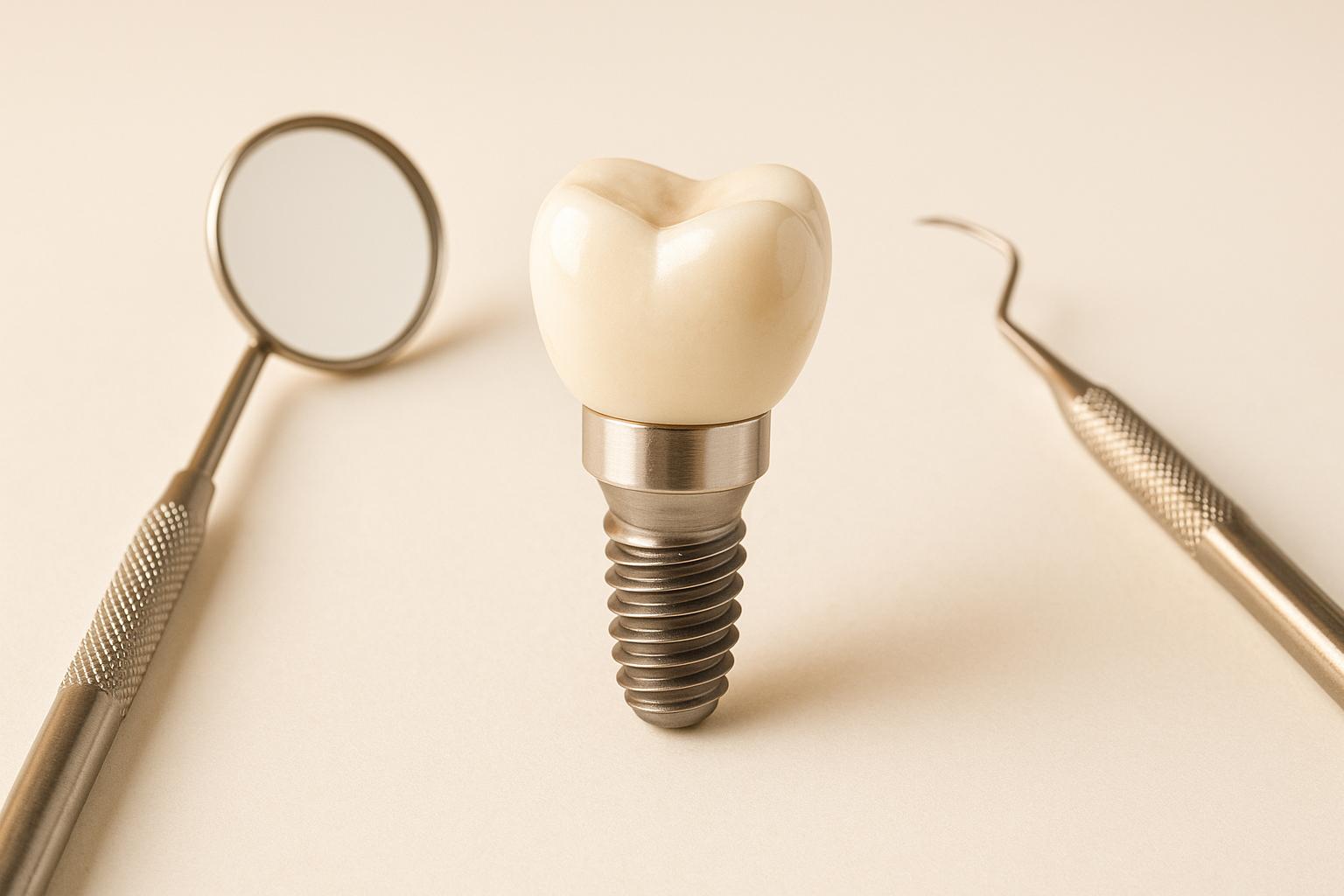
Dental implants have revolutionised the way missing teeth are replaced, offering a durable and natural-looking solution. But what exactly are dental implants? Who qualifies for them, and what factors impact their success? In this comprehensive guide, we delve into these questions as explained by an expert dentist in a recent interview. Whether you’re considering implants for functionality or aesthetics, this article provides a deep dive into the topic, tailored for Australian families and individuals who value personalised, expert dental care.
What Are Dental Implants?
At their core, dental implants are a replacement option for missing teeth. The implant itself is a screw-like structure made from biocompatible materials (such as titanium or zirconia) that is surgically placed into the jawbone. Over time, the surrounding bone integrates with the implant in a process known as osseointegration, ensuring a stable foundation for a dental crown or bridge.
Unlike traditional options such as dentures or bridges, implants do not damage adjacent natural teeth and provide a long-term, fixed solution. As the dentist in the interview stated, "It’s like planting a new tooth exactly where the old one used to be, without compromising the health of other teeth."
sbb-itb-2be92ed
Who Is Eligible for Dental Implants?
The good news is that dental implants are suitable for a wide range of individuals, regardless of age. However, eligibility depends on several factors:
- Oral Health: Healthy gums and sufficient bone density in the jaw are essential for the implant to anchor securely. Patients with untreated gum disease, significant bone loss, or poor oral hygiene might require preliminary treatments such as scaling or bone grafts before implants can be considered.
- Overall Health: Systemic health conditions can influence implant success. For instance:
- Diabetes: Controlled diabetes is generally not a barrier, but uncontrolled diabetes may hinder healing.
- Smoking: Tobacco use can impede the body’s ability to heal and may reduce the success rate of implants.
- Autoimmune Disorders: Conditions that weaken the immune system or delay healing can also pose challenges.
- Lifestyle Habits: Healthy habits, such as regular brushing, flossing, and dental checkups, are critical. Patients with a history of neglecting their oral hygiene are less likely to maintain implants effectively.
- Age Considerations: While implants are suitable for older adults, children and teenagers may need to wait until their jawbones have fully developed. For elderly patients with good systemic and oral health, age is no barrier.
Dental Implants vs. Other Tooth Replacement Options
When it comes to tooth replacement, patients often face three primary options:
- Implants: These are permanent, provide a natural appearance and feel, and do not require support from surrounding teeth. They are ideal for patients seeking a long-lasting solution.
- Bridges: A bridge involves grinding down adjacent teeth to support the replacement tooth or teeth. While effective, bridges can damage neighbouring natural teeth.
- Dentures: These removable replacements can be either partial or complete. While dentures are cost-effective, they may feel unstable and require maintenance over time.
According to the dentist, implants win out on durability and functionality, particularly for patients who prioritise comfort and confidence while eating or speaking.
Factors That Impact Implant Success
While dental implants are considered a highly successful procedure, several factors can impact their outcome:
- Bone Quality and Quantity: Sufficient bone is essential for the implant to anchor securely. If bone is insufficient, a bone graft or sinus lift may be required.
- Medical History: Medications, such as bisphosphonates (used for osteoporosis), and therapies like chemotherapy or radiotherapy can affect bone healing and integration.
- Biting and Grinding Habits: Patients with bruxism (teeth grinding) need to manage the condition before implants, as excessive force can stress the implant.
- Maintenance: Regular professional cleanings, checkups, and proper oral hygiene practices are critical. Poor maintenance can lead to infections like peri-implantitis, which can compromise the implant.
Types of Dental Implants and Techniques
Modern dentistry offers several types of implants to accommodate different patient needs:
- Traditional Implants: These involve placing an implant into the jawbone and waiting several months for it to integrate before attaching a crown.
- Immediate Implants: In some cases, an implant can be placed immediately after tooth extraction, reducing treatment time.
- Zygomatic Implants: For patients with severe bone loss, implants anchored in the cheekbone (zygoma) can provide an alternative.
- Implant-Supported Dentures: These combine the stability of implants with the affordability of dentures, offering a secure yet cost-effective solution.
Additionally, implants are available in various materials:
- Titanium Implants: Known for durability and biocompatibility.
- Zirconia Implants: Aesthetic and metal-free, making them ideal for front teeth.
The Cost of Dental Implants in Australia
The cost of dental implants can be a significant concern for many Australian families, but it’s important to weigh the long-term benefits. Implants may cost more upfront compared to dentures or bridges, but their longevity and functionality often make them more cost-effective over time. Factors influencing cost include:
- The number of implants needed.
- Associated procedures (e.g., bone grafting or sinus lifts).
- The implant brand (premium brands like Straumann or Nobel Biocare typically cost more).
- Geographic location and clinic fees.
For patients on a budget, implant-supported dentures or exploring payment plans can make treatment more accessible.
Caring for Your Dental Implants
Post-procedure care is critical to ensuring the longevity of dental implants. Here are some key recommendations:
- Maintain proper oral hygiene by brushing twice daily and flossing.
- Regularly visit your dentist for professional cleanings and checkups.
- Avoid smoking, as it can negatively impact healing and bone health.
- Be cautious with hard foods to prevent unnecessary stress on the implant.
Key Takeaways
- Dental implants are a permanent and natural-looking solution for missing teeth.
- Eligibility depends on oral and overall health, with factors like bone density, gum health, and lifestyle habits playing a crucial role.
- Implants outperform dentures and bridges in comfort, durability, and functionality, but they may require preliminary treatments for optimal success.
- The cost of implants varies, but they are a worthwhile investment for long-term oral health and aesthetics.
- Proper maintenance and regular dental visits can extend the lifespan of your implants, ensuring a confident smile for years to come.
Final Thoughts
When considering dental implants, it’s essential to consult with a qualified dentist who can evaluate your unique needs and recommend the best solution. With advances in technology, implants are now more accessible and versatile than ever, offering Australians an effective way to reclaim their smiles and confidence. Remember, maintaining good oral hygiene and staying proactive with dental care are key to achieving transformative results with implants. Start your journey to a healthier, brighter smile today by discussing your options with a trusted dental professional.
Source: "Dental Implants Explained | Truth Behind the Procedure | Podcast with Dr. Kiran | #dentalimplants" – Dr. Kiran Haseeb, YouTube, Jan 1, 1970 – https://www.youtube.com/watch?v=45EwqfkxHso
Use: Embedded for reference. Brief quotes used for commentary/review.
Related Blog Posts
- Dental Implants: Your Top 8 Questions Answered
- Pros and Cons of Dental Bridges and Dentures
- Cost Comparison: Implants, Bridges, and Dentures in 2025
- Dental Implants vs Bridges: Pros and Cons
Important Notice: Any surgical or invasive procedure carries risks. Before proceeding, you should seek a second opinion from an appropriately qualified health practitioner.
Individual results may vary. The information provided in this article is for educational purposes only and does not constitute medical advice.
Checkout Related Blogs




Get in touch with us
For more information, call us now to start feeling better. Or fill the form below to make appointment
The Latest News from Complete Smiles
How to Clean Clear Plastic Retainers
Checklist for Choosing Wearable Dental Devices
Checklist for Choosing Cloud AI Platforms in Dentistry

Complete Smiles Bella VistaAccepts All Major Health Funds, Including





