





Dehydration and Gum Health: What Research Says
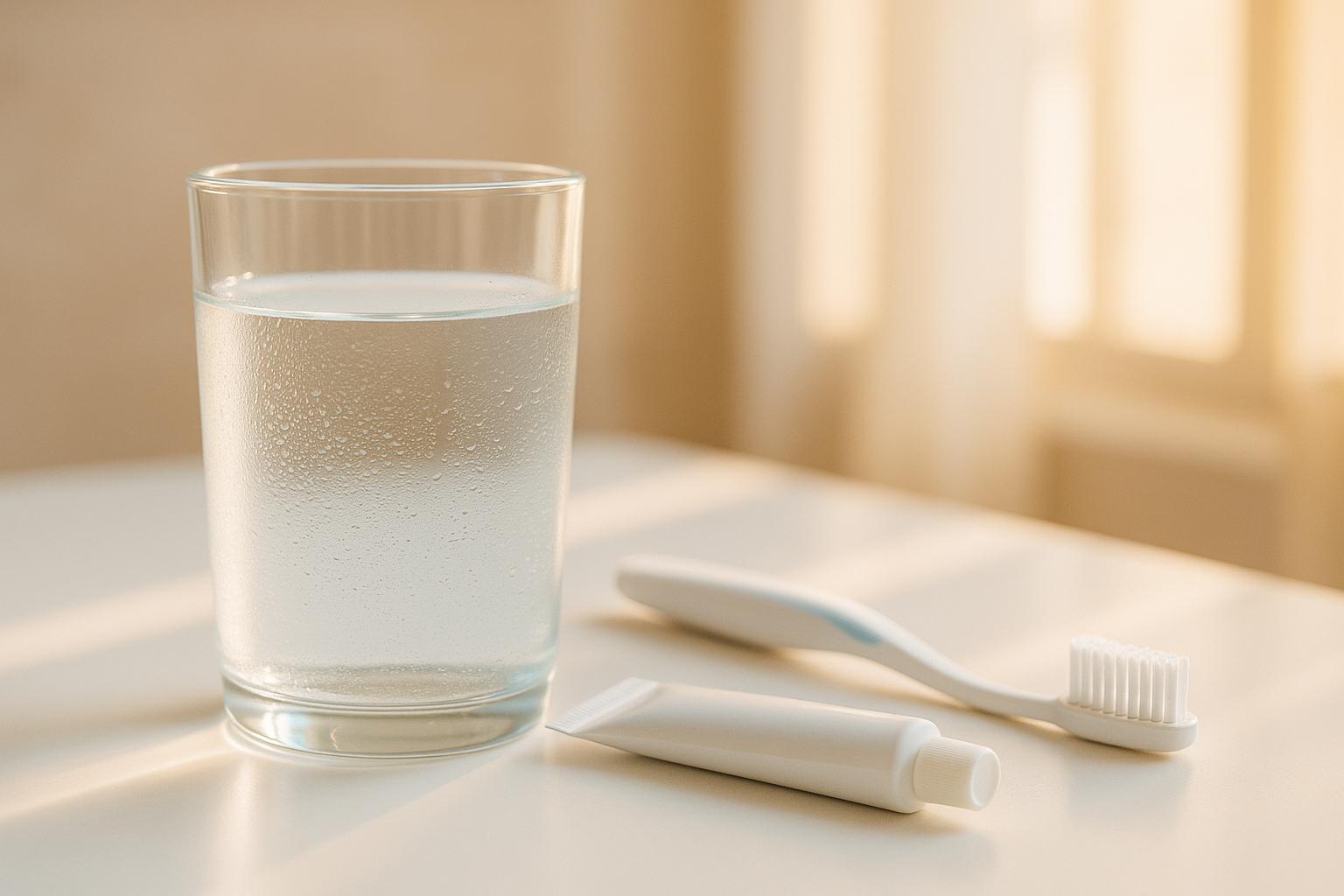
Dehydration isn’t just a whole-body issue – it directly impacts your gum health. When you don’t drink enough water, saliva production drops, creating a breeding ground for harmful bacteria. This can lead to gum inflammation, plaque buildup, and even gum disease. Key findings include:
- Saliva’s Role: Saliva defends your gums by neutralising acids, washing away debris, and delivering nutrients. Dehydration disrupts this balance.
- High-Risk Groups: Older adults, diabetics, shift workers, and outdoor labourers are more vulnerable to gum issues caused by dehydration.
- Australian Context: Many Australians, especially during hot months, fail to meet daily hydration needs, worsening gum health risks.
- Daily Water Goals: Women should drink about 2.6 litres of water daily, while men need 3.4 litres. Fluoridated tap water is the best choice for oral health.
Staying hydrated is a simple yet powerful way to protect your gums. Start by drinking water consistently throughout the day, especially in Australia’s warm climate. Keep a water bottle handy, opt for water-rich foods, and avoid excessive caffeine, alcohol, and salty snacks. Healthy gums start with a hydrated body.
Can Dehydration Cause Gum Problems Or Infections? – The Pro Dentist
Research Findings: Dehydration and Gum Disease
Scientific studies have established a connection between staying hydrated and reducing gum inflammation and other periodontal problems.
Main Studies and Results
Research has delved into how water consumption impacts gum health. One long-term study found that people who drank less water experienced more gum inflammation, including increased bleeding and deeper periodontal pockets. In Australia, studies conducted during hot weather revealed that regular hydration was linked to fewer cases of acute gum discomfort. These findings emphasise the need to pay attention to groups who may be more at risk.
Groups at Higher Risk
Some groups are more prone to the effects of dehydration on gum health. Older adults, for instance, often have a reduced sense of thirst and altered fluid regulation, which can leave them more vulnerable to gum issues. Similarly, individuals with diabetes who don’t stay adequately hydrated may experience faster progression of periodontal problems. Shift workers, outdoor labourers, and pregnant women also face unique challenges in staying hydrated, which can negatively impact their gum health.
Daily Water Intake Guidelines for Gum Health
Although research is still refining exact hydration recommendations, adults should aim to drink water consistently throughout the day to maintain saliva production and support oral health. Saliva serves as a natural defence mechanism, so steady water intake is essential. Fluid needs vary with environmental conditions and individual factors, but spreading water consumption evenly helps ensure proper saliva flow and moisture balance.
Signs of good hydration include moist oral tissues and consistent saliva production during meals, both of which contribute to healthier gums.
How Dehydration Damages Oral and Gum Health
Hydration plays a vital role in keeping your gums healthy, but dehydration can disrupt this balance, leaving your oral defences weakened. When your body lacks water, saliva production drops, which sets off a chain reaction. This not only affects saliva’s protective qualities but also disturbs the bacterial balance in your mouth, increasing the risk of gum disease.
Reduced Saliva Production and Quality
When you’re dehydrated, your body produces less saliva, and the saliva that is produced becomes less effective [1][2][3][5][7][8]. Saliva is crucial for washing away food particles, neutralising acids, and delivering minerals like calcium, phosphate, and fluoride to your teeth. Without enough saliva, harmful acids linger in your mouth, leading to an environment that favours bacterial growth [1][2][3][4][7][8]. Studies have shown that poor hydration is closely linked to persistent salivary dysfunction [5].
Bacterial Imbalance and Risk of Gum Disease
Saliva plays a key role in keeping the bacterial balance in your mouth in check. When dehydration reduces saliva flow, it becomes harder to remove food particles and sugars, creating the perfect conditions for harmful bacteria to thrive [9][10]. This bacterial overgrowth accelerates plaque buildup [2][10], which can damage gum tissue. Additionally, a lack of saliva makes it harder to neutralise bacterial acids, causing the mouth’s pH to become more acidic. This acidic environment encourages bacterial growth, leading to gum inflammation and tissue damage. These changes can also result in noticeably drier conditions in the mouth.
The Importance of Mouth Moisture
Healthy mouth moisture is a sign that your body’s natural defences are working properly. Saliva not only keeps your mouth moist but also delivers antimicrobial compounds, enzymes, and minerals that help maintain a balanced pH [2][3][11]. Dehydration reduces this moisture, weakening these defences. Dry mouth, or xerostomia, is a common symptom of dehydration and a risk factor for gum disease. Those with dry mouth are more likely to experience bad breath, mouth sores, infections, and cavities [1][2][3][4][6]. Monitoring your mouth’s moisture levels can help you catch dehydration early, giving you the chance to address it before it leads to more severe gum health issues.
sbb-itb-2be92ed
Practical Ways to Prevent Dehydration
Preventing dehydration doesn’t require a complete overhaul of your routine. By incorporating a few consistent habits into your day, you can maintain hydration, protect your gum health, and keep your mouth comfortably moist.
Drinking More Water
Water remains the simplest and most effective way to ward off dehydration. In Australia, public health guidelines recommend a daily water intake of about 2.6 litres for women and 3.4 litres for men, though this might vary based on factors like activity levels, climate, and overall health.
Start your day with a glass of water to counteract the dehydrating effects of caffeine. Keep a water bottle handy and try drinking a glass of water before meals – it can support both hydration and digestion.
Choosing room-temperature water may make it easier to drink in larger amounts compared to icy cold water. For a bit of variety, add a slice of lemon or cucumber for a refreshing twist without compromising hydration.
A simple way to gauge your hydration is by checking the colour of your urine. A pale yellow shade typically indicates you’re well-hydrated.
When plain water isn’t enough, there are other ways to stimulate saliva and keep your mouth moist.
Other Methods for Dry Mouth Relief
While drinking water is key, there are additional strategies to manage dry mouth and maintain moisture.
- Chew sugar-free gum: Opt for gum containing xylitol, which can help stimulate saliva and may also reduce certain bacteria. Chewing for 10–15 minutes after meals can be particularly effective.
- Choose alcohol-free rinses: Alcohol-based mouthwashes can worsen dry mouth. Instead, use alcohol-free oral rinses for temporary relief.
- Breathe through your nose: Mouth breathing can dry out your mouth, especially during sleep. If you struggle with this, consider using a humidifier to add moisture to the air.
- Try saliva substitutes: Available at pharmacies, these products can mimic natural saliva and may be helpful if your dry mouth is caused by medication.
Diet and Lifestyle Factors
Your diet and daily habits also play a big role in staying hydrated.
- Limit dehydrating substances: Reduce your intake of alcohol, high-caffeine drinks, and salty foods, as they can disrupt your fluid balance.
- Eat water-rich foods: Include options like watermelon, cucumber, oranges, and lettuce in your meals to boost hydration while supporting oral health.
- Adjust for activity and heat: In Australia’s hot summers or during outdoor activities, increase your water intake before, during, and after exercise or extended periods in the sun.
- Consider electrolytes if needed: For intense physical activity or heavy sweating, plain water might not be enough. Low-sugar electrolyte drinks or a pinch of sea salt in your water can help replenish lost minerals.
Certain medications, such as antihistamines, antidepressants, blood pressure drugs, and pain relievers, can reduce saliva production. If you’re taking these, pay extra attention to your hydration and consult your healthcare provider about managing dry mouth.
Lastly, don’t overlook sleep. Poor sleep can interfere with your body’s natural fluid balance. Aim for 7 to 9 hours of quality sleep each night to support overall hydration.
Clinical Applications and Recommendations in Australia
The connection between dehydration and gum disease highlights the need for Australian dental professionals to prioritise hydration education as part of routine preventive care. This approach can lead to actionable changes in daily dental practices and better patient outcomes.
Adding Hydration Education to Dental Practice
Hydration advice is now becoming a staple in dental consultations across Australia. During check-ups, dentists can explain how staying hydrated helps boost saliva production, which serves as a natural defence against gum disease. Educating patients about signs of dehydration, such as dry mouth and bad breath, is equally important. Practical tips, like drinking water regularly, carrying a water bottle, and opting for water instead of sugary drinks, can significantly improve oral health.
The type of water consumed also matters. Research indicates that 81.0% of bottled water samples sold in Australia are erosive to tooth dentine, with 73.8% showing erosive potential to enamel [12]. This underscores the importance of recommending fluoridated tap water whenever possible, as it helps remineralise enamel and prevent decay. Patients should be encouraged to choose fluoridated tap water over bottled options to protect their teeth while staying hydrated. Public awareness campaigns could further educate Australians about the oral health risks of bottled water. Additionally, flavoured and sparkling waters present a unique challenge, as all tested varieties have been shown to erode enamel and dentine [12].
Role of Full-Service Dental Care Providers
Comprehensive dental clinics, such as Complete Smiles Bella Vista, are uniquely positioned to integrate hydration education into their broader preventive care services. By discussing hydration during general dental appointments, these practices can connect fluid intake to treatments like gum disease management and routine cleanings. Customised hydration advice can be especially valuable for patients on medications that reduce saliva production.
Dental hygienists play a crucial role during preventive visits by spotting signs of dehydration-related oral health issues and offering immediate guidance. Advanced clinics could even include hydration assessments in their treatment plans, helping patients with persistent gum problems by addressing dehydration as a contributing factor. Emergency dental services also provide an opportunity to educate patients dealing with acute gum issues or infections, showing them how proper hydration aids healing and prevents future complications. The goal is to make hydration education practical and relatable, enabling patients to see the link between their oral health and hydration habits in their everyday lives.
Conclusion and Key Points
Research highlights that staying well-hydrated is essential for maintaining healthy gums and preventing oral health issues. Proper hydration supports saliva production, which acts as a natural defence packed with minerals that protect tooth enamel. This reinforces the importance of making hydration a daily habit.
Dehydration can lead to a host of oral health problems, far beyond just an uncomfortable dry mouth. A lack of saliva encourages bacterial growth and inflammation, which can harm gum health[13][15][17].
For Australians, protecting gum health can be as simple as drinking water. Aim for eight glasses of fluoridated tap water each day to neutralise harmful acids and maintain your mouth’s natural defences[13][14][15][16][17]. Small changes – like carrying a reusable water bottle, setting reminders to drink water, or swapping sugary and acidic drinks for water – can have a big impact.
Dental professionals across the country are increasingly emphasising hydration as a vital part of preventive care. By discussing hydration during routine check-ups, dentists can help patients see the direct link between water intake and gum health.
This evidence builds on earlier studies, reinforcing hydration as an essential part of periodontal care in Australia. Making water consumption a daily focus, alongside regular dental visits and good oral hygiene, lays the groundwork for a lifetime of healthy gums.
FAQs
How does dehydration affect your gums, and what warning signs should you look out for?
Dehydration can take a toll on your gum health by cutting down saliva production, which is essential for keeping your mouth clean. Saliva plays a key role in rinsing away bacteria and food particles. Without enough of it, harmful bacteria can thrive, leading to plaque buildup, gum inflammation, and early signs of gum disease like redness, swelling, and bleeding.
A lack of saliva due to dehydration can also heighten the risk of tooth decay and more severe gum problems. Watch out for warning signs like a persistently dry mouth, bad breath, or gum discomfort – these could be clues that dehydration is impacting your oral health. Drinking plenty of water is a straightforward and effective way to care for your gums and maintain your overall dental health.
Why is fluoridated tap water better than bottled water for gum health?
Fluoridated tap water can be a better choice for your gum health because it contains fluoride – a mineral known to strengthen tooth enamel and help guard against cavities. On the other hand, most bottled water lacks fluoride, meaning it doesn’t provide the same level of protection for your teeth and gums.
Incorporating fluoridated tap water into your daily routine is an easy and affordable way to support your oral health, alongside a balanced diet and proper dental care. Not sure if your local water supply is fluoridated? Reach out to your local council or water provider to find out.
How can older adults and outdoor workers stay hydrated effectively?
Staying hydrated is crucial for maintaining good health, especially for older adults and people working outdoors, as they face a higher risk of dehydration. A few easy habits can make a big difference: sip water regularly throughout the day, keep a reusable water bottle handy as a reminder, and include water-rich foods like fruits and vegetables in your meals.
If you’re exposed to heat or doing physical activities, adding electrolyte drinks in moderation can help replace minerals lost through sweat. Older adults, in particular, should make a point of drinking water consistently, even if they don’t feel thirsty, since the sense of thirst tends to decline with age. Staying on top of hydration is especially important during the hotter months to avoid serious health problems.
Related Blog Posts
- Best Foods for Healthy Teeth: Dentist Recommendations
- How Saliva Affects Implant Material Stability
- Diet and Hydration for Saliva Health
- 5 Early Signs of Gum Disease
Important Notice: Any surgical or invasive procedure carries risks. Before proceeding, you should seek a second opinion from an appropriately qualified health practitioner.
Individual results may vary. The information provided in this article is for educational purposes only and does not constitute medical advice.
Checkout Related Blogs



Get in touch with us
For more information, call us now to start feeling better. Or fill the form below to make appointment
The Latest News from Complete Smiles
How to Clean Clear Plastic Retainers
Checklist for Choosing Wearable Dental Devices
Checklist for Choosing Cloud AI Platforms in Dentistry
Complete Smiles Bella VistaAccepts All Major Health Funds, Including