




Ultimate Guide to Non-Verbal Communication in Dentistry
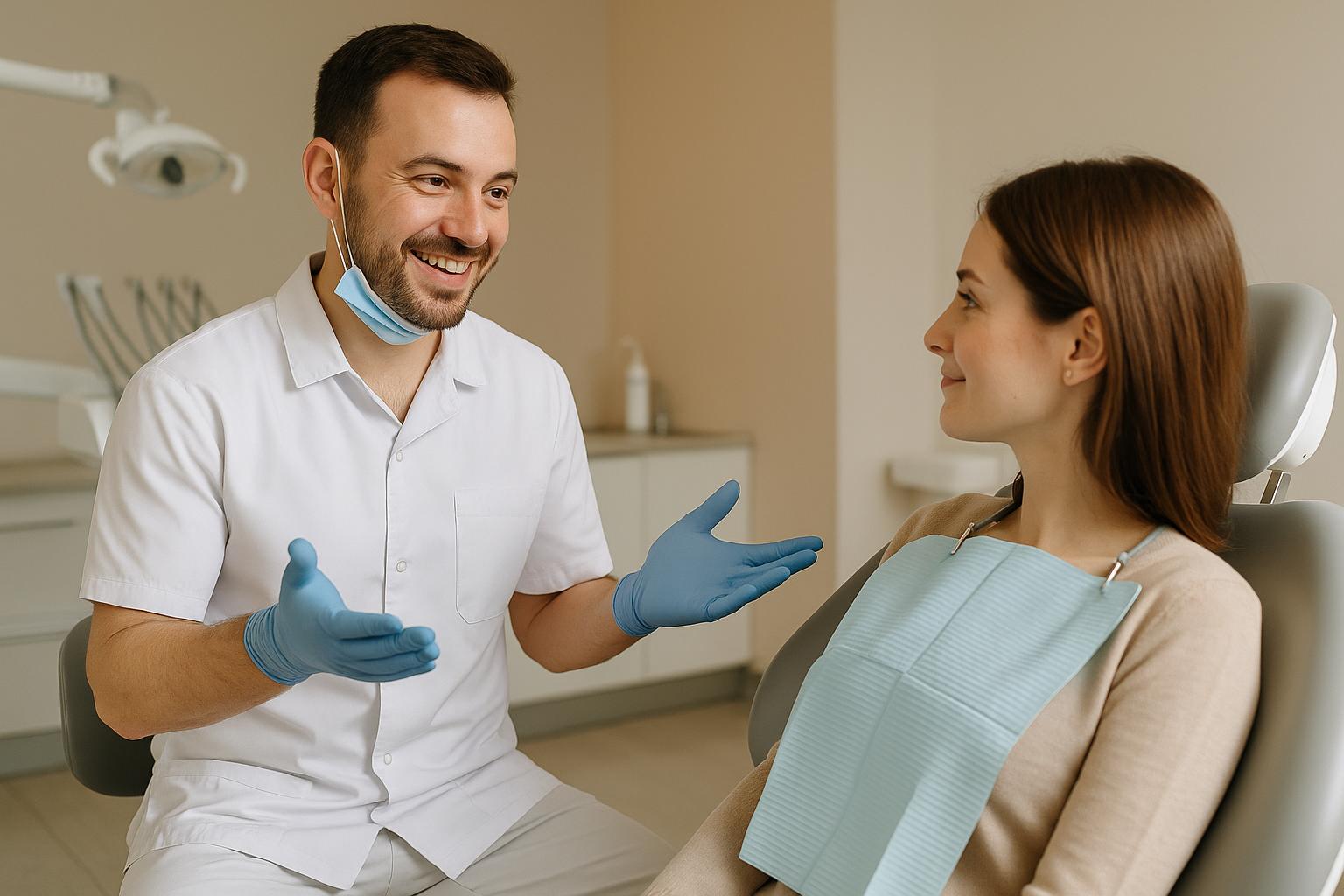
Non-verbal communication in dentistry is just as important as the words you say. From your posture to your tone, these unspoken signals build trust, ease anxiety, and improve patient experiences. Research shows that up to 93% of emotional communication relies on non-verbal cues like facial expressions, body language, and tone of voice. In dental care, these subtle behaviours can make patients feel comfortable, valued, and more likely to follow treatment plans.
Key takeaways:
- Body language: Open posture and calm movements project confidence and approachability.
- Facial expressions: A genuine smile and steady eye contact foster trust.
- Tone of voice: A calm, measured tone reassures patients, especially when masks obscure facial cues.
- Environment: Clean, organised spaces and a welcoming atmosphere set the stage for a positive experience.
- Team coordination: Unified non-verbal behaviours across staff enhance professionalism and patient trust.
When verbal and non-verbal messages align, patients feel heard and cared for, leading to better outcomes and stronger relationships. This guide breaks down actionable steps to refine your non-verbal skills and create a more patient-friendly practice.
The impact of effective patient communication and on patient trust, compliance, I GBT Microlearning
Core Non-Verbal Communication Techniques for Dentists
Mastering non-verbal communication can dramatically change how patients feel about their dental care experience. Studies reveal that non-verbal cues account for over two-thirds of our emotional and relational communication [1], making these skills a must-have for dental professionals.
Using Body Language and Posture
Your body language speaks volumes before you even say a word. The way you stand, sit, or move can shape a patient’s perception of you within moments of their arrival [4]. A confident and open posture signals professionalism and approachability, while slouching or crossing your arms might come across as uninterested or defensive.
"Non-verbal communication truly is the silent driver of patient trust. In healthcare – especially dental care where anxiety can run high – body language often speaks louder than clinical expertise. A warm smile, relaxed posture, and attentive eye contact can instantly ease fears and foster loyalty."
– George Oyombe, Executive Leader | Building Sustainable Systems | Healthcare, Finance & Cross-Sector Innovation [4]
How to Improve Your Posture
- Face patients directly when speaking. Avoid talking while looking at charts or screens – it shows respect and gives them your full attention [4][5]. When seated, position yourself at or below the patient’s eye level to create a more relaxed and equal interaction [2].
- Lean in slightly during conversations to show genuine interest. This small gesture conveys that you’re actively listening and helps build trust [2][1]. Just be mindful not to invade personal space.
- Keep your movements calm and deliberate, especially during procedures. Smooth, controlled hand movements suggest confidence and competence, which can make patients feel more secure [4][5]. Avoid sudden or jerky motions that might increase their anxiety.
- Mirror the patient’s body language subtly. If they lean back in their chair, adopting a similarly relaxed posture can help them feel understood and at ease [2][1].
- Nod while listening to show engagement and attentiveness [4][1].
Beyond posture, your facial expressions and eye contact are just as crucial for building trust.
The Role of Eye Contact and Facial Expressions
Making appropriate eye contact creates a sense of respect, trust, and attentiveness [1]. On the flip side, avoiding eye contact can make you seem untrustworthy. However, cultural differences matter – while direct eye contact may signal honesty in Western cultures, it can be seen as disrespectful in some Asian, Latin, and American Indian communities.
Using Facial Expressions Effectively
A genuine smile is one of the most powerful tools in your non-verbal arsenal. Unlike a forced smile that only involves the mouth, a genuine smile engages the eyes and upper face. Even when wearing masks or shields, patients can often detect this authenticity in your tone of voice [1].
Research supports the idea that smiling fosters positive impressions. Expressive facial cues, such as smiling, not only help patients feel more at ease but also improve their attention and decision-making [1].
- Vary your expressions to keep patients engaged. Lean forward slightly, nod, and show emotional animation to enhance satisfaction and encourage adherence to treatment plans [1]. Even a concerned frown, when used appropriately, can show empathy and reduce patient confusion or distress.
- Be aware of cultural nuances. In some Asian countries, for instance, a smile might express embarrassment or nervousness rather than happiness [1].
These facial and eye contact techniques lay the groundwork for addressing dental anxiety through non-verbal communication.
Non-Verbal Communication for Anxious Patients
For patients with dental anxiety, adjusting your non-verbal cues can make a world of difference. Many people feel nervous about visiting the dentist, so creating a calm and reassuring environment is key.
Adapting Your Behaviour
- Move slowly and deliberately. Quick or abrupt actions can trigger a fight-or-flight response, while calm movements signal safety and control.
- Use gentle, appropriate touch to reassure. A light pat on the shoulder or upper arm can convey care and professionalism, but always explain your intentions beforehand and be sensitive to the patient’s comfort level [4][1].
"Patients may not always remember what we say, but they’ll never forget how we made them feel. From the receptionist’s smile to the dentist’s posture, every gesture shapes trust, comfort, and compliance."
– George Oyombe, Executive Leader | Building Sustainable Systems | Healthcare, Finance & Cross-Sector Innovation [4]
Recognising Anxiety Signals
Look for signs of distress such as tense shoulders, clenched fists, quickened breathing, or avoidance of eye contact. Respond by softening your tone, slowing your movements, and offering reassuring gestures.
Creating a Sense of Safety
Your presence should convey: “You are heard. You are safe. You are in good hands” [5]. Maintaining a steady, calm demeanour – even when patients seem anxious – helps to diffuse tension and build trust.
"On the flip side, a dentist’s posture, tone, or eye contact can instantly make a patient feel at ease – or on edge."
– Dr. Matthew Hubis DMD [5]
Ultimately, the consistency between what you say and how you act is what builds lasting trust with your patients.
Reading and Responding to Patient Non-Verbal Signals
Understanding non-verbal signals is just as important as listening to what your patients say. This section focuses on recognising and responding to these unspoken cues, helping you build stronger connections and address concerns effectively.
Recognising Patient Cues
Patients often communicate their feelings through subtle behaviours, even when their words suggest otherwise. Paying attention to these cues can help you address potential issues before they escalate.
Facial Expressions
Facial expressions can reveal discomfort or distress. For example, wincing, furrowed brows, or clenched jaws may indicate pain or anxiety, while lip biting or pursing might suggest hesitation or inner conflict. A patient who says they’re "fine" but shows signs of unease through their expression may need further reassurance or clarification.
A relaxed face and a genuine smile, on the other hand, often indicate trust and comfort. Raised eyebrows paired with eye contact could signal surprise or scepticism, offering an opportunity to clarify or reassure.
Body Language
Posture and movements can speak volumes. Crossed arms or tightly clasped hands may suggest defensiveness or nervousness, while leaning away or restless movements can indicate anxiety. Conversely, leaning forward and nodding typically show engagement, while slumped posture or slow breathing might point to fatigue.
Eye Contact
Eye contact patterns vary widely and are often shaped by cultural norms. Direct eye contact usually signals attentiveness, but too much or too little can cause discomfort. It’s important to consider these cultural differences when interpreting eye behaviours.
Involuntary Reactions
Physical responses like sweating, blushing, or tearing up can be clear signs of distress [6].
Vocal Tone and Pace
How a patient speaks – tone, volume, pitch, and pace – often conveys emotions that words alone cannot. A shaky voice or rushed speech might indicate anxiety, while a calm and measured tone suggests comfort.
Responding with Empathy
Addressing non-verbal signals with empathy can reduce patient anxiety and build trust.
Acknowledge and Validate
When you notice signs of discomfort, acknowledge them. A simple statement like, "I know this can be overwhelming, but I’m here to help", can provide reassurance.
Mirror Calmness
Maintain a calm and approachable demeanour. Use gentle gestures, appropriate eye contact, and avoid rushed movements. Reassure patients with affirmations like, "You’re doing well" or "We’re almost there."
Empower Through Control
Offer patients a sense of control by suggesting they use a signal, like raising a hand, to pause the treatment if needed. This small gesture can help reduce feelings of helplessness.
Address Physical Discomfort
If a patient seems restless or uncomfortable, make adjustments, like repositioning their chair. These small changes can make a big difference in their comfort.
Adapt Your Communication
Tailor your explanations to match the patient’s understanding and pace. If you sense confusion, slow down and simplify your language to ensure clarity.
Use Visual Tools
For patients who seem unsure or hesitant, visual aids like models or radiographs can help explain procedures and build confidence in your care.
By aligning your verbal and non-verbal responses, you encourage open and honest communication with your patients.
Creating Open Communication
Effective communication goes beyond interpreting non-verbal cues. It’s about creating an environment where patients feel safe to express themselves. When verbal and non-verbal signals conflict, gently ask for clarification to avoid misunderstandings.
"The most important thing in communication is to hear what isn’t being said."
– Peter F. Drucker, Educator & Writer [1]
Build Trust Through Consistency
When a patient’s words don’t match their actions, focus on their non-verbal cues while confirming your observations with a clarifying question. This approach helps minimise miscommunication and shows that you’re fully engaged.
Respect Cultural Differences
Gestures, eye contact, and personal space preferences vary widely across cultures. Instead of making assumptions, ask patients about their comfort levels with different forms of communication.
Train Your Team
Ensure everyone on your team, from receptionists to assistants, is trained to communicate warmly and effectively. A welcoming atmosphere from the start can set the tone for a positive experience.
Be Proactive and Allow Time
Look for early signs of anxiety, like fidgeting or shallow breathing, and address them promptly. Allowing extra time during consultations gives patients the chance to process information, ask questions, and feel at ease.
Successful communication combines careful observation of non-verbal cues with empathetic verbal interaction. When patients feel truly seen and understood, they’re more likely to trust your care, follow treatment plans, and maintain long-term relationships.
sbb-itb-2be92ed
The Dental Environment as a Non-Verbal Communication Tool
Beyond personal non-verbal cues, the physical environment of your dental practice plays a major role in shaping patient perceptions. From the cleanliness of the clinic to how your team presents themselves, every detail sends a message.
The Role of Cleanliness and Organisation
A clean and well-organised clinic creates an immediate sense of trust and professionalism. Patients often form their first impressions based on what they see the moment they walk in.
Visual Cleanliness Standards
Keeping your clinic visibly clean signals a strong commitment to hygiene and safety. This includes spotless surfaces, tidy treatment rooms, and properly sterilised instruments. Even small touches like a dust-free reception area, neatly arranged magazines, and well-maintained equipment contribute to the overall impression of a well-run, professional practice.
Systematic Organisation
An organised environment reflects thoughtful care and attention to detail. Clearly labelled areas and an intuitive layout make the space feel welcoming and efficient. Features like hand sanitiser stations in visible locations and neatly arranged supplies in treatment rooms show patients that their care is handled with precision. This sense of order also extends to your team, whose organised appearance and behaviour reinforce patient confidence.
Team Presentation and Behaviour
Your team’s appearance and conduct are just as important as the physical environment in creating a positive patient experience.
Professional Appearance Standards
A cohesive and polished team appearance builds trust. Uniforms, name badges, and attention to grooming help create a unified, professional image. Using unscented or fragrance-free products is another thoughtful gesture, especially for patients with sensitivities or allergies.
Body Language and Positioning
The way team members carry themselves can greatly influence patient comfort. Open and approachable postures convey confidence and readiness to assist, while facing patients directly shows attentiveness. Simple adjustments, like sitting at or below a patient’s eye level during consultations, help create a more relaxed and balanced interaction.
Vocal and Gestural Communication
A calm and friendly tone sets patients at ease, while deliberate gestures demonstrate attentiveness and care. These small but meaningful behaviours help maintain a reassuring atmosphere throughout the patient’s visit.
"When there are inconsistencies between attitudes communicated verbally and posturally, the postural component should dominate in determining the total attitude that is inferred." – Albert Mehrabian, Nonverbal Communication Researcher [9]
Team Coordination
Patients notice how well your team works together. Smooth, coordinated interactions among staff members reflect an efficient and competent practice. Research shows that ineffective communication is often a key factor in workplace challenges, underscoring the importance of seamless non-verbal coordination [8].
Improving the Practice Environment
Creating a calming and welcoming atmosphere requires careful attention to sensory details that impact patient comfort and anxiety.
Colour and Lighting Choices
Soft, neutral colours paired with warm, natural lighting can help create a soothing environment. Shades like calming blues, greens, or earthy tones enhance this effect, making the space feel more inviting.
Sound Management
Reducing noise levels can significantly lower patient stress. Consider soft background music, sound-absorbing materials, and keeping noisy equipment away from patient areas to maintain a peaceful atmosphere.
Comfort Elements
Comfortable seating and easily accessible amenities show patients that their comfort matters. Consistent temperatures, good ventilation, and thoughtful design choices further reinforce a sense of care and cleanliness.
Technology Integration
Modern equipment signals professionalism, but it’s important to ensure that technology feels approachable rather than intimidating. Explaining the purpose of equipment and positioning screens in a way that encourages open communication can help patients feel more at ease. This reinforces the message of competence and care.
A well-designed practice environment not only enhances the patient experience but can also improve staff satisfaction. Studies suggest that a positive workplace atmosphere can increase employee retention by 4.5 times the average rate [8]. When your team feels supported, their positive energy naturally translates into better interactions with patients.
Improving Non-Verbal Communication Skills in the Dental Team
Focusing on non-verbal communication within your dental team can significantly improve patient care. Strong communication skills across the team not only enhance patient experiences but also boost overall efficiency. Here’s how you can build and refine these skills within your practice.
Training and Development
Non-verbal communication isn’t something people are naturally great at – training is essential. Unfortunately, many dental programs don’t prioritise interpersonal communication [2][3].
Structured Training Sessions
Regular training sessions on body language basics can equip your team with practical tools to improve patient interactions [1]. These sessions should focus on recognising personal non-verbal habits and teaching techniques to improve communication, such as maintaining open postures and using calming gestures [7][13].
Role-Playing Scenarios
Practising real-life scenarios like greeting nervous patients, explaining procedures, or navigating difficult conversations can be incredibly effective. Role-playing helps team members refine skills like maintaining eye contact, using reassuring gestures, and positioning themselves to make patients feel at ease.
Continuing Education Opportunities
Encourage your team to participate in courses or online programs that focus on patient communication and engagement [2]. These opportunities often include strategies for building rapport, conducting patient interviews, and demonstrating empathy – skills that have been shown to enhance interpersonal communication in dental care [2].
Self-Assessment Tools
Simple tools like checklists can help team members evaluate their posture, facial expressions, tone of voice, and how patients respond. These tools make it easier to identify areas for improvement [2].
Team Communication Coordination
A well-coordinated team is just as important as an organised practice. When the entire team communicates consistently, patients experience smoother, less stressful visits.
Developing Silent Communication Systems
"Develop consistent non-verbal signals within the team for smooth, silent communication during procedures. This not only enhances efficiency but also minimizes patient anxiety by maintaining a calm atmosphere." – Communicate With Influence [7]
Establishing non-verbal signals, such as specific hand gestures or eye contact patterns, allows team members to communicate without disrupting the patient experience. This approach ensures seamless coordination during procedures.
Regular Team Alignment
Morning huddles are a simple yet effective way to align the team’s communication efforts [12]. These quick meetings allow you to review the day’s schedule, discuss patient-specific needs, and set communication goals. When everyone’s on the same page, patient satisfaction improves, and treatments run more smoothly [13].
Digital Communication Systems
Using digital tools to share real-time updates and messages within the team can prevent miscommunication. These systems ensure everyone is aware of patient preferences and concerns, keeping the team aligned throughout the day [12]. Incorporating feedback mechanisms into these systems can also help refine communication strategies over time.
Using Feedback for Improvement
Improving non-verbal communication is an ongoing process that thrives on honest feedback and self-reflection.
Video Recording and Analysis
With patient consent, recording interactions can be a game-changer. Reviewing these videos helps team members identify areas where they can improve posture, expressions, and gestures [7].
Peer Feedback Systems
Ask colleagues for feedback on potentially distracting or negative non-verbal habits. Coworkers often notice things we might miss, offering insights to help refine communication skills [10][11].
Self-Reflection Practices
Encourage team members to regularly reflect on how their body language affects patients. Noticing habits like fidgeting or tense gestures can lead to meaningful improvements [7].
Smartphone Self-Assessment
Recording short videos on a smartphone or computer allows team members to observe their non-verbal habits and track their progress over time [11]. This simple method makes self-assessment accessible and effective.
Focused Skill Development
Since masks are now a common part of dental settings, focus on upper facial expressions. Eye contact, raised eyebrows, and widened eyes can convey engagement and interest even when much of the face is covered [3].
Conclusion: The Impact of Non-Verbal Communication in Dentistry
Non-verbal cues play a crucial role in shaping how patients perceive their dental care and can significantly influence treatment outcomes [3]. Studies highlight that non-verbal signals dominate communication, making these skills indispensable in today’s dental practice.
The Benefits of Strong Non-Verbal Communication
When dentists master non-verbal communication, the benefits are clear. Patients who feel satisfied with their care are more likely to follow treatment plans, attend appointments consistently, and experience less pain and anxiety. This creates a positive feedback loop: better communication leads to better outcomes, which deepens trust and strengthens the bond between patient and practitioner.
Building trust and easing anxiety are cornerstones of effective dental care. Simple actions like maintaining steady eye contact, adopting open and welcoming postures, and showing genuine empathy through facial expressions can make patients feel more secure and cooperative. This is especially important given the natural apprehension many people feel about dental treatments [2]. These small yet impactful behaviours can improve patient cooperation and even contribute to the growth of your practice.
Patient loyalty and practice reputation also benefit from clear and empathetic non-verbal communication. When patients feel understood and cared for, they are more likely to return for future visits and recommend your practice to others.
Beyond the dental chair, the influence of non-verbal cues extends to overall patient well-being. Positive interactions with dentists have been linked to better mental health, reduced confusion, and even increased physical activity in older patients [1]. These outcomes underscore the far-reaching effects of thoughtful communication.
Practical Steps for Dentists
To integrate better non-verbal communication into your practice, start with simple, actionable steps:
- Evaluate your current habits: Observe how you interact with patients or seek feedback from colleagues. Pay attention to how you greet patients, your posture during consultations, and whether your facial expressions convey warmth and professionalism. Keep in mind that wearing a mask can obscure much of your non-verbal communication – making eye contact and upper facial expressions even more important [3].
- Make small, meaningful adjustments: Sit at or below the patient’s eye level to create a sense of equality, lean forward slightly to show attentiveness, and use appropriate touch (such as a reassuring hand on the shoulder) when it’s suitable [2]. These subtle changes can make a big difference in how patients feel during their visit.
- Train your entire team: Consistency is key. When everyone in your practice – from the receptionist to the hygienist – uses aligned non-verbal communication techniques, patients experience a unified and professional environment that builds confidence in your care.
As Ralph Waldo Emerson wisely said:
"What you do speaks so loud that I cannot hear what you say."
In dentistry, non-verbal communication is more than just a skill – it’s a vital tool for building trust, reducing anxiety, and delivering quality care. These behaviours leave a lasting impression, shaping how patients feel about their experience long after they leave your chair. By refining these skills, you can enhance not only patient satisfaction but also the overall success of your practice.
FAQs
What are some effective non-verbal communication techniques dentists can use to help reduce patient anxiety?
Dentists can help reduce patient anxiety through non-verbal communication. A warm, reassuring smile, calm and open posture, and gentle hand gestures can go a long way in creating a welcoming and soothing atmosphere.
Maintaining eye contact and paying attention to body language also play a key role in building trust and comfort. These subtle cues support a patient-centred approach, helping individuals feel more relaxed and improving their overall experience during treatment.
What cultural factors should dentists consider when using non-verbal communication?
Cultural differences play a big part in how we interpret non-verbal communication, and this is just as important in dentistry. Take eye contact, for example – it can mean attentiveness and respect in some cultures, but in others, it might come across as confrontational or even rude. The same goes for gestures, facial expressions, and how much personal space someone prefers; these can all differ depending on cultural background.
Dentists should also pay attention to how tone of voice, volume, and expressiveness are perceived by patients. These elements can have a big impact on a patient’s comfort level and how well they understand what’s being communicated. By being aware of and respecting these cultural differences, dental professionals can build stronger trust, improve communication, and create a more welcoming and supportive space for everyone.
How can the dental practice environment improve non-verbal communication with patients?
A well-thought-out dental practice environment can significantly improve non-verbal communication with patients. Features like ample lighting, spotless surroundings, and cosy seating help create a calm and inviting space, making patients feel more comfortable. This kind of environment encourages positive non-verbal signals, such as maintaining eye contact, offering a warm smile, and using open gestures – all of which help build trust and improve communication.
Beyond that, a carefully designed space can ease patient anxiety and promote a sense of security. Simple touches like clear and easy-to-read signage, calming colour schemes, and an organised, clutter-free reception area contribute to a more relaxed atmosphere. These elements not only make patients feel at ease but also enhance the quality of non-verbal interactions between the dental team and their patients.
Related Blog Posts
- Cultural Sensitivity in Dentistry: Key Challenges and Solutions
- Motivational Interviewing in Dental Care
- Pain Monitoring in Dental Surgery: Methods
- Common Communication Mistakes in Dentistry
Important Notice: Any surgical or invasive procedure carries risks. Before proceeding, you should seek a second opinion from an appropriately qualified health practitioner.
Individual results may vary. The information provided in this article is for educational purposes only and does not constitute medical advice.
Checkout Related Blogs



Get in touch with us
For more information, call us now to start feeling better. Or fill the form below to make appointment
The Latest News from Complete Smiles
How to Clean Clear Plastic Retainers
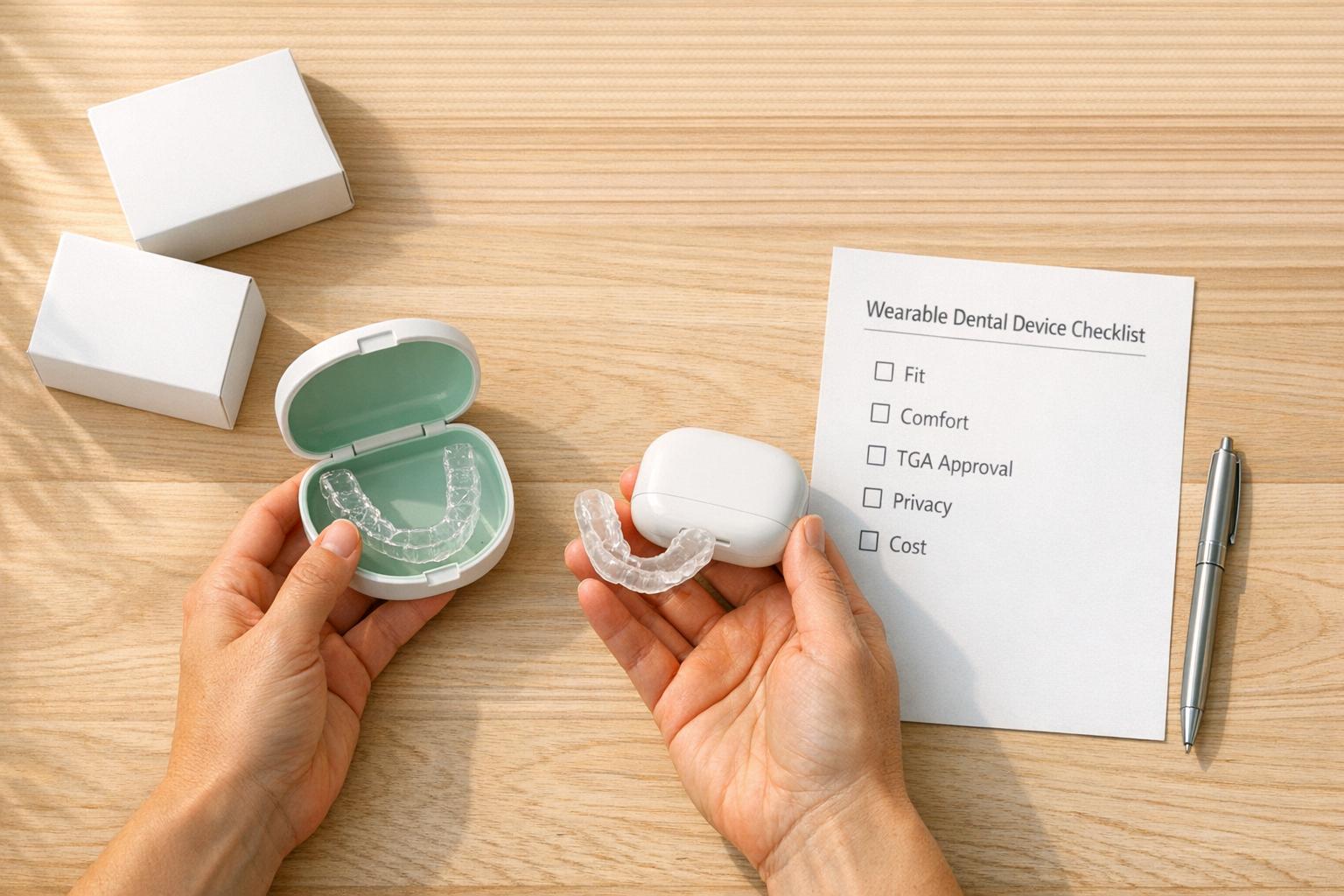
Checklist for Choosing Wearable Dental Devices
Checklist for Choosing Cloud AI Platforms in Dentistry
Complete Smiles Bella VistaAccepts All Major Health Funds, Including