





Clinical Criteria for Guided Tissue Regeneration
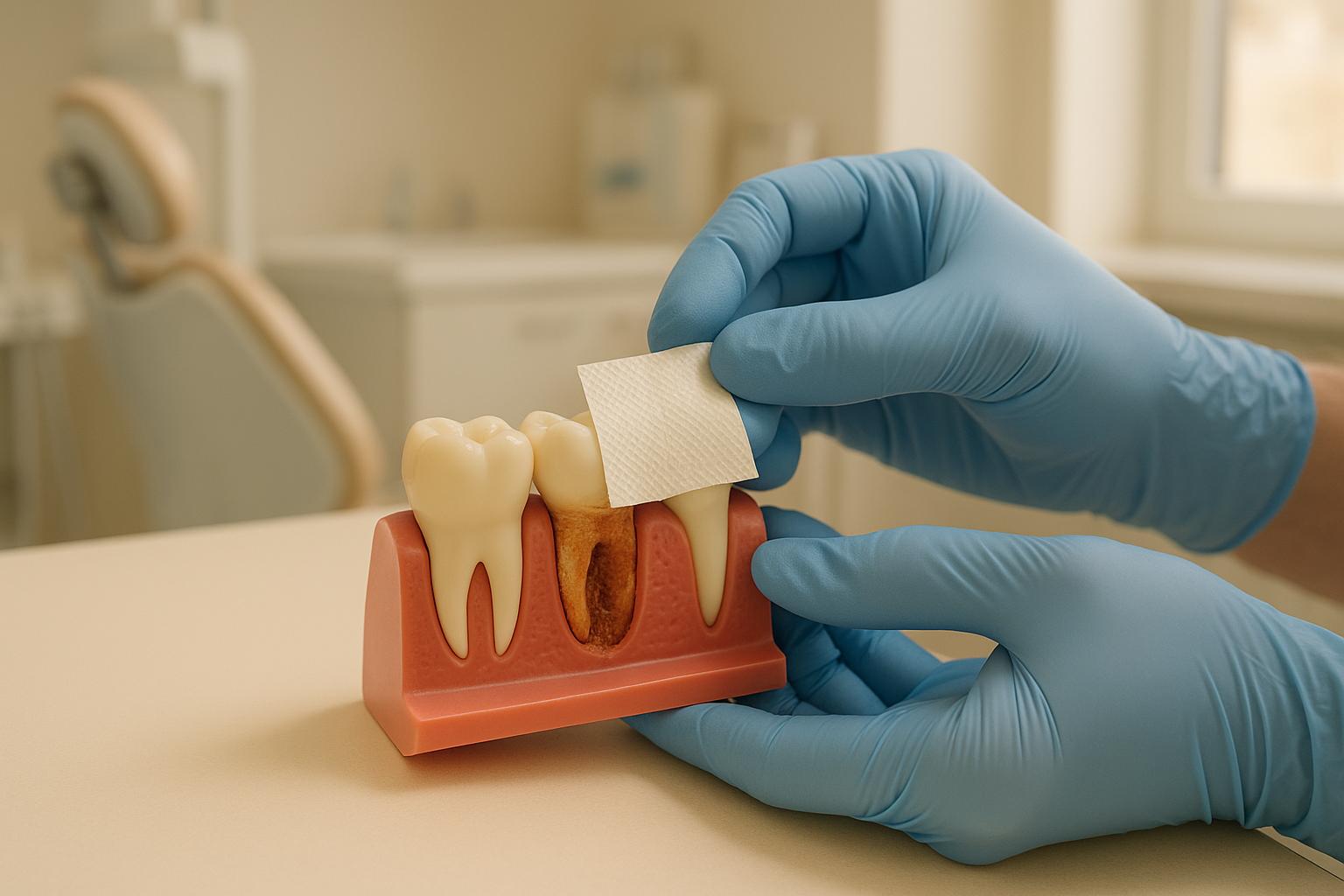
Guided Tissue Regeneration (GTR) is a specialised dental procedure designed to restore lost periodontal tissues like bone and ligaments. This technique uses barrier membranes to block gum tissue from interfering with healing, promoting natural regeneration. GTR is particularly effective for treating specific periodontal defects, such as intrabony defects and furcation issues in molars, and can even help save teeth at risk of extraction. However, success depends on careful patient selection and strict adherence to post-treatment care.
Key Insights:
- Best suited for: Vertical bone defects (three-walled) and Class II furcation involvement.
- Patient requirements: Excellent oral hygiene, non-smokers, controlled systemic conditions like diabetes.
- Limitations: High cost, technical complexity, and risks like membrane exposure.
- Materials used: Resorbable or non-resorbable membranes, often combined with bone grafts (autogenous, xenografts, or synthetic options).
- Not suitable for: Severe tooth mobility, poor oral hygiene, active smoking, or uncontrolled medical conditions.
In Australia, GTR is regulated by AHPRA, with strict ethical and procedural standards. It offers a promising approach to periodontal care when applied to suitable cases with precise execution and patient commitment.
When Guided Tissue Regeneration is Recommended
Periodontal Defects Suitable for GTR
Guided tissue regeneration (GTR) works best in specific types of defects where the placement of the membrane can be optimised. Vertical bone defects with narrow, deep, and sturdy walls, as well as Class II furcation involvement in molars, are particularly well-suited for this procedure. Peri-implant defects also tend to respond positively to GTR. Among intrabony defects, those with three walls show the most reliable outcomes, whereas two- and one-walled defects are less predictable.
Patient Selection Criteria
Once the appropriate defect types are identified, it’s essential to evaluate patient-specific factors that can influence the success of regeneration. A key consideration is the individual’s commitment to oral hygiene. Maintaining excellent plaque control is critical for ensuring the success of regenerative procedures [1].
Smoking significantly impairs tissue regeneration [1]. Nicotine disrupts fibroblast activity, increases collagenase levels, reduces blood flow, and slows healing [2]. For this reason, patients must stop smoking both before and after undergoing GTR.
Diabetes can also complicate periodontal therapy due to issues like reduced oxygen supply to tissues, oxidative stress, advanced glycation end-products, and elevated levels of matrix metalloproteinases [1][2]. While Enamel Matrix Derivative (EMD) may offer some benefits, achieving optimal glycaemic control is crucial when selecting candidates for this treatment.
Although age can influence wound healing [2], overall health and the body’s natural healing ability are far more important than a person’s chronological age.
Socioeconomic and behavioural factors also play a role, as they can impact a patient’s ability to adhere to post-operative care instructions [1].
The ideal candidate for GTR is someone who maintains excellent oral hygiene, avoids smoking, effectively manages systemic health conditions, and is dedicated to long-term care and follow-up.
When GTR is Not Suitable
Cases Where GTR is Not Recommended
There are specific situations where Guided Tissue Regeneration (GTR) may not be the best choice for treatment. For instance, when severe tooth mobility (Grade 3 with multi-directional movement) is present, stability becomes a significant challenge, making GTR unsuitable.
Poor oral hygiene is another key factor. If a patient struggles to maintain proper oral care, the risk of bacterial contamination during the healing process increases, reducing the chances of success with GTR.
Active smoking is also a major concern. Smoking affects blood flow and weakens immune function, both of which are critical for healing, making it a contraindication for GTR. Similarly, medical conditions that hinder healing – such as undergoing chemotherapy or radiation, or having uncontrolled diabetes – can disqualify a patient from this procedure. Additionally, teeth with a hopeless prognosis due to severe decay, fractures, or extensive damage are generally not viable candidates for GTR.
In such cases, exploring alternative treatments may provide a more reliable long-term outcome, especially for teeth that are structurally compromised. A detailed evaluation of the individual case is essential to determine the most appropriate approach.
Limitations of Guided Tissue Regeneration
GTR is not without its limitations, and these go beyond patient or tooth-specific factors. Cost is a significant barrier, as the specialised materials required for GTR can be expensive. In Australia, these procedures are often not included in standard dental insurance plans, adding to the financial burden.
The complexity of the surgical procedure is another consideration. GTR requires precise placement of membranes and secure closure, which can be challenging. The success of the treatment often depends on the clinician’s skill and the specific defect being addressed – three-walled defects tend to yield the best results. Additionally, the process involves multiple appointments and a lengthy healing period, which can be inconvenient for patients.
There are also risks associated with GTR, such as membrane exposure, particularly in patients with thin tissue biotypes. Even with meticulous surgical techniques and excellent post-operative care, complete regeneration is not always guaranteed.
Considering these factors, it may be more practical in some instances to opt for alternative treatments that offer a better long-term prognosis. Teeth with significant structural damage, for example, might benefit from other approaches. Ultimately, the choice of treatment should be based on a thorough assessment of the patient’s specific needs and circumstances.
Clinical Requirements for GTR Success
Clinical Documentation Requirements
Thorough documentation is a cornerstone for achieving success with Guided Tissue Regeneration (GTR). Start with periapical and bitewing radiographs, enhanced by digital imaging, to accurately evaluate bone loss, defect shapes, and dimensions – key details for effective treatment planning.
Another essential step is periodontal charting. Candidates for GTR often present with pocket depths of 5mm or more, but precision in these measurements is key. Additional indicators like bleeding on probing, suppuration, and mobility grades should also be recorded to provide a comprehensive clinical overview and help forecast treatment outcomes.
Pre-treatment photographs are invaluable. Capturing the clinical condition from various angles creates a baseline for comparison and allows progress tracking throughout the healing process. It’s equally important to document specifics like the GTR technique used, the type of membrane applied, and the bone graft materials selected.
Patient medical history plays a critical role in GTR cases. Medications such as bisphosphonates or anticoagulants, which could influence healing, must be noted. Additionally, smoking status should be clearly recorded, as it significantly affects the success rate of the procedure.
For follow-up, maintain detailed records that include periodic periodontal measurements, scheduled radiographic evaluations, and photographs documenting tissue healing. This systematic approach not only aids clinical decision-making but also ensures compliance with professional standards in Australian dental practices.
Once comprehensive documentation is in place, the focus shifts to selecting the best membrane and graft material for optimal regeneration.
Membrane Selection and Biologic Materials
After establishing detailed records, the next step is selecting materials that will maximise the regenerative process. A key decision lies in choosing between resorbable and non-resorbable membranes. Resorbable membranes, often made from collagen or synthetic polymers, eliminate the need for a second surgery but may not maintain space as effectively as non-resorbable options like ePTFE membranes, which require later removal.
Collagen membranes are widely used in Australia due to their compatibility with surrounding tissues and ease of application. They support natural healing well, though their resorption rates can vary, making it tricky to predict healing timelines.
Synthetic resorbable membranes offer more predictable degradation. Materials like polylactic acid and polyglycolic acid blends break down over 4-6 months, aligning with typical bone regeneration periods. These membranes maintain their structure during critical healing phases, gradually integrating with the tissue.
Bone grafting materials are often paired with membranes in GTR. While autogenous bone remains the gold standard for its ability to promote bone growth directly, the need for additional surgical sites has led many clinicians to explore alternatives.
Xenografts and allografts serve as effective osteoconductive scaffolds without requiring extra surgical intervention. Options like bovine-derived minerals and freeze-dried bone allografts encourage new bone growth and remodelling over time.
Synthetic bone substitutes, such as calcium phosphate ceramics and bioactive glasses, provide a consistent composition and eliminate the risk of disease transmission. These materials integrate predictably with natural bone, offering stable long-term outcomes for regenerated tissues.
Material selection should align with the defect’s characteristics and patient-specific factors. For instance, three-walled defects often respond well to simpler membrane systems, while more complex defects may require a combination of materials. Factors like the patient’s healing ability, oral hygiene practices, and commitment to follow-up care also play a critical role in determining the best approach.
sbb-itb-2be92ed
Guided Tissue Regeneration in Australian Practice
Regulatory and Ethical Considerations
In Australia, the Dental Board of Australia, operating under the Australian Health Practitioner Regulation Agency (AHPRA), oversees the regulation of guided tissue regeneration (GTR) procedures. This ensures that dental practitioners are appropriately trained and qualified, with patient safety remaining the top priority [3].
Practitioners performing GTR must adhere to core ethical principles, including patient autonomy, nonmaleficence, beneficence, justice, and veracity. A key aspect of this is obtaining informed consent. This involves providing patients with a clear understanding of the procedure, including available alternatives, potential risks, benefits, costs, and the expected prognosis [4][5].
When GTR involves the use of tissue-derived materials – such as allografts, xenografts, or human cells – practitioners must comply with the "Ethical guidelines for cell, tissue and organ donation and transplantation in Australia" issued by the National Health and Medical Research Council (NHMRC) [6]. Additionally, clinicians are expected to critically evaluate the necessity of the procedure and its likelihood of success, ensuring they act in the best interest of the patient while avoiding harm.
To stay current with advancements in techniques, materials, and evidence-based practices, dental practitioners are required to undertake continuing professional development (CPD) [3]. Given the surgical nature of GTR and the extended healing periods involved, maintaining strict infection control protocols is also critical. These regulatory frameworks form the backbone of advanced GTR practices across the country.
Examples of Advanced GTR Services
Many dental practices in Australia now incorporate advanced GTR techniques as part of comprehensive periodontal care, aligning with stringent ethical and regulatory standards. For instance, Complete Smiles Bella Vista integrates GTR into their broader treatment plans, ensuring precise candidate selection and evidence-based care. Under the guidance of Dr. James Hanna, the practice prioritises thorough periodontal assessments to determine whether GTR is clinically appropriate. This approach ensures treatments meet the highest standards of care in Australia.
Incorporating GTR into wider dental treatment plans enables a tailored approach that addresses both immediate periodontal concerns and long-term oral health goals. Educating patients about post-operative care and ongoing maintenance plays a crucial role in promoting healing and ensuring the durability of regenerated tissues.
This coordinated approach to GTR services reflects a strong commitment to patient-focused, evidence-based care, fully aligned with Australia’s regulatory and ethical guidelines.
Guided Tissue Regeneration: Intrabony Defects
Conclusion
GTR, or Guided Tissue Regeneration, is a specialised periodontal treatment that requires careful consideration of both the patient and the defect for successful outcomes. Its effectiveness relies on meticulous execution and strict adherence to established clinical protocols, ensuring meaningful tissue regeneration.
Research indicates that GTR works best for clearly defined periodontal defects. However, factors like poor oral hygiene, active periodontal disease, smoking, and certain systemic health conditions can negatively impact results. Achieving success with this procedure depends on selecting the right cases, thorough planning, and ensuring patients are committed to post-operative care.
Key Takeaways
The success of GTR revolves around three main pillars: defect suitability, patient health, and surgical precision. Choosing the right type of biocompatible membrane – whether resorbable or non-resorbable – plays a critical role, with the decision tailored to the specific clinical scenario. Additionally, surgical techniques must be adapted to the defect’s unique characteristics.
In Australia, adhering to AHPRA guidelines is essential. This includes ensuring proper patient consent, following ethical standards for tissue-derived materials, and participating in ongoing professional education to stay informed about advancements in GTR techniques and materials.
When carefully applied to suitable cases, GTR offers a promising solution for regenerating lost periodontal tissues, helping patients achieve and maintain better long-term oral health.
FAQs
What factors determine if Guided Tissue Regeneration is suitable for a patient?
Guided Tissue Regeneration (GTR) is often suggested for individuals dealing with advanced periodontal disease. Common signs that GTR might be needed include deep periodontal pockets, bone loss evident on X-rays, teeth loosened due to reduced bone support, or gum recession that exposes the roots of teeth.
This technique is also considered when preparing for dental implants, particularly in areas where bone support is insufficient. GTR is especially helpful for managing severe tissue and bone loss, aiming to enhance periodontal health and ensure better long-term stability for teeth and implants.
What impact do different membranes have on the success of Guided Tissue Regeneration (GTR)?
The type of membrane used in Guided Tissue Regeneration (GTR) is a critical factor in determining how successful the procedure will be.
Non-absorbable membranes, such as expanded polytetrafluoroethylene (ePTFE), are known for their durability and ability to maintain space for new tissue growth. However, they come with a downside – they need to be surgically removed, which can lead to added discomfort and a higher chance of complications. On the other hand, absorbable membranes, typically made from collagen, naturally break down within the body. This eliminates the need for a second procedure to remove them and lowers the associated risks. The trade-off? They can degrade more quickly and may not provide the same level of structural support, which could influence the final outcome.
Choosing the right membrane comes down to the specific needs of your case. Factors like how stable the healing process is, the risk of infection, and the overall likelihood of regenerative success all play a part. Your dentist will carefully evaluate these aspects to recommend the best option for your treatment.
What are the risks and challenges of Guided Tissue Regeneration, and how can they be managed?
The main risks associated with Guided Tissue Regeneration (GTR) include infection, bleeding, swelling, and issues with soft tissues, all of which can interfere with healing and the overall outcome of the procedure. Other challenges may involve the cost of treatment, possible resorption of biomaterials, and incomplete tissue regeneration, especially in cases where infection control or patient selection is not handled properly.
To manage these risks effectively, it’s crucial to focus on careful case selection, thorough removal of infected tissue, and precise surgical techniques. Using high-quality biomaterials and adhering to detailed postoperative care can also play a key role in reducing complications and promoting successful tissue regeneration.
Related Blog Posts
- Clinical Outcomes of Guided Tissue Regeneration
- Stem Cells in Periodontal Regeneration: Current Trials
- Resorbable vs Nonresorbable Membranes
- Soft Tissue Grafting: Pre-Surgery Evaluation Explained
Important Notice: Any surgical or invasive procedure carries risks. Before proceeding, you should seek a second opinion from an appropriately qualified health practitioner.
Individual results may vary. The information provided in this article is for educational purposes only and does not constitute medical advice.
Checkout Related Blogs




Get in touch with us
For more information, call us now to start feeling better. Or fill the form below to make appointment
The Latest News from Complete Smiles
How to Clean Clear Plastic Retainers
Checklist for Choosing Wearable Dental Devices
Checklist for Choosing Cloud AI Platforms in Dentistry
Complete Smiles Bella VistaAccepts All Major Health Funds, Including





