





Advances in Orthodontic Pain Management Techniques
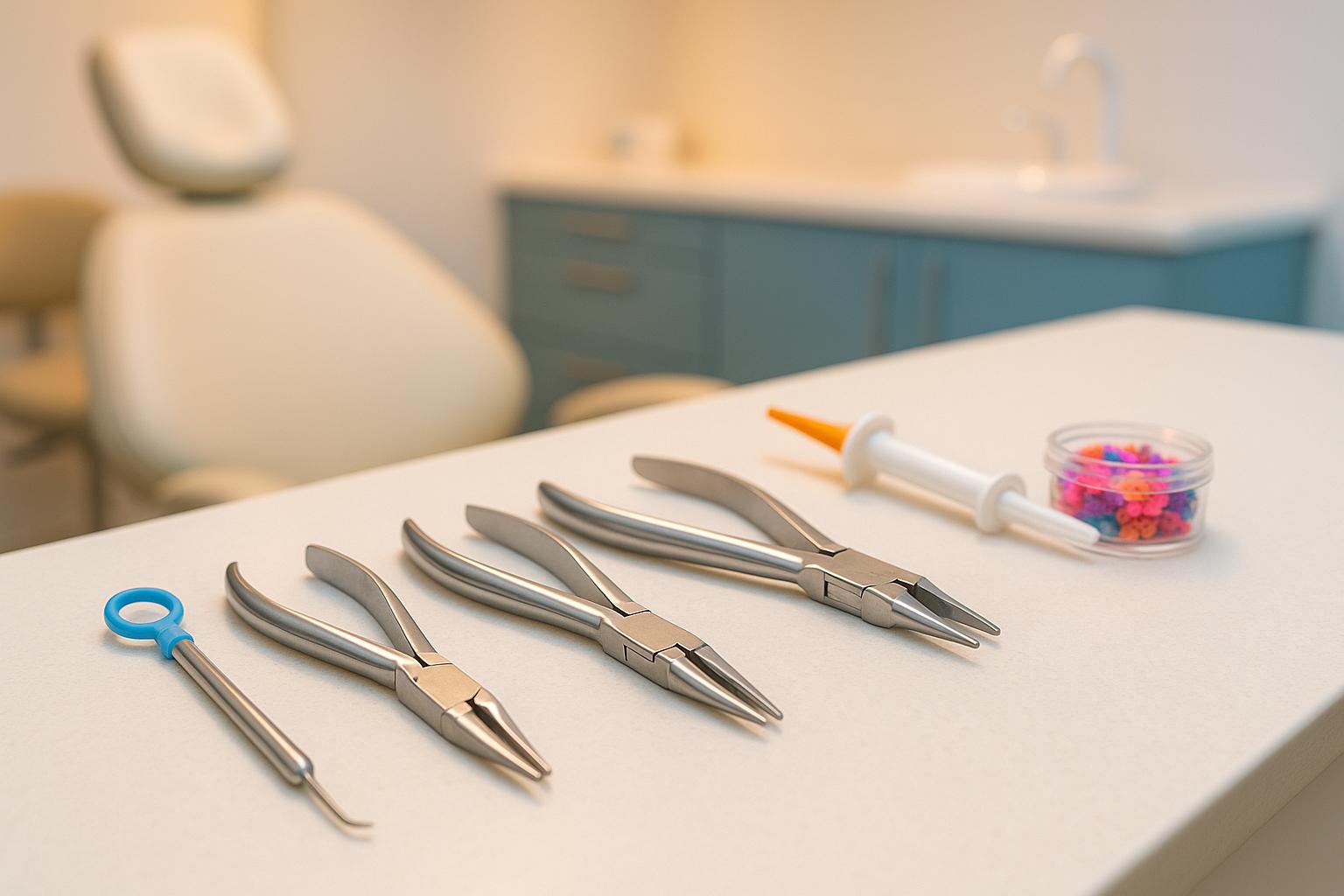
Orthodontic pain is a common issue during treatments like braces or aligners, often peaking within 24–48 hours after adjustments. This discomfort can affect daily activities and even disrupt treatment. Recent developments offer new ways to reduce pain and improve patient comfort.
Key advancements include:
- Self-ligating brackets: These reduce friction and make adjustments smoother, especially when paired with heat-activated archwires.
- Temporary Anchorage Devices (TADs): Titanium screws precisely guide teeth movement, reducing unnecessary strain.
- Accelerated orthodontics: Methods like micro-osteoperforations and vibration devices speed up treatment while easing discomfort.
- 3D-printed appliances: Custom-fitted devices minimise irritation and improve fit.
- Low-Level Laser Therapy (LLLT): Light therapy helps reduce inflammation and pain, particularly after procedures like separator placement.
- Biological approaches: Stem cell therapy, growth factors, and platelet-rich fibrin (PRF) promote healing and reduce inflammation.
- Oral microbiome strategies: Probiotics balance bacteria, lowering inflammation and discomfort.
- Digital tools: Apps for pain tracking and virtual reality distractions provide tailored support during treatment.
Australian clinics are integrating these methods to offer more comfortable and efficient care, blending mechanical, digital, and biological approaches. While some techniques are costlier, they often deliver better outcomes, especially for complex cases. Future trends point to even more personalised and precise pain management solutions.
[BRACES EXPLAINED] Pain Management
New Orthodontic Pain Management Techniques
Orthodontic care has come a long way, with modern advancements making treatments more comfortable and less painful for patients. These new methods build on traditional approaches, offering improved ways to manage discomfort during orthodontic treatment.
Self-Ligating Brackets and Heat-Activated Archwires
Self-ligating brackets are a game-changer. Unlike traditional braces that require elastic or metal ties, these brackets use a built-in mechanism to hold the archwire in place. This reduces friction and makes adjustments smoother. When paired with heat-activated archwires – designed to become more flexible at body temperature – they apply gentler, steadier pressure on the teeth. Clinical studies show that these innovations significantly lower pain levels, especially during initial adjustments and wire changes[3].
Temporary Anchorage Devices (TADs)
Temporary anchorage devices (TADs) are small titanium screws inserted into the jawbone to provide a stable anchor point for moving teeth. This precise method ensures that pressure is directed only where it’s needed, preventing unnecessary strain on surrounding tissues. The result? Less tissue trauma, reduced discomfort, and more accurate tooth movement[3].
Accelerated Orthodontics
Accelerated orthodontics is designed to speed up treatment while keeping discomfort to a minimum. Techniques like micro-osteoperforations – tiny, controlled perforations in the bone – help teeth move faster by boosting bone remodelling. Similarly, vibration devices gently stimulate the teeth, further accelerating movement. These methods not only shorten treatment time but also reduce the duration of discomfort[3].
3D Printing and Custom Appliances
Thanks to 3D printing, orthodontists can now create appliances tailored to each patient’s unique dental structure. Custom-fitted devices help reduce uneven pressure and minimise irritation to soft tissues. Digital treatment planning also ensures precise tooth movement, cutting down on emergency adjustments. Australian clinics report that these advancements have significantly improved patient comfort[3].
AI-Driven Treatment Planning
Artificial intelligence is revolutionising orthodontic treatment planning. By analysing large sets of patient data, AI systems can predict tooth movement with impressive accuracy. This allows orthodontists to fine-tune treatment plans, avoiding steps that might cause unnecessary discomfort. The result is a smoother, more comfortable experience for patients, with better overall outcomes[3].
Biological and Regenerative Pain Management
Biological and regenerative techniques offer a more targeted approach to orthodontic pain relief by addressing the root causes rather than just masking the symptoms. These methods, which leverage the body’s natural healing processes, work alongside technological advancements to improve patient comfort.
Stem Cell Therapy and Growth Factors
Stem cell therapy is emerging as a promising approach in managing orthodontic pain. Mesenchymal stem cells (MSCs) are particularly noteworthy for their ability to regulate inflammation and speed up tissue repair. They achieve this by releasing anti-inflammatory cytokines and growth factors, which help reduce discomfort during treatment[3].
In addition, growth factors like platelet-derived growth factor (PDGF) and transforming growth factor-beta (TGF-β) are being used to stimulate cell growth and promote tissue healing. Clinical evidence suggests that applying these growth factors locally can significantly reduce inflammation and quicken recovery times[3].
This precise delivery method not only avoids the side effects often associated with systemic treatments but also enhances the overall comfort of orthodontic patients throughout their treatment journey.
Regenerative Scaffolds and Platelet-Rich Fibrin
Regenerative scaffolds play a key role in supporting tissue repair. These biocompatible materials provide a framework that encourages cell attachment and growth, helping to reduce inflammation and discomfort during orthodontic procedures.
A standout innovation in this area is platelet-rich fibrin (PRF). Derived from the patient’s own blood, PRF gradually releases growth factors that aid in soft tissue healing and minimise post-procedure pain[3]. Clinical trials have shown that PRF can significantly reduce pain and swelling following tooth movement or extraction when compared to traditional methods[3][4].
One of the major advantages of PRF is its use of the patient’s biological materials, which eliminates concerns about compatibility or adverse reactions. However, for Australian orthodontic practices, incorporating PRF requires investment in specialised equipment for blood processing and sufficient staff training. Despite these initial costs, the benefits – such as improved patient satisfaction and reduced reliance on medications – often make this approach worthwhile.
Microbiome-Based Pain Prevention
Another area gaining attention in orthodontic pain management is the role of the oral microbiome. This complex ecosystem of bacteria influences inflammation and pain perception during orthodontic treatments. Research suggests that maintaining a balanced oral microbiome can improve patient comfort and reduce inflammation.
Probiotic interventions are being explored as a way to manage oral inflammation by promoting a healthy balance of bacteria. These beneficial microbes help control pathogenic bacteria, reducing inflammation and, in turn, orthodontic discomfort[3].
Preliminary studies indicate that a healthy oral microbiome can lower the risk of gingival inflammation and related pain during treatment. Patients with balanced oral flora often report less irritation when braces or other appliances are fitted and experience reduced discomfort during adjustments.
While larger clinical trials are needed to fully confirm these findings, this approach offers a proactive way to minimise pain. For Australian orthodontic practices, implementing microbiome-focused strategies could be as simple as recommending probiotics or specialised oral care products. Educating patients about the connection between oral health and treatment comfort will be key to successfully adopting these methods.
Patient-Focused and Digital Pain Management
Modern orthodontics is shifting its focus toward pain management approaches that go beyond traditional clinical methods. By blending digital tools with collaborative care, many orthodontic practices across Australia are enhancing the treatment experience for patients undergoing long-term care.
Digital Platforms for Education and Self-Management
Digital platforms are transforming how patients manage and understand orthodontic pain. Apps like MyBraces and Dental Pain Tracker are gaining traction in Australia, offering tools such as pain monitoring, medication reminders, and patient-specific educational resources. Features like interactive pain diaries and direct communication with clinicians enable a more tailored approach to care. These tools not only keep patients engaged but also allow orthodontists to make informed adjustments to treatment plans. Research shows these technologies can reduce pain levels and boost patient satisfaction [2][3]. This digital interaction also complements other pain management methods, such as distraction techniques used in clinical environments.
Virtual Reality for Procedure Distraction
Virtual reality (VR) is proving to be a valuable tool for easing procedural pain and anxiety. By immersing patients in calming digital environments, VR helps shift their focus away from discomfort during treatments. Some Australian clinics have introduced VR during appointments like debonding and adjustments, reporting lower Visual Analogue Scale scores and better patient cooperation [1][3]. To implement VR effectively, clinics need to select appropriate content, ensure proper hygiene for the equipment, and train staff to integrate these sessions seamlessly into high-stress procedures.
Team-Based Pain Care
Taking a multidisciplinary approach has brought new possibilities to orthodontic pain management. Orthodontists focus on the mechanical and pharmacological aspects of care, while psychologists address anxiety and teach coping strategies. Pain specialists offer additional support for more complex cases. Australian clinics adopting this team-based model report improved pain control, stronger treatment adherence, and higher patient satisfaction [1][3]. By combining tools like digital pain trackers, VR distractions, and psychologist consultations, clinics can create highly personalised care plans. Ongoing communication among team members ensures that strategies evolve alongside the patient’s needs, leading to better long-term outcomes. These advancements highlight the growing potential for comparing and refining pain management techniques in orthodontic care across Australia.
sbb-itb-2be92ed
Comparison of Pain Management Techniques
When it comes to pain management in orthodontics, comparing various techniques helps in making well-informed treatment choices. Each method has its own set of advantages, limitations, and cost considerations, especially within Australian practices.
Pain Management Techniques Comparison Table
Below is a table summarising key pain management techniques, highlighting their methods, benefits, drawbacks, costs, and suitability for complex cases.
| Technique | Pain Reduction Method | Benefits | Limitations | Typical Cost (AUD) | Suitability for Complex Cases |
|---|---|---|---|---|---|
| Self-ligating brackets/heat-activated archwires | Low friction, gentle force application | Reduces discomfort during treatment, fewer adjustment visits | Higher upfront cost, not ideal for all cases | $6,000–$9,000 | Good – effective for challenging movements |
| Temporary Anchorage Devices (TADs) | Precise anchorage without patient compliance | Avoids headgear, produces predictable results | Requires minor surgery, slight infection risk | $500–$1,000 per device | Excellent – ideal for complex movements |
| Accelerated orthodontics | Micro-osteoperforations or vibration therapy | Shortens treatment time, lowers overall discomfort | Limited long-term studies, involves extra procedures | $1,000–$2,500 extra | Good – especially for adult patients |
| Elastomeric wafers/finger pressure | Physical pressure activating pain-blocking receptors | Effective for debonding, low additional cost | Limited to specific situations, not for ongoing use | Usually included in standard fees | Limited – mainly for debonding phase |
| Low-Level Laser Therapy (LLLT) | Light therapy reducing inflammation | Non-invasive, works within 6–48 hours post-procedure | Mixed research findings, requires multiple sessions | $50–$150 per session | Adjunct only – supports other methods |
| 3D-printed custom appliances | Personalised fit reducing irritation points | Enhances comfort, offers better aesthetics | Expensive, not suitable for all cases | $6,500–$9,500 | Good – excellent fit minimises discomfort |
This table illustrates that combining techniques can often yield the best results, particularly for more complex cases.
Balancing Cost and Effectiveness
In Australia, cost can significantly influence the accessibility of these techniques. Basic mechanical methods, like elastomeric wafers, are cost-effective and practical for specific tasks, while advanced options such as accelerated orthodontics or 3D-printed appliances demand a larger financial commitment. These choices often depend on the patient’s needs and the complexity of the treatment.
For complex cases, blending multiple approaches tends to work best. For instance, TADs are particularly effective for precise tooth movements, while self-ligating brackets ensure consistent comfort over longer treatments. A Sydney clinic demonstrated this by integrating self-ligating brackets, TADs, accelerated orthodontics, and LLLT to reduce discomfort. This approach allowed them to complete treatment in just 14 months, compared to the typical 18–24 months for similar cases[3][4].
Evidence and Patient-Centred Approaches
Interestingly, studies show minimal differences in pain perception between male and female patients across various techniques[1]. This highlights that treatment choices should focus more on the complexity of the case and the patient’s preferences rather than demographic factors.
The evidence supporting these techniques varies. Mechanical methods, such as elastomeric wafers, are well-documented, while newer approaches like LLLT show potential but need more research. For example, LLLT using 6 J of energy has been shown to significantly reduce pain within 6–48 hours after separator placement, especially during chewing[4]. However, due to mixed findings, it’s best used as a supplementary treatment rather than a standalone solution.
The Growing Trend of Combination Approaches
Australian clinics are increasingly adopting combination strategies to balance effectiveness, cost, and patient comfort. For example, practices like Complete Smiles Bella Vista often use self-ligating brackets for ongoing comfort, TADs for complex movements, and mechanical methods for specific procedures. This personalised approach ensures treatments are efficient, cost-conscious, and tailored to individual patient needs.
Clinical Use and Future Trends
Current Use in Australian Practices
Australian orthodontic practices are increasingly adopting advanced pain management techniques to improve patient experiences. Tools like self-ligating brackets, heat-activated archwires, and temporary anchorage devices (TADs) are now commonly used, with some clinics reporting fewer patient dropouts thanks to enhanced comfort levels[3].
Digital tools have also become a staple, helping streamline patient education, support self-management, and enable remote consultations. Many clinics are now using AI-driven treatment planning to create personalised care plans and address potential pain points proactively.
Despite these advancements, traditional methods remain vital. For instance, research continues to highlight the effectiveness of simple solutions like elastomeric wafers in minimising discomfort during debonding procedures[1].
Low-level laser therapy (LLLT) is gaining traction as an additional treatment option, particularly for easing pain after separator placement[4]. While results vary, many clinics combine LLLT with other pain management strategies to maximise its benefits.
Take Complete Smiles Bella Vista as an example. This clinic incorporates advanced digital treatment planning and tailored applications to prioritise patient comfort. Similarly, 3D-printed custom appliances are becoming a go-to option for complex cases, offering a better fit and reducing irritation.
Orthodontic care is also evolving to address both the physical and emotional aspects of pain. Multidisciplinary teams now work together to manage the mechanical causes of discomfort while supporting patients’ psychological well-being. These efforts reflect a broader trend towards patient-centred, technologically advanced care across Australia.
Future Directions in Pain Management
While current methods have set a solid foundation, the next wave of innovations promises even more precise and personalised pain management. By addressing ongoing challenges, future strategies aim to leverage genetic research, AI, and advanced digital tools to tailor treatment to individual needs.
The future of orthodontic pain management is likely to be shaped by personalised medicine. Treatments could soon use genetic and biological markers to customise pain relief strategies for each patient, moving beyond one-size-fits-all approaches.
Digital technology is also expected to expand its role. Virtual and augmented reality tools are being developed to distract patients during procedures and enhance the precision of orthodontic adjustments. These advancements could not only reduce pain during treatment but also improve overall accuracy.
Biological approaches are another exciting area of development. Researchers are exploring the potential of stem cell therapy and tissue engineering to alleviate pain and promote tissue repair by addressing the biological causes of discomfort.
The oral microbiome is also coming under the spotlight. Studies are investigating how oral bacteria influence inflammation and pain responses during orthodontic treatment, with the goal of creating targeted strategies to prevent discomfort before it starts.
Artificial intelligence is set to play a transformative role as well. Predictive models could soon analyse patient data – such as individual characteristics, treatment complexity, and historical patterns – to forecast pain levels. These insights would allow clinicians to adjust treatments proactively to minimise discomfort.
Patient education and self-management tools are expected to become even more advanced. Platforms offering real-time guidance based on individual pain profiles and treatment progress will empower patients to take a more active role in managing their comfort.
Regulatory bodies like the Australian Dental Association (ADA) and the Australian Health Practitioner Regulation Agency (AHPRA) are already updating their guidelines to incorporate these emerging technologies while ensuring safety. As new techniques gain more evidence-based support, clinics will be expected to demonstrate their effectiveness through measurable patient-reported outcomes and robust clinical data.
While cost will remain a consideration, the focus on improving patient experience and treatment efficiency is likely to drive wider adoption of advanced techniques. As these innovations become more accessible, the gap between cutting-edge methods and standard care is expected to close, offering better outcomes for orthodontic patients across Australia.
Conclusion
Orthodontic pain management has come a long way, making treatment far more comfortable for patients than ever before. Advances in mechanics, like self-ligating brackets, temporary anchorage devices (TADs), and custom appliances, have improved the treatment experience while ensuring procedures remain effective. These mechanical breakthroughs have laid the groundwork for digital and biological methods to further improve patient comfort.
Simple, cost-effective techniques continue to hold their own alongside high-tech solutions. Clinical studies show that straightforward approaches can deliver excellent results, even during procedures like debonding[1].
Digital tools are also reshaping the field. AI-powered treatment planning, virtual reality for distraction, and team-based care models now address both the physical and psychological challenges of orthodontic discomfort[5]. Low-level laser therapy (LLLT) is another promising option, with studies showing it can significantly reduce pain after separator placement, especially within 6 to 48 hours post-procedure[4].
On the biological front, innovations like stem cell therapy, regenerative scaffolds, and microbiome-based strategies are targeting the root causes of inflammation and discomfort. These approaches aim to go beyond mere symptom relief, offering a more comprehensive solution to pain management[5].
In Australia, orthodontic practices are adopting these cutting-edge techniques while staying grounded in evidence-based care. Regulatory bodies like AHPRA are keeping pace by updating guidelines, helping close the gap between research and everyday clinical practice.
Together, these advancements are transforming orthodontic pain management. By shifting the focus from reactive pain relief to proactive prevention, they not only enhance patient comfort but also improve treatment adherence and outcomes. This evolving, patient-centred approach combines mechanical, digital, and biological strategies, setting the stage for even greater progress in orthodontic care.
FAQs
How do self-ligating braces and heat-activated archwires help reduce discomfort during orthodontic treatment?
Self-ligating braces and heat-activated archwires offer a more comfortable experience for those undergoing orthodontic treatment. Unlike traditional braces that rely on elastic bands to secure the wire, self-ligating braces use a specialised clip. This design reduces friction and pressure on the teeth, which can make adjustments less uncomfortable.
Heat-activated archwires, crafted from advanced materials like nickel-titanium, respond to the warmth of your body. As they warm up, they become more flexible, allowing them to apply steady, gentle pressure to gradually shift teeth into place. Compared to the stiffer wires used in traditional braces, these wires are designed to minimise discomfort. Together, these advancements help make orthodontic care a smoother process for many patients.
How do biological techniques like stem cell therapy and platelet-rich fibrin help manage pain during orthodontic treatments?
Biological methods like stem cell therapy and platelet-rich fibrin (PRF) are gaining attention in orthodontic pain management. These approaches utilise the body’s natural healing mechanisms to speed up recovery and ease discomfort.
Stem cell therapy involves using specialised cells that can help repair damaged tissues, potentially reducing inflammation and pain. On the other hand, PRF, derived from a patient’s own blood, is rich in growth factors that support tissue healing and minimise swelling. This makes it an appealing option for enhancing comfort during extended orthodontic treatments.
Although these techniques hold promise, they remain in the research phase and are not yet part of routine orthodontic care. If you’re planning orthodontic treatment, it’s best to discuss pain management options with your dentist or orthodontist to find what works best for you.
How are modern technologies like digital tools and virtual reality helping to reduce discomfort during orthodontic treatments?
Recent developments in orthodontics are changing the way treatments are delivered, with digital tools and virtual reality (VR) leading the charge to improve patient comfort and reduce discomfort.
Digital tools like 3D imaging and advanced treatment planning software are making a big difference. They allow orthodontists to carry out procedures with greater precision, which means fewer adjustments are needed. This not only speeds up the process but also helps minimise the discomfort that often comes with traditional methods.
On the other hand, virtual reality is being explored as a way to make the treatment experience less stressful. By immersing patients in soothing VR environments during procedures, it offers a distraction from any discomfort and helps create a calmer, more relaxed atmosphere.
These advancements underline the ongoing efforts to make orthodontic care more comfortable and patient-focused.
Related Blog Posts
- Neurostimulation: Future of Dental Pain Relief
- What Are Electronic Dental Anesthesia Systems?
- Studies on Pain Management in Dental Extractions
- Orthodontic Force Measurement: Why Accuracy Matters
Important Notice: Any surgical or invasive procedure carries risks. Before proceeding, you should seek a second opinion from an appropriately qualified health practitioner.
Individual results may vary. The information provided in this article is for educational purposes only and does not constitute medical advice.
Checkout Related Blogs




Get in touch with us
For more information, call us now to start feeling better. Or fill the form below to make appointment
The Latest News from Complete Smiles
How to Clean Clear Plastic Retainers
Checklist for Choosing Wearable Dental Devices
Checklist for Choosing Cloud AI Platforms in Dentistry

Complete Smiles Bella VistaAccepts All Major Health Funds, Including





