





Mesenchymal Stem Cells in Periodontal Regeneration
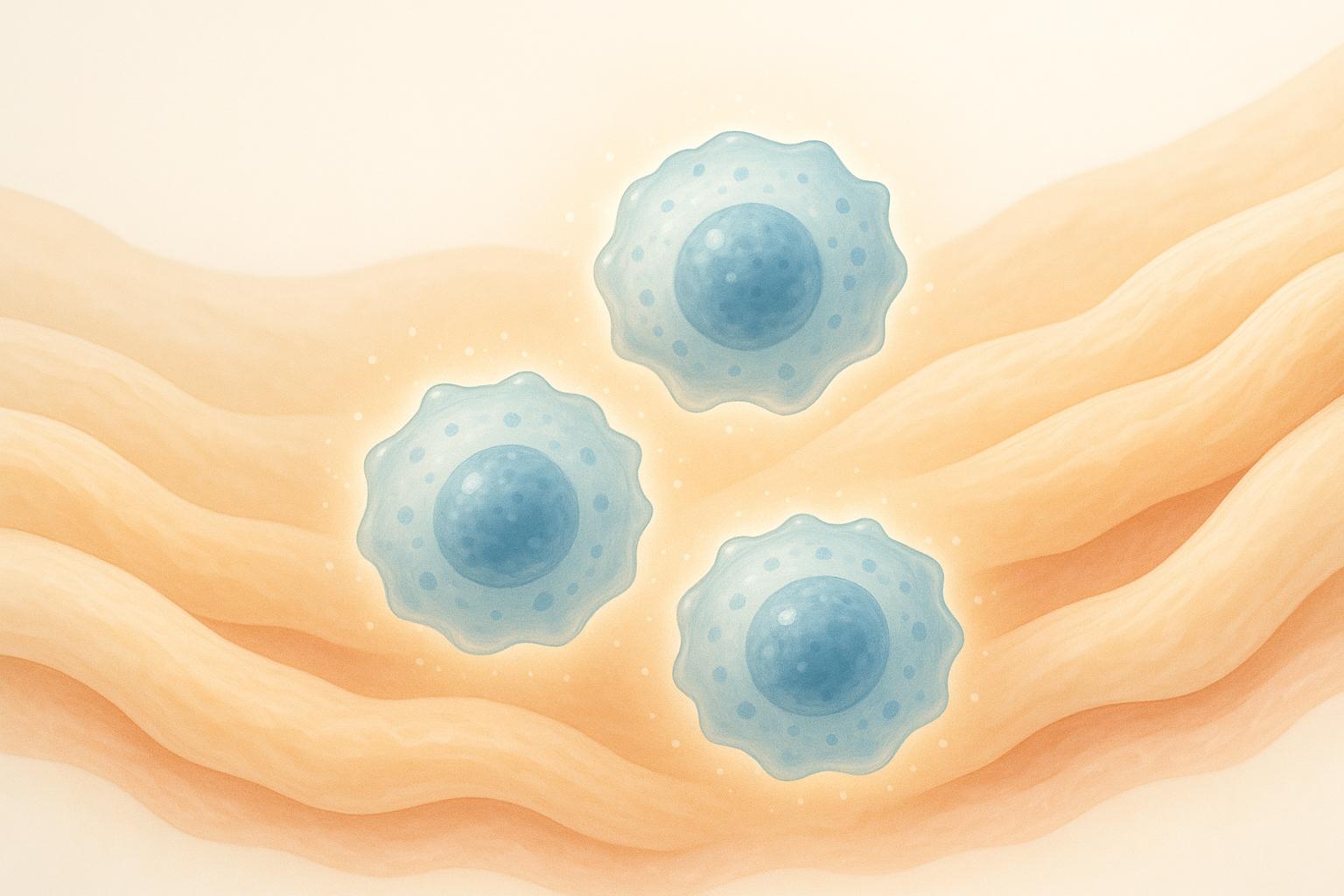
Mesenchymal stem cells (MSCs) are emerging as a promising option for regenerating periodontal tissues damaged by disease. Unlike conventional treatments that only stop disease progression, MSCs aim to rebuild lost structures, including gums, ligaments, and bone. Here’s what you need to know:
- MSCs: Can transform into key cell types (osteoblasts, cementoblasts, fibroblasts) and release factors that promote healing and reduce inflammation. Sources include bone marrow, fat tissue, and umbilical cords.
- iPSCs: Offer flexibility in creating patient-specific cells but carry risks like tumour formation and require complex lab processes.
- DPSCs: Easily collected from extracted teeth, these cells are effective for bone and periodontal repair with minimal safety concerns.
- PDLSCs: Ideal for periodontal-specific regeneration but require tissue collection during dental surgeries.
Quick Comparison
| Stem Cell Type | Key Strengths | Challenges |
|---|---|---|
| MSCs | Broad differentiation ability, safe for clinical use, multiple sources | Limited supply from bone marrow, higher costs |
| iPSCs | Customised, patient-specific cells, scalable production | Risk of tumour formation, complex reprogramming |
| DPSCs | Easy access via extracted teeth, strong safety record | Relies on tooth availability, age-related decline in quality |
| PDLSCs | Specialised for periodontal repair, low rejection risk | Limited sources, requires surgical collection |
MSCs have the most research backing and are versatile, while iPSCs and DPSCs show potential for future applications. PDLSCs are highly specific but less studied. Each option has unique benefits and challenges, making patient-specific factors critical in choosing the best approach.
The Scope of Stem Cells in Periodontal Regeneration: A Review
1. Mesenchymal Stem Cells (MSCs)
Mesenchymal stem cells (MSCs) are among the most studied stem cell types in periodontal regeneration. They serve as a reference point for evaluating newer stem cell approaches. These multipotent cells, sourced from various tissues in the body, hold promise for repairing damaged periodontal structures.
Regenerative Potential
MSCs can differentiate into osteoblasts, chondroblasts, and adipocytes, enabling them to contribute to the repair of bone, cartilage, and soft tissues, including cementum and the periodontal ligament. Beyond differentiation, MSCs release bioactive factors – such as growth factors, cytokines, and extracellular vesicles – that help reduce inflammation, encourage blood vessel formation, and support tissue repair.
Source Availability
One of the standout features of MSCs is their accessibility from multiple sources. Traditionally, bone marrow has been a key source, with bone marrow–derived MSCs (BM-MSCs) showing regenerative effects in clinical studies. However, the invasive nature of bone marrow extraction has led to interest in alternatives like adipose-derived stem cells (ADSCs), which can be obtained through less invasive liposuction procedures and often yield more cells. Other sources include umbilical cord tissue, placental tissue, and peripheral blood. For instance, umbilical cord–derived MSCs are harvested from tissues that are typically discarded, eliminating any additional discomfort or ethical concerns. These diverse sources provide flexibility for clinical applications and expand the potential for MSC use.
Safety Profile
MSCs are considered safe due to their low expression of MHC class II molecules, which reduces the risk of immune reactions in both autologous (self-donated) and allogeneic (donor-derived) applications. Additionally, studies indicate that MSCs maintain genetic stability during laboratory expansion and do not form teratomas, addressing concerns about tumour formation.
Long-Term Outcomes
Initial clinical studies have shown encouraging results, with evidence of new cementum, periodontal ligament, and alveolar bone formation. Observed benefits include improved tooth stability and reduced periodontal pocket depths. While these early findings are promising, more long-term, controlled research is needed to confirm the durability of these outcomes compared to traditional periodontal treatments. This comprehensive understanding of MSCs provides a foundation for evaluating other stem cell types in upcoming sections.
2. Induced Pluripotent Stem Cells (iPSCs)
Induced pluripotent stem cells (iPSCs) are at the forefront of regenerative medicine, presenting exciting possibilities for repairing periodontal tissues. These cells are created by reprogramming adult somatic cells into a state similar to embryonic stem cells. This approach combines the regenerative power of embryonic stem cells with fewer ethical challenges, making iPSCs a valuable tool for researchers.
Regenerative Potential
iPSCs have an impressive ability to differentiate into any cell type, making them highly versatile for tissue engineering. For periodontal repair, they can transform into osteoblasts to aid in alveolar bone formation, cementoblasts for root surface repair, and fibroblasts to rebuild the periodontal ligament. Unlike mesenchymal stem cells (MSCs), iPSCs can support more advanced tissue engineering, enabling the creation of structured tissues rather than just individual cell types. This capability is particularly critical for addressing complex periodontal defects that require the regeneration of multiple tissue types simultaneously.
However, this potential comes with challenges. Managing the differentiation pathways of iPSCs is complex, as it requires precise control to ensure they develop into the desired periodontal cells without straying into unwanted cell types. Missteps in this process could compromise treatment results, highlighting the need for refined techniques to harness their full potential.
Source Availability
One of the standout advantages of iPSCs is the ease of sourcing. They can be generated from common and accessible adult cells, such as skin fibroblasts obtained through a simple biopsy, or even non-invasively collected cells from urine or blood samples. This accessibility removes many of the barriers associated with other stem cell sources. For example, skin biopsies are minimally invasive, cause little discomfort, and can be performed in standard clinical settings.
Moreover, iPSCs can be tailored to the patient, allowing for personalised regenerative treatments that align with the individual’s genetic profile. Once established, iPSC lines can be expanded indefinitely in the lab, creating a renewable and scalable resource for both research and clinical applications.
Safety Profile
While iPSCs offer significant benefits, their safety profile requires careful consideration. Patient-derived iPSCs reduce the risk of immune rejection since they are genetically identical to the recipient. This compatibility could potentially eliminate the need for immunosuppressive drugs, which often come with side effects.
However, there are risks to address. The reprogramming process used to create iPSCs can sometimes lead to genetic abnormalities. Additionally, their pluripotent nature raises the possibility of teratoma formation – benign tumours made up of various tissue types. This risk is especially concerning in clinical settings, as undifferentiated iPSCs could lead to unwanted growths.
Researchers are actively working on safer reprogramming methods and improved differentiation protocols to minimise these risks. Advanced screening techniques are also being developed to identify and remove problematic cells before they are used in treatments.
Long-Term Outcomes
While iPSCs show immense potential, their application in periodontal regeneration is still in its early stages. Most research is limited to preclinical studies and early clinical trials. Laboratory and animal studies have shown promising results, suggesting that iPSC-derived periodontal tissues can integrate well with existing structures and maintain their regenerative capabilities over time.
However, questions remain about the long-term stability of these engineered tissues, especially in the dynamic and complex environment of the oral cavity. Additionally, the regulatory process for iPSC-based therapies is more stringent and time-consuming compared to MSC treatments, potentially delaying their availability for widespread clinical use.
Although iPSCs hold great promise for transforming periodontal care, their routine application in clinics may still be several years away as researchers continue to refine techniques and gather more extensive clinical data.
3. Dental Pulp Stem Cells (DPSCs)
Dental pulp stem cells (DPSCs) are a readily accessible option for periodontal regeneration. Found in the soft tissue at the centre of teeth, these cells are naturally multipotent and can be directly harvested from dental tissue without the need for reprogramming. This straightforward access positions DPSCs as a valuable resource in regenerative treatments.
Regenerative Potential
DPSCs have shown strong capabilities in regenerating periodontal tissues, although their range of differentiation is more focused compared to the broader potential of iPSCs. These cells can transform into key cell types essential for periodontal repair, such as osteoblasts (for bone growth), cementoblasts (for root surface repair), and fibroblasts (for periodontal ligament restoration). Their origin from neural crest cells gives them a natural affinity for forming both hard and soft tissues, making them well-suited for the oral environment.
One of the standout features of DPSCs is their predictable differentiation process. Unlike iPSCs, which carry risks of unpredictable tissue growth, DPSCs follow clear pathways, reducing concerns about unintended outcomes. This focused differentiation makes them particularly effective for addressing localised periodontal defects where specific tissue types need to be regenerated.
Additionally, DPSCs naturally produce growth factors like vascular endothelial growth factor (VEGF) and platelet-derived growth factor (PDGF). These factors play a crucial role in promoting blood vessel formation and accelerating tissue repair in periodontal wounds. This built-in ability to create a healing-friendly environment is a significant advantage in regenerative dentistry.
Source Availability
The accessibility of DPSCs is a major plus. They can be collected from extracted wisdom teeth, teeth removed for orthodontic reasons, or even healthy teeth during routine dental procedures. Wisdom teeth, often discarded after extraction, are an abundant source of these cells.
DPSCs can also be harvested from baby teeth (deciduous teeth), making them available from children as young as six. This early availability opens the door to personalised regenerative treatments, as individuals can bank their own stem cells for future use. When properly cryopreserved, these cells remain viable for years, ensuring they’re ready when needed.
The collection process is straightforward and doesn’t require additional surgical steps beyond the planned tooth extraction. Once the tooth is removed, the pulp tissue can be processed within 48 hours to isolate the stem cells. This makes the entire process manageable within standard dental practices.
Safety Profile
DPSCs come with a strong safety record, especially when used autologously (from the patient’s own teeth). This eliminates the risk of immune rejection, removing the need for immunosuppressive drugs and their potential side effects. Their origin from dental tissue also adds convenience for clinical applications.
Unlike iPSCs, DPSCs don’t carry the risk of teratoma formation. Their multipotent nature limits their differentiation range, ensuring they stay within safe boundaries for tissue development. This built-in safety reduces concerns about uncontrolled cell growth or inappropriate tissue formation.
Research has also shown that DPSCs maintain genetic stability over multiple lab cultures, avoiding the chromosomal abnormalities sometimes seen in other stem cell types. This stability is essential for ensuring reliable and predictable treatment outcomes.
Clinical studies have reported minimal side effects with DPSC use. Most patients experience only temporary inflammation at the treatment site, which is a normal part of the healing process. The cells integrate well with existing periodontal tissues and don’t trigger significant inflammatory responses.
Long-Term Outcomes
Clinical evidence supports the long-term success of DPSCs in periodontal regeneration. Studies tracking patients for over two years have shown that regenerated tissues integrate well with existing structures and maintain their function. Improvements in clinical measures, such as reduced probing depths and better attachment levels, have been sustained over time.
DPSCs don’t just fill defects – they help rebuild the organised architecture of periodontal tissues, including the intricate connections between the tooth root, periodontal ligament, and alveolar bone. This structural integrity is key to their success.
Follow-up research indicates that DPSC-regenerated tissues respond well to regular oral hygiene and professional care, much like natural periodontal tissues. This ensures that these areas can be maintained effectively for long-term oral health.
Ongoing studies are exploring the use of DPSCs in more complex cases involving multiple tissue types. Early findings suggest they could be particularly effective where other regenerative methods have struggled, though more research is needed to confirm these results.
As clinical data accumulates, the regulatory pathway for DPSC therapies is becoming clearer. This progress indicates that DPSC-based treatments could soon become a practical option for patients with severe periodontal disease, offering a promising addition to the field of regenerative dentistry.
sbb-itb-2be92ed
4. Periodontal Ligament Stem Cells (PDLSCs)
Periodontal Ligament Stem Cells (PDLSCs) provide a focused, tissue-specific approach to periodontal regeneration. These cells are harvested directly from the periodontal ligament – the connective tissue that secures teeth to the surrounding bone. Unlike broader multipotent stem cells, PDLSCs are uniquely suited for regenerating periodontal tissue, making them a natural complement to other cell types like MSCs, iPSCs, and DPSCs.
Regenerative Potential
PDLSCs play a pivotal role in periodontal repair. They can differentiate into osteoblasts, cementoblasts, and fibroblasts – cell types essential for rebuilding bone, cementum, and the periodontal ligament. Their ability to support collagen fibre formation is vital for anchoring teeth and maintaining their stability.
Beyond differentiation, PDLSCs release growth factors and signalling molecules that promote organised tissue repair. This means they contribute to functional regeneration rather than simply filling damaged areas with scar tissue.
Source Availability
PDLSCs can be collected during periodontal surgeries, offering a practical option for autologous treatments without requiring tooth extractions. To ensure their viability, the extracted tissue must be processed quickly.
Cryopreservation methods for storing PDLSCs have also been investigated. While these techniques show promise, maintaining the cells’ full regenerative capabilities during storage remains a challenge that researchers are actively addressing.
Safety Profile
Using autologous PDLSCs significantly reduces the risk of immune rejection. Early studies have confirmed that these cells exhibit chromosomal stability, and clinical applications so far have reported minimal adverse effects. Any observed side effects, such as mild local inflammation, are typically part of the normal healing process.
Additionally, the multipotent nature of PDLSCs appears to limit their differentiation to periodontal-specific cell types. This reduces concerns about the formation of unintended tissues, enhancing their safety profile.
Long-Term Outcomes
Preliminary clinical results suggest that PDLSCs can improve periodontal health by enhancing pocket depths and attachment levels. Their ability to form functional, integrated tissues may contribute to better long-term tooth stability. However, more research is needed to refine treatment protocols and fully understand their effectiveness, especially in cases involving extensive tissue damage or multiple defects.
Advantages and Disadvantages
To wrap up the detailed breakdown of each stem cell type, the table below highlights their strengths and challenges. These distinctions play a key role in shaping treatment strategies and research directions.
| Stem Cell Type | Advantages | Disadvantages |
|---|---|---|
| Mesenchymal Stem Cells (MSCs) | • Wide multipotent differentiation ability • Established isolation techniques • Backed by extensive clinical studies • Strong immunomodulatory effects • Can be derived from various tissues |
• Limited supply from bone marrow • Invasive collection methods • Risk of donor site complications • Variability in cell quality between donors • Higher processing costs |
| Induced Pluripotent Stem Cells (iPSCs) | • Unlimited proliferation capacity • Customised, patient-specific cells • No ethical controversies • Consistent cell quality • Scalable production techniques |
• Potential for tumour formation • Complex reprogramming steps • Lengthy production timelines • Regulatory hurdles • Requires advanced technical expertise |
| Dental Pulp Stem Cells (DPSCs) | • Easy access during routine procedures • High proliferation capabilities • Strong potential for bone and hard tissue formation • Minimal complications during collection • Good safety track record |
• Relies on extracted teeth availability • Age-related decline in cell quality • Requires immediate processing post-extraction • Variable cell yields • Challenges with long-term storage |
| Periodontal Ligament Stem Cells (PDLSCs) | • Specific ability to regenerate periodontal tissues • Natural suitability for periodontal repair • Low risk of immune rejection • Targeted differentiation properties • Minimal side effects |
• Limited tissue sources • Requires periodontal surgery for collection • Needs rapid processing • Concerns over storage viability • Limited research data available |
Each stem cell type brings its own differentiation potential. MSCs offer broad versatility, while iPSCs provide unmatched regenerative possibilities but need precise control to avoid unwanted growth. DPSCs excel in forming hard tissues, and PDLSCs are highly specialised for periodontal repair.
Source availability is another key consideration. MSCs require bone marrow extraction, a more invasive process. iPSCs rely on complex lab-based reprogramming. DPSCs are tied to scheduled tooth extractions, and PDLSCs involve surgical procedures for tissue collection.
When it comes to safety, autologous cells – those derived from the patient – are generally safer than donor-derived cells. MSCs and DPSCs have well-documented safety profiles, while iPSCs carry a risk of tumour formation that demands careful monitoring. PDLSCs show promise in compatibility, though long-term safety data is still lacking.
Cost factors also play a role in decision-making. MSCs involve costly harvesting and processing, while iPSCs demand advanced lab setups and expertise. DPSCs are more cost-effective if tooth extractions are already planned. PDLSCs fall in the middle, though the need for additional surgery can raise expenses.
The clinical evidence supporting these approaches varies. MSCs have decades of research and numerous trials behind them. iPSCs are still largely experimental, with limited trials in humans. DPSCs show encouraging early results, while PDLSCs, though promising, need more long-term studies to confirm their effectiveness.
Finally, regulatory frameworks differ widely. MSCs often have clearer pathways for approval in many countries. iPSCs face more stringent scrutiny due to their pluripotent nature. DPSCs and PDLSCs, being autologous treatments, benefit from fewer regulatory complications but still require oversight.
These factors, combined with the clinical insights discussed earlier, underline how stem cell therapies are shaping periodontal regeneration. The trade-offs outlined here help guide clinicians in choosing the most suitable approach for targeted tissue repair.
Conclusion
The comparative analysis highlights the potential of mesenchymal stem cells (MSCs) in periodontal regeneration, thanks to their ability to develop into bone, cartilage, and connective tissue. While MSCs have been extensively studied in preclinical and early clinical trials, more research is needed to confirm their advantages over other stem cell types. Beyond MSCs, other stem cells also contribute to expanding options in regenerative treatments.
Induced pluripotent stem cells (iPSCs) show great promise due to their high proliferation rates and patient-specific adaptability. However, safety concerns and strict regulatory requirements currently limit their clinical use in periodontal treatments. Refinements in these areas are necessary before iPSCs can be widely adopted in Australian dental practices.
Dental pulp stem cells (DPSCs) and periodontal ligament stem cells (PDLSCs) also show potential in specific scenarios, particularly when suitable tissue sources are available. Further research is required to identify the best contexts for their application in clinical practice.
Preliminary data on cost-effectiveness suggest that despite the invasive nature of harvesting, MSC-based therapies could become more accessible over time. Future advancements, such as combining stem cells with growth factors and biomaterial scaffolds, may improve treatment outcomes while maintaining safety standards.
A personalised approach to treatment is emerging as a key focus, taking into account factors like patient age, severity of periodontal disease, and tissue availability. Tailoring therapies to meet individual needs could enhance the effectiveness of these treatments.
As personalised strategies and cost considerations evolve, clearer regulatory guidelines will play a crucial role in enabling broader clinical adoption. This review compared MSCs with iPSCs, DPSCs, and PDLSCs, outlining the unique benefits and challenges of each in the context of periodontal regeneration. With the Therapeutic Goods Administration (TGA) working to refine regulations for stem cell therapies, the path is being paved for wider integration of these treatments in Australia. MSC-based therapies, in particular, could soon become a cornerstone for targeted and effective periodontal repair.
FAQs
What are the risks and safety considerations of using mesenchymal stem cells in periodontal regeneration?
The application of mesenchymal stem cells (MSCs) in periodontal regeneration is generally regarded as safe. However, it’s important to be aware of some potential risks. These can include immune reactions, infections, or unexpected tissue growth. Although uncommon, there is also a theoretical concern about tumour development or the possibility of the treatment not achieving the desired outcome.
It’s also worth noting that the long-term effects of MSC therapy remain unclear. This underlines the importance of thorough clinical evaluation and continuous monitoring when considering stem cell-based treatments for periodontal care. Make sure to consult a qualified dental professional to explore the safest and most appropriate treatment options for your situation.
What are the differences between mesenchymal stem cells and dental pulp stem cells for periodontal regeneration?
Mesenchymal stem cells (MSCs) and dental pulp stem cells (DPSCs) both offer exciting possibilities for periodontal regeneration, but they come with distinct differences in how they’re sourced and applied. MSCs are commonly obtained from bone marrow or fat tissue, while DPSCs are collected from the dental pulp of healthy teeth, often during routine extractions.
What makes DPSCs particularly appealing is their accessibility – extracted teeth, which are typically discarded during dental procedures, can serve as a source. On the other hand, MSCs have been the focus of more extensive research and are well-known for their ability to aid in tissue repair. Both cell types hold promise for regenerating periodontal tissues, but further studies are essential to determine how they compare in clinical applications. If you’re considering options for improving your oral health, it’s best to consult a qualified dental professional.
What are the challenges and potential advancements in using induced pluripotent stem cells (iPSCs) for periodontal regeneration?
The application of induced pluripotent stem cells (iPSCs) in periodontal regeneration comes with its fair share of challenges. One major concern is safety – there’s a risk of tumour formation, including teratomas, which raises questions about their long-term viability in treatments. Ensuring consistent and standardised cell reprogramming is another hurdle, as variations in processes can impact outcomes. On top of this, rigorous clinical trials are necessary to confirm that these cells can be used both safely and effectively in dental therapies.
That said, there’s plenty to be optimistic about. Recent advancements have demonstrated that iPSCs can be transformed into neural crest-like cells and mesenchymal stem cells, both of which play a pivotal role in tissue regeneration and repairing periodontal damage. However, technical challenges and ethical debates remain significant obstacles to their widespread adoption in clinical settings. Continued research is crucial to overcoming these issues and realising the full potential of iPSCs in periodontal treatment.
Related Blog Posts
- Gene Therapy in Dental Implants: Overview
- Clinical Outcomes of Guided Tissue Regeneration
- Advances in Gum Grafting Materials and Techniques
- Biodegradable Materials in Guided Tissue Regeneration
Important Notice: Any surgical or invasive procedure carries risks. Before proceeding, you should seek a second opinion from an appropriately qualified health practitioner.
Individual results may vary. The information provided in this article is for educational purposes only and does not constitute medical advice.
Checkout Related Blogs




Get in touch with us
For more information, call us now to start feeling better. Or fill the form below to make appointment
The Latest News from Complete Smiles
How to Clean Clear Plastic Retainers
Checklist for Choosing Wearable Dental Devices
Checklist for Choosing Cloud AI Platforms in Dentistry

Complete Smiles Bella VistaAccepts All Major Health Funds, Including





